
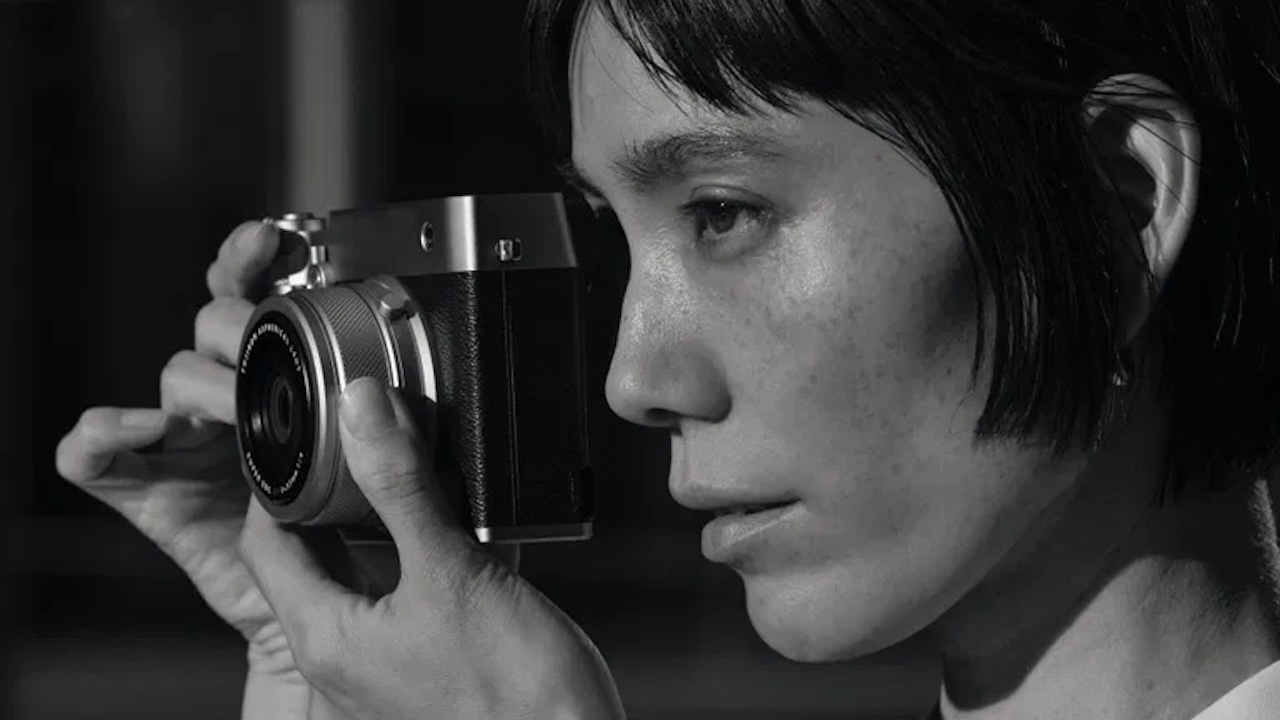
Your phone is already in your pocket, takes good photos, and doesn’t require another battery. That’s the problem every enthusiast compact camera has to overcome.
A dedicated camera only makes sense if it gives you something meaningful in return: a larger sensor, better controls, a real viewfinder, useful optical zoom, or a device designed for photography instead of notifications.
Today’s enthusiast compacts solve that problem in very different ways. The Ricoh GR IV prioritizes portability. Sony packs an 8x optical zoom into the RX100 VII. Fujifilm’s X100VI emphasizes traditional controls and a fixed lens, while the GFX100RF stretches the definition of “compact” around a 102-megapixel sensor.
Rather than pretending one specification determines the winner, these are six cameras for six different types of enthusiast photographer.
1. Fujifilm X100VI: Best Overall
Camera systems have a habit of becoming luggage. You start with a body and one lens, then add a portrait lens, something wider, a telephoto, filters, and eventually a bag large enough to carry the whole kit.
The Fujifilm X100VI prevents that by design. Its 40.2-megapixel APS-C X-Trans CMOS 5 HR sensor sits behind a permanently attached 23mm f/2 lens, giving you a 35mm-equivalent field of view. There is no lens decision to make because there is no other lens to attach.
Fujifilm backs that simplicity with enthusiast-level hardware: a hybrid optical/electronic viewfinder, physical exposure controls, Film Simulation modes, five-axis in-body image stabilization rated for up to six stops, and internal video recording at up to 6.2K/29.97p.
What that means in practice: The X100VI is the camera you grab when you don’t want photography to become an equipment-management exercise. Stabilization also helps with slower shutter speeds on stationary subjects when the light drops.
The fixed lens remains the compromise. A 35mm-equivalent view works beautifully for everyday subjects, but it won’t optically bring distant animals, athletes, or stage performers closer.
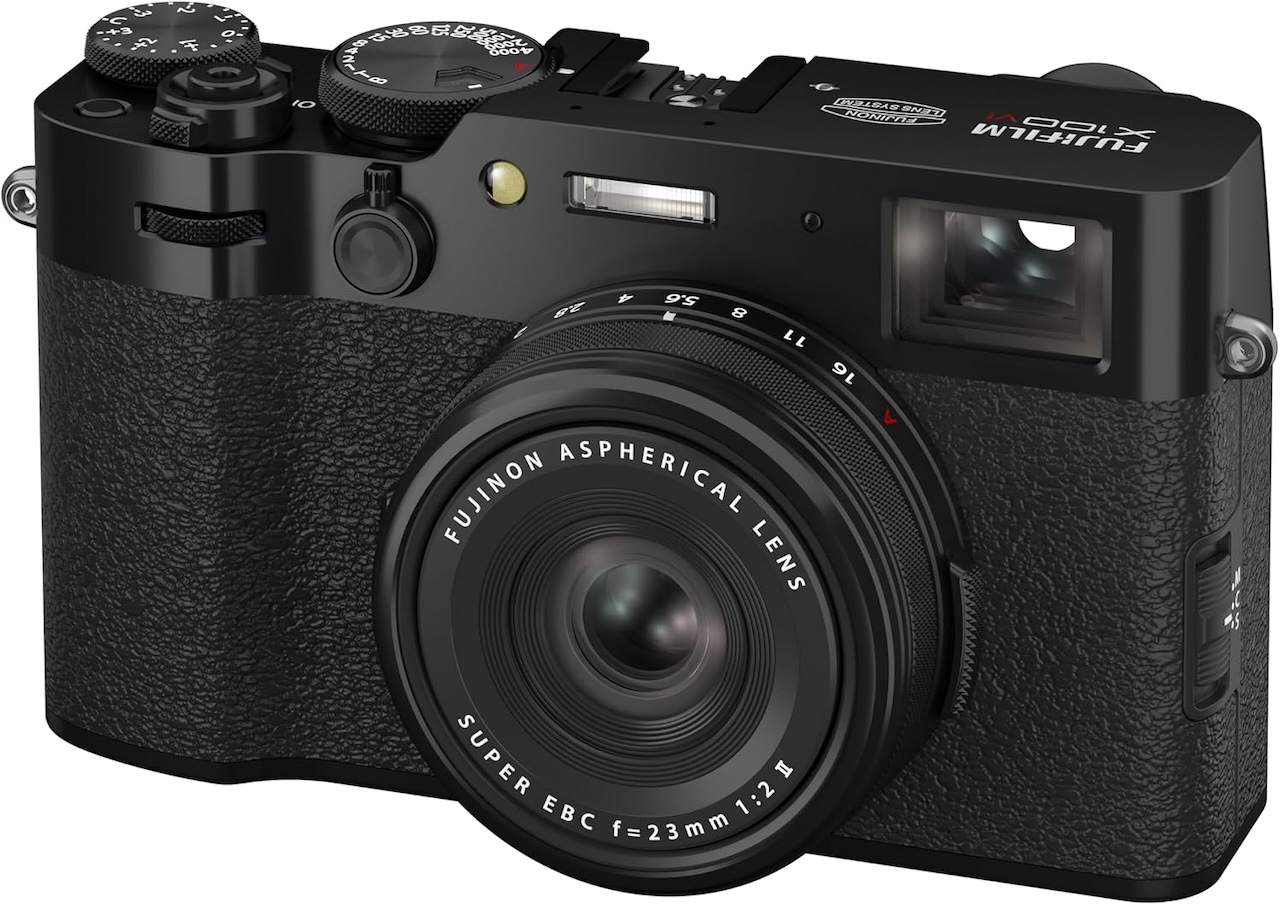
Buyer fit: Choose the X100VI if you want a premium everyday camera for street, travel, family, and documentary photography and like the discipline of one focal length.
Fujifilm X100VI
Price: $1,984
Where to Buy: Amazon
2. Ricoh GR IV: Best Pocket Camera
Sometimes the biggest obstacle to using a dedicated camera is simply finding somewhere to put it. The Ricoh GR IV tackles that problem aggressively.
Inside its small body is a 23.3 x 15.5mm APS-C CMOS sensor with approximately 25.74 effective megapixels. The fixed 18.3mm f/2.8 lens gives you a 28mm-equivalent perspective. Ricoh also adds five-axis sensor-shift Shake Reduction, rated under CIPA 2024 testing at six stops in the center and four stops at the image periphery.
Those are manufacturer figures, but the bigger point is the design choice: Ricoh puts an APS-C sensor into a camera built to disappear into daily carry.
What that means in practice: You get a sensor format normally associated with larger cameras without accepting the same carrying burden.
The 28mm-equivalent view favors streets, buildings, interiors, travel, and environmental portraits. It is less convenient for tight shots of distant subjects. There is also no built-in viewfinder, so you will usually compose with the rear display.
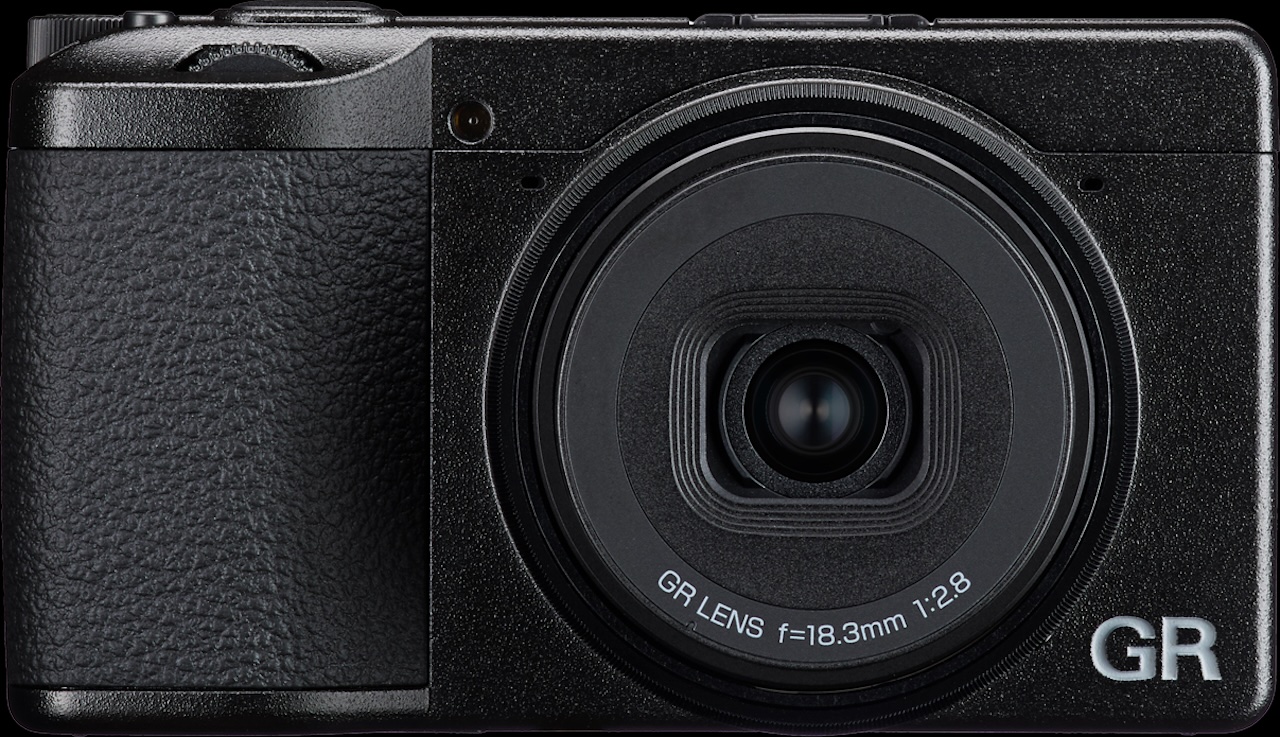
Buyer fit: Choose the GR IV if small size is your first priority but you still want an APS-C sensor. It is especially compelling for street and travel photographers comfortable with a fixed 28mm-equivalent view.
Ricoh GR IV
Price: $1,599.95
Where to Buy: Ricoh
3. Sony RX100 VII: Best Compact Zoom
A fixed prime lens works until you encounter something you physically can’t approach. The Sony RX100 VII gives you another option.
Its ZEISS lens covers 24-200mm equivalent at f/2.8-4.5, providing 8x optical zoom. Behind it is a 1-inch-type stacked Exmor RS CMOS sensor with approximately 20.1 effective megapixels.
The sensor is smaller than the APS-C sensors in the Fujifilm X100VI and Ricoh GR IV, but Sony answers with dramatically greater framing flexibility. At 24mm equivalent, you can capture a landscape, room, or building. At 200mm equivalent, you can fill more of the frame with distant details.
The RX100 VII also fits an electronic viewfinder into its small body, along with a rear display that tilts approximately 180 degrees upward and 90 degrees downward.
What that means in practice: One camera can handle a wide range of subject distances without a lens change or extra lenses in your bag.
The tradeoffs are size-related. The controls can feel cramped, and the 1-inch-type sensor does not offer the same sensor area as the larger-sensor cameras here.
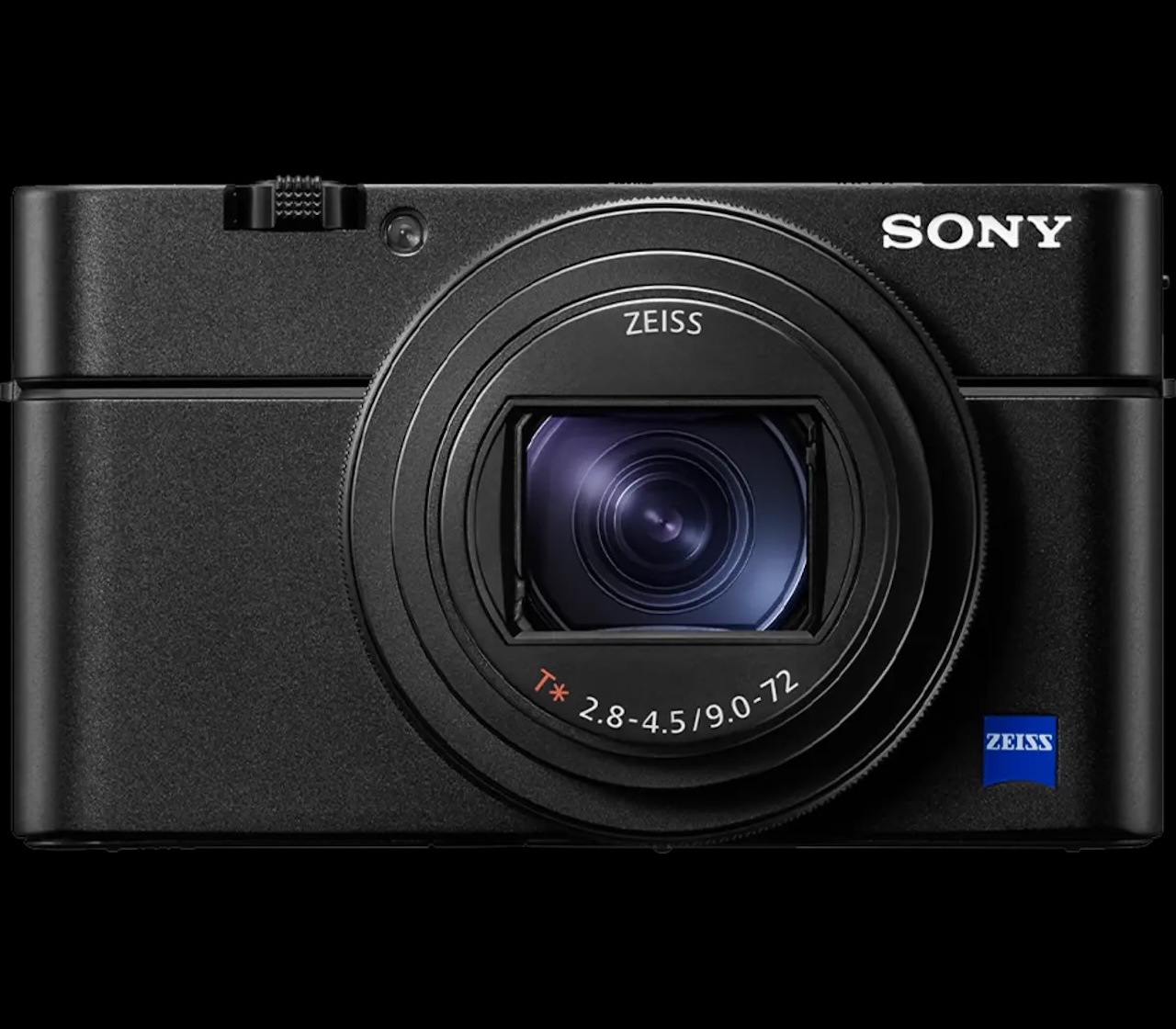
Buyer fit: The RX100 VII is the one I’d consider first for travel when you don’t know whether tomorrow’s photo will be a building across the street or a detail across the valley.
Sony RX100 VII
Price: $1,499.95
Where to Buy: Sony
4. Leica Q3 43: Best Premium Compact
The Leica Q3 43 asks a different question: What if you want fewer equipment decisions but are not trying to save money?
Its centerpiece is an APO-Summicron 43mm f/2 ASPH. fixed lens paired with a 60.3-megapixel effective full-frame CMOS sensor. That 43mm focal length sits between the familiar 35mm and 50mm perspectives, giving you a natural view for people, details, and everyday scenes.
Leica adds optical image stabilization and digital crop settings corresponding to 60, 75, 90, 120, and 150mm fields of view. Those settings are useful, but they are crops from the sensor, not additional lenses. As you select tighter views, you use a smaller portion of the original image and retain fewer pixels.
What that means in practice: The Q3 43 gives you some freedom to reframe, but it remains fundamentally a 43mm fixed-lens camera.
At this price, you are not choosing between the Leica and an ordinary point-and-shoot. You are choosing between the Leica and very capable interchangeable-lens equipment.
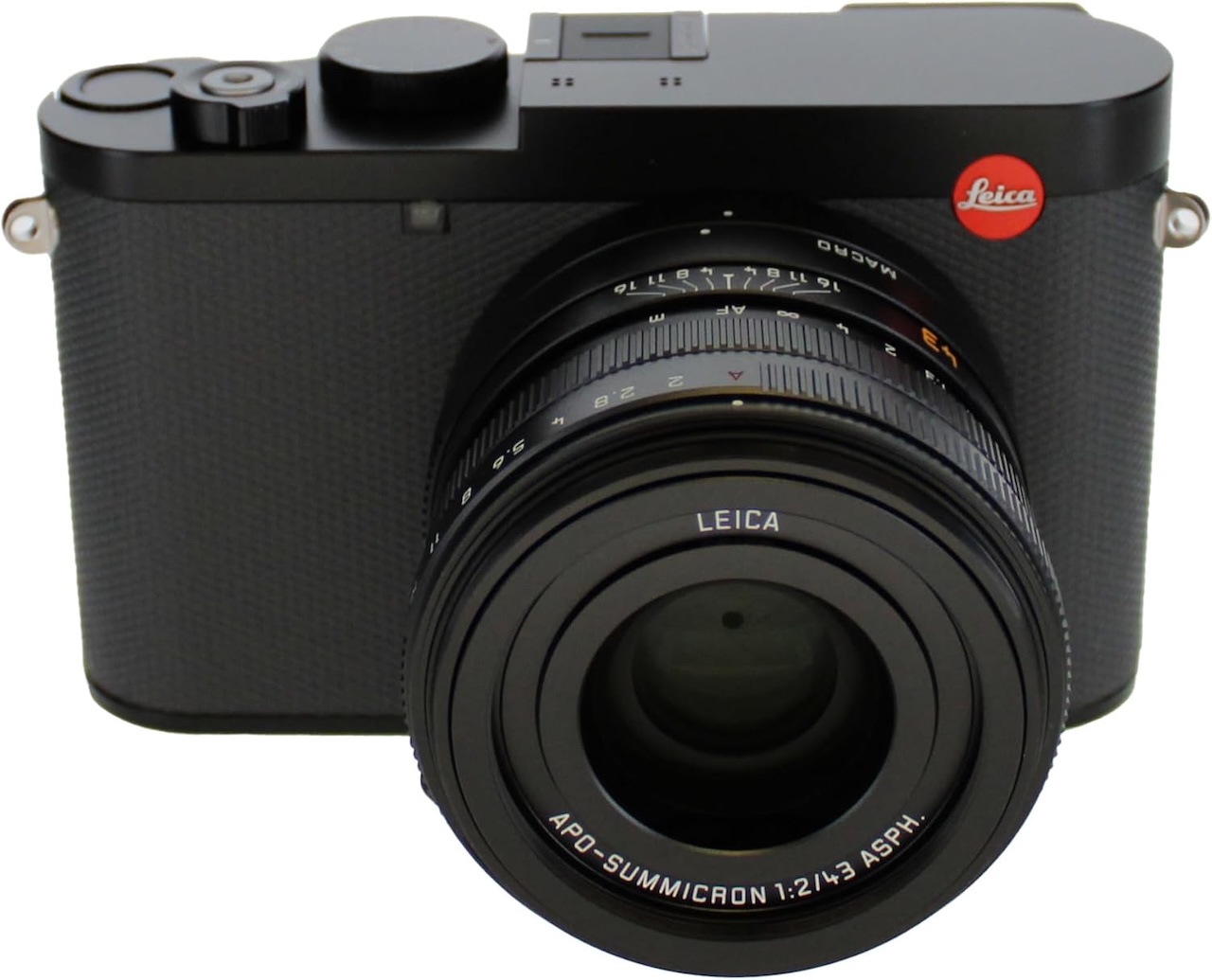
Buyer fit: Consider the Q3 43 if 43mm is close to how you naturally frame photographs and you are willing to pay a premium for a full-frame, fixed-lens Leica built around that perspective.
Leica Q3 43
Price: $7,950
Where to Buy: Amazon
5. Canon PowerShot V1: Best for Hybrid Photo and Video
A photography enthusiast and a content creator can ask different things from the same small camera. Canon designed the PowerShot V1 with both in mind.
It uses a 1.4-inch-type CMOS sensor offering approximately 22.3 effective megapixels for still photography, paired with a built-in f/2.8-4.5 zoom. The more revealing specifications are on the video side: oversampled, uncropped 4K at 30 fps, 4K/60p with an approximately 1.4x crop, 10-bit Canon Log 3 recording, and an active cooling fan.
What that means in practice: Canon addressed one of the less glamorous problems of demanding video recording in a small body: heat.
That does not mean the V1 can record indefinitely under every setting and ambient temperature. It does show that sustained video use was a design priority rather than an afterthought.
The tradeoff is telephoto reach. Sony’s RX100 VII extends to 200mm equivalent, giving it much more ability to frame distant subjects optically. Canon instead makes its strongest case when you regularly switch between stills and video.
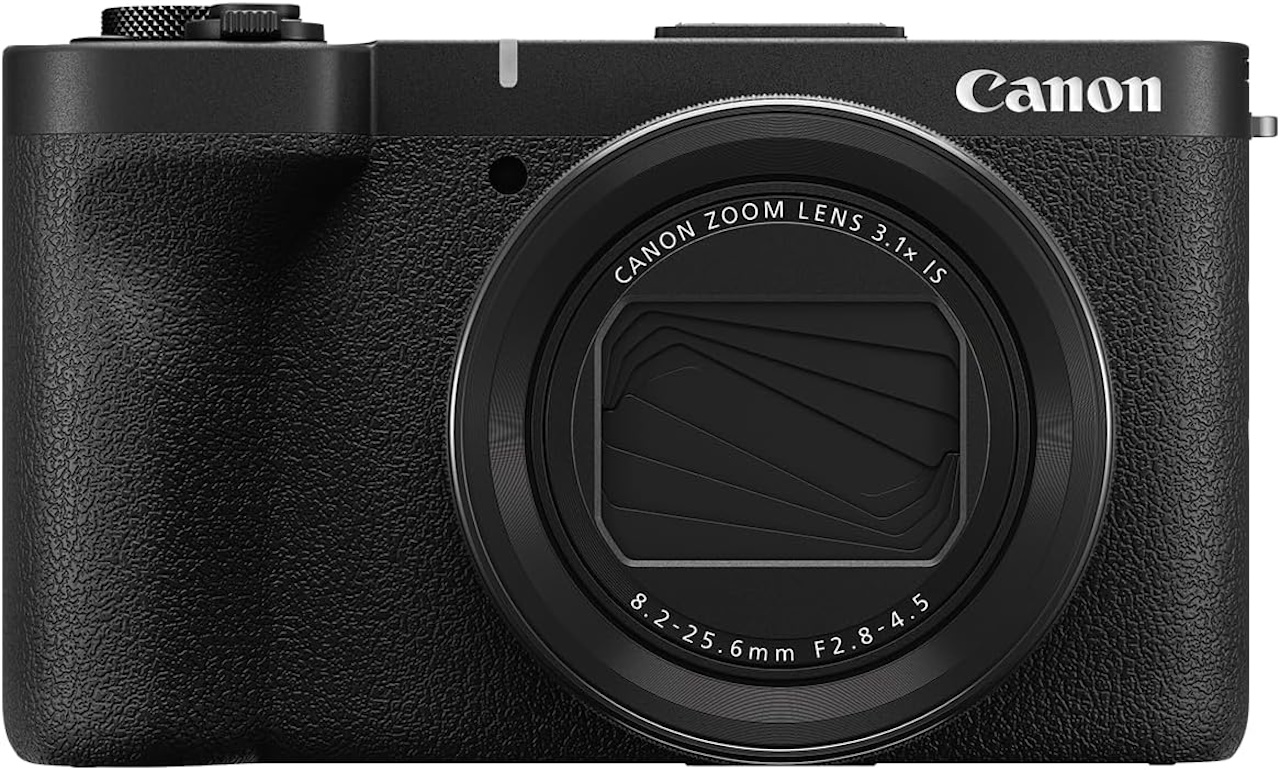
Buyer fit: Choose the PowerShot V1 if your definition of photography also includes travel videos, YouTube content, or other projects where its advanced video features will actually get used.
Canon PowerShot V1
Price: $849
Where to Buy: Amazon
6. Fujifilm GFX100RF: Best for Maximum Resolution
The Fujifilm GFX100RF requires us to stretch the word “compact.” It weighs approximately 735 grams with battery and memory card, so nobody is confusing it with the Ricoh GR IV. What makes it relevant is what Fujifilm puts inside an integrated fixed-lens body.
The GFX CMOS II sensor measures 43.8 x 32.9mm and provides approximately 102 million effective pixels. In this group, both sensor size and resolution stand apart.
Fujifilm pairs that sensor with a fixed 35mm f/4 lens providing a 28mm-equivalent field of view. There is also a built-in four-stop ND filter and digital teleconverter settings labeled 45mm, 63mm, and 80mm. Again, those teleconverter modes are crops rather than physical changes to the lens.
What that means in practice: The huge starting resolution gives photographers substantial room for fine detail and cropping, which can be useful for landscapes, architecture, and large prints.
But 102 megapixels do not guarantee a sharper photograph. Focus accuracy, subject movement, shutter speed, and camera movement still matter. That is especially relevant because the GFX100RF does not provide sensor-shift stabilization for still photography; Fujifilm specifies digital stabilization for movie recording.
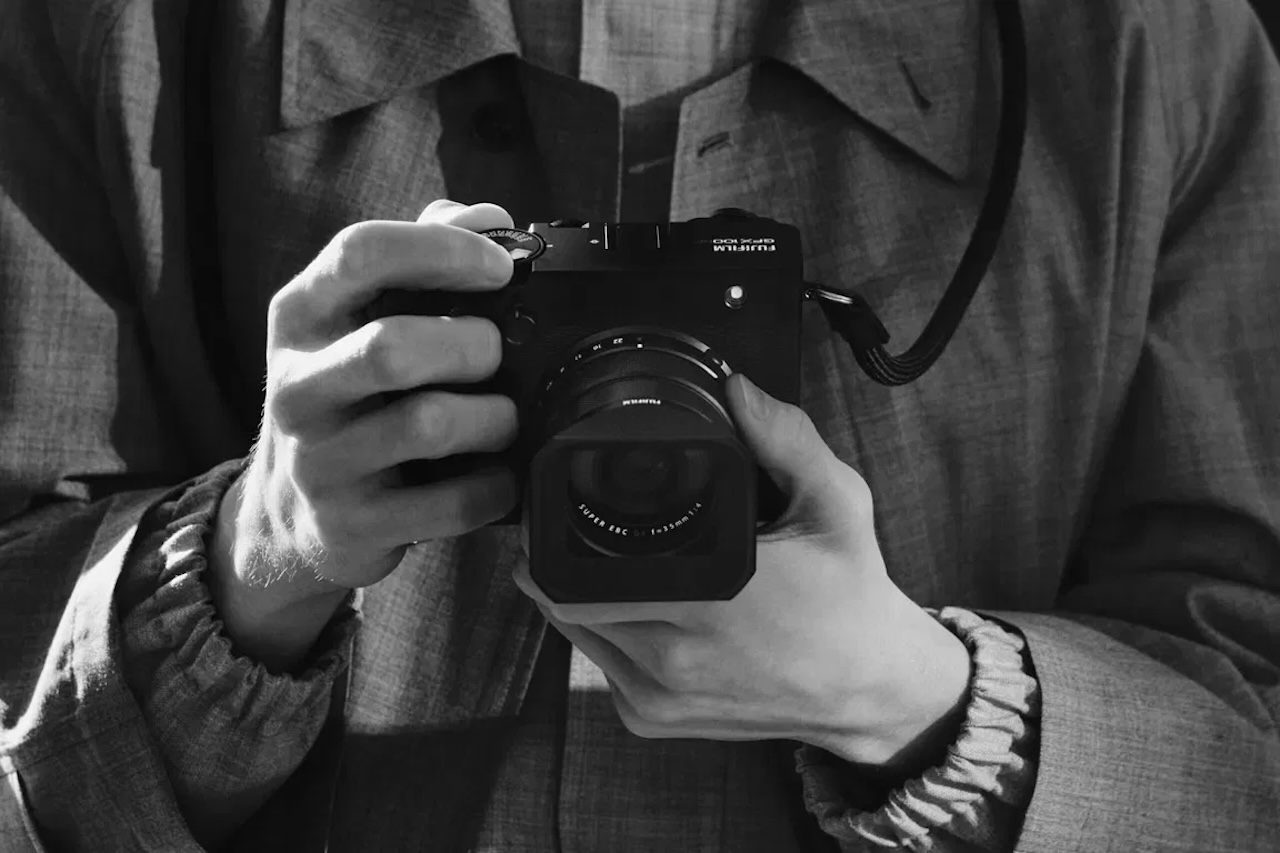
Buyer fit: The GFX100RF is for photographers who think the other five cameras compromise too much on sensor size and resolution. You accept more weight, no optical zoom, and no stills IBIS to get a 102MP GFX-format sensor in a fixed-lens package.
Fujifilm GFX100RF
Price: $5,599
Where to Buy: Fujifilm
Which Enthusiast Compact Camera Should You Buy?
Do not start with megapixels. Start with the reason your phone is not enough.
If you want a dedicated everyday photography experience without building another lens collection, the Fujifilm X100VI is the most balanced choice here. If the camera needs to occupy as little space as possible, the Ricoh GR IV makes the stronger case. If unpredictable subjects make a fixed lens feel restrictive, the Sony RX100 VII gives you 24-200mm-equivalent optical coverage.
Creators who switch between stills and video should look at the Canon PowerShot V1, while the Leica Q3 43 is the luxury choice for photographers drawn to its full-frame sensor and 43mm perspective.
The Fujifilm GFX100RF is different: the choice for photographers willing to tolerate a larger “compact” because a 102MP GFX-format sensor matters more than pocketability.
These cameras are not six versions of the same idea. Each makes a different compromise to earn space alongside the camera you already carry everywhere.


Gadgeteer Comment Policy - Please read before commenting
Nice post. Could have included the D-Lux 8, but if you were going to include only one Leica, the Q was a good choice.