Buying a Mac desktop just got more complicated.
Apple has introduced two new chips, refreshed the Mac mini and Mac Studio, and added capabilities aimed squarely at increasingly demanding AI workloads. If you only look at Apple’s performance charts, though, it’s easy to miss the more useful question: which of these changes actually matters for what you do?
Here are five things worth knowing.
1. M6 is Apple’s first 2nm chip
The biggest silicon announcement is M6, which debuts in the new Mac mini.
Apple says M6 is its first chip manufactured using a 2-nanometer process. It combines a 12-core CPU and 12-core GPU with Neural Accelerators in every GPU core, plus a Dual 16-core Neural Engine and up to 170GB/s of unified memory bandwidth.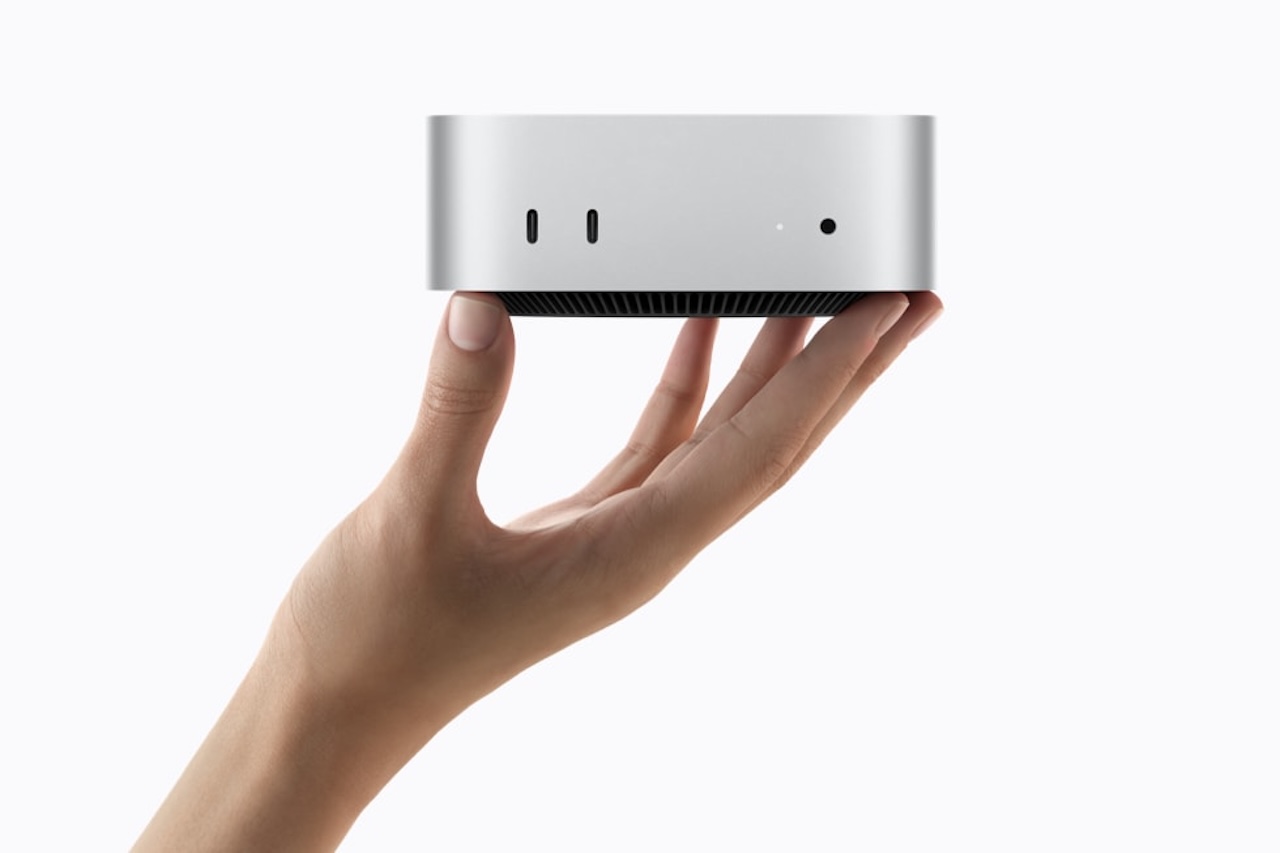
Price: From $799
Where to Buy: Apple
The M6 Mac mini delivers up to 40% faster CPU performance, up to 2x faster graphics, and up to 4x faster AI performance than the prior Mac mini with M4. The more interesting part is what Apple intends to do with that performance. The company is positioning M6 for on-device AI, coding, creative applications, and agentic workflows.
For most people using a recent Apple silicon Mac, that probably isn’t enough reason to upgrade. For developers deliberately building local AI workflows, M6 is more interesting.
2. The little Mac mini is being asked to do much bigger jobs
The newly announced Mac mini comes with either M6 or M5 Pro, pushing Apple’s smallest desktop considerably beyond its traditional role as the inexpensive way into macOS.
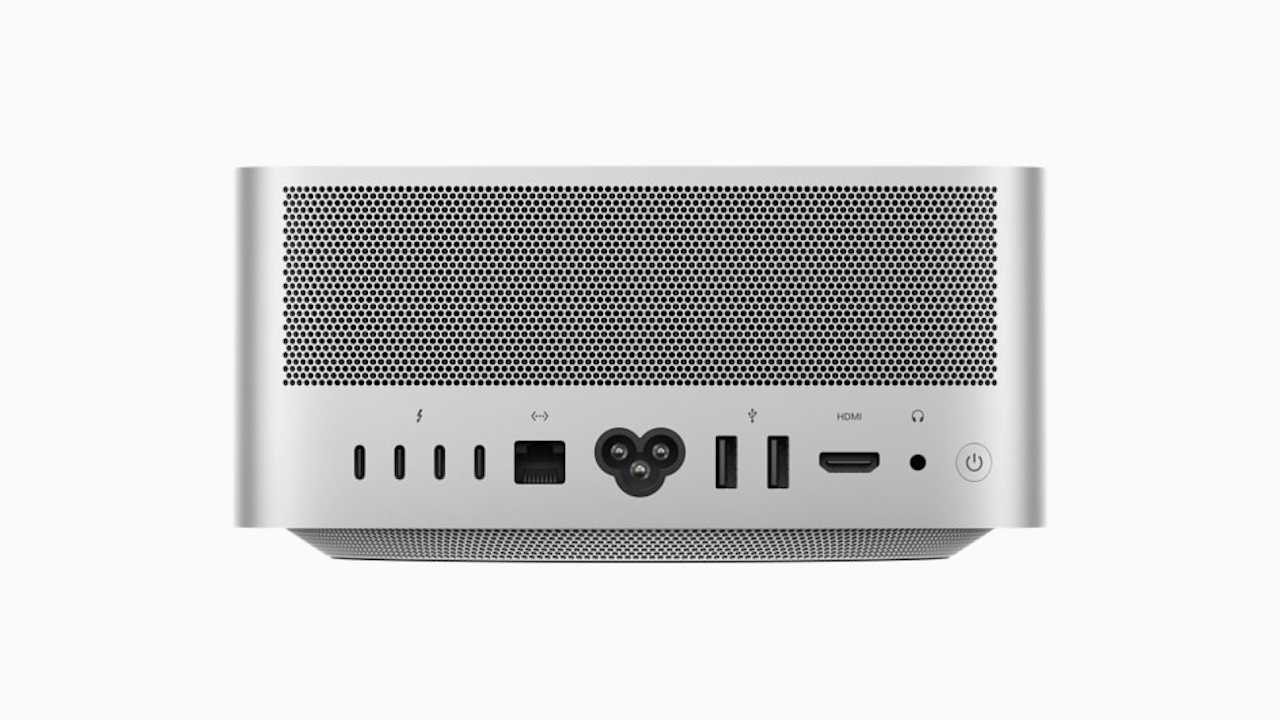
The M6 model starts at $899 in the U.S., while M5 Pro starts at $1,699, with availability beginning September 22. M5 Pro configurations scale to an 18-core CPU and 20-core GPU with up to 64GB of unified memory. Both versions get Wi-Fi 7, Bluetooth 6, and 2.5Gb Ethernet, but there’s an important connectivity difference: M6 has three rear Thunderbolt 4 ports, while M5 Pro gets three Thunderbolt 5 ports.
Apple is also pitching the little box for always-on, deskside agentic computing. That could give developers another interesting option for running local services and AI workloads without dedicating a larger computer to the job.
The tradeoff is that the Mac mini’s entry price has moved higher along with its capabilities.
3. M5 Ultra takes Mac Studio into another performance tier
The more extreme silicon announcement is M5 Ultra, available in the new Mac Studio.
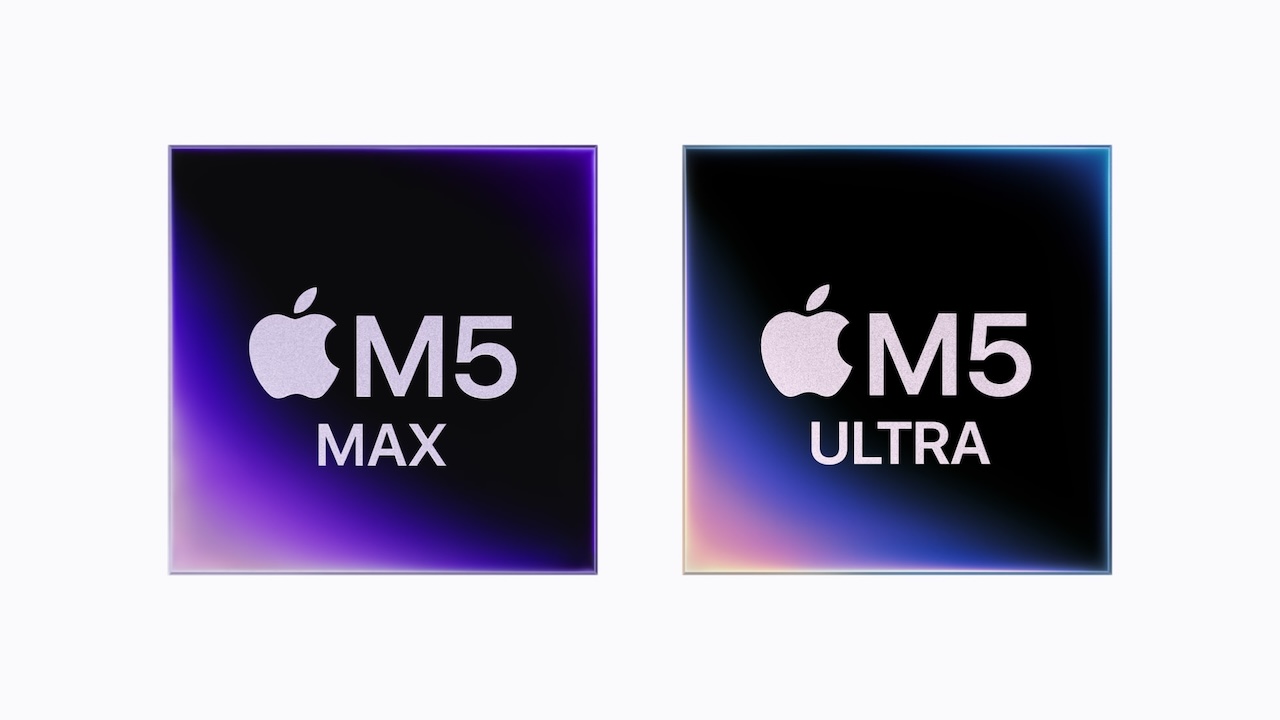
M5 Ultra scales to a 36-core CPU, up to an 80-core GPU, and up to 1.2TB/s of unified memory bandwidth, which Apple says is 50% higher than M3 Ultra. Neural Accelerators are built into the GPU cores, with Apple positioning the chip heavily around demanding AI workloads.
 Nobody needs hardware at this level to make everyday Mac tasks feel faster. The practical advantage is giving demanding 3D, video, scientific, and AI workloads access to enormous compute and unified memory inside one system.
Apple claims up to 1.3x higher multithreaded CPU performance and up to 1.8x faster graphics than M3 Ultra. Exactly how much faster a particular professional workflow becomes will require independent testing.
4. Mac Studio can now have 512GB of unified memory
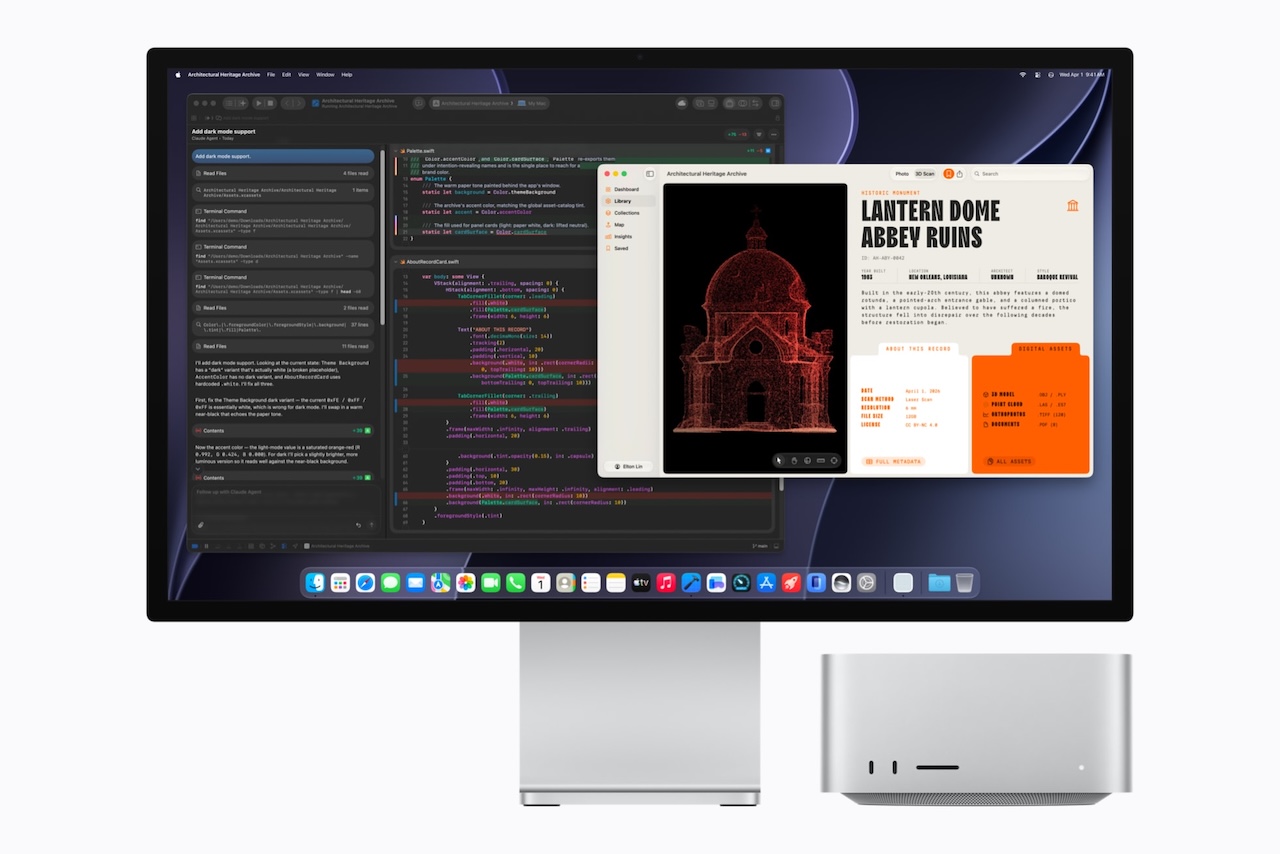
The new Mac Studio comes with either M5 Max or M5 Ultra.
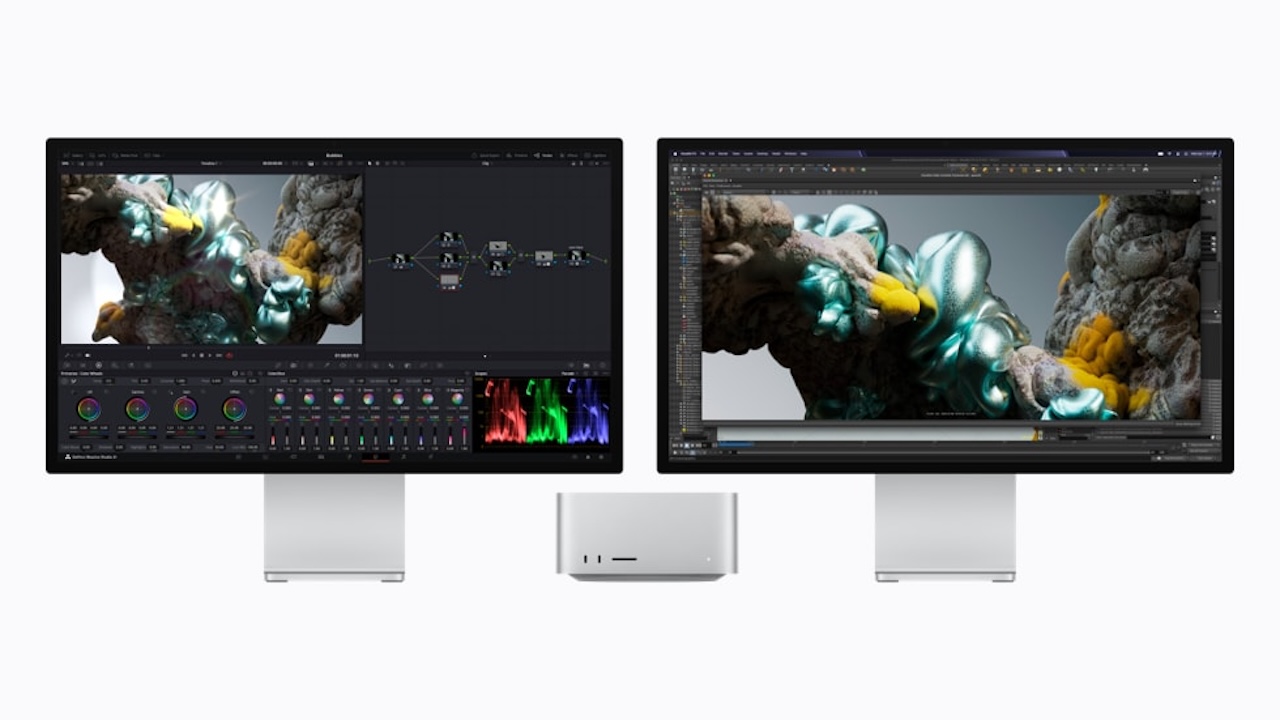
Price: From $2,299
Where to Buy: Apple
M5 Max configurations offer an 18-core CPU, up to a 40-core GPU, and as much as 128GB of unified memory. M5 Ultra stretches that to a 36-core CPU, up to an 80-core GPU, and an extraordinary 512GB of unified memory.
That 512GB figure may be the most consequential specification Apple announced for certain professional users.
That enormous memory pool could allow developers and researchers to run AI models locally that exceed the memory capacity of typical desktop systems. Apple specifically says the machine can run enormous LLMs entirely on-device rather than requiring cloud infrastructure.
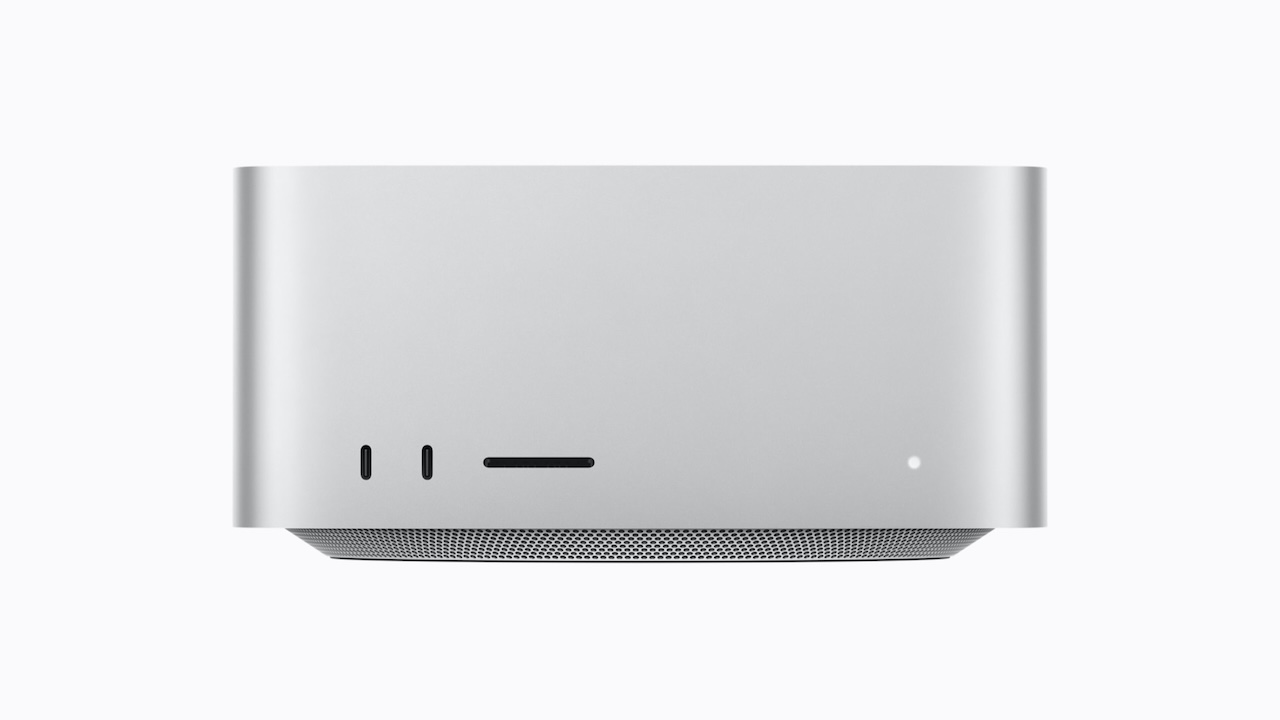
In Apple’s testing, M5 Ultra delivered up to 4.3x faster AI performance than the prior generation in one highlighted Mac Studio workload. That’s one Apple benchmark, not evidence that every AI workload becomes 4.3 times faster.
Mac Studio starts at $2,499 with M5 Max and $5,499 with M5 Ultra, with availability beginning September 22. Buyers interested specifically in the maximum 512GB memory configuration will have to wait until late October. For ordinary creative work, that’s spectacular overkill. For people whose models or datasets are already running into memory limits, it could be the most important upgrade here.
5. Mac Studio gets a new trick: clustering for massive AI models
This might be the least consumer-friendly announcement, but it may also be one of the most interesting.
Apple says Thunderbolt 5 and built-in RDMA support let multiple Mac Studio systems work together, creating a shared memory pool across systems for distributed AI workloads.
In Apple’s testing, a four-Mac Studio cluster delivered up to 3x faster AI inference than a single system. That distinction matters. The ability to cluster the machines and create a shared memory pool is the capability Apple has introduced; the 3x performance figure comes from Apple’s testing.
Apple positions the setup as a way to run exceptionally large open-weight AI models locally. For an individual Mac buyer, clustering four Mac Studios is obviously an edge case. For an AI team trying to keep very large models local, it’s a more interesting proposition.
Who should care about Apple’s new Macs?
If you already own a recent Apple silicon Mac and spend most of your day browsing, writing, editing photos, or doing ordinary office work, none of these announcements creates an urgent reason to upgrade.
The new Mac mini is the machine most likely to matter to mainstream buyers, particularly people who want a compact desktop with enough headroom for development, creative work, or experimenting with local AI.
Mac Studio with M5 Ultra is a different proposition. With up to 512GB of unified memory and the ability to cluster multiple machines, Apple is targeting workloads where ordinary desktop specifications stop being useful.
For most Mac buyers, the important question isn’t whether Apple made these machines faster. It obviously did. It’s whether your workload has become complicated enough to justify what Apple has built.