
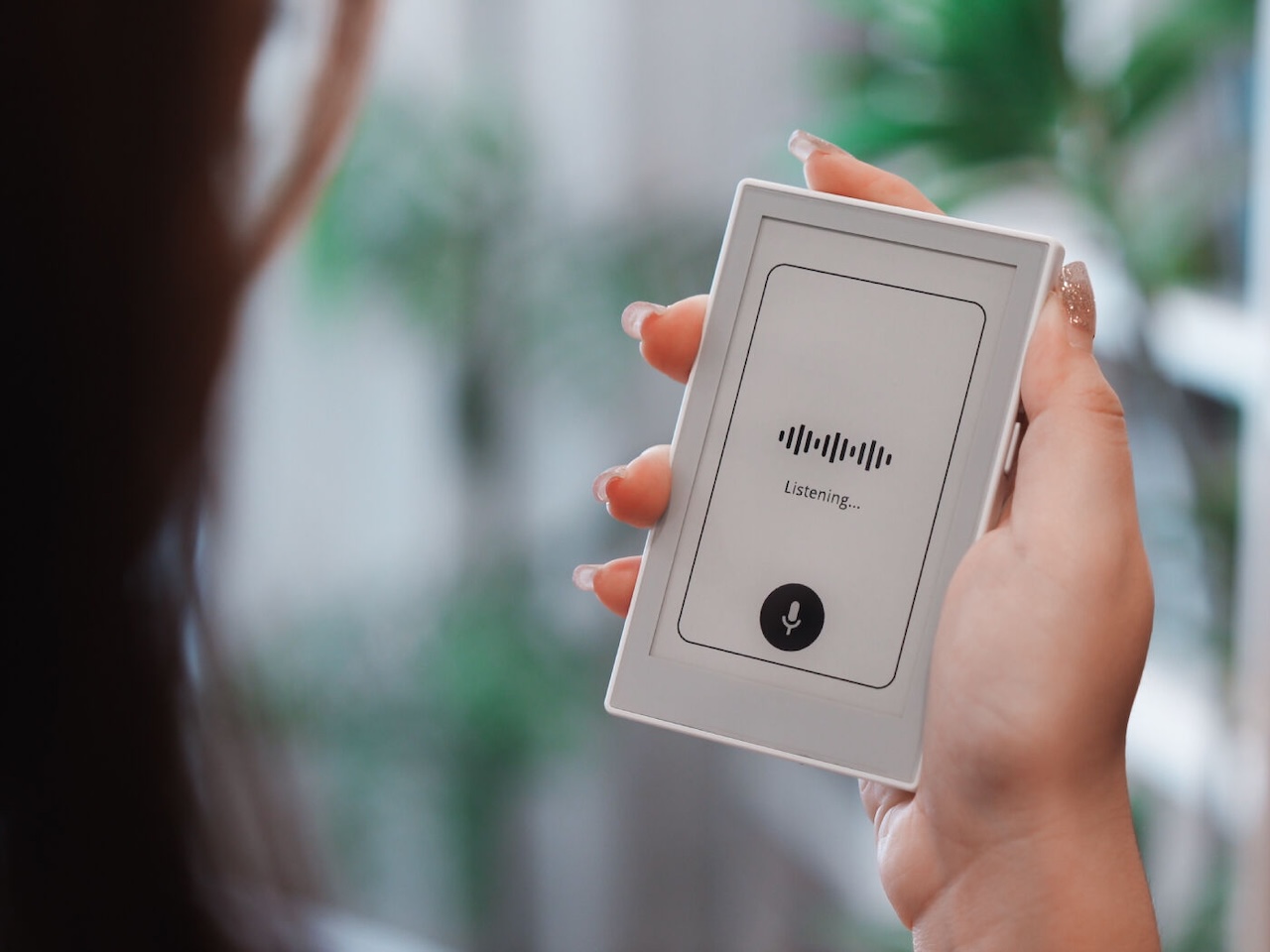
I keep coming back to the same family communication failure: the message exists, but it lives in a place nobody checks. A group chat can hold the grocery reminder, the school pickup change, and the note about the broken cabinet, yet each person still has to open a phone to see them.
Price: $49.90
Where to Buy: Seeed Studio
Seeed Studio’s reTerminal Sticky takes the opposite route. It puts a small monochrome display in a shared physical place, then lets people update it from a phone, a web interface, or the device itself. That sounds less like a smarter group chat and more like a digital version of the note stuck to the refrigerator. That distinction decides whether this idea earns wall space.
The group chat’s visibility problem
The group chat wins at reach. Everyone already has the app, messages arrive anywhere, and a reply creates a record. It also buries routine information under jokes, links, reactions, and messages that only one person needed. The household has a communication channel, but it lacks a shared surface. The Gadgeteer has also looked at smart displays that try to become permanent kitchen fixtures.
Paper notes and whiteboards solve the visibility problem, but they lose the remote update. Someone has to be home, near the refrigerator, and willing to find a marker. Sticky joins those two systems. A person at work can send a note, while everyone at home sees it without opening a screen they already associate with work, entertainment, and private conversation.
What Sticky actually changes
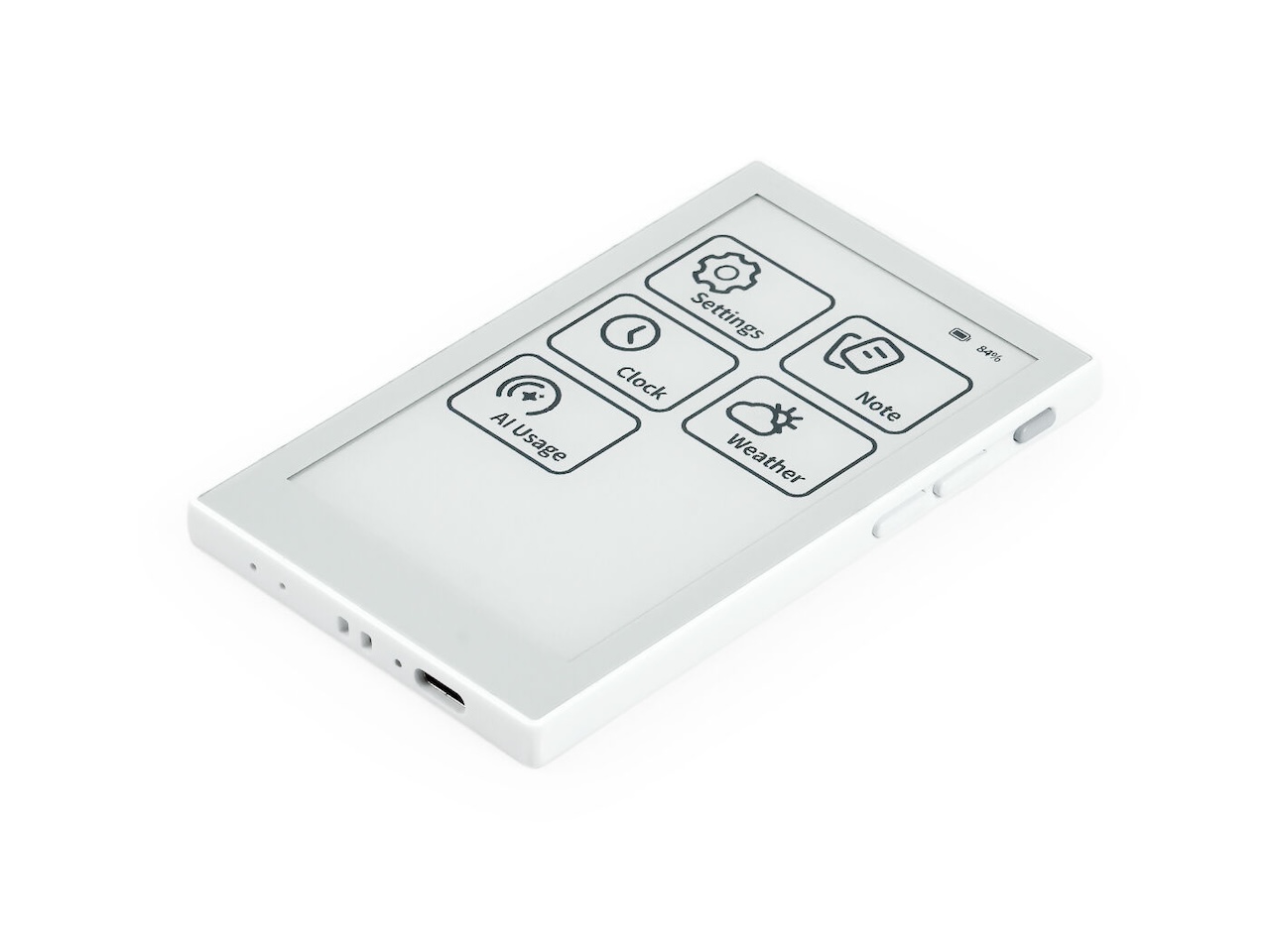
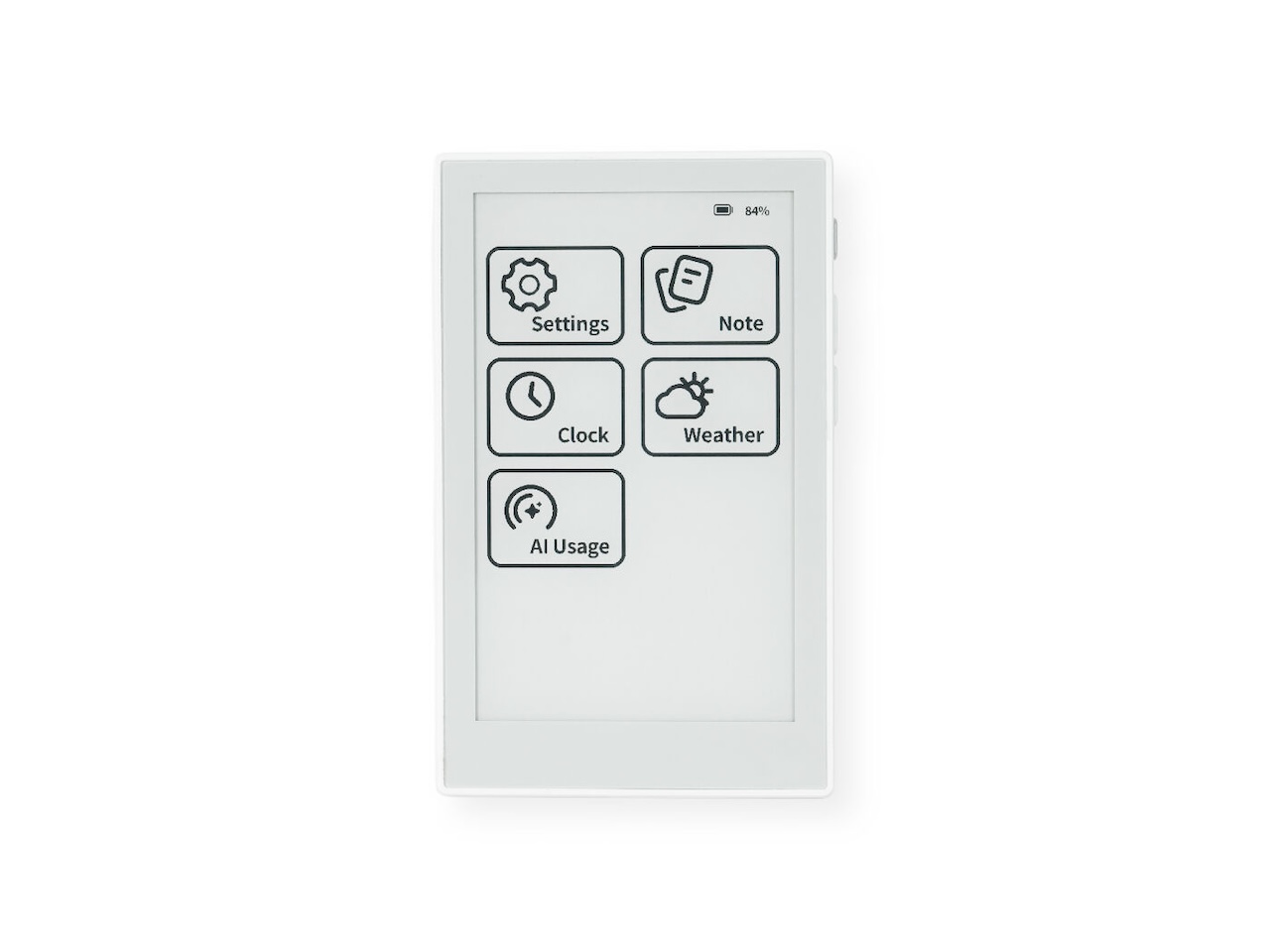
The hardware starts with a 3.97-inch monochrome E Ink touchscreen at 800 by 480 resolution. Seeed lists a 106 millimeter by 65.5 millimeter by 7.3 millimeter body, a 70 gram weight, and a 750mAh battery. Its quick-start documentation also confirms USB-C charging, 2.4GHz Wi-Fi setup, Bluetooth pairing during setup, a microphone, and a microSD slot. Those details make Sticky feel like a small household panel, not a shrunken tablet.
Its size is the point. Sticky can show a short household instruction without asking anyone to unlock a phone, and the display can stay in the same place all day.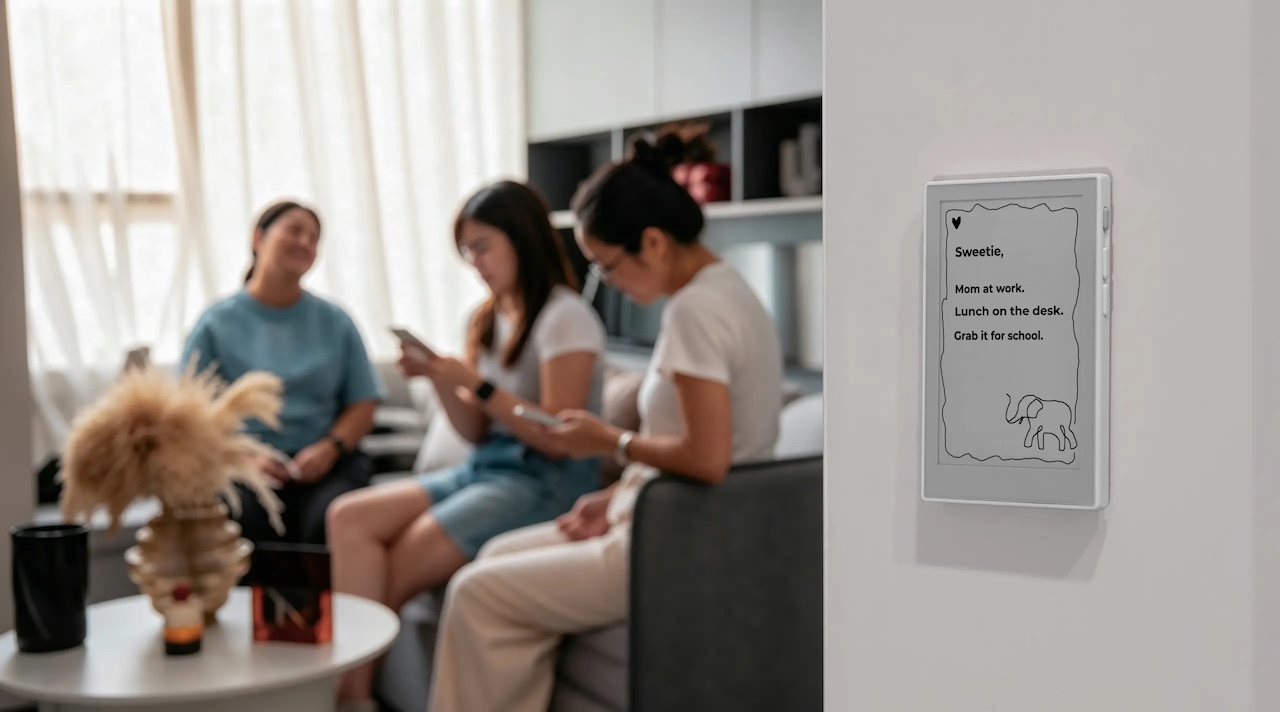
The magnetic back attaches to a metal surface, and Seeed includes an adhesive magnetic ring for other surfaces. That placement changes the device’s job. A phone asks one person to retrieve information. A refrigerator display lets several people absorb the same information while they are already walking through the kitchen.
The screen stays quiet
E Ink gives Sticky its strongest argument. The panel can keep information visible without behaving like a glowing conventional screen, so a reminder can sit in the room instead of demanding attention from it. Seeed describes notes, to-do lists, weather, a clock, photos, designs, and other built-in display options as possible content. For another look at the format, The Gadgeteer’s Boox Note Air5 C coverage shows how a larger E Ink device takes a different route.
The same choice creates a firm boundary. Sticky isn’t a family dashboard for video, rich chat, or fast-moving alerts. It works when the information benefits from staying put. Dinner plans, a pickup time, a reminder to bring something upstairs, or a short shopping list fit the format. A long conversation doesn’t. Choose Sticky for visible, low-noise reminders. Skip it for conversations that need replies.
The app is still part of the system
Sticky doesn’t eliminate the phone. The Seeedash app handles initial binding, Wi-Fi setup, content creation, device status, and remote updates. The quick-start documentation says the first setup pairs the device over Bluetooth, then connects it to a 2.4GHz Wi-Fi network. It also says the app can create notes, send Clock and Weather layouts, push Photos and Designs, and sync the latest content the next time Sticky comes online.
That split creates a useful test for the concept. The phone handles creation and the wall display handles visibility. The system works when the household agrees that the display is the shared place for a narrow class of information. If every person keeps sending unrelated notes, Sticky becomes another inbox with a smaller screen. The rule is simple: the phone creates the note, and the wall display carries it into the room.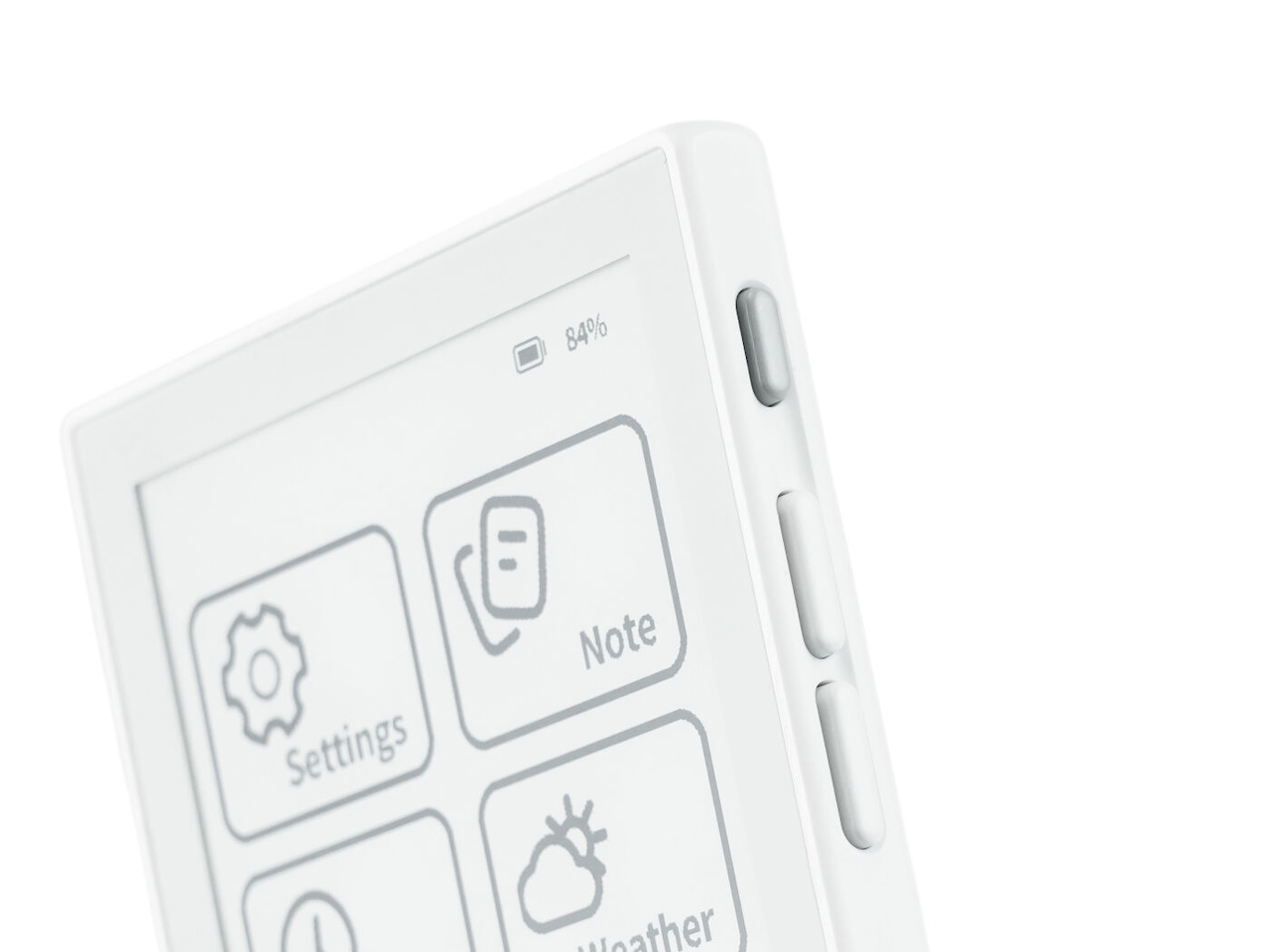
Where the whiteboard still wins
A whiteboard has no account, battery, Wi-Fi network, app, or firmware. Anyone can change it. That simplicity gives it an advantage in a home where the message needs to be fast and disposable. Sticky adds remote input and a cleaner presentation, but it also adds setup and a dependency on the software around the display. The display’s open hardware direction offers another path. Seeed documents custom firmware support and points users toward the SenseCraft ecosystem and a community firmware playground. That expands the audience beyond families who want a note board, but it also shifts some of the product’s value toward people willing to configure hardware instead of simply mounting it.
Who should use a display like this?
Would your household use a shared screen for the same few reminders every day? Sticky fits a home with a predictable location, recurring reminders, and enough agreement to keep the display focused. It makes the most sense when one person needs to post information remotely and several people need to see it later. A family that already handles every task inside one active group chat won’t gain much from another notification surface.
It also suits people who want information visible without turning a tablet into a permanent household screen. The monochrome panel limits the temptation to browse. The small body limits the amount of information it can show. Those constraints aren’t defects for this use case. They stop the display from becoming a general-purpose device that competes with the phone it was supposed to complement.
The real test is household behavior
The product’s success won’t come from its screen size or its battery capacity. It will come from whether the household gives it one clear job and trusts that job. Put the grocery list, school pickup, and dinner reminder there, and the display earns its spot. Put every message there, and the signal disappears into the same clutter the product was meant to escape.
Price: $49.90
Where to Buy: Seeed Studio
A tiny E Ink screen can’t replace a family group chat because the two tools solve different communication problems. The group chat carries conversation across distance. Sticky puts a small set of shared facts in the room. Buy the idea only if your household needs that physical layer. If not, a paper note will be faster, cheaper, and easier to change.
