

Smart glasses have spent years promising a computer you can wear all day. Heat is the part of that promise that keeps getting left out. Put a processor, cameras, wireless radios, translation tools, and a display inside a frame that sits against skin, and the thermal problem arrives before the futuristic payoff does. I keep coming back to that constraint because it can decide whether smart glasses become a useful daily computer or an expensive camera you remove after a short session.
xMEMS is proposing a tiny hardware fix with the xMEMS XMC-1200 Smart Glasses, a solid-state micro cooling chip designed for AR, XR, and AI-powered smart glasses. The company lists a 1mm thickness, a 46mm² footprint, typical power consumption of 70mW, airflow up to 10cc/s, and an IP68 rating. xMEMS also says the chip can provide up to 10°C of cooling at a 1W thermal load. Those figures come from the company, not independent testing, so the useful question isn’t whether this chip solves wearable computing. It’s whether active cooling can remove one of the category’s least visible limits.
The thermal wall is a product problem
The physical design of the xMEMS XMC-1200 Smart Glasses is the first hurdle. A conventional fan needs room for a motor, blades, a housing, and an airflow path. A glasses temple doesn’t offer much of any of those. xMEMS describes the XMC-1200 as a solid-state solution that fits the narrow spaces where a normal fan can’t. The company pairs it with an Astra2 drive ASIC and positions the chip as targeted cooling at the heat source, rather than a broad attempt to move warm air around a finished frame.
That approach sounds small because the component is small, but the design consequence is bigger. If a thermal system can sit close to a processor, display engine, or camera cluster, an OEM gets another way to manage heat before the frame becomes uncomfortable or the electronics protect themselves by reducing performance. xMEMS says the chip is purpose-built for AR, XR, and AI glasses, but its public material doesn’t establish how a finished product would place it, how loud the airflow would be at the ear, or how much cooling an actual consumer frame would receive.

Small hardware, a larger design choice
The power budget is the other reason this announcement is worth attention. xMEMS lists 70mW of typical consumption alongside airflow of up to 10cc/s. A cooling solution that draws too much power simply trades thermal discomfort for shorter battery life. The company is arguing for a different balance: enough active cooling to protect a small computer, without adding a large battery penalty. That’s a design target, not a verified result in a retail pair of glasses.
The payoff could show up in more than skin comfort. xMEMS says that by actively managing heat at the source, the XMC-1200 can help extend recording sessions and let users capture longer events, conversations, and POV experiences. The company also ties the chip to sustained performance during longer periods of use. Gizmodo notes that heat affects the display as well, since it can cause color bleed and other image quality problems, and that xMEMS has not given a specific estimate for how much recording time the fan could add. That boundary is important. A cooling component can give engineers more thermal headroom, but it can’t guarantee a particular runtime, recording limit, or image quality improvement without a complete device around it.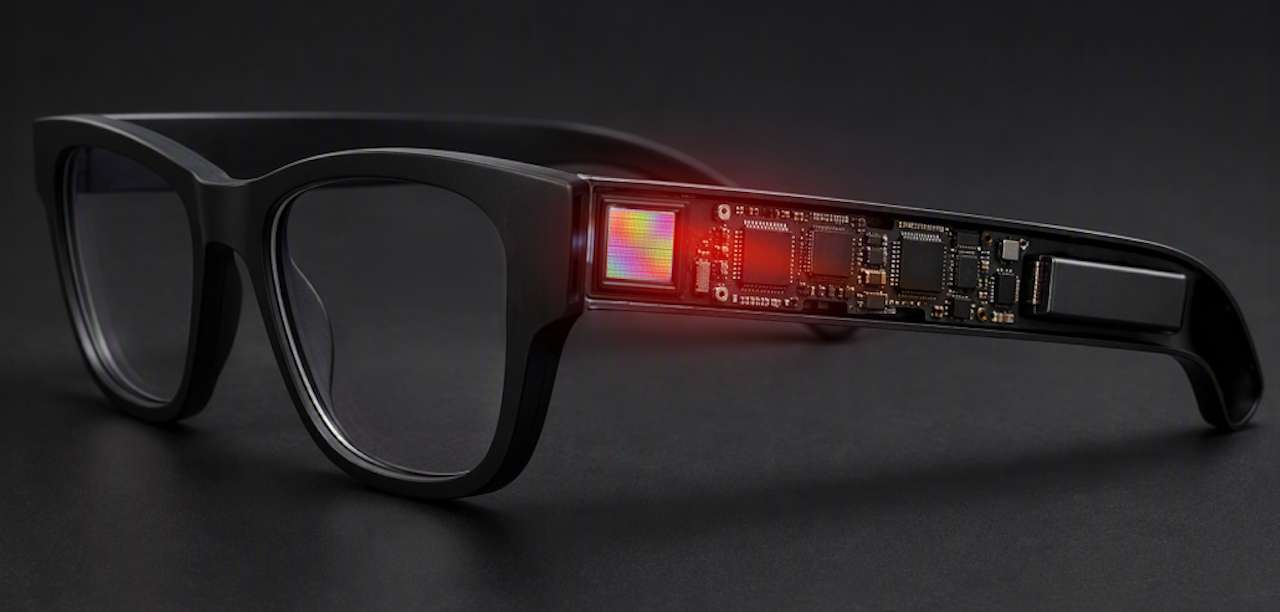
Cooling can change the ownership trade-off
The Gadgeteer has already covered camera-free smart glasses and the privacy limits surrounding Meta’s AI glasses. Heat belongs in that same ownership conversation. A frame that records less but feels normal to wear creates one kind of product. A frame that records longer but runs hot creates another. Cooling won’t settle the privacy debate, but it can decide whether people wear the device long enough for that debate to happen in daily life.
The timing also fits the direction of the category. AI workloads are moving closer to the user, cameras are becoming more capable, and brands are trying to make glasses look less like a computer strapped to a face. Smaller processors and thinner displays don’t repeal thermodynamics. They make heat harder to manage because the available volume keeps shrinking while the workload keeps growing.
What the announcement proves, and what it does not
xMEMS says engineering samples are available under NDA for qualified OEMs and technology partners. Gizmodo reported that the company is targeting production readiness toward the end of 2027. That means consumers won’t be shopping for XMC-1200 glasses today, and there is no verified retail device to recommend yet. The near-term signal is architectural: thermal management is moving from a hidden engineering problem into a component category that suppliers can sell directly to wearable makers.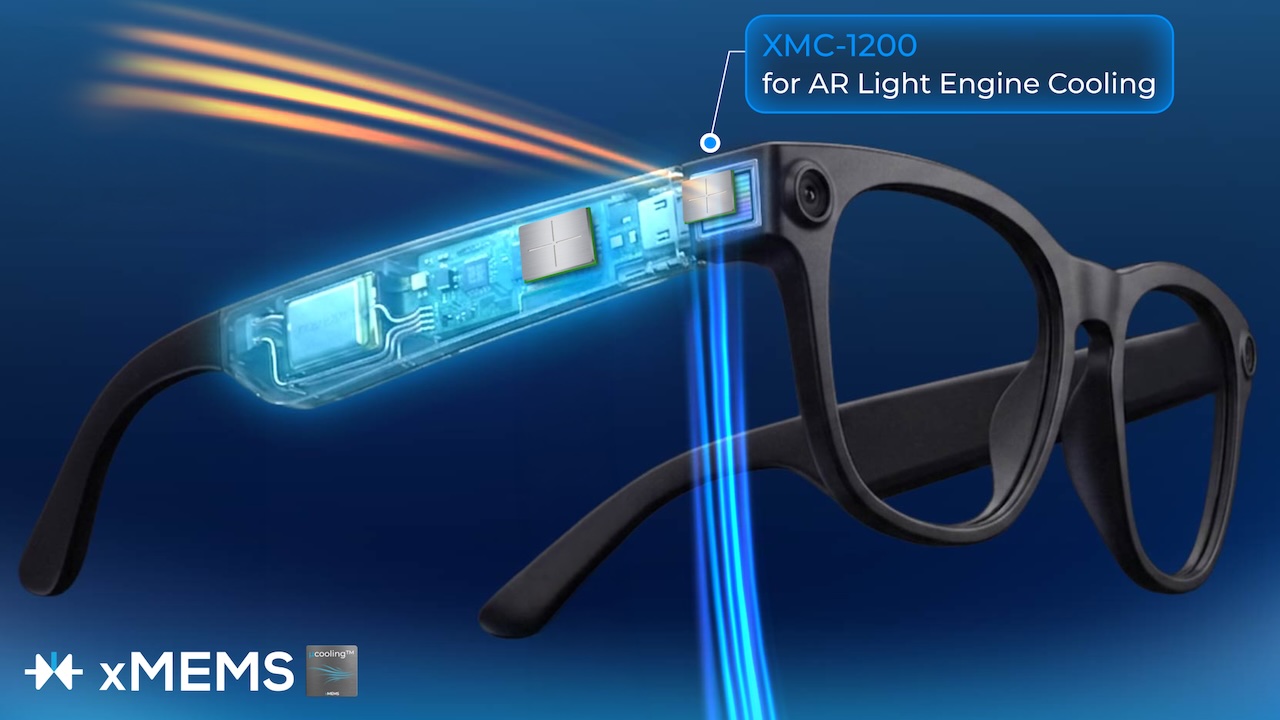
The first smart glasses that feel truly comfortable for long sessions probably won’t advertise their cooling system on the box. They won’t need to. The useful test will be whether the frame stays wearable, the display keeps its intended behavior, and recording limits stop feeling like an arbitrary timer. XMC-1200 doesn’t prove that future, but it gives designers a more credible path toward it.


The TG takeaway
For now, treat the xMEMS XMC-1200 Smart Glasses as an early engineering step, not a consumer upgrade. xMEMS has published concrete dimensions, power, airflow, cooling, and durability claims, while independent testing, finished product integration, acoustics, and real recording gains remain open questions. The chip’s real promise is simple: invisible cooling could be the difference between smart glasses that demonstrate a clever idea and smart glasses people keep on their face all day.
