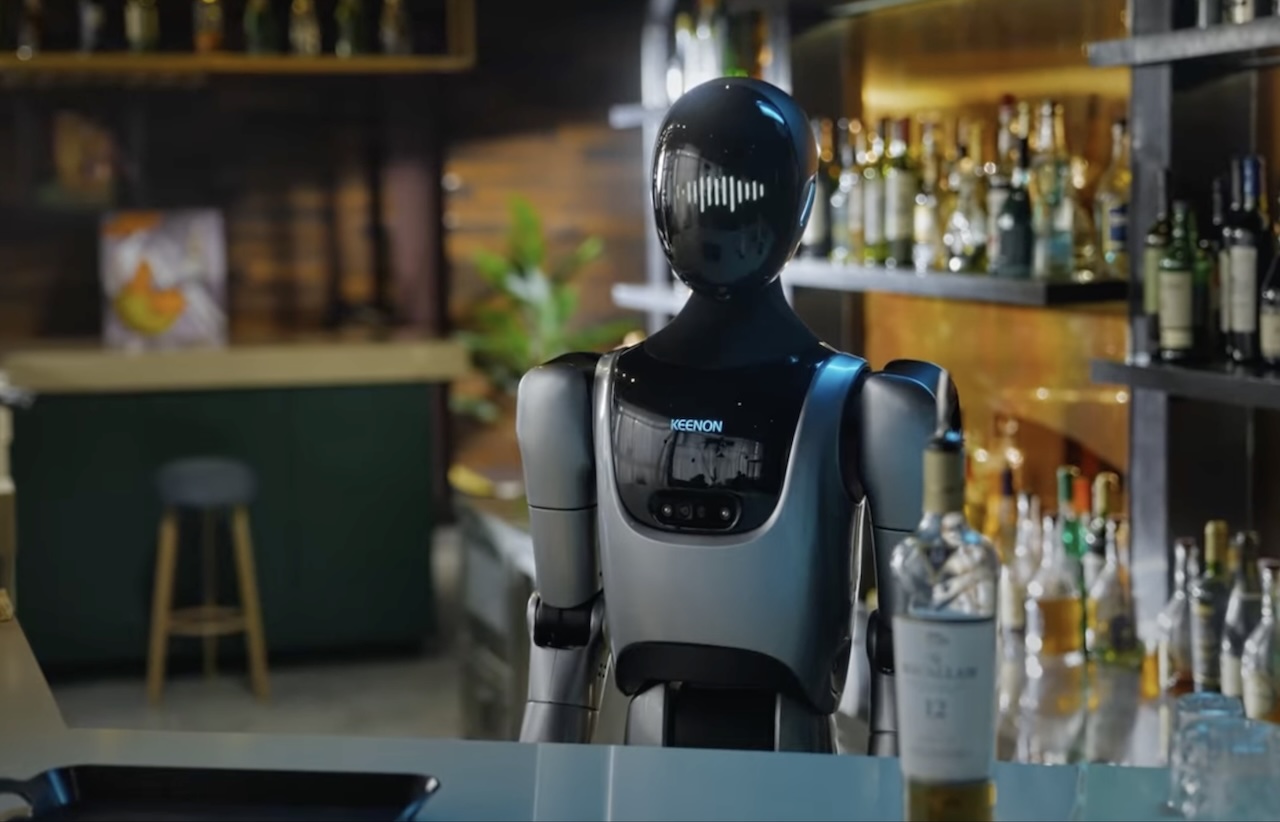
A humanoid robot making coffee is easy to film. Keeping a café moving through the dull work around that moment is the harder job. KEENON’s recent robot-café demonstration makes its strongest case not by presenting one all-purpose machine, but by putting a humanoid alongside dedicated delivery and cleaning robots.
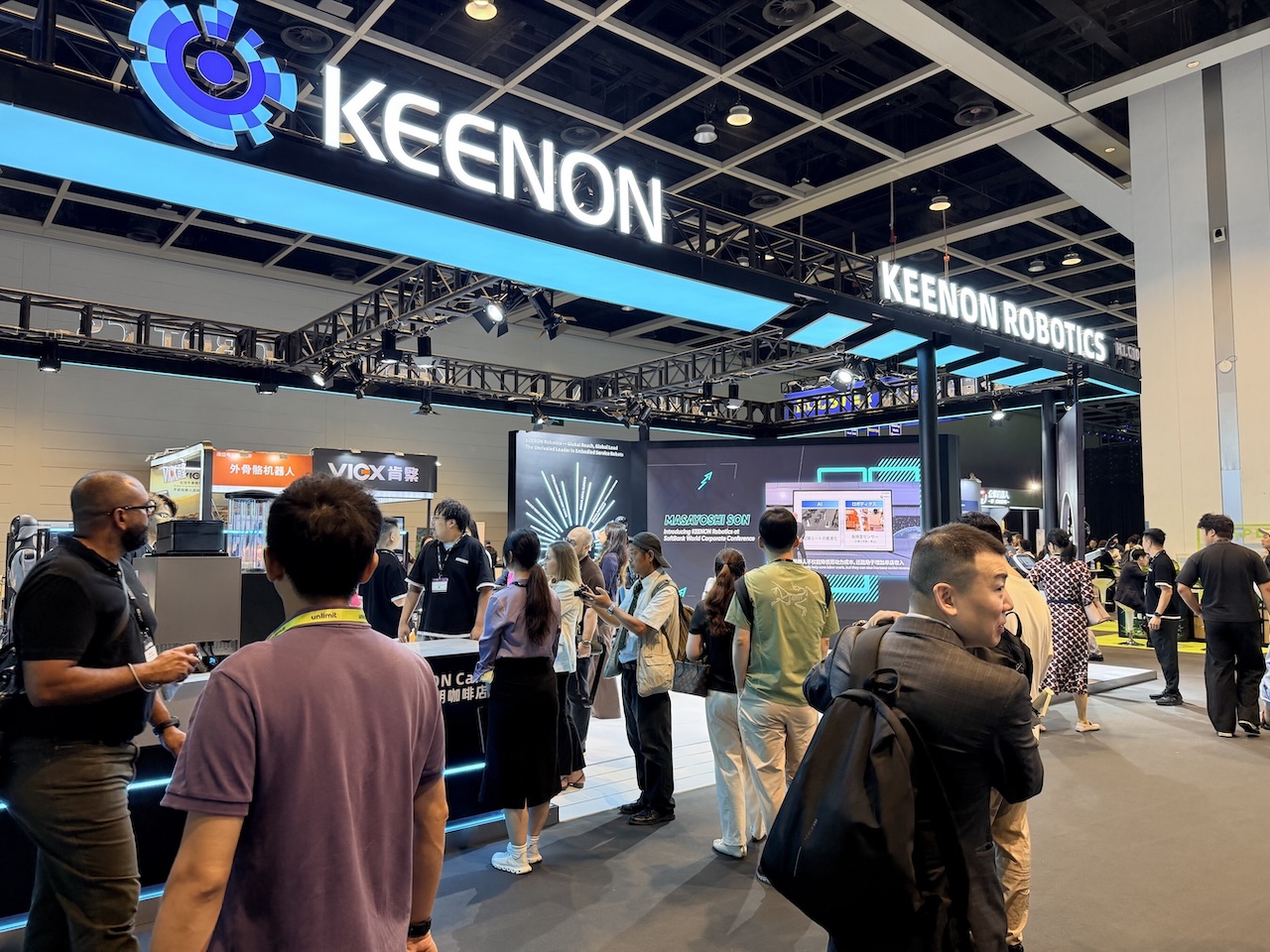
At LEAP East 2026, KEENON showed its XMAN-R1 running a coffee-service sequence with NOWWA Coffee, taking the order, working the machine, and getting a finished drink into a customer’s hands. Those are company-described demonstrations, not independent proof of a ready-for-everywhere retail system.
The humanoid robotics industry has spent the last two years chasing single-purpose demonstrations built around dexterity and mobility. KEENON’s booth reframes that pitch. Coffee service is not staged to prove a humanoid can move like a person; it is a coordination test for several robot types sharing the same floor at the same time.
By our read, most humanoid announcements over the past two years have leaned on a single hero robot doing everything from folding laundry to serving drinks. KEENON’s demonstration argues that the more useful version of this technology looks like a small fleet working together, not one generalist worker doing every job alone.
The Café Is a Better Test Than a Stage Trick
Coffee service creates a useful chain of small jobs. A robot needs to work around cups, machines, people and handoffs. KEENON says the XMAN-R1 completed a visible sequence at its booth, which is more concrete than a generic conversation demo.
But the demonstration also showed the limit of the humanoid-only story. KEENON placed XMAN-R1 within a broader setup that included purpose-built robots for delivery and cleaning.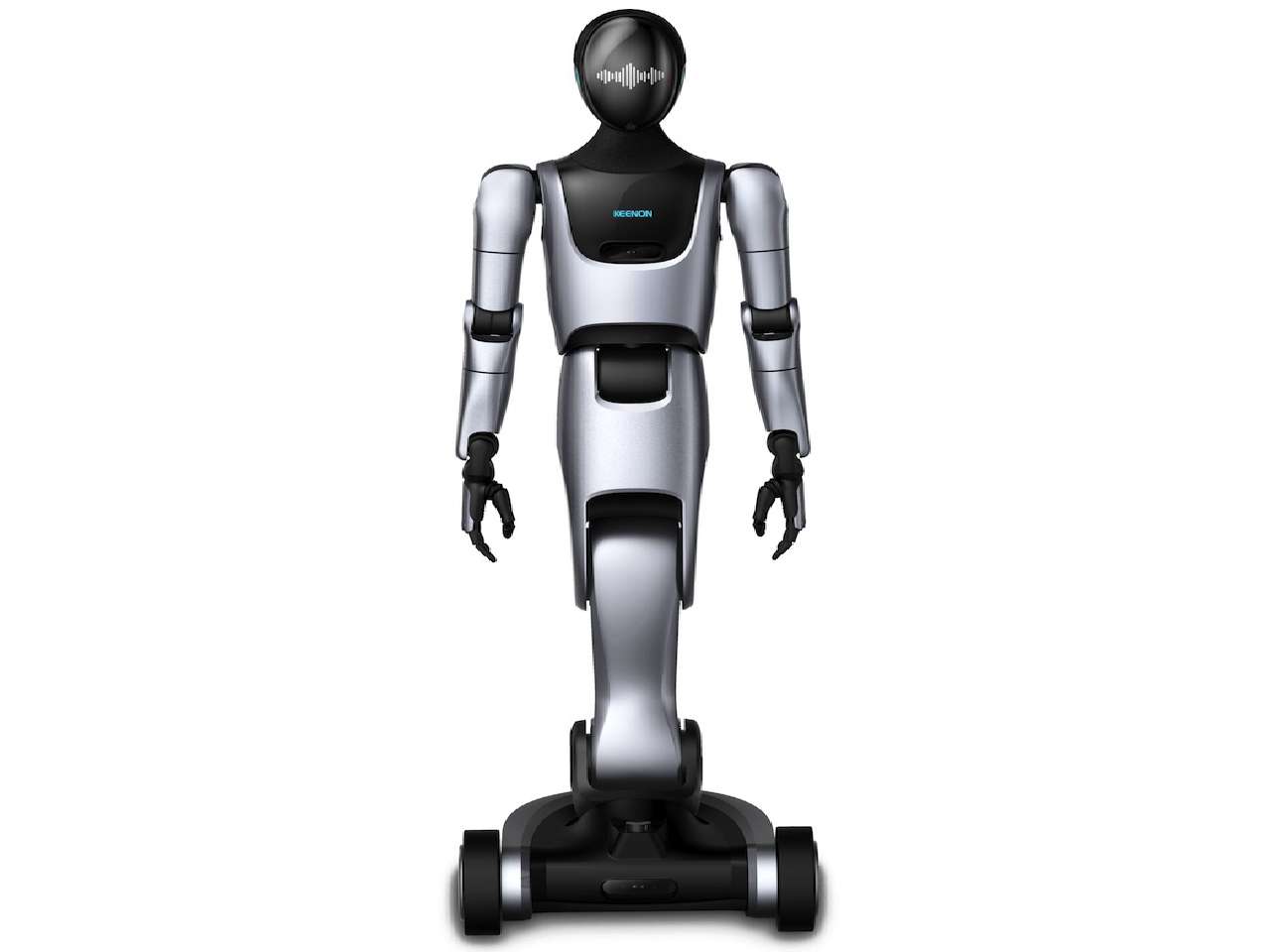
The company calls that combination a general-purpose humanoid plus specialized robot approach for commercial service. That framing matters because it is an admission, intentional or not, that a single humanoid body is not the most efficient way to run every task in a service environment. A single robot trying to pour coffee, deliver it, and mop up spills would almost certainly be slower and more failure-prone than four machines built for one job each.
The Supporting Robots Carry the Routine
KEENON says its booth included the T10 delivery robot and the C40 cleaning robot. It also showed XMAN-F1 in guest-facing demonstrations and a retail claw-machine interaction.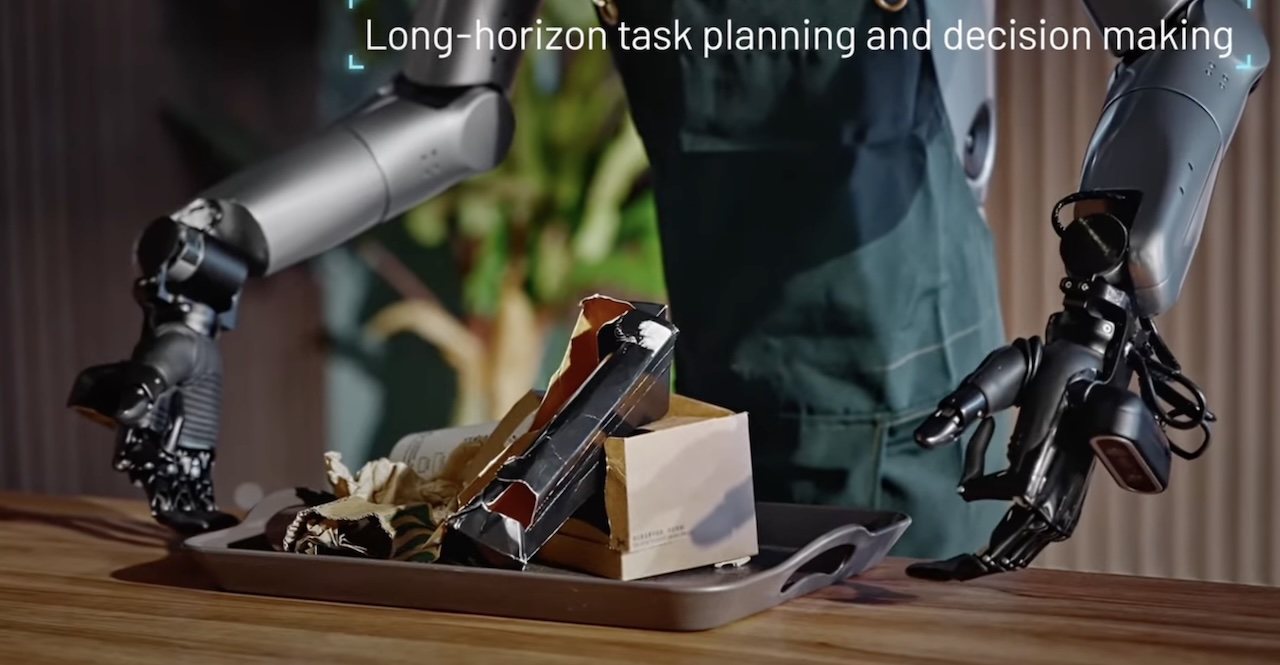
Delivery and cleaning are repetitive by nature. A wheeled delivery robot does not need hands that can grip a portafilter, and a cleaning robot does not need a face for guest interaction. Splitting those jobs away from the humanoid means each machine can be simpler, cheaper to build, and easier to keep running than a single robot asked to do everything.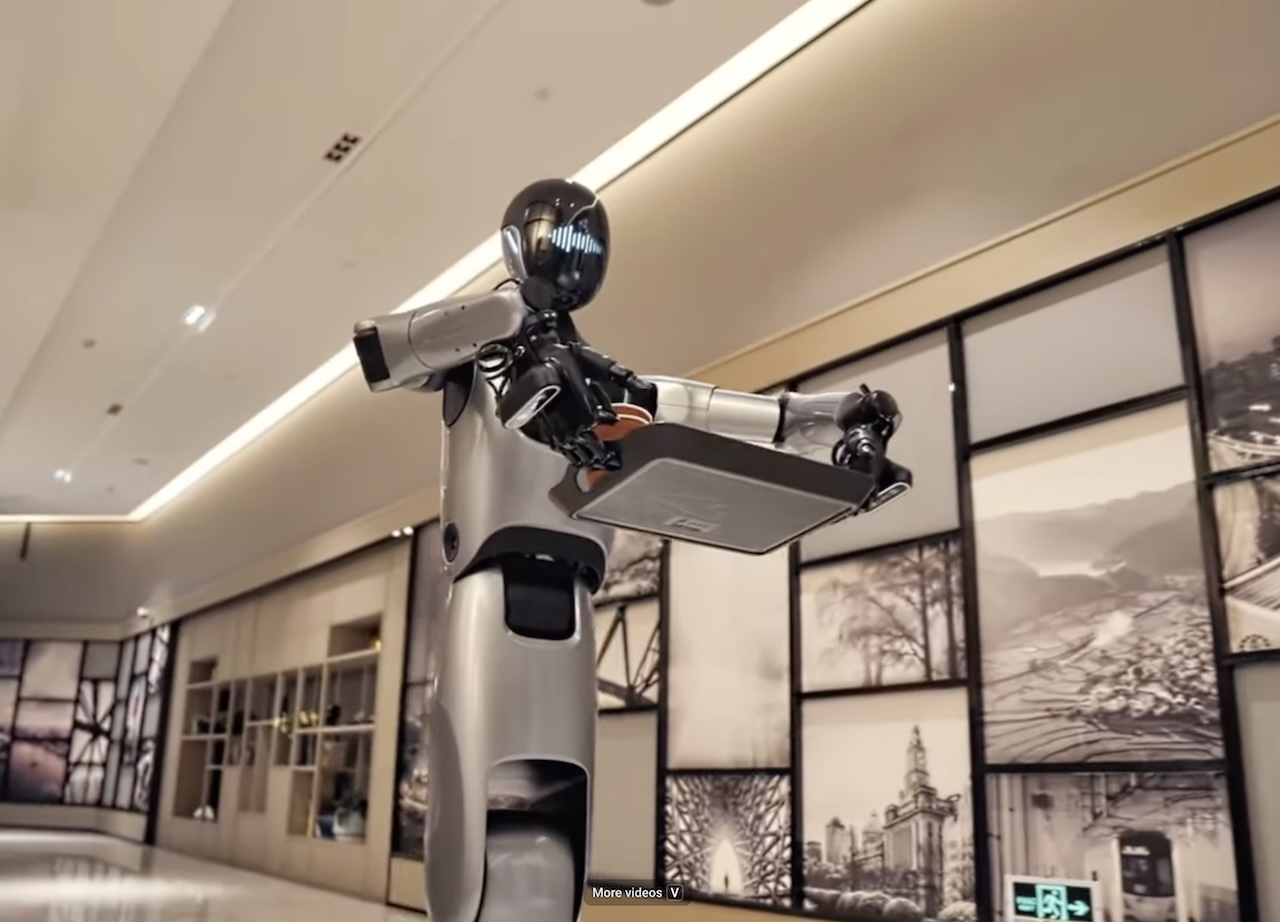
That division of labor is the more believable near-term picture, since a humanoid can handle the moments designed for people while dedicated machines repeat delivery and cleaning tasks without forcing one body shape to solve every problem. It is a fleet strategy more than a mascot strategy.
XMAN-F1’s presence in guest-facing scenarios points at a different use case entirely. The humanoid becomes a greeter and conversational front door rather than a task-completion machine. Pairing that with a retail claw-machine interaction suggests KEENON is testing engagement value alongside utility value, a distinction most humanoid coverage tends to blur.
What KEENON Actually Showed
KEENON’s recap describes a specific set of booth demonstrations. The company says XMAN-R1 handled a full café shift with NOWWA Coffee, from taking the order to pulling the shot and handing over the finished cup.
KEENON also put XMAN-F1 through guest-facing demonstrations, though that specific pairing with guest reception is not independently confirmed.
Rounding out the booth, the T10 handled delivery runs and the C40 handled cleaning, and visitors could try a robotic claw-machine game as well.
What Remains Unclear
KEENON’s recap does not state a public price, commercial rollout date, operator staffing model or a detailed reliability record for the café workflow. It also does not establish how the system handles a crowded store outside a controlled event setup.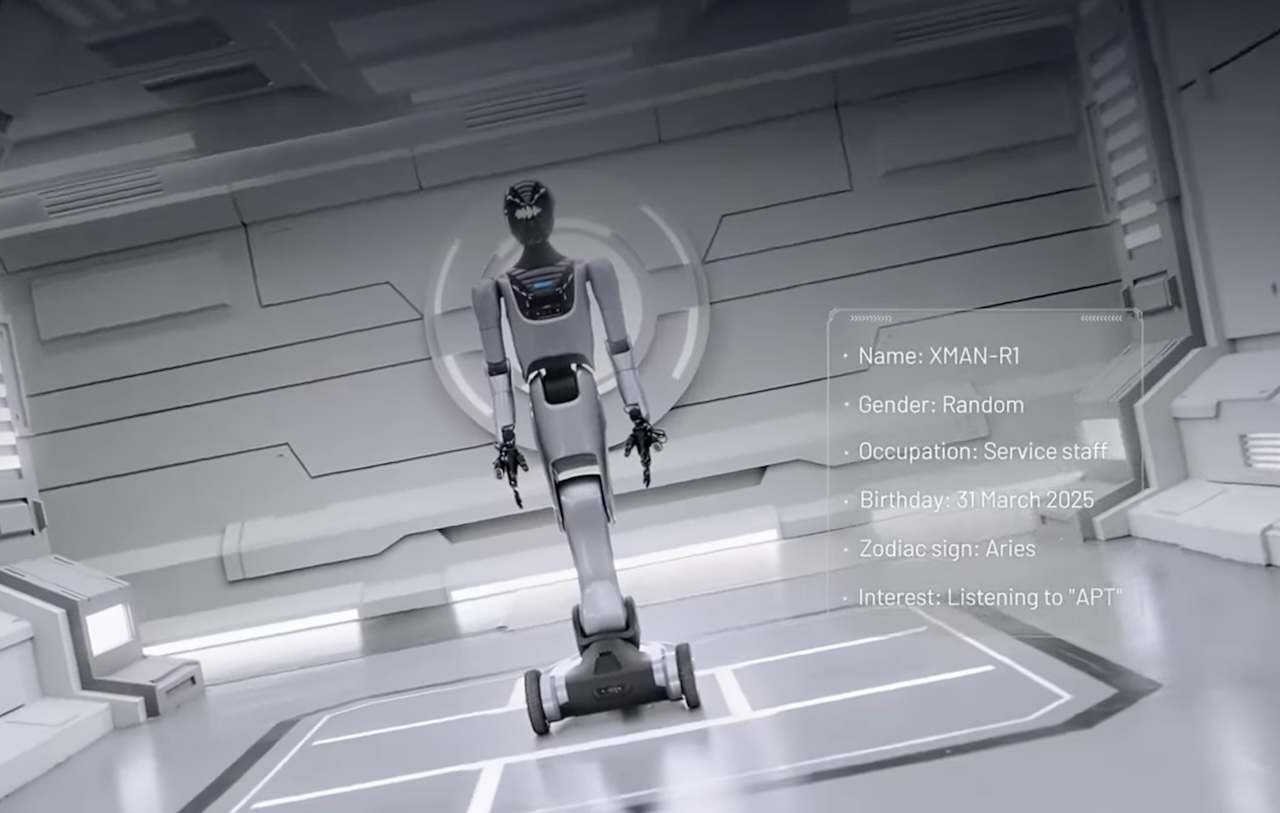
Those missing details do not erase the value of the demo. They define the next questions. A commercial robot only becomes useful when its maintenance needs, failure recovery and integration costs are as clear as its choreography. There is also the question of who intervenes when something breaks on a real shift, since a trade-show booth has technicians standing by and a real café does not.
TG Take
The interesting part of KEENON’s café was not the robot barista image circulating in every recap. It was the decision to show a team instead of a solo act. Humanoids may get attention because they look familiar and photograph well, but a real service setup will probably work better when each machine gets a job it can repeat well without needing a person’s range of motion.
That is a more grounded path for commercial robotics. Make the humanoid responsible for flexible interactions, then let delivery and cleaning hardware take the repetitive load. The headline robot gets the photograph. The supporting cast may decide whether the system works.
It is also a more honest pitch than most humanoid marketing offers, since a lot of the industry still sells the idea of one robot that can do anything a person can do, from folding shirts to pouring espresso to carrying boxes. KEENON’s own booth quietly undercuts that idea by needing four different machines just to run one café counter smoothly. That is not a weakness worth hiding; it is a more believable, more buildable claim than a single humanoid promising to do everything alone.