Most fitness wearables were designed around cardio. The step counts, the heart rate curves, the VO2 max estimates: all of it was built to make sense of movement that looks like movement. Lifting doesn’t look like movement to a gyroscope. It looks like a person standing still, occasionally lurching, and the software treats it accordingly.
Price: From $309 (MSRP $349)
Where to Buy: Fort
That gap has been accepted so long that most lifters don’t think about it anymore. You tap your watch before a set, tap it after, log your reps by hand, and maybe get a vague recovery score at the end of the night. What you don’t get is anything that tells you how the set actually went: how close you pushed to failure, whether your rep velocity dropped before you noticed, or whether your range of motion has been quietly narrowing over the past three weeks. Garmin and Apple Watch have added auto-detection features, but they’re bolted on, and they feel like it.
What Fort Is Trying to Fix
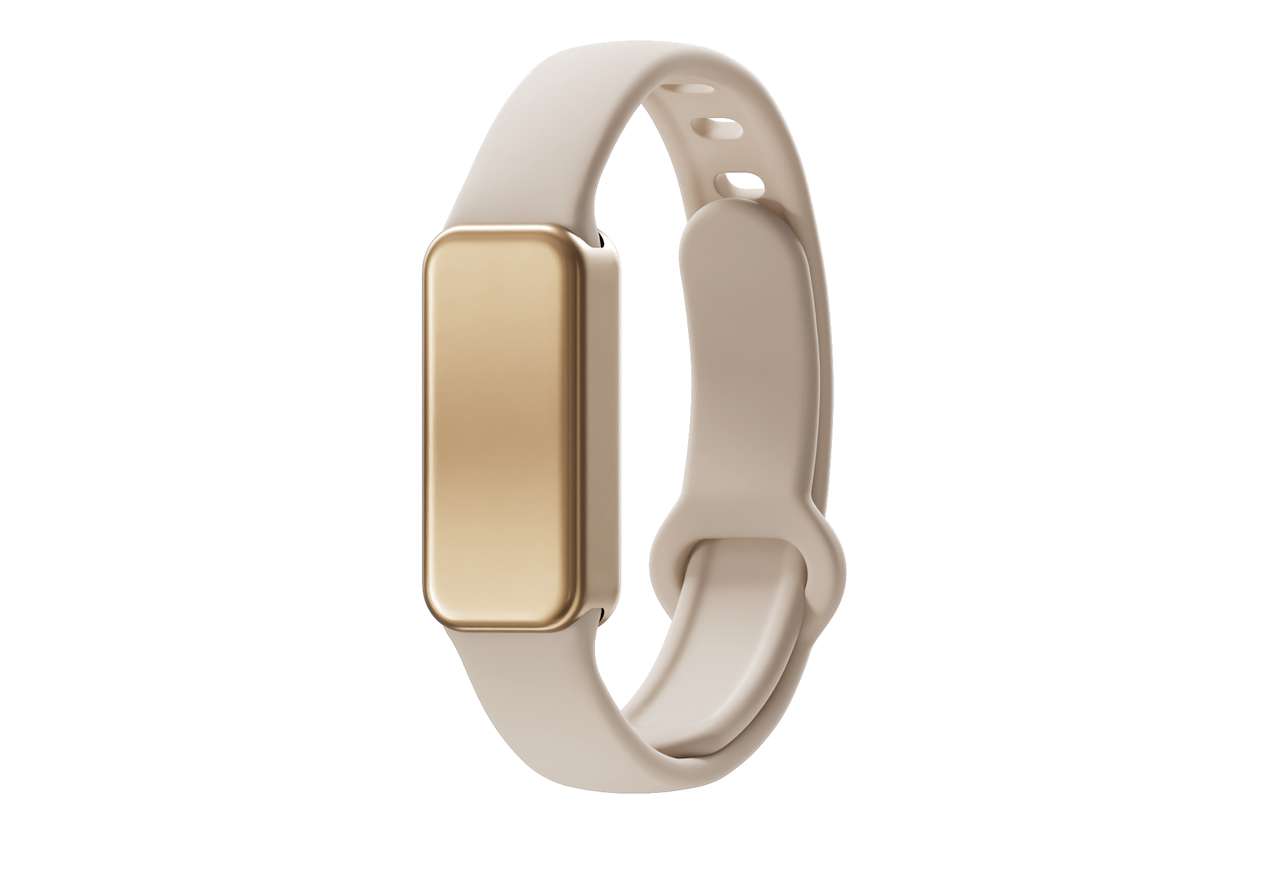
Fort is a wrist-worn, screenless band built entirely around strength training. The San Francisco startup was founded by former Tesla engineers and backed by Y Combinator’s W26 batch, and it’s positioning itself as the first hands-free lifting tracker designed from the ground up for how people actually train. No display, no notifications, nothing pulling your attention mid-set. Just sensors and a companion app that handles the analysis after the weights are back on the rack.
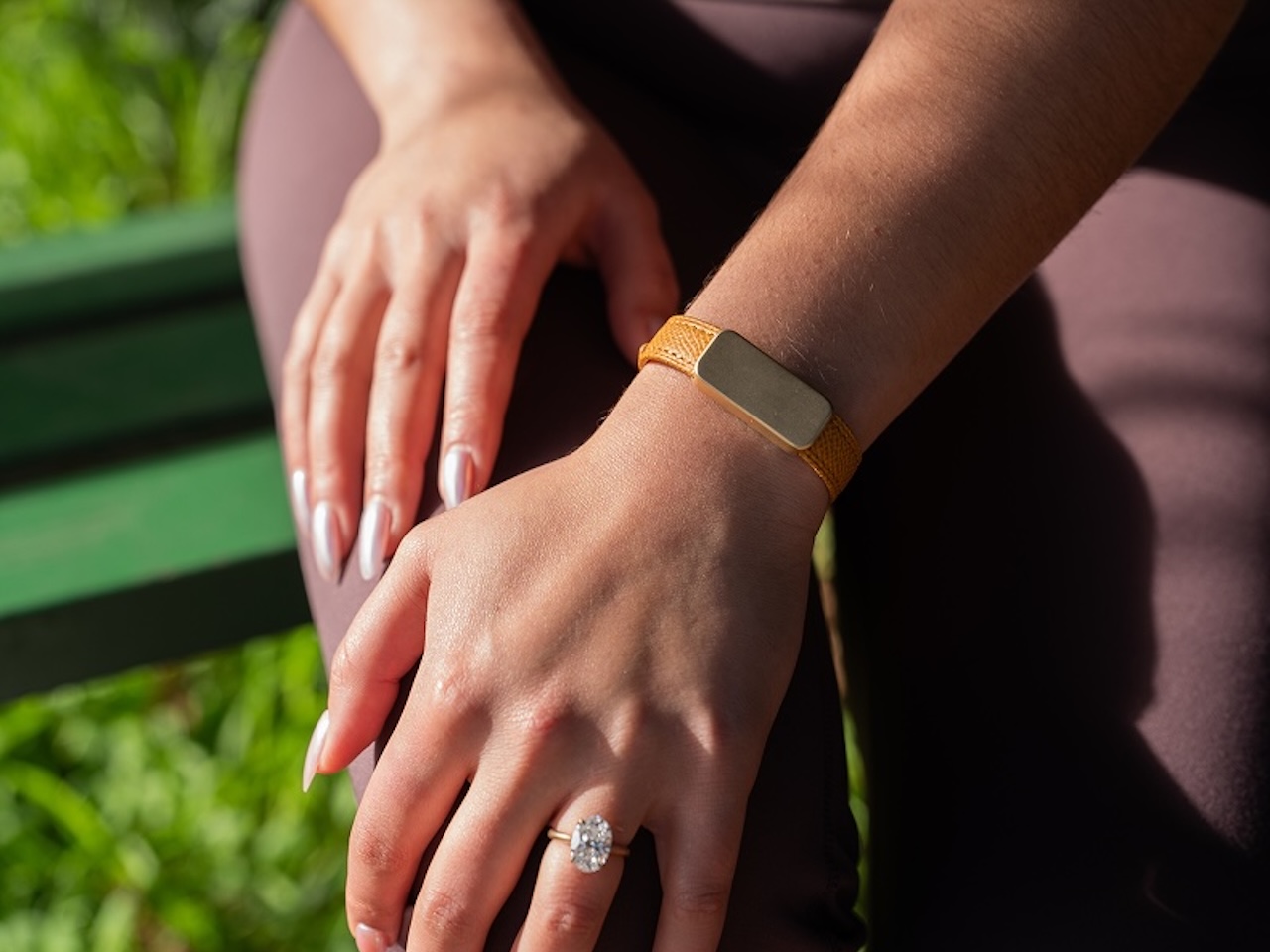
The hardware is lighter than you’d expect: under 30 grams, roughly the same as a Whoop MG. The body is aluminum, and the band ships with quick-release straps in silicone, sport weave, and leather depending on how you want to wear it beyond the gym. Fort describes it as something that should hold up through lifting, gripping, and sweating, then look refined enough that you keep it on the rest of the day.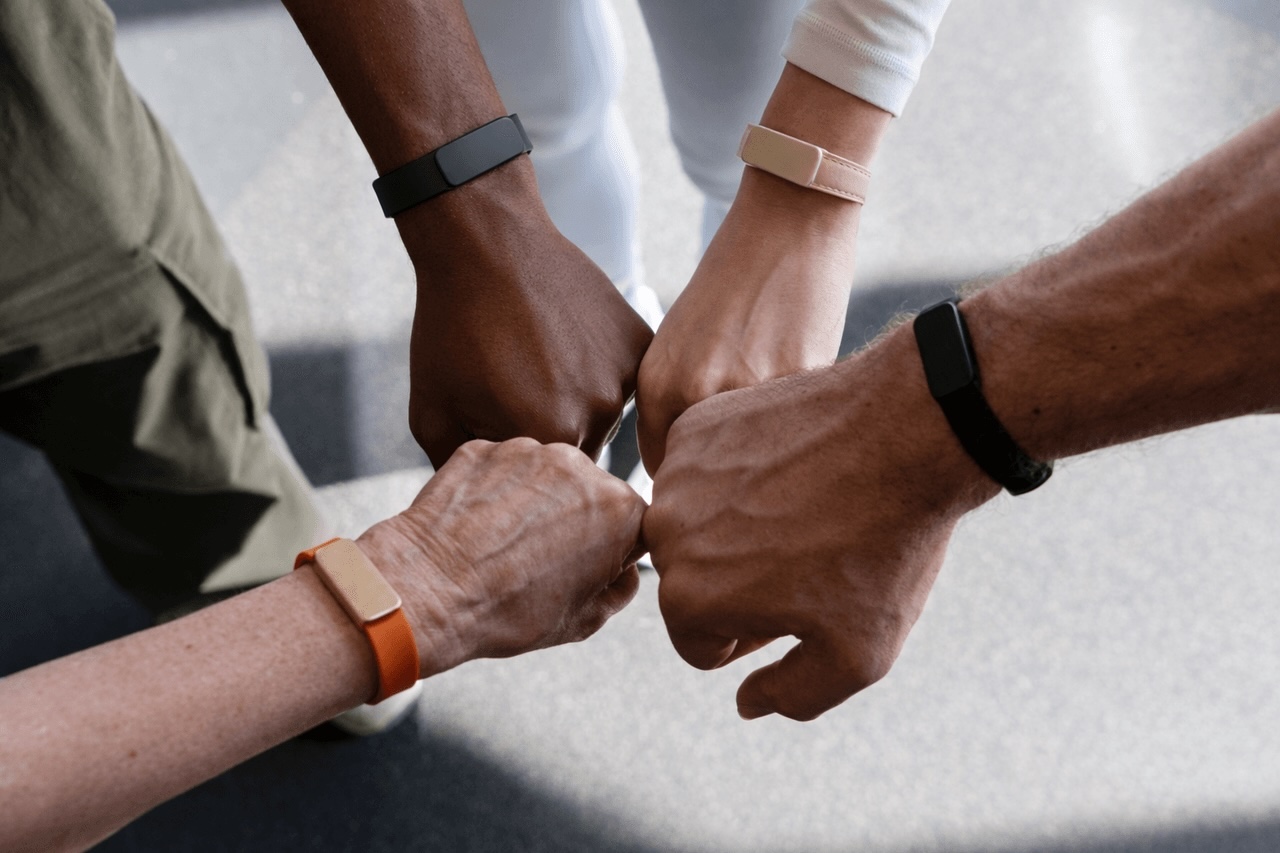
What separates it from Whoop or a Garmin isn’t really the sensors. The PPG, accelerometer, gyroscope, magnetometer, and body temperature sensor are all relatively standard components. The proprietary work is in what the software does with them. Fort auto-detects over 50 exercise types without any manual logging. You don’t tap anything before your working sets. You just lift, and it figures out what you’re doing.
What the App Actually Tells You
Rep detection is the headline feature, but the metrics underneath it are more interesting. Fort tracks per-muscle volume breakdowns, proximity to failure, rep velocity, time under tension, range of motion, and velocity loss across sets.
Velocity loss is one of the cleaner fatigue indicators available to lifters: when the bar starts moving slower before you’ve consciously noticed the effort increasing, you’re getting a real signal. Most people track that by feel, if at all.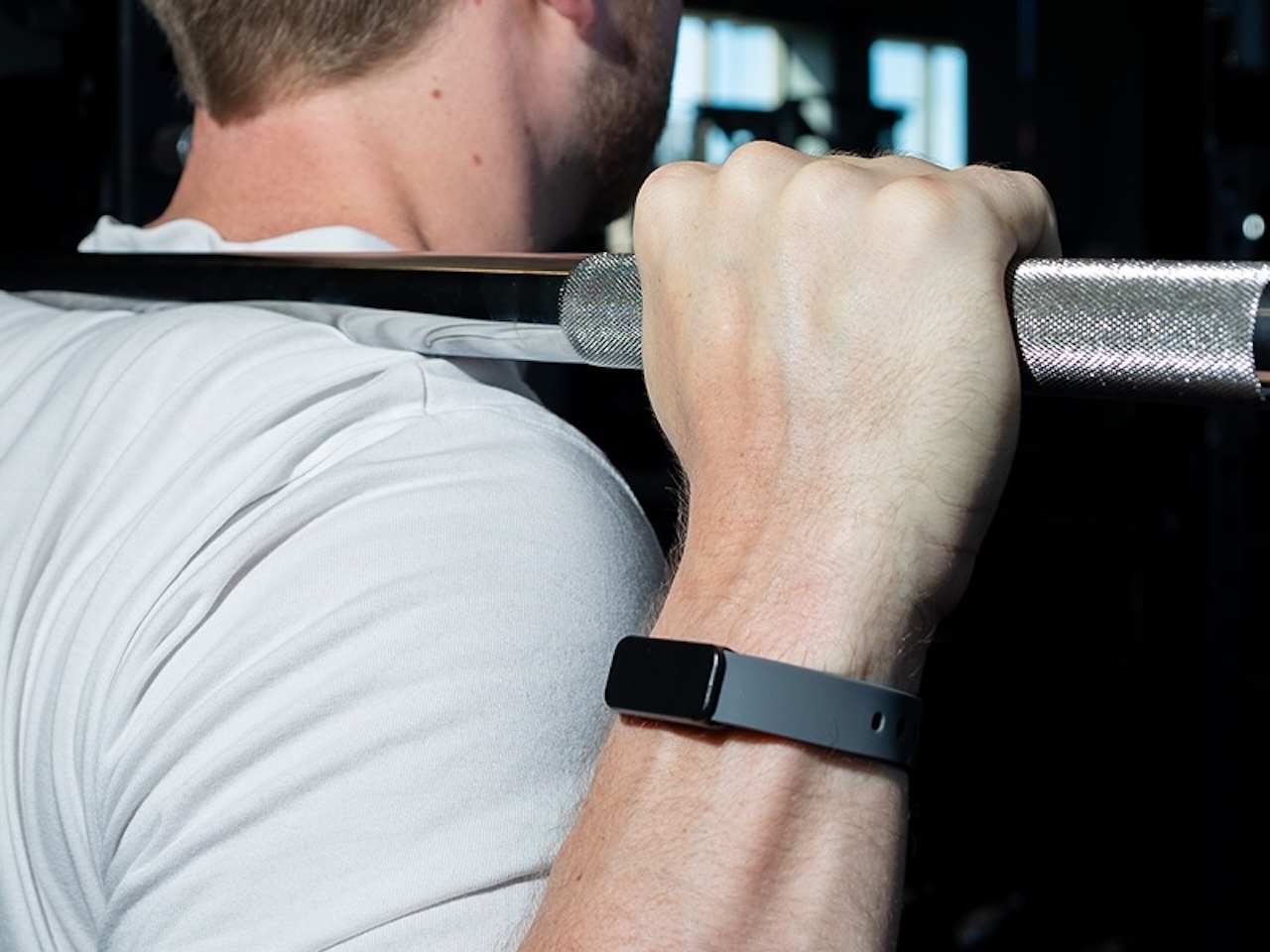
The form feedback layer includes range of motion cues and cadence flagging. Fort’s magnetic attachment system also means the band can move beyond your wrist: it clips to barbells, dumbbells, and cable handles, or connects to body straps for movements where wrist placement misses the actual mechanics. A squat tracked from the wrist likely reads differently than one tracked closer to the hip, which is presumably why the clip-on attachment exists for lower-body work in the first place.
The Recovery and Sleep Layer
Fort tracks sleep, heart rate variability, stress, and daily steps alongside its strength metrics, positioning itself as an all-day device rather than a gym accessory. The stated goal is connecting muscular load to recovery so you can actually interpret what high training volume plus a short night means for your readiness on a given day. The company has also said it plans to integrate bloodwork biomarker data down the line, syncing movement patterns with physiological markers.

The Price and the Wait
Fort is available for preorder at $309, which includes the first year of the subscription. That’s up from the $289 early-bird rate the company offered at launch, which was capped at the first 1,000 preorders; retail price lands at $349 once preorders close. After the first year, the software runs $80 annually. That undercuts Whoop’s subscription tiers, which run $199 to $359 a year, and it’s well below the $1,000-plus a Garmin Fenix costs outright. Fort’s own site now lists a Q2 2027 ship date, a step back from the 2026 shipping window WIRED and Fitt Insider both cited when Fort launched in March. The app works with both iOS and Android.
Fort has been building a waitlist since its Y Combinator debut, and preorder demand was strong enough to sell out the discounted Founders’ Edition, capped at the first 1,000 units, before Fort moved to its current Signature Edition pricing. That’s the right kind of early momentum for a wearable category that doesn’t really have an established playbook yet, and it puts real pressure on Fort to deliver working software on the 2027 timeline it’s promising.
Who Should Skip This
If your training is primarily cardio (running, cycling, rowing), Fort’s strength-specific analytics won’t justify the subscription. Casual gym-goers who track workouts for general accountability rather than performance data will find the depth here more than they need. The Q2 2027 preorder timeline also means you’re committing to a wait, and first-generation hardware from a startup always carries some execution risk. If you need something shipping now, Whoop and Garmin aren’t going anywhere.
Price: From $309 (MSRP $349)
Where to Buy: Fort
The Bottom Line
Strength training is the one thing most gym-goers actually do, and it’s also the thing every major wearable has handled worst. Fort is building directly into that gap: hardware light enough to forget about, analytics that go deeper than anything a rep counter bolted onto a cardio device can offer.
At $309 all-in for the first year, you’re betting on a startup delivering functional hardware on a 2027 timeline. If the proximity-to-failure and rep velocity data land the way the spec sheet suggests, it’d be the first wearable that serious lifters have had a genuine reason to wear.