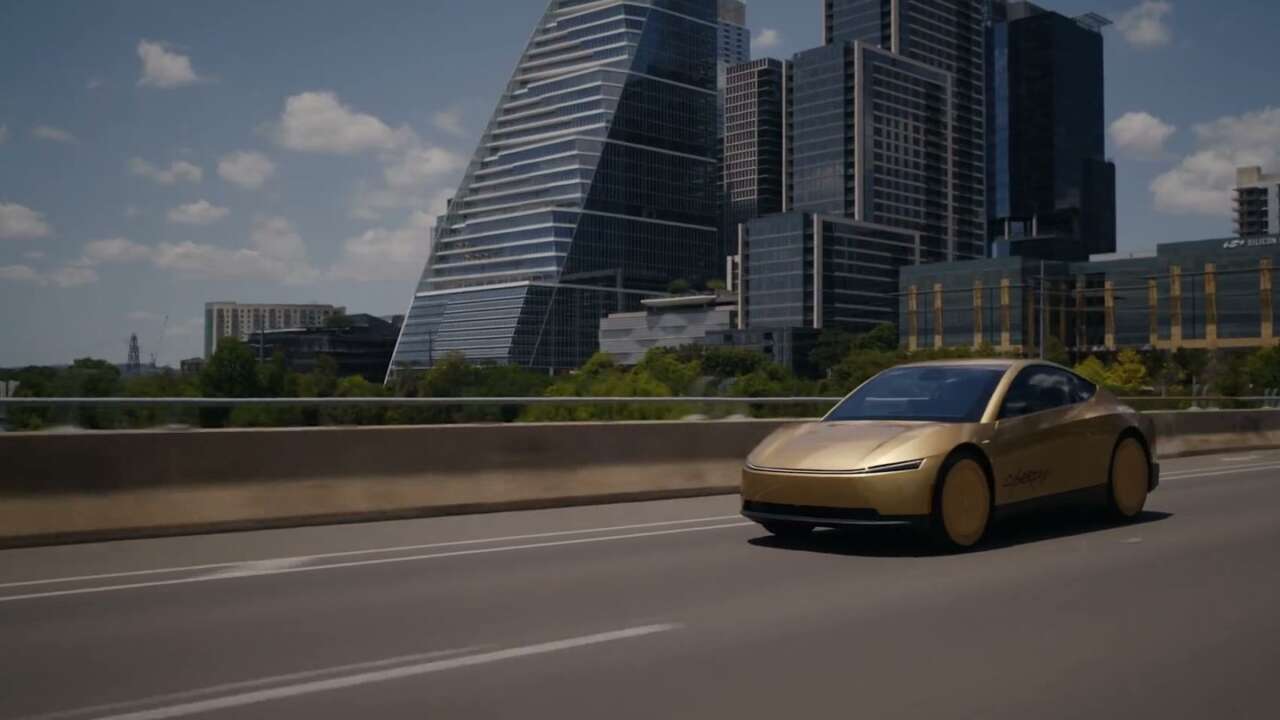
Tesla is inviting select customers to order a Cybercab for personal use at $29,990, with deliveries estimated for December in Austin. The two-seat car has no steering wheel and no pedals, and its purchase runs through two Tesla agreements that govern everything it does.
The Cybercab Order Agreement and the Autonomy Subscription Agreement run 11 pages together, and they read less like a sales contract than a membership deal. The car won’t operate without a paid subscription, it drives only inside Tesla’s mapped areas, and it can’t be sold without Tesla’s written consent. Tesla keeps the final say.
No subscription, no movement
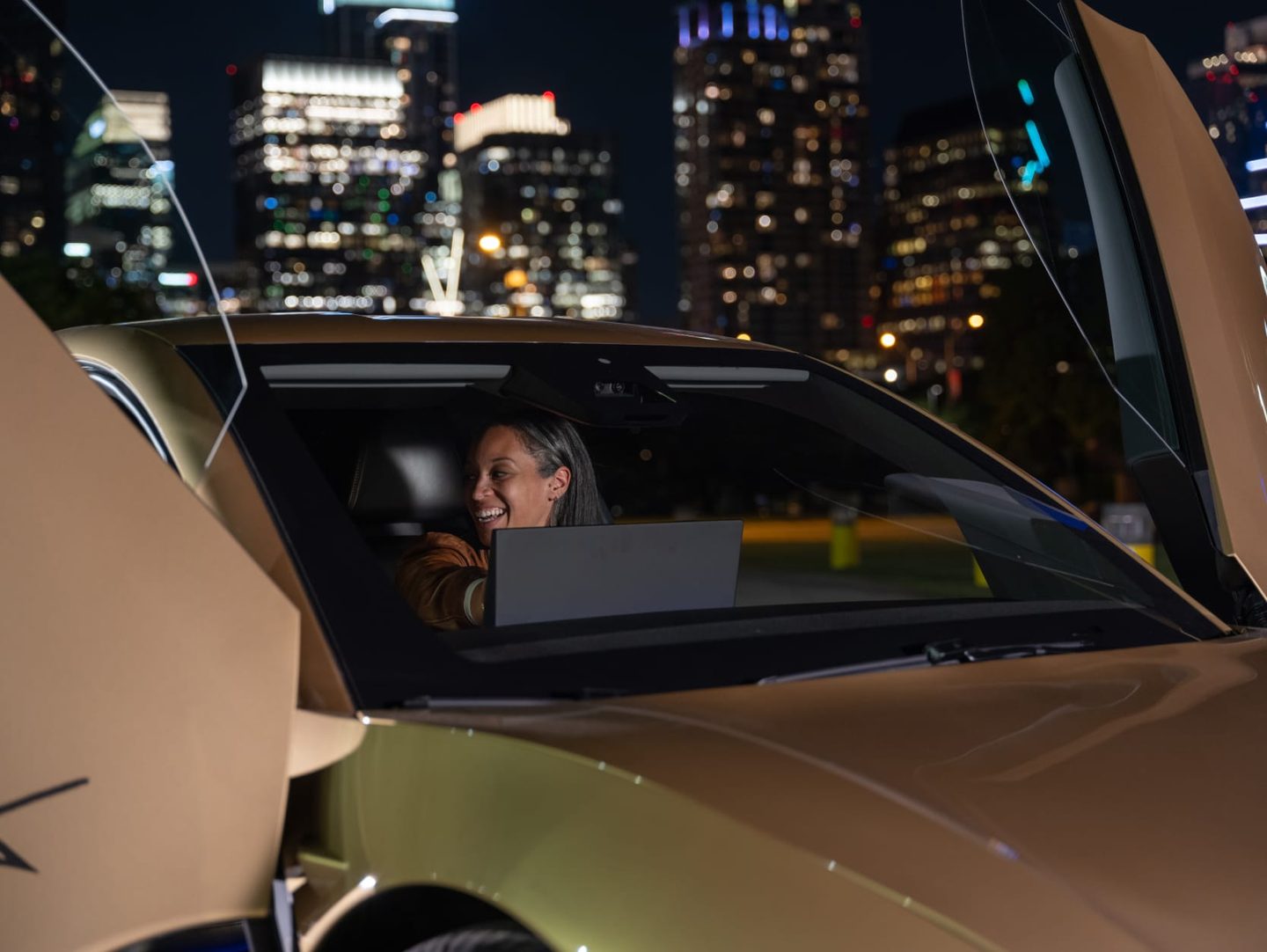
Tesla puts the core condition in one line: “Your Cybercab will not operate without an active Autonomy Subscription.” A car with no steering wheel and no pedals has no manual fallback, so a lapsed subscription leaves it parked in a way no other Tesla can be parked.
The order screen lists the subscription at $299 a month, with the first month included and the fee billed separately until the buyer cancels. The agreement itself names no price, and it lets Tesla change the price with one month’s notice, renew the plan monthly and skip proration on cancellations. Its Covered Services list currently includes tire rotations and replacements, flat repairs, windshield and wiper replacement, cabin air filters, washer fluid and camera cleaning.
The fee does buy real upkeep: the subscription covers the autonomous driving, connectivity, remote support and roadside assistance, with towing up to about 50 miles.
Insurance, registration, charging, parking and general cleaning stay with the owner, and the car takes NACS DC fast charging, Tesla Superchargers included.
Stop paying, and the car stops.
It drives only where Tesla draws the map
The subscription agreement limits the car to “Tesla-enabled Robotaxi geofences and other operating limits Tesla supports,” shown in the app, on the car’s screen or in Tesla’s materials. A second line is blunter: “Operation outside the operating area is prohibited and may be technologically prevented.”
Tesla can expand, reduce, relocate or otherwise modify that operating area at any time, and it can restrict the car by road type, weather, investigations, software rollouts or a regulator’s direction. The car also needs working connectivity, current software and a Tesla Account to run, and the agreement says coverage gaps can limit or stop it.
Tesla AI chief Ashok Elluswamy says privately owned Cybercabs will run unsupervised in the same areas as the Robotaxi fleet, which Tesla lists in Austin, Dallas, Fort Worth, Houston, Miami, Orlando, San Antonio and Tampa.
Your road trip ends at Tesla’s border.
Only the owner rides, and only as a passenger
A privately owned Cybercab is for personal, non-commercial use only, and it can’t join Tesla’s Robotaxi Network or any ride-hailing, delivery or rental platform unless Tesla authorizes that use in writing or enables it in the product.
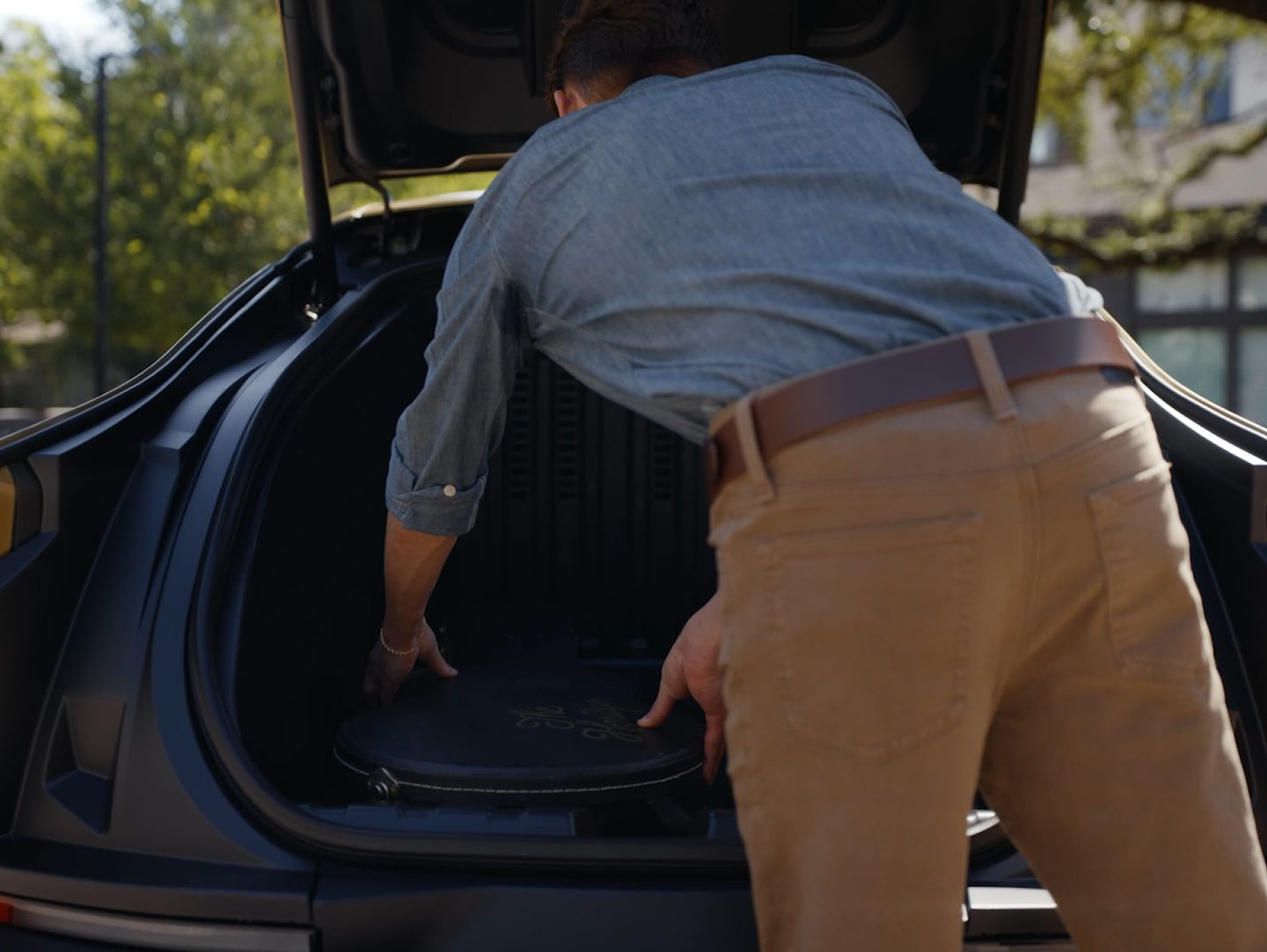
The order agreement narrows it further: only the registered owner may use the car, and only while physically present for the entire trip. Lending it or sharing access is out, apart from family sharing through the app and unoccupied service trips, and only as far as Tesla turns those features on.
The cabin takes two people at a time, each in their own seat, and the touchscreen’s manual controls move the car short distances at up to 2 mph for positioning. Those controls require a valid US driver’s license, and the agreement says they aren’t meant for public roads.
You can’t lend it to anyone.
Selling it takes Tesla’s signature
Owners may not sell, transfer, assign or borrow against the Cybercab without Tesla’s prior written consent, and a sale made without that consent is void under the order agreement. Tesla can also repurchase the car at any time, at a fair market value Tesla reasonably determines, with the owner paying to deliver it.
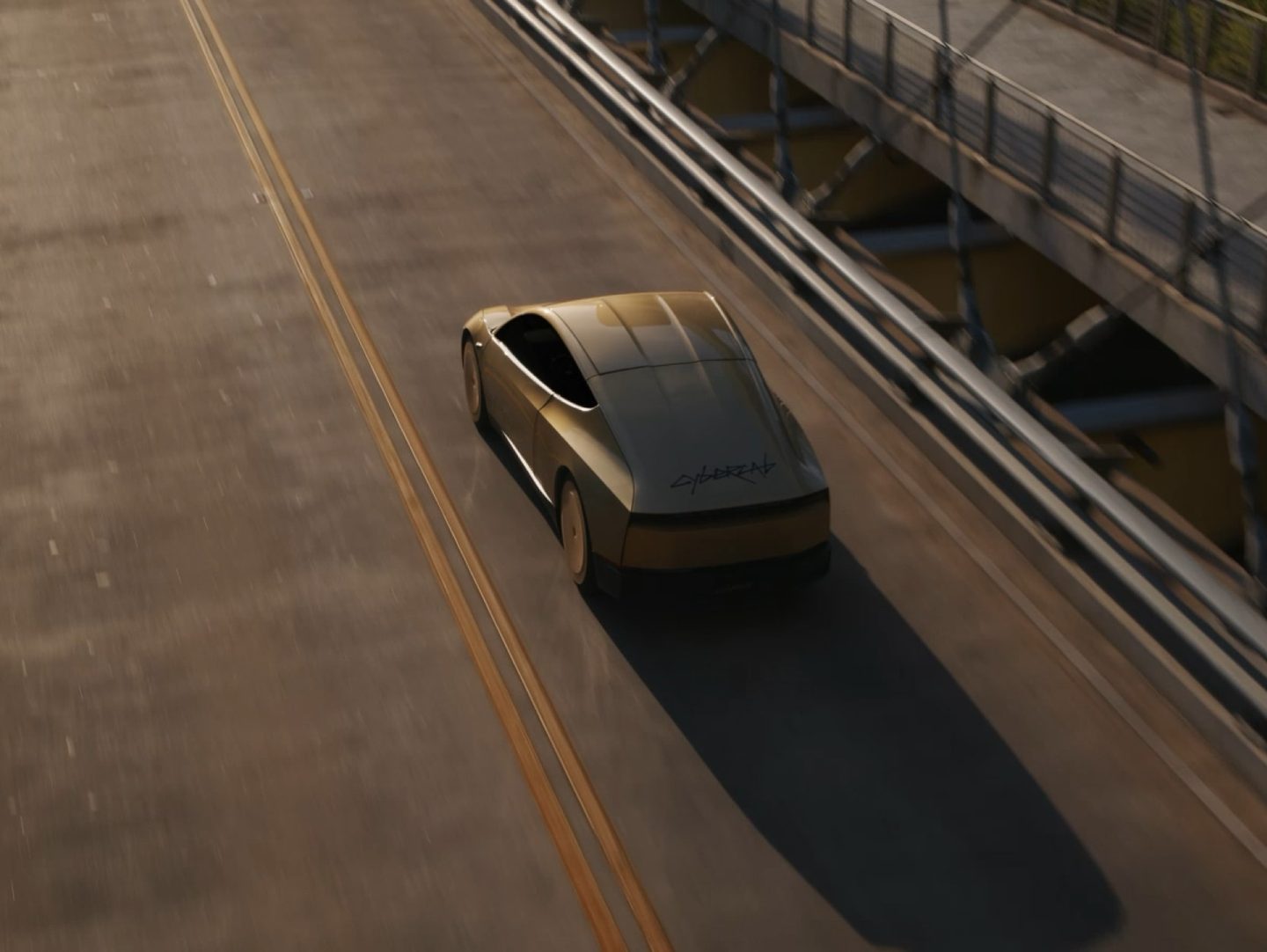
An unapproved sale, or even an attempted one, lets Tesla disable the car remotely, cut its unsupervised operation and connectivity, and refuse the owner future vehicles and services.
The owner also owes Tesla the greater of $50,000 or the full value of the transaction.
The appearance rules sit in the same documents: no wraps, no window tint and no wheel changes except through Tesla or a Tesla-authorized provider. Breaking the modification rule can get the subscription suspended.
Three strikes and the car sits for a week
Tesla scores the driving it controls: three or more strikeouts for improper or unsafe use suspend the autonomous features for one week, the car may not operate during that week, and the subscription fee isn’t prorated.
Tesla may also remotely access, locate, restrict or control the car, or place it in a safe state.
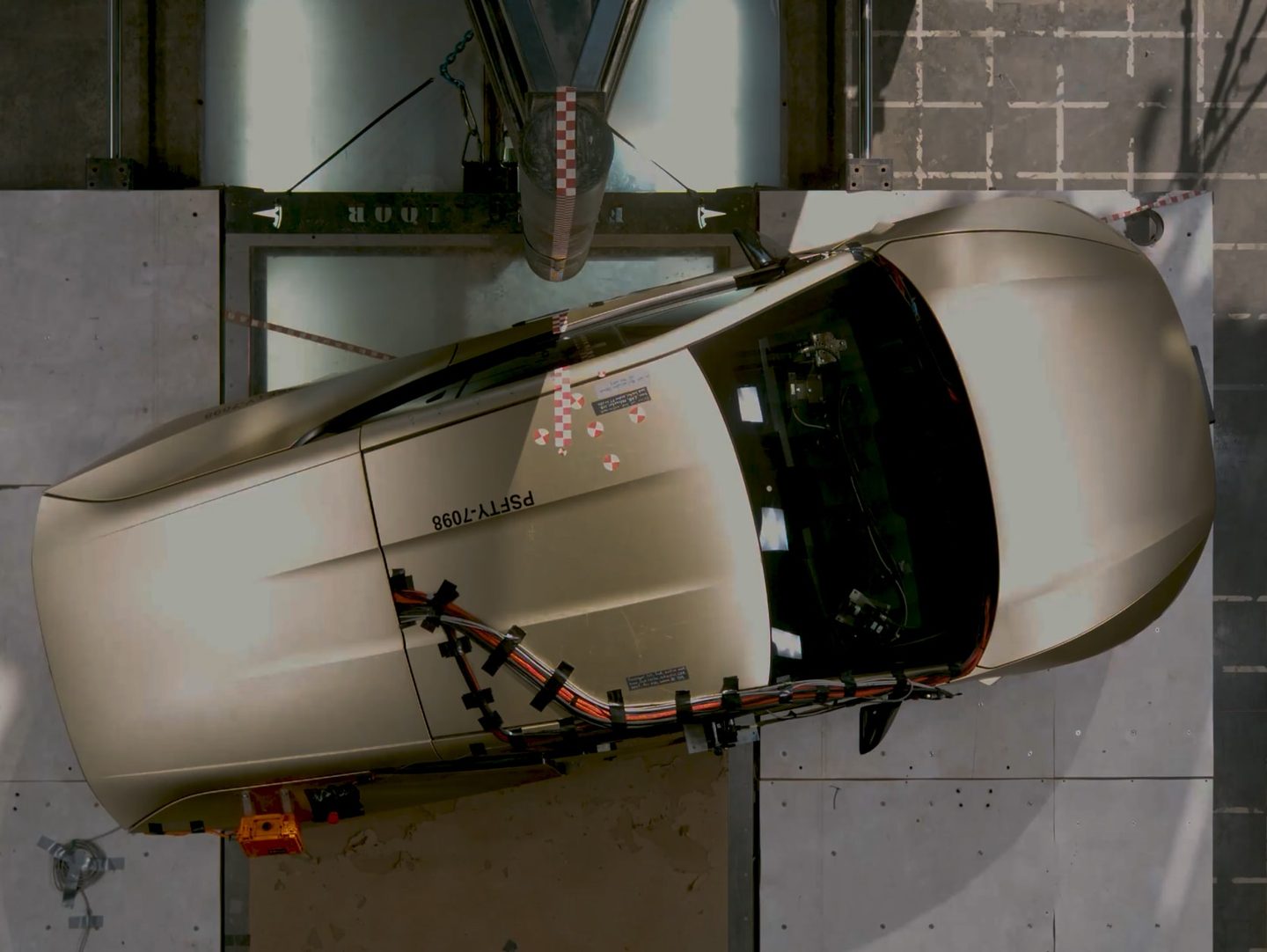
The car reports back while it works: during trips Tesla collects location data, exterior camera recordings, cabin camera images and sound-detection audio from ride support, tied to the owner’s identity and kept for 30 days by default.
Tesla watches, and Tesla can park it.
Every delivered car also arrives with about 250 miles already on the odometer from Tesla’s road testing, and those miles count toward the warranty’s mileage limits. The trade sits in plain sight: a two-seat car that drives itself for $29,990, bought with a monthly fee, a fenced map and a resale veto that all stay in Tesla’s hands.
Musk has already conceded the fee’s weak point, posting that $299 is too high and that the subscription should cost about what FSD and Premium Connectivity cost together, roughly $115 a month. He also said the offer will expand nationwide as regulatory approvals come in.