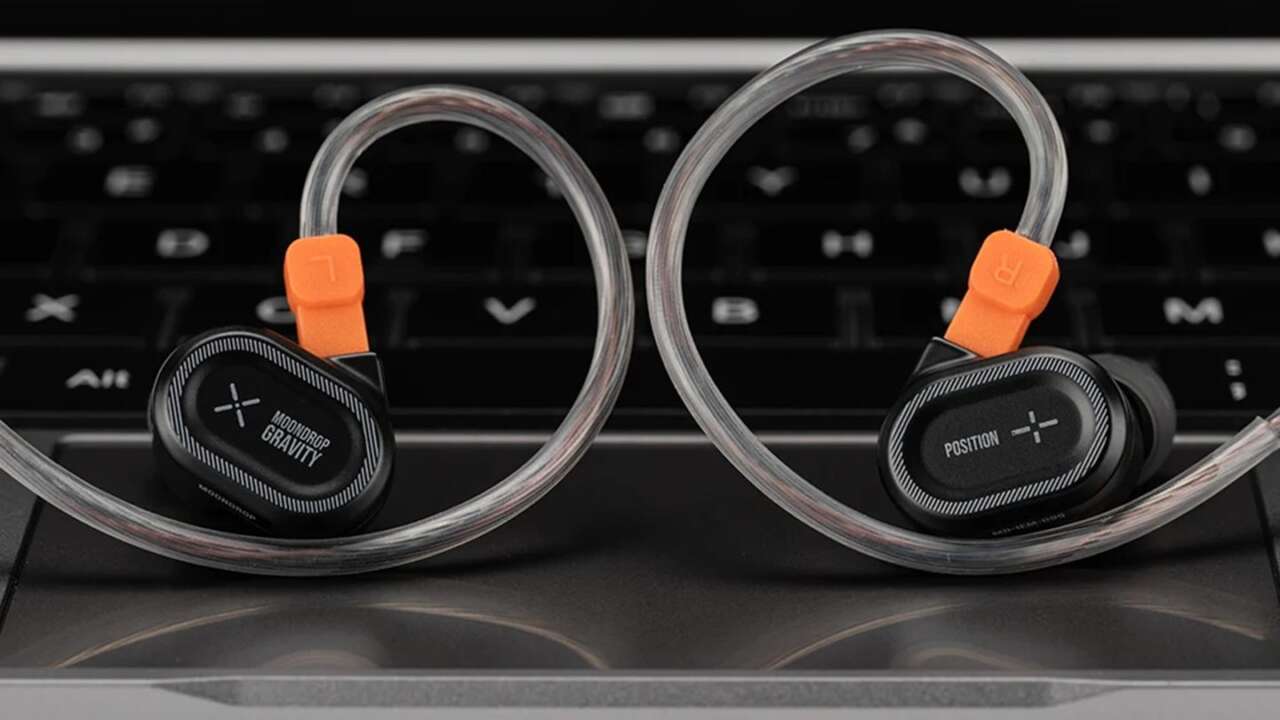
Wired earbuds keep winning desk space back from wireless headsets, and games are the reason. A cable has no battery to die mid-match and no radio link adding delay. Moondrop built its newest set squarely for that crowd.
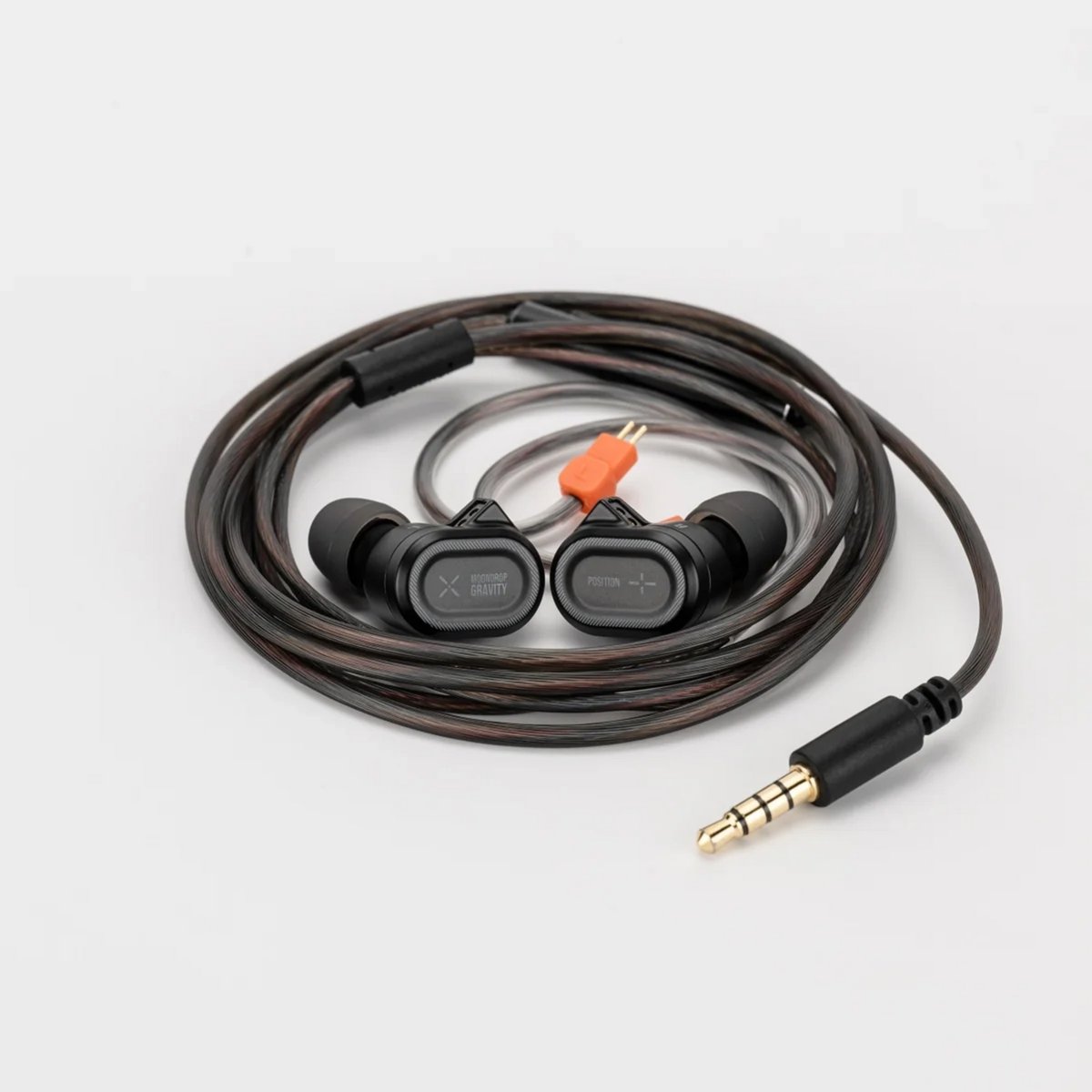
Position is a wired gaming in-ear monitor with a trick most rivals skip. Sound processing lives on the cable itself, in a small USB-C sound card module. Your EQ and tuning travel with the earbuds, not with one PC.
Price: $34.99
Where to buy: Amazon
Moondrop knows the budget end of in-ears cold. Few brands have sold more affordable wired sets to gamers and music listeners alike. This one takes that formula and aims it at competitive play.
Tuned with pro players, not a marketing panel
Moondrop tuned this set with input from a professional esports team, and former pro players on staff keep testing the profiles. Profiles cover Delta Force, Valorant, Apex Legends and CS:GO by name. Each one chases the same cues: footsteps, reloads, gunshot direction and distance.
HRTF tuning shapes how those cues land in your ears. Directional sounds get placed around you instead of sitting flat inside your head. In a shooter, placement decides rounds.
Width gets help from the tuning too. Maker copy describes an expansive stage for a sealed in-ear, built around distance cues. Judging how far off a vehicle or a fight sits is the test each profile had to pass.
A stiff, light dome does the detail work
A 10mm dynamic driver sits in each shell. Its diaphragm pairs an aluminum-magnesium alloy dome with a composite surround. Alloy domes stay stiff at speed, so treble detail holds together under busy scenes.
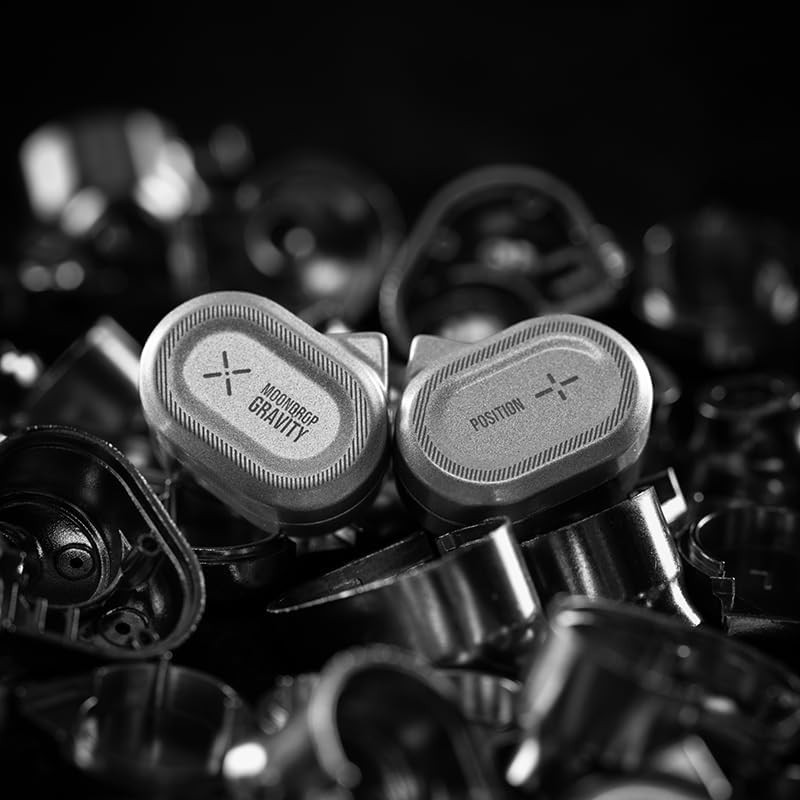
Dual-polymer suspension lets that driver move hard on bass without smearing the midrange. Explosions land with weight. Footsteps stay readable on top of them, though, and that balance is what the tuning protects.
Sensitivity runs high at 119dB/Vrms, with impedance at 18 ohms. Phones, handhelds and laptop jacks will drive this set without help. Volume will not be a problem anywhere.
Shells connect through 0.78mm two-pin sockets, so the cable detaches. A worn cable becomes a cheap swap instead of a dead set. At this price, that detail usually gets cut.
The sound card lives on the cable
Plug in through USB-C and the inline module takes over. A built-in DAC decodes 24-bit audio, and second-generation DSP applies Moondrop EQ profiles on the cable itself. No driver install, no app required at the desk.
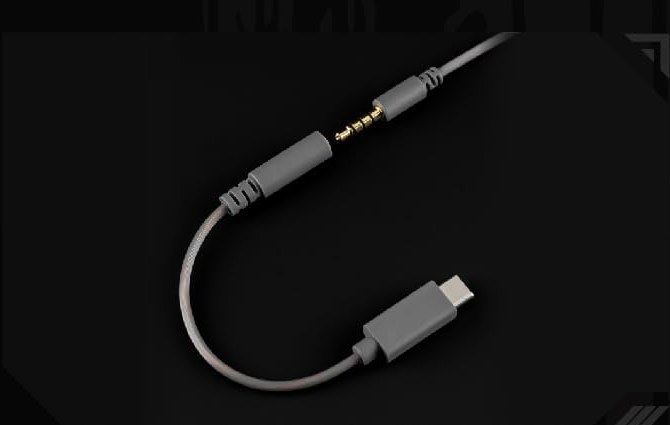
Profiles swap with one tap, and a tuning community shares more through Moondrop’s sound tool. Settings verified by the test team sit beside community uploads. Pick a game, load its profile, play.
Skip the module and the earbuds still work. A four-core CTIA 3.5mm plug with a mic covers plain headphone jacks and PC sound cards. One set covers a phone, a handheld and a desktop without adapters piling up.
Latency stays at wired speed on both paths. Sound reaches your ears as the game renders it, with no wireless compression in between. Ranked players feel that gap even when they cannot name it.
Early hands-on coverage points the same way. Gamesky’s video review runs the set through games and music, and the positional audio gets the praise. Watch the full run-through here.
An AI mic that cleans up your callouts
Voice runs through an AI ENC microphone built into the cable. An embedded NPU handles the noise reduction on the mic itself. Keyboard clatter and room noise get cut before your voice reaches the team.
That split is smart at this price. Most budget sets clean up voice in software on the PC, if they clean it up at all. Here the work happens in hardware, on every device you plug into.
Calls outside games benefit too. The same cleanup carries into phone calls and work chats on any device with a jack or a USB-C port. One mic covers the whole day.
Position by the numbers
| Driver | 10mm aluminum-magnesium alloy dome composite dynamic driver |
| Impedance | 18 ohms, plus or minus 15 percent at 1kHz |
| Sensitivity | 119dB/Vrms at 1kHz |
| Frequency response | 15Hz to 38kHz, effective 20Hz to 20kHz |
| THD | 0.5 percent or less at 1kHz, 94dB |
| Connector | 0.78mm two-pin |
| Interface | 3.5mm CTIA with mic, plus USB-C DSP sound card module |
| Sound card | 24-bit decoding, second-generation interactive DSP |
| Colors | Black, Silver |
| Price | $34.99 |
Two colorways ship, black and silver, on the same hardware. Three pairs of silicone tips, a storage case and the DAC module ride in the box. Tips come in three sizes, so fit tuning starts in the box.
Gaming headsets at three times this price still ship with fixed tuning and a mic that smears callouts. This set undercuts them with better tools on the cable. Players who compete on a budget get the clearest case.
Both colorways sit in stock at Amazon at $34.99 as this posts, silver under ASIN B0HK8HKBYK and black under B0HKF99CFH.
Price: $34.99
Where to buy: Amazon
At $34.99, Position asks little and covers a lot. Music listeners who never game can pass, since the tuning chases cues first. Everyone else with a USB-C port and a ranked queue should look hard at this one.