Apple’s iMac with M6 starts at $1,499 for the 10-core CPU and GPU model and $1,699 with the 12-core chip. Six outlets have now lived with the machine, run their benchmarks, and published their calls.
The agreement across them is unusually tight.
M6 makes this all-in-one much faster than the M4 model it replaces, though the 24-inch 4.5K Retina display draws the same praise it always has and the design hasn’t changed in any visible way. The starting price draws more argument than the performance does.
Price: $1,499
Where to buy: Amazon
We haven’t tested this iMac in our own office, and this roundup doesn’t claim we have. What follows pulls what the reviewers found in their own testing, with their numbers, their likes, and their dislikes attached to their names.
Performance is the one upgrade every reviewer felt
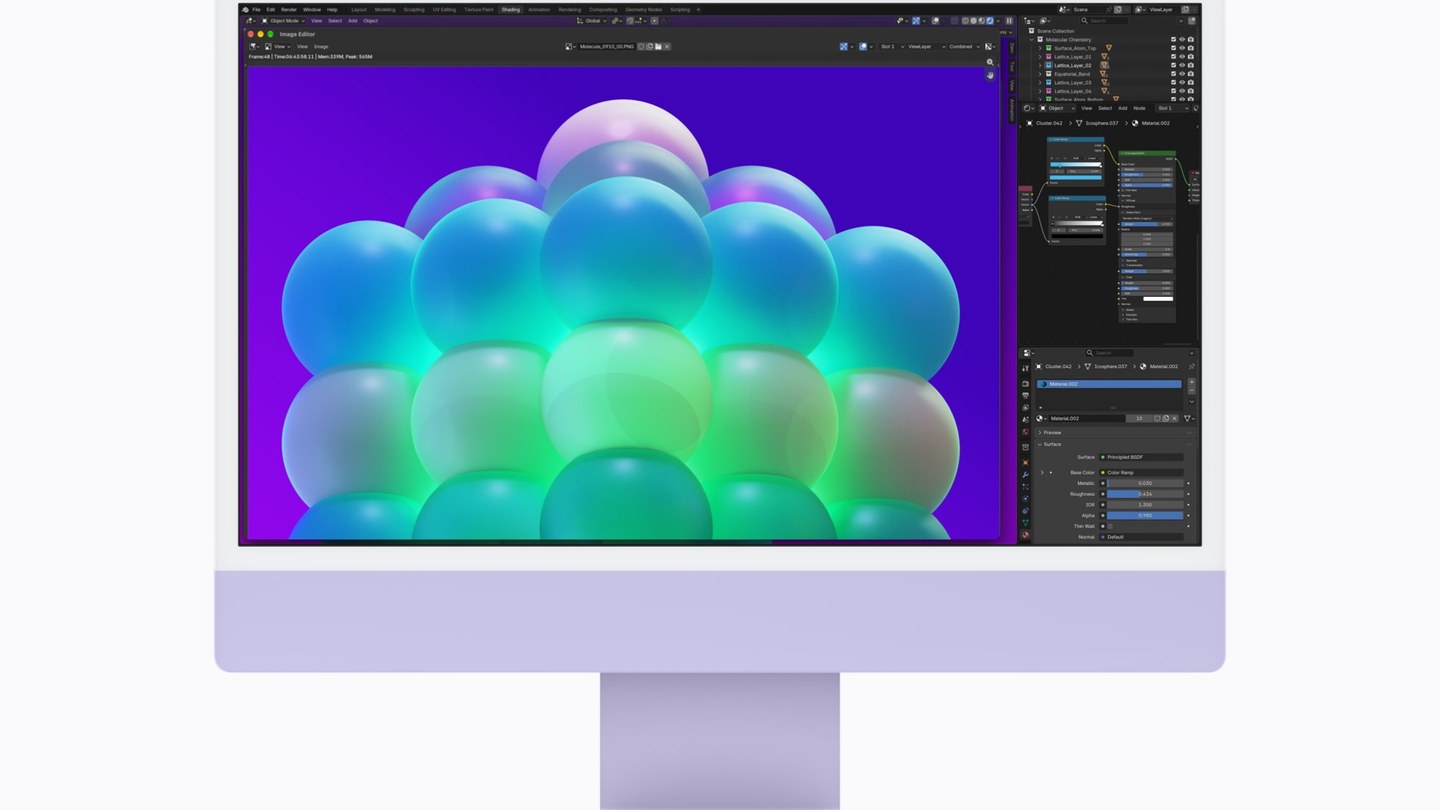
Steve Dent at Engadget measured 4,552 in Geekbench 6 single-core and 20,363 in multi-core.
That’s about 20 percent ahead of the iMac with M4, and his GPU score more than doubled the old machine. Storage speeds doubled as well, at 12.4GB/s writes and 6.76GB/s reads in his testing.
Matt Elliott at CNET found a similar gap on the 12-core model Apple sent him: 37 percent faster in Geekbench 6 multi-core and 36 percent faster in Cinebench 2024 multi-core than the M4 model he tested two years ago, with a 49 percent lead in the Cinebench GPU test.
Five days of testing at TechRadar put Jake Krol’s numbers right beside Engadget’s, at 4,553 single-core and 20,038 multi-core in Geekbench 6, and his verdict matched CNET’s.
Those numbers line up closely with the Engadget run, and Krol called the machine the best all-in-one desktop you can buy. CNET landed on nearly the same words in its own verdict.
PetaPixel pushed photo work instead of chart tests.
They found Adobe Lightroom running 10 percent better than it did on an M5 MacBook Pro with twice the memory, and the iMac stayed silent through importing and editing, too, with the fan spinning up only in some Premiere Pro and DaVinci Resolve runs.
Apple rates on-device AI at up to five times the M4 model, and the Dual 16-core Neural Engine drives that claim. Configuration is where the reviewers split, though: Dent found his 16GB machine running a local model in LM Studio at around 30 tokens per second.
More memory is what he wanted for that job, and memory tops out at 32GB, with a nano-texture glass option at $200.
Display stays sharp and stays at 24 inches

Every reviewer praised the panel itself.
It’s a 24-inch 4.5K Retina display at 4,480 by 2,250 with 500 nits of brightness and P3 wide color, which PetaPixel rated a good built-in screen for photography.
Size is the complaint, and it shows up in review after review.
Dent wrote that 27-inch and 32-inch monitors are now the norm on desks and that the 24-inch screen feels too small for the creative and AI work the chip now invites. Stuff made the same point from a family desk, calling a bigger screen a missed opportunity.
Brightness drew a narrower note from PetaPixel: for photo editing and print work, 500 nits is plenty in their testing.
HDR video editors are the group they flagged, since it won’t reach the luminance HDR grading wants, and black levels trail MiniLED and OLED screens in their side-by-side viewing.
Design charm is intact and so are the old complaints
Todd Haselton at The Verge liked how clean the blue test unit looked on his desk and how little thought setup took, and he praised the unchanged six-speaker system and the 12MP Center Stage camera on his work calls.
His headline complaint was that the design hasn’t changed in years, chin and white bezels included.
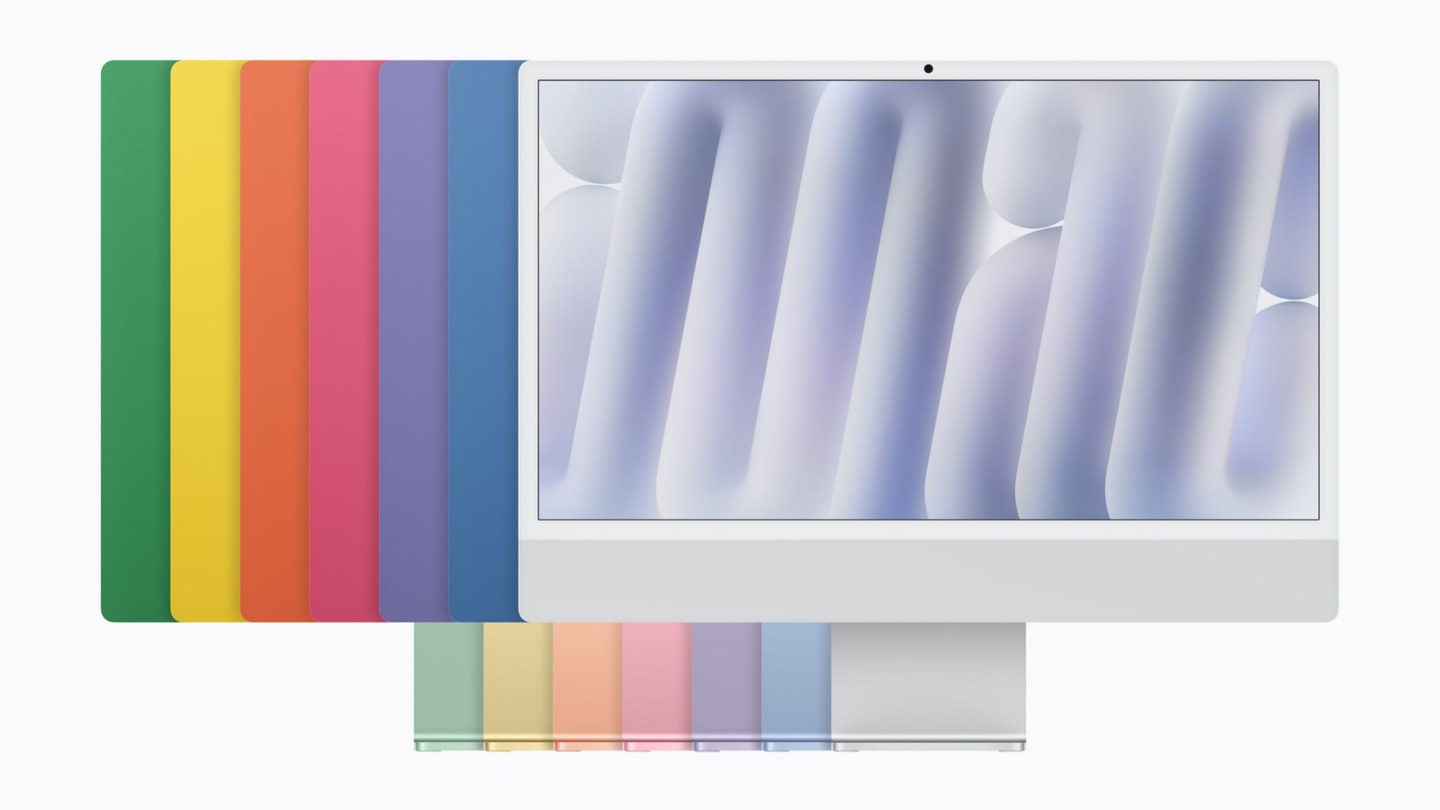
Stuff tested a pink unit at home for a week and found the color doing real work in the room, with the color-matched keyboard, mouse, cables, and power lead still landing as a delight five years into this design.
Their kids fought less about homework at it, and Touch ID let each person jump into a separate account.
Ergonomics are the shared gripe: every outlet that mentioned the stand noted the same limit, because it tilts and nothing more, with no height adjustment.
Stuff reached for a stack of books when a tall adult and a small child shared one desk, and Haselton flagged the same fixed stand in his testing. PetaPixel did note a VESA mount adapter is available at no extra charge, in place of the stand.
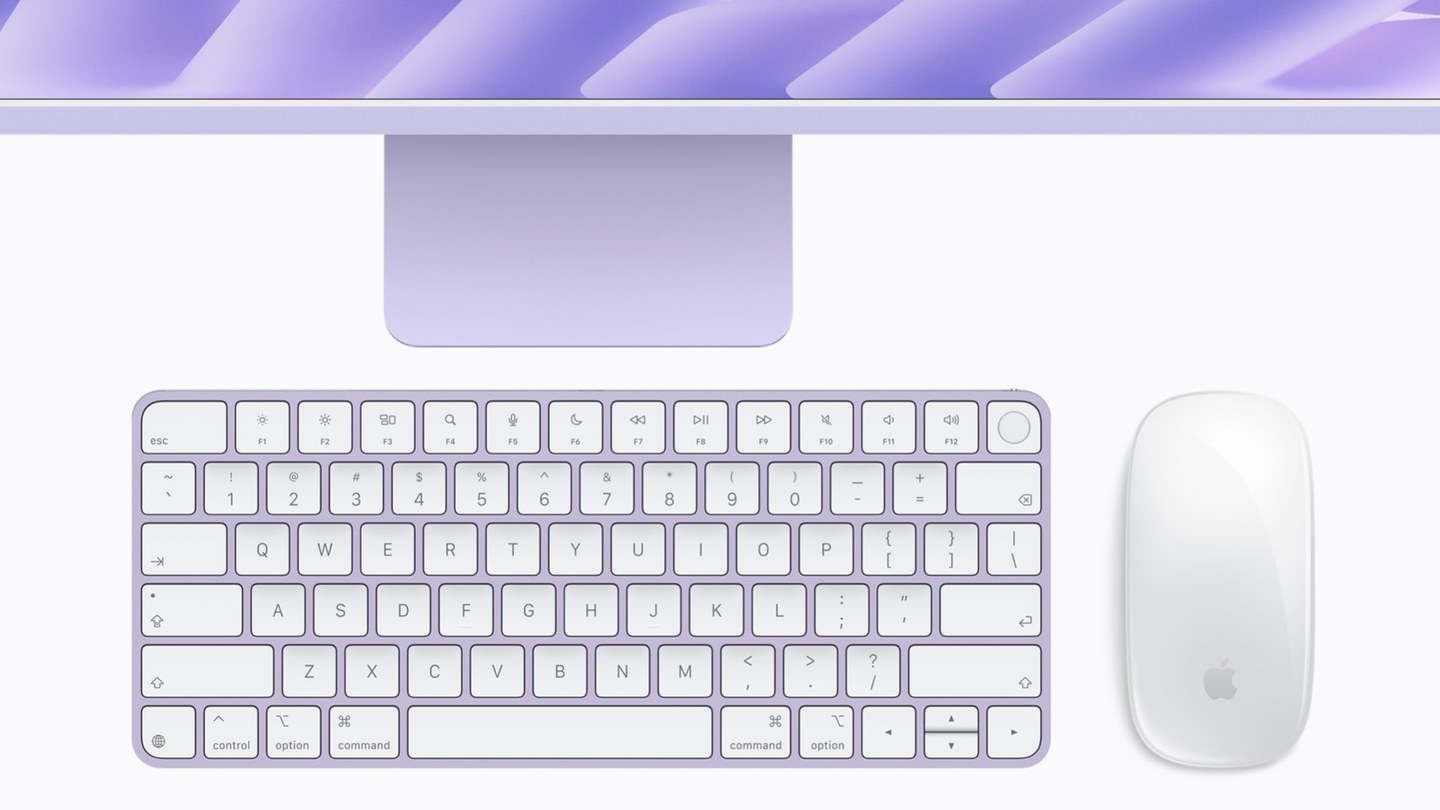
Ports split by price, and reviewers noticed: base models carry two Thunderbolt ports, while the 12-core models carry four Thunderbolt 4 ports and support two 6K external displays.
PetaPixel wanted Thunderbolt 5 and a built-in SD card slot at this price. Stuff is still waiting on Apple to move the Magic Mouse charging port off the underside of the mouse.
Value is where the reviews split
Pricing is simple at the top and climbs fast in the middle.
Review units at several outlets were 12-core models with 512GB of storage at $1,899, and Dent called that configuration his sweet spot once 24GB of memory joins it, which is also where his value argument turned. CNET flagged the 256GB base storage as the weakest line on the spec sheet at $1,499.
Dent priced the alternative directly.
A Mac mini with the same M6 chip and 24GB of memory costs $1,099 in his comparison, leaving $800 to spare.
That money buys a bigger display with height adjustment, one that can grow past 24 inches, and he steered most buyers that way unless the all-in-one form is the point. Haselton raised the same trade, pairing a MacBook Air or MacBook Neo with a second monitor.
Amazon lists the iMac with M6 in blue at $1,499, matching Apple’s starting price.
Education pricing at Apple runs $1,449 for the base model, and the 12-core model starts at $1,699 in the seven colors.
Price: $1,499
Where to buy: Amazon
What reviewers liked and what they did not
Liked, across the six reviews: M6 speed in real apps and in benchmarks, the quiet fan behavior under photo and office work, Wi-Fi 7 and Bluetooth 6 from the new N1 chip, faster storage, the 4.5K display for everyday and photo work, the speakers and camera, and setup that takes minutes.
CNET and TechRadar both closed by calling it the best all-in-one they have tested.
Not liked, with the same names attached: a design unchanged since the M1 model in 2021, a 24-inch ceiling with no larger option, tilt-only ergonomics, 256GB of base storage, two ports on the base model, no Thunderbolt 5 or SD card slot, and a Magic Mouse that still charges from underneath.
Engadget summed that side up as a machine in need of a refresh.



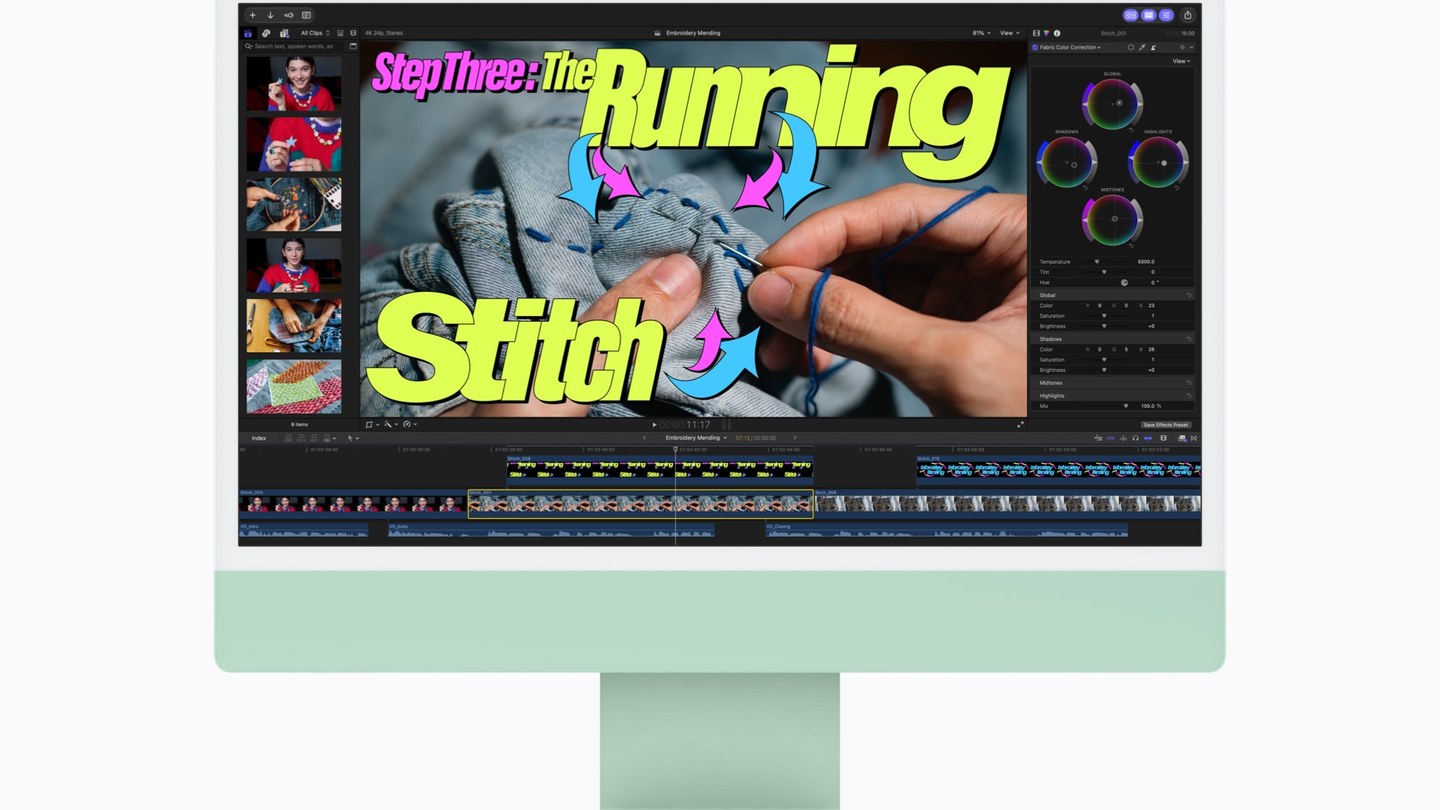
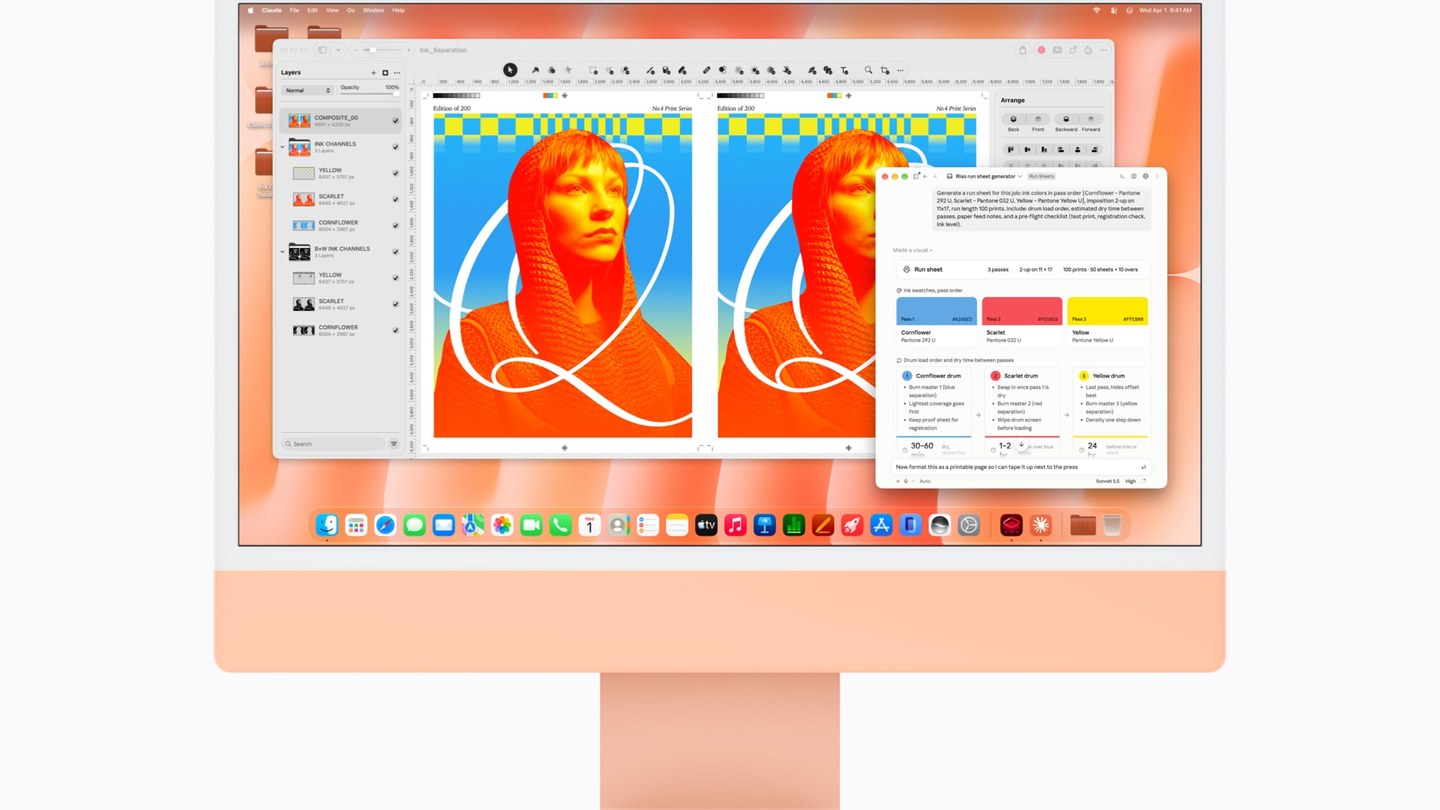
Read as a group, the first reviews land in one place.
Buyers coming from an Intel iMac or an M1 model get a large, quiet speed jump in a machine that asks nothing of them at setup. Buyers who already own an M4 iMac get the same desk, the same screen, and a faster chip at a higher starting price.