How to spec a sim rig, in the order that decides the result
$37,896.74 buys the flagship sim rig in this guide: motion, triple 4K OLED, and the strongest base and pedals Simucube sells. You don’t need to spend this. Nobody does.
Map the ceiling anyway, because every rig below this one is a set of decisions about which slots to cheap out on.
Price: $37,896.74 (Build 1 flagship, listed-hardware subtotal, before tax and shipping)
Includes: Next Level Racing F-GT Elite 160 bundle and Motion Plus pair, Simucube 3 Ultimate, Savu Pro, three ActivePedal Ultimates, BDH Active, Heusinkveld V2, triple ASUS 4K OLED, Maingear MG-1 Ultimate, and the finishing kit
Spec the rig in this order, or you buy the same part twice.
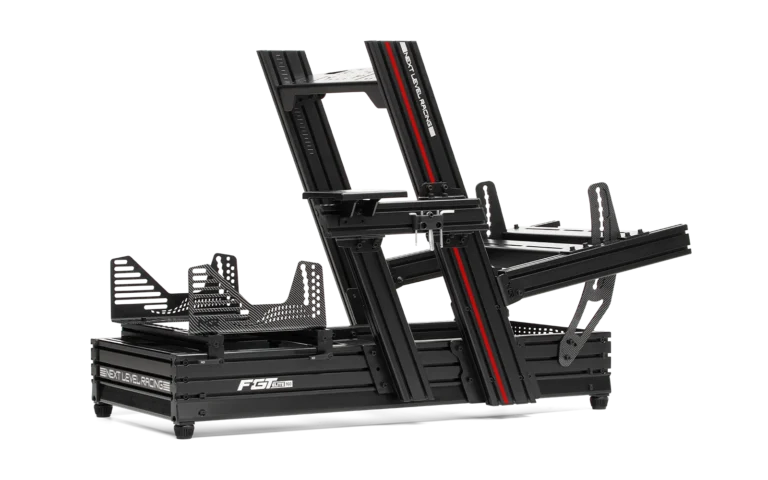
First, the cockpit and its torque ceiling: the frame decides how much wheel base you can run, and that’s the ceiling.
A folding cockpit rated to a recommended 15 Nm, like the Next Level Racing F-GT Shift in Build 4, takes a 12 Nm base happily and a 35 Nm base never. A 160 mm profile cockpit, like the F-GT Elite 160 in Build 1, takes the 35 Nm Simucube 3 Ultimate and a motion platform under it, so name your ceiling before you name your base.
Second, load-cell pedals before a fancier wheel, because braking is where lap time lives. A load-cell brake, or an active pedal at the flagship end, changes how consistently you hit a braking zone. A prettier wheel changes how the rim feels in your hands. Buy the pedals first.
Third, display math before PC math, and the PC follows the display. Count the pixels you intend to drive, then size the computer.
One 3440×1440 panel is an RTX 5070 Ti job, and one 7680×2160 panel, or three 4K panels, or a 3840×3552-per-eye headset is an RTX 5090 job. The builds below pair each display load with the PC that carries it, and every build states its panel count and resolution next to its GPU, so you can check the pairing yourself.
Fourth, ecosystem locks, and this is the trap that costs real money. PlayStation compatibility lives in a chip in the wheel base, and Xbox compatibility lives in a chip in the wheel.
Fanatec’s Podium DD is its strongest base, and Fanatec’s own page states it isn’t compatible with any PlayStation console and can’t be upgraded to achieve compatibility. Buy that base for a PlayStation rig and no later purchase fixes it, which is why Build 3 specs the ClubSport DD+.
The four builds are the worked ladder for those four decisions. Every total in this guide is a listed-hardware subtotal, before tax and shipping. Start at the rung that matches your room and your platforms, then read its catch list first.
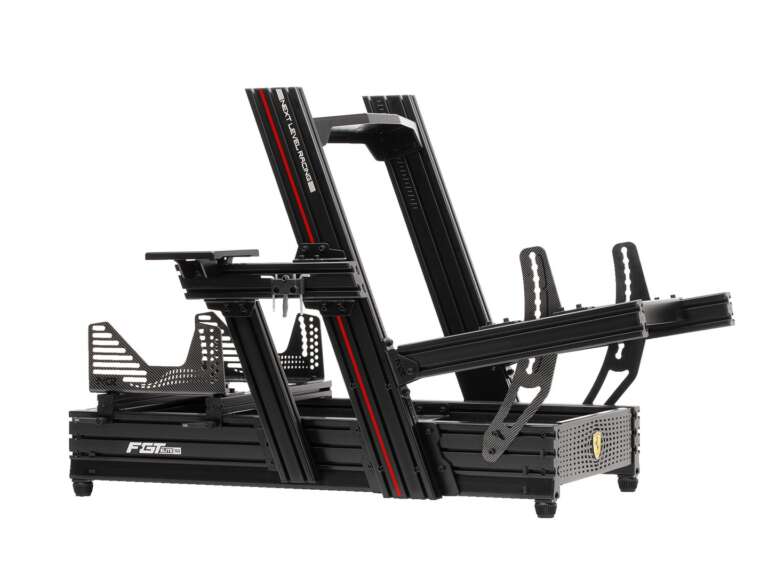
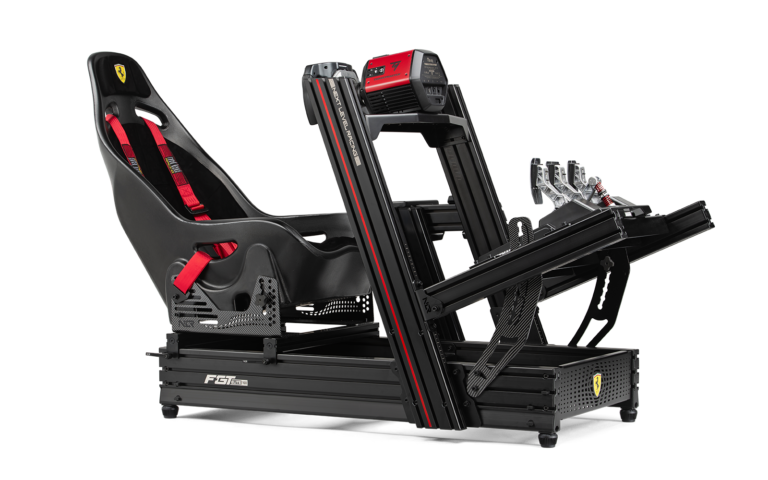
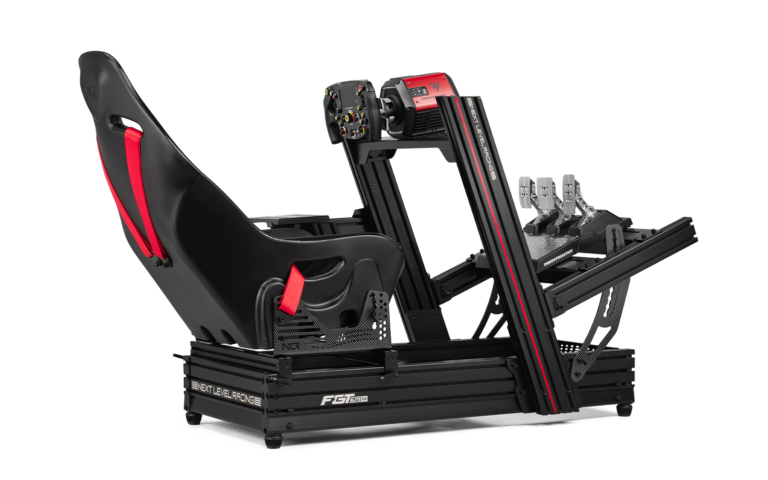
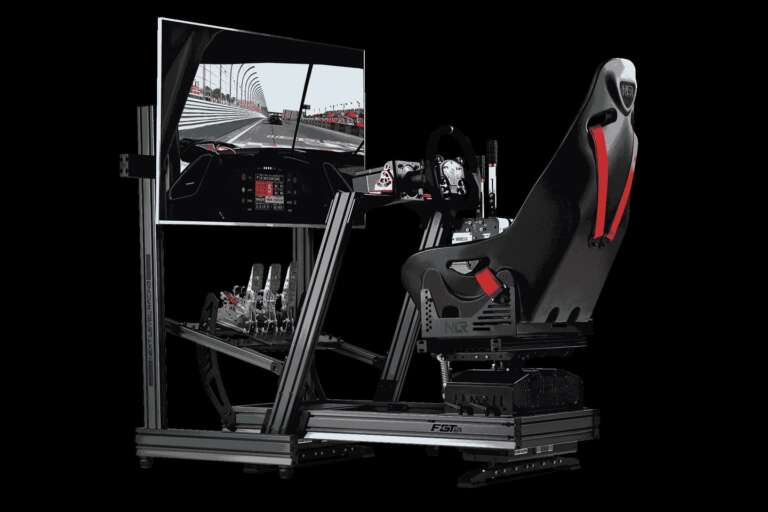
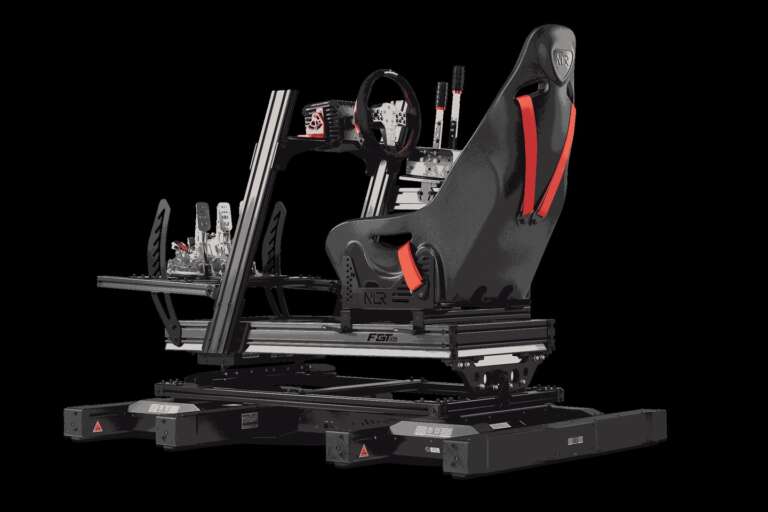
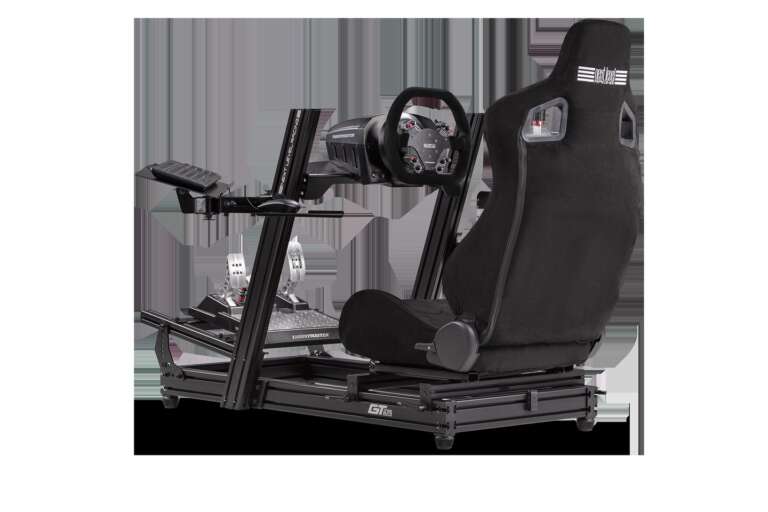
The chassis: Next Level Racing F-GT Elite 160, $1,999
Every other decision hangs off the cockpit, because a flexing frame eats the detail a strong wheel base works to produce.
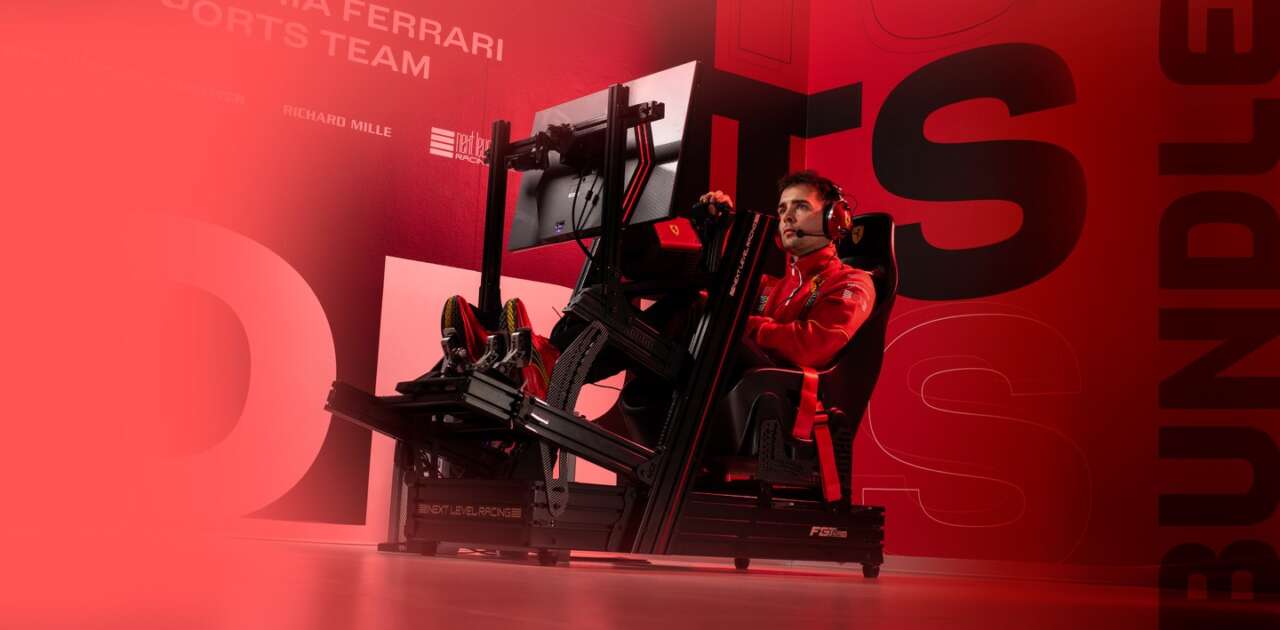
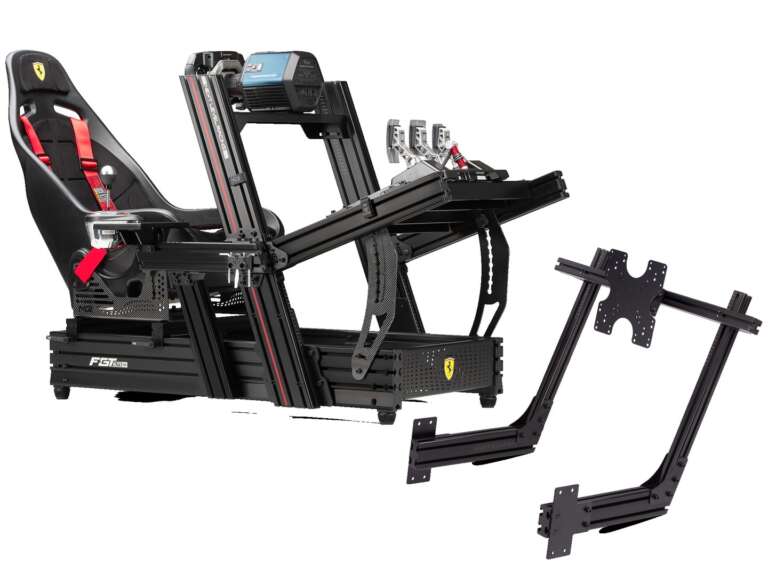
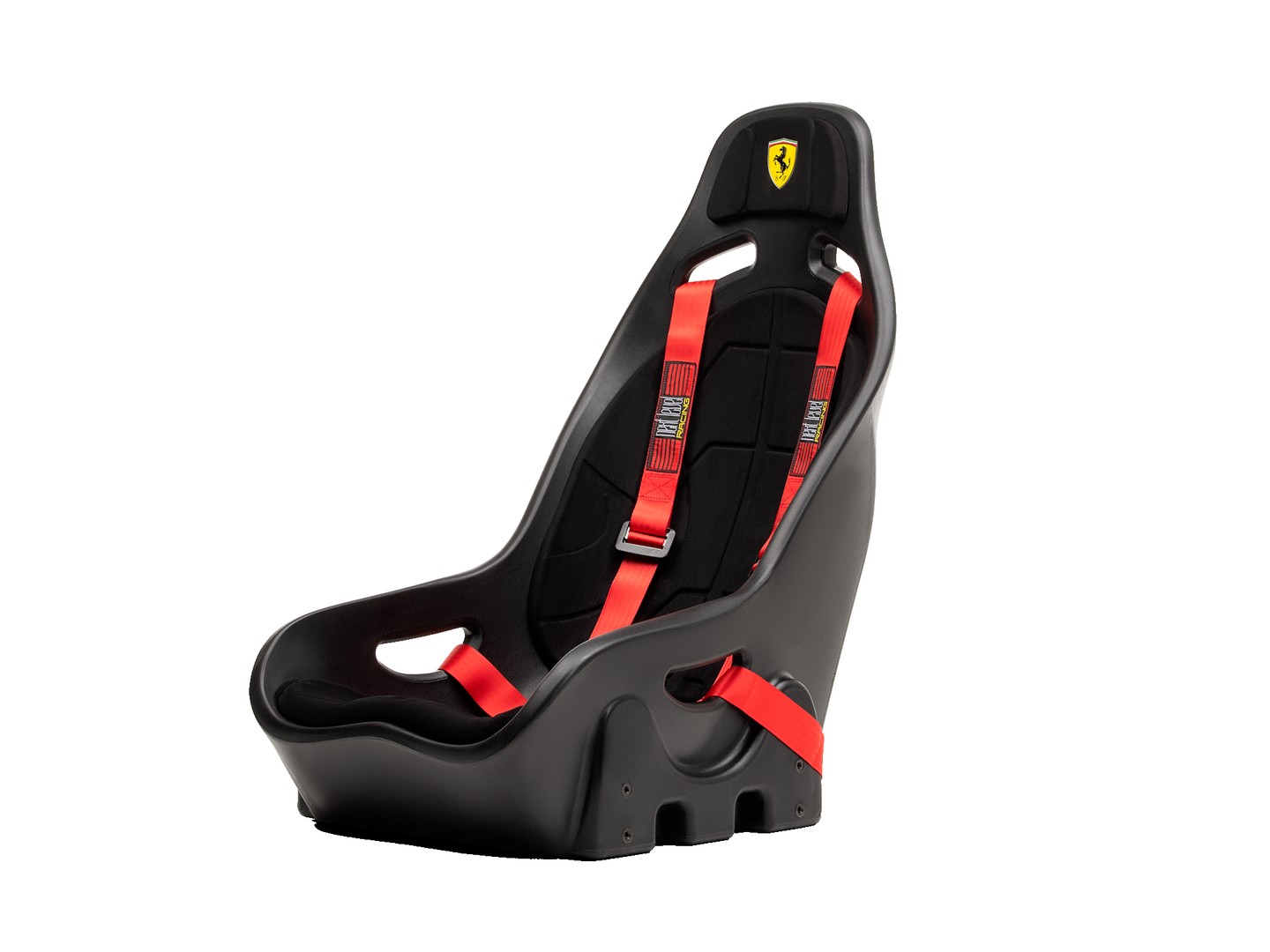
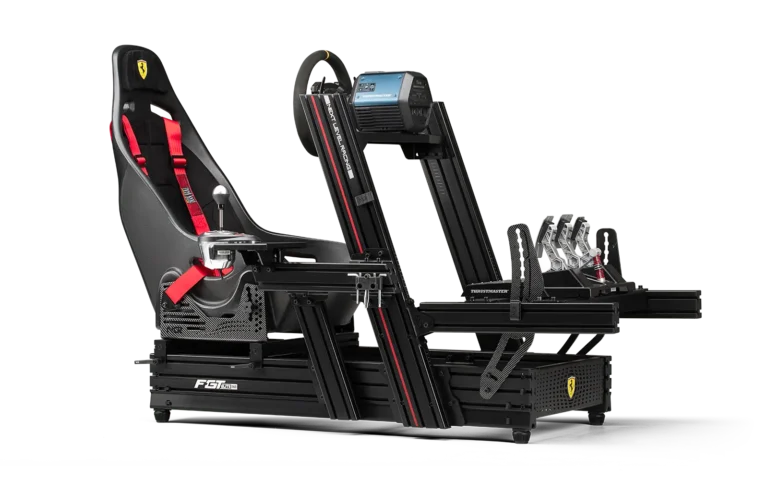
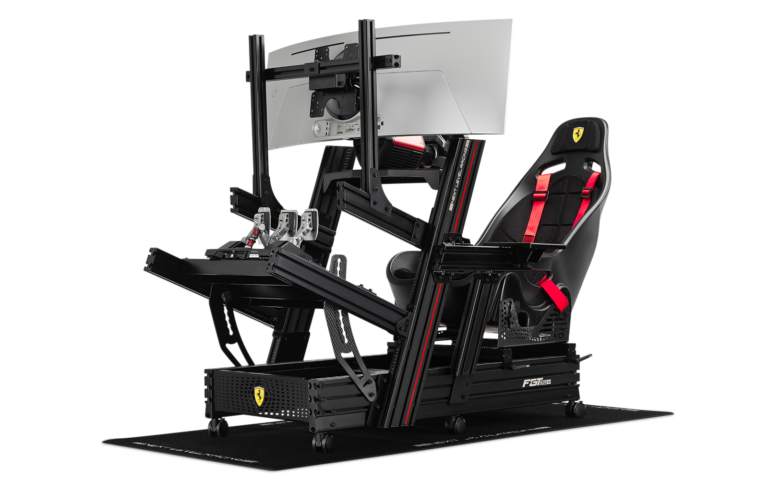
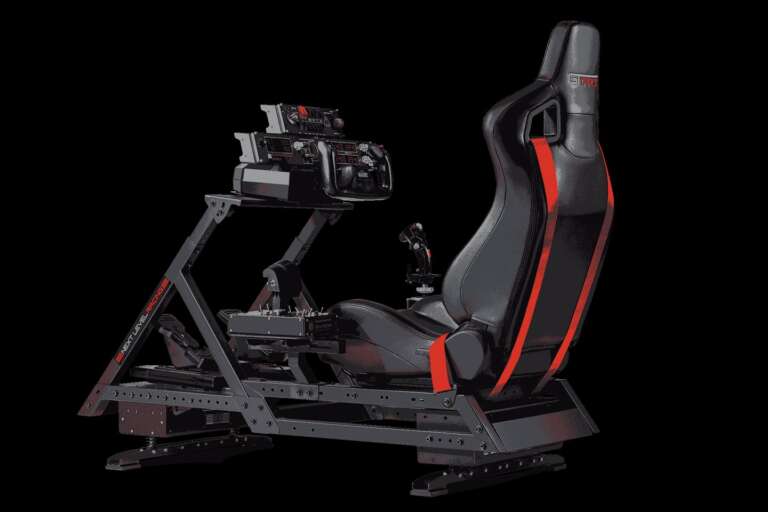
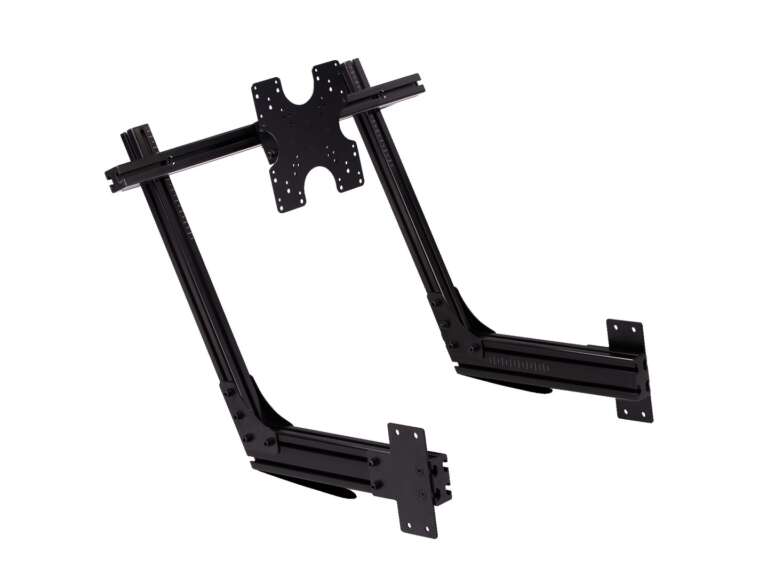
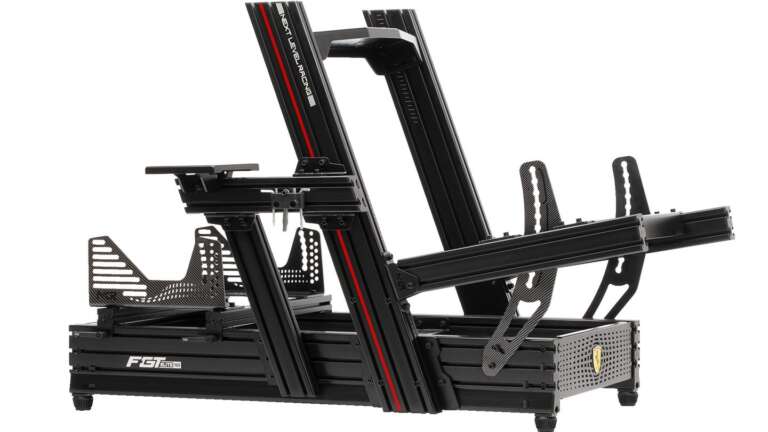
The F-GT Elite 160 is built from 160 mm aluminum profile, the heaviest extrusion Next Level Racing sells. The Scuderia Ferrari Edition bundle pairs it with the Elite ES1 Ferrari seat and the direct monitor mount for $1,999. This build only belongs on the Elite 160.
Price: $1,999.00 (Next Level Racing F-GT Elite 160 Scuderia Ferrari Edition Bundle)
Includes: F-GT Elite 160 cockpit, ES1 Scuderia Ferrari seat, Elite Direct Monitor Mount
Where to Buy: Next Level Racing
One thing to say straight about the anchor: the F-GT Shift can’t anchor this build.
It’s a folding mid-tier rig, list $549, $499 on sale, direct-drive ready to a recommended 15 Nm, with no motion-platform support at all. The 35 Nm base and the motion pair belong on the Elite 160; the Shift stays the folder, the second rig.

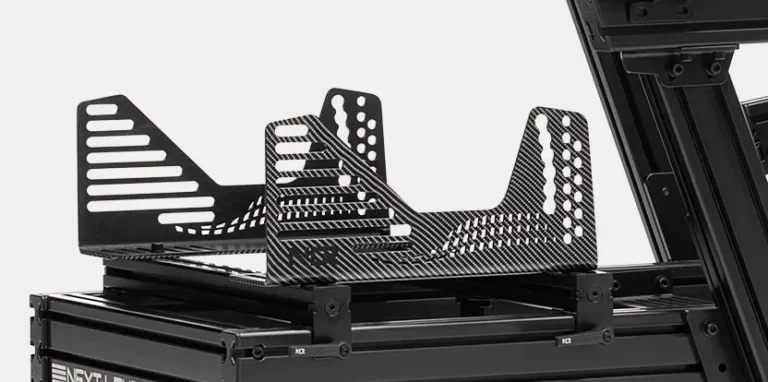
Motion: two Next Level Racing Motion Plus platforms, $4,998
One platform, $2,499, gives pitch and roll with partial heave, and a second unit adds full heave so the chassis rises and drops over crests under a 250 kg rating, and the pair bolts straight to the Elite frame. Motion is the line item skeptics cut first.
What it buys is information: weight transfer felt through the seat instead of inferred from a screen. At this budget, feel is the product.
Price: $4,998.00 for two (Next Level Racing Motion Plus Platform x 2)
Includes: Two Motion Plus Platform units (NLR-M007); the pair runs 3-DOF (pitch, roll, full heave), 250 kg max payload, Platform Manager software
Where to Buy: Next Level Racing
The wheel base: Simucube 3 Ultimate, $3,299
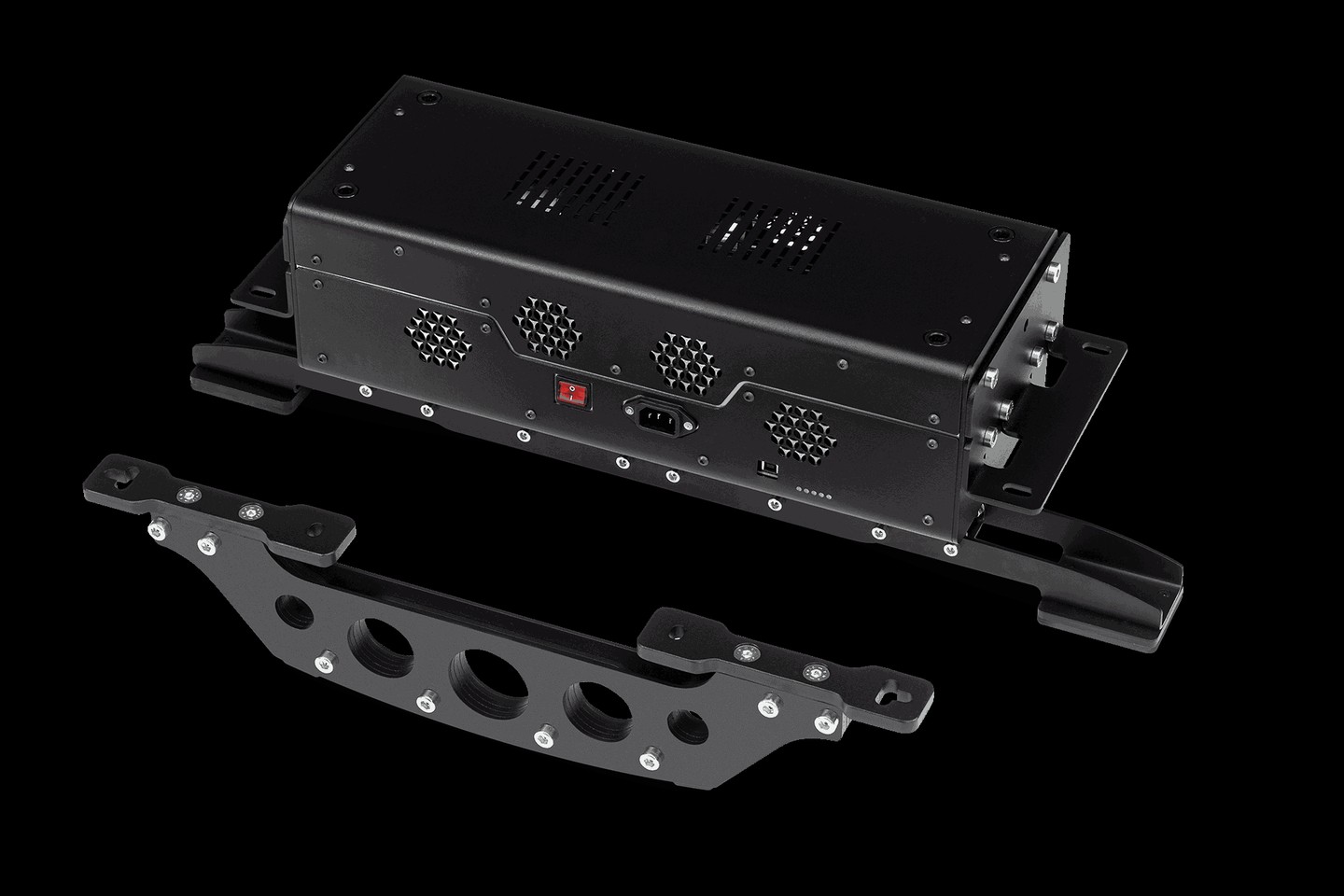
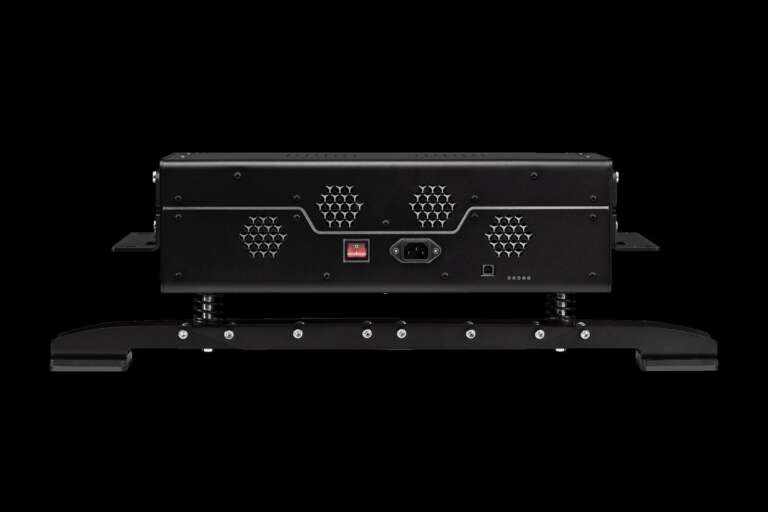
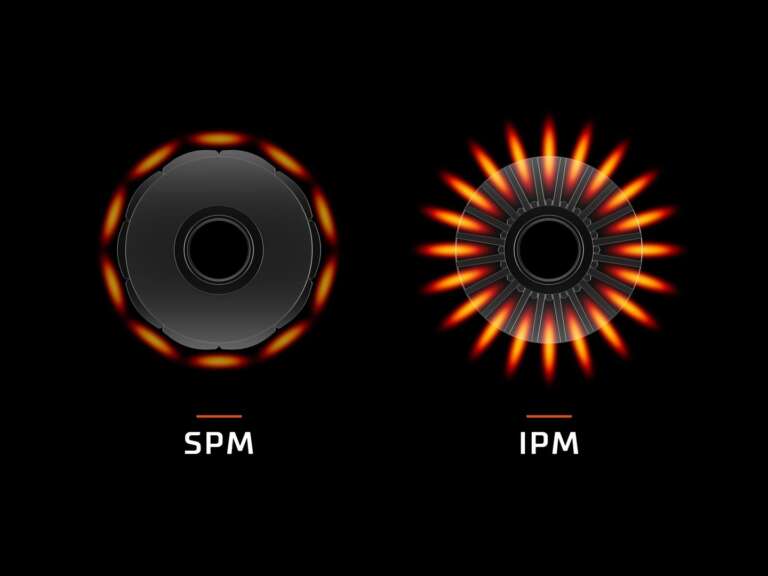
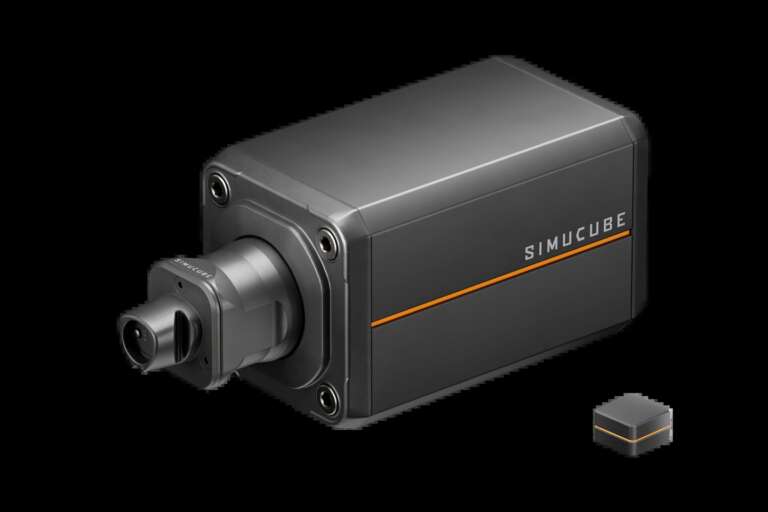
Thirty-five newton-meters: the Simucube 3 Ultimate is the newest and strongest base Simucube sells, built on a spoke-type IPM motor with telemetry-based force feedback.
You’ll never hold 35 Nm steady unless you enjoy injury. The headroom is the reason: a base loafing at a third of its capacity renders small forces cleanly, where a weaker base near its limit clips and smears them.
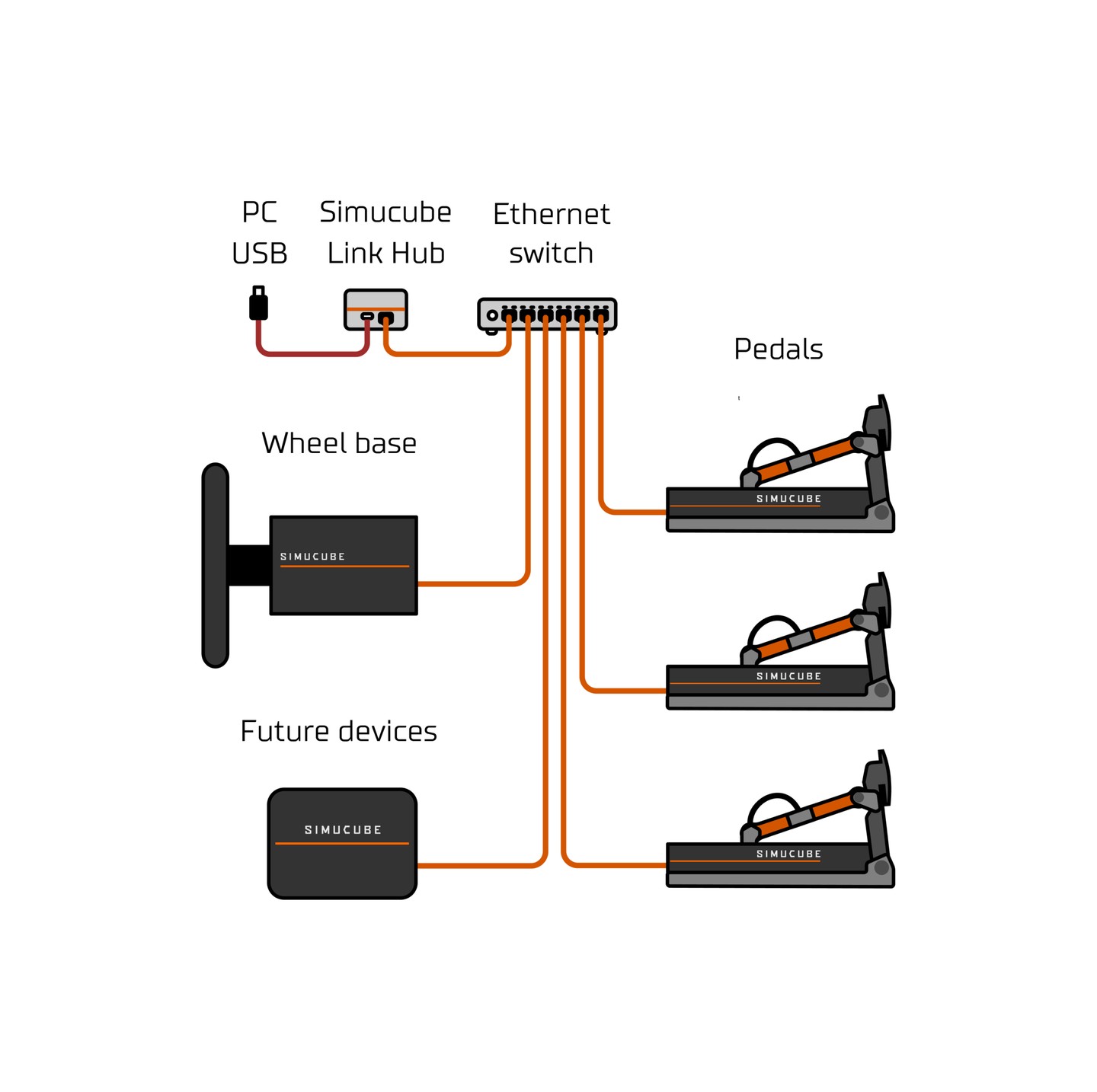
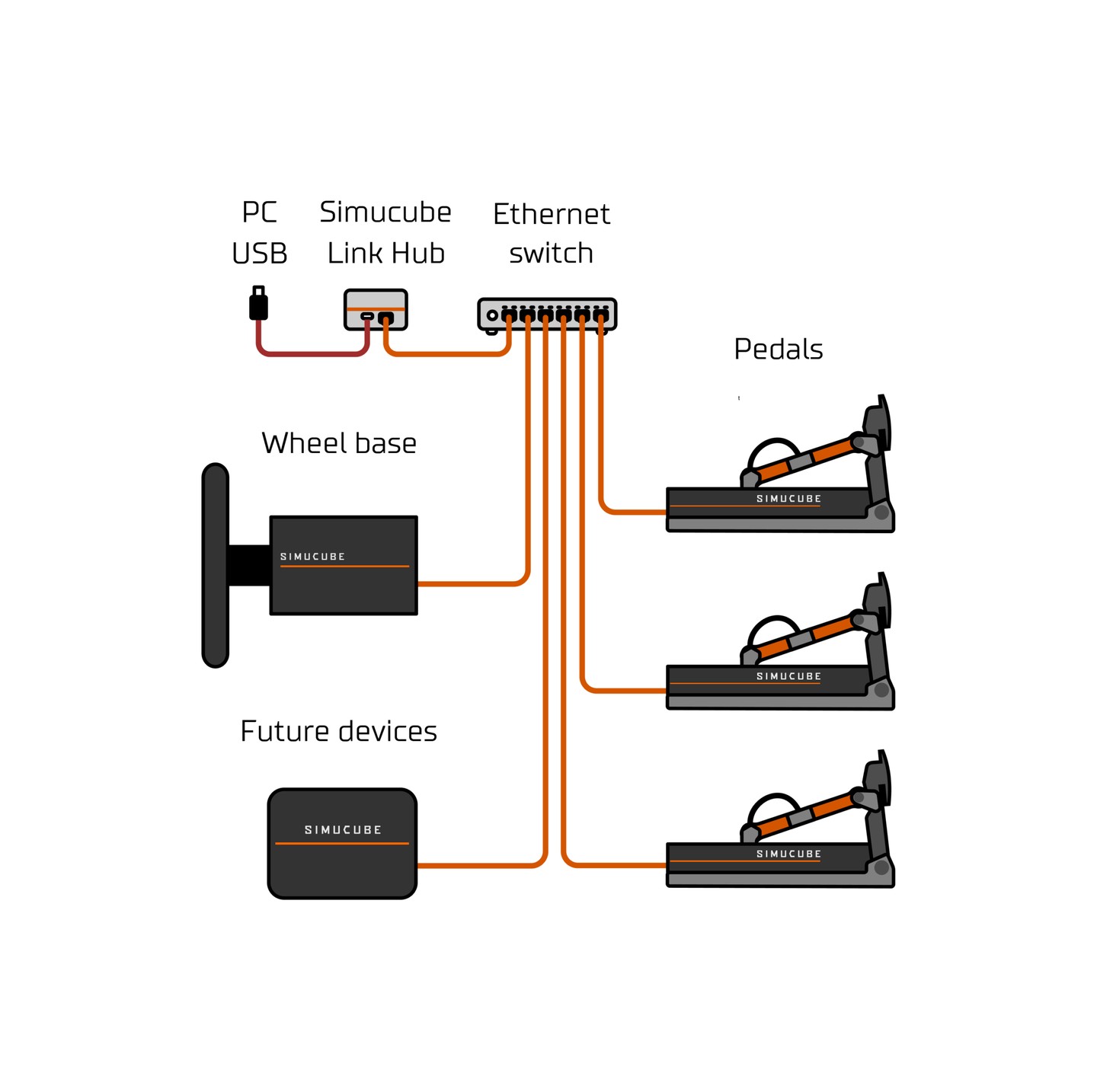
The base mounts front or bottom, and no adapter is priced in this build because none is listed as required; the front-mount bolt pattern has to match the Elite 160’s wheel plate. Buy the $3,299 Excluding Simucube Link variant, because the base needs a Link Hub and doesn’t include one, but the pedal set below ships the hub in its box, and one hub runs base, wheel, and pedals. The $3,399 variant buys a second hub you’ll never plug in.
Price: $3,299.00 (Simucube 3 Ultimate, Excluding Simucube Link variant)
Where to Buy: BeFastRacing
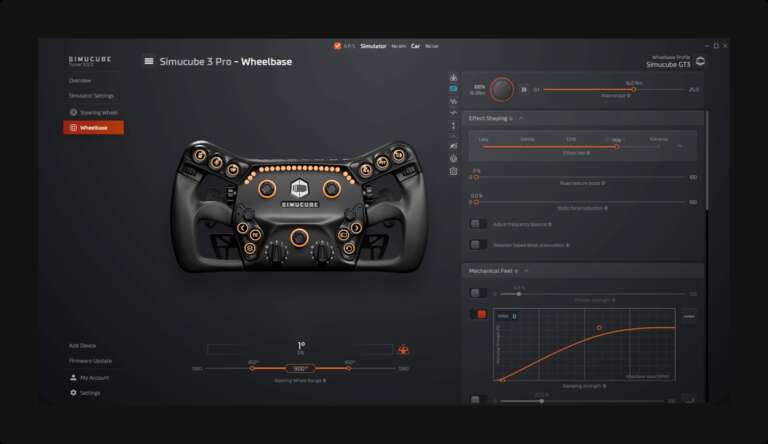
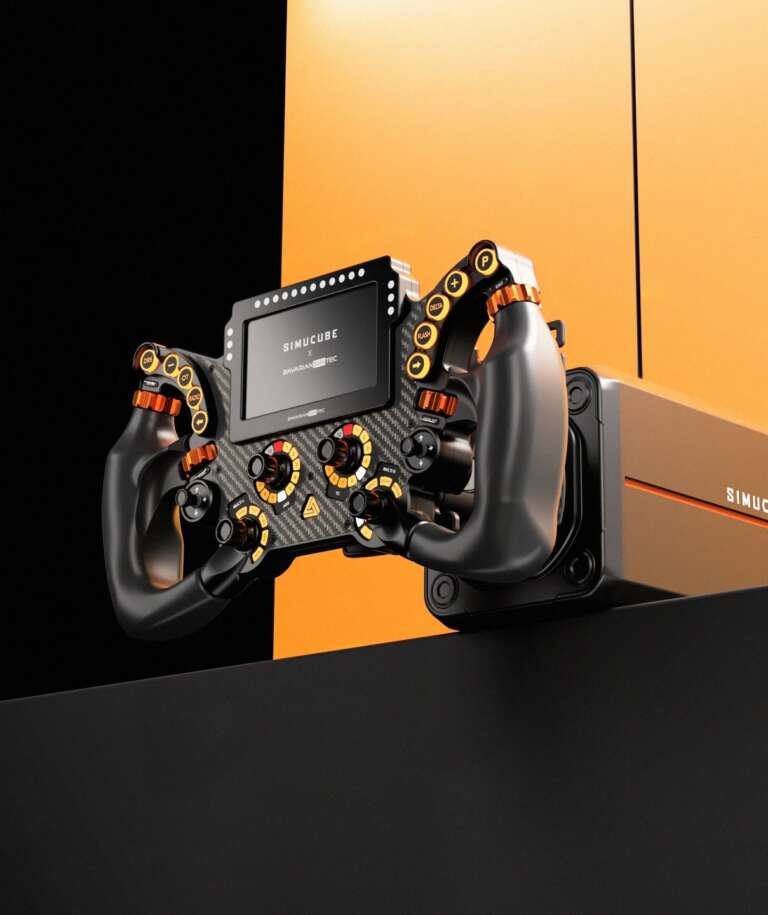
The wheel: Simucube Savu Pro, $1,299
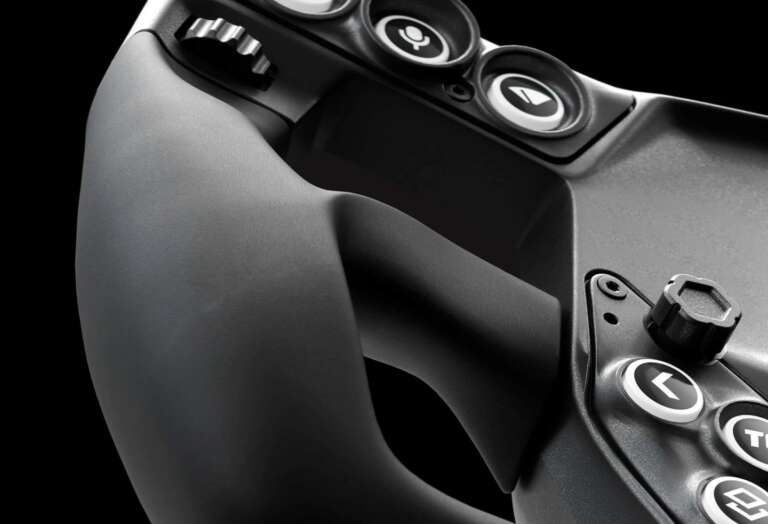
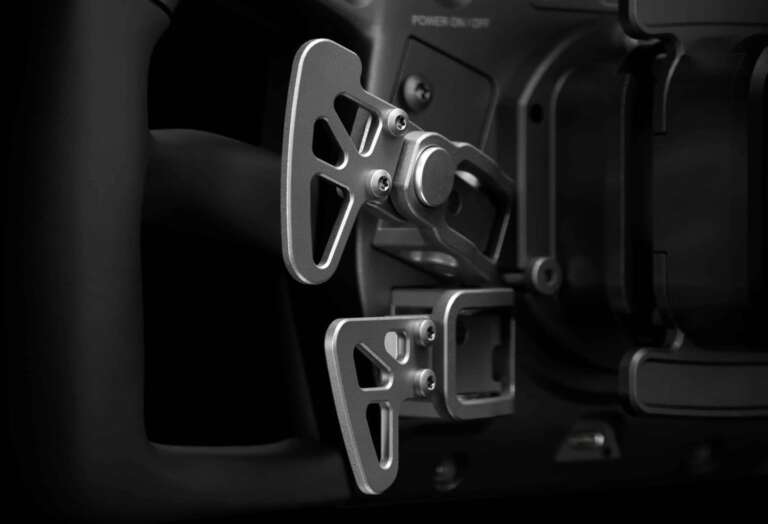
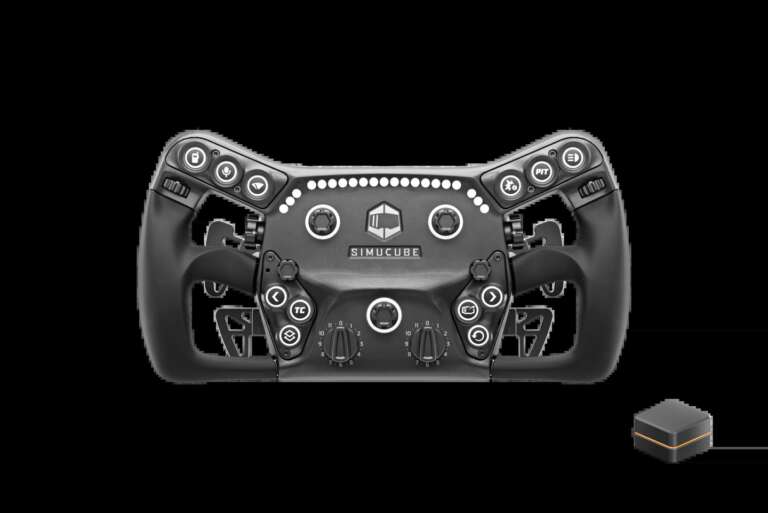
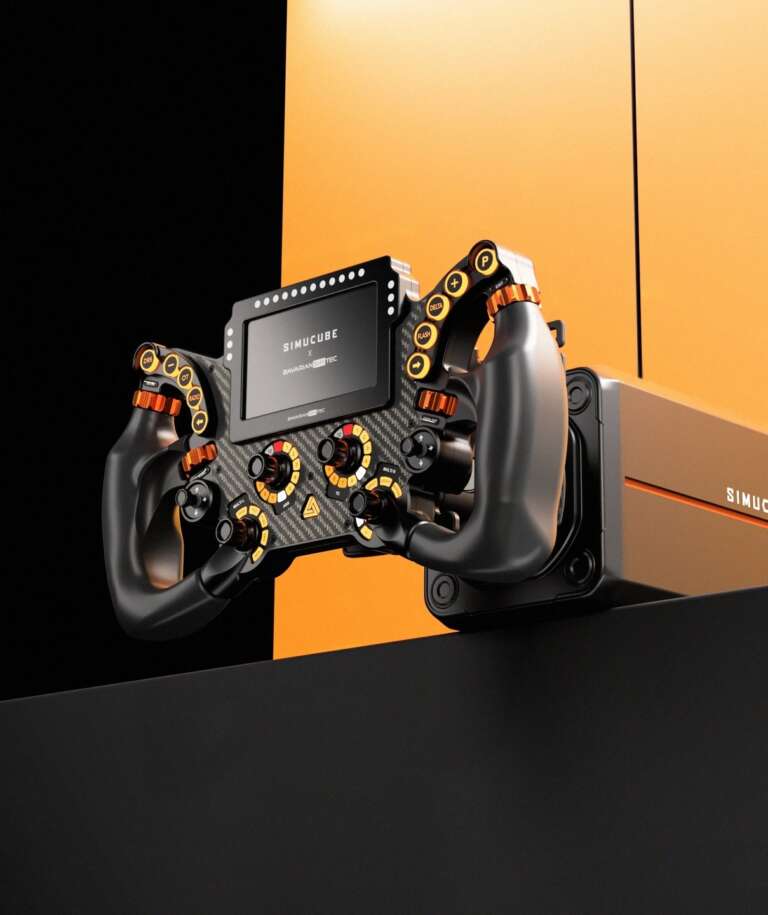
The Savu Pro is the first wheel built natively for the Simucube 3 Link system. It has full-metal construction, 12 RGB backlit buttons, a telemetry LED strip, and the Link Quick Release in the box, so there’s no separate release to buy. The Savu Pro is the flagship that ships today, with one catch: Simucube’s US store quotes a 6 to 8 week ship window on it. Order it now if this is the wheel.
Price: $1,299.00 (Simucube Savu Pro)
Where to Buy: Simucube

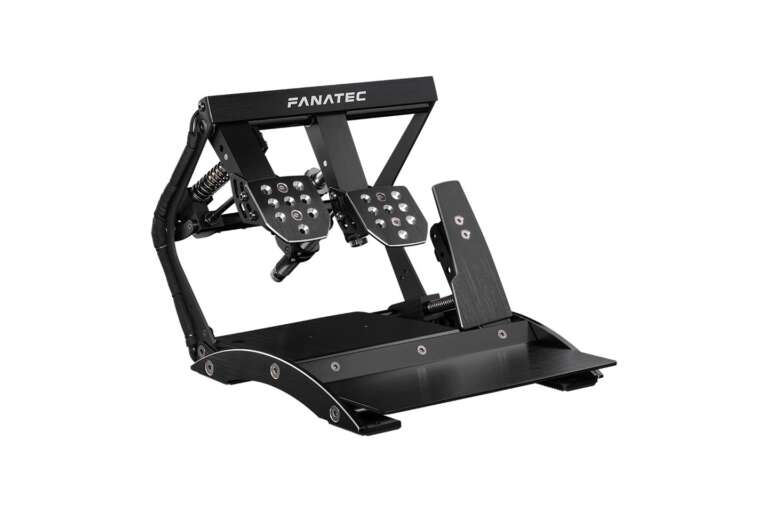
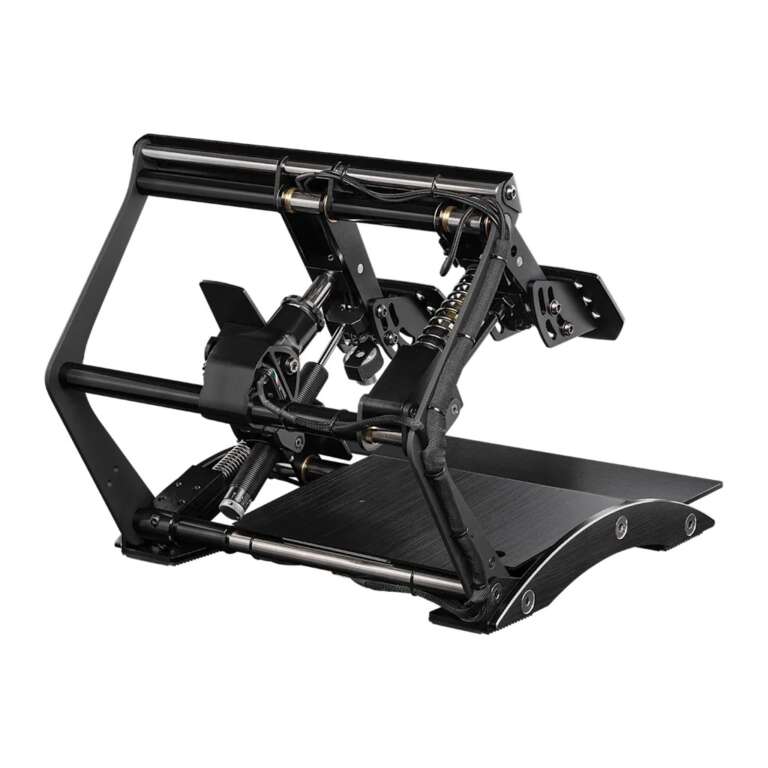
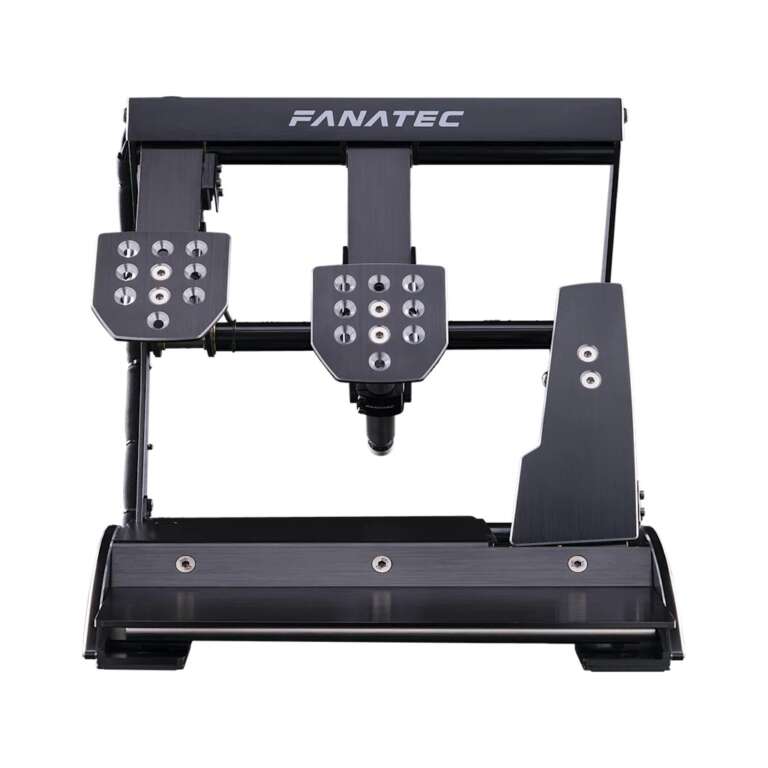
Pedals: three Simucube ActivePedal Ultimates, $6,617
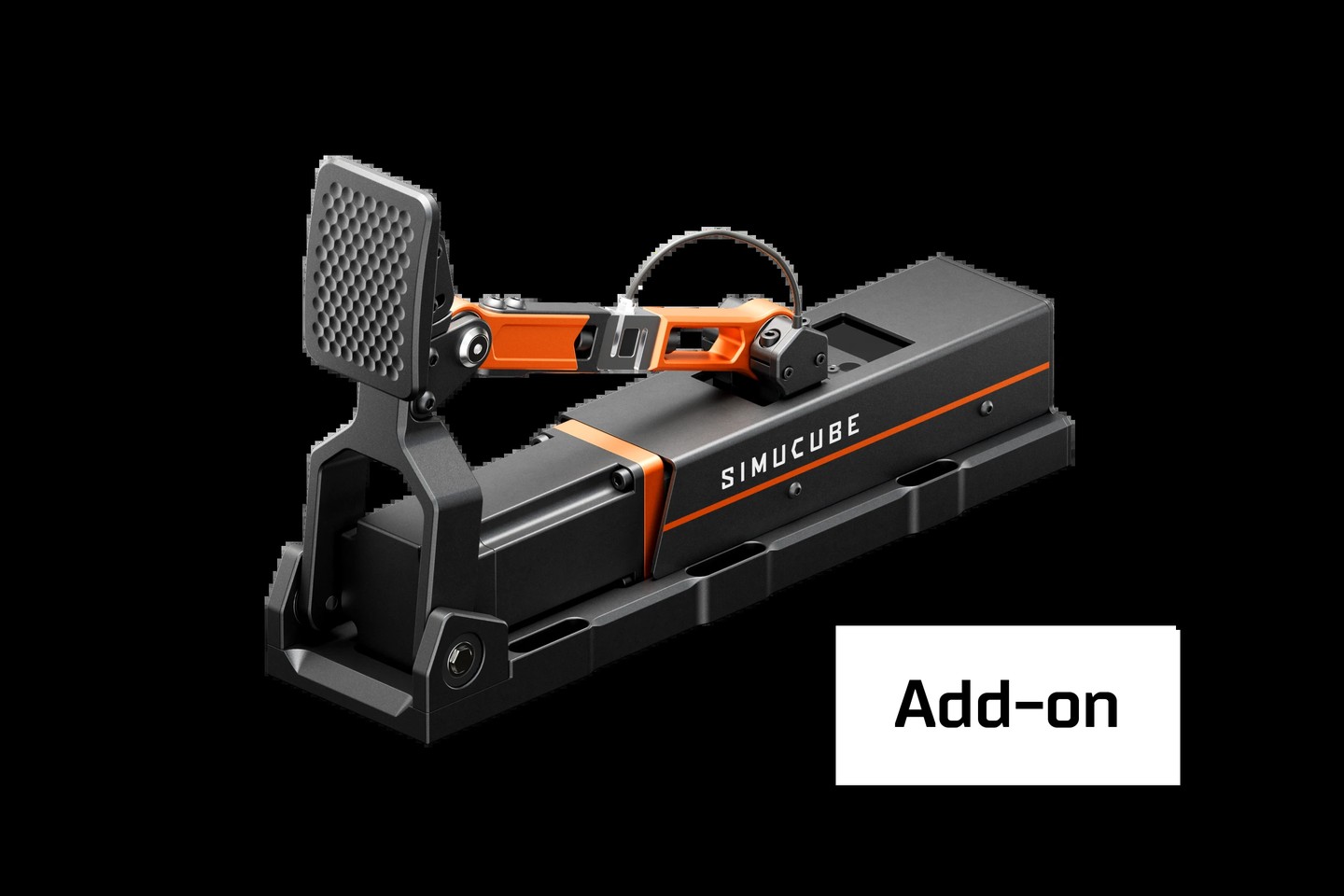
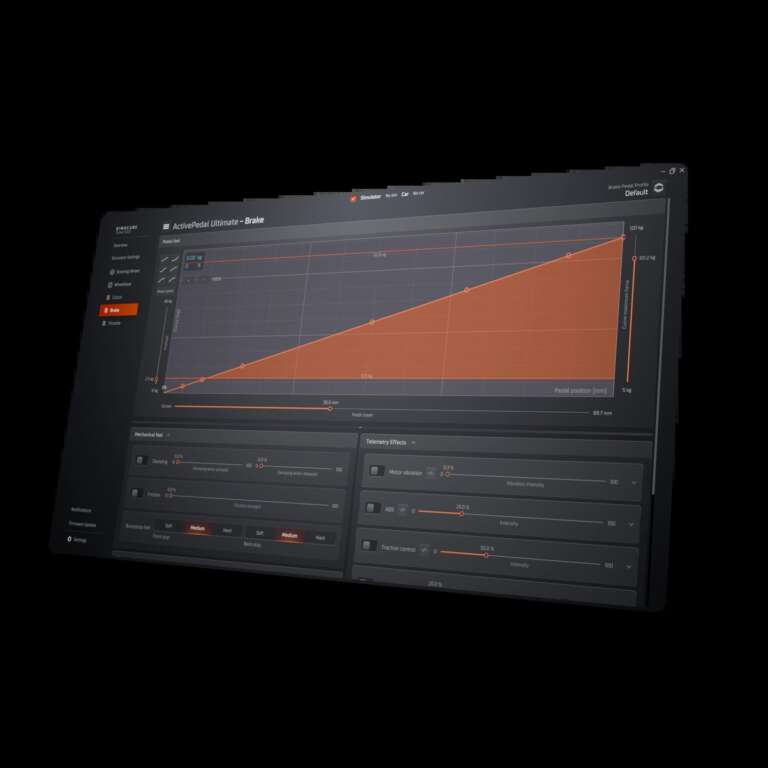
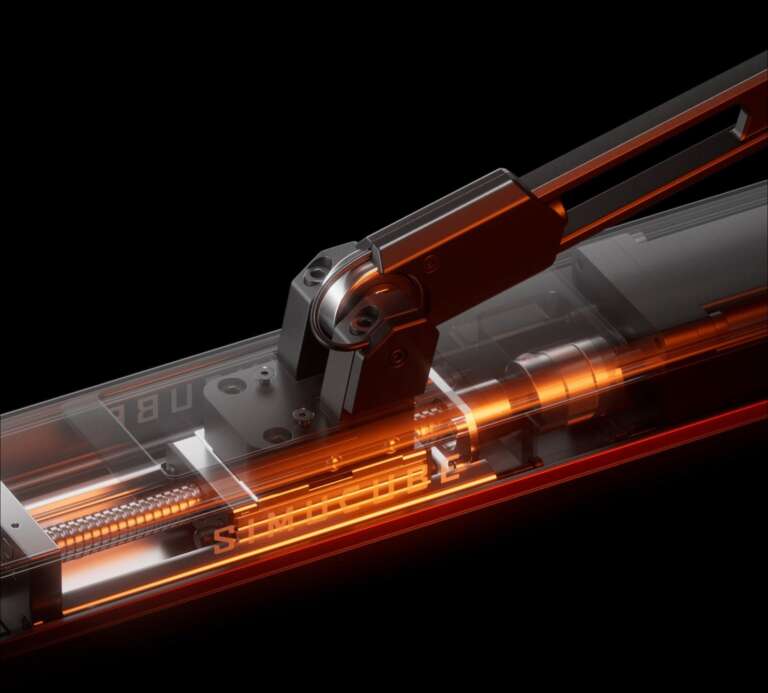
This is the slot where the money does real work. An ActivePedal is a servo-driven pedal: the resistance your foot meets is software, generated by a motor, adjustable to 170 kg of force across 79 mm of travel. The brake can be a short, brutal GT3 pedal in one profile and a long, soft road-car pedal in the next, and it pushes back with ABS pulses a passive pedal physically can’t produce.
The full set runs three of them, brake, throttle, and clutch: $2,499 for the Primary Set, $2,059 for each Add-on.
Load-cell pedals cost far less, but a load cell only measures force. An active pedal answers it, and because its resistance curve is software, the same pedal wears the GT3 profile and the road-car profile above with no spring swap in between.
Price: $6,617.00 for the three-pedal set (Simucube ActivePedal Ultimate Primary Set $2,499.00 + two Add-on pedals at $2,059.00 each)
Includes: Three ActivePedal Ultimate pedals (brake, throttle, clutch) and the Simucube Link Hub the set runs on
Where to Buy: Simucube

Shifter and handbrake: BDH Active, $2,699, and Heusinkveld V2, $339.99
The BDH Active Shifter is BDH’s flagship, an active unit that swaps between H-pattern and sequential duties with real mechanical resistance. The Active is a pre-sale build, and the shifter you can buy today is BDH’s own H2SQ dual-mode shifter, $1,128.00 at 6 Sigma Sim Racing.
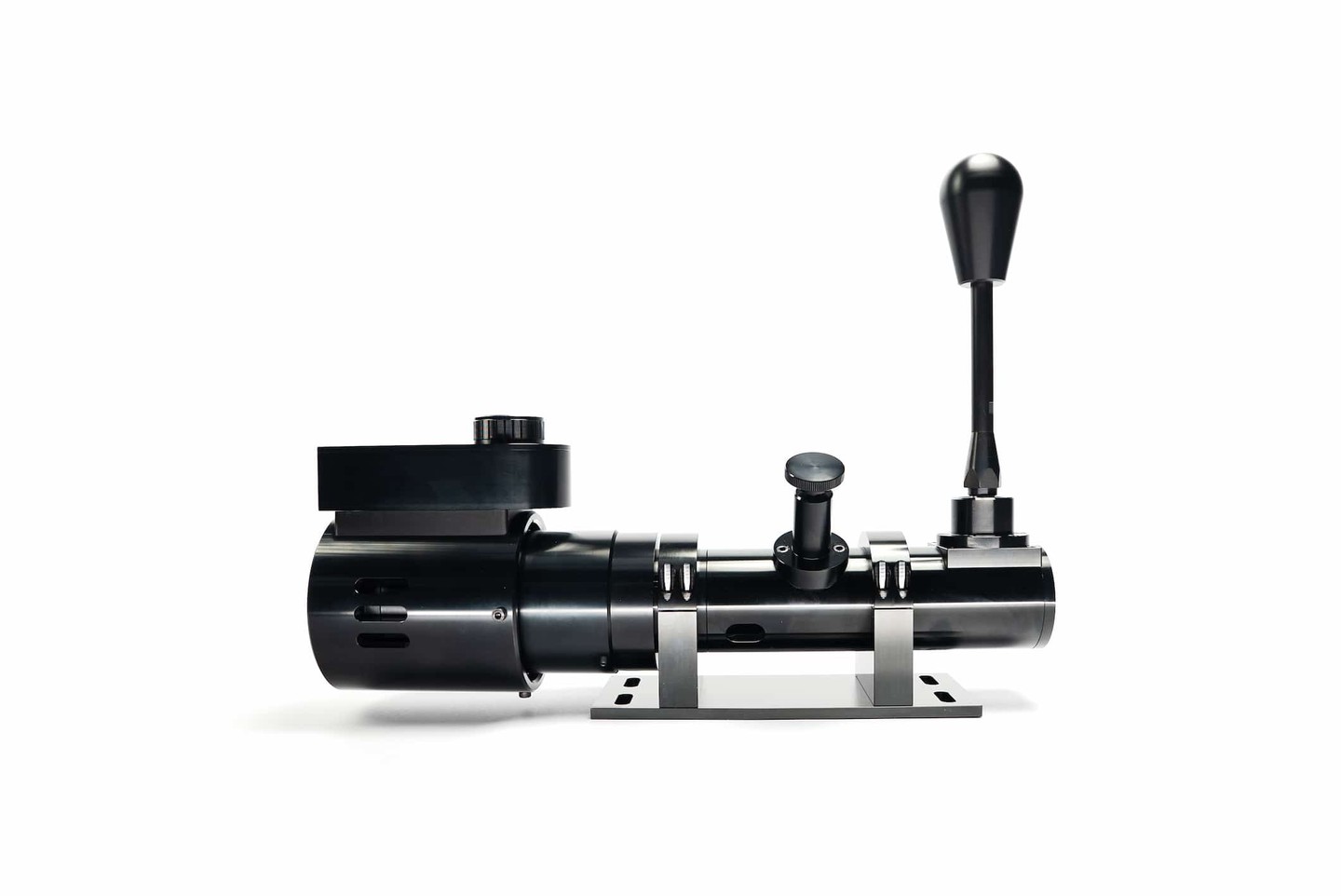
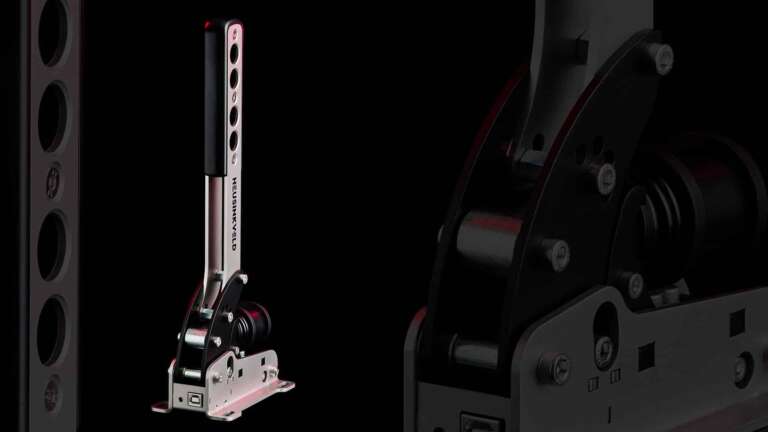
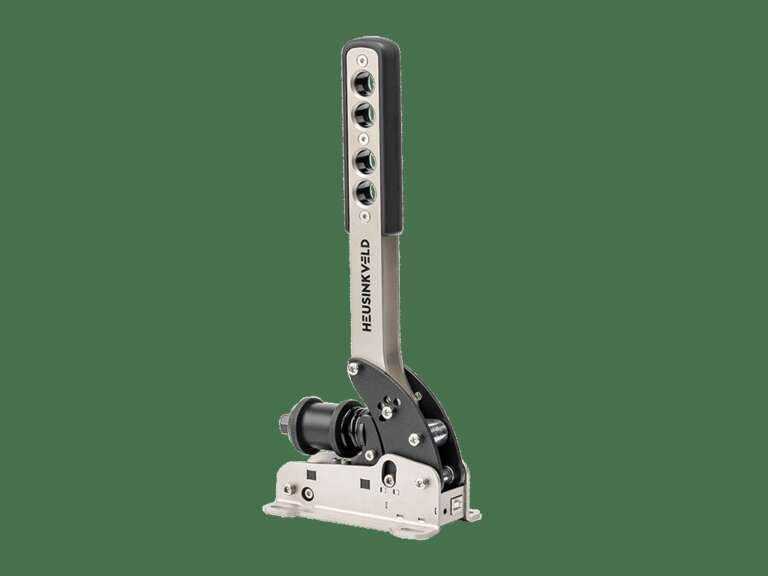
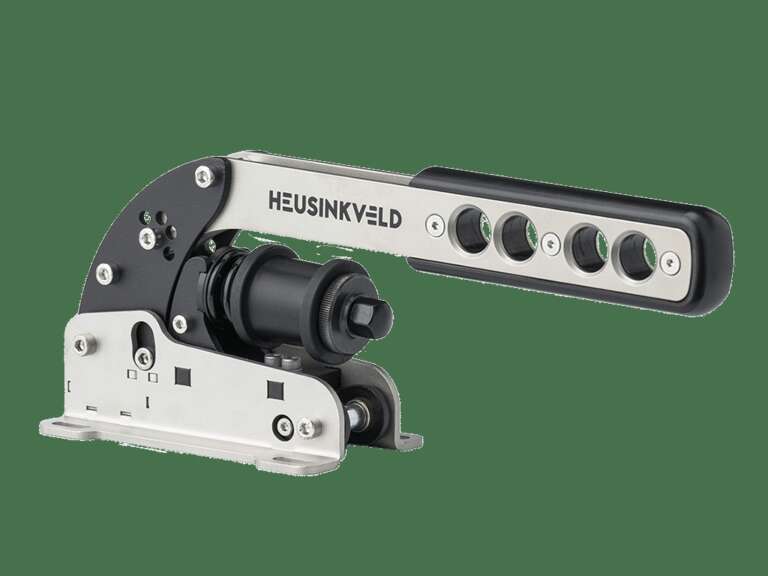
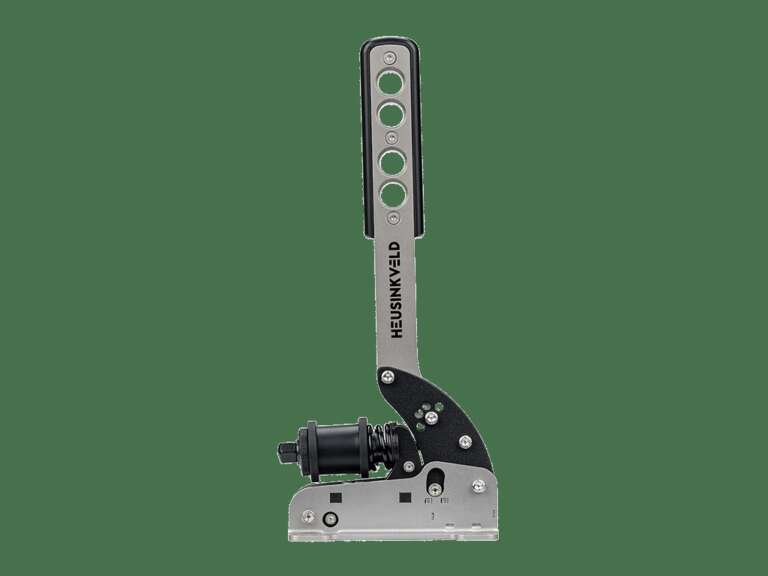
Beside it, the Heusinkveld Sim Handbrake V2 reads pull force off a 120 kg load cell, so a handbrake turn meters out by pressure rather than by an on-off switch’s guess. Rally and drift drivers will work both every stage; road racers will live on the shifter and admire the handbrake. Buy both anyway, because compromise is a different article.
Price: $2,699.00 (BDH Active Shifter)
Where to Buy: BDH (fallback: BDH H2SQ dual-mode shifter, $1,128.00 at 6 Sigma Sim Racing)
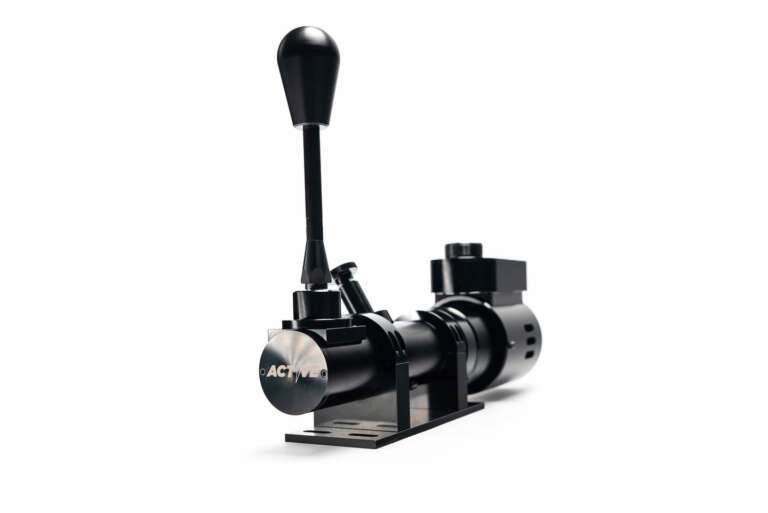
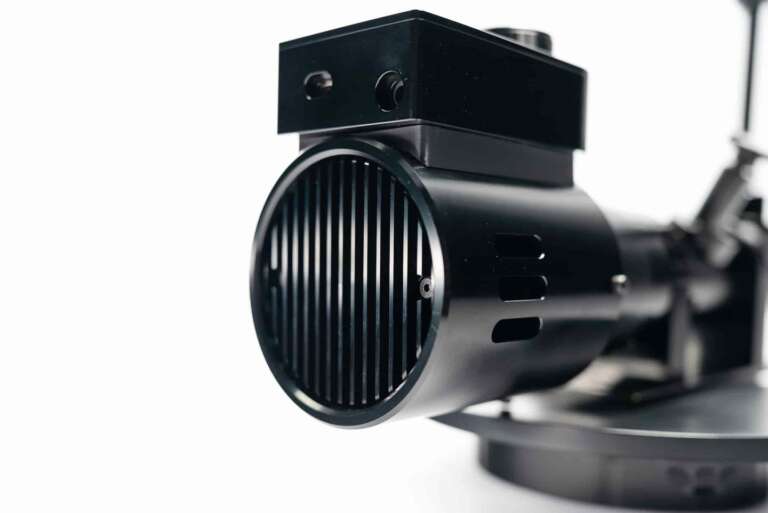
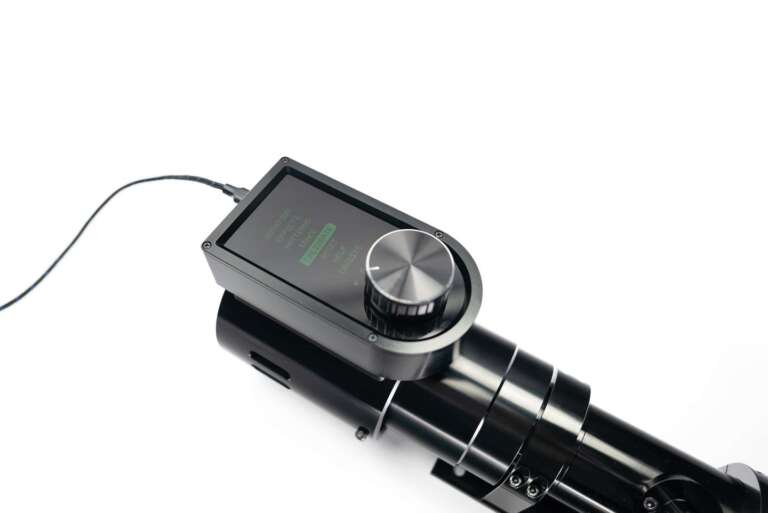
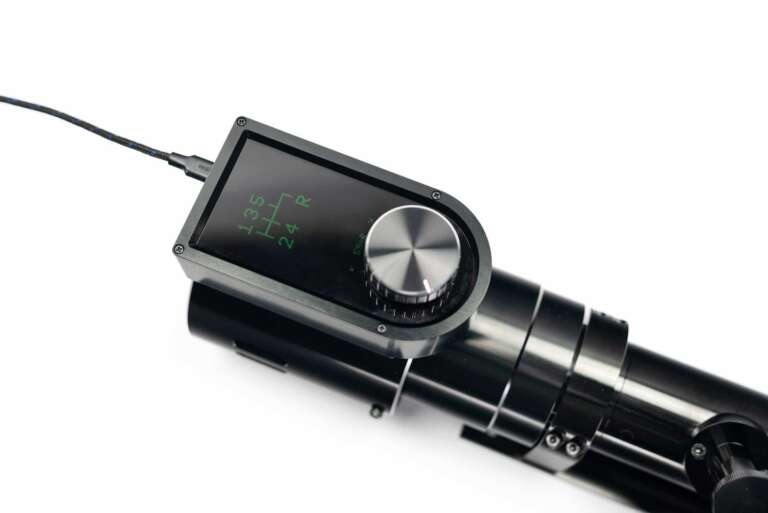
Price: $339.99 (Heusinkveld Sim Handbrake V2)
Where to Buy: BeFastRacing
Displays: triple 4K OLED, $3,899.97, or one 57-inch panel, $2,099.99
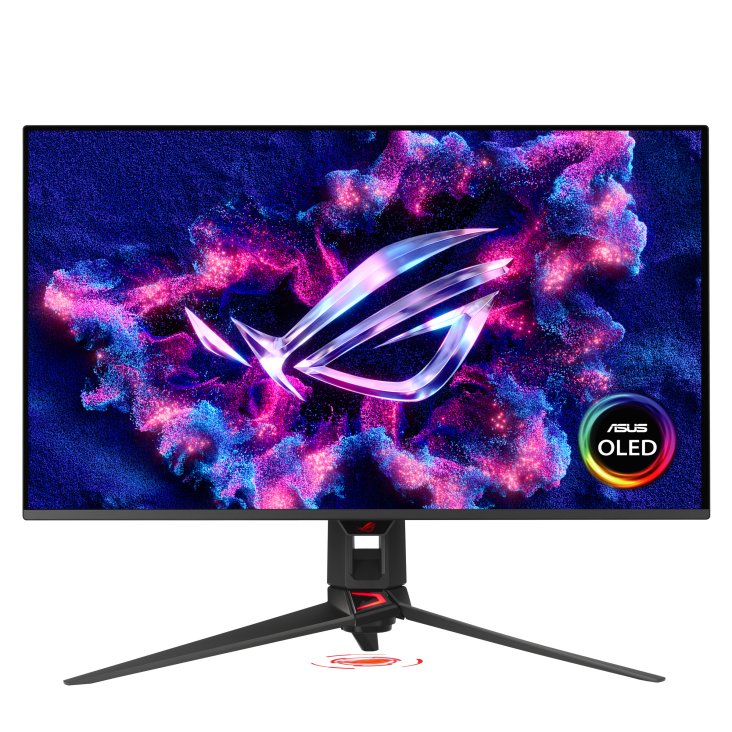
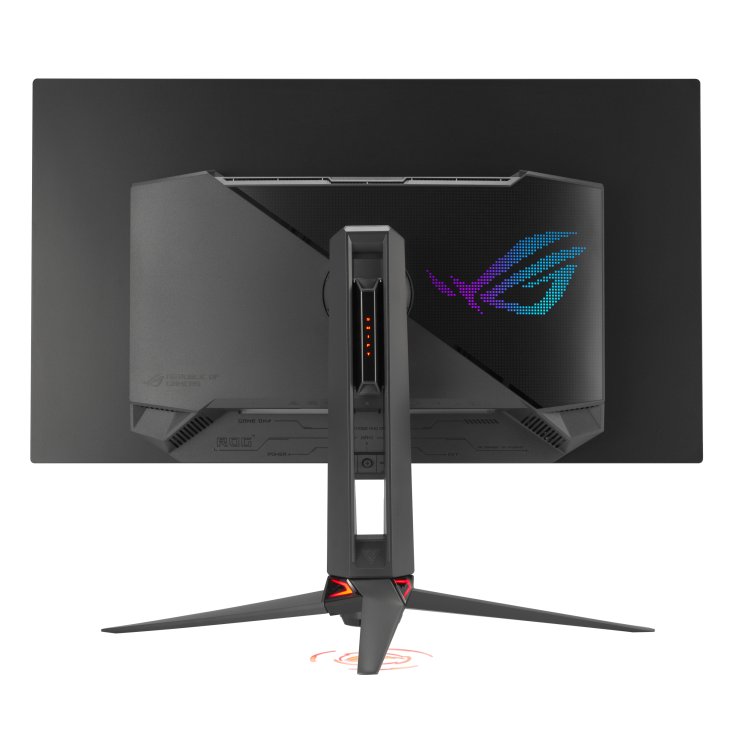
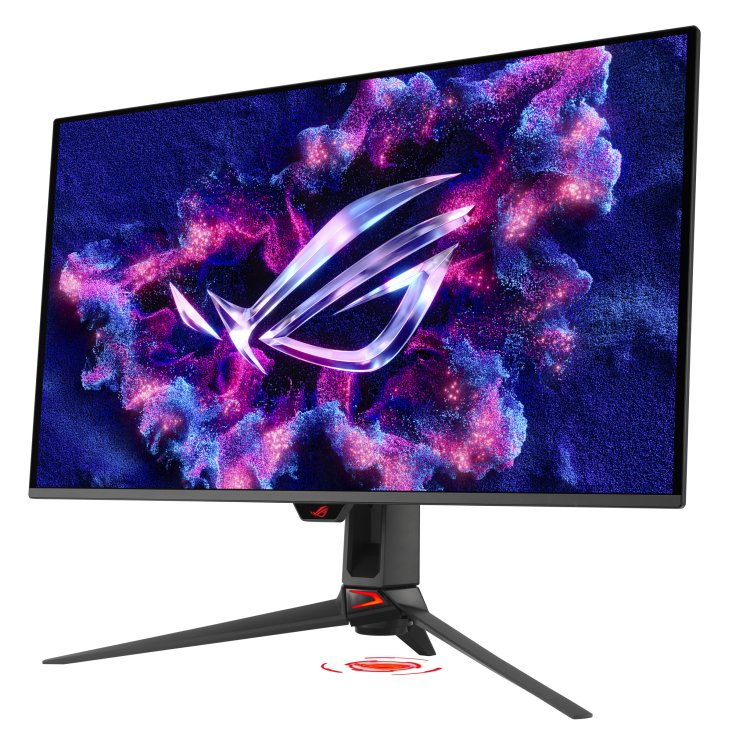
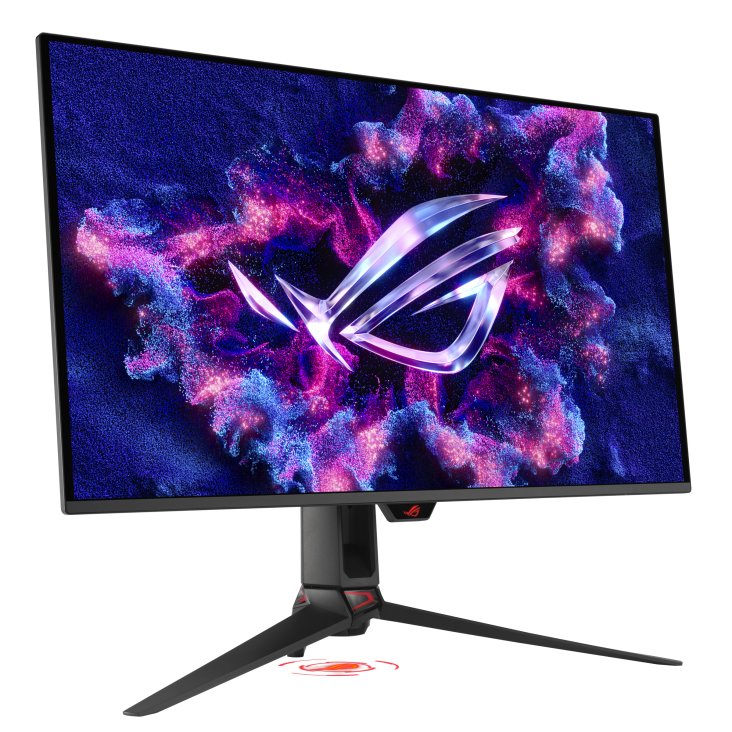
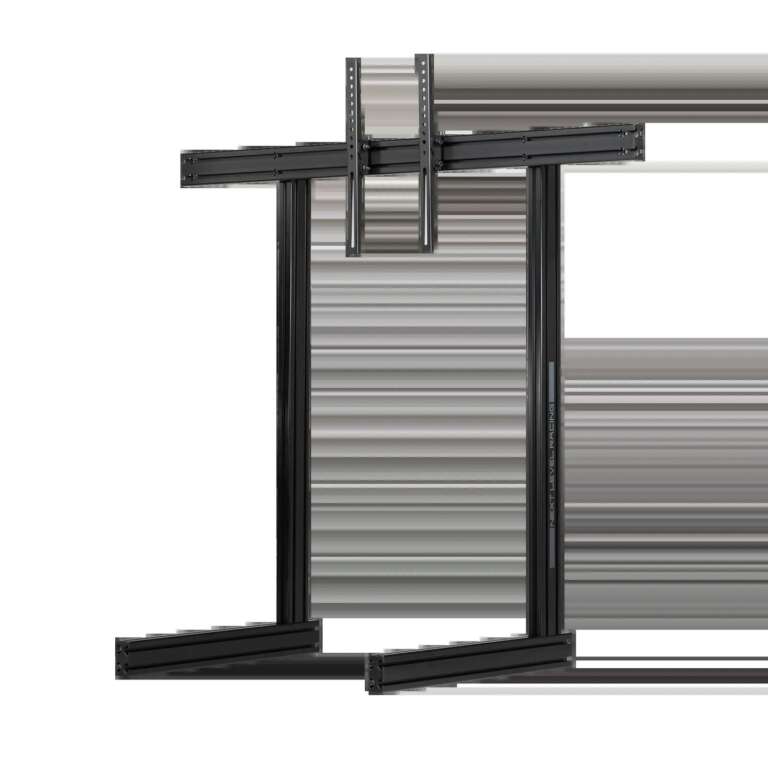
Three ASUS ROG Swift OLED PG32UCDM Gen 3 panels, 32 inches of 4K Tandem QD-OLED each at 240 Hz, run $1,299.99 apiece and sit on Next Level Racing’s Elite Freestanding Triple Monitor Stand ($499.99). Triples are still the competitive answer: the side panels put the car beside you in your peripheral vision, where a single screen crops it out of existence.
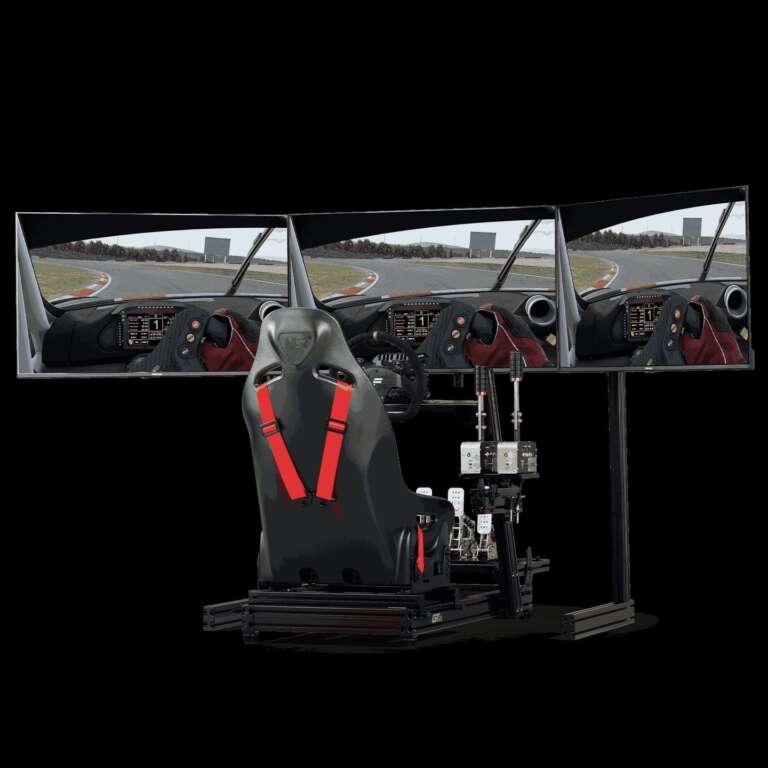
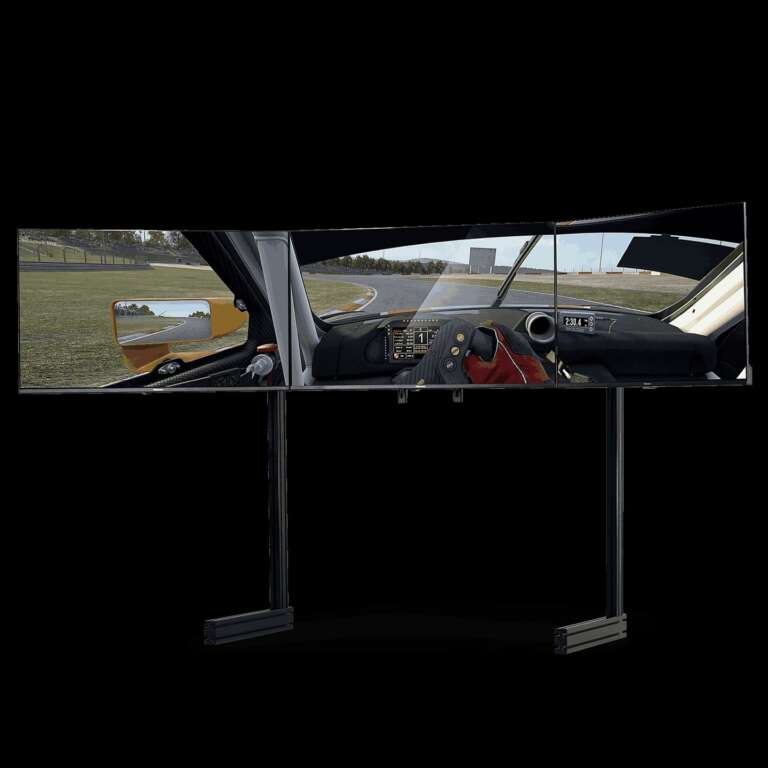
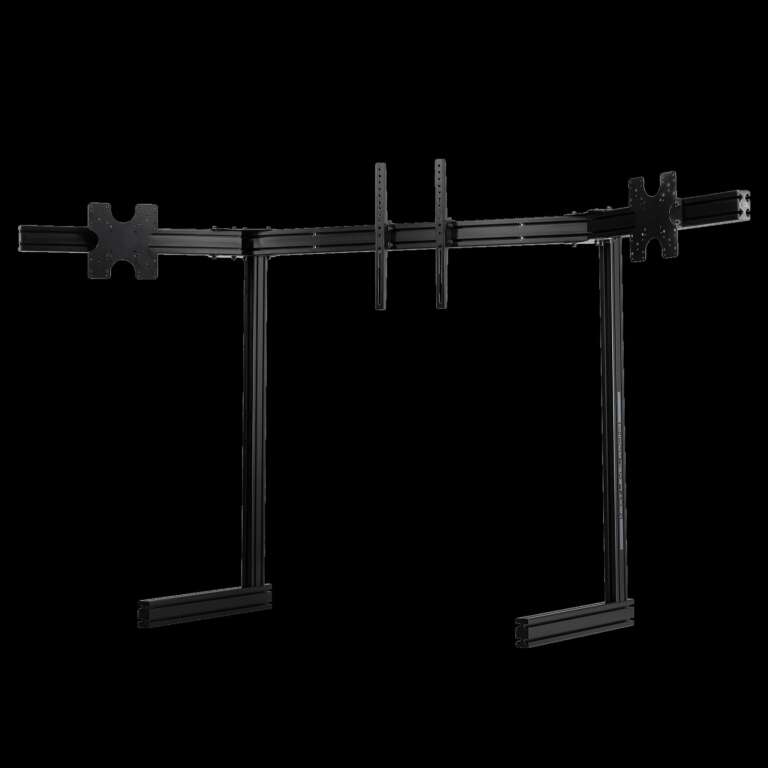
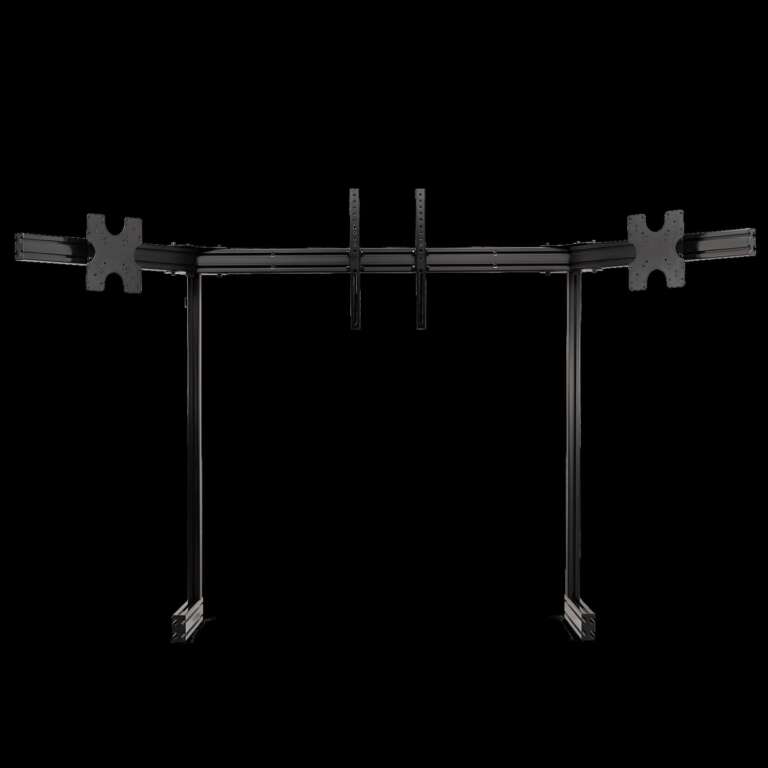
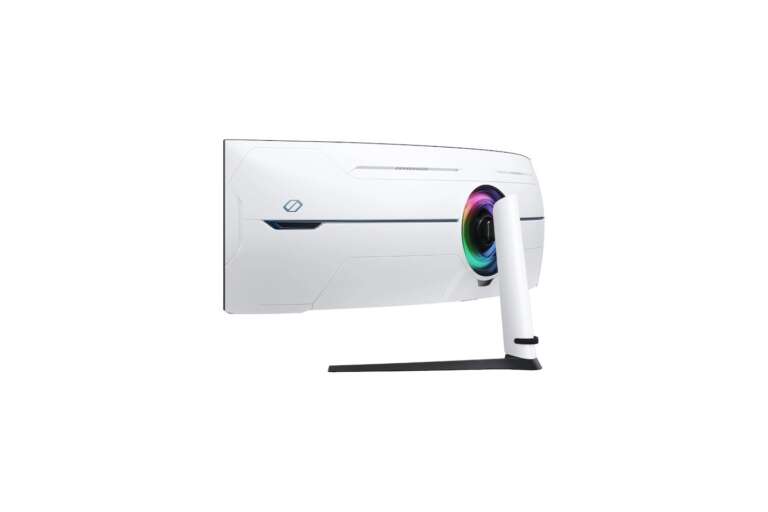
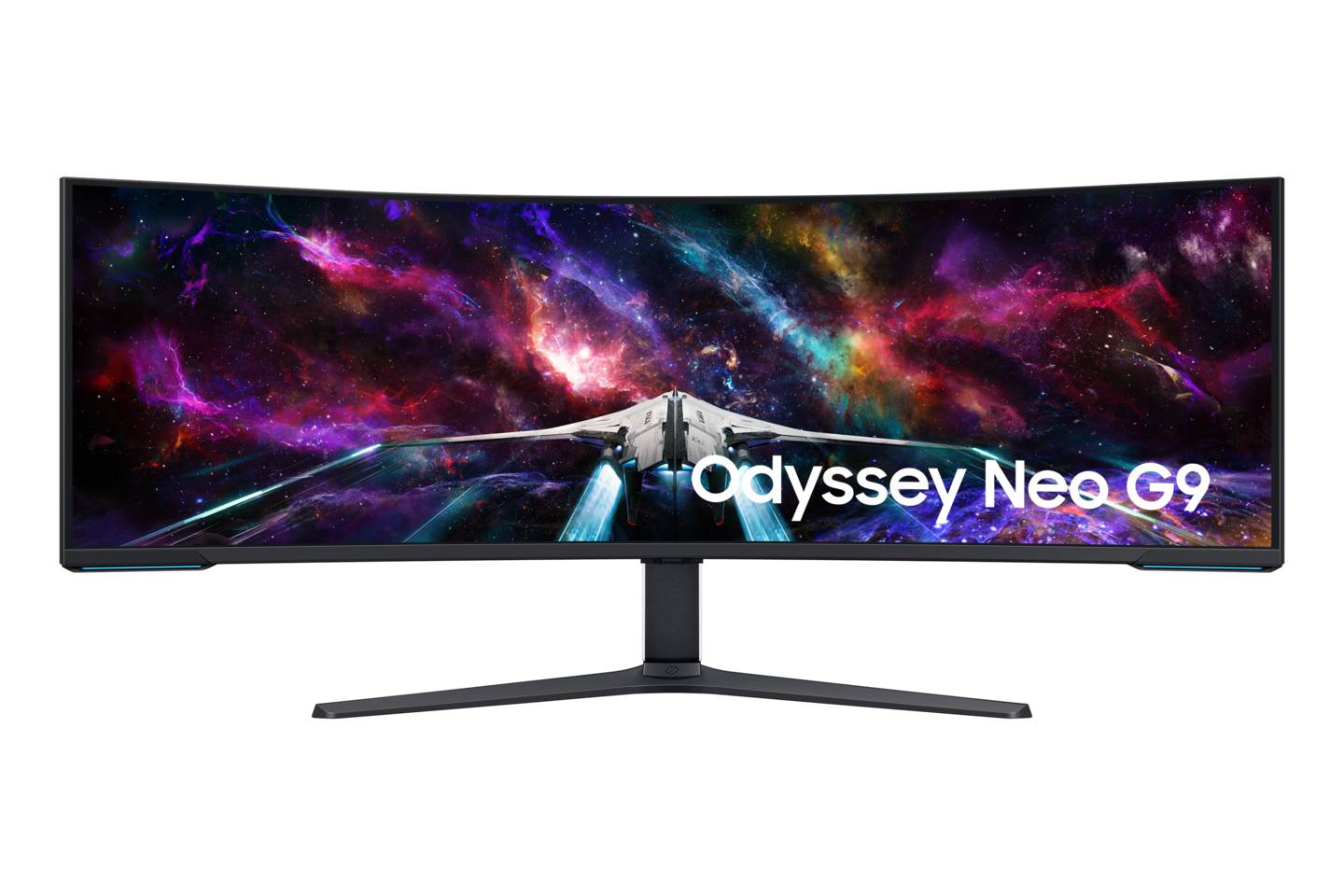
The option is real, though: Samsung’s Odyssey Neo G9 57 gives you one 7680×2160 Dual 4K panel at 240 Hz for $2,099.99.
No bezels, no alignment weekends, $1,800 back in your pocket. For a dedicated sim room, triples win, and this build is a dedicated sim room. Triples are the pick in this room.
Price: $3,899.97 for three (ASUS ROG Swift OLED PG32UCDM Gen 3 at $1,299.99 each)
Where to Buy: Amazon / Micro Center
Price: $499.99 (Next Level Racing Elite Freestanding Triple Monitor Stand)
Where to Buy: GigaParts
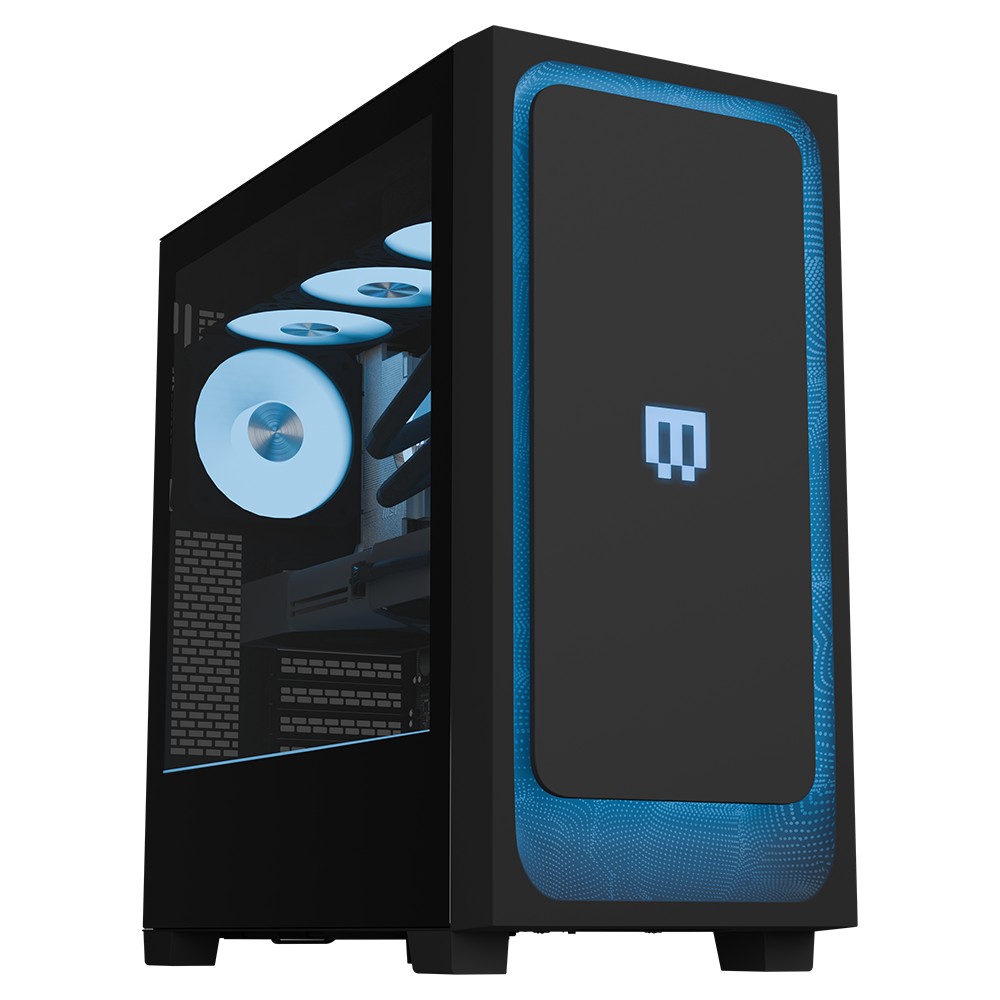
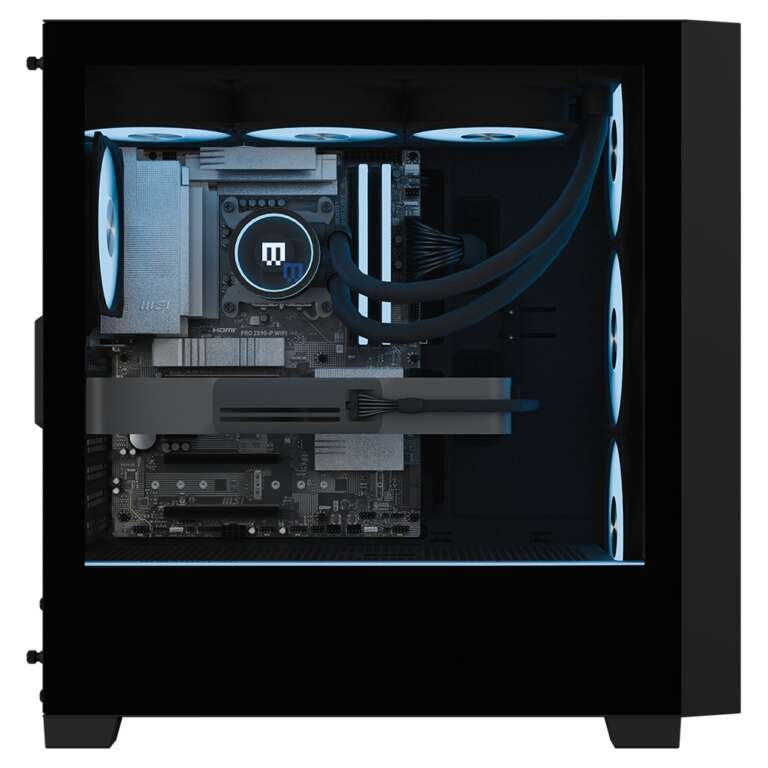
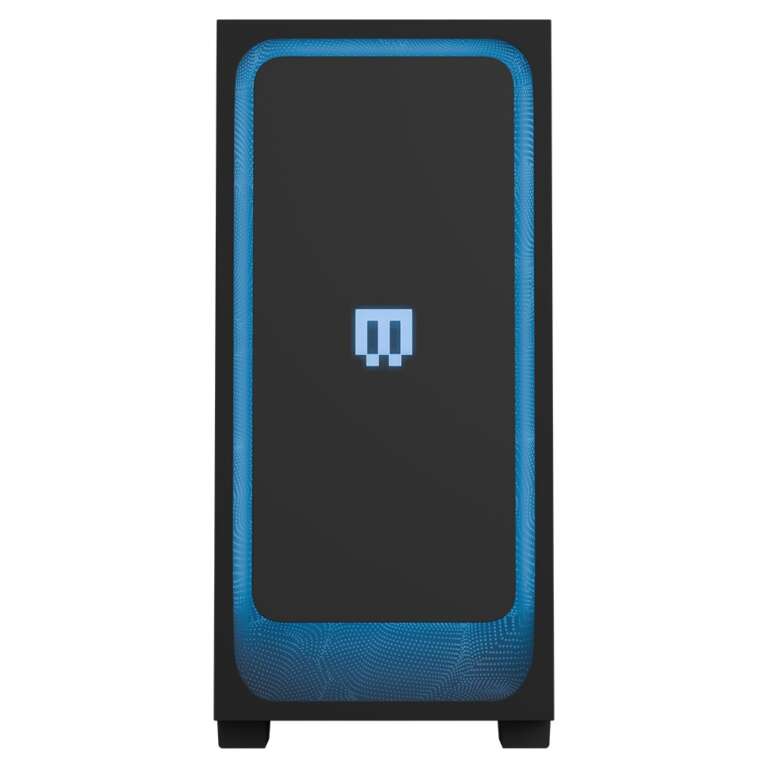
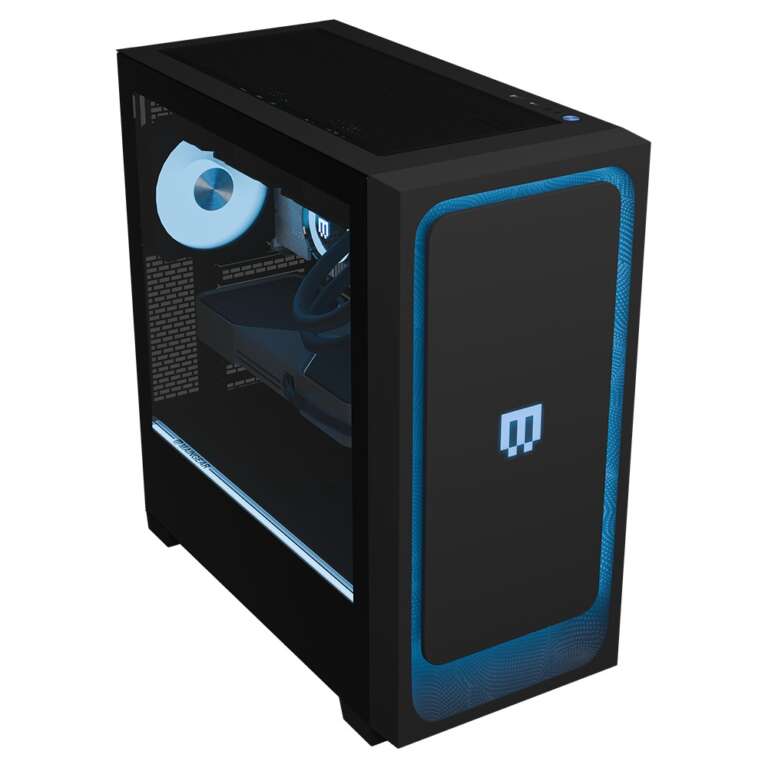
The PC: Maingear MG-1 Ultimate, $9,499
Three 4K panels is the widest display load in this guide, so the PC is a flagship prebuilt. Maingear’s MG-1 Ultimate pairs the Ryzen 9 9950X3D2 with an RTX 5090, 64 GB of DDR5, and a 4 TB Gen4 NVMe drive for $9,499. This is the computer the triples require.
Each ASUS panel carries its own 4K 240 Hz rating over DisplayPort 2.1a. NVIDIA rates the 5090 at four 4K165 or two 4K360/8K100 outputs and qualifies other multi-display configurations by bandwidth. 240 Hz across all three at once is a driver configuration to confirm, not a rate this guide promises.
Price: $9,499.00 (Maingear MG-1 Ultimate)
Where to Buy: Maingear (official store)
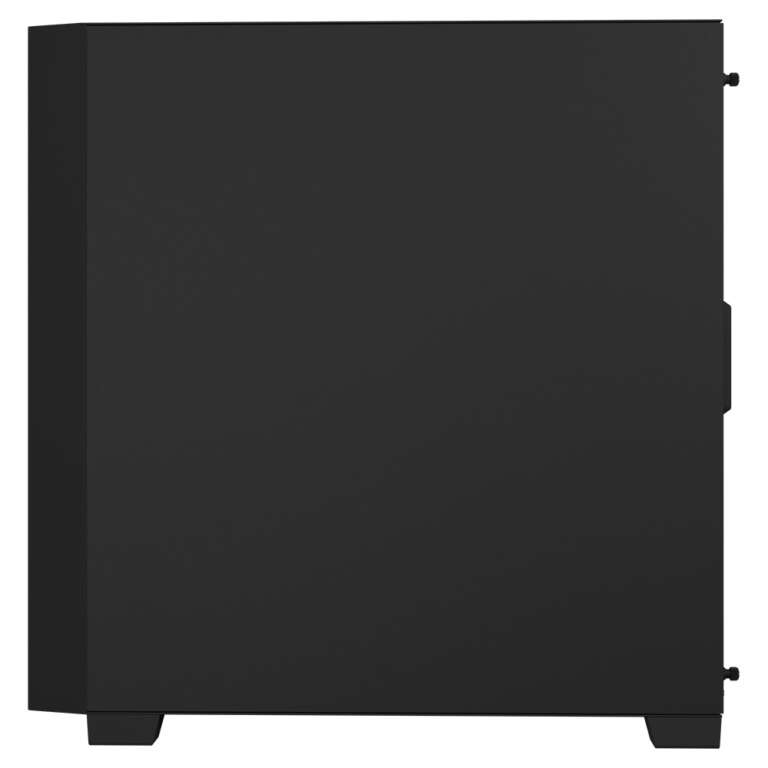
The finishing kit: $2,746.79
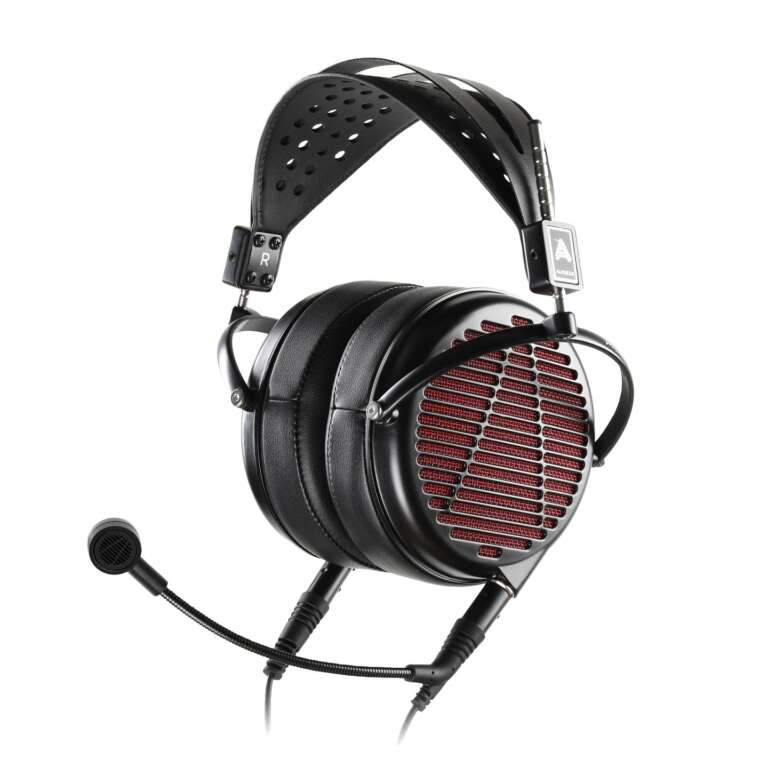
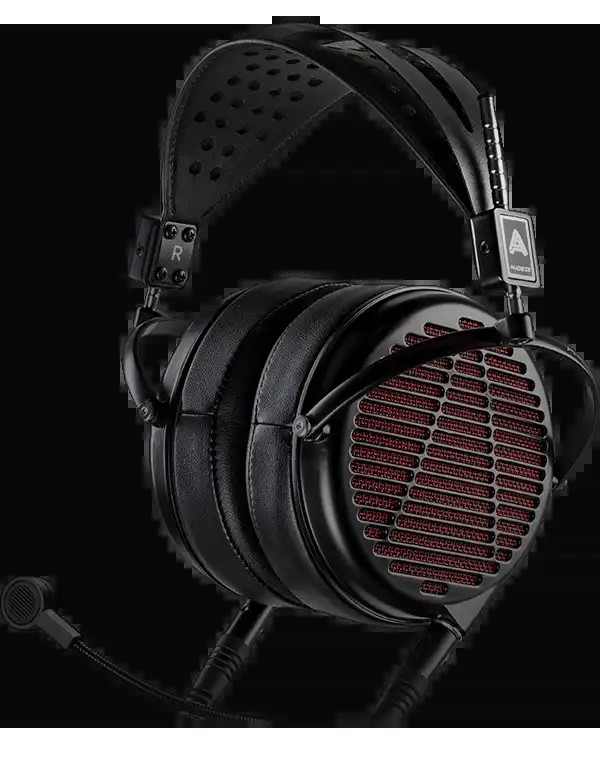
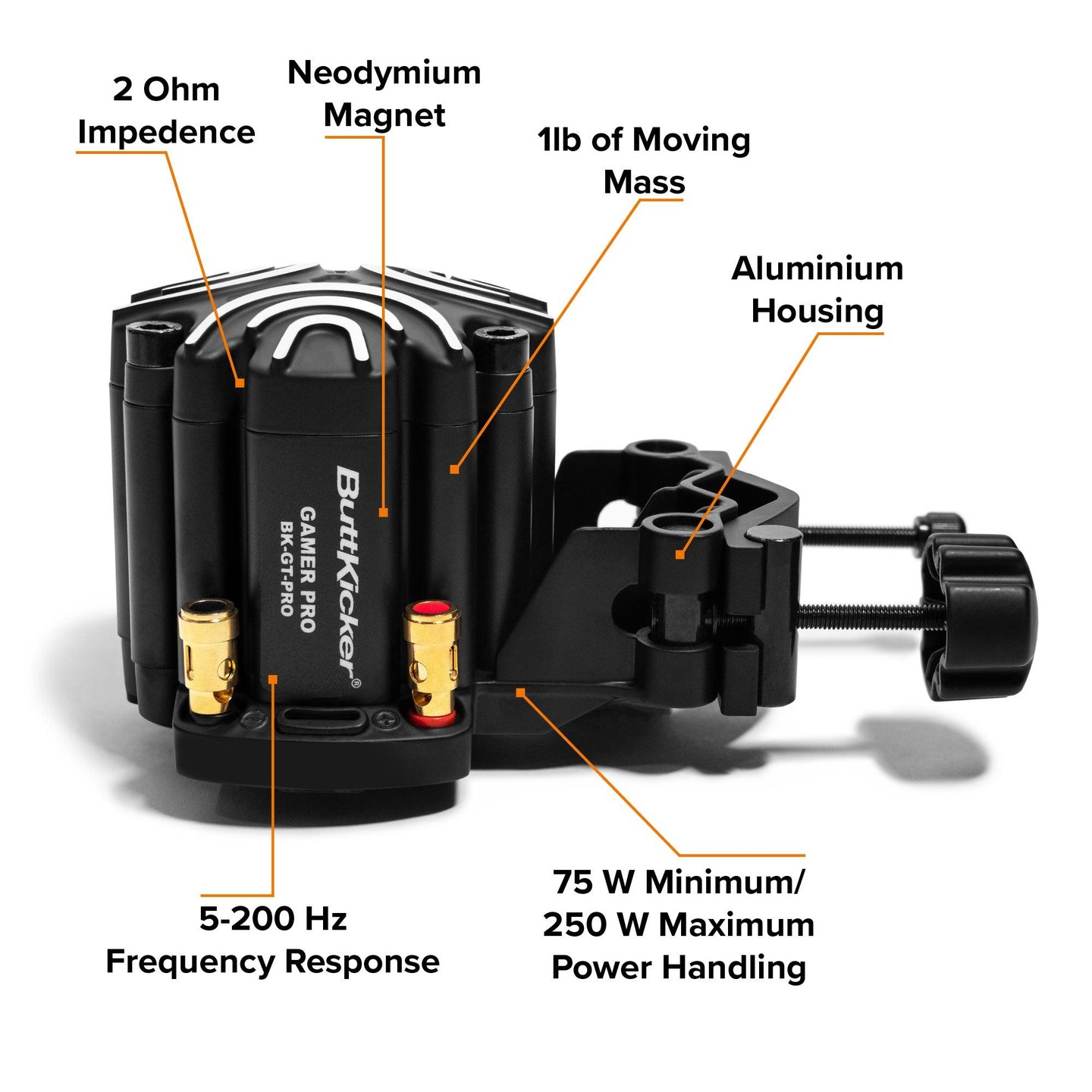
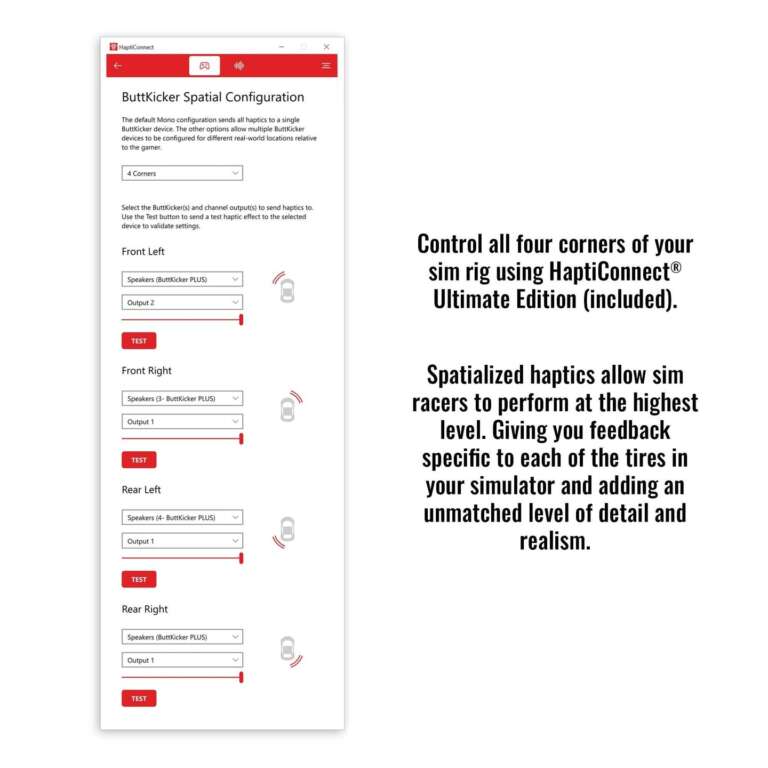
An Audeze LCD-GX planar-magnetic headset ($899) covers engine notes and crew chief. A ButtKicker Gamer PRO 4 Corners Kit ($1,319.80) puts a transducer at each corner, so curbs arrive through the chassis in stereo.
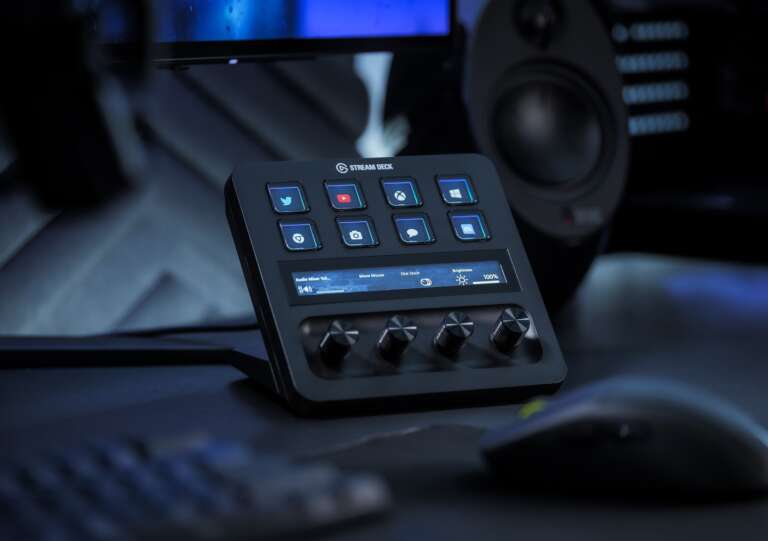
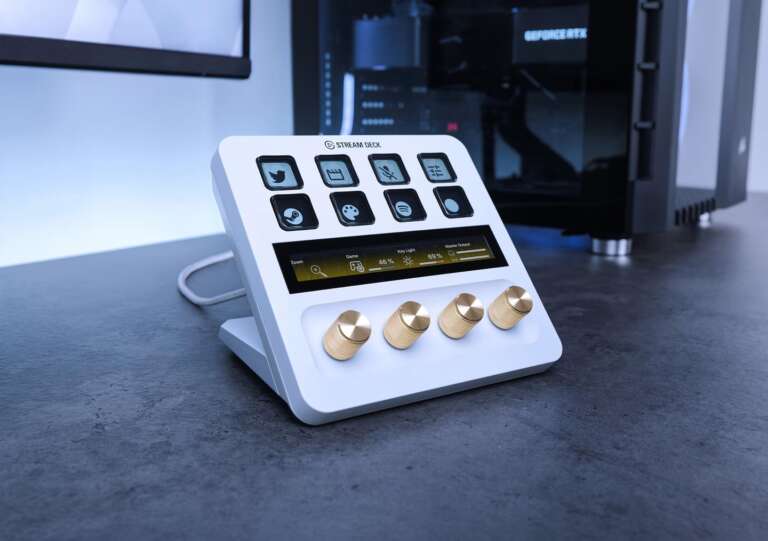
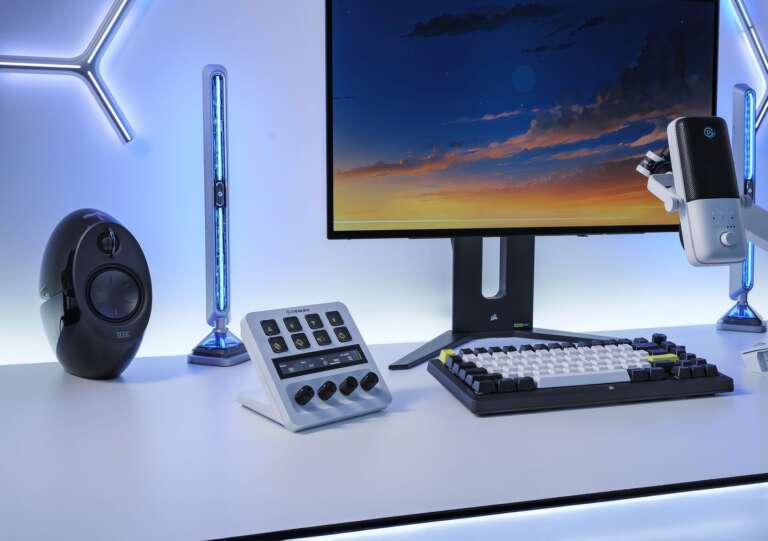
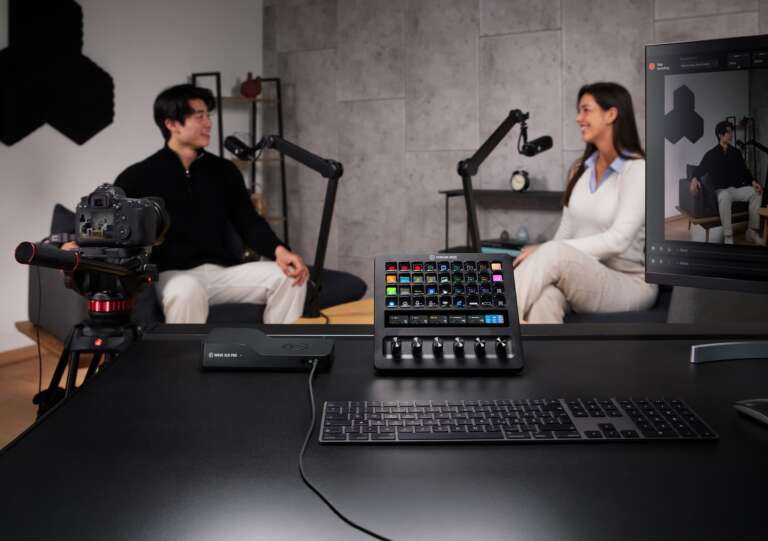
An Elgato Stream Deck + XL ($349.99) works as the button box, 36 keys and 6 dials.
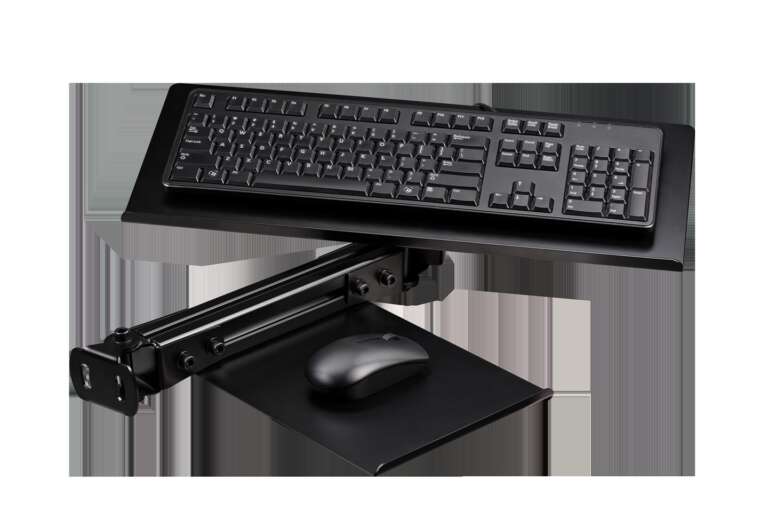
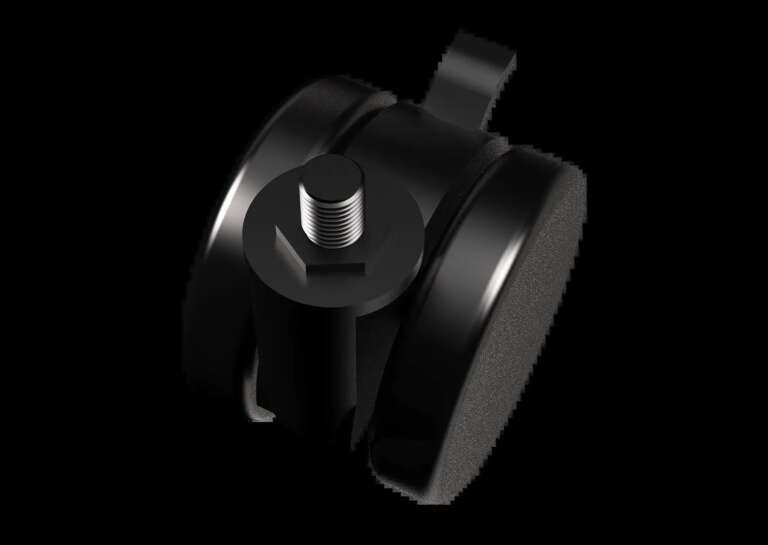
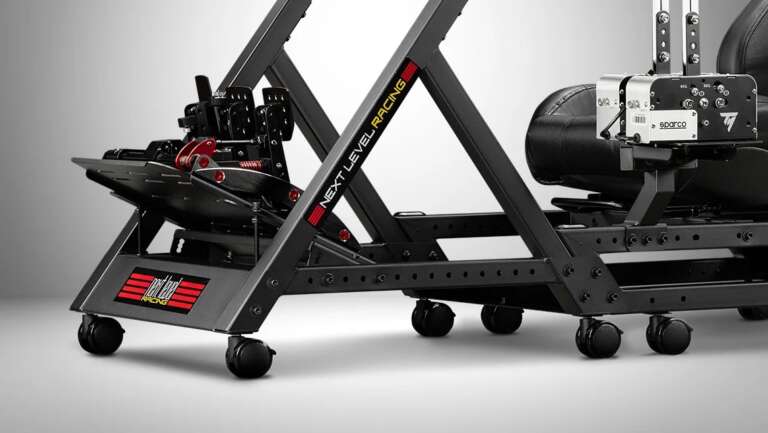
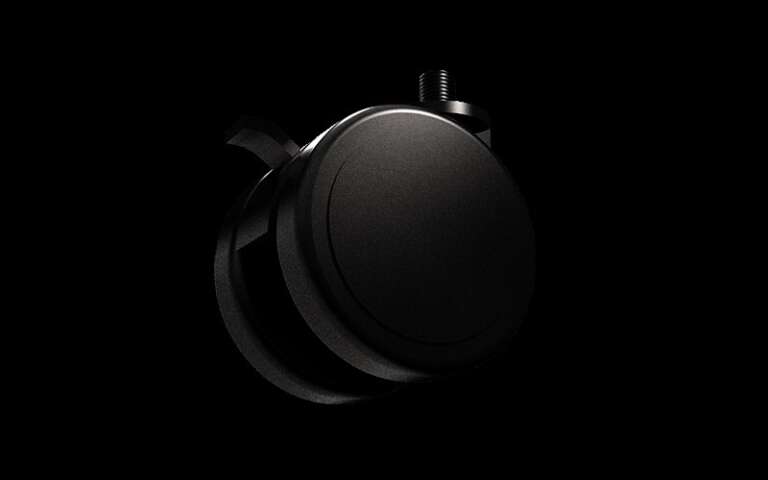
NLR’s keyboard tray ($99) handles menus, and a 10-pack of lockable castors ($79) moves the rig, with one rule attached: castors are for repositioning only, and with motion installed, the rig drives on its fixed feet. Castors stay off while you drive.
Price: $899.00 (Audeze LCD-GX)
Where to Buy: Amazon / Audeze

Price: $1,319.80 (ButtKicker Gamer PRO 4 Corners Kit)
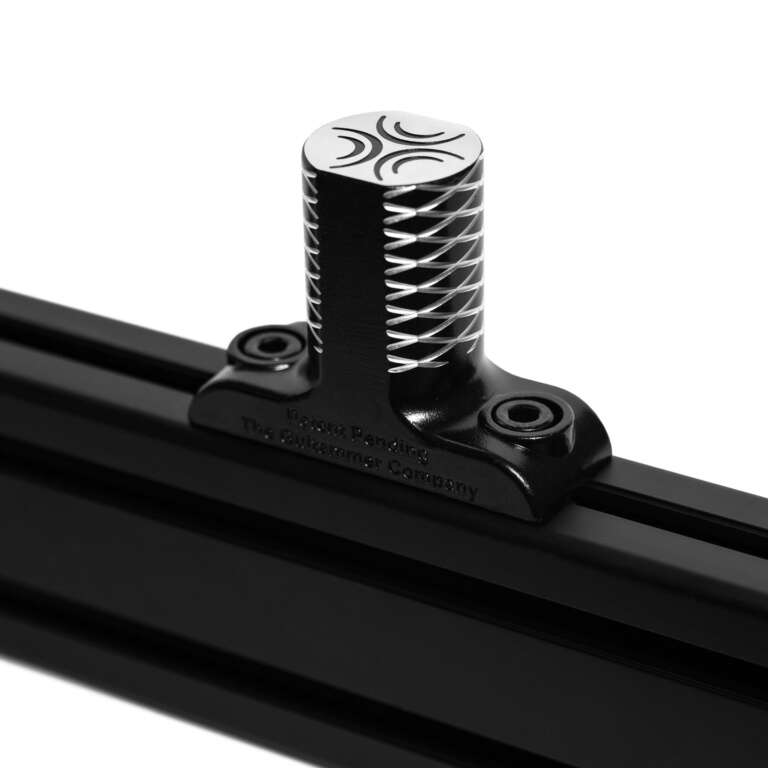
Includes: Four Gamer PRO transducers with amplifiers, one per corner, and 4080 extrusion clamp mounts
Where to Buy: ButtKicker
Price: $349.99 (Elgato Stream Deck + XL)
Where to Buy: Amazon / Elgato
Price: $99.00 (Next Level Racing Elite Keyboard and Mouse Tray)
Where to Buy: Next Level Racing
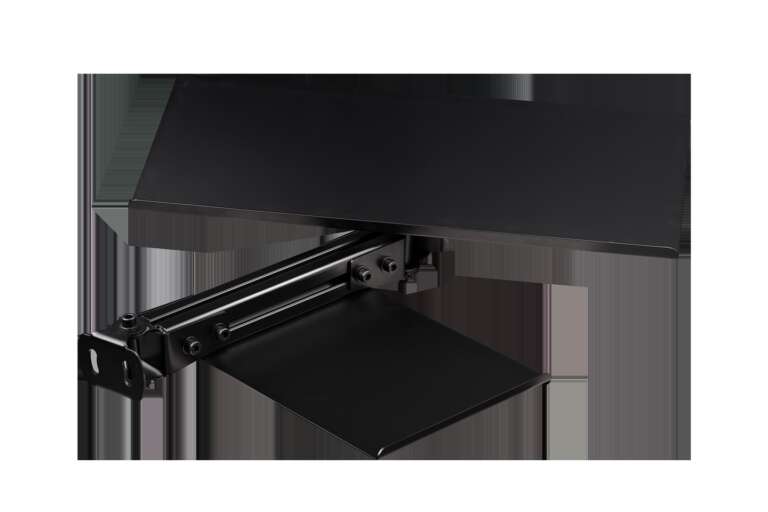
Price: $79.00 (Next Level Racing Lockable Castor Wheels, 10-pack)
Where to Buy: Amazon / Best Buy
What the other $24,682.74 buys
Strip the build to its driving core, cockpit, base, wheel, and active pedals, and the bill is $13,214.
That core is the part your hands and feet read. Everything past it, motion, OLED array, 5090, corner transducers, buys immersion: layer on layer of the car being around you instead of in front of you.
Diminishing returns are real in sim racing, and they don’t start at zero. Every slot here’s the flagship answer to a real question, and that’s what it costs when you stop answering “the cheaper one is fine.”
Build two: the VR flagship, $24,169.96
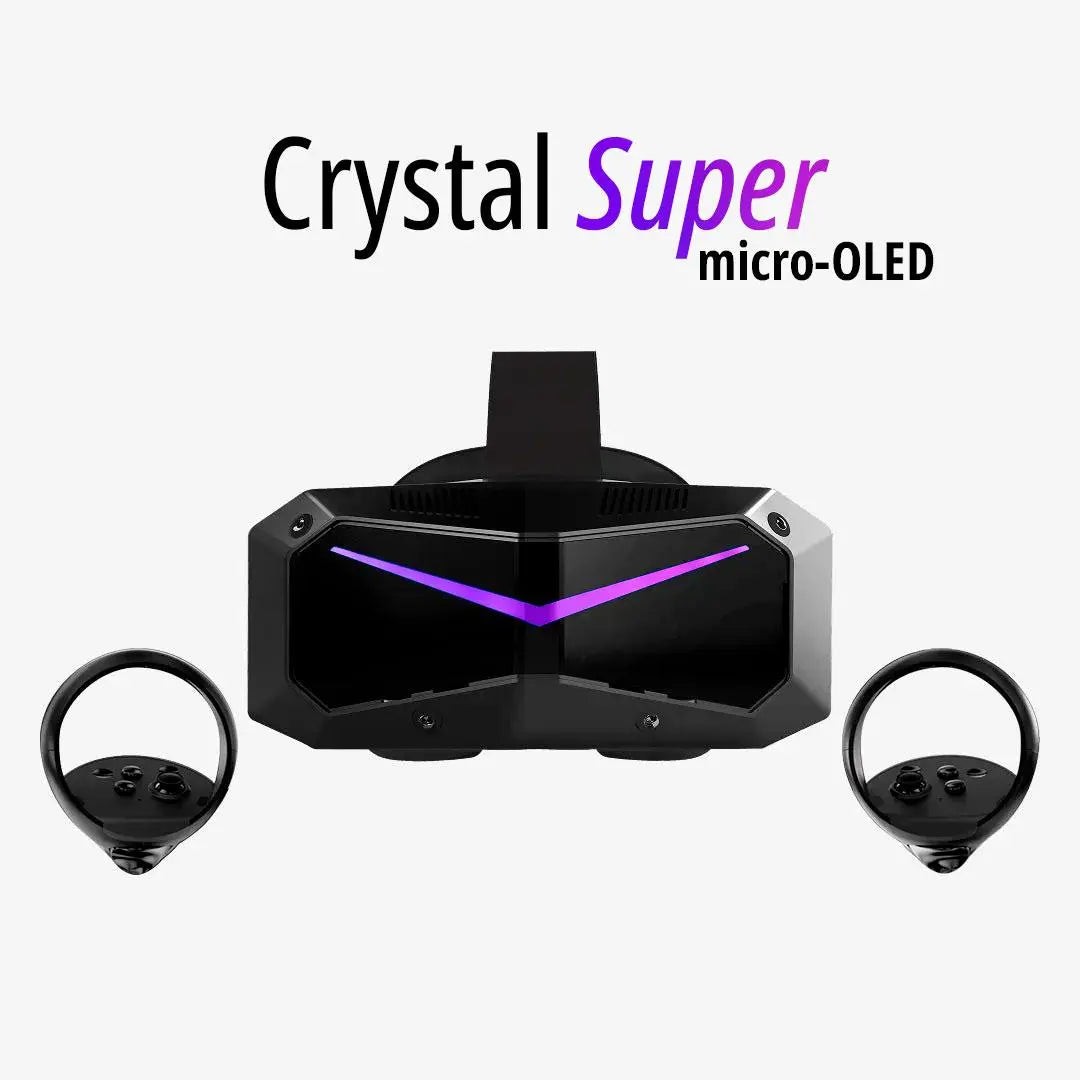
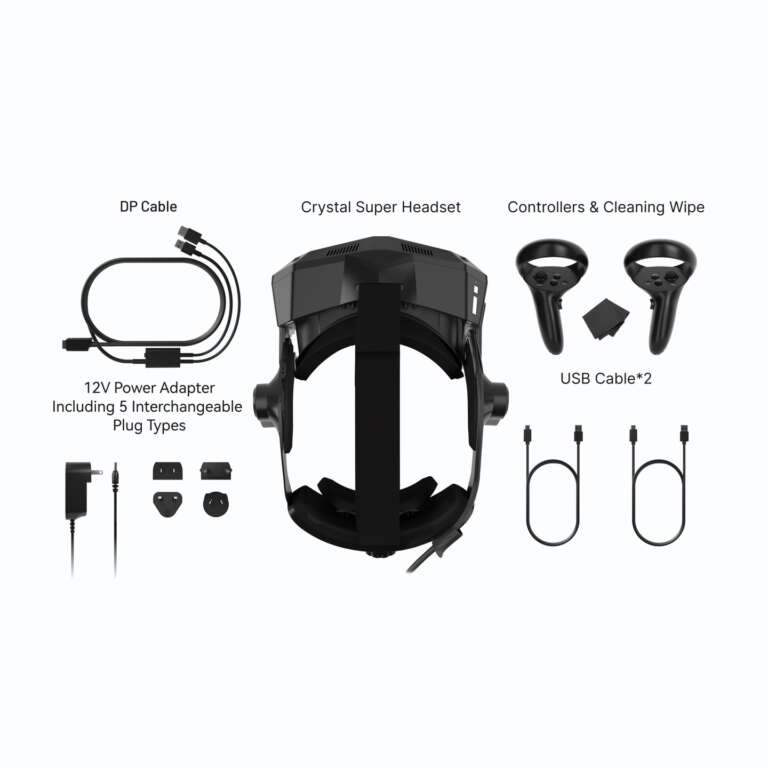
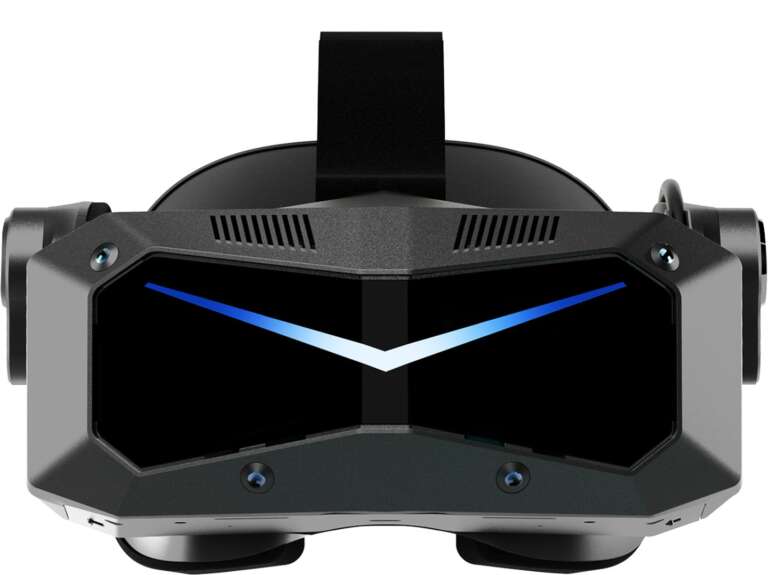
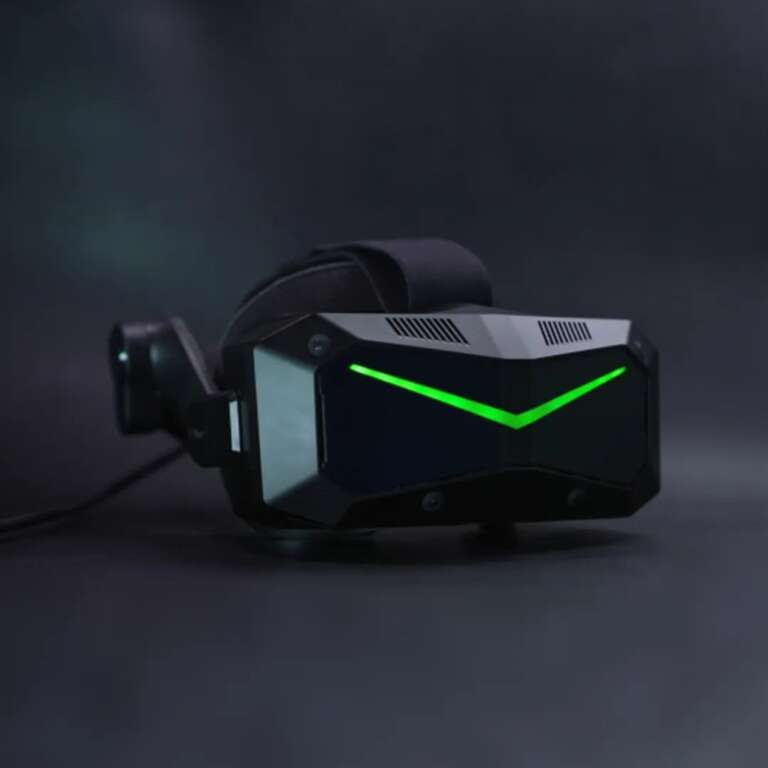
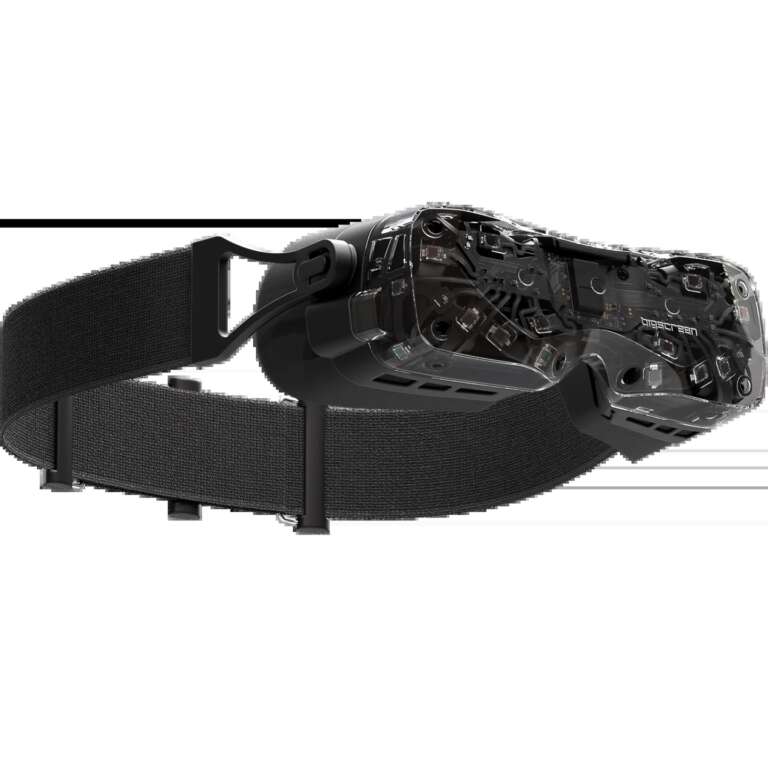
Build two deletes the monitors and spends the money where a VR driver actually lives. The headset is Pimax’s Crystal Super in its Sony Micro-OLED build: 3840×3552 pixels per eye, 53 PPD, eye tracking built in, inside-out tracking in the box. PPD, or pixels per degree, is how tightly those pixels are packed in your view, and that’s what makes the image look sharp. No base stations, no monitor arms, no bezel seams floating in your peripheral vision. The car wraps around your head because it’s on your head.
It’s the sharpest view in this guide, and the build is specced around it.
Price: $2,199.00 (Pimax Crystal Super, Sony 8K Micro-OLED version)
Where to Buy: Pimax
The PC grows to carry it, and the headset’s two 3840×3552 panels at 90 Hz set this build’s graphics load. Real VR load also turns on render target, correction, settings and frame-time target, plus foveation, which concentrates detail where your eyes are looking. That’s why the VR build takes the biggest computer here: a CLX Ra with a Ryzen 9 9950X3D, 96 GB of memory, an RTX 5090 and a $14,779.99 invoice.
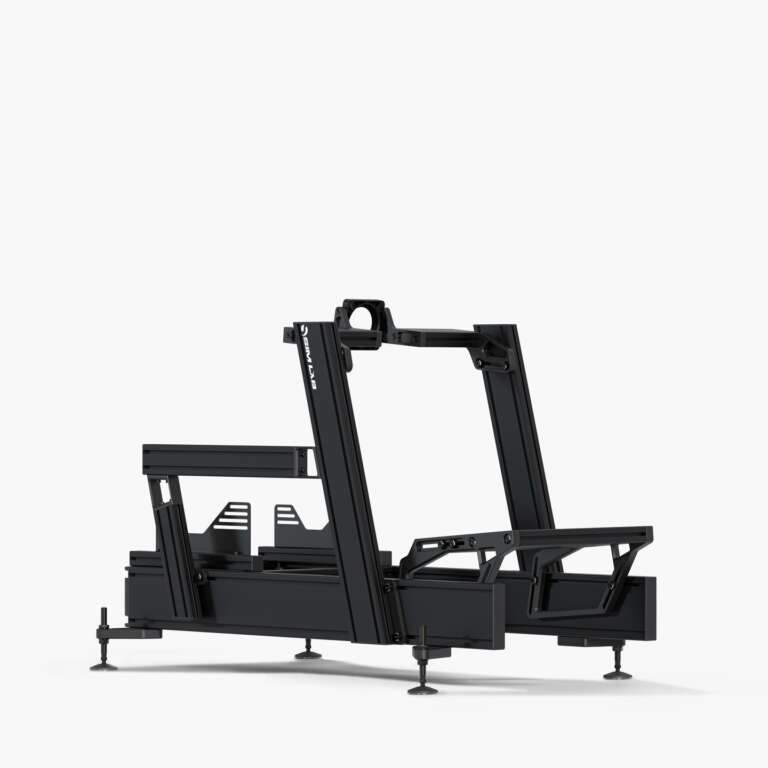
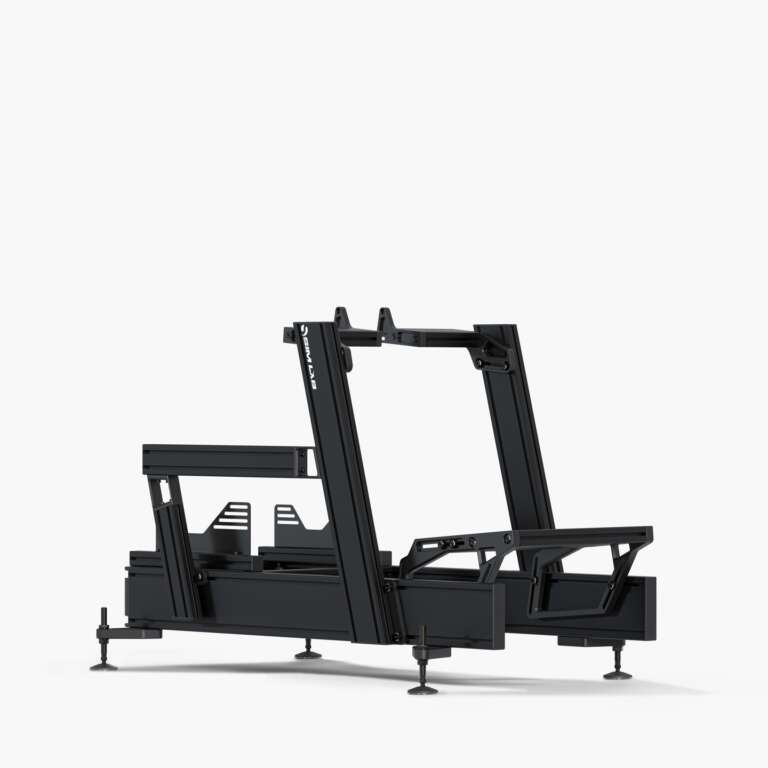
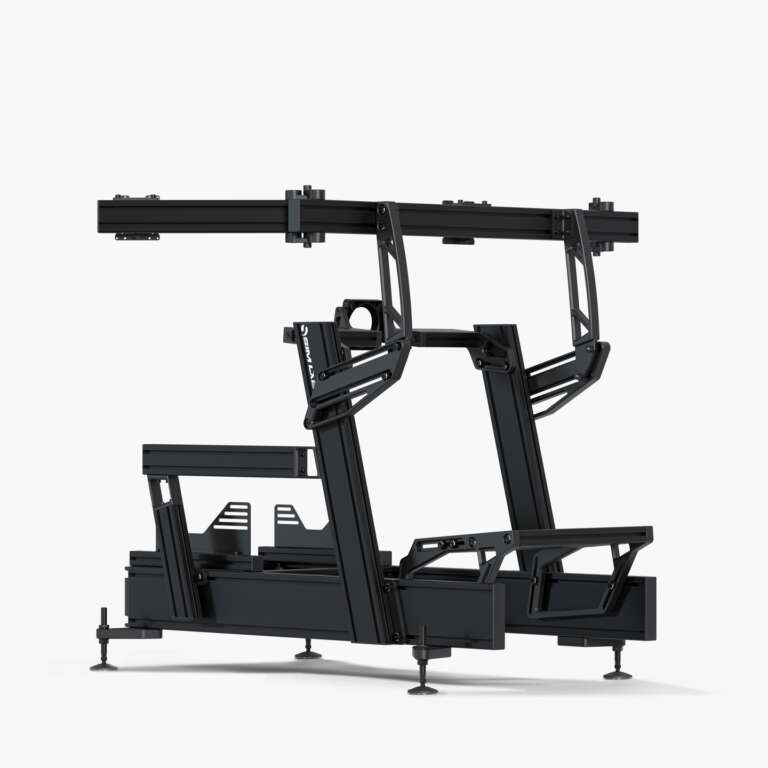
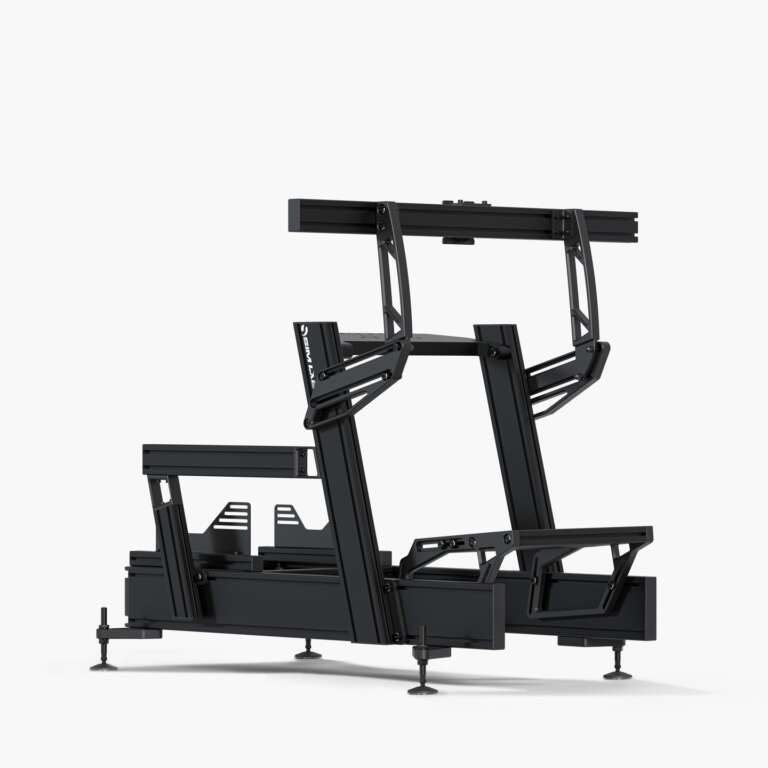
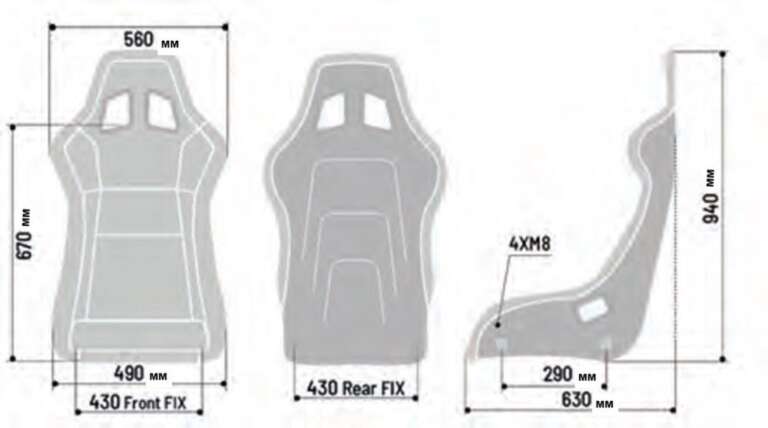
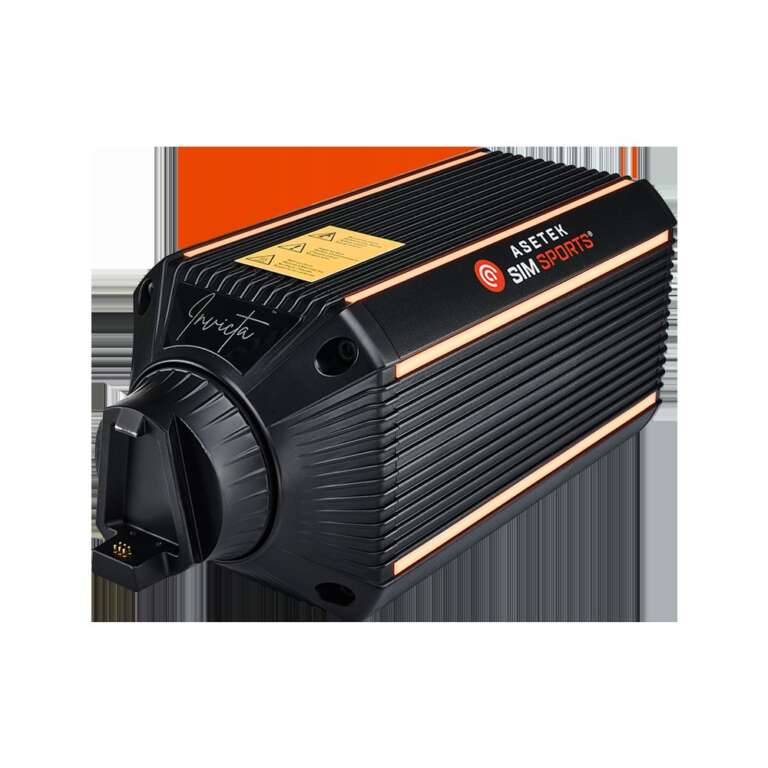
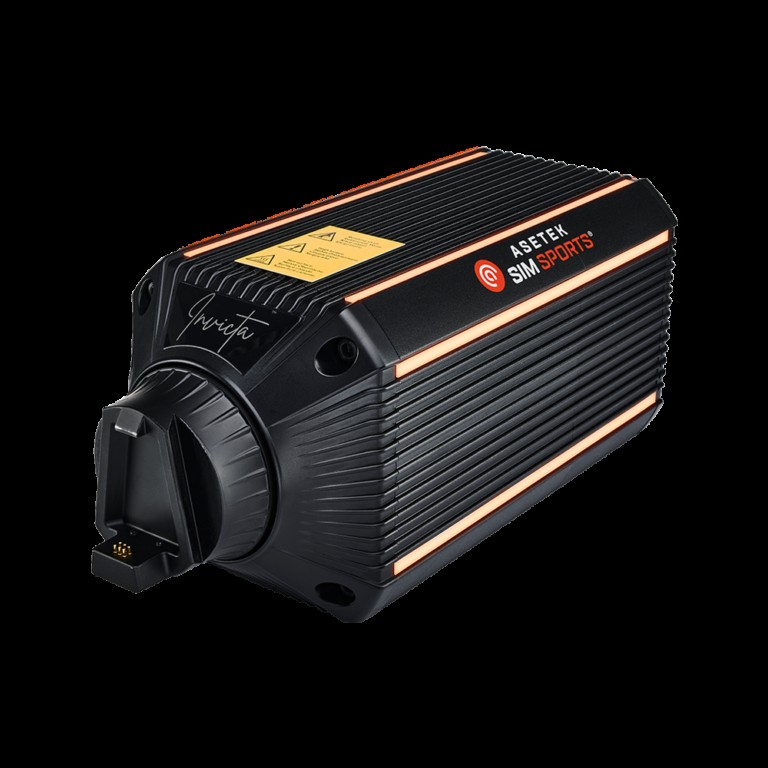
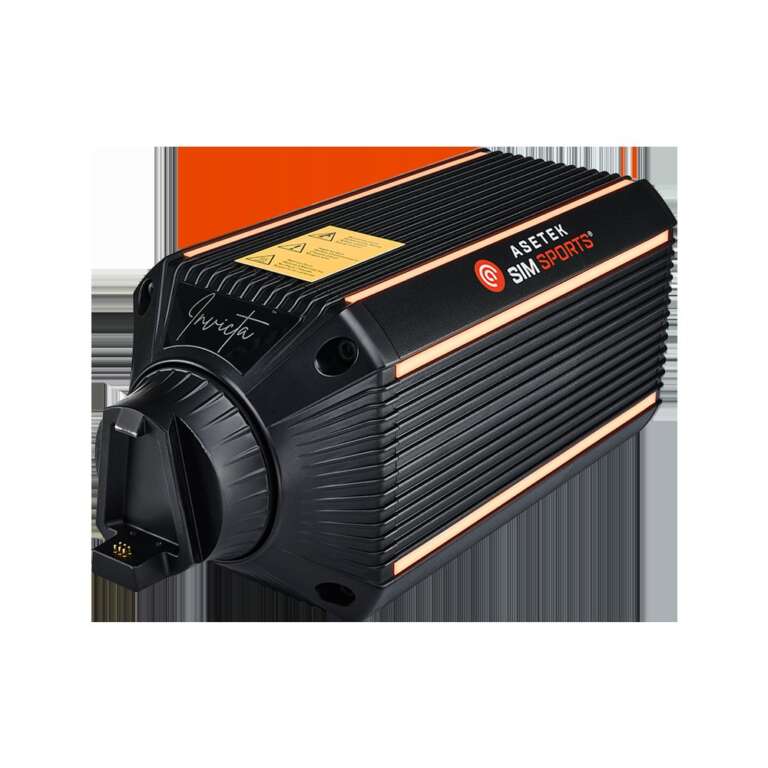
Controls stay flagship, Asetek’s 27 Nm Invicta base and formula wheel with Heusinkveld’s Ultimate+ pedals underfoot, while the cockpit drops to Sim-Lab’s P1X Pro at $849.99.
That trade is free. In VR the rig is something you touch, not something you look at, and nobody has ever admired their own aluminum extrusion through a headset.
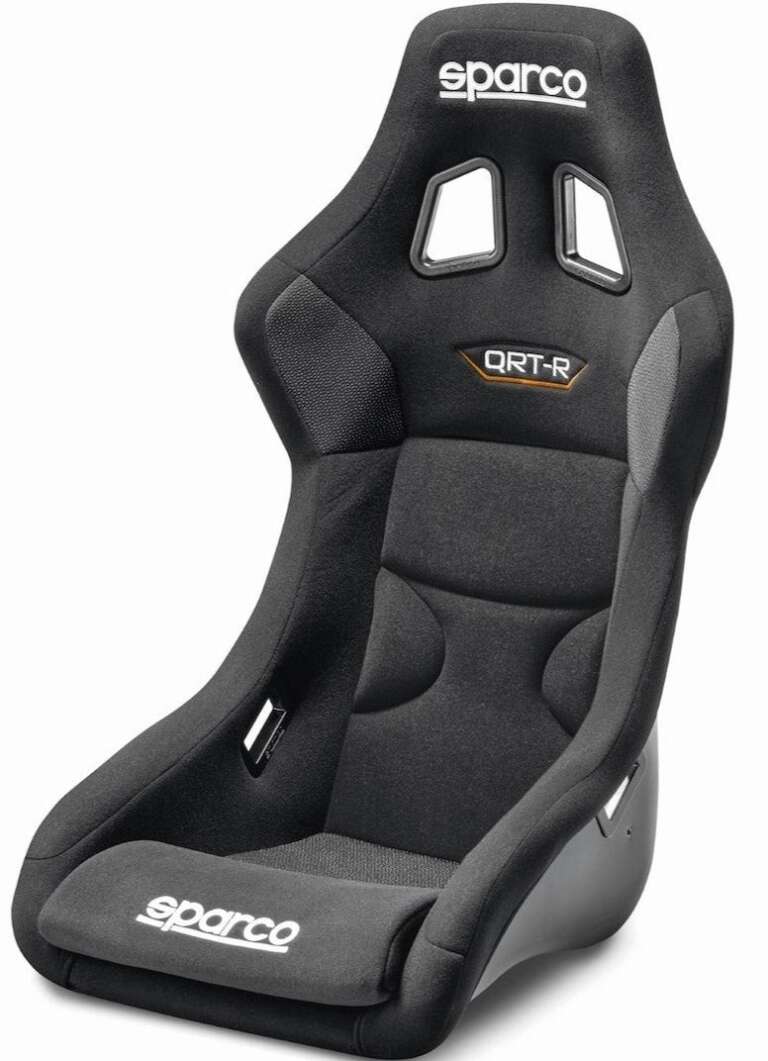
Two catches ride under the headline numbers: the P1X Pro ships with bolts for mounting seats, not seat brackets, and the Sparco shell doesn’t include brackets either. Sim-Lab’s bucket seat brackets are a required extra, sold separately, and the total below doesn’t carry them. The Invicta Formula Wheel’s P1 Edition carries no price in this build; the wheel in the total is Asetek’s Invicta Formula Button Box at $1,249.99, plus its handles, which Asetek sells separately.
Price: $849.99 (Sim-Lab P1X Pro Racing Cockpit)
Where to Buy: Micro Center (pickup only)
Price: $850.00 (Sparco QRT-R (SIM) Gaming Seat)
Where to Buy: Discovery Parts
Price: $149.00 (Asetek SimSports Front Mount)
Where to Buy: Asetek
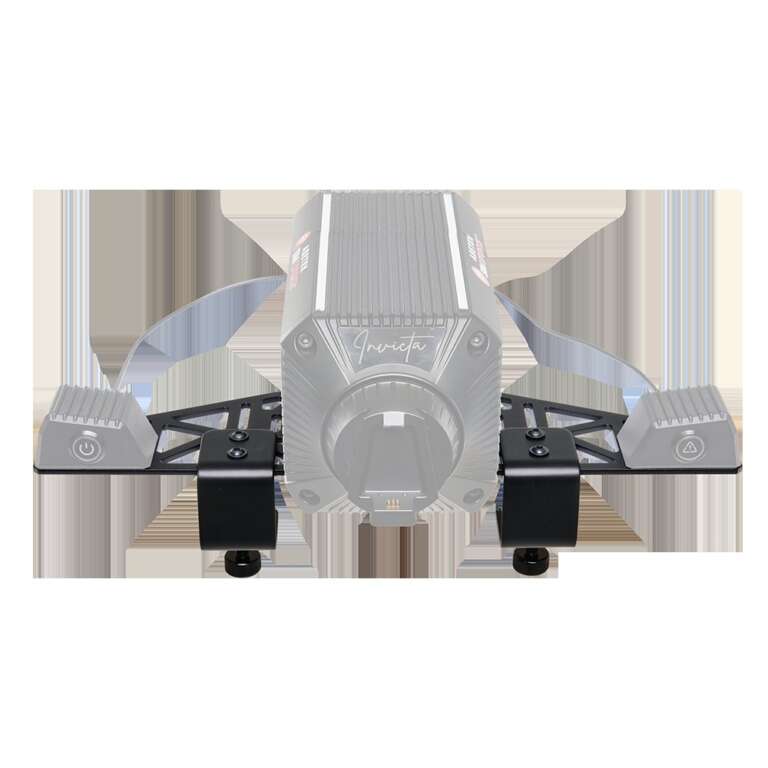
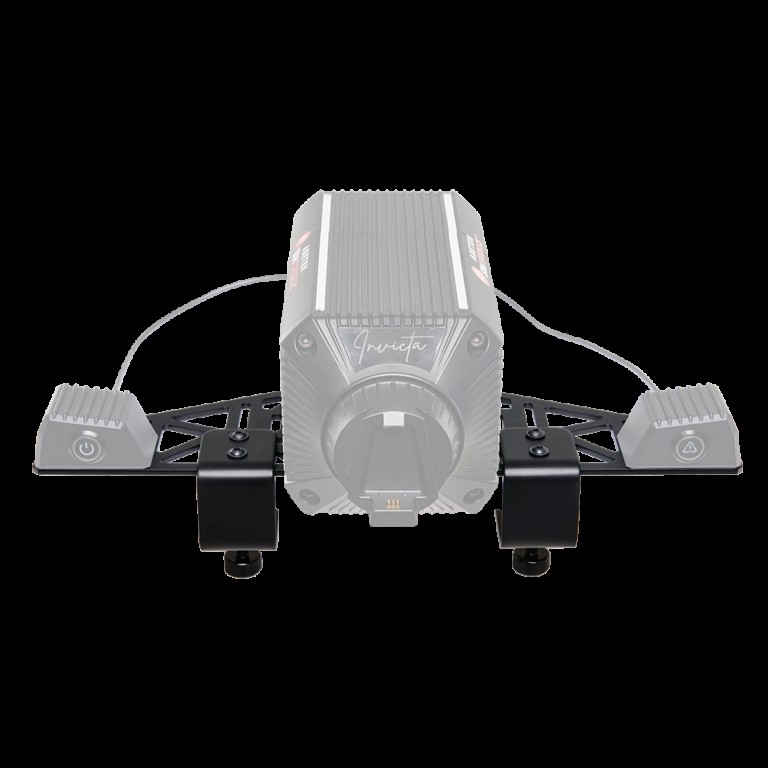
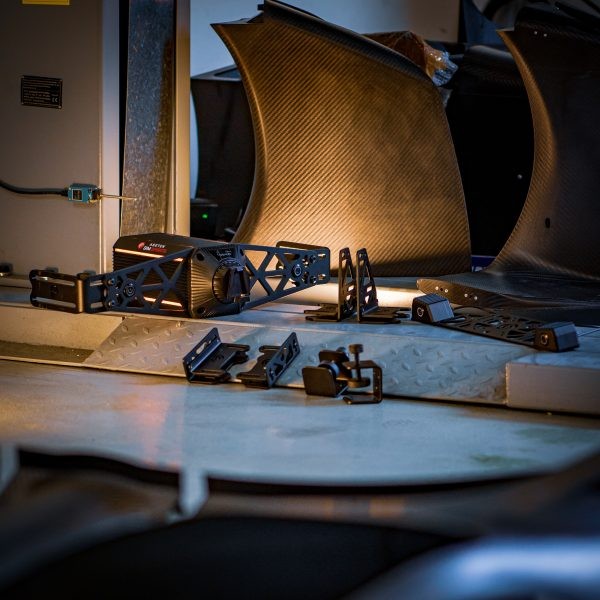
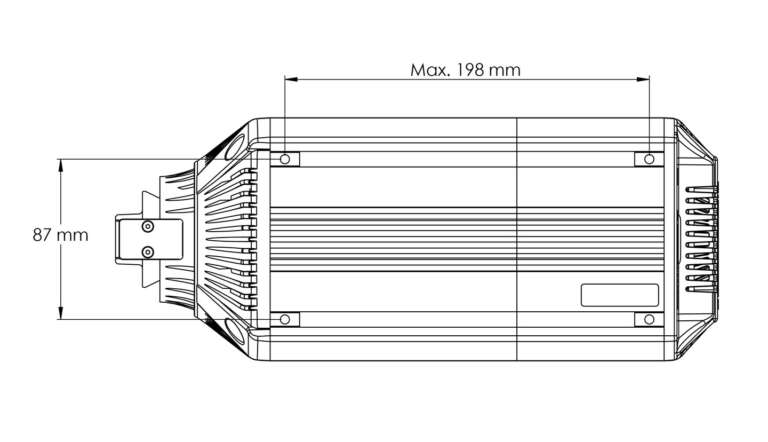
Price: $1,349.00 (Asetek Invicta Direct Drive Wheelbase 27 Nm)
Where to Buy: Asetek
Price: $1,465.99 (Asetek Invicta Formula Wheel, P1 Edition)
Where to Buy: Podium1Racing
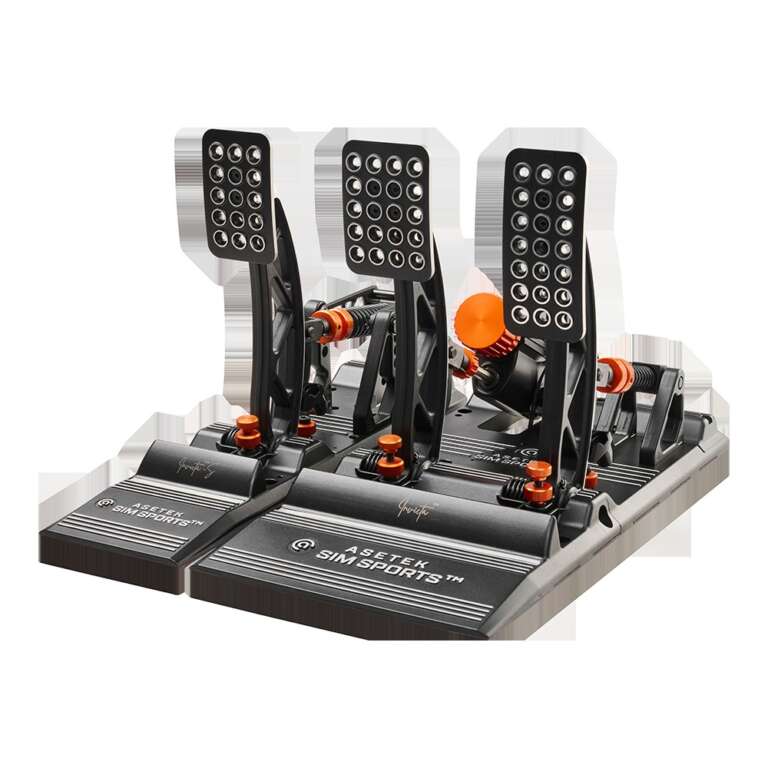
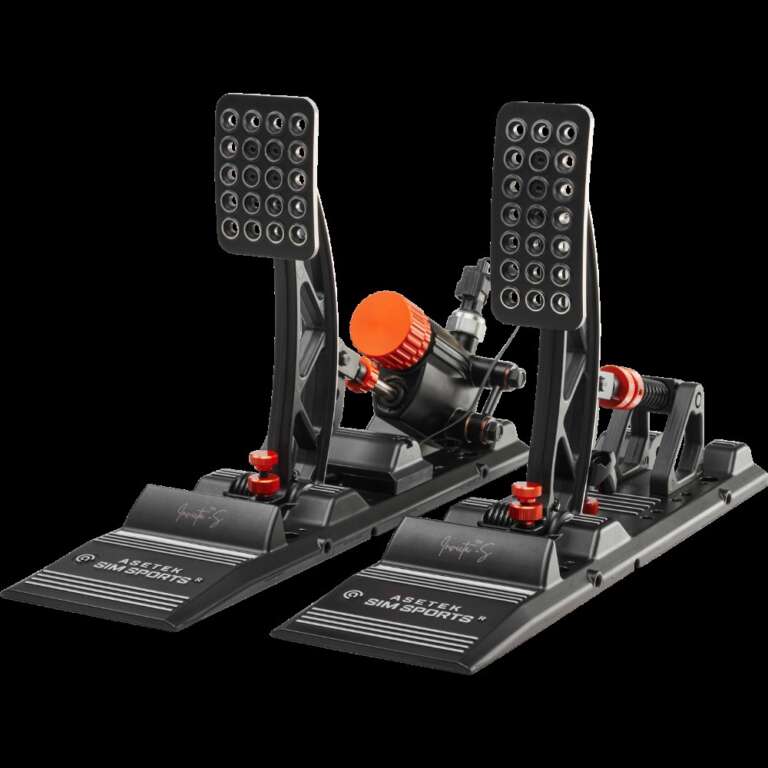
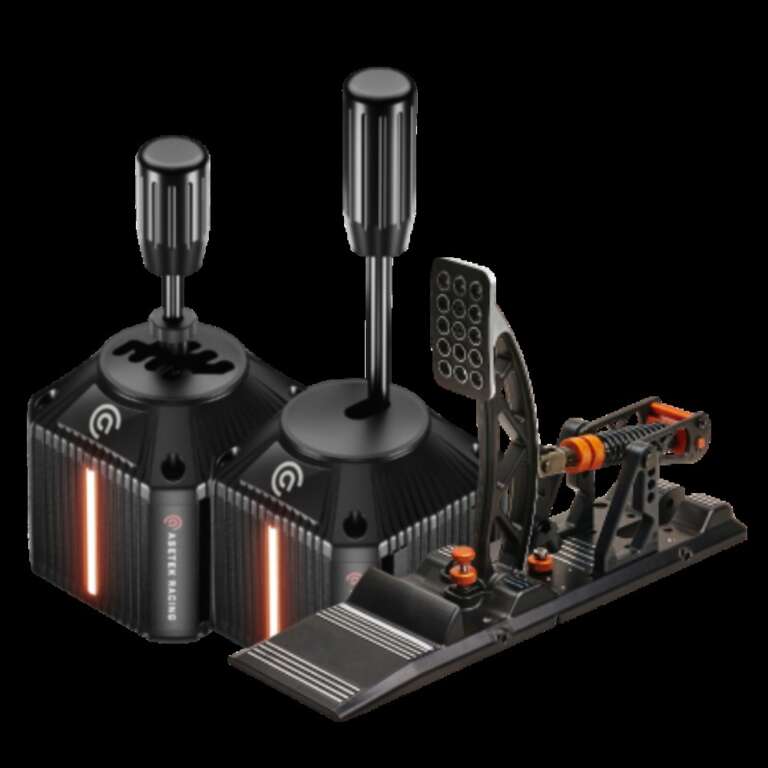
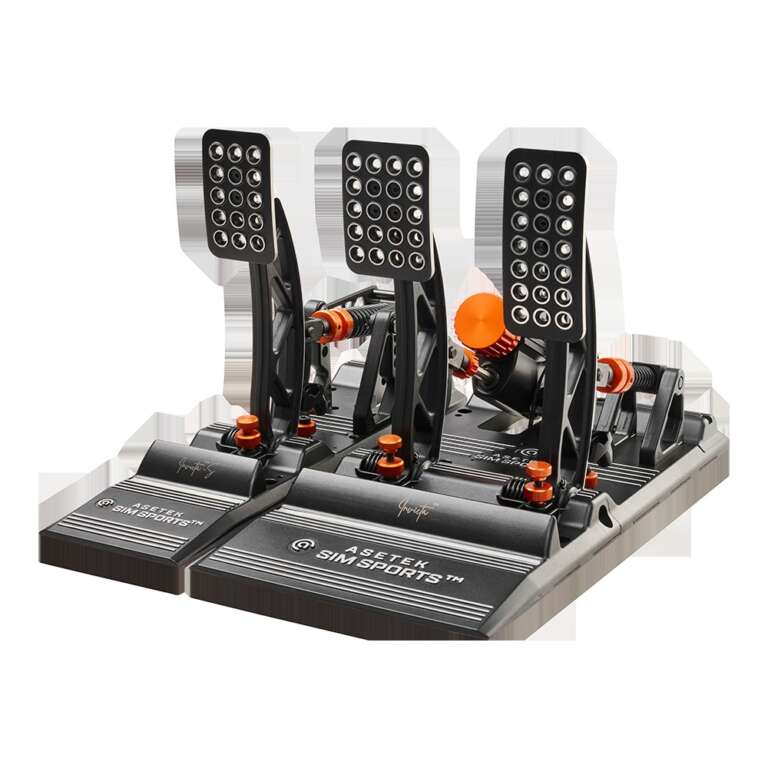
Price: $1,609.00 (Heusinkveld Sim Pedals Ultimate+ 3-pedal set)
Where to Buy: Sim-Seats
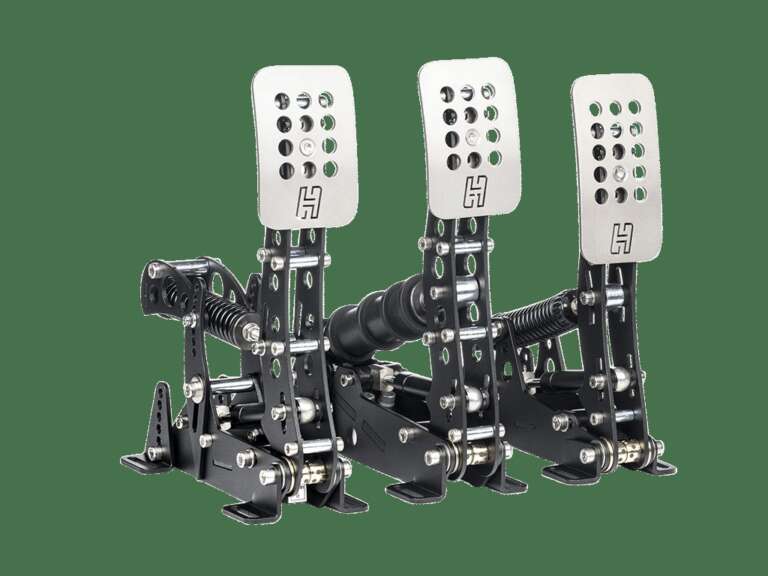
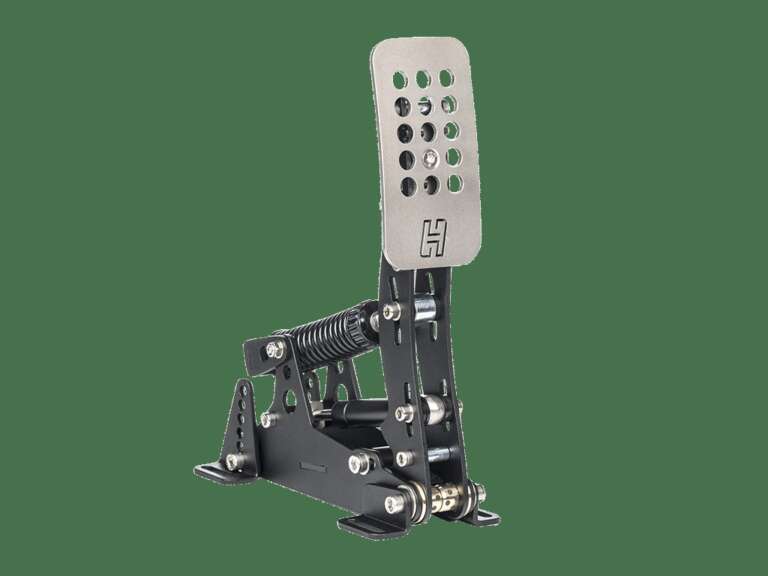
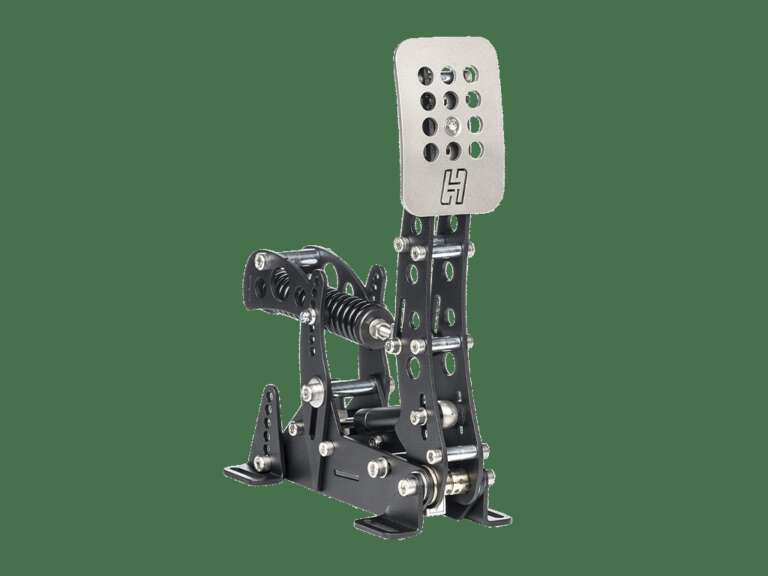
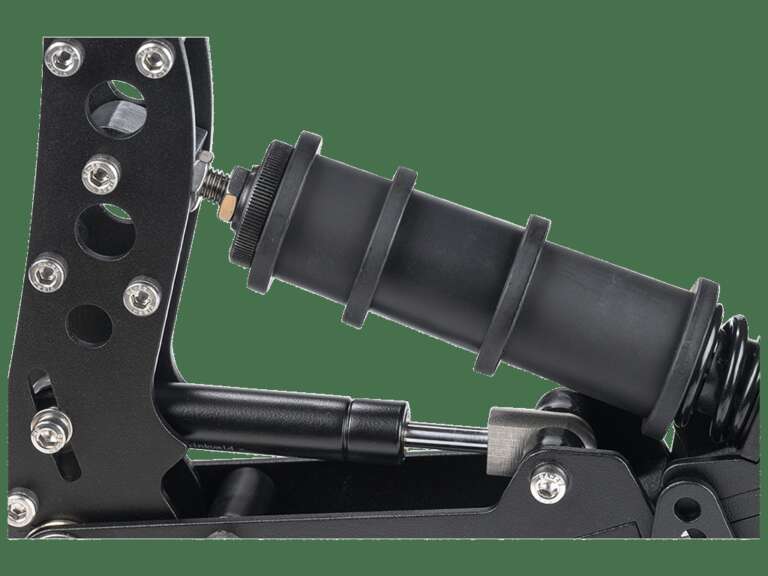
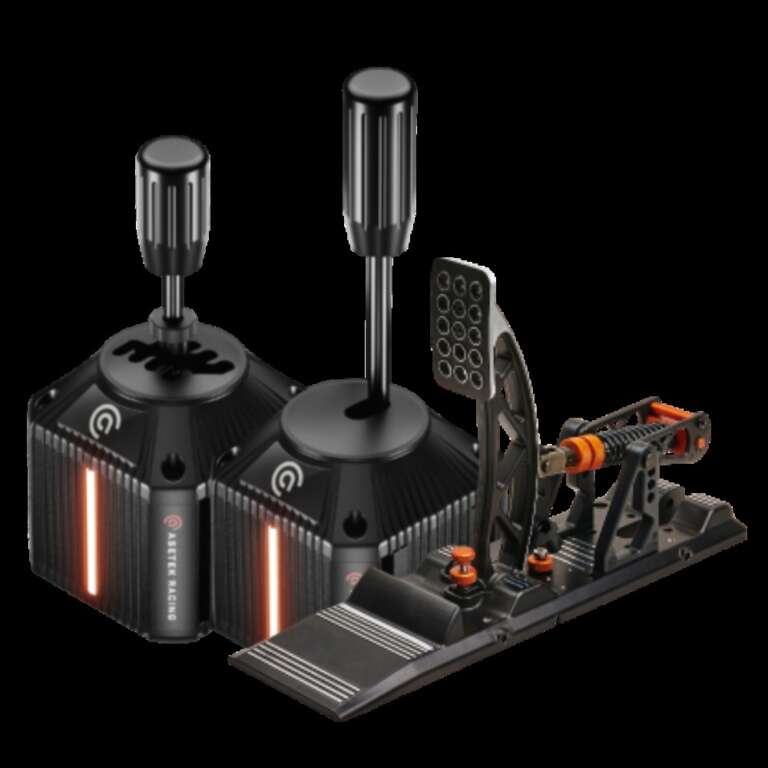
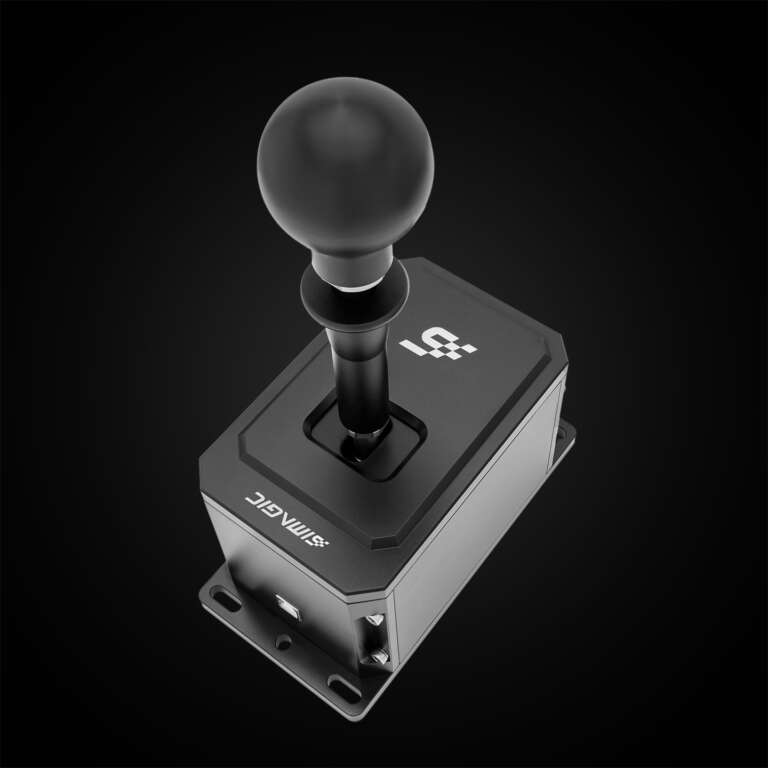
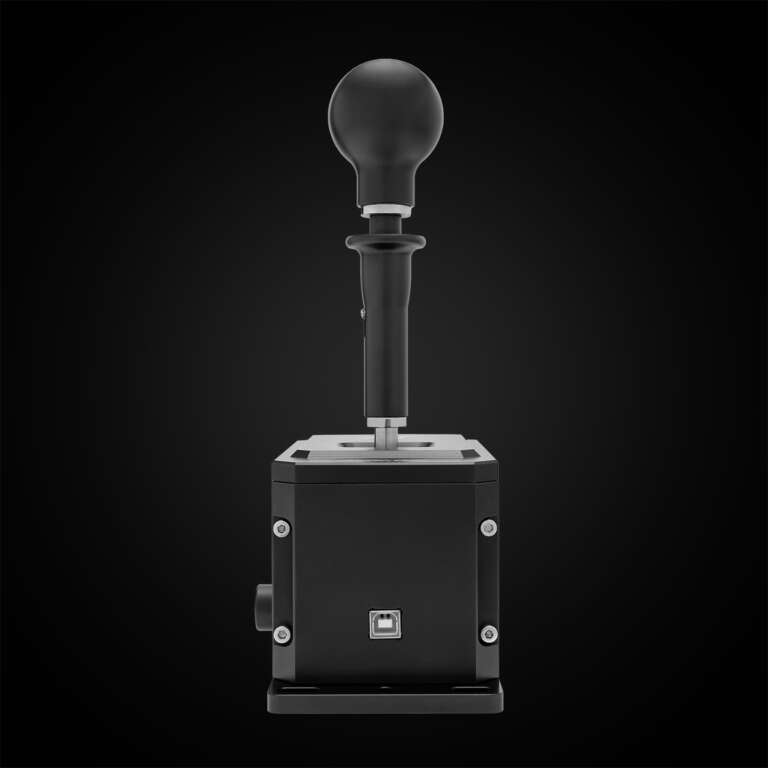
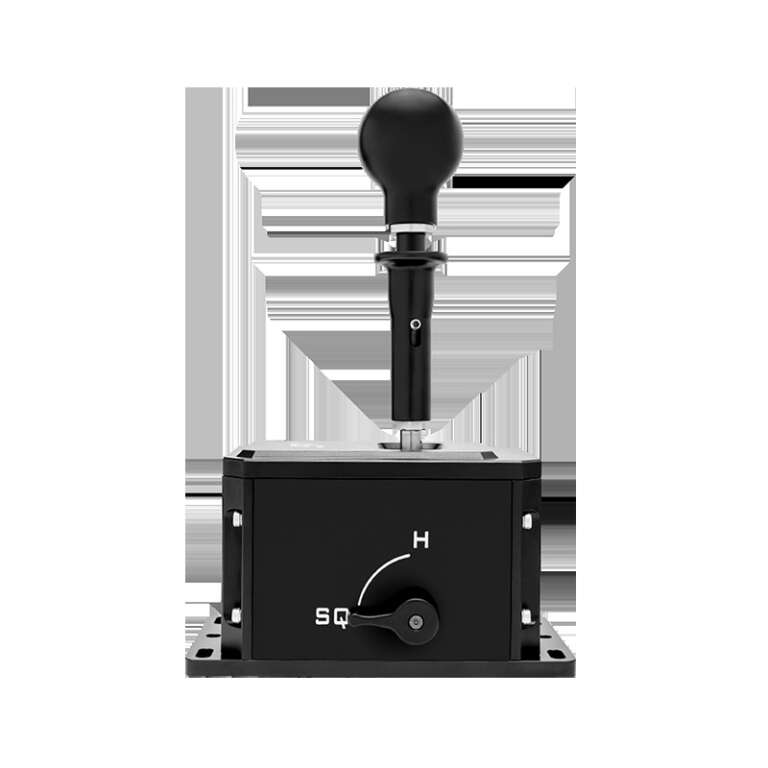
Price: $299.00 (Simagic DS-8X Shifter)
Where to Buy: Apex Sim Racing
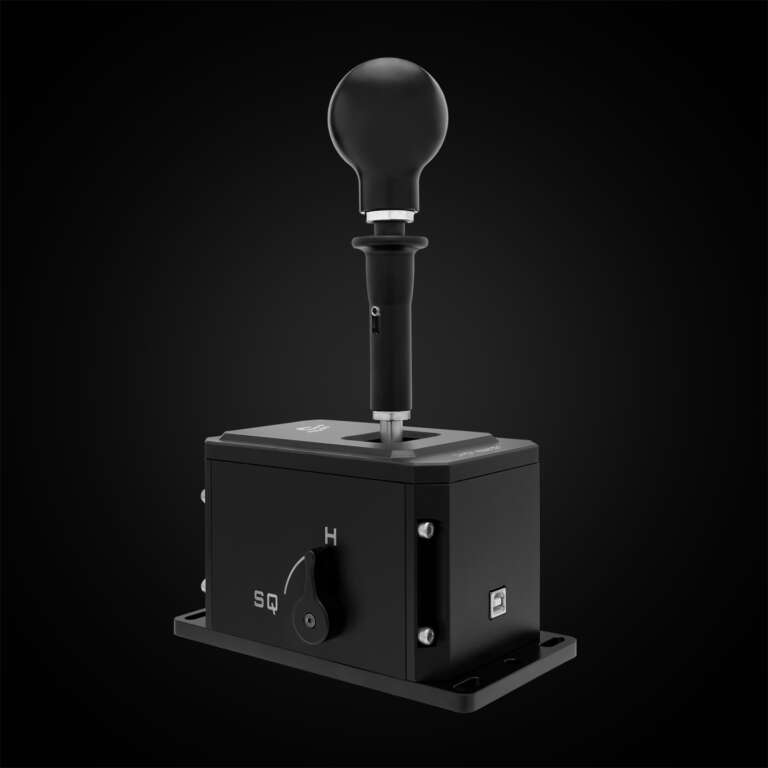
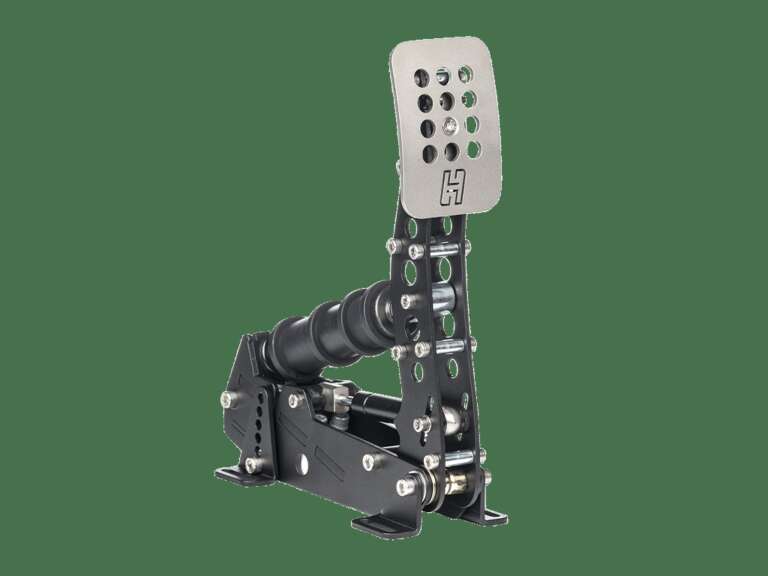
Price: $239.00 (Simagic TB-RS Hydraulic Handbrake)
Where to Buy: Apex Sim Racing
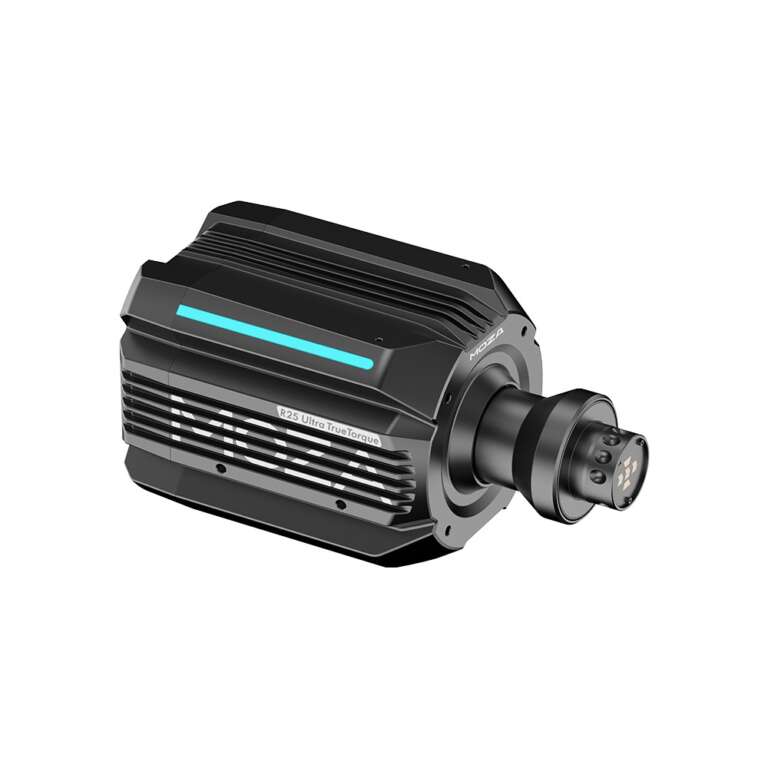
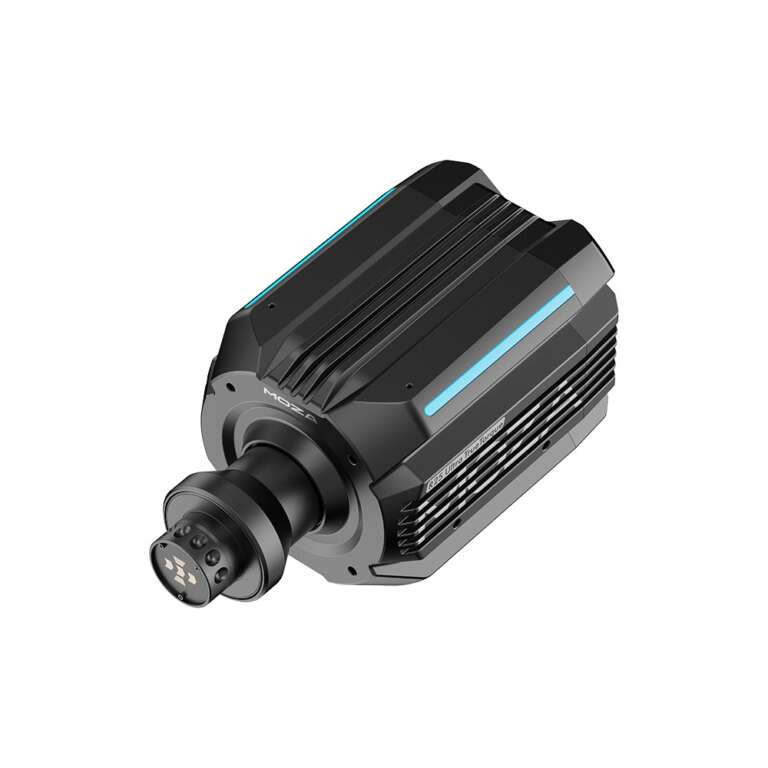
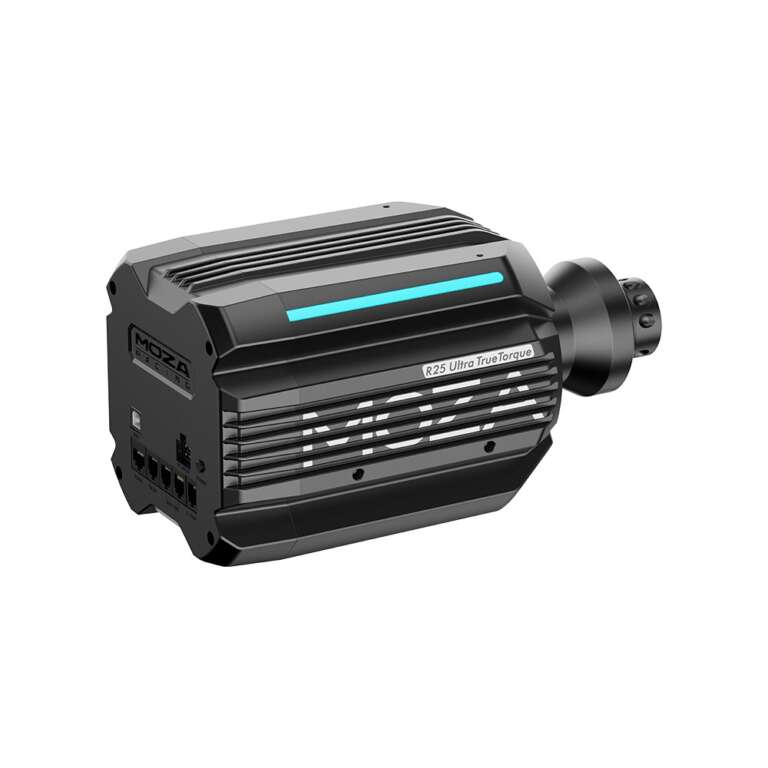
Price: $14,779.99 (CLX Ra Gaming Computer, sold and shipped by CLX Gaming)
Where to Buy: Best Buy Marketplace




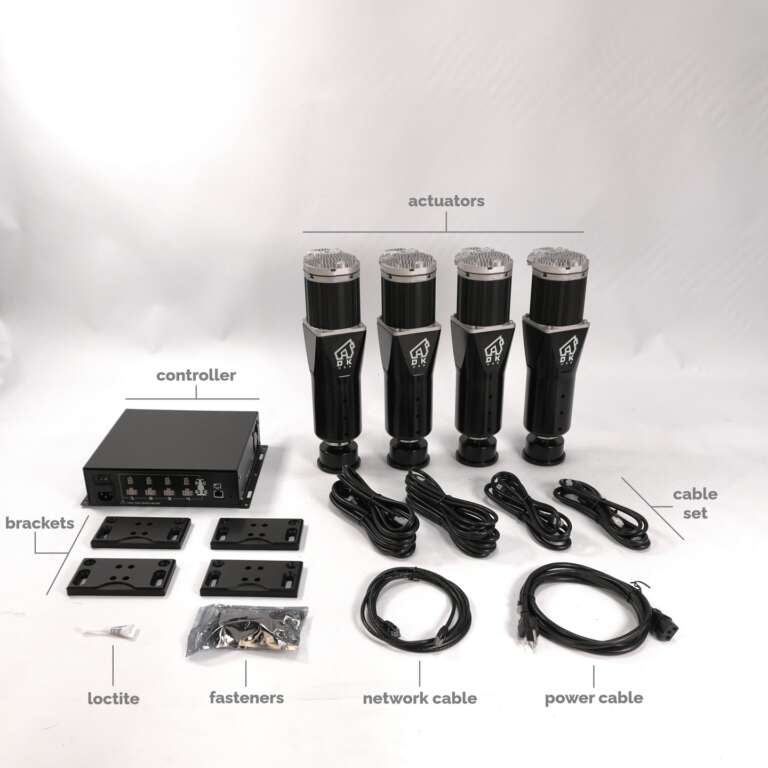
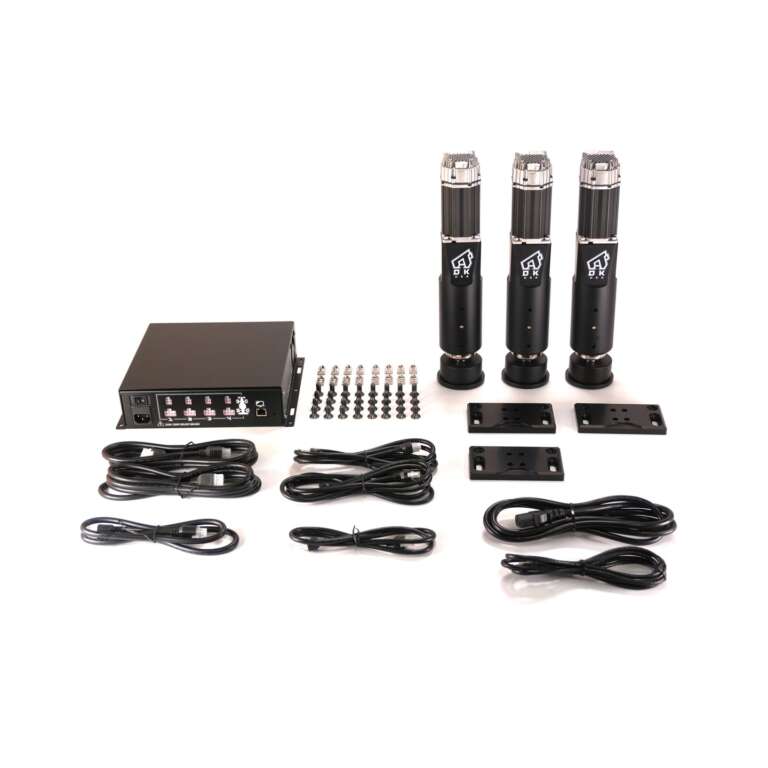
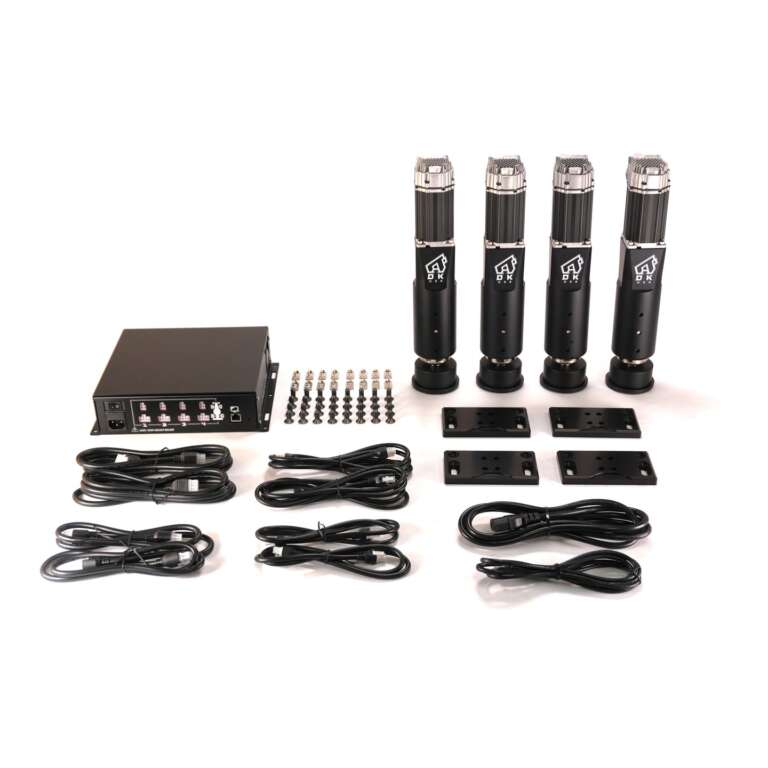
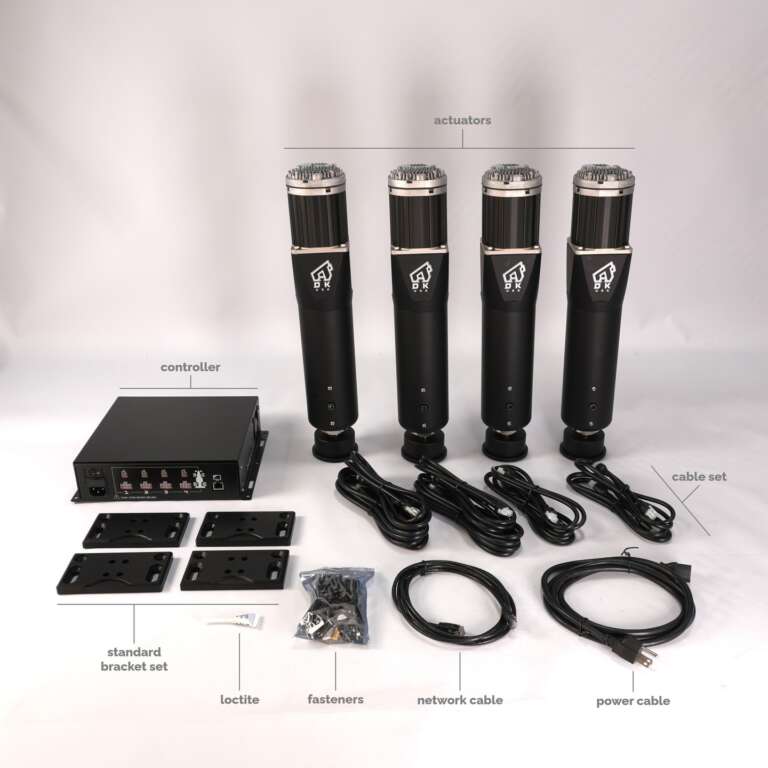
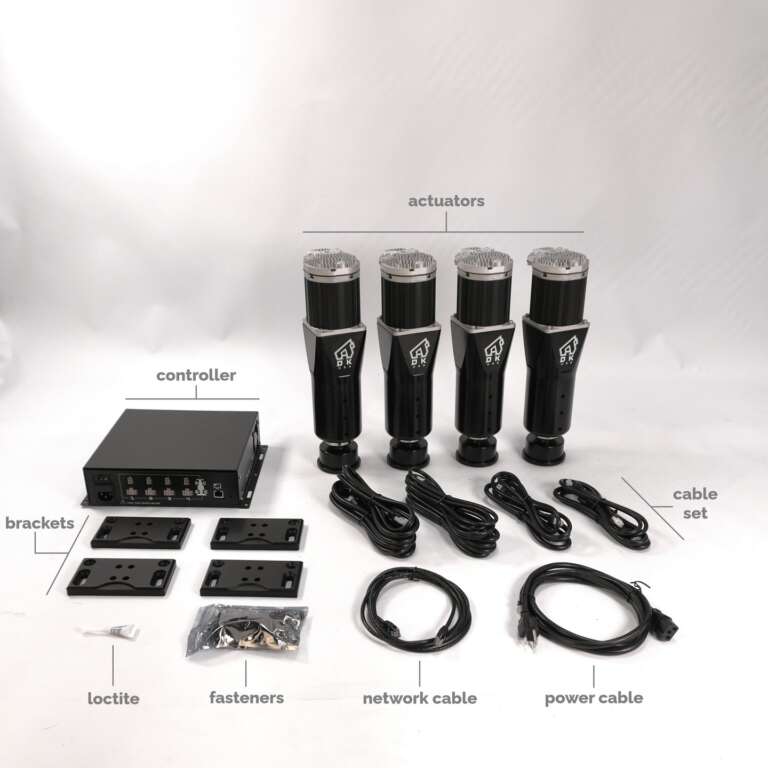
Motion is the priced option here, not the foundation: Sigma’s DK2+ four-actuator system bolts under the profile frame for $7,460.
Buy it second, after a month of racing tells you whether you miss it.
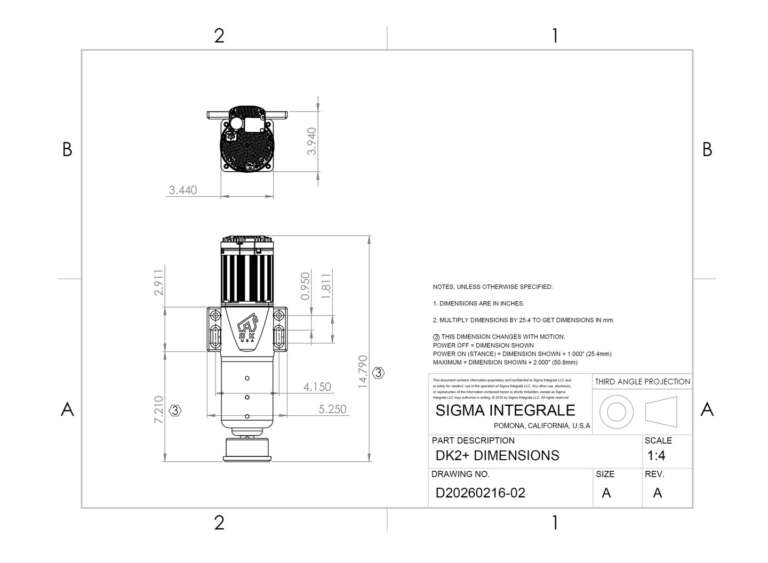
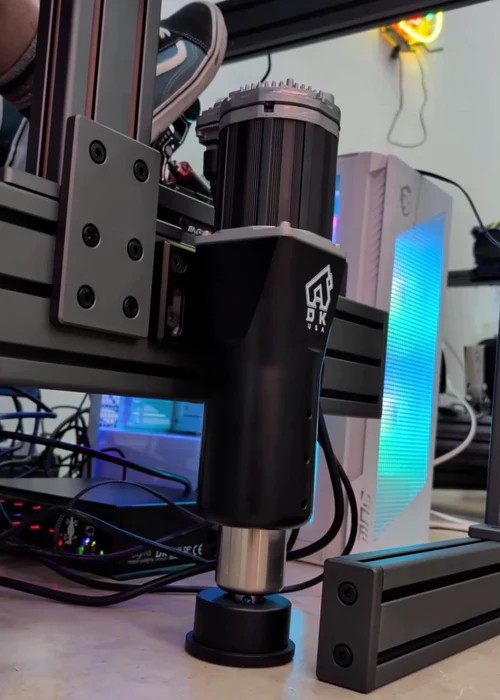
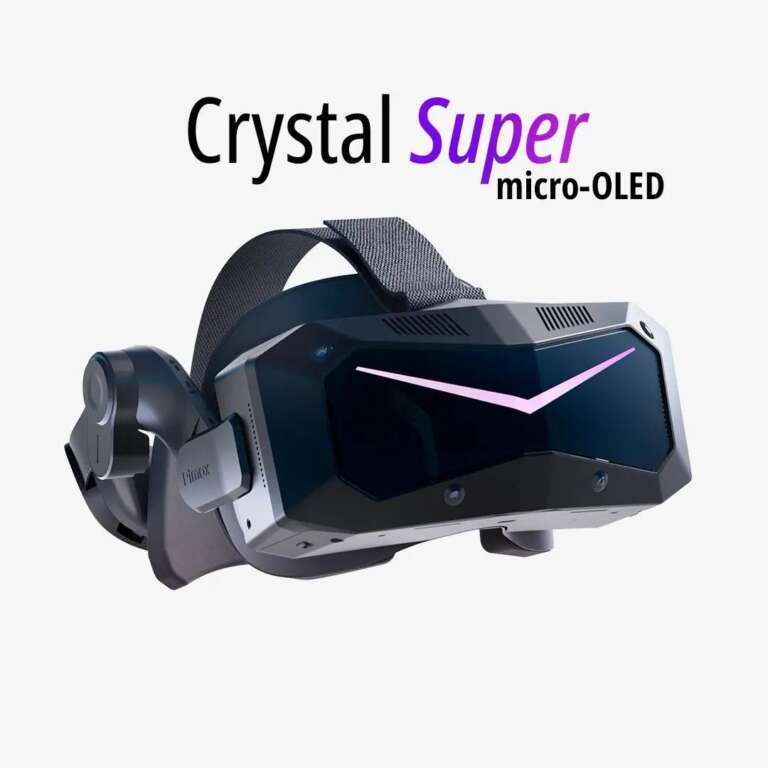
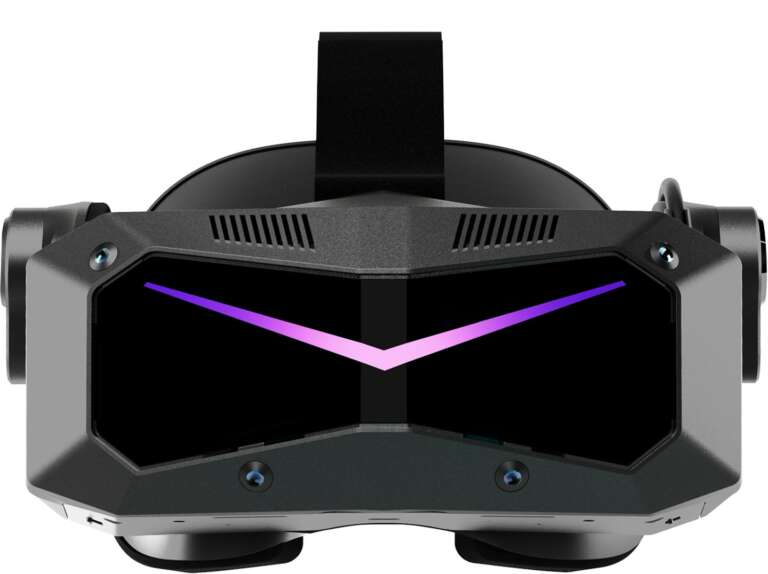
Build two is for the driver who already races in VR and wants the ceiling inside the medium: the sharpest view in this guide, the biggest PC in the guide, and flagship controls to match.
Already own an Apple Vision Pro? It hooks up, and it costs you $0 in headset hardware. Run iRacing through the free iRacing Connect app, and the other PC sims named in this guide (ACC, Assetto Corsa, Automobilista 2) through KRVR ($14.99) or ALVR (free).
You see your real hands on your real wheel inside the cockpit, at up to 120 Hz on the M5 model.
The streaming route needs a Wi-Fi 6/6E router sustaining 1,000 Mbps+ on 5 GHz, though a wired PC is the reliable route. The RTX 5090 in this build clears the graphics requirement easily. One trap, stated before you install anything: KRVR pins CloudXR runtime 6.2.0, and iRacing Connect expects 6.0.5. With KRVR’s runtime active, iRacing Connect stops working until you switch the runtime back.
Buying a Vision Pro for this instead runs $3,699, which is $1,500 past the Pimax, for a streamed image in place of the Pimax’s wired DisplayPort feed. Owners should use theirs. Buyers should buy the Pimax.
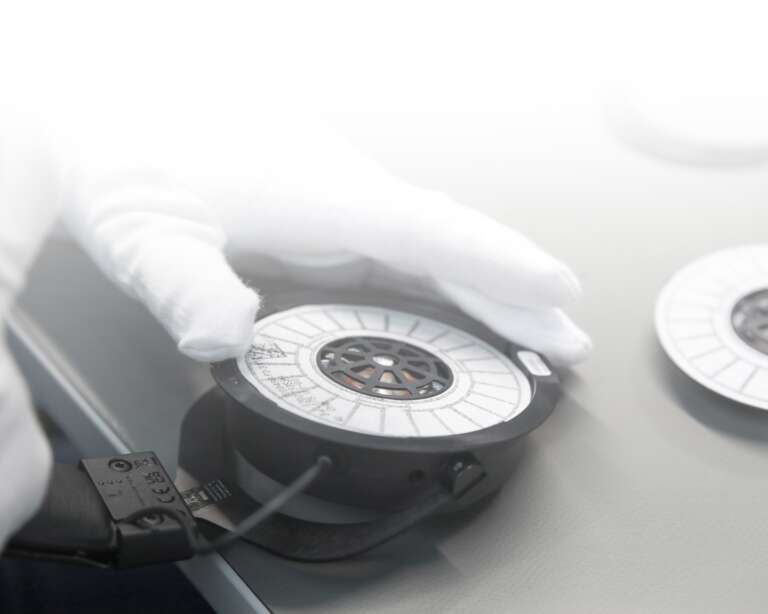
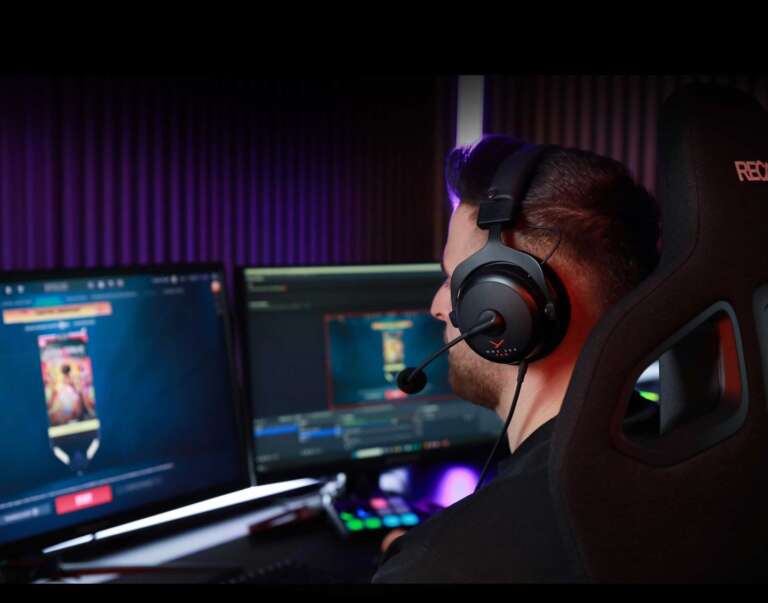
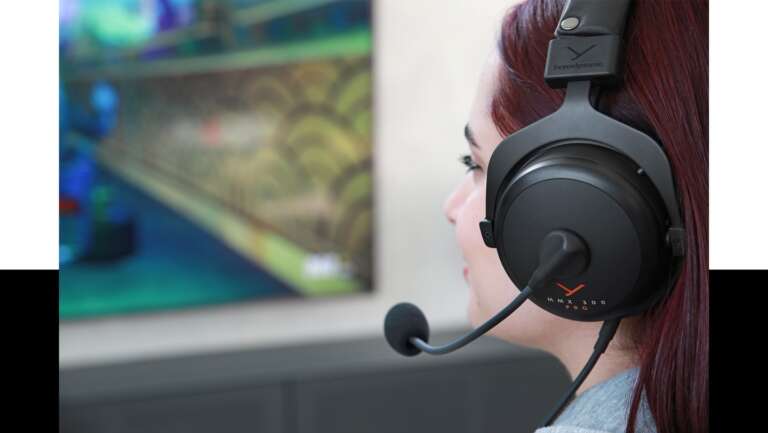
Price: $379.99 (Beyerdynamic MMX 300 Pro)
Where to Buy: Sweetwater
Build three: one screen, three platforms, $17,277.91
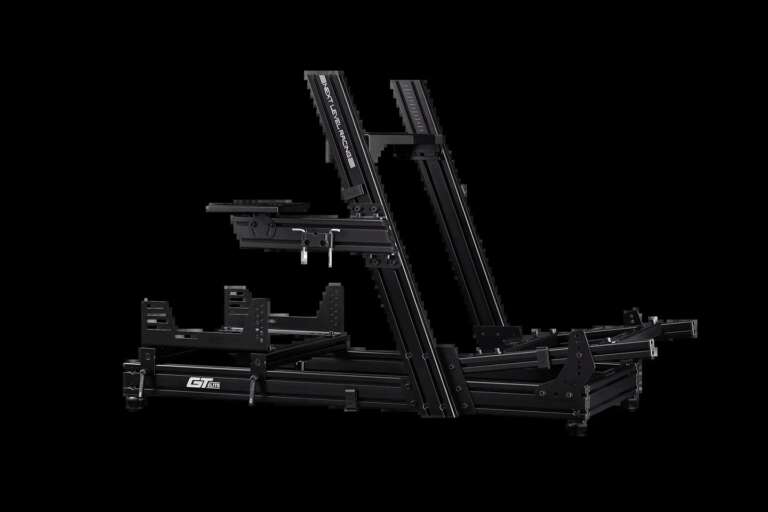
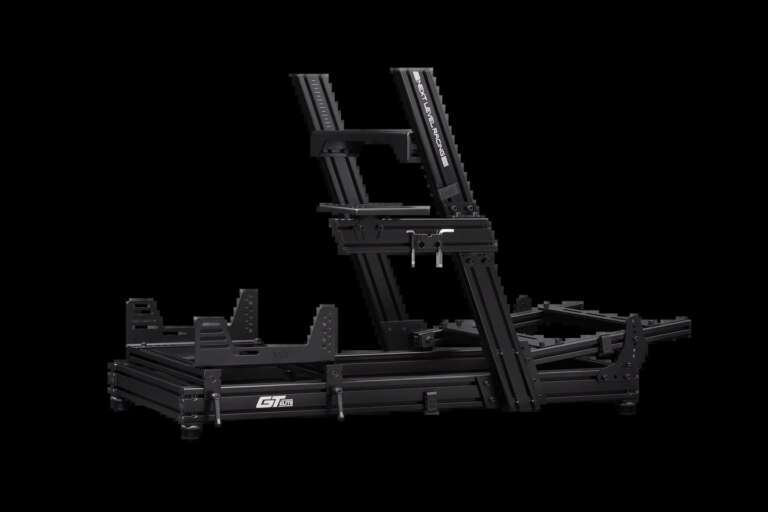
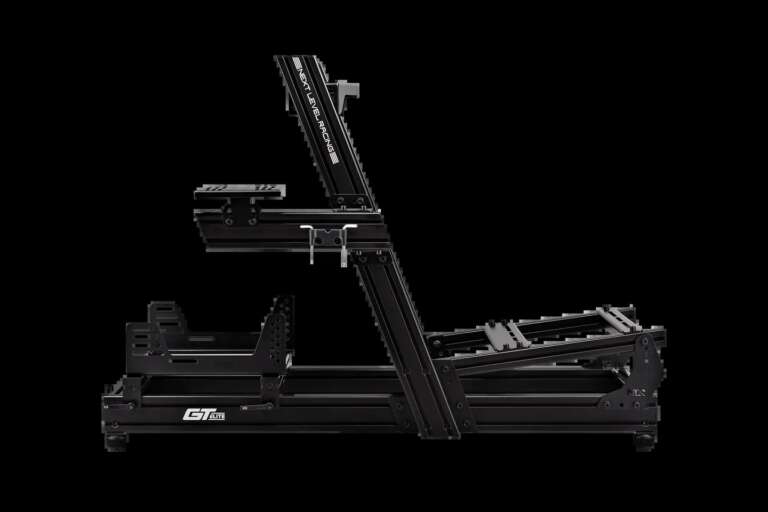
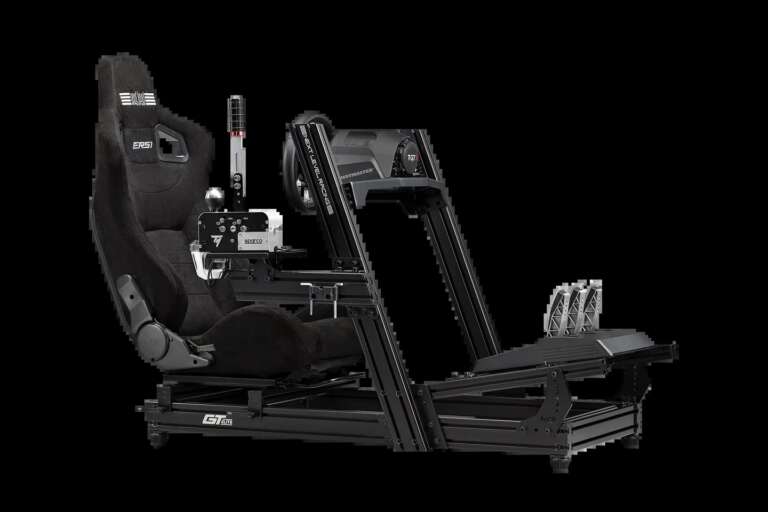
Build three is the household rig. One 57-inch Samsung Neo G9 replaces the triple array, one Fanatec ecosystem replaces three vendors, and a PS5 Pro sits beside the PC. The GTElite cockpit runs $599 on sale, the base and wheel and pedals and shifter and handbrake all connect through one ecosystem with no adapters.
Price: $599.00 (Next Level Racing GTElite Wheel Plate Edition, sale, list $699)
Where to Buy: Next Level Racing
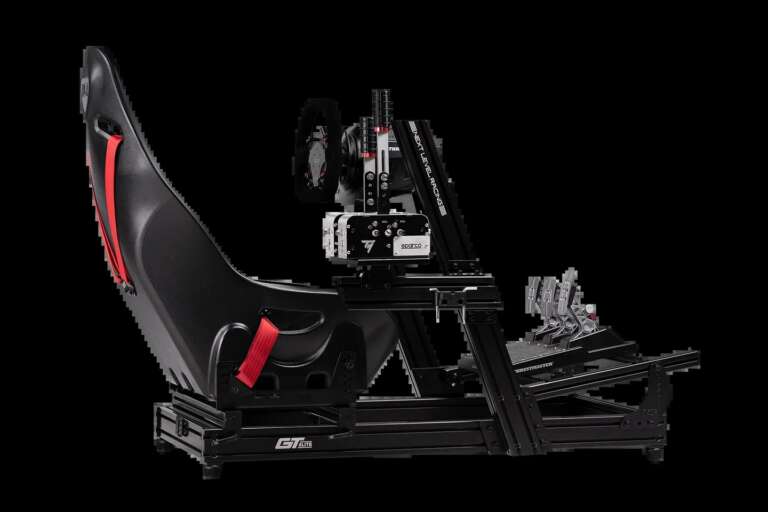
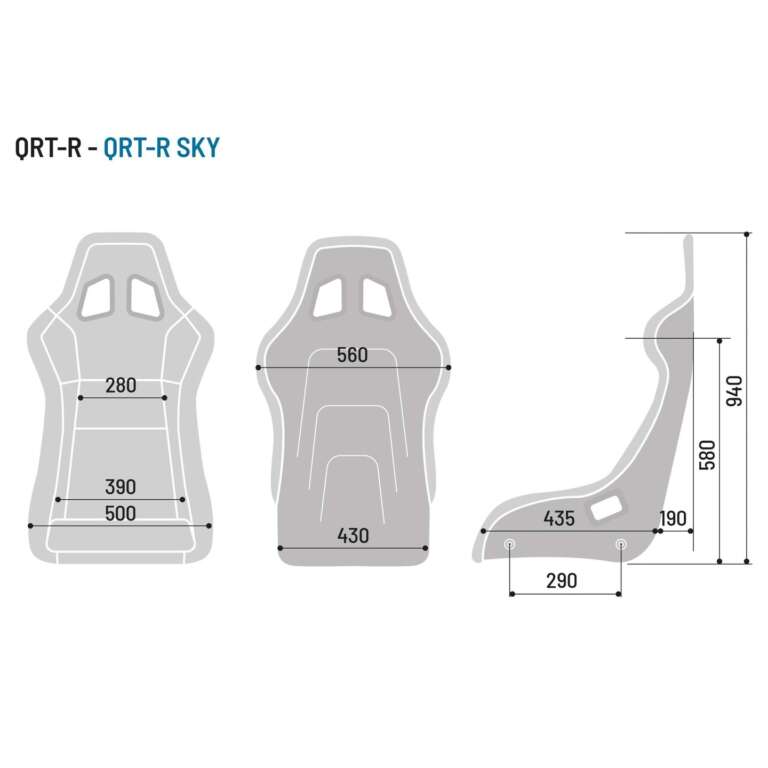
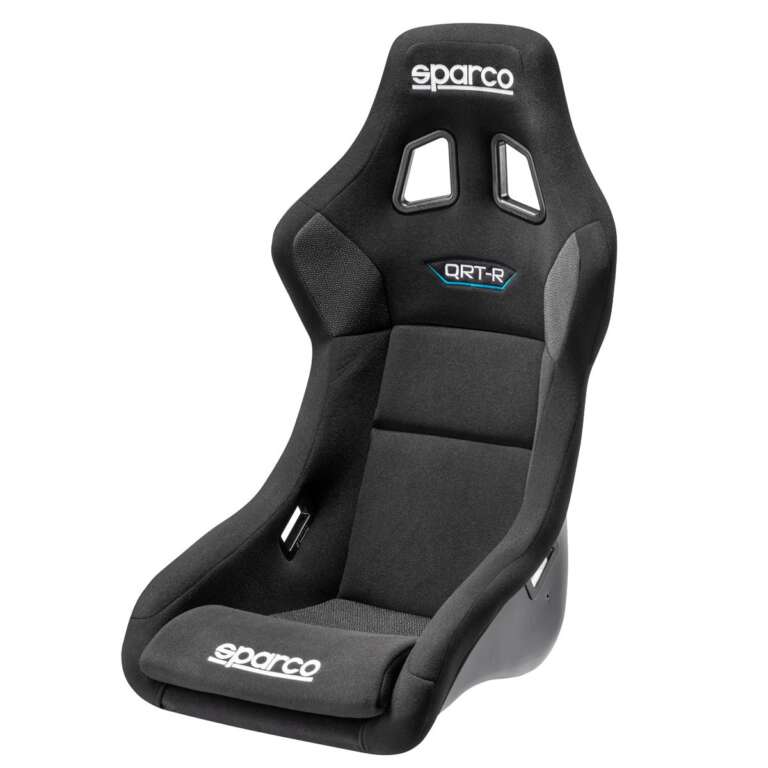
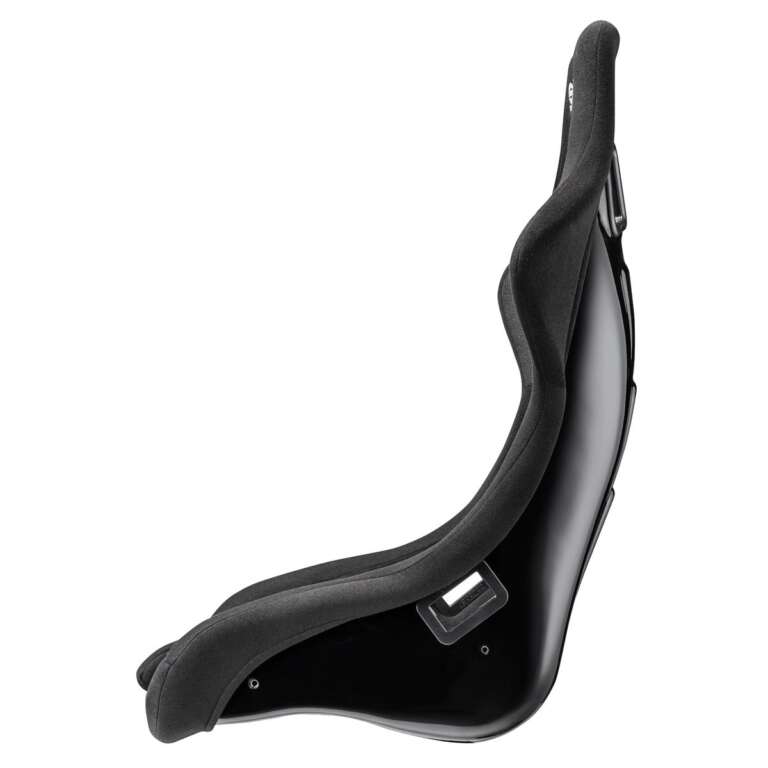
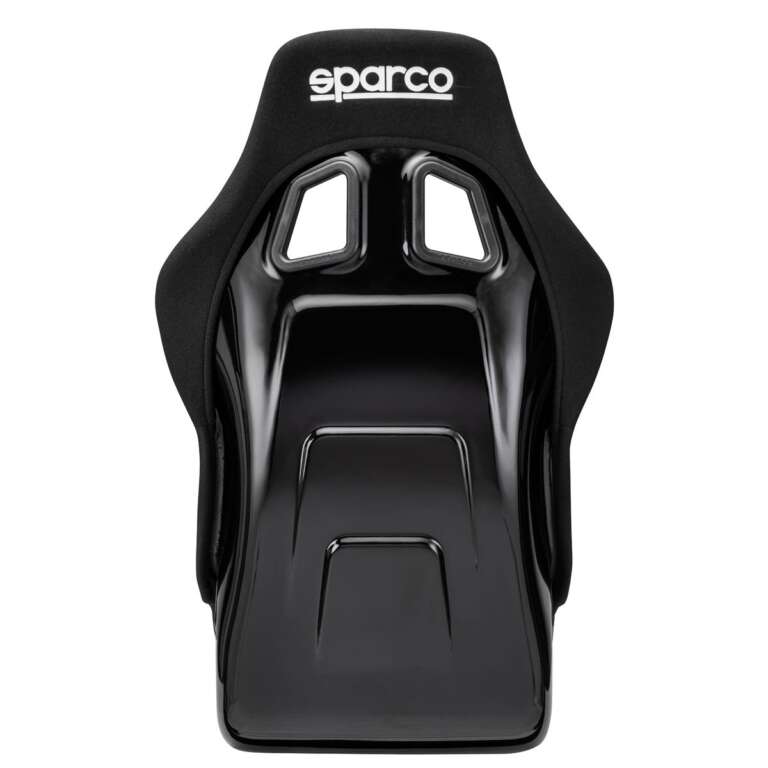
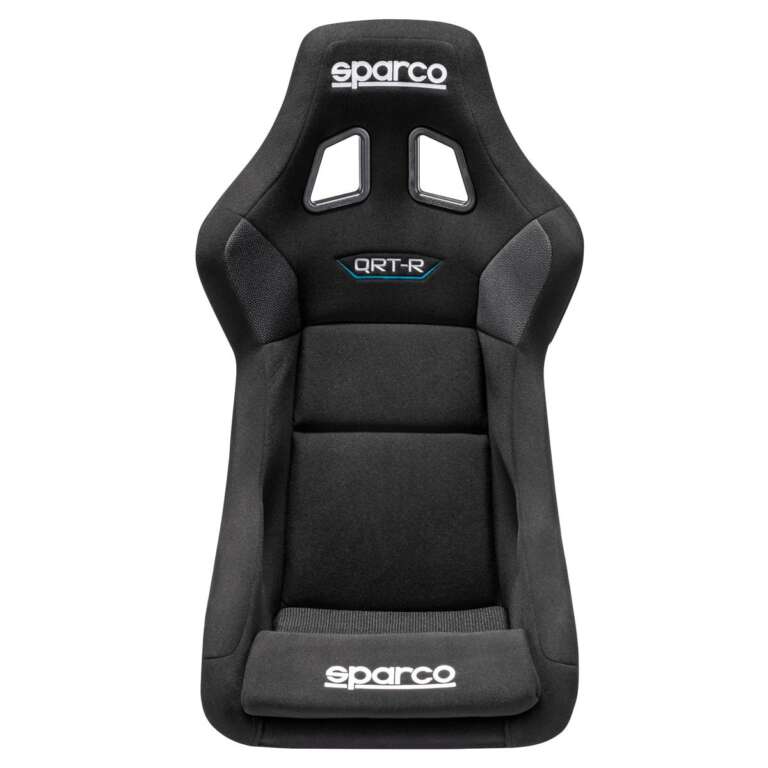
Price: $929.00 (Sparco QRT-R Fiberglass Racing Seat, FIA)
Where to Buy: DriveNASA
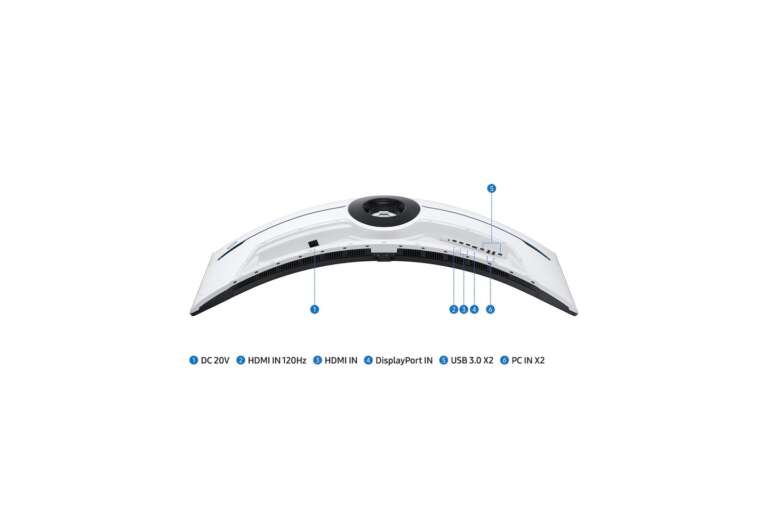
Price: $2,099.99 (Samsung Odyssey Neo G9 57-inch)
Where to Buy: Amazon / Best Buy
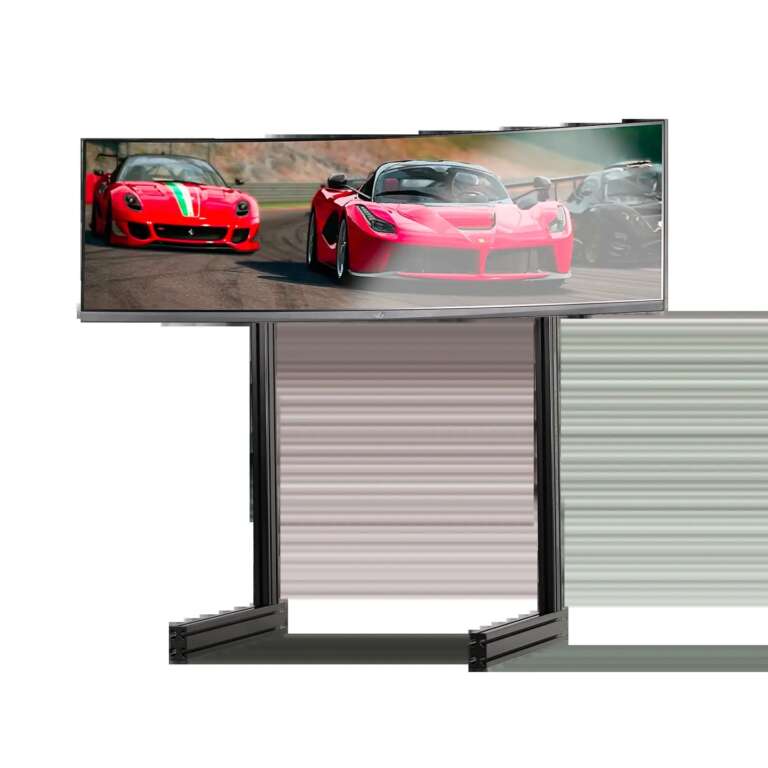
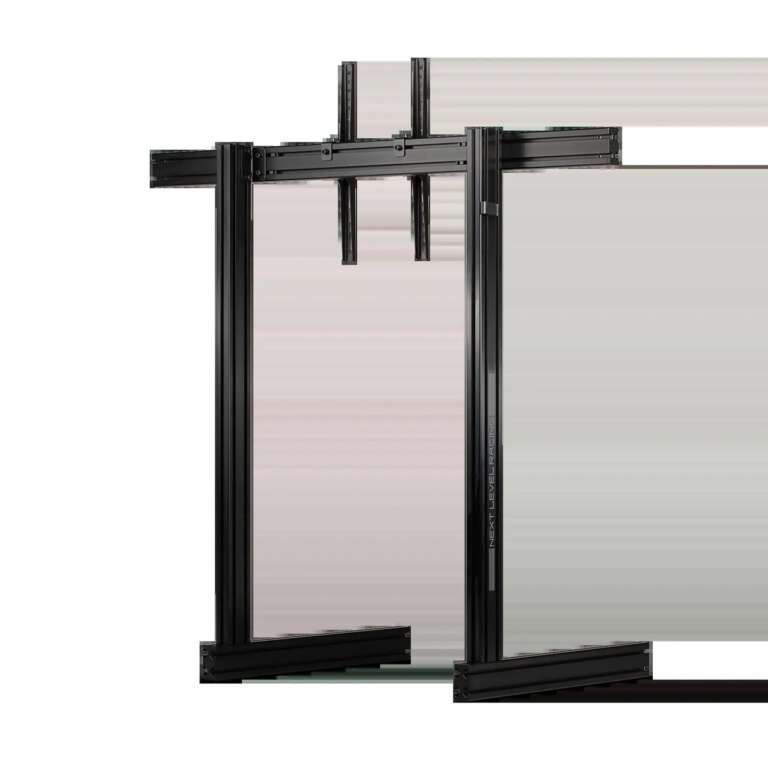
Price: $299.99 (Next Level Racing Elite Freestanding Single Monitor Stand)
Where to Buy: GigaParts
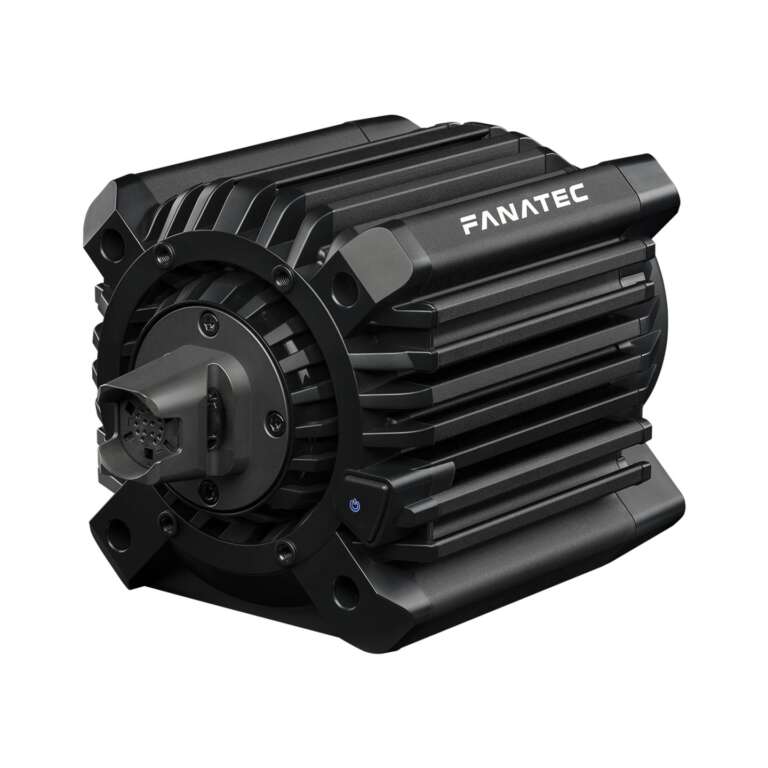
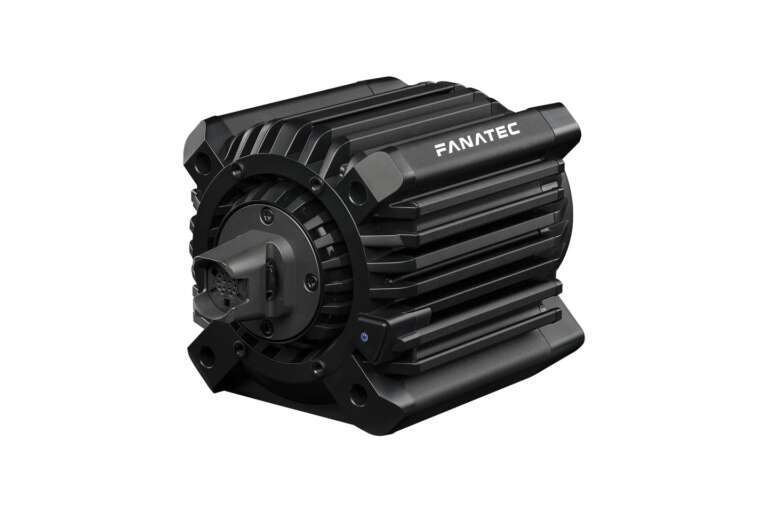
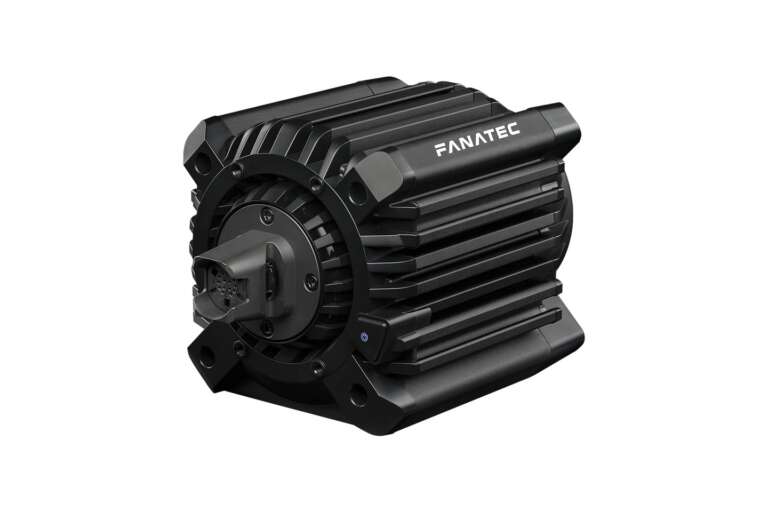
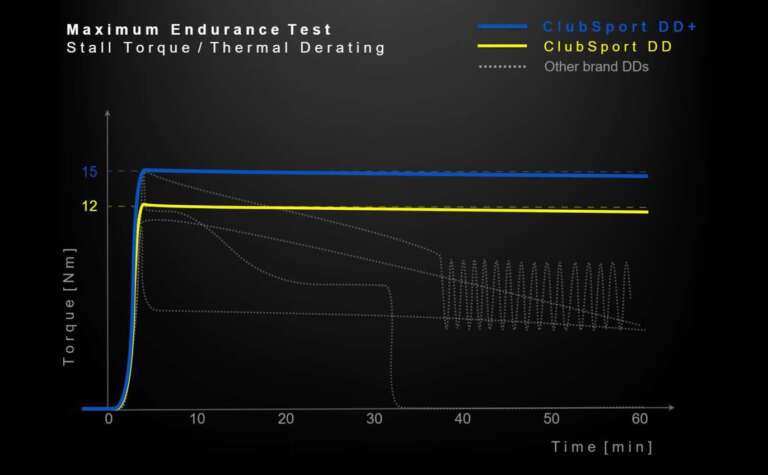
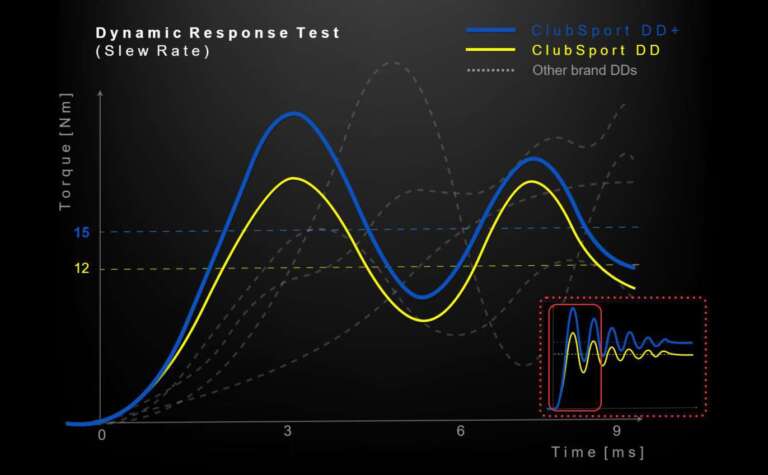
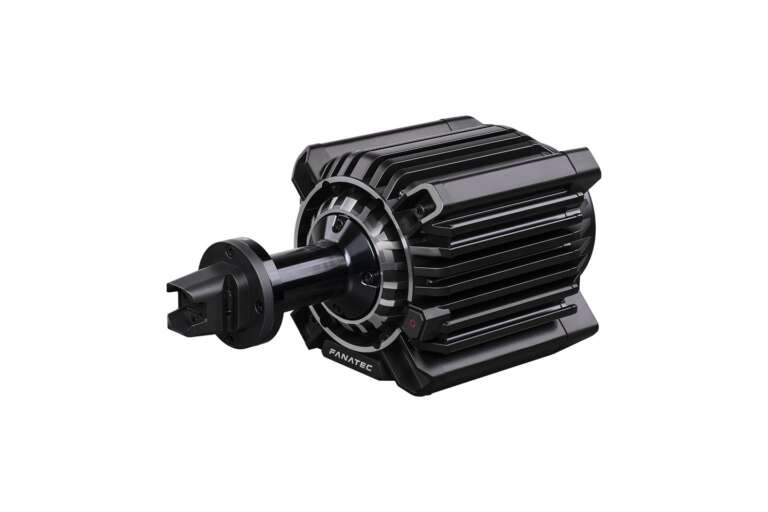
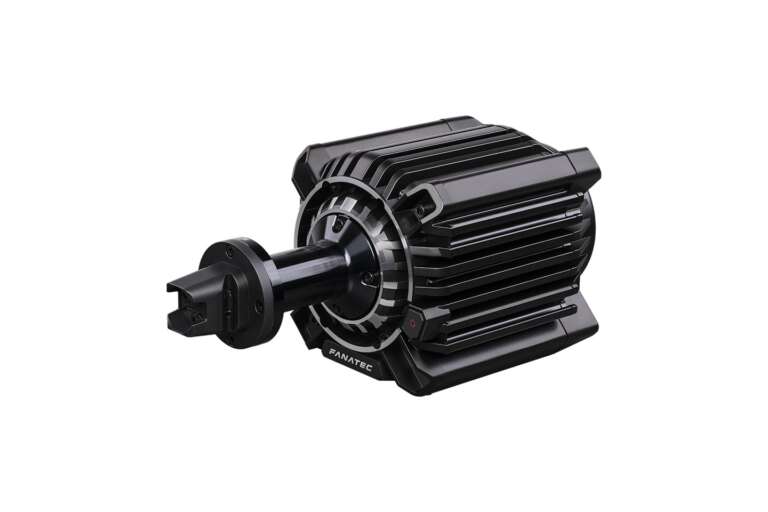
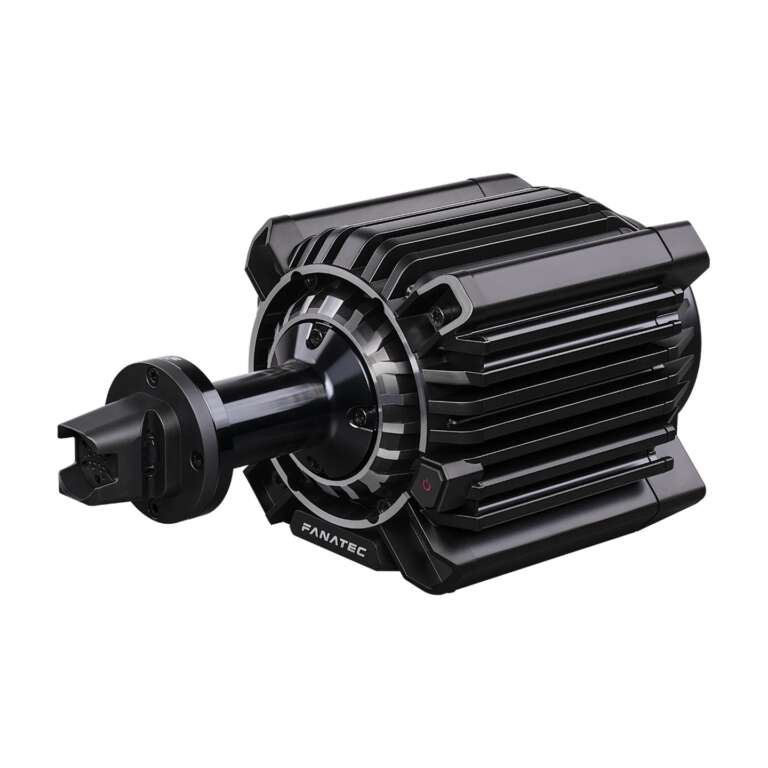
The base is the ClubSport DD+, and it’s the base because of a chip. PlayStation compatibility is a license chip in the base; the DD+ carries it, and Fanatec bills the DD+ as the most advanced direct drive system officially licensed for PlayStation 5.
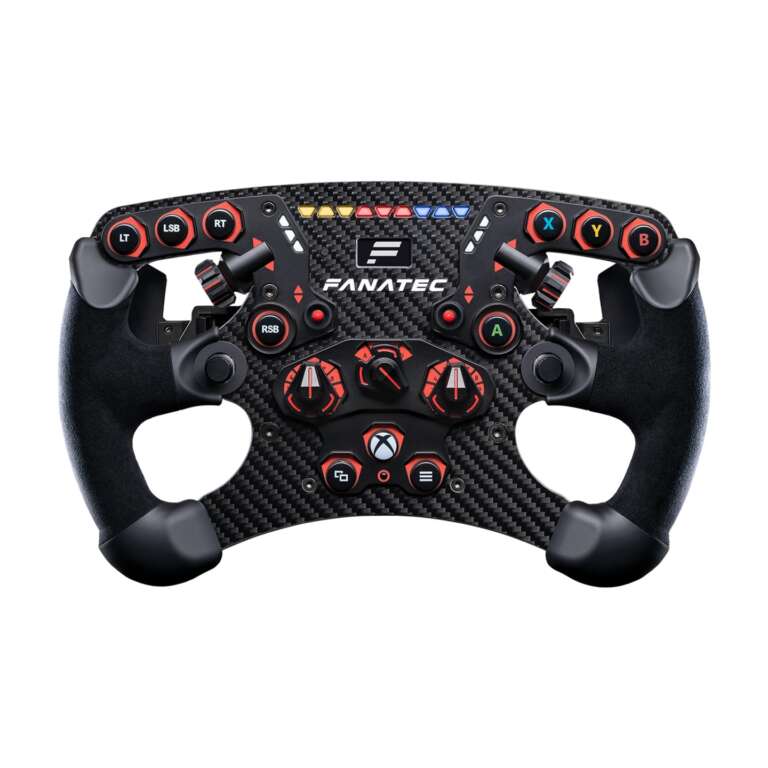
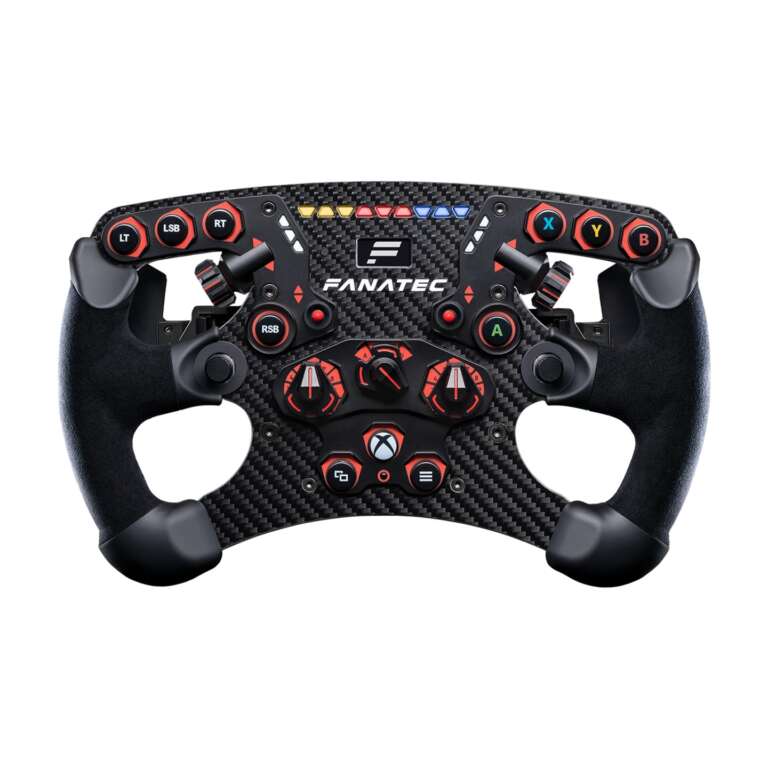
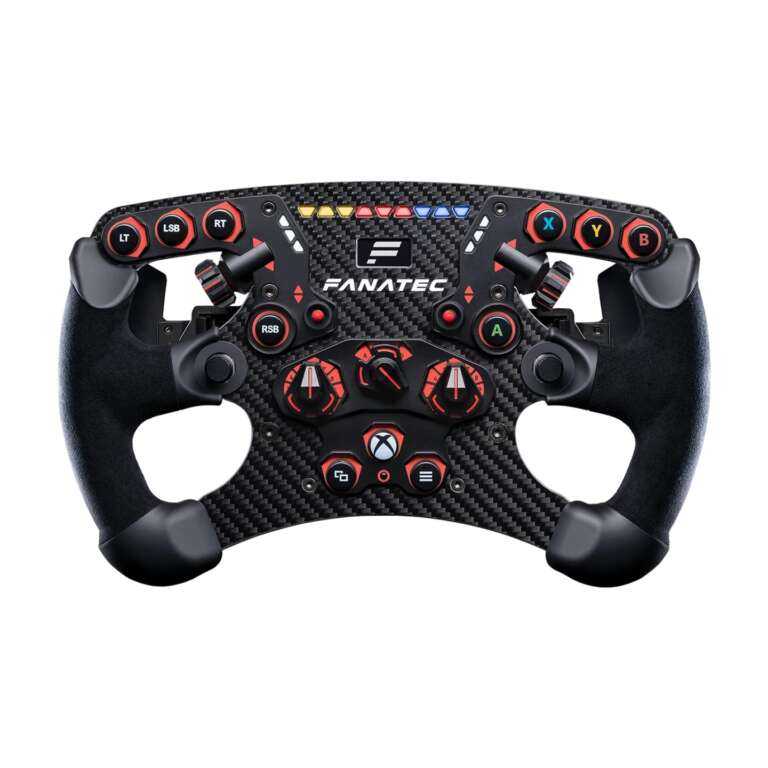
Xbox compatibility lives in the wheel instead, which is why this build specs the Xbox-licensed Formula V2.5 X.
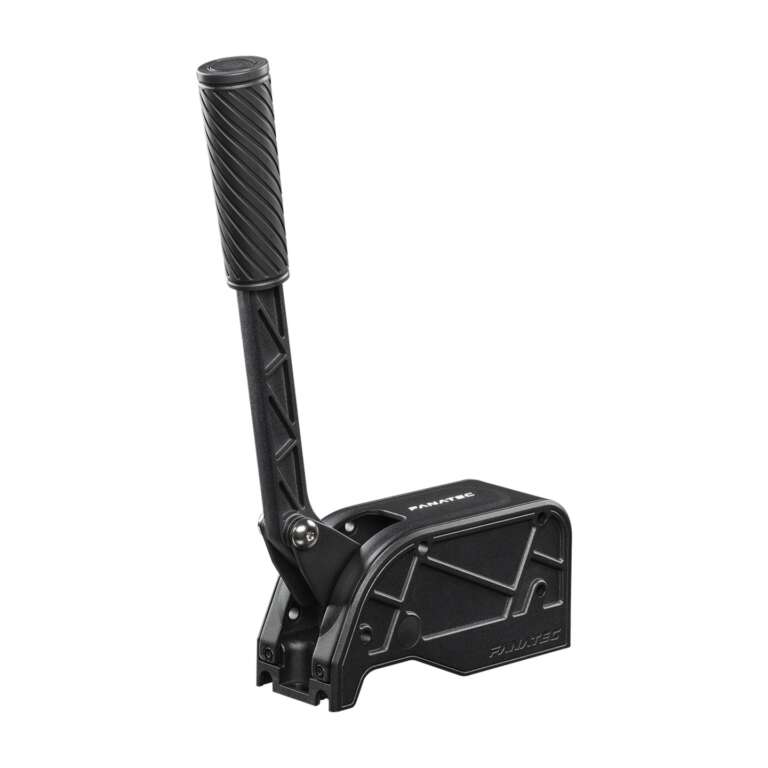
As specced, the rig is licensed for PC, PlayStation 5 and PlayStation 4, and Xbox Series X|S: Gran Turismo on the PS5 Pro on Friday, iRacing on the PC on Saturday. The ClubSport Handbrake V2 routes through Fanatec’s own US store at $229.99.
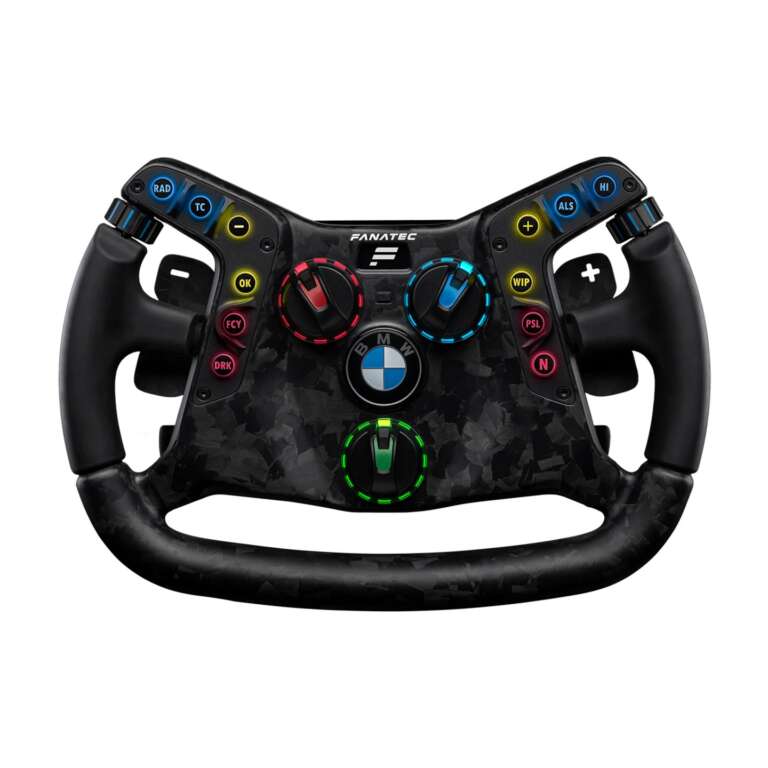
The BMW M4 GT3 wheel in the gallery is an option, not part of the build: $1,599.99, with no Xbox license, so fitting it takes Xbox off this rig. The build’s Xbox support lives in the Formula V2.5 X.
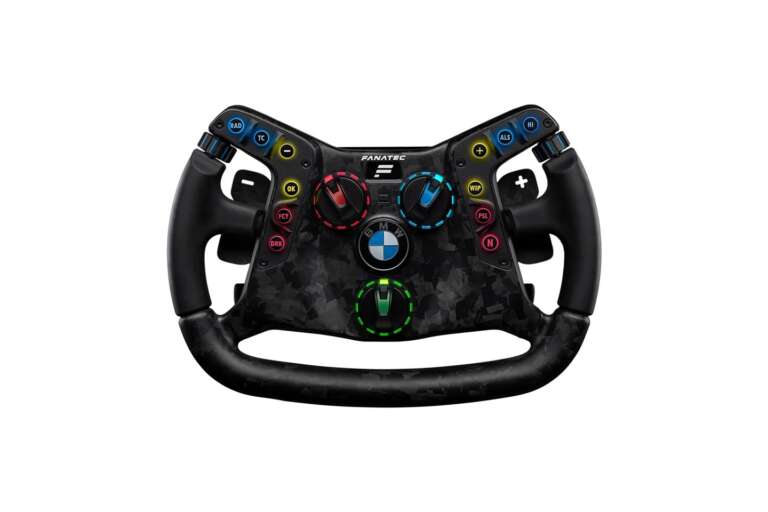
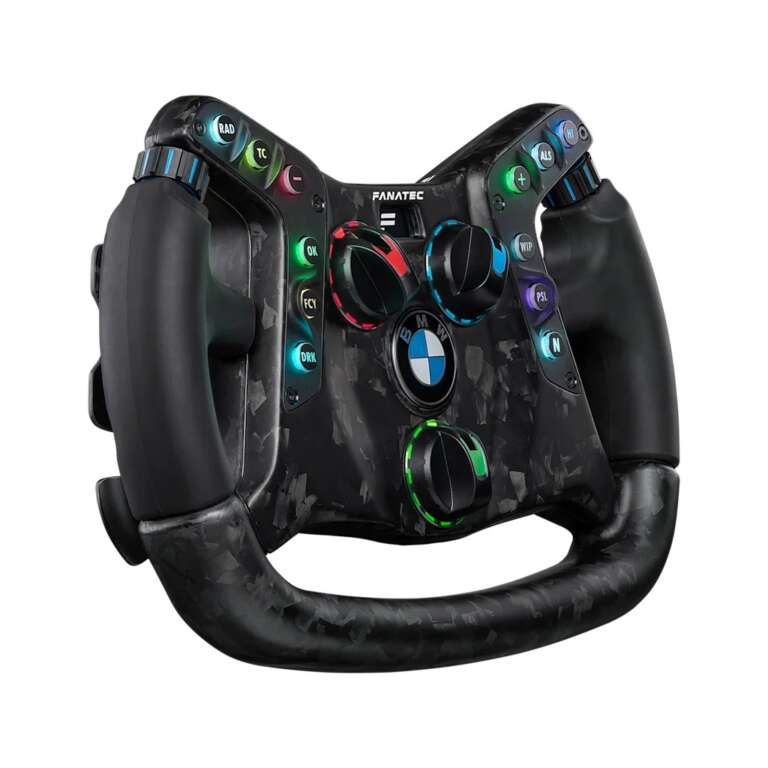
Price: $899.99 (Fanatec ClubSport DD+ Wheel Base)
Where to Buy: Fanatec
Price: $439.99 (Fanatec ClubSport Steering Wheel Formula V2.5 X)
Where to Buy: Fanatec
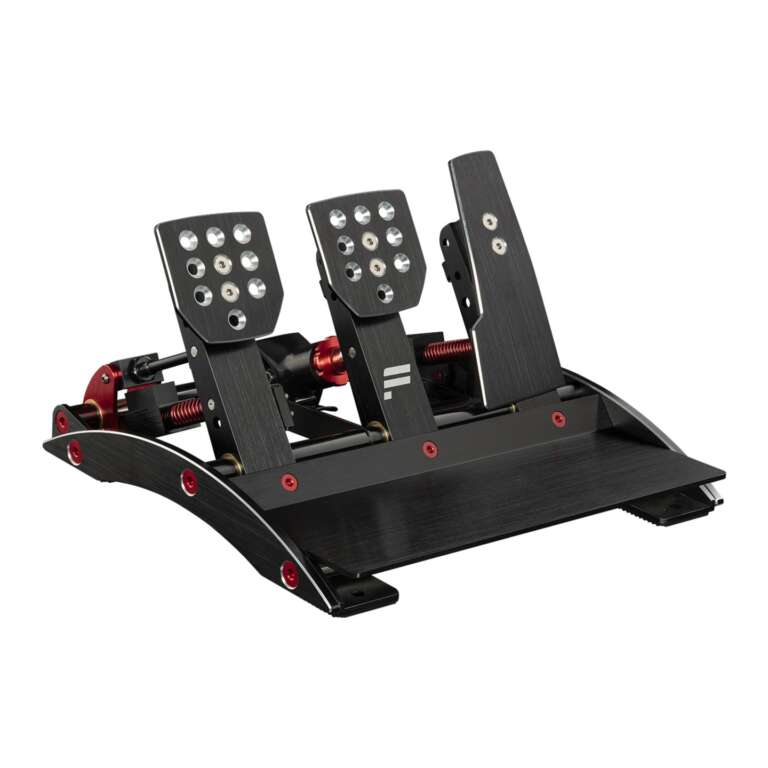
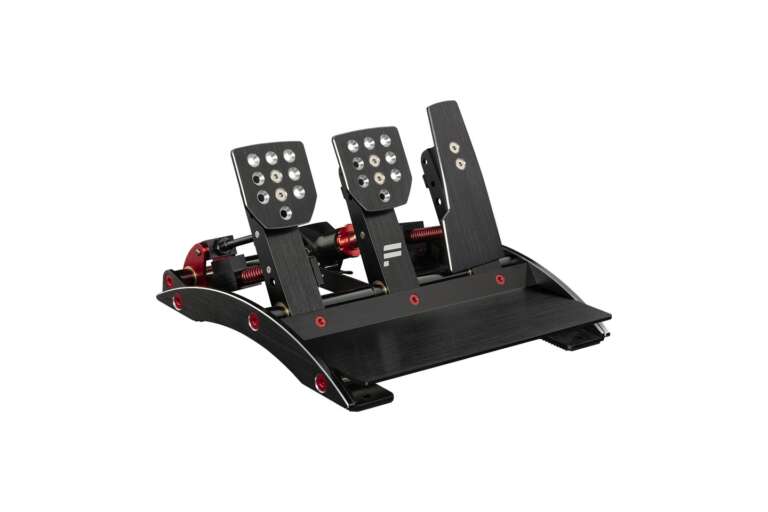
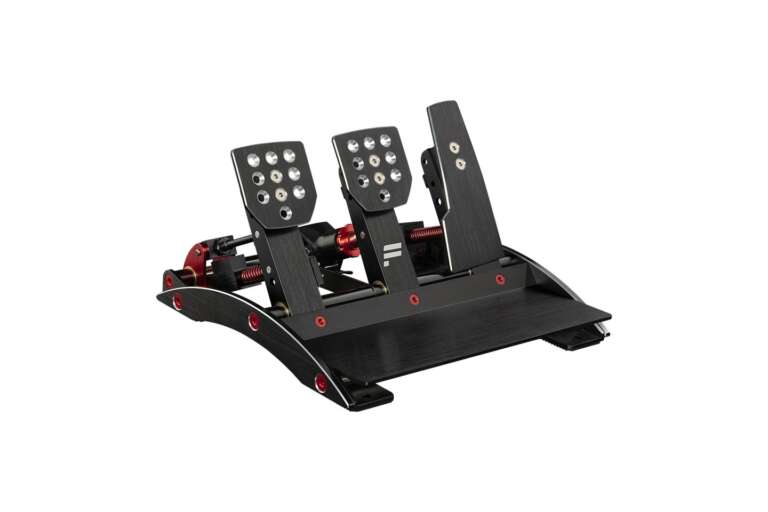
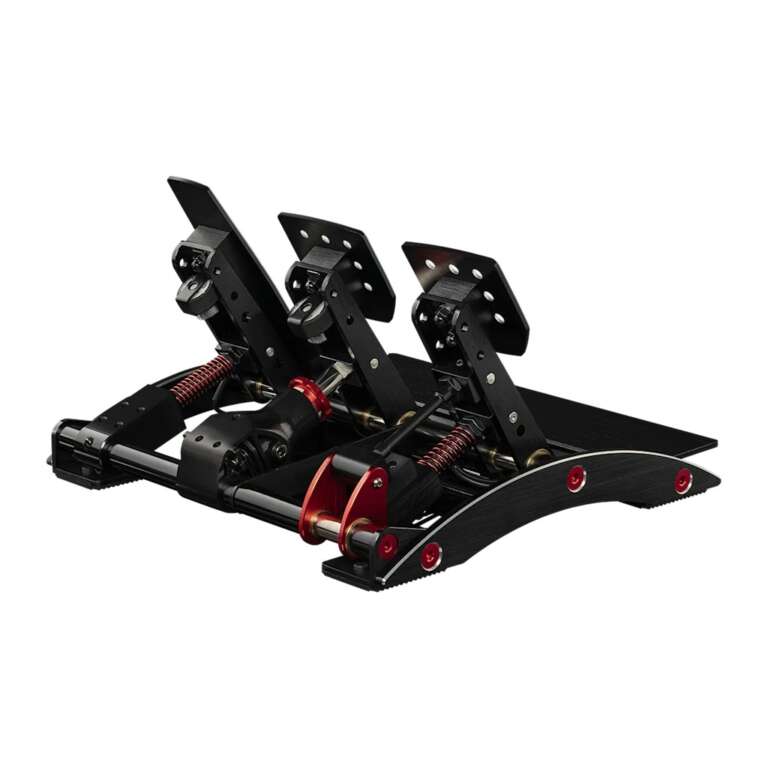
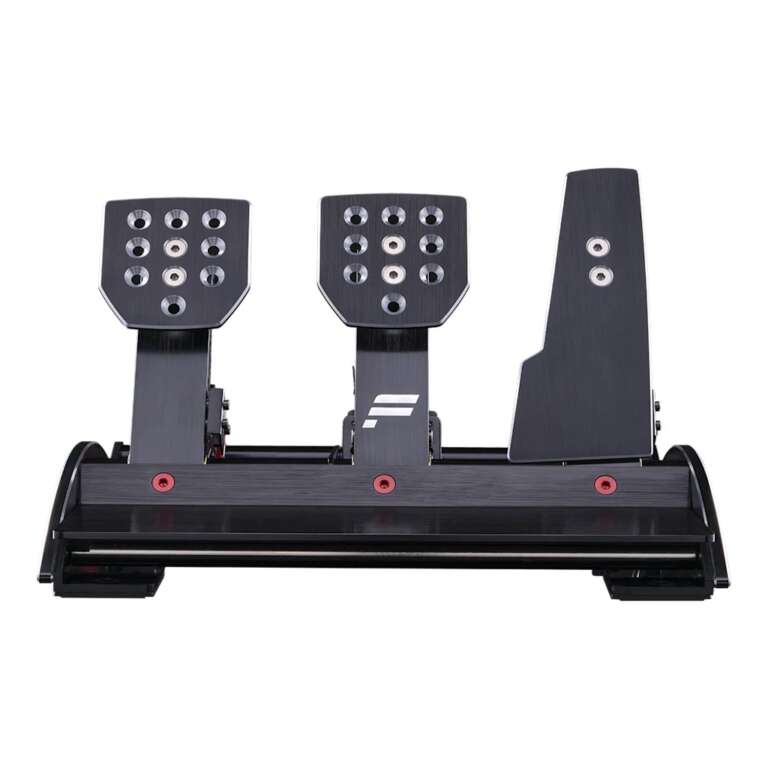
Price: $429.99 (Fanatec ClubSport Pedals V3)
Where to Buy: Fanatec (official US store)
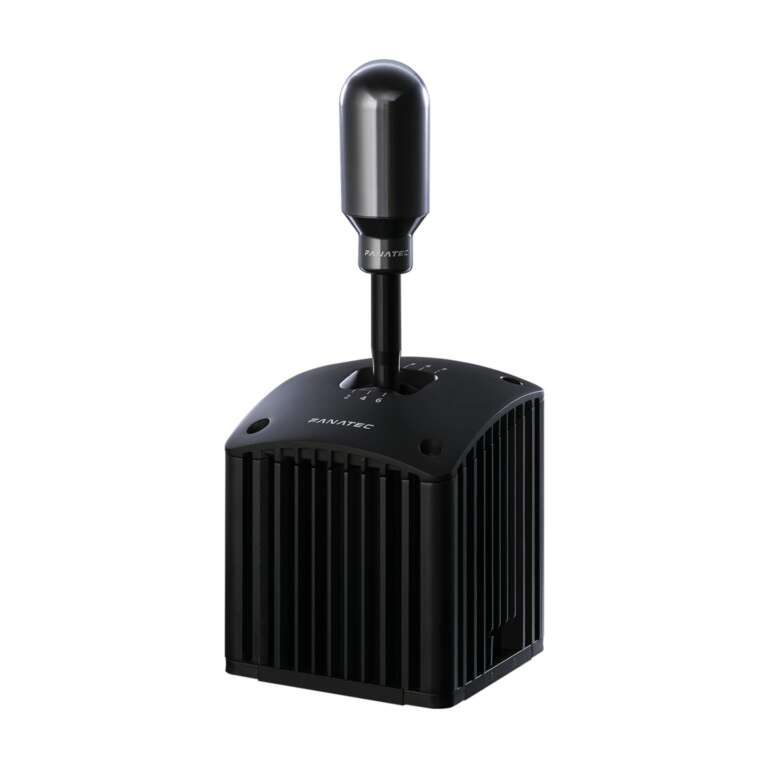
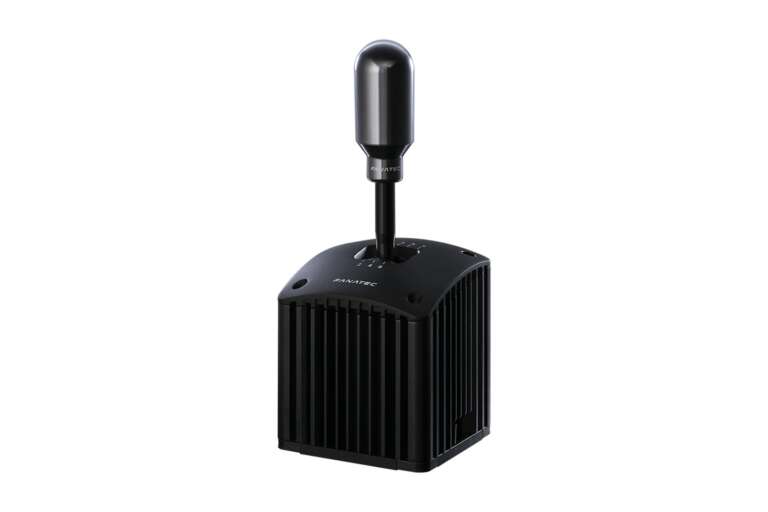
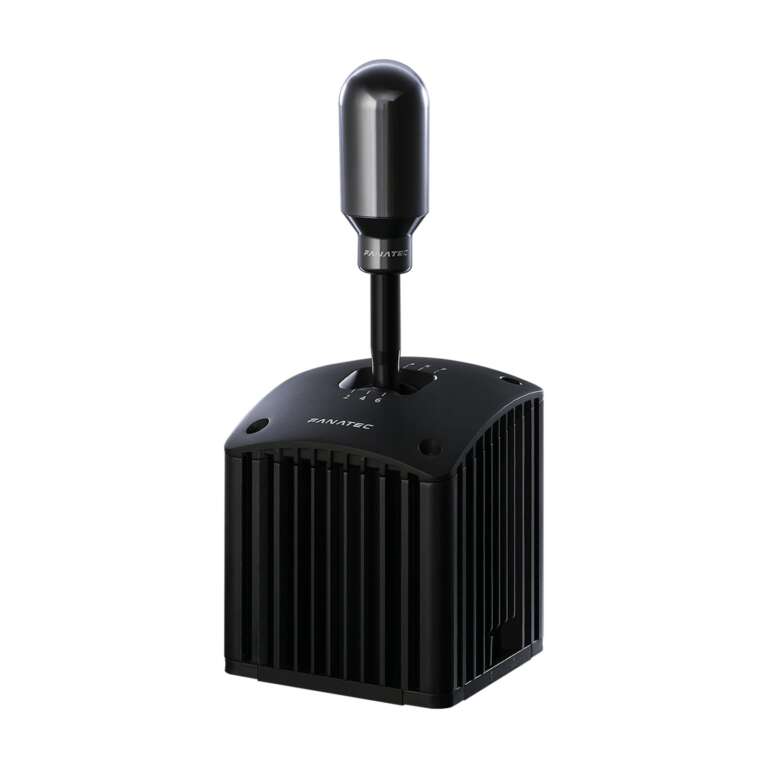
Price: $299.99 (Fanatec ClubSport Shifter SQ V1.5)
Where to Buy: Fanatec (official US store)
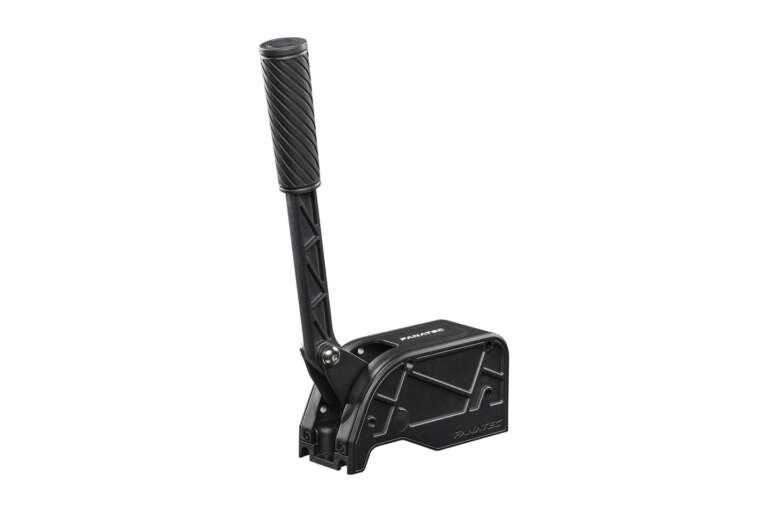
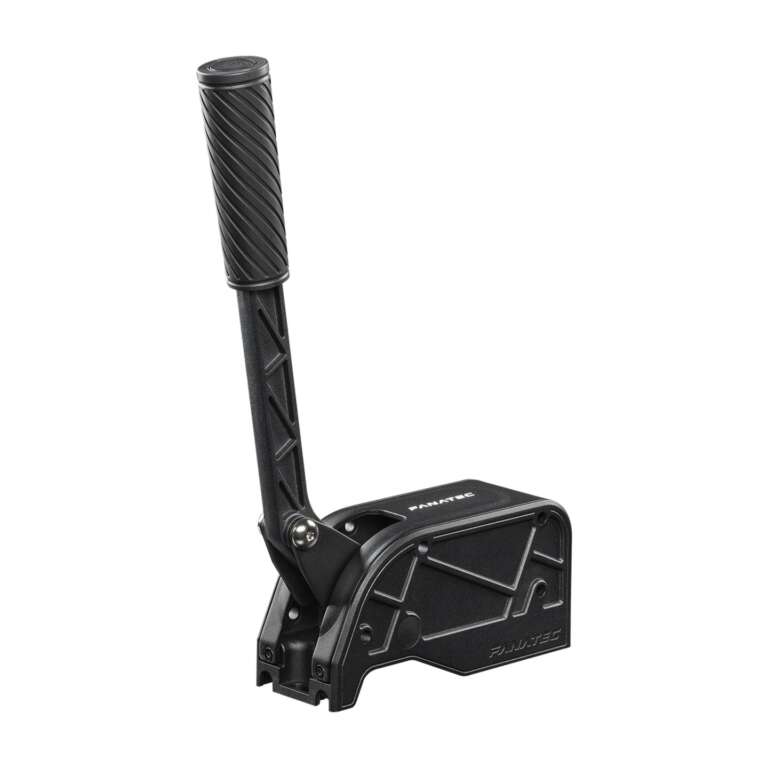
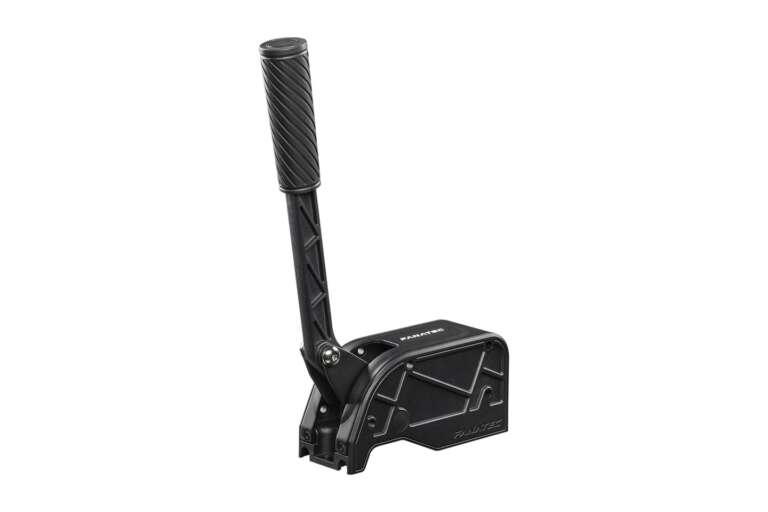
Price: $229.99 (Fanatec ClubSport Handbrake V2)
Where to Buy: Fanatec (official US store)
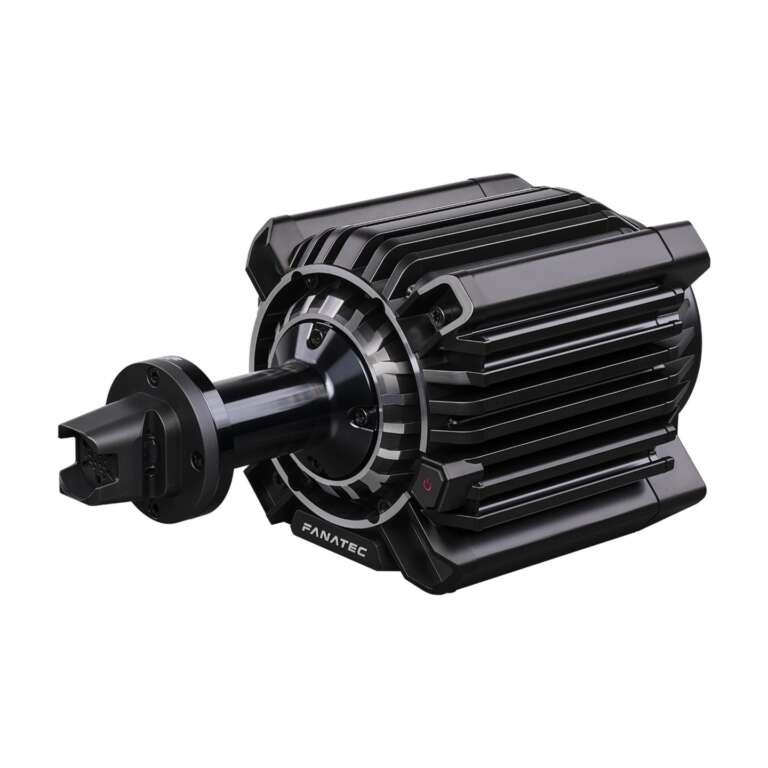
The stronger base is the trap. Fanatec’s Podium DD is its flagship base, 25 Nm holding against the DD+’s 18, and it costs $300 more. Buy it and PlayStation leaves this rig for good. The Podium DD carries no PlayStation license chip, and Fanatec’s own product page states it can’t be upgraded to achieve compatibility.
If PlayStation isn’t in your rotation, the Podium DD is the more powerful buy, and the one to get.
If PlayStation’s in your rotation, the DD+ isn’t the compromise pick. It’s the only flagship base Fanatec sells that runs the console. Either way, one console truth survives: a PS5 Pro can’t fill a 32:9 panel, so console play on the Neo G9 is a 16:9 picture pillarboxed inside the panel, side bars doing the decorating.

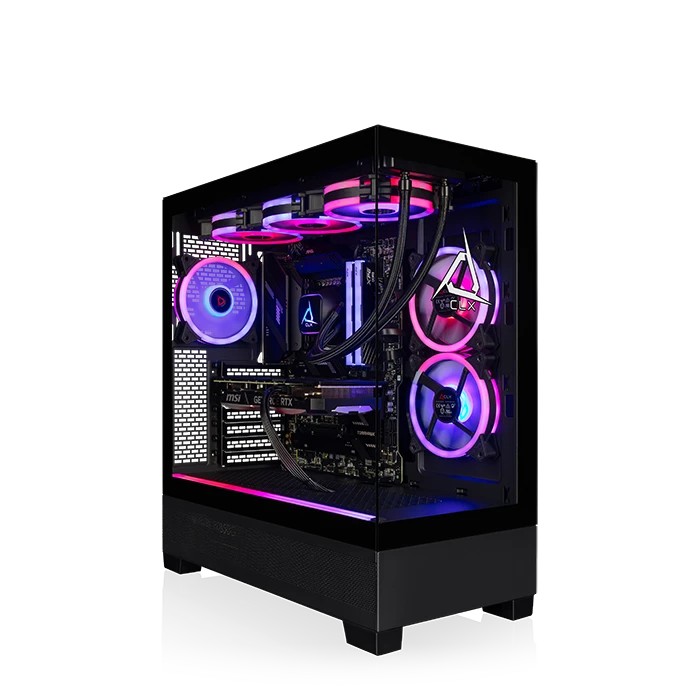
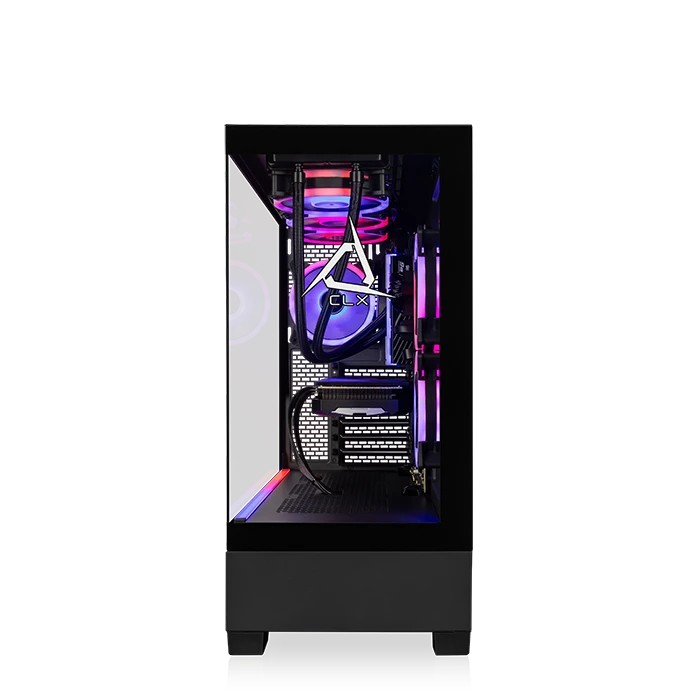
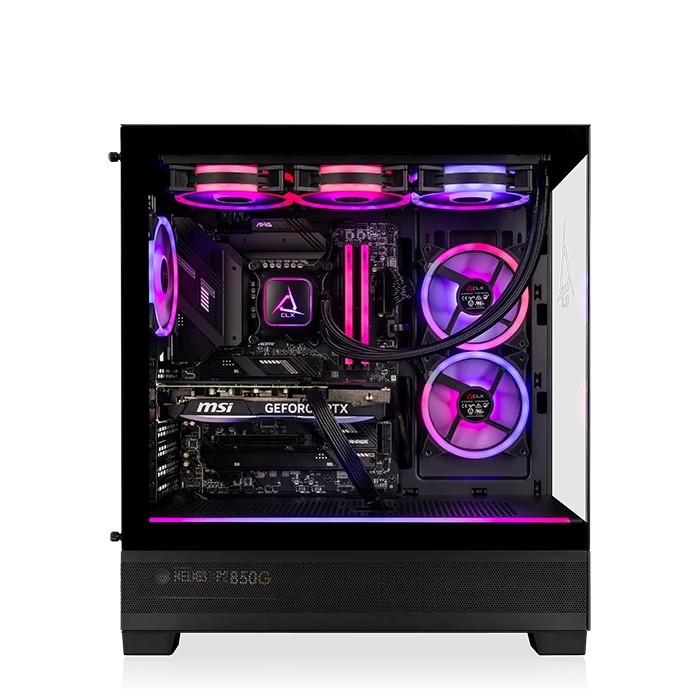
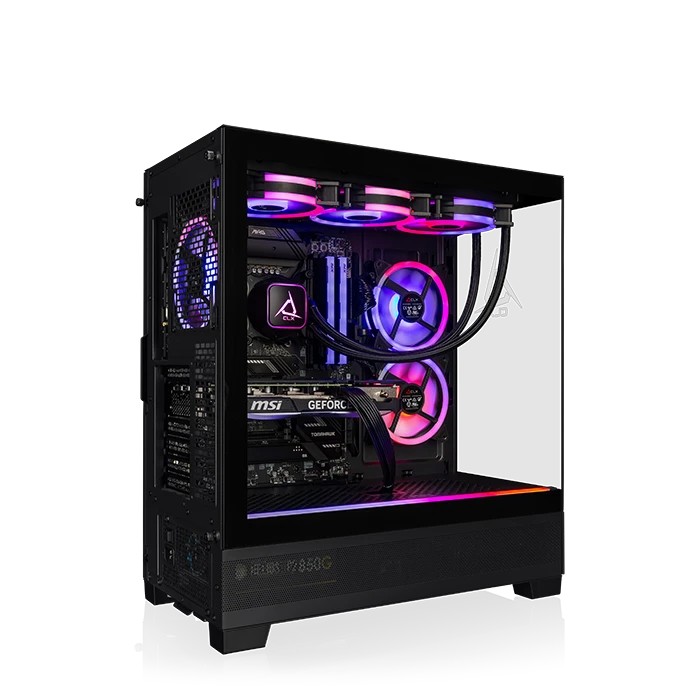
Price: $10,149.99 (CLX SET Gaming Desktop, sold and shipped by CLX Gaming)
Where to Buy: Best Buy Marketplace
Price: $899.99 MSRP (Sony PlayStation 5 Pro, buy only at an MSRP restock, see the resale trap in the no-remorse section)
Where to Buy: Best Buy

Build four: the GT build, $5,392.96 in listed hardware
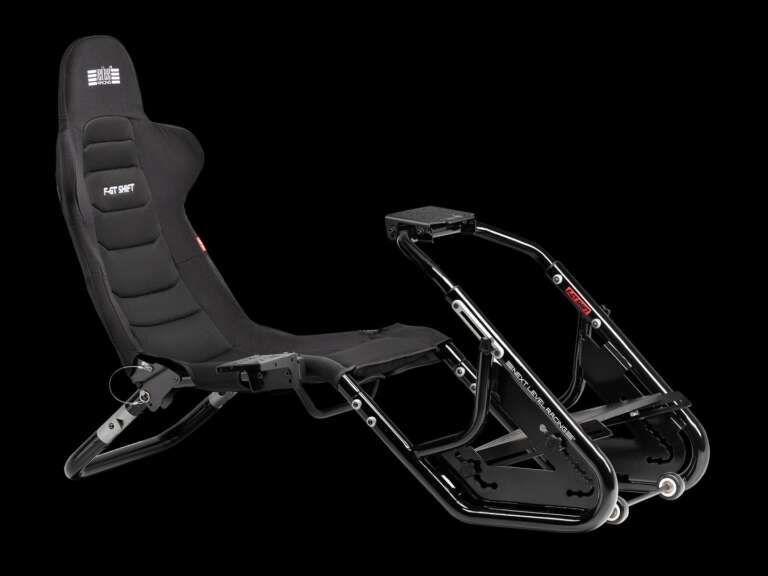
Build four is the entry rung, and it’s a real rig, not a starter toy you replace in a year. The cockpit is the Next Level Racing F-GT Shift, list $549, $499 on sale. It’s a folding steel frame that swaps between Formula and GT positions in under five seconds, with the SIMAERO Mesh seat and a shifter arm in the box.
Next Level Racing rates it for direct-drive bases up to a recommended 15 Nm, and it takes no motion platform, and those two facts spec the rest of the build.
Price: $499.00 (Next Level Racing F-GT Shift, sale, list $549)
Where to Buy: Next Level Racing
The base is Moza’s R12 V2 at $399, 12 Nm of direct drive sitting 3 Nm under the ceiling. Moza’s KS wheel ($229), CRP2 load-cell pedals ($369), HGP shifter ($149) and HBP handbrake ($99) chain into the base’s own ports, so one USB cable runs to the PC.
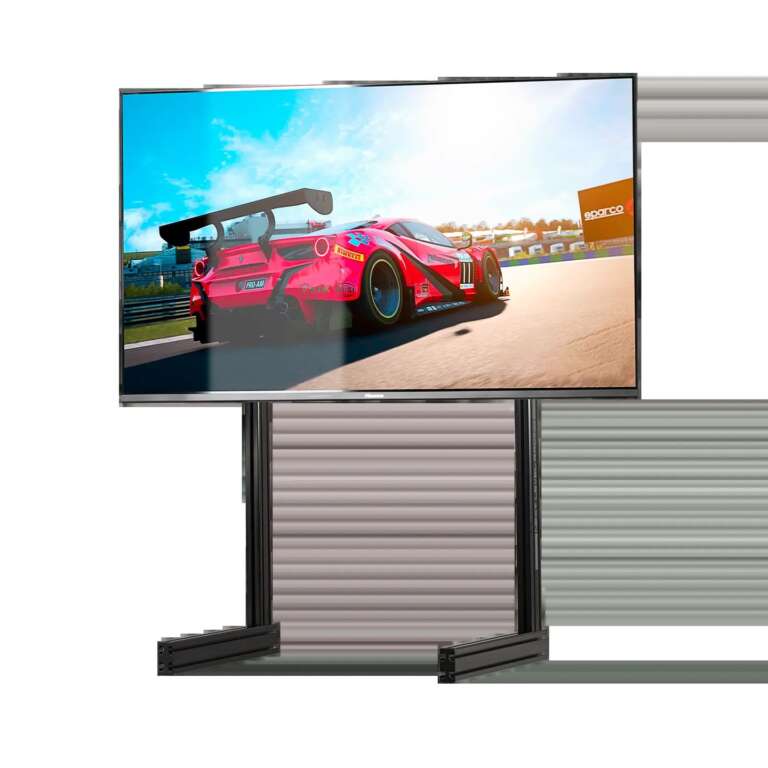
One screen: LG’s 34-inch UltraGear OLED, 3440×1440 at 240 Hz, $699.99 at Best Buy, on Next Level Racing’s freestanding single monitor stand ($299.99). The Shift has no screen mount, and the stand lets the cockpit fold away under the panel. The PC is an iBUYPOWER Element Pro with a Ryzen 7 9800X3D and an RTX 5070 Ti, $2,359.99, the GPU tier this guide pairs with a single 3440×1440 panel.
A SteelSeries Arctis Nova 7 Gen 2 ($189.99) covers audio.
Price: $299.99 (Next Level Racing Elite Freestanding Single Monitor Stand)
Where to Buy: GigaParts
Price: $399.00 (MOZA R12 V2 Direct Drive Wheel Base, sale, list $469)
Where to Buy: Amazon / MOZA Racing
Price: $229.00 (MOZA KS Steering Wheel, sale, list $279)
Where to Buy: MOZA Racing
Price: $369.00 (MOZA CRP2 Load Cell Pedals, sale, list $399)
Where to Buy: MOZA Racing
Price: $149.00 (MOZA HGP Shifter)
Where to Buy: MOZA Racing
Price: $99.00 (MOZA HBP Handbrake)
Where to Buy: MOZA Racing
Price: $699.99 (LG UltraGear 34GS95QE-B 34-inch OLED, sale)
Where to Buy: Amazon / Best Buy
Price: $2,359.99 (iBUYPOWER Element Pro Gaming Desktop)
Where to Buy: Best Buy
Price: $189.99 (SteelSeries Arctis Nova 7 Wireless Gen 2)
Where to Buy: Amazon / SteelSeries
Here’s the catch list behind the total: the CRP2 set is throttle and brake only, so the clutch pedal the H-pattern shifter wants is priced in at $99.
Display mounting is priced in, it’s the stand above.
Seat, wheel quick release, base mounting, pedal mounting and a USB hub each need nothing. The seat and the shifter arm are in the Shift’s box, and the quick release is fitted to the KS wheel as standard. The base and pedals bolt straight to the Shift’s plates, and the pedals, shifter and handbrake chain into the R12 V2’s own ports, so nobody budgets for parts already in the boxes.
Moza is PC-only at this tier, with no console path, and the Moza R16 V2 isn’t offered as an upgrade here, because its 16 Nm overshoots the Shift’s 15 Nm guidance.
Price: $99.00 (MOZA CRP2 Clutch Pedal, the priced-in extra)
Where to Buy: MOZA Racing (official store)
No buyer’s remorse: the traps, all in one place
The general traps, consolidated. The Fanatec licensing trap: PlayStation lives in the base, Xbox lives in the wheel, and a Podium DD bought for PlayStation can’t be upgraded to fix it. One CloudXR conflict: KRVR pins CloudXR runtime 6.2.0, iRacing Connect expects 6.0.5, and with KRVR’s runtime active, iRacing Connect stops working until the active runtime is managed back.
The PS5 Pro resale trap: $899.99 is the MSRP, resale listings run $1,300 to $1,700, and the correct move is to wait for an MSRP restock and pay none of that premium. Motion: a Motion Plus pair needs a cockpit built for it, fixed feet instead of castors while you drive, floor space for a full-cockpit mover, and power for two platforms plus everything else in the rig. Plan the room and the circuit before the platforms arrive.
Freight: profile cockpits, 57-inch panels and motion platforms ship heavy, sometimes by freight, and pre-tax totals in this guide don’t include shipping, which varies by retailer. Subscriptions: the sims themselves, iRacing in particular, run on subscriptions and paid content on top of every hardware total here, so budget the software year alongside the hardware day.
Four builds, four bills
The flagship is the monument: motion, triple OLED, active pedals, the strongest base Simucube sells. The VR build is the sharpest single point of view in this guide, and the biggest PC. The household rig buys reach: three platforms, one screen, one ecosystem, and $20,618.83 left against the flagship’s bill.
The GT build is the entry rung: a folding cockpit, a 12 Nm Moza stack, one OLED ultrawide, and $32,503.78 left against the flagship’s bill.
Pick the build that matches your room, your screen and your platforms, and stop pricing rigs built for somebody else’s racing. Stop there.