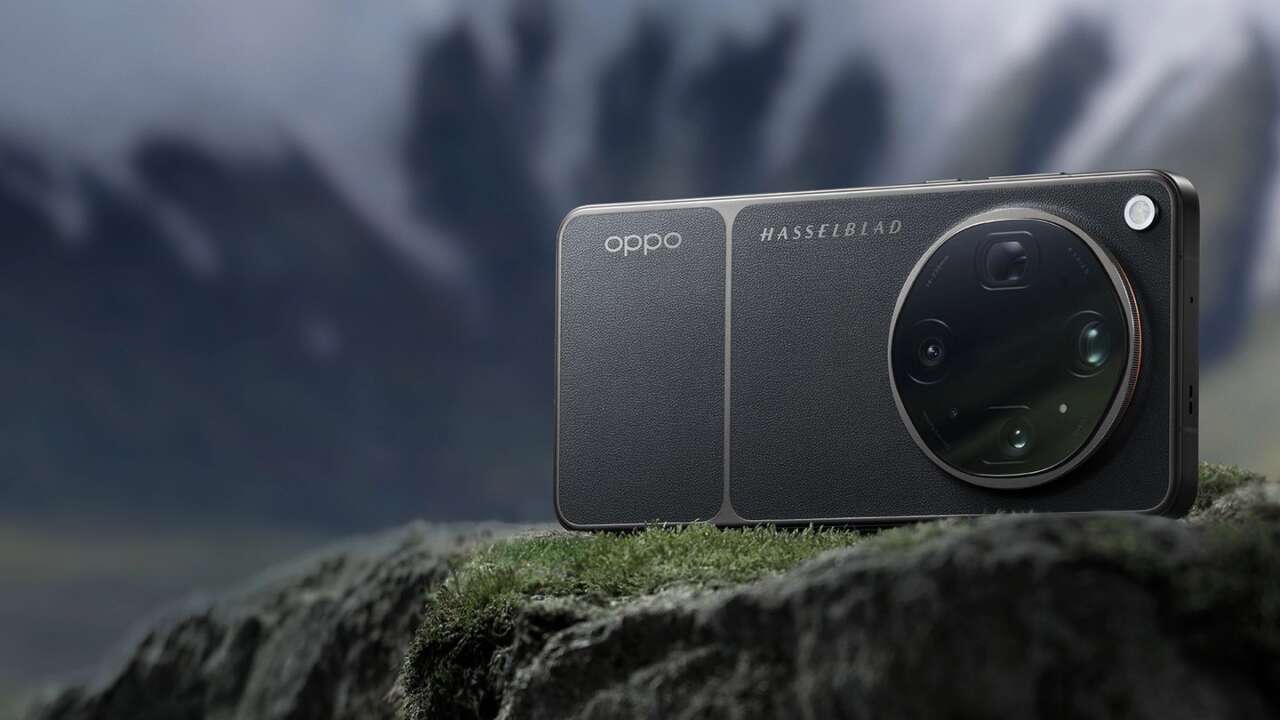
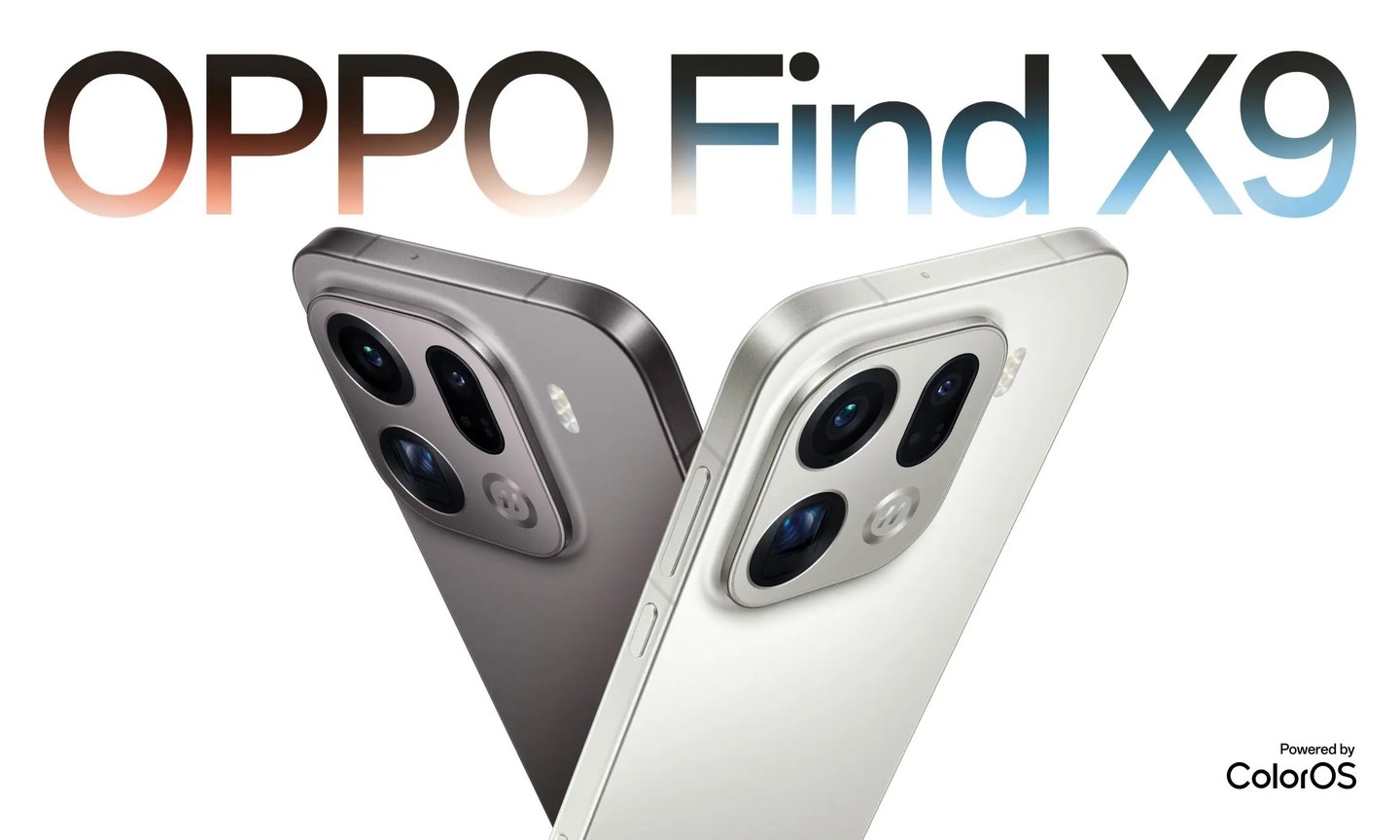
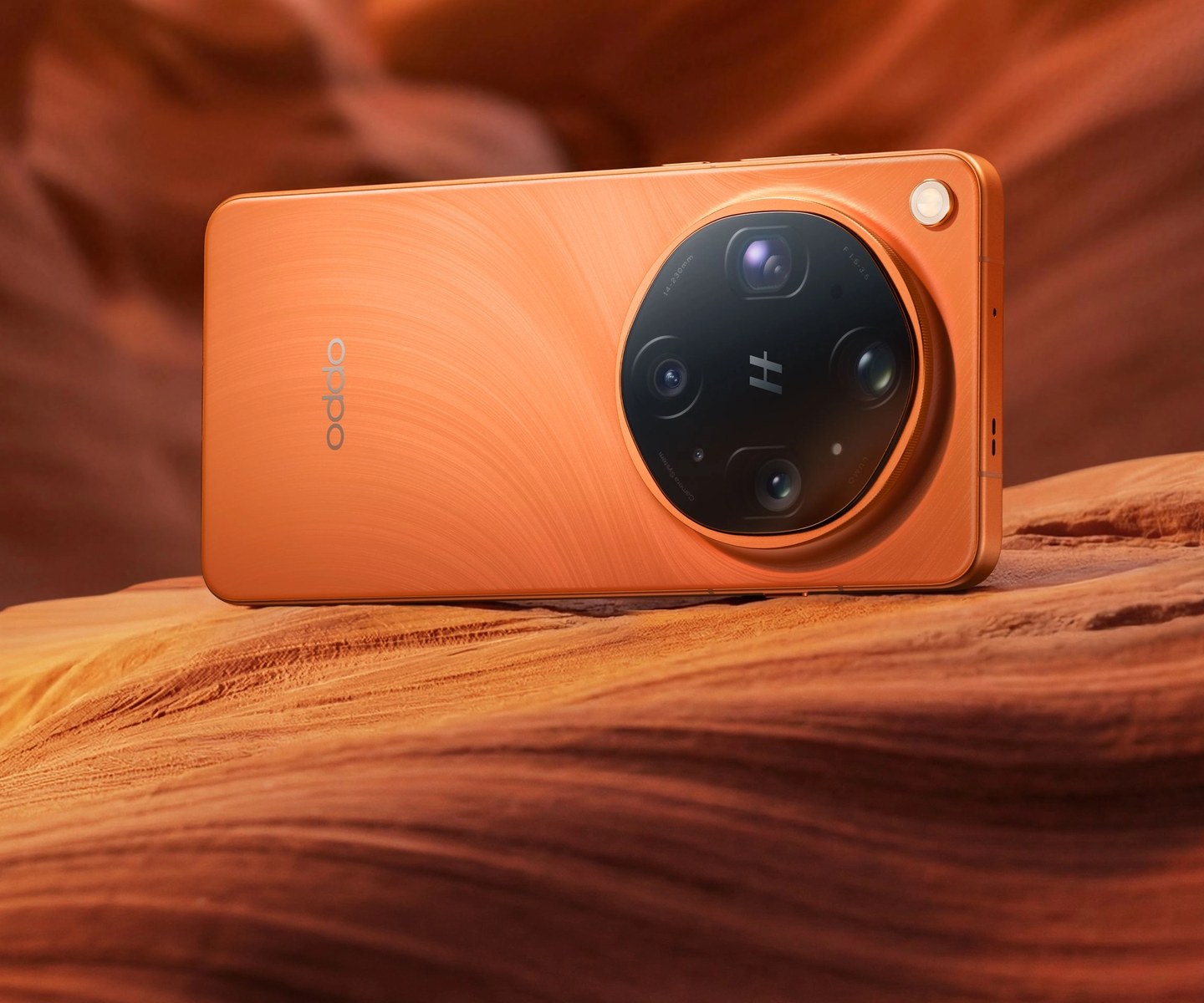
The next OPPO Ultra flagship, codenamed Nebula, arrives in a leak built around a native 10x optical zoom and a flagship MediaTek chip in testing. The claims trace to one origin: Digital Chat Station, a Weibo tipster, laid out the Nebula sheet in posts on Weibo. OPPO has confirmed none of it. The phone pictured above is the shipping Find X9 Ultra; the X10 Ultra is unannounced, and OPPO has released no images of it.
The leak puts the 10x in the glass

Phone zoom has spent years as a cropping contest. Brands print 30x, 60x, 100x on the box, and software carves the shot out of the middle of a wider frame, guessing at the detail the sensor never captured. A native 10x periscope works the other way: real glass bends the light path inside the body, and the full sensor sits behind the reach. A face in a crowd and a singer at the back of a stage land on the full sensor.
The reported unit is a 50MP camera. It does not work alone: the leak pairs it with a second periscope carrying a 200MP sensor, covering portraits and the closer range. At 10x, small hand movements multiply across the frame, which is why reach on paper and reach in the hand are different things. Native 10x is a focal-length claim, not a finished-photo claim: the sensor behind the glass and the processing behind the sensor decide the photograph, and neither can be graded off a leak sheet.
The arrangement itself is not new at the top of OPPO’s own line. The shipping Find X9 Ultra already runs this layout; OPPO’s launch release for that phone says so, and its reported sheet runs a 200MP main camera at the same ~1/1.12-inch class, a 200MP periscope, and the 50MP 10x unit on Snapdragon 8 Elite Gen 5 silicon. The Find X9 Pro tops out at 3x optical from its 200MP Hasselblad telephoto, a 1/1.56-inch sensor at f/2.1, and its only route to a true 10x is the optional Hasselblad Teleconverter, a bolt-on accessory. What continues is the layout.
Two 200MP cameras, one job
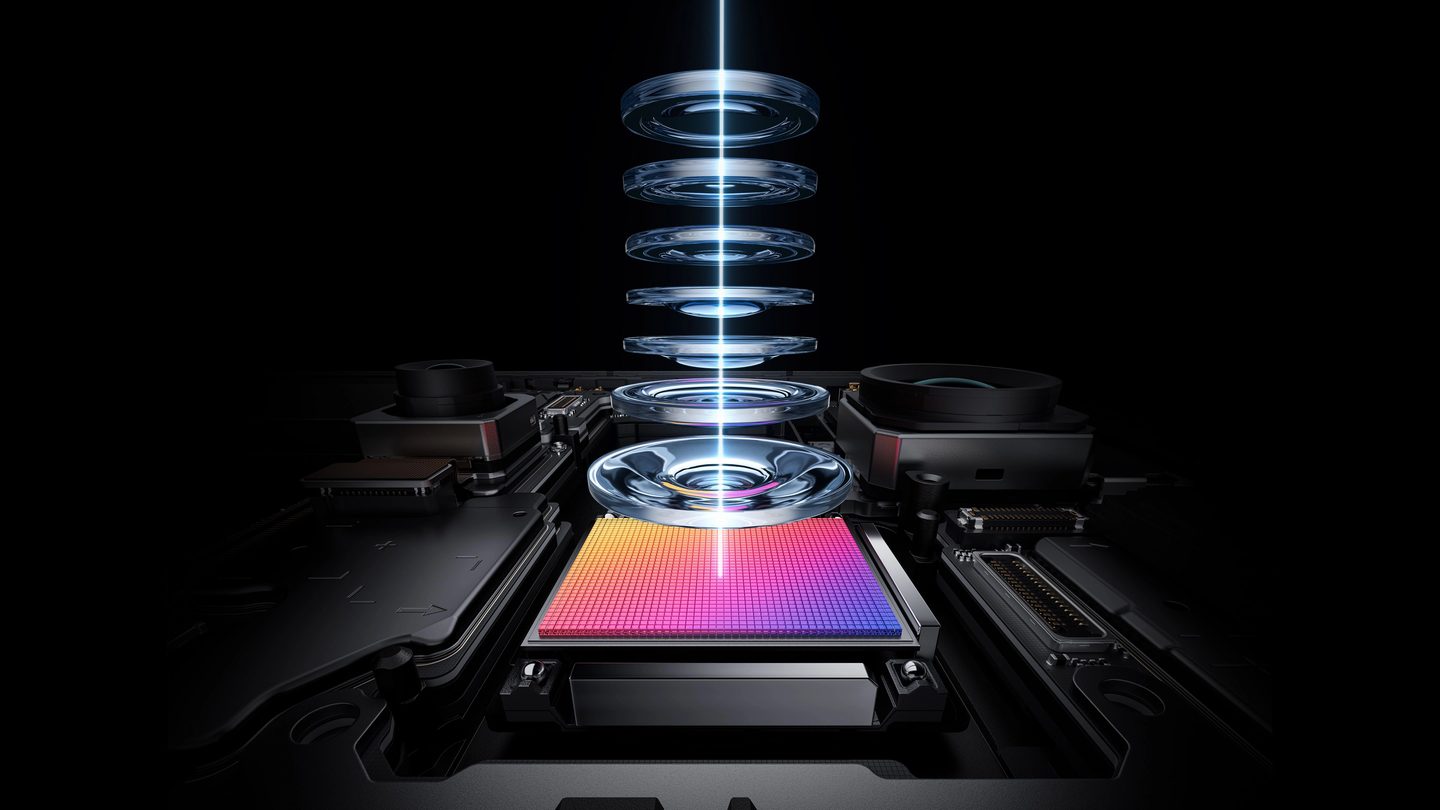
The leak gives the main camera a 200MP sensor at roughly 1/1.12 inches with LOFIC technology behind it. LOFIC, short for lateral overflow integration capacitor, is a sensor design that stores excess charge inside the pixel instead of letting highlights clip, which helps a sensor hold bright detail longer in the same exposure (Sony Semiconductor’s LOFIC explainer). That describes the technology in general, not OPPO’s part. The camera post names candidate sensors, HPA and HPU, without settling a final choice.
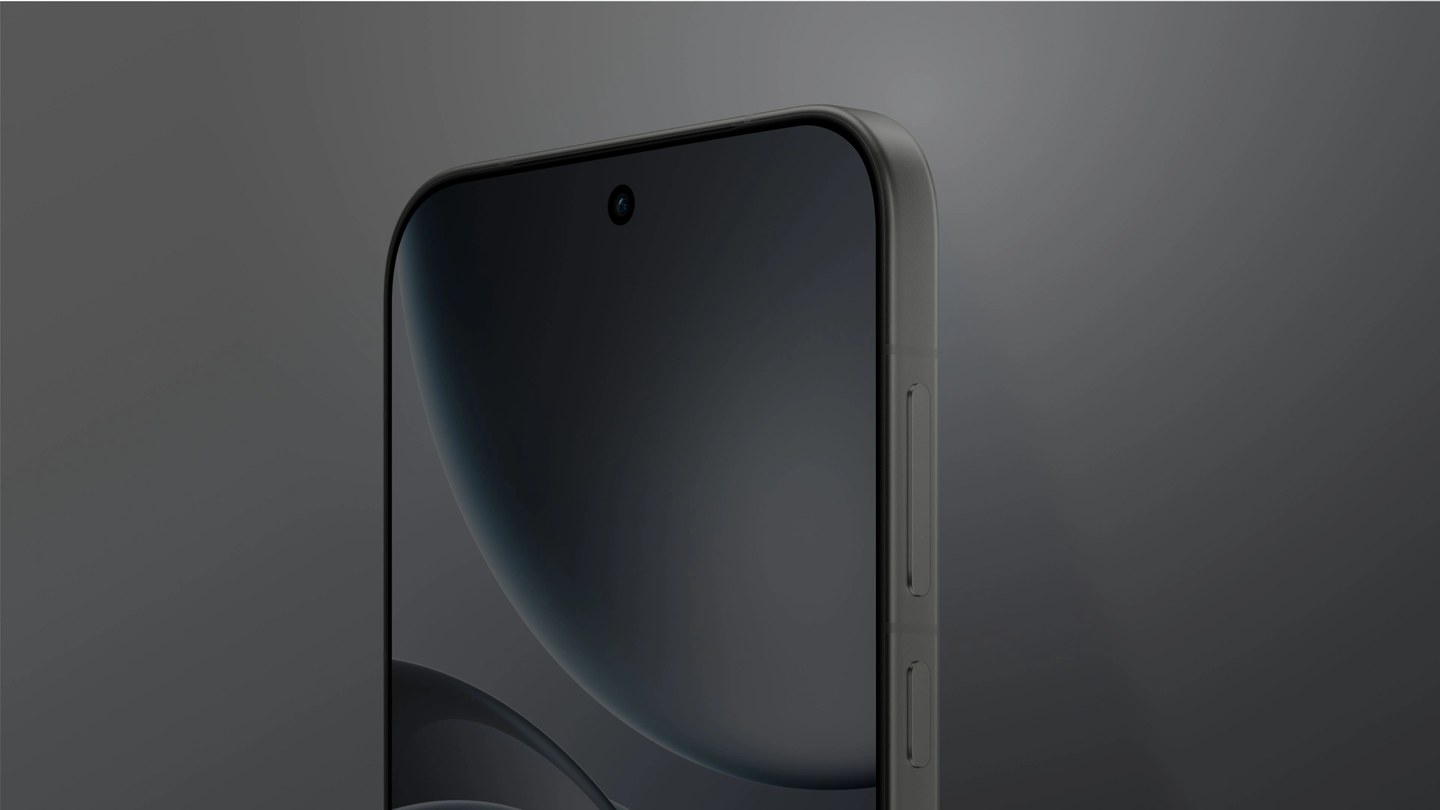
The second 200MP sensor sits behind the mid-range periscope at about 1/1.3 inches, and the front camera jumps to a reported 100MP on a square sensor. A square front sensor leaves room for portrait or landscape crops from the same frame; a rectangular landscape crop still discards vertical pixels, so the format keeps both framings available instead of forcing the choice before the shot. The leak frames the whole array as a 200MP high-dynamic-range imaging system.
Two sensor choices stay open in the detailed camera post: the 10x unit’s sensor, targeted near 1/1.95 inches with a smaller fallback still possible, and the 200MP periscope’s sensor model.
The chip is the gamble
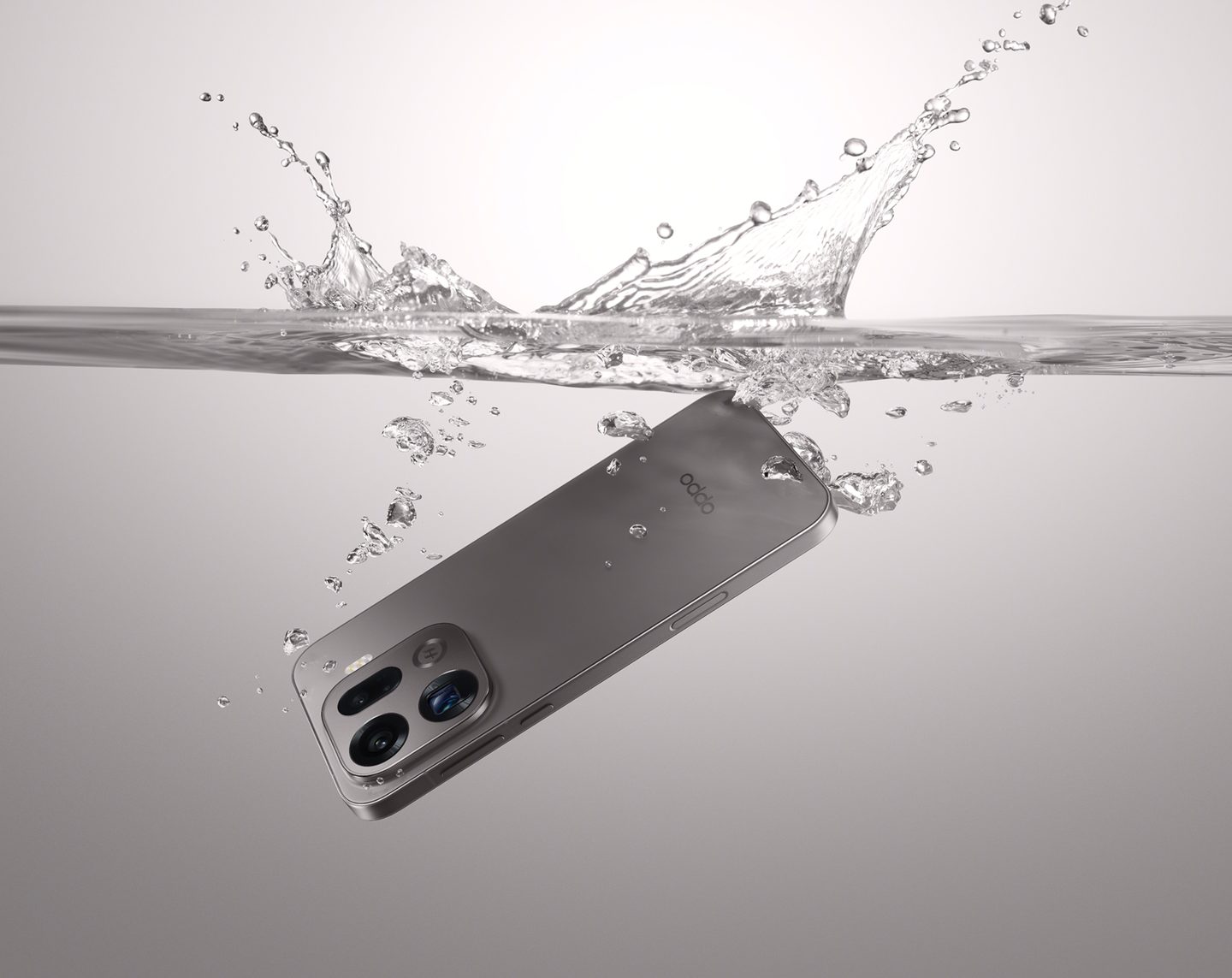
The chipset is where the leak breaks from the line. Digital Chat Station’s original Nebula post reports OPPO testing the X10 Ultra on MediaTek’s Dimensity 9600 Pro, a flagship chip on a 2nm process, and pitches a Dimensity-powered X10 Ultra as the first Ultra-class phone in its tier to ship on MediaTek silicon. An engineering test is not a shipping decision, and the post reports a test, nothing further.
MediaTek’s own release for the 9600 Pro leads with the 2nm node and the company’s lab numbers, measured on its own benches. The split is already on OPPO’s shelf, though: the Find X9 Ultra runs Snapdragon power, and the Find X9 Pro runs the Dimensity 9500.
A 6.89-inch canvas
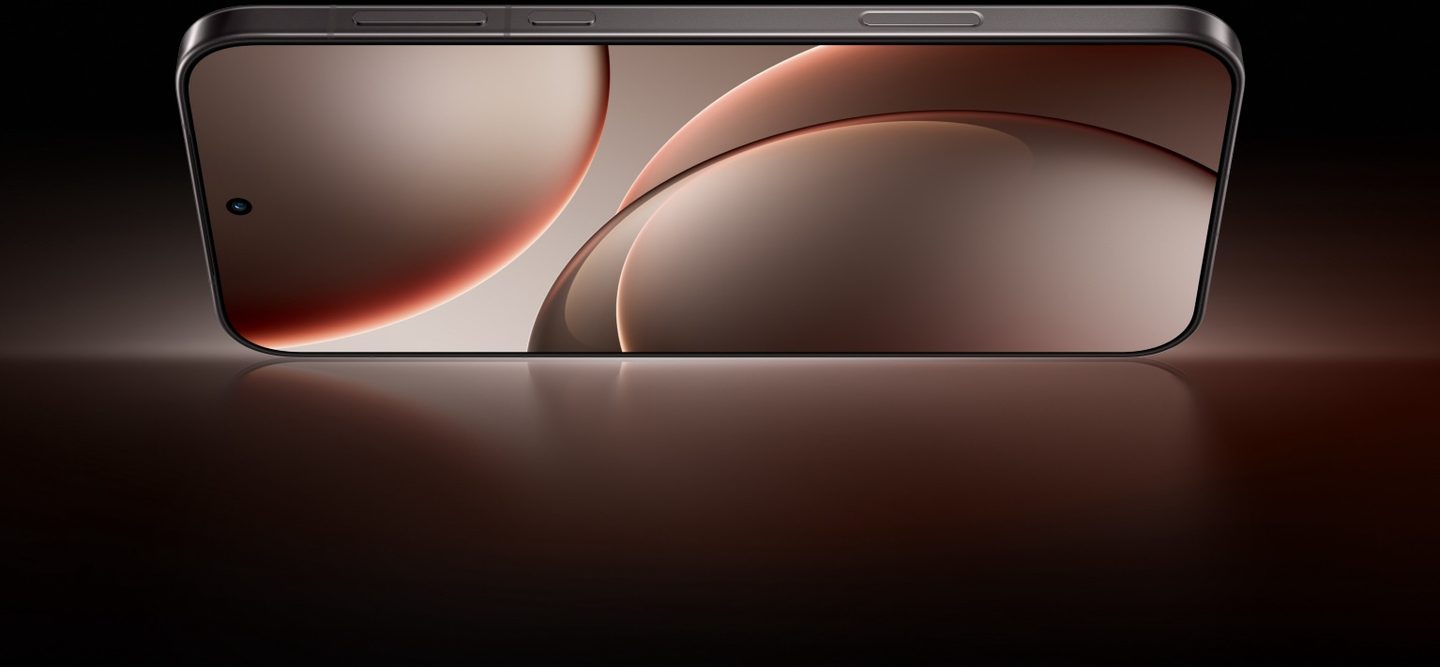
The display sheet reads: a 6.89-inch BOE panel at 2K resolution and a 144Hz refresh rate, with narrow, symmetrical bezels on all four sides and large rounded corners in the glass.
Verdict
The layout is proven: OPPO already sells it in the Find X9 Ultra. The leak’s real weight sits in what changes around that layout: two sensor decisions still open, a reported LOFIC main camera, and an Ultra flagship testing on MediaTek silicon. Shipping the Dimensity 9600 Pro would bring MediaTek into OPPO’s Ultra line alongside its established long-zoom camera layout.