Editor’s quote
The Rover 2.0 has been a superb all-round bike for my road, grass, dirt and gravel rides, with shifting that's smooth as butter.
I’ve enjoyed riding the Kingbull Rover 2.0, and I wouldn’t limit it to paved routes. It suits the mix of riding I do. At $1,299, the full suspension, torque-sensing assistance and removable battery make an appealing package, but there’s an 80-pound bike to store and transport when the ride is over.
Price: $1,299 (Rover 2.0, Ebike Only)
Where to buy: Buy the Rover 2.0 at Kingbull
What I've enjoyed on my rides
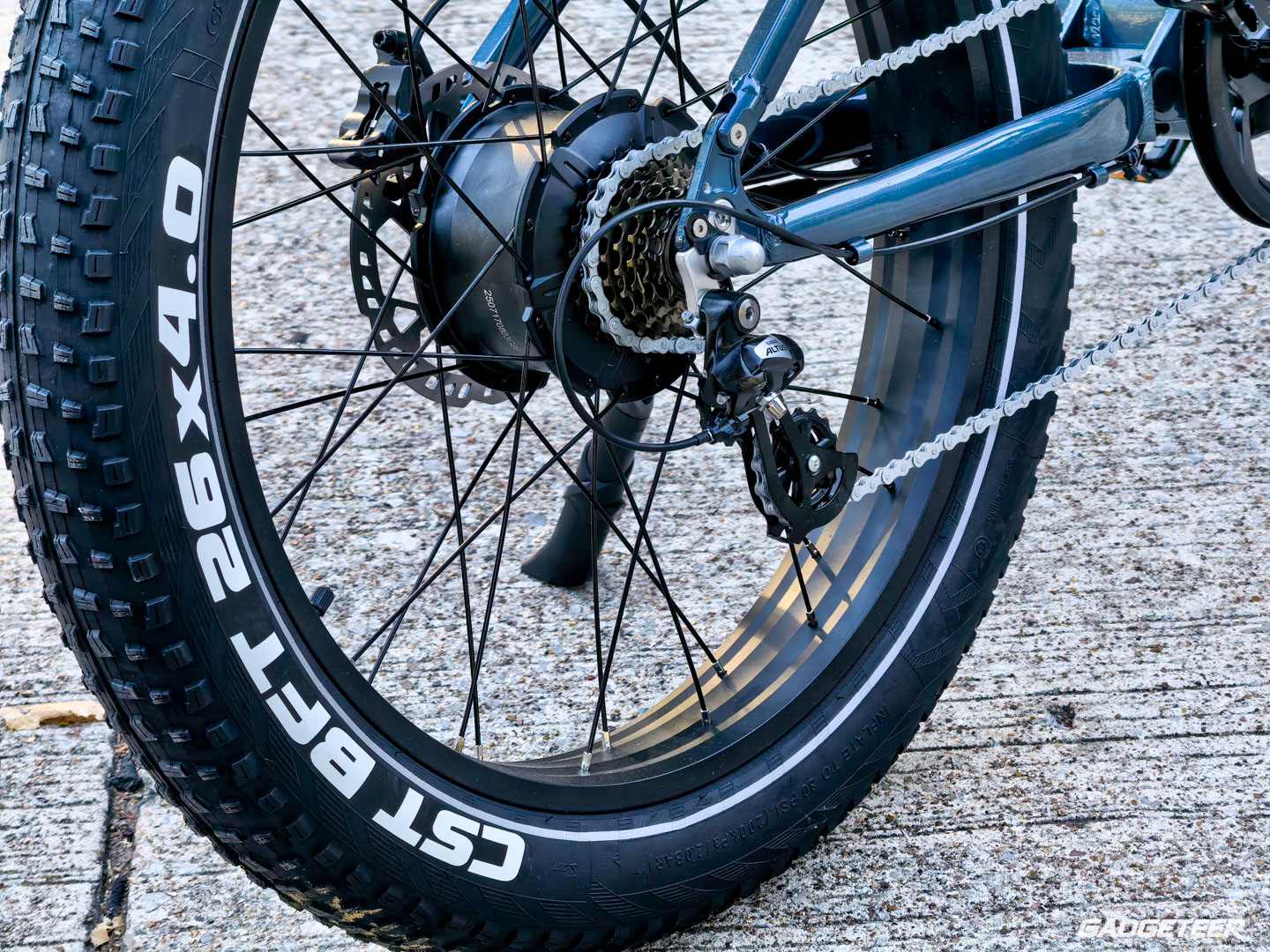
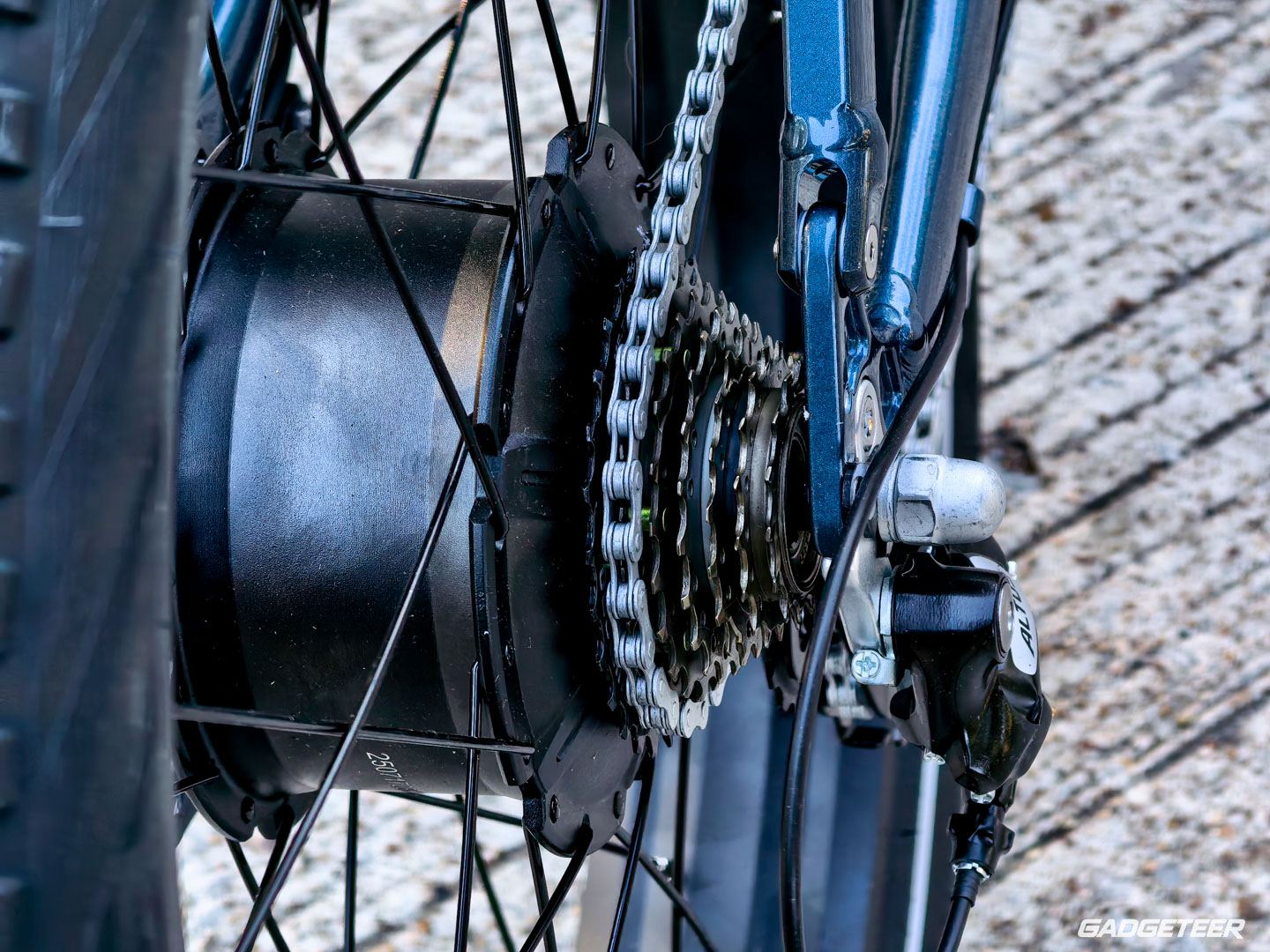
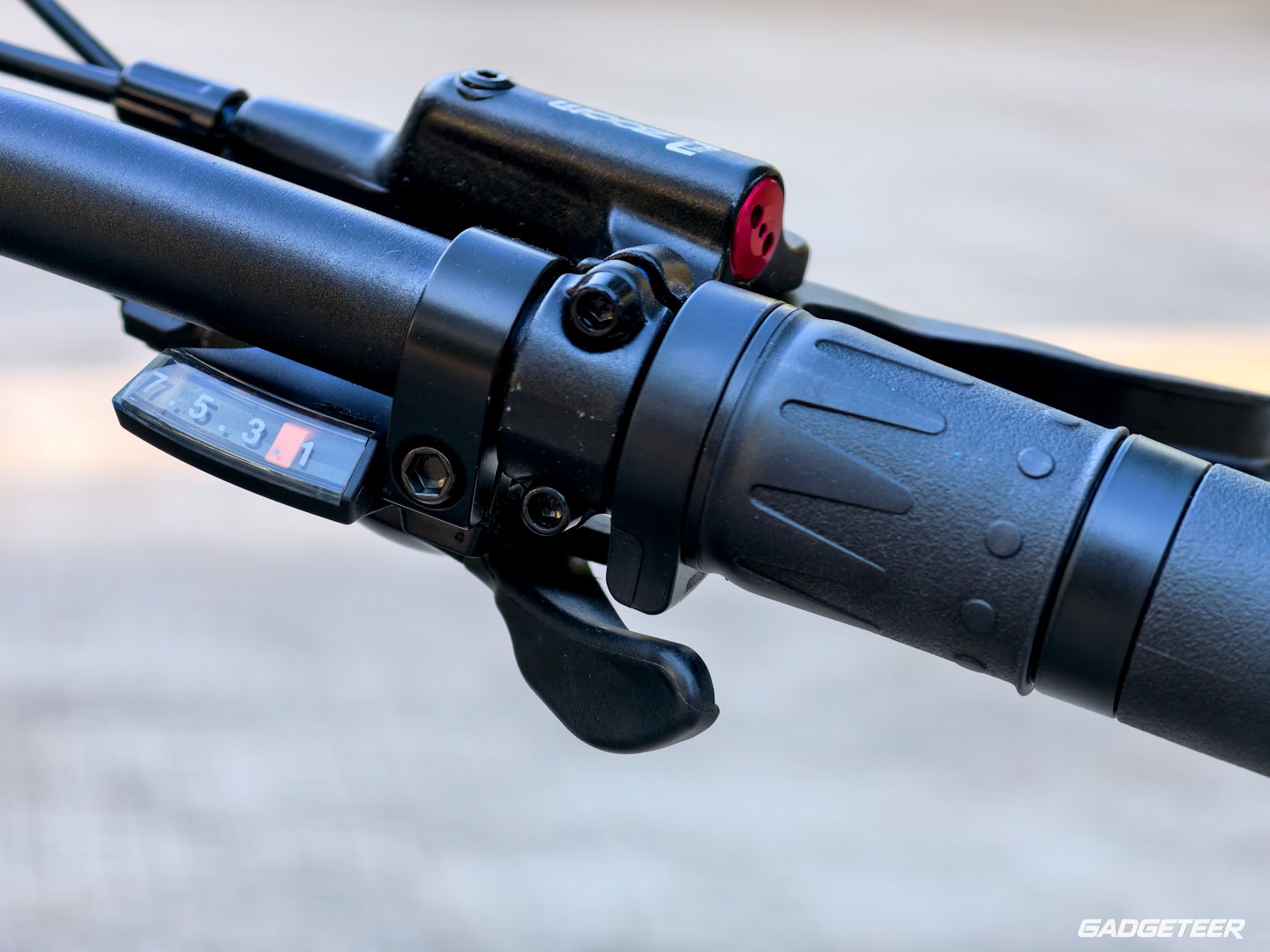
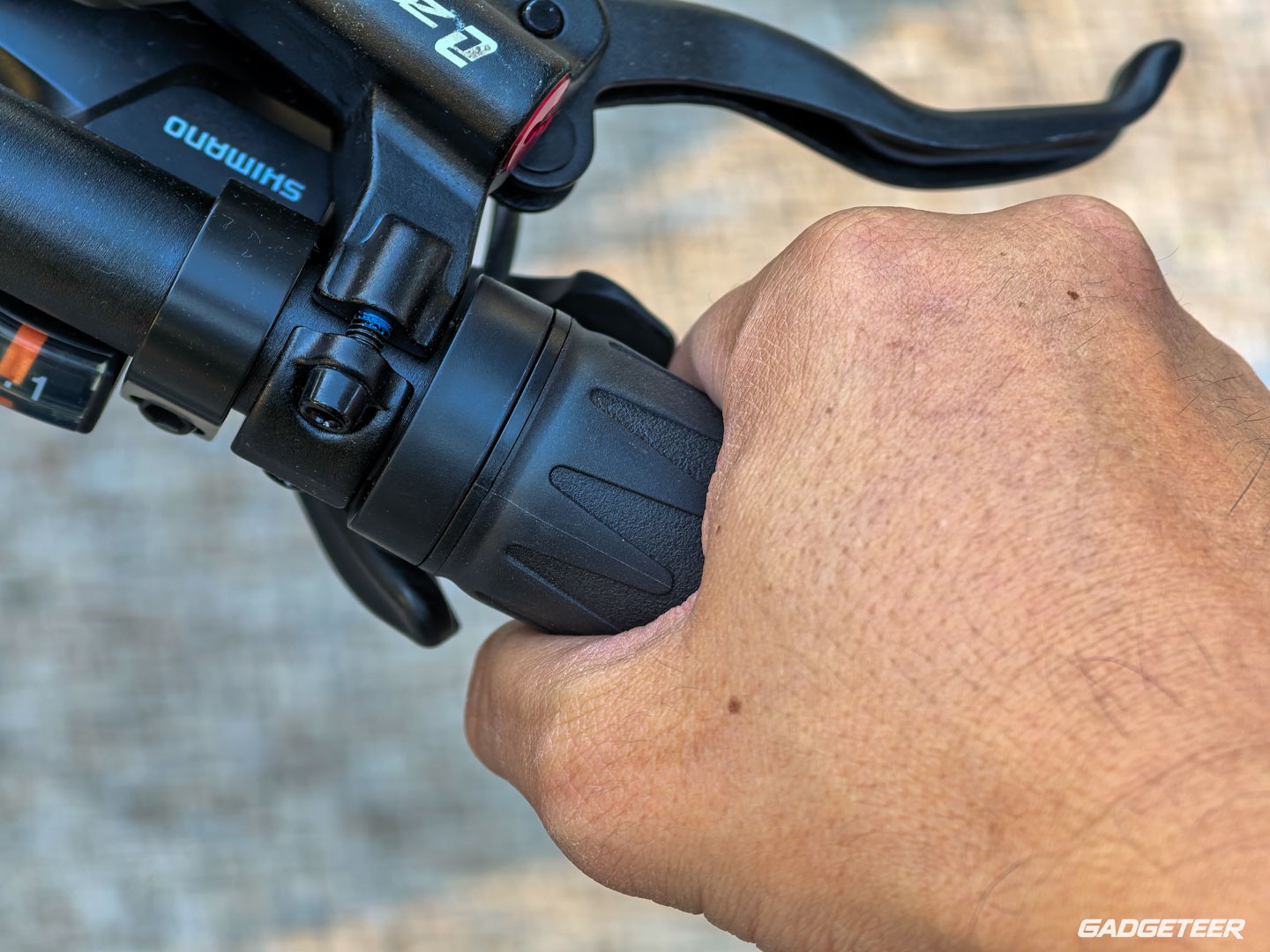
I’ve ridden about 5–10 miles per outing over a few days, whenever I’ve had a chance to get out. I’ve ridden the Rover on regular roads, grass, dirt and gravel, and it’s worked well across all four. The seven-speed Shimano drivetrain is a highlight for me. The gear changes have been smooth, which is something I appreciate even with a motor helping me along.
I’d choose it for recreational riding rather than extreme trails. Kingbull’s manual excludes extreme off-road and downhill use.
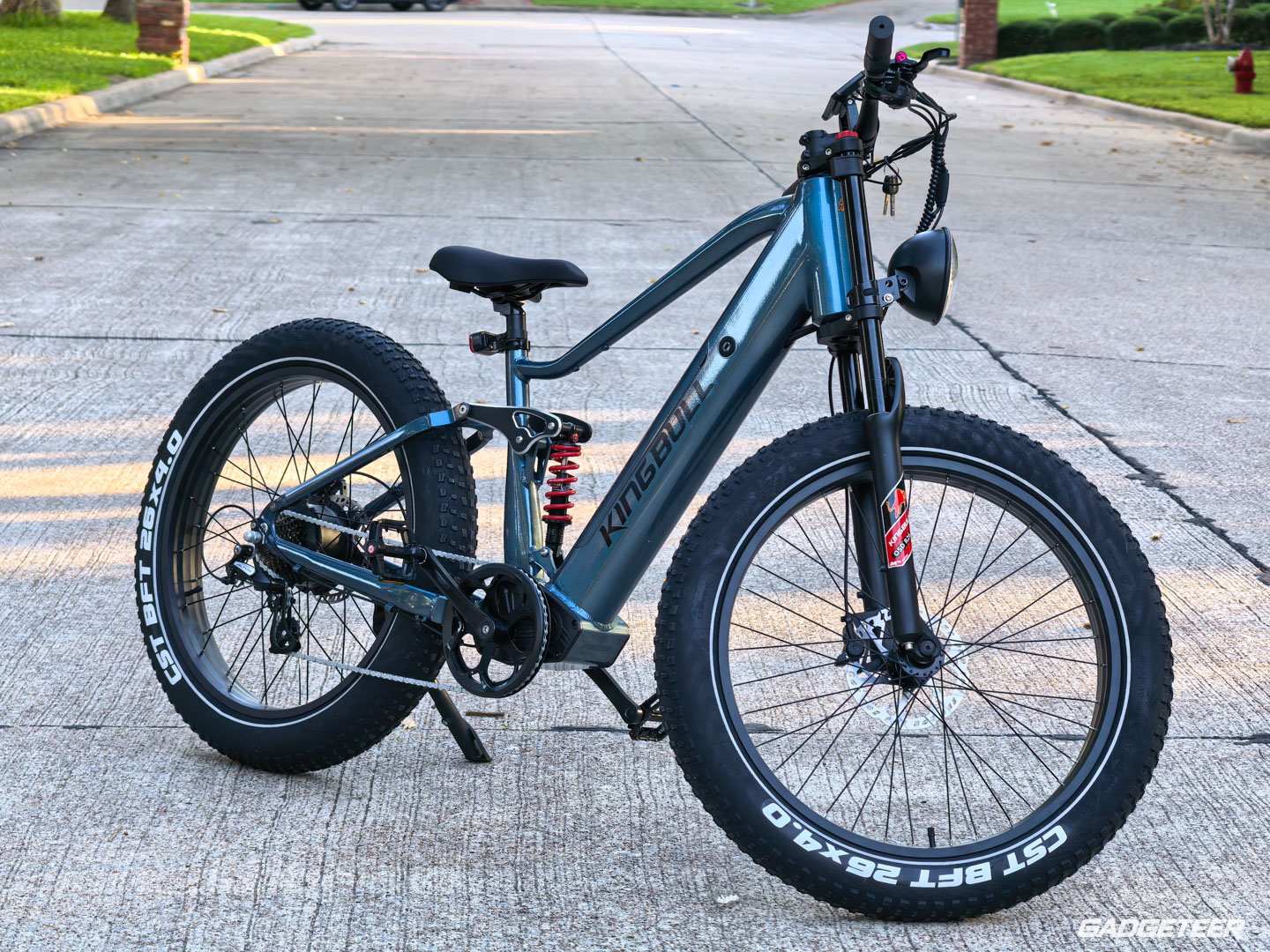
A 750W Bafang motor drives the rear wheel, with five assistance levels and a twist throttle. The torque sensor responds to pressure on the pedals. The Shimano drivetrain combines an SL-M315 shifter and RD-M310 derailleur with a 14–28-tooth seven-speed freewheel and a 48-tooth chainring.
A big frame with an adjustable saddle
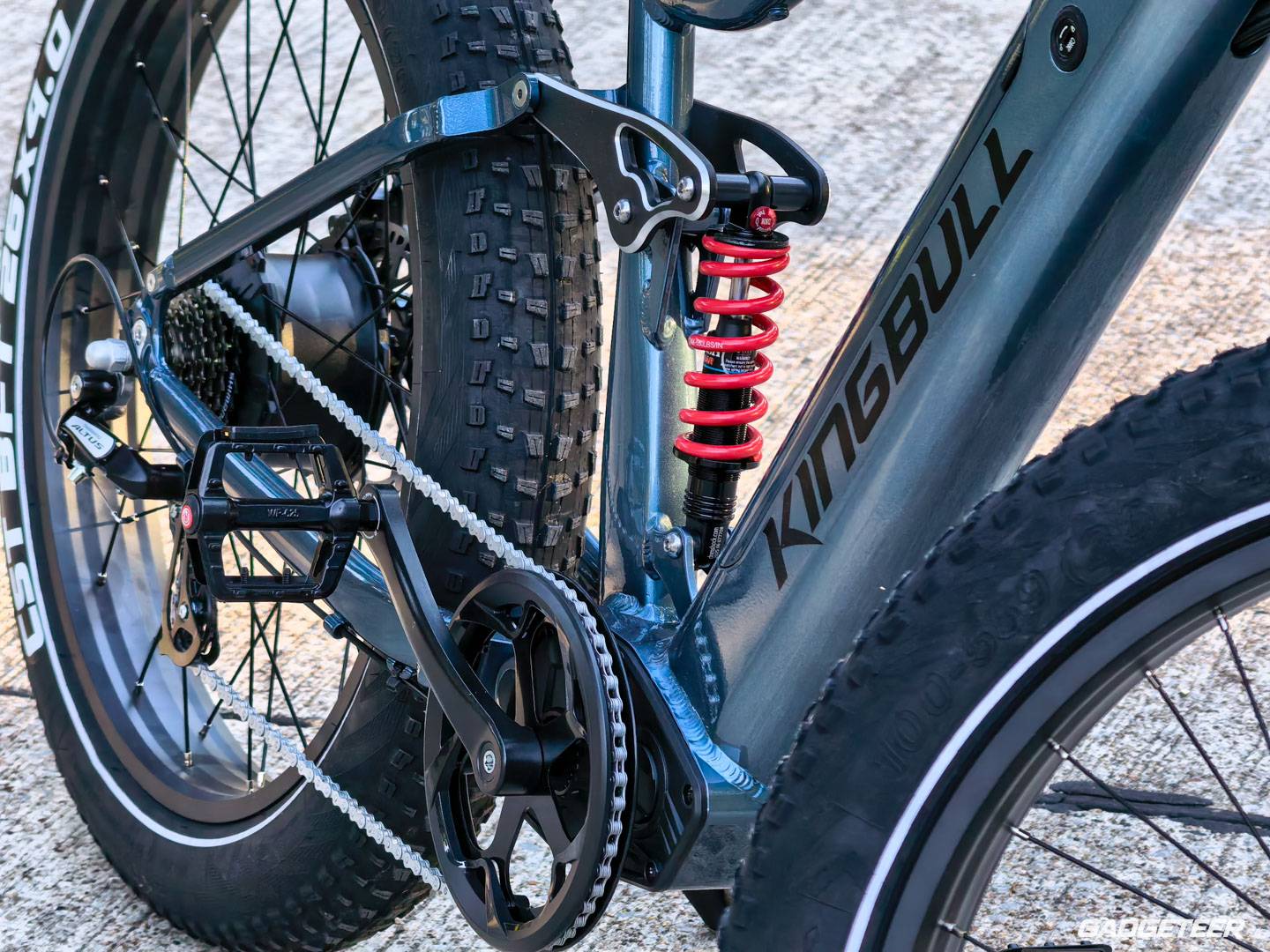
At 6 feet 2 inches tall, I’ve found the seat comfortable. The Rover has a conventional adjustable saddle, a step-over aluminum frame and 26-by-4-inch CST tires. Its 33-inch standover height is worth paying attention to if getting on and off a tall frame is a concern.
Kingbull lists a rider-height range of 5 feet 6 inches to 6 feet 7 inches and a saddle-height range of 30.7 to 39.4 inches. Those dimensions are useful starting points, but they don’t tell you whether the reach or mounting height will suit you. A rider who prefers easy step-through access should weigh that before ordering.
The Rover measures 75.5 inches long and weighs 80 pounds. I’d want ground-floor storage and enough room to move it through the doorway without a struggle. At 80 pounds, it is a heavy bike to carry upstairs.
Transport needs the same planning. A rack must accommodate both the bike’s transport weight and its four-inch tires. The battery can be removed, as Kingbull instructs for transport, but the remaining bike is still a substantial load.
Suspension, brakes and controls
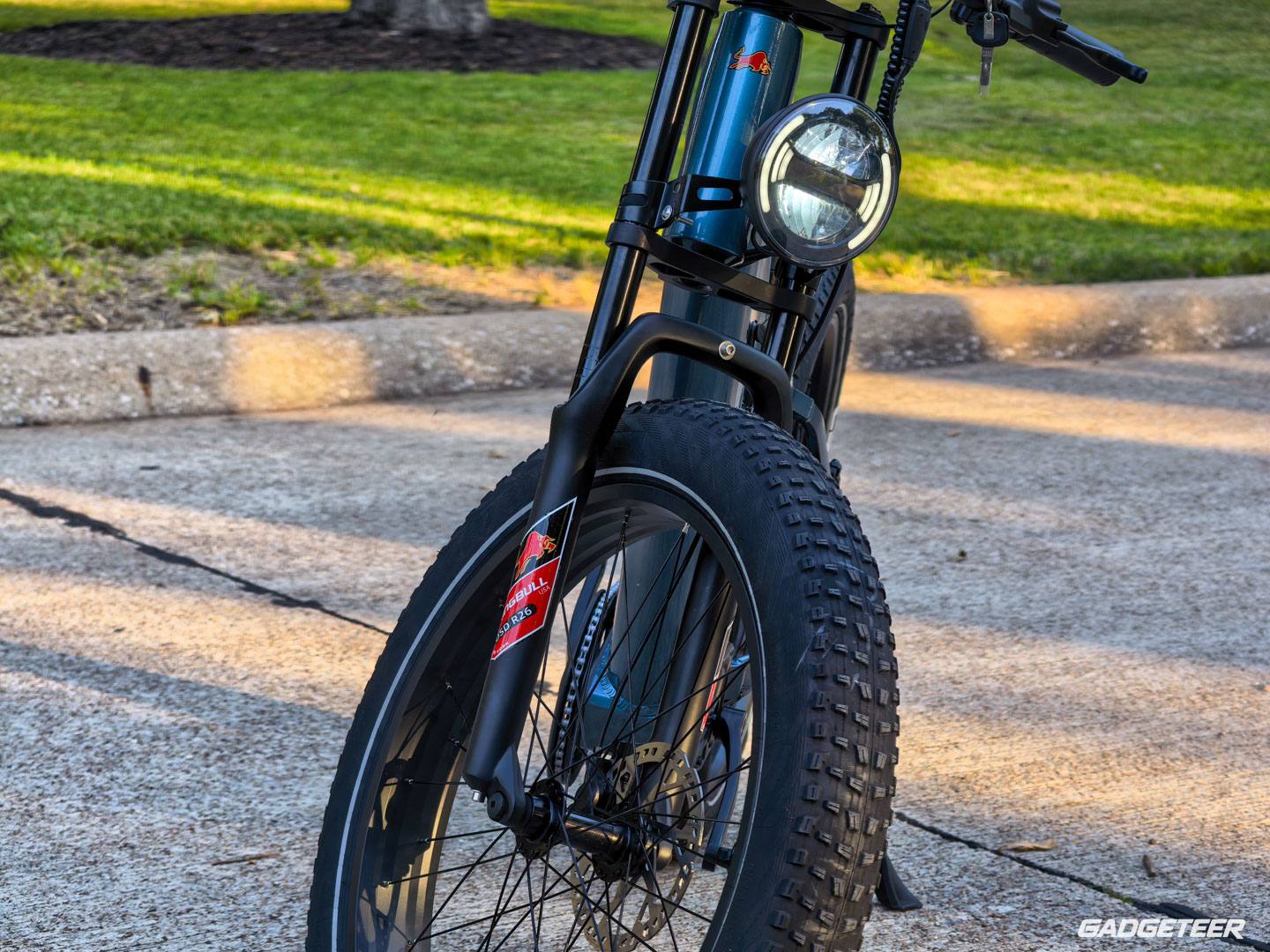
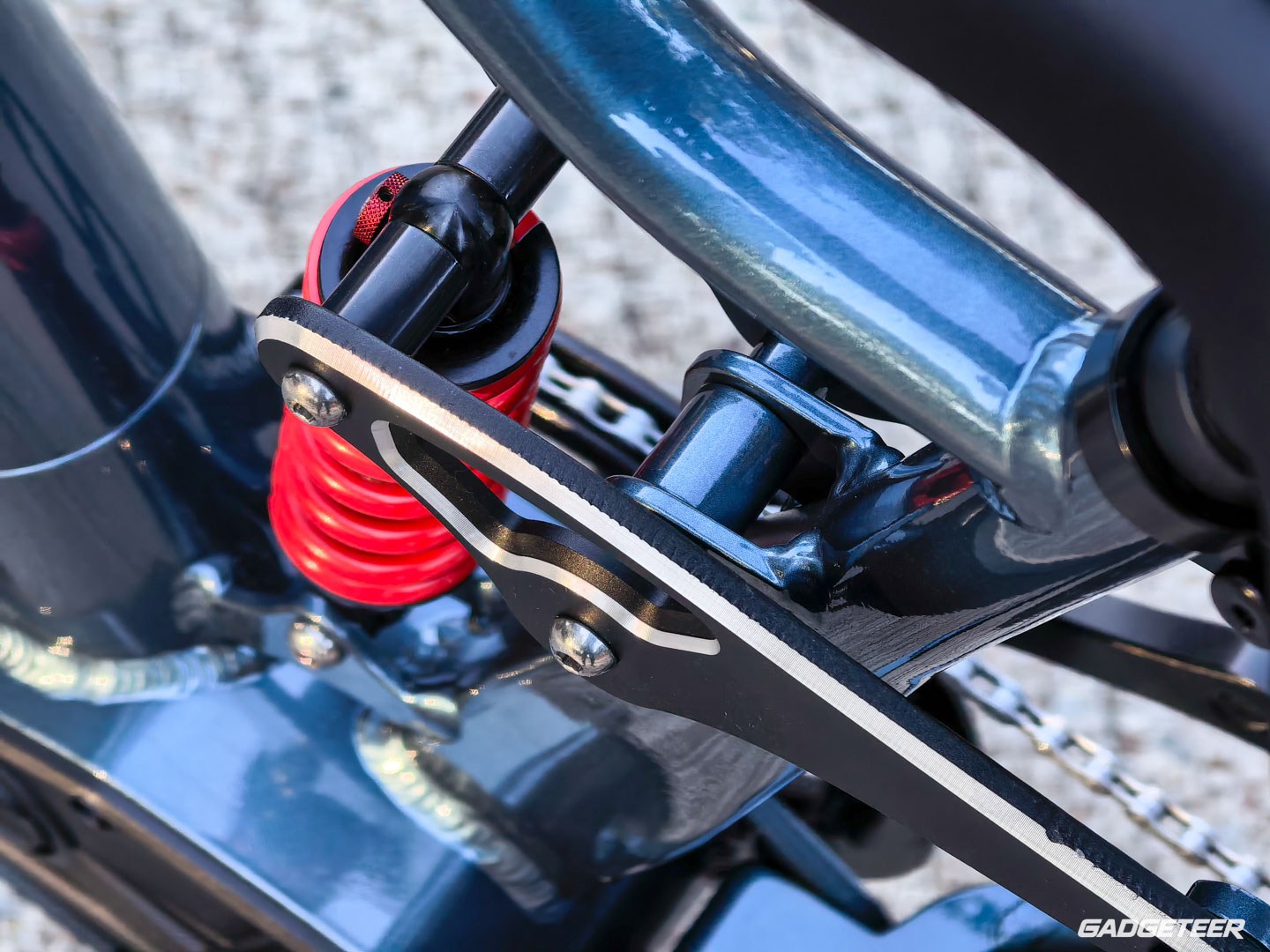
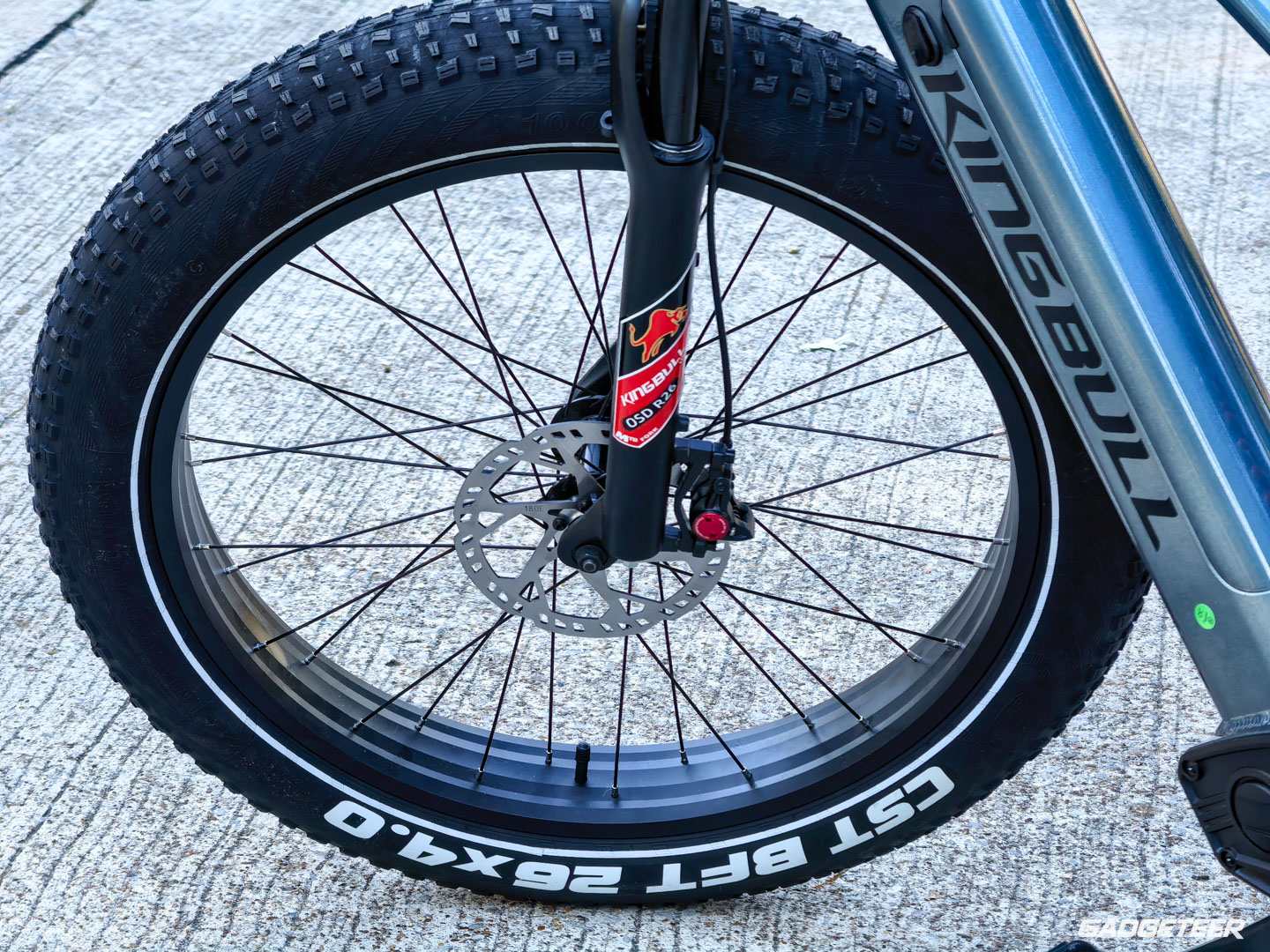
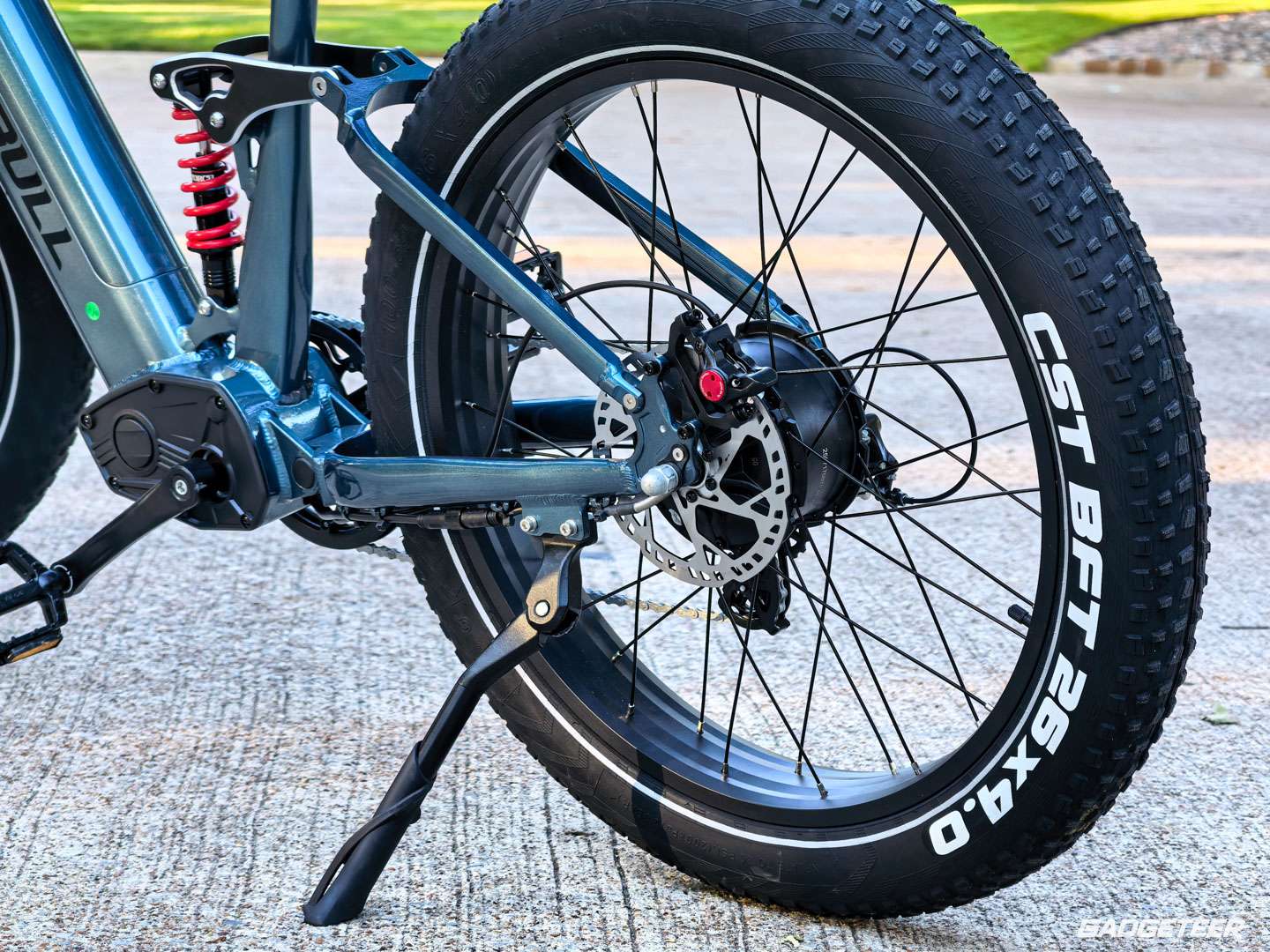
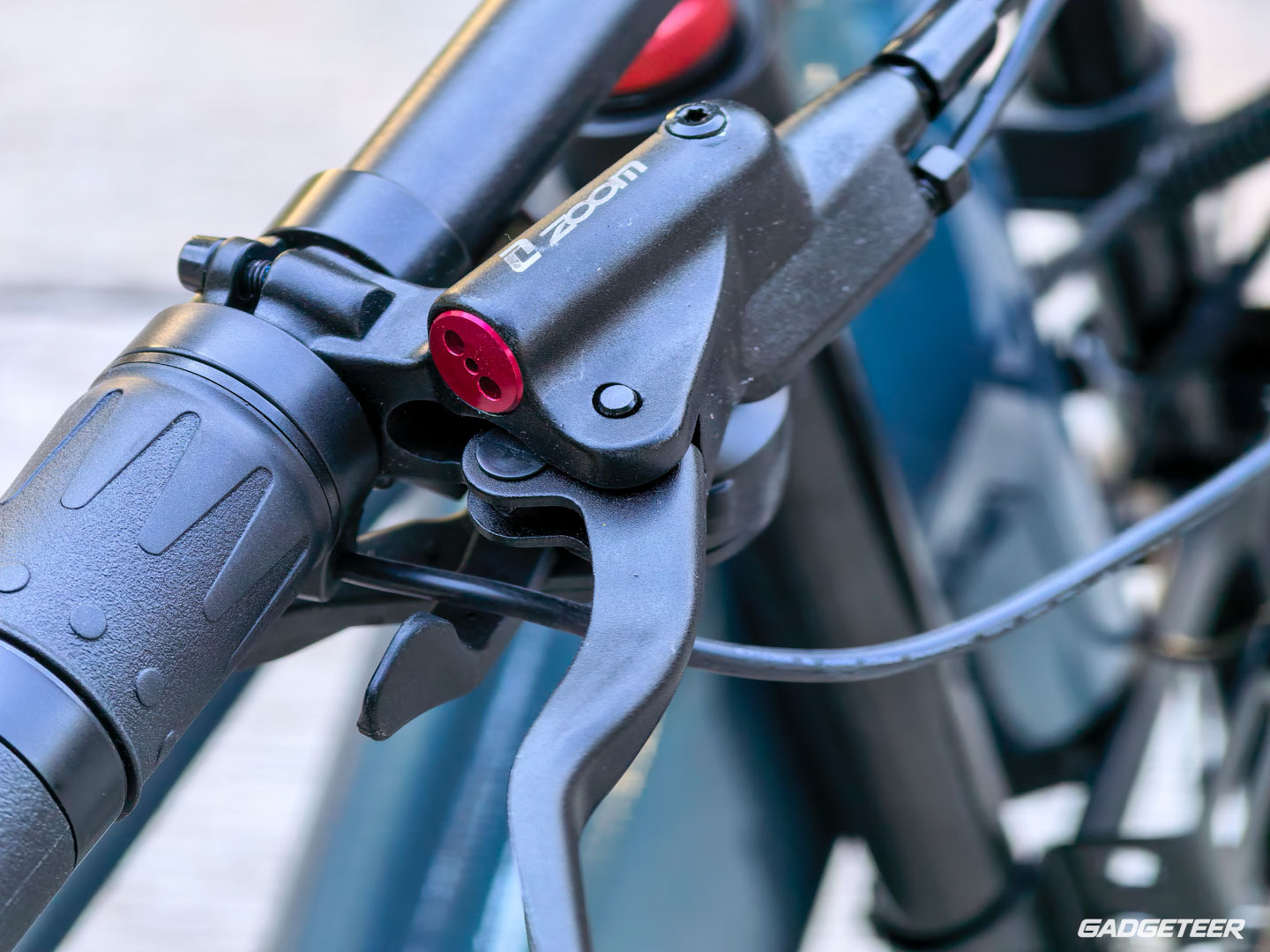
The front fork has preload adjustment and a lockout, while the DNM rear shock provides adjustable damping. ZOOM hydraulic disc brakes use 180mm rotors at both wheels, and the brake levers include motor-cutoff sensors.
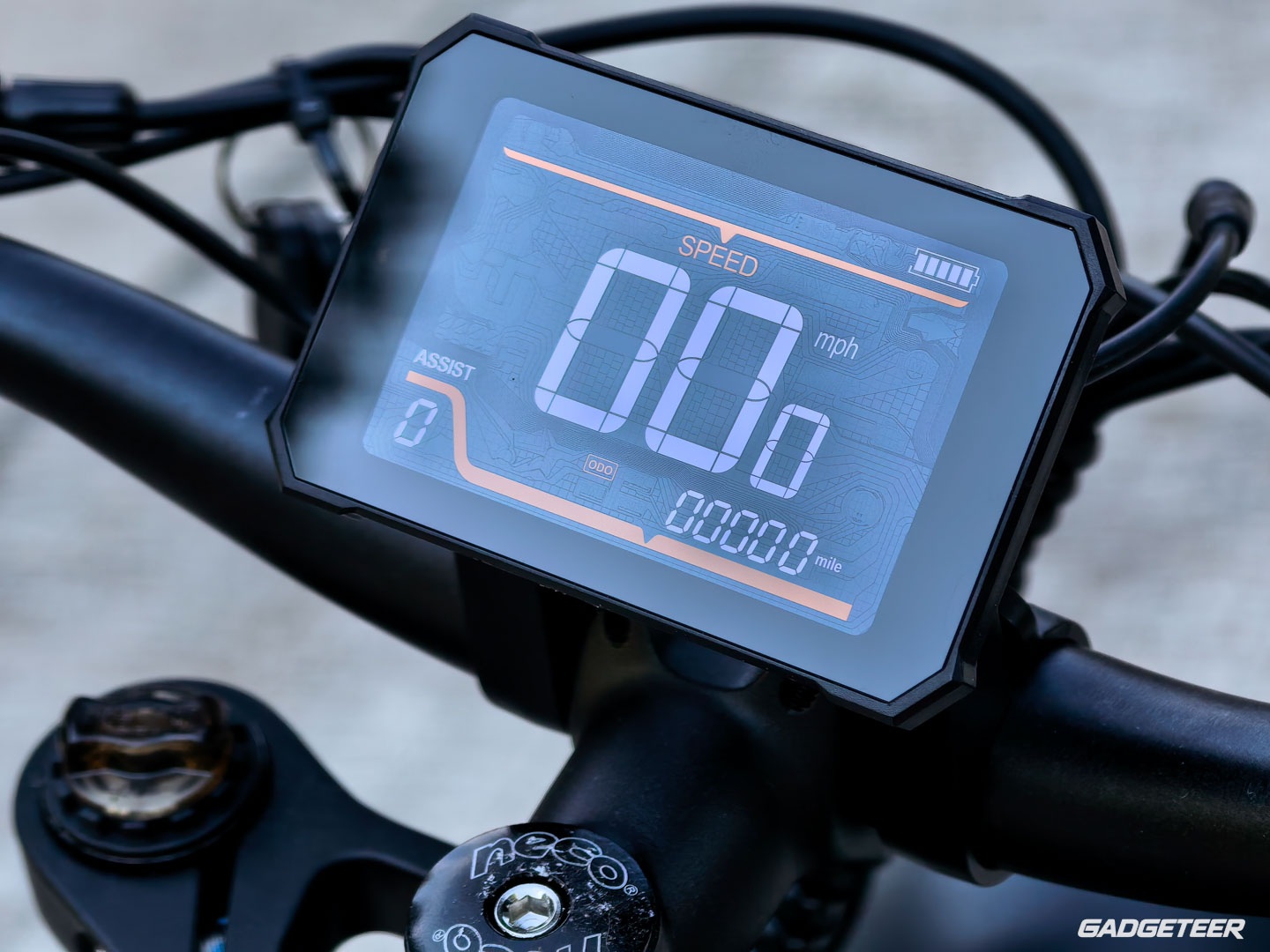
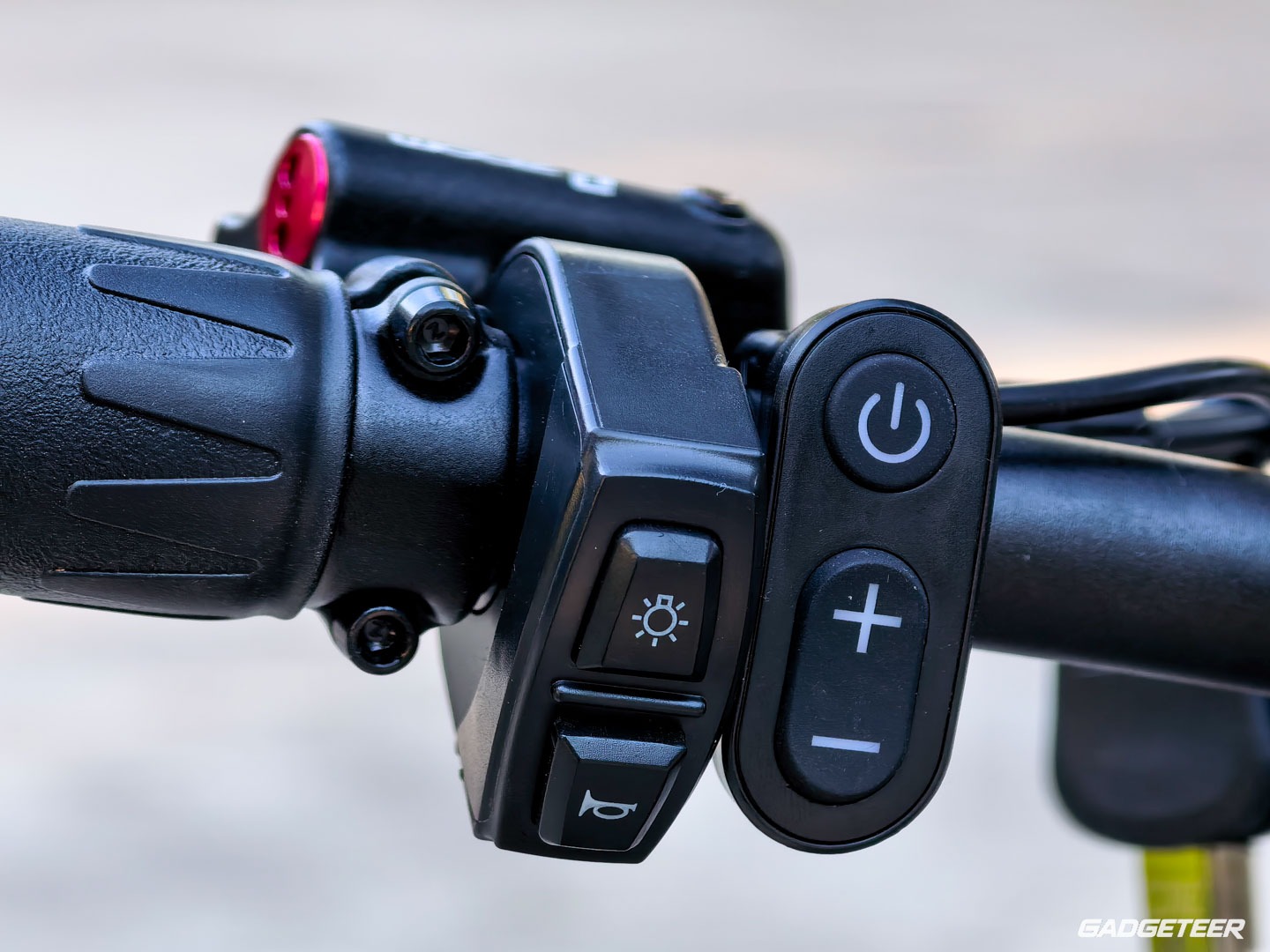
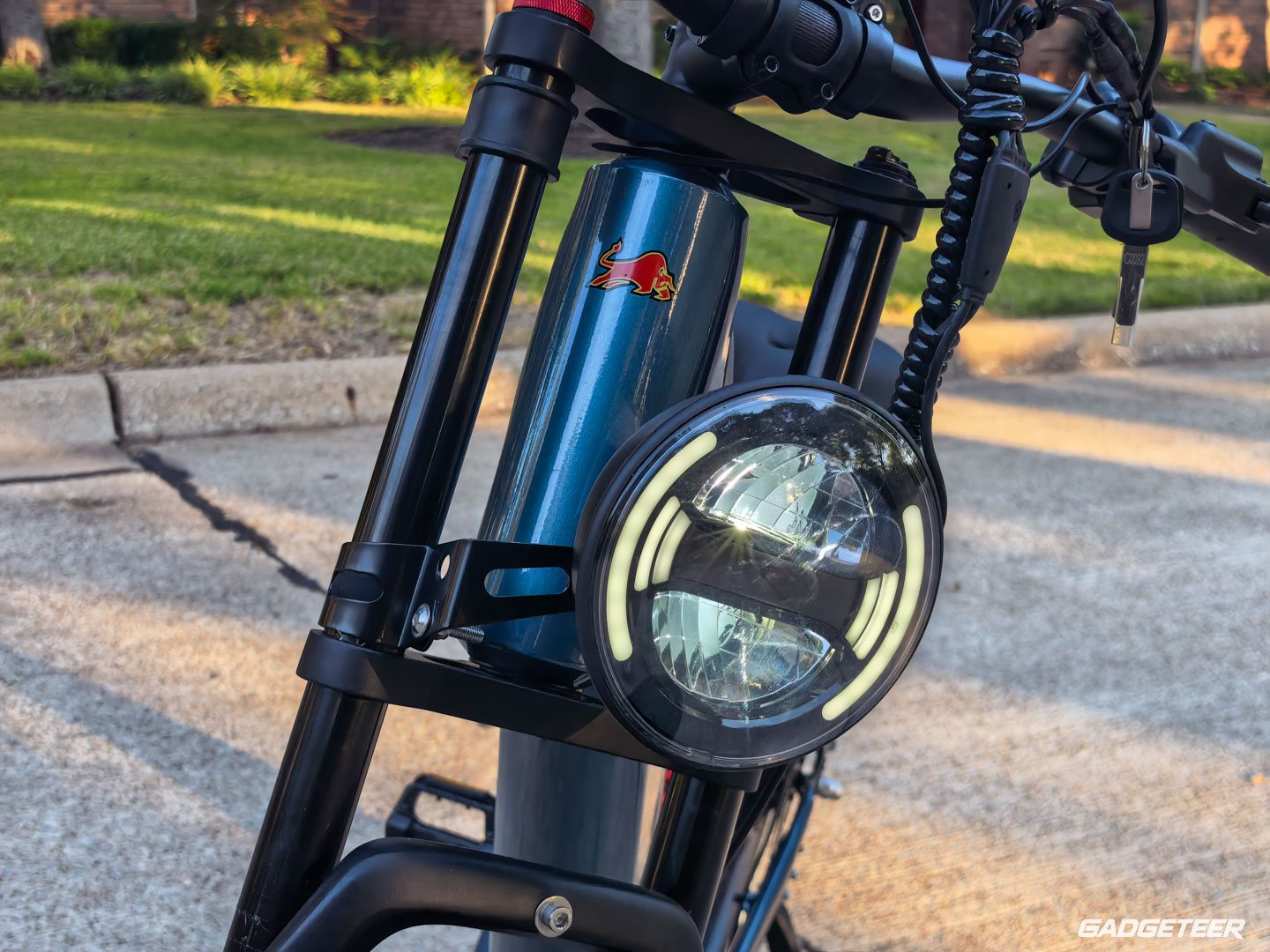
A four-inch color display shows speed, battery and assistance information. There are also average and maximum speed views and a walk-assist mode for moving the bike alongside you. The lighting includes an LED headlight and flashing taillight, with a horn on the bike as well.
Charging a battery instead of moving the bike
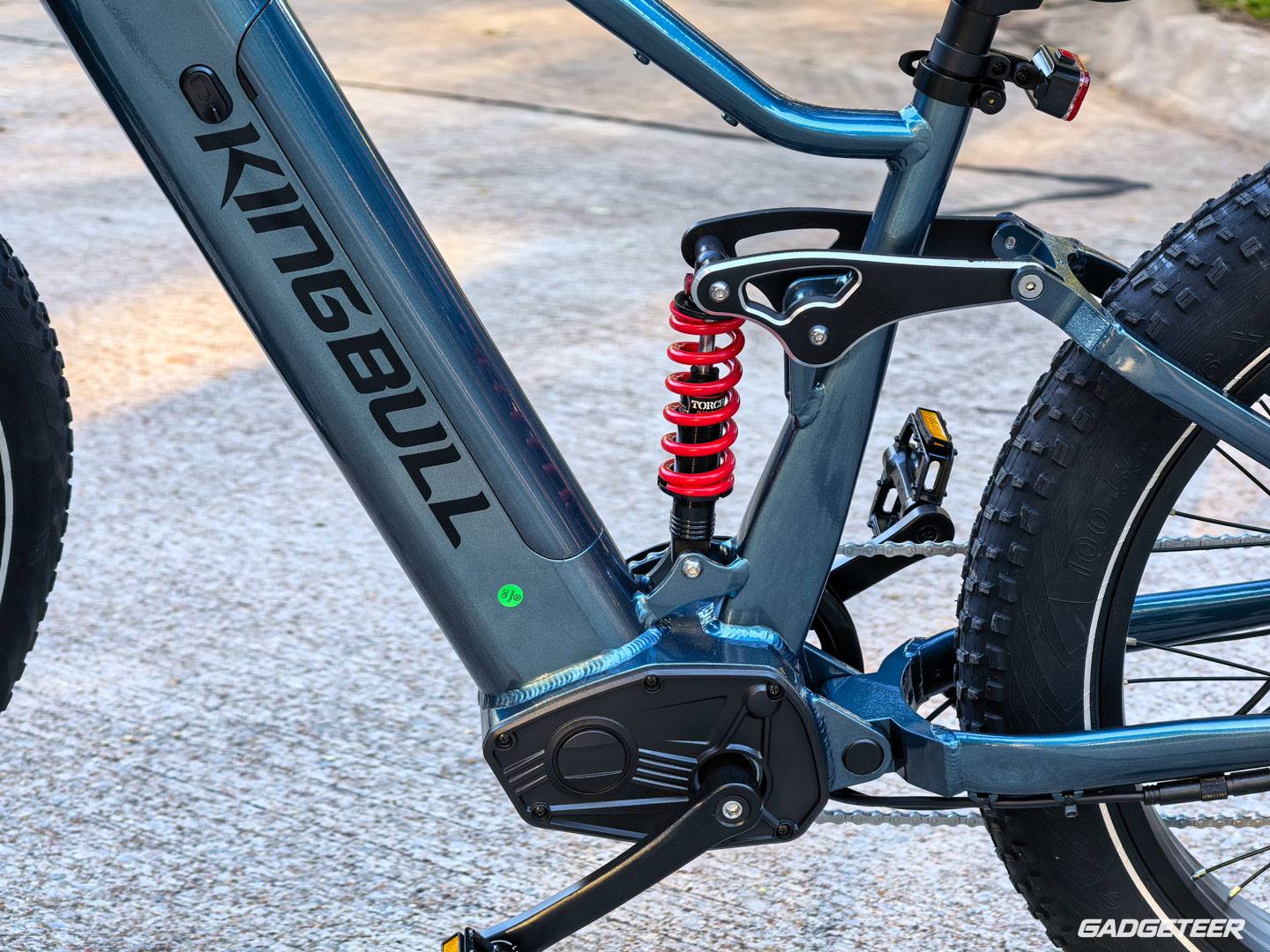
The removable 48V, 15Ah battery holds 720Wh and charges on or off the bike with the included 3A charger. If the parking spot isn’t close to an outlet, bringing the battery indoors is more practical than moving the entire Rover to charge it.
Kingbull advertises up to 60 miles of range. That’s an ideal-conditions estimate for a 150-pound rider on flat ground, using the lowest assistance level, with no wind, a full battery and steady speed. It isn’t a measured range result from my rides. Hills, rider load, assistance and throttle use all affect how far a charge will go.
Rover or Ranger?
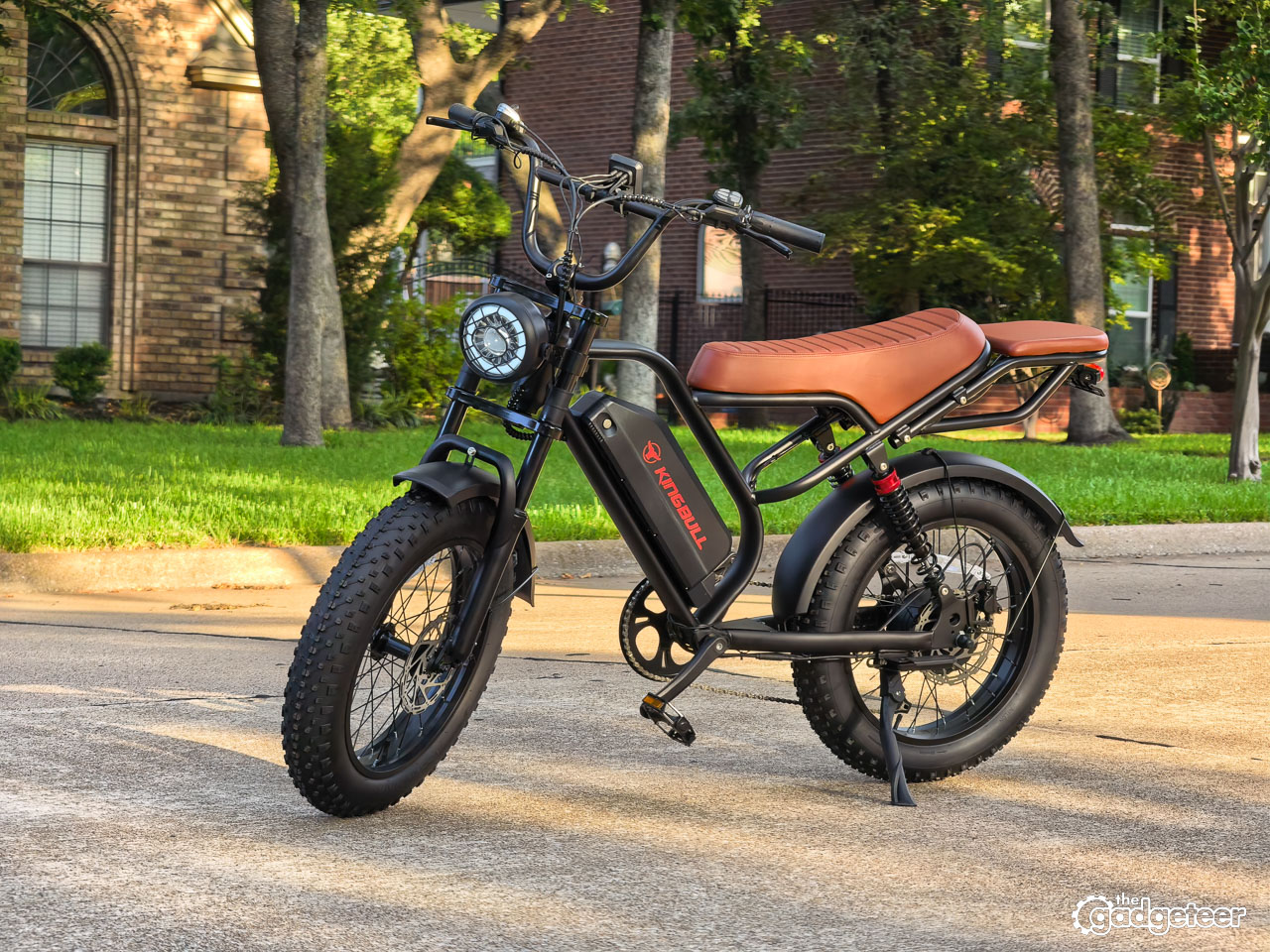
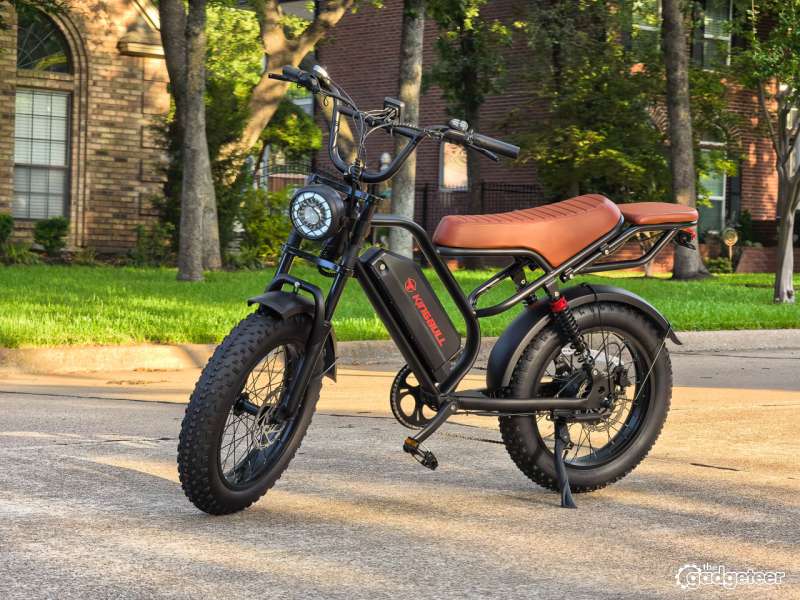
The Kingbull Ranger I reviewed earlier has a long, fixed bench seat and 20-by-4-inch tires. I enjoyed its moped-style character. The Rover’s adjustable saddle and larger-diameter wheels give it a more conventional bicycle layout.
The assistance systems differ, too. The Ranger uses cadence sensing; the Rover uses a torque sensor. The Rover’s 720Wh battery is smaller than the Ranger’s 864Wh pack, and at 80 pounds it weighs eight pounds less. That doesn’t establish which will go farther on a charge.
Both have seven-speed gearing. I’d start the choice with the riding position and style you want: the Ranger’s bench-seat arrangement or the Rover’s adjustable bicycle saddle. The differences in frame and fit matter more here than treating them as interchangeable bikes with different battery sizes.
What I'd consider before buying
The $1,299 bike-only package includes the Rover, manual, tool kit, charger, pump, lock and phone mount. The separate power-station bundle isn’t included at that price.
My recommendation is for someone who wants a full-size recreational e-bike for varied surfaces and has room to keep it. I’ve enjoyed riding the Rover, and I like the combination of equipment for the money. The biggest buying compromise is its size and weight, particularly if you’ll need to lift it or carry it up stairs. If you need easy lifting or a low step-through frame, I’d look elsewhere.
Price: $1,299 (Rover 2.0, Ebike Only)
Where to buy: Buy the Rover 2.0 at Kingbull