Cold hands can ruin a commute, a long walk, a day on the slopes, or an outdoor game long before the rest of you feels cold. The problem is that gloves are often treated as one category even though they solve very different problems. A thin touchscreen glove may work for errands, but it will not replace a waterproof mitt in wet snow. A rechargeable hand warmer can help inside a coat pocket, but it cannot keep hands dry in rain or slush.
The right choice depends on your activity, expected weather, and whether you need to use a phone, carry equipment, drive, or work outside. The five products below cover separate needs: daily fall wear, layering, wet winter conditions, outdoor work, and pocket heat.
These are not hands-on reviews. Material, waterproofing, insulation, and heating details come from each manufacturer. Actual warmth and fit will vary with weather, exertion, circulation, and sizing.
1. The North Face Etip Recycled Gloves for Commuting and Everyday Fall Weather
The North Face Etip Recycled Gloves may suit people who need light coverage while walking, commuting, traveling, or running errands. Based on their fleece construction, they may be a better choice for chilly, dry conditions than for snow removal, skiing, or extended exposure to rain.
Price: $50
Where to Buy: Amazon
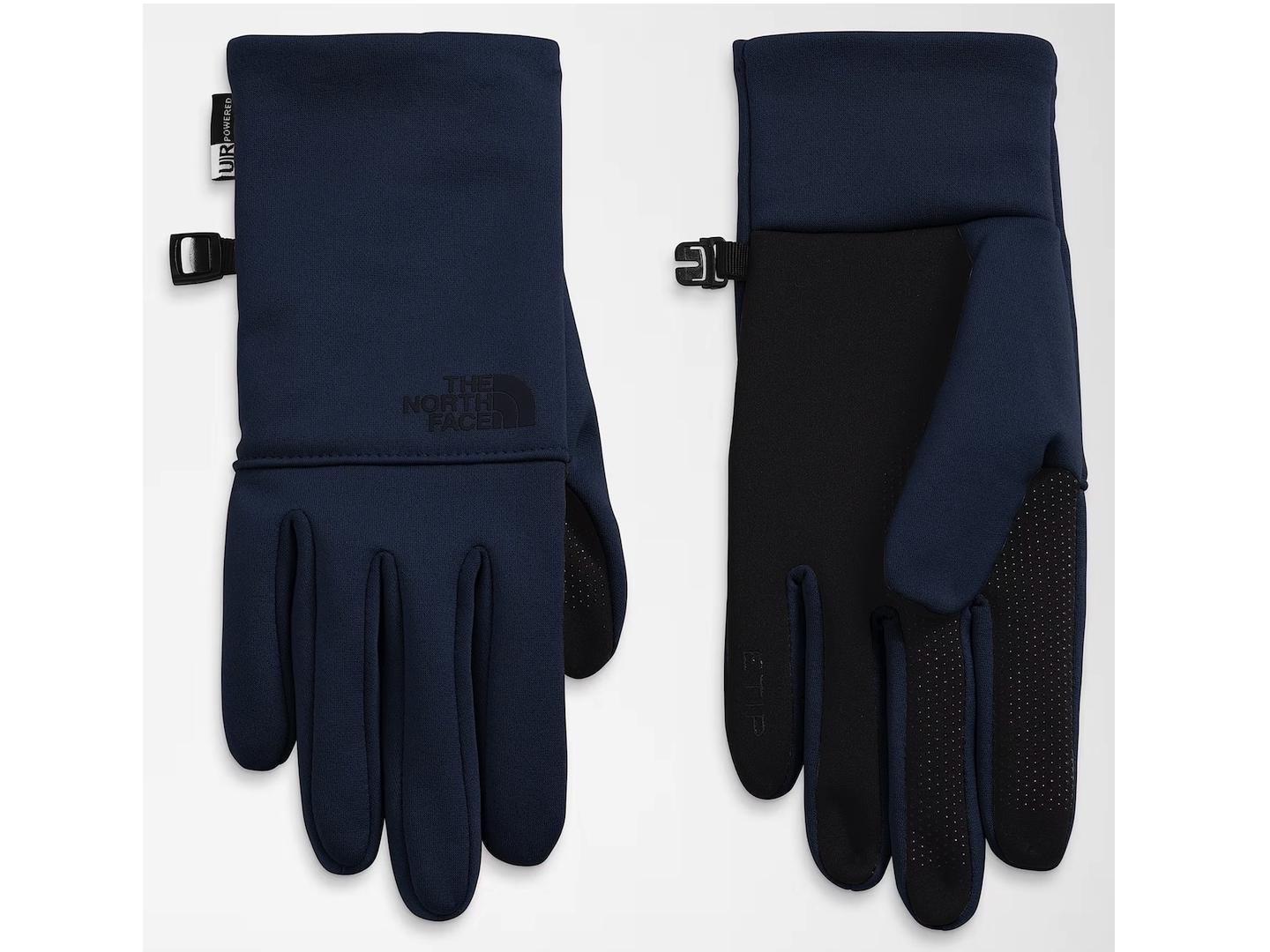
The North Face lists four-way-stretch fleece, touchscreen-compatible Etip material, silicone grip dots on the palm, and fabric made with 93% recycled polyester. The touchscreen feature lets you use a phone or answer a call without removing your gloves. The silicone palm dots are designed to improve grip, though we have not tested them with phones, water bottles, stroller handles, or travel mugs.
These gloves may suit buyers looking for a light fleece layer rather than a waterproof shell. They may be worth considering for fall, early winter, travel, and active use where low bulk matters. We have not tested their warmth or dexterity in those conditions.
2. Seirus SoundTouch Heatwave Glove Liner for Layering
A glove liner can add flexibility to your cold-weather setup, letting you adjust your layers as conditions change. The Seirus SoundTouch Heatwave Glove Liner can be worn alone during mild fall weather or underneath a larger glove or mitt when temperatures drop.
Price: $29.99
Where to Buy: Seirus
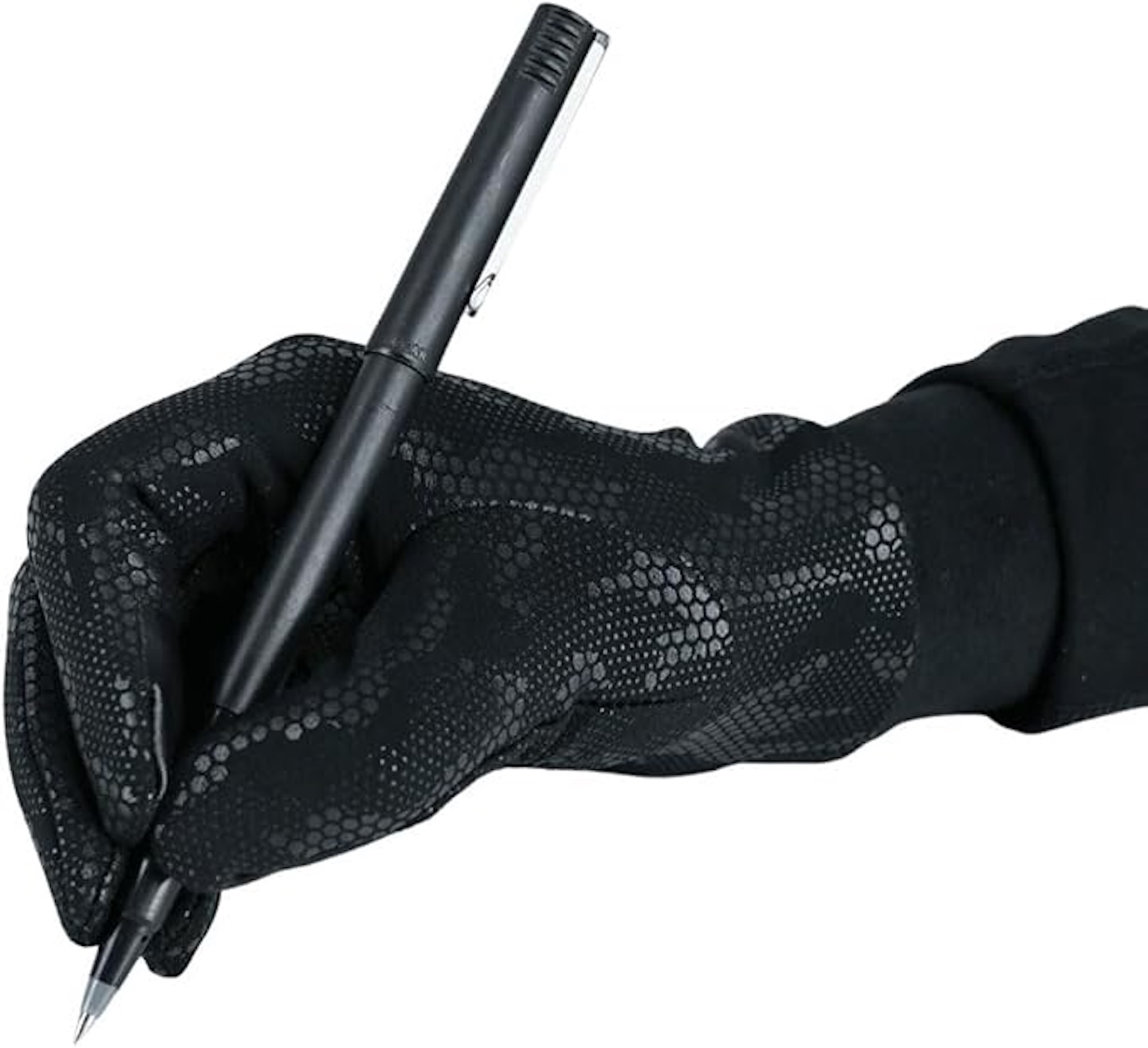
Seirus lists four-way-stretch construction, touchscreen-compatible fingertips, and its Heatwave lining. The company says the lining is designed to reflect and retain body heat, but that is a manufacturer claim, not a guarantee of a set temperature increase. The more practical advantage is the layering system. The liner can stay on while you use a phone, then fit under a weatherproof outer layer when wind or snow becomes the larger concern.
This is not a substitute for a waterproof winter glove. It may suit people who already own a shell glove or mitt and want an additional layer. Seirus also describes it as a lightweight standalone glove, which may appeal for walking and everyday use. Fit beneath another glove, added warmth, and dexterity have not been tested by us.
3. Outdoor Research Carbide Sensor Mitts for Wet Snow and Resort Days
Wet hands lose heat quickly, which is why waterproofing can matter more than extra insulation during winter activities. The Outdoor Research Carbide Sensor Mitts are designed for skiing and snowboarding, where snow, wind, chairlifts, and repeated contact with wet gear are part of the day.
Price: $57.67
Where to Buy: Amazon
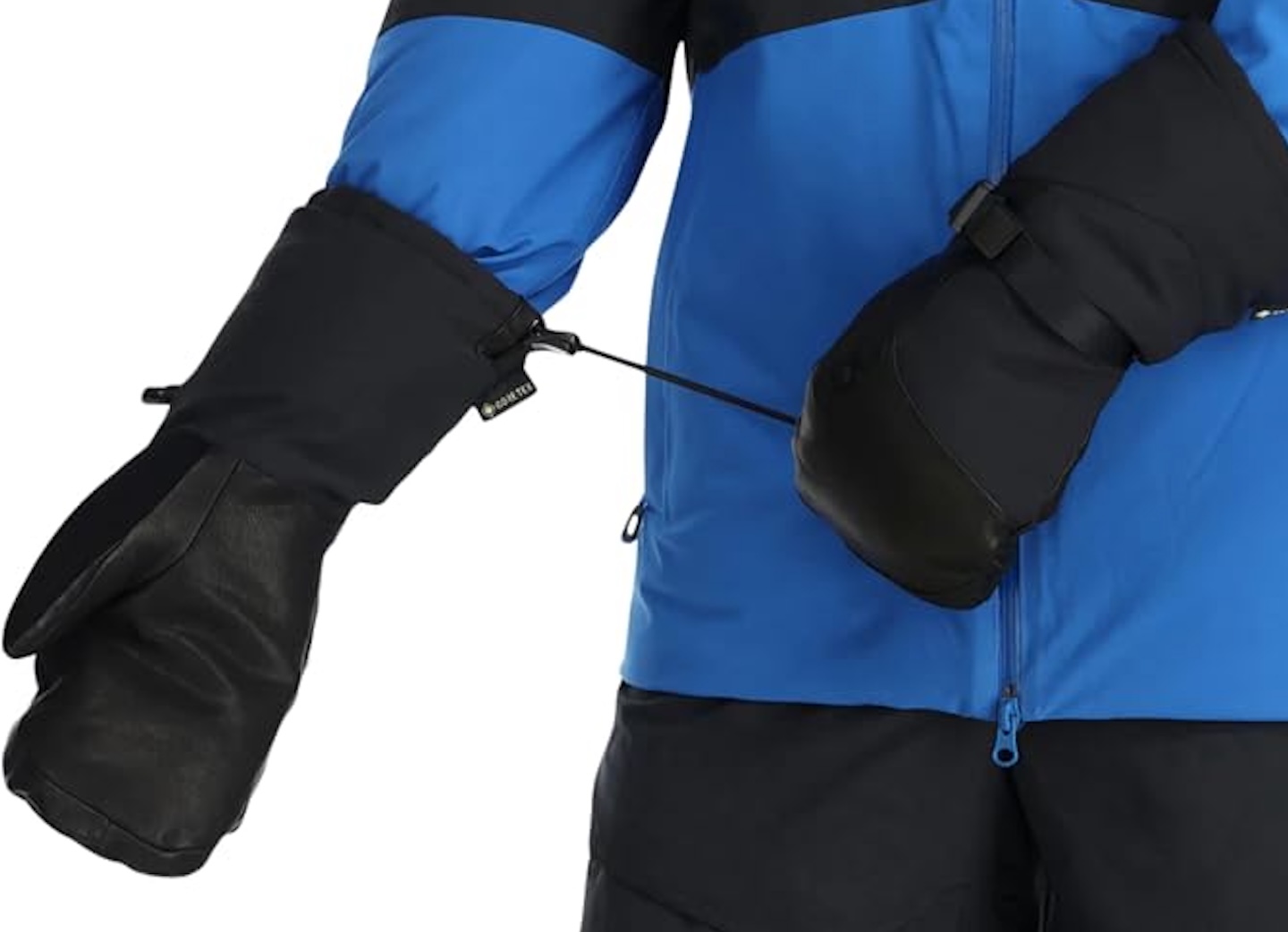
Outdoor Research lists a waterproof, breathable GORE-TEX insert, 200-gram VerticalX Eco insulation, a goat-leather palm, touchscreen-compatible fingertips, and a cinchable gauntlet. Those features address specific winter problems. The gauntlet can help keep snow from entering at the cuff, while the leather palm is intended to provide a more durable grip on ski poles and equipment.
Mitts generally trade some finger dexterity for a shared compartment that can help retain warmth. That is a design consideration, not a tested warmth or dexterity result for this pair. Based on Outdoor Research’s skiing and snowboarding positioning, these may suit buyers looking for insulated, waterproof handwear for resort days rather than a low-bulk commuting glove.
4. Carhartt Waterproof Insulated Gloves for Chores and Outdoor Work
The Carhartt Waterproof Insulated Gloves are the work-oriented choice in this list. They are not technical ski gloves or light touchscreen liners. They are built for people doing outdoor chores, walking dogs, clearing snow, working around a property, or spending time in cold, wet conditions where grip and durability matter.
Price: $34.99
Where to Buy: Amazon
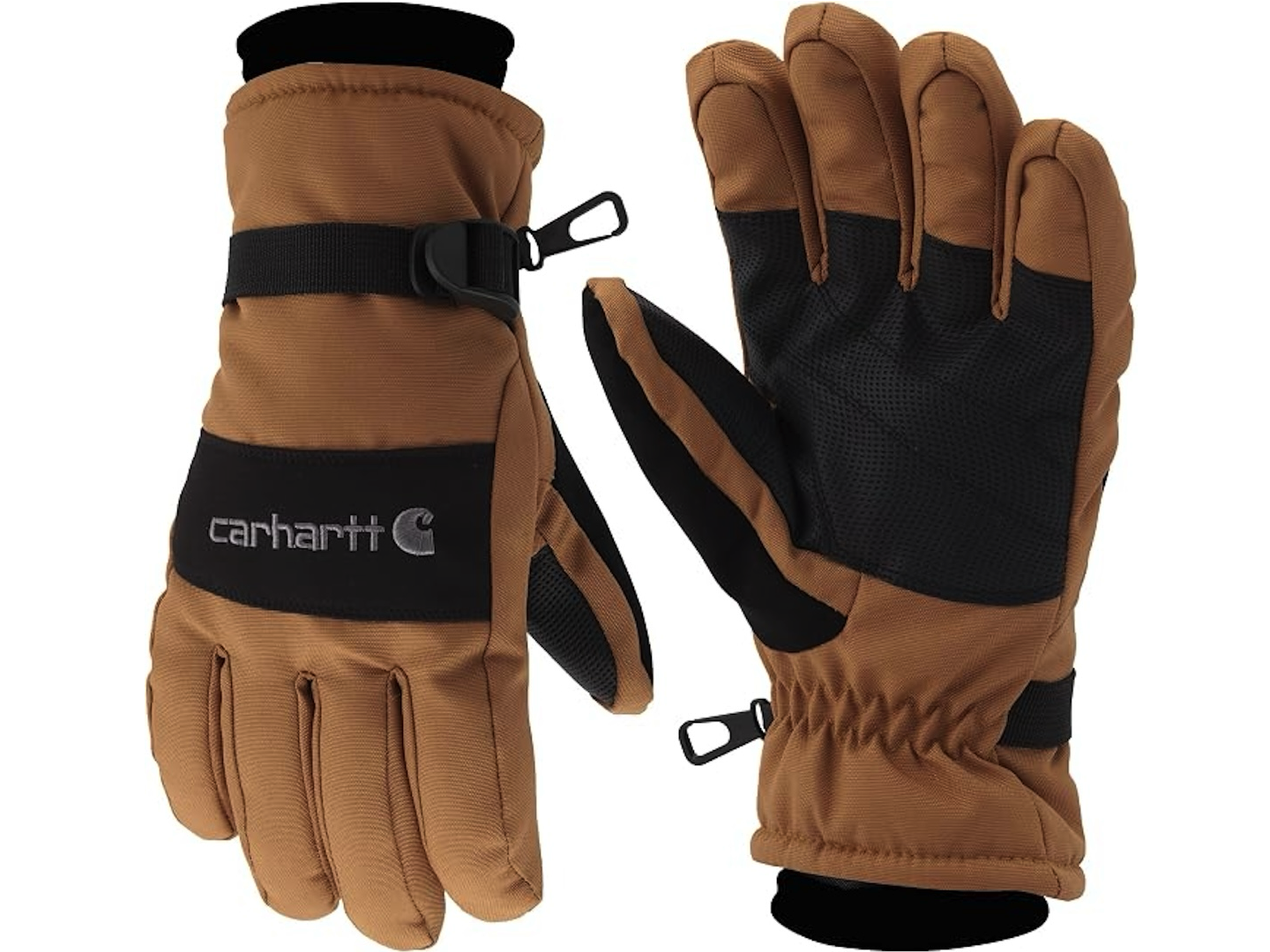
Carhartt lists a waterproof insert, a durable shell, a grippy palm, an adjustable wrist strap, and a soft fleece cuff. The wrist closure is a practical feature because it can help reduce the amount of snow and slush entering the glove. The grippy palm may appeal to buyers handling tools, a shovel, or outdoor equipment, though we have not compared its grip with a thin fleece glove.
Carhartt describes these as all-purpose winter gloves. Their waterproof insert and grippy palm may suit outdoor work and cold-weather chores, particularly where wet conditions are a concern. We have not tested their warmth, grip, or finger dexterity against liner gloves or technical ski gloves.
5. Zippo HeatBank 9s for Rechargeable Pocket Warmth
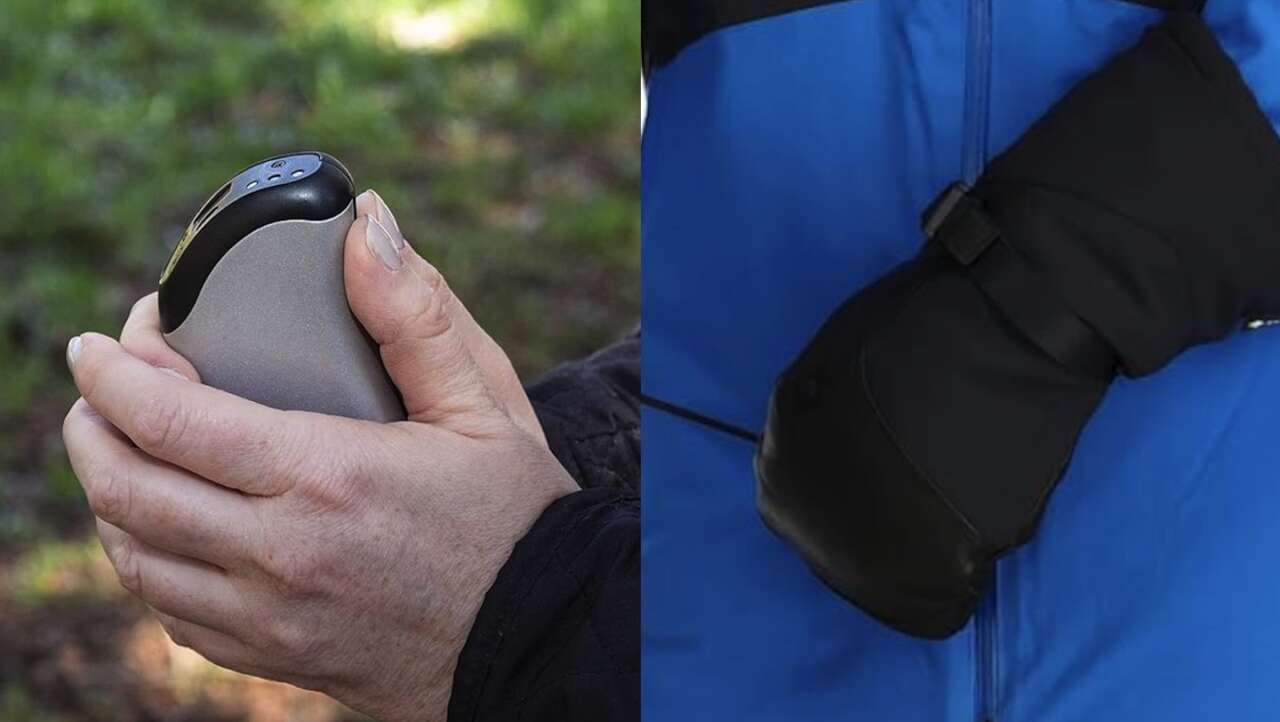
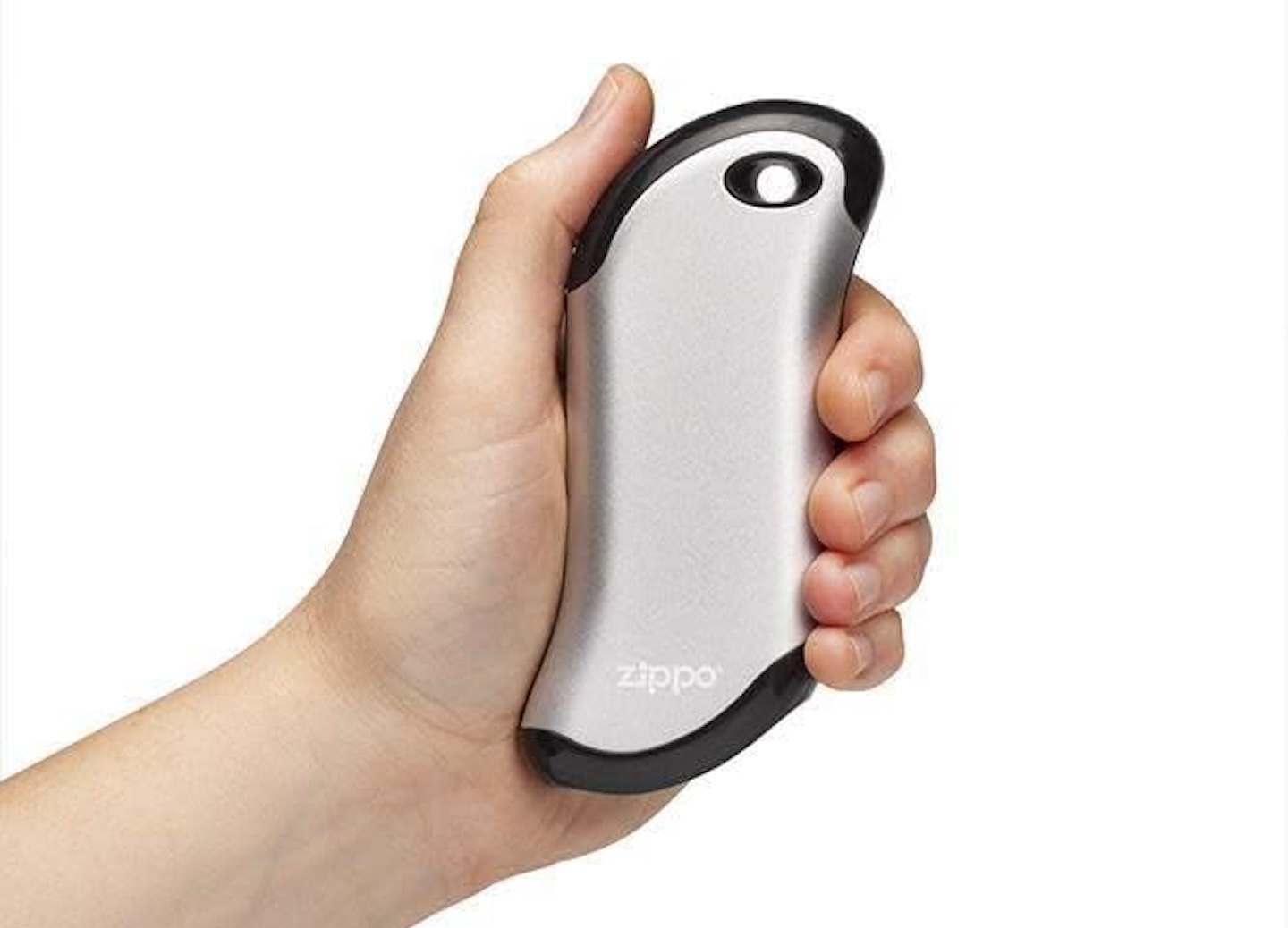
Gloves protect hands from wind and moisture, but a hand warmer serves a different purpose during long periods outdoors. The Zippo HeatBank 9s Rechargeable Hand Warmer may suit people who want supplemental warmth during commutes, spectator events, or time spent waiting outside. It is a single unit with dual-sided heating, rather than a pair of separate warmers for both pockets.
Price: $50.95
Where to Buy: Amazon, Rei
Zippo lists six heat settings, a maximum operating temperature of 120 degrees Fahrenheit, a 5,200mAh rechargeable lithium-ion battery, and up to nine hours of runtime. Battery and heat indicator lights show the remaining charge and selected setting. It also works as a power bank for USB-compatible devices, adding a backup charging option when you are away from an outlet.
Those temperature and runtime figures are manufacturer claims, not results from our testing. Actual runtime will vary with the heat setting, conditions, and battery use. Do not assume the maximum temperature and longest advertised runtime apply at the same time. Using the battery to charge a device also draws on the power available for heating.
This may be useful for people who already own gloves but still get cold hands when standing outside or sitting at a game. It remains a supplemental item, not the main cold-weather layer: it does not keep hands dry or replace suitable gloves for cycling, skiing, or outdoor work in rain and snow. Follow Zippo’s operating instructions when using and charging it.
Buyer Fit
The North Face Etip gloves may suit buyers looking for touchscreen-compatible fleece handwear for dry, cool conditions. The Seirus liner may suit those who want a lightweight layer to wear alone or underneath another glove, depending on fit. Based on their manufacturer-listed features and intended uses, the Outdoor Research mitts may suit skiing and wet snow, while the Carhartt gloves may suit outdoor chores and work. These are editorial buyer-fit recommendations, not tested warmth or dexterity results.
The Zippo HeatBank 9s may suit people who want extra pocket warmth when they are inactive outside, with USB-device charging as an additional feature. The most useful cold-weather setup may include more than one item: a light glove for daily use, a waterproof outer layer for wet conditions, and a hand warmer for long waits in the cold.