Your Android phone holds the photos, messages, and apps you reach for all day. HP’s Googlebook 14 aims to bring more of that activity onto a premium laptop, with phone-file access, app streaming, a 2.8K OLED touchscreen, and Snapdragon X Elite hardware.
Price: From $1,199.99
Where to Buy: HP
The appeal is clear. The unanswered questions are how smoothly those handoffs work in daily use and which starting price buyers will actually pay.
The phone connection is the reason this laptop exists
The strongest argument for the HP Googlebook 14 is not its processor or display. It is the promise that an Android phone can feel less like a separate device.
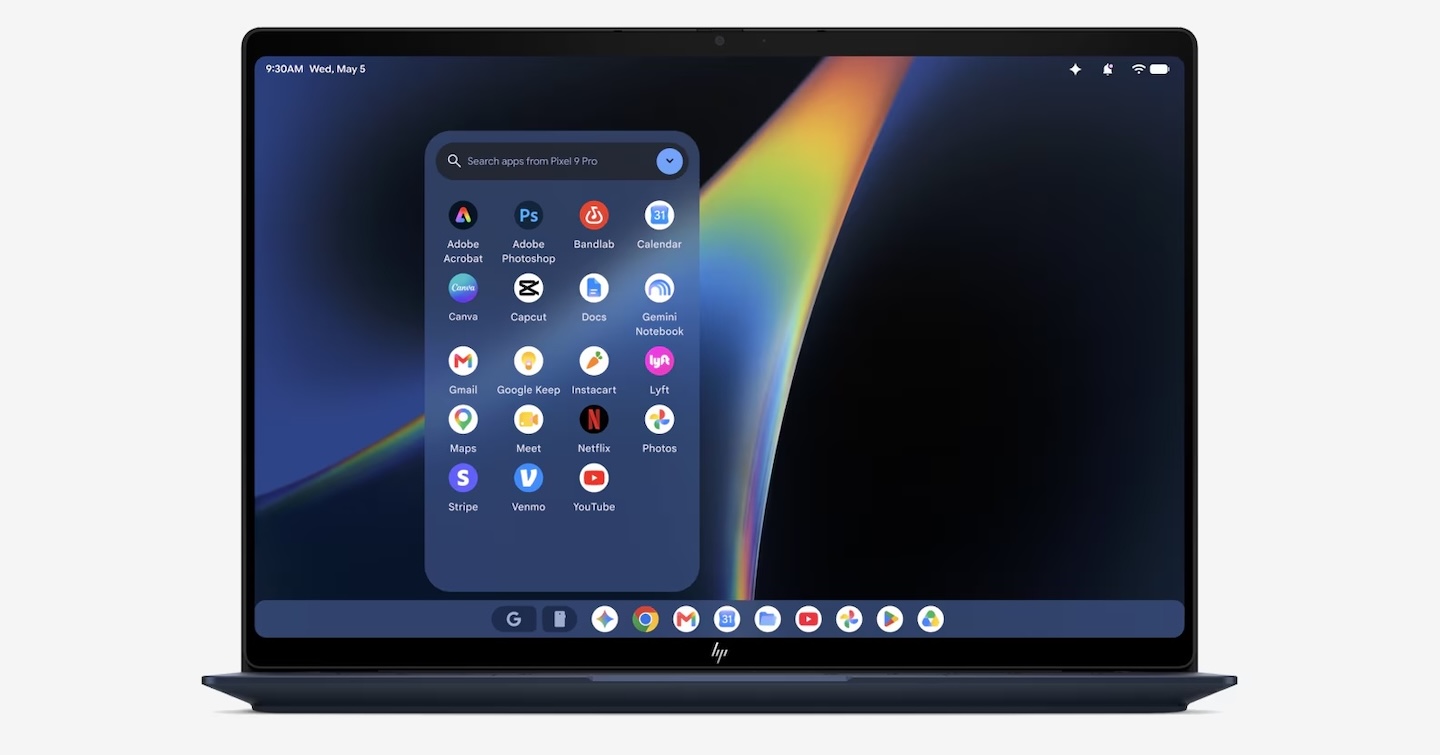
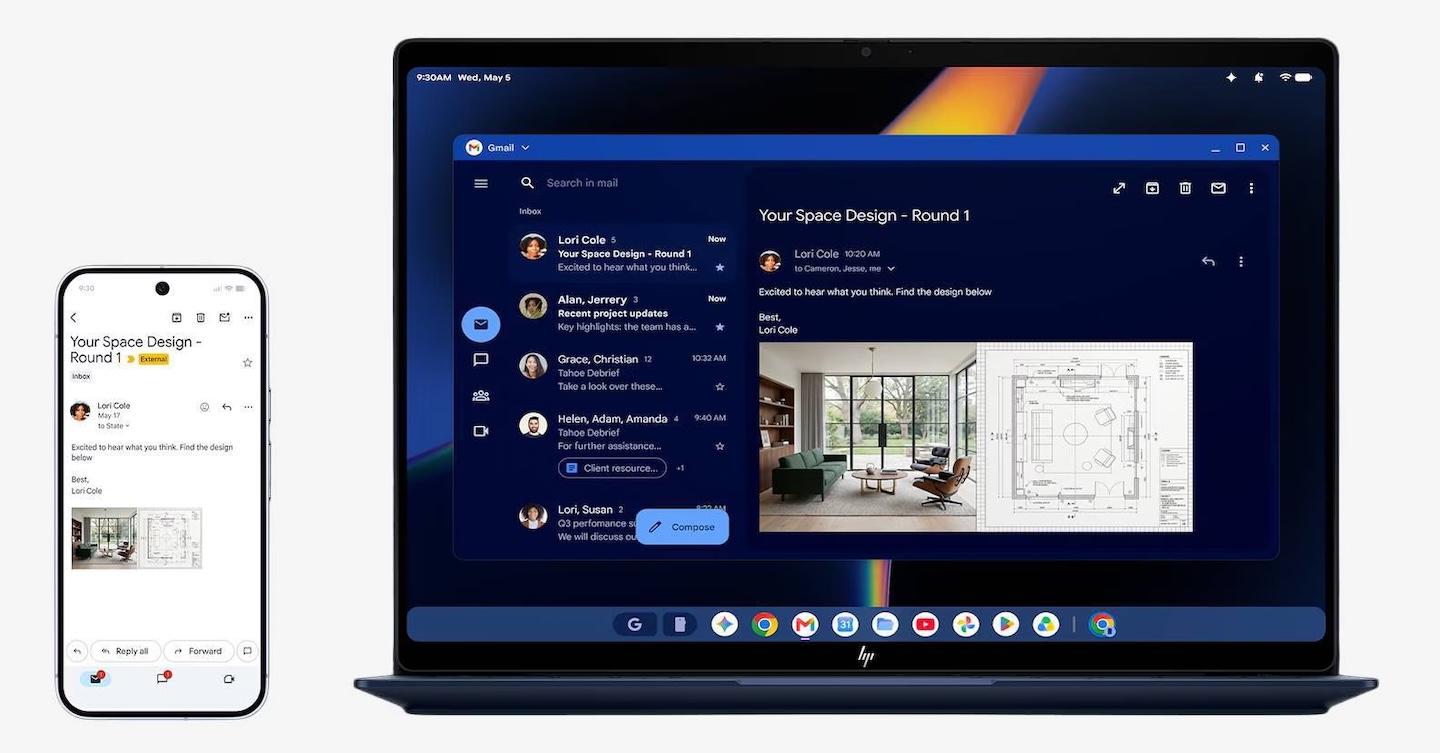
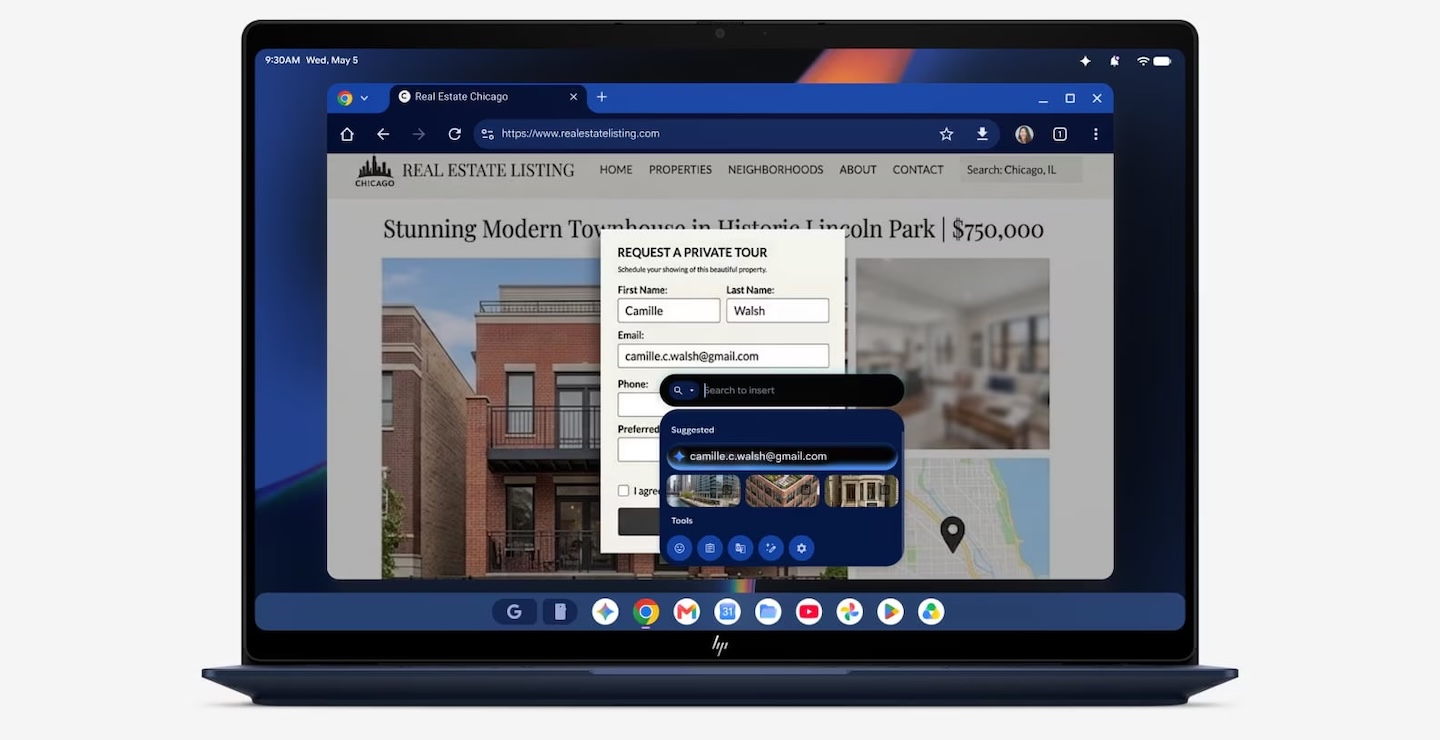
HP says that, after setup with a supported phone running Android 17 or newer, Quick Access can make phone files available from the laptop’s file browser. Cast my Apps is designed to let users open supported phone apps on the laptop without separately installing them. Google also describes Continue on Googlebook as a way to resume a task started on an Android phone.
For someone who regularly moves photos into documents, checks phone-only apps during work, or starts reading something on a phone before switching to a larger screen, those capabilities could save a series of small interruptions. That is a more useful pitch than vague promises of a connected ecosystem.
There are limits, though. HP and Google both refer to supported phones and apps. Setup is required, and there is no universal promise that every Android phone, app, or task will hand off in the same way. The full daily experience still needs independent testing.
That does not make the feature set unimportant. It means buyers should see it as a reason to investigate the platform, not a guarantee that every Android app becomes a perfect desktop app.
The hardware is premium, not Chromebook-budget
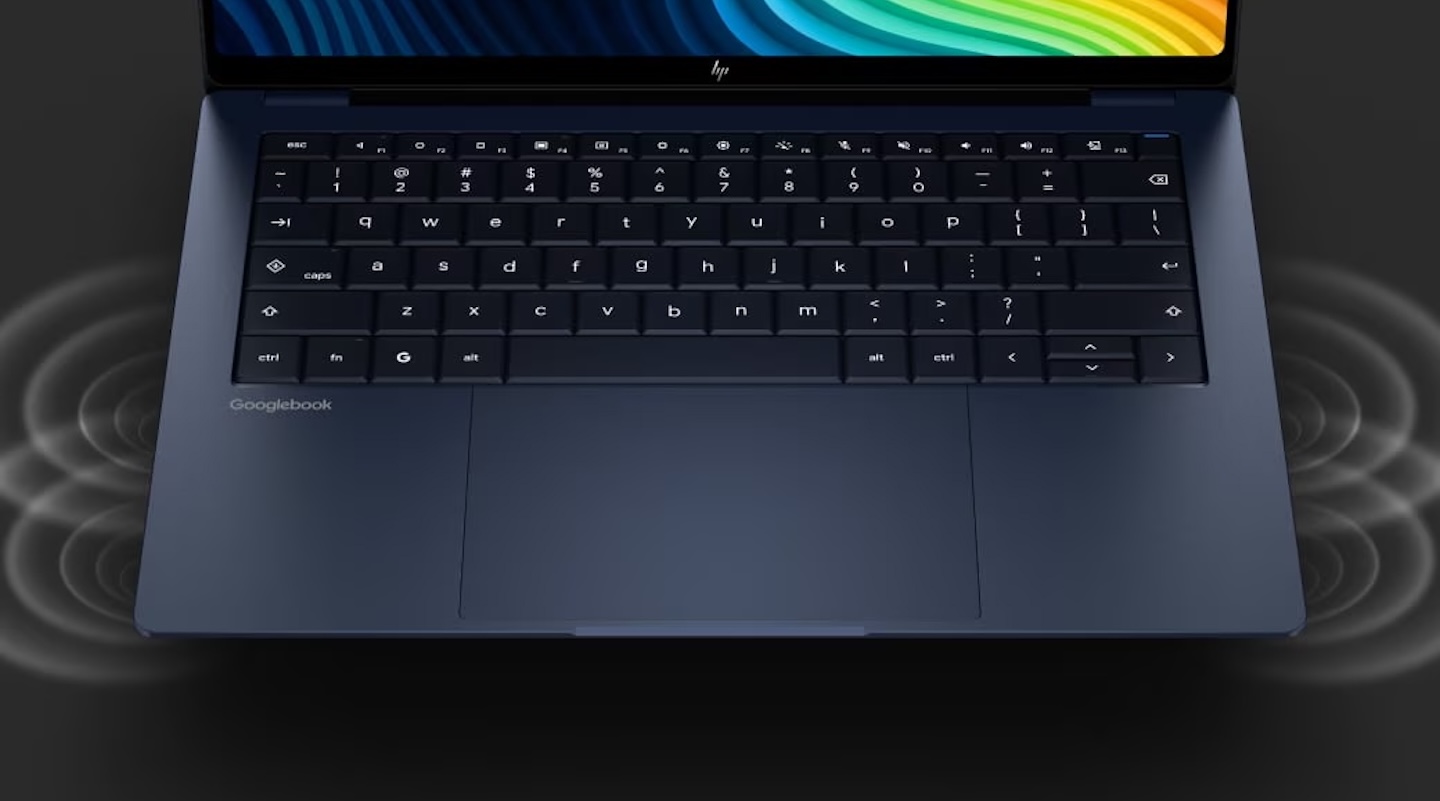
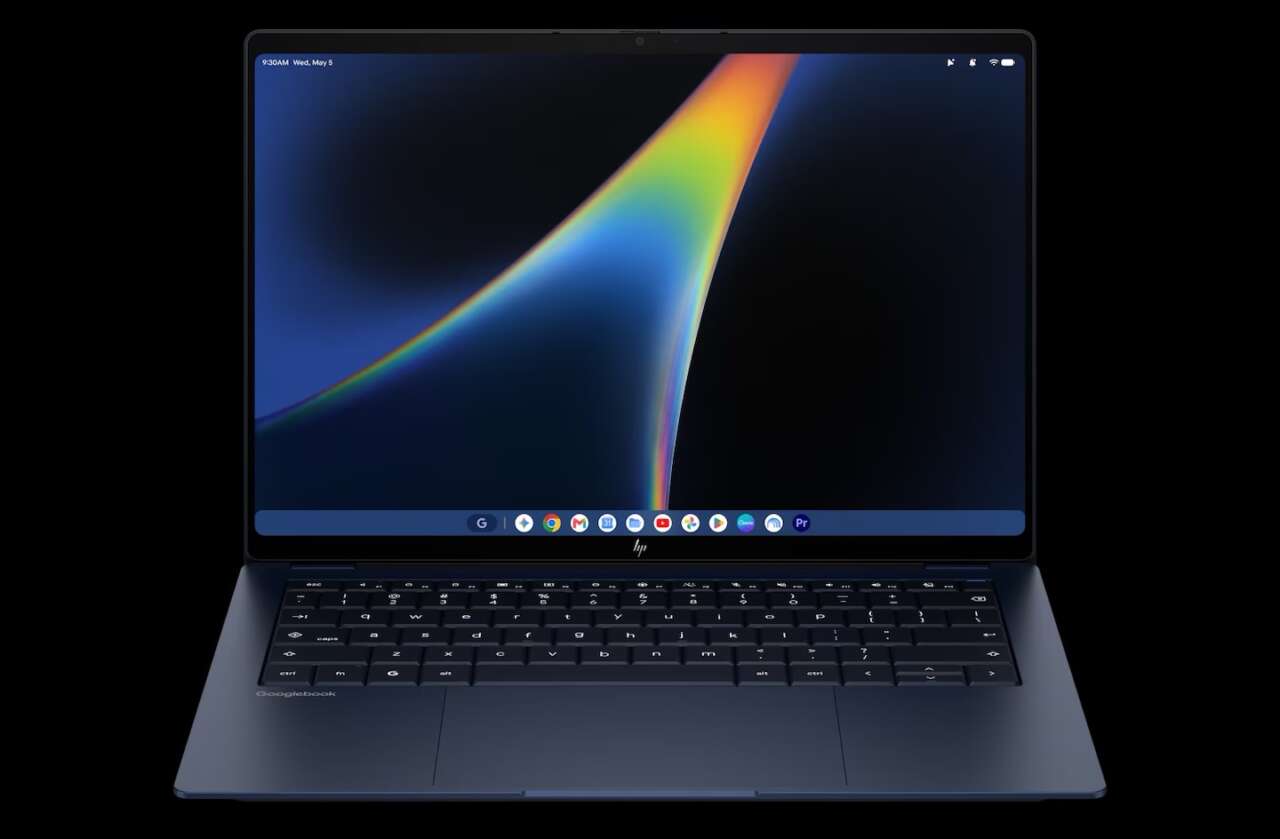
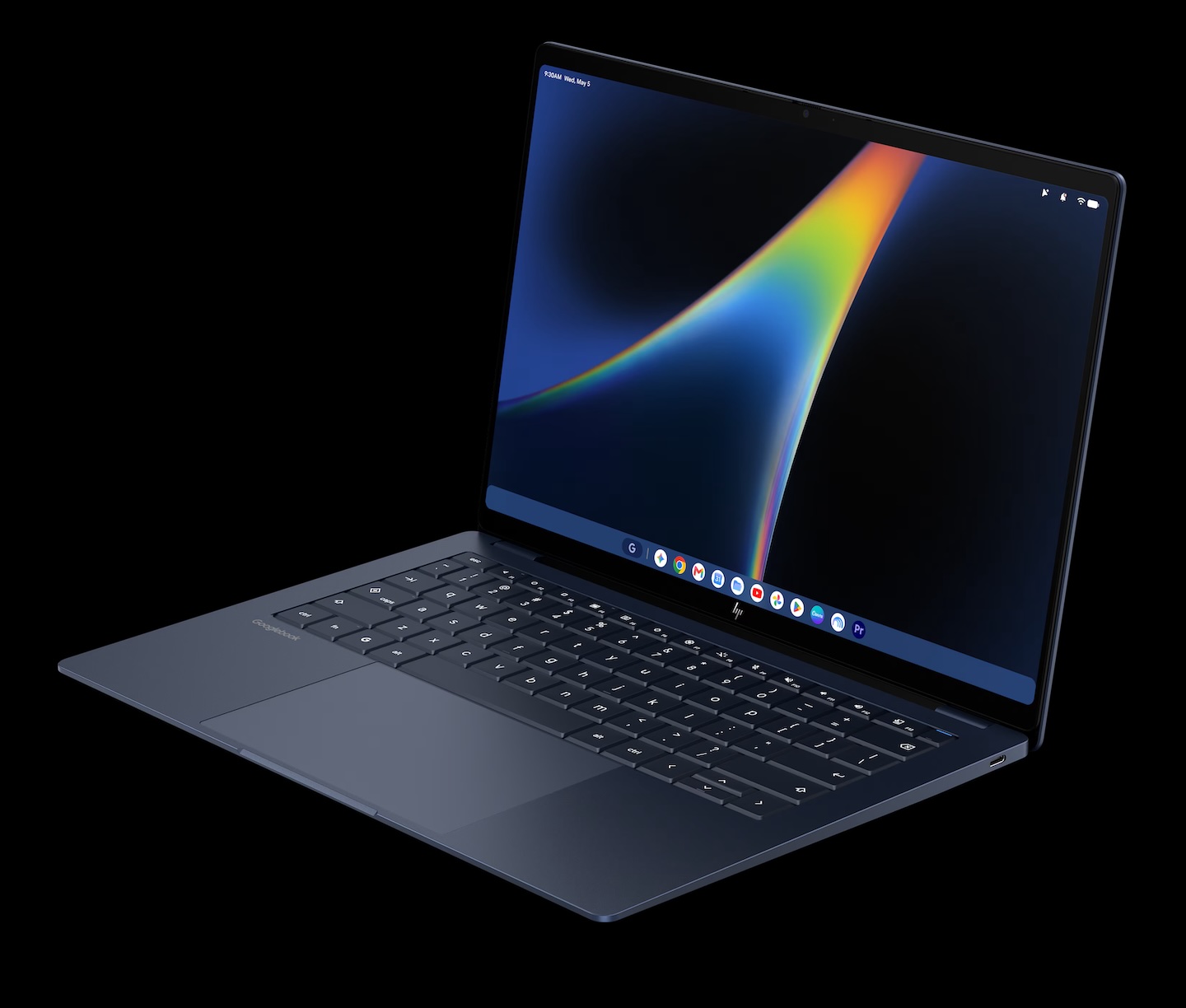
HP’s Googlebook 14 sits well above the inexpensive Chromebook category. Google lists the featured configuration with a Snapdragon X Elite processor, 16GB of RAM, 512GB of storage, a 14-inch 2.8K OLED touchscreen, a 45 TOPS NPU, and a weight of 1.22kg. HP says other configurations can reach 32GB of memory and 1TB of storage, so shoppers should check the exact model before comparing prices.
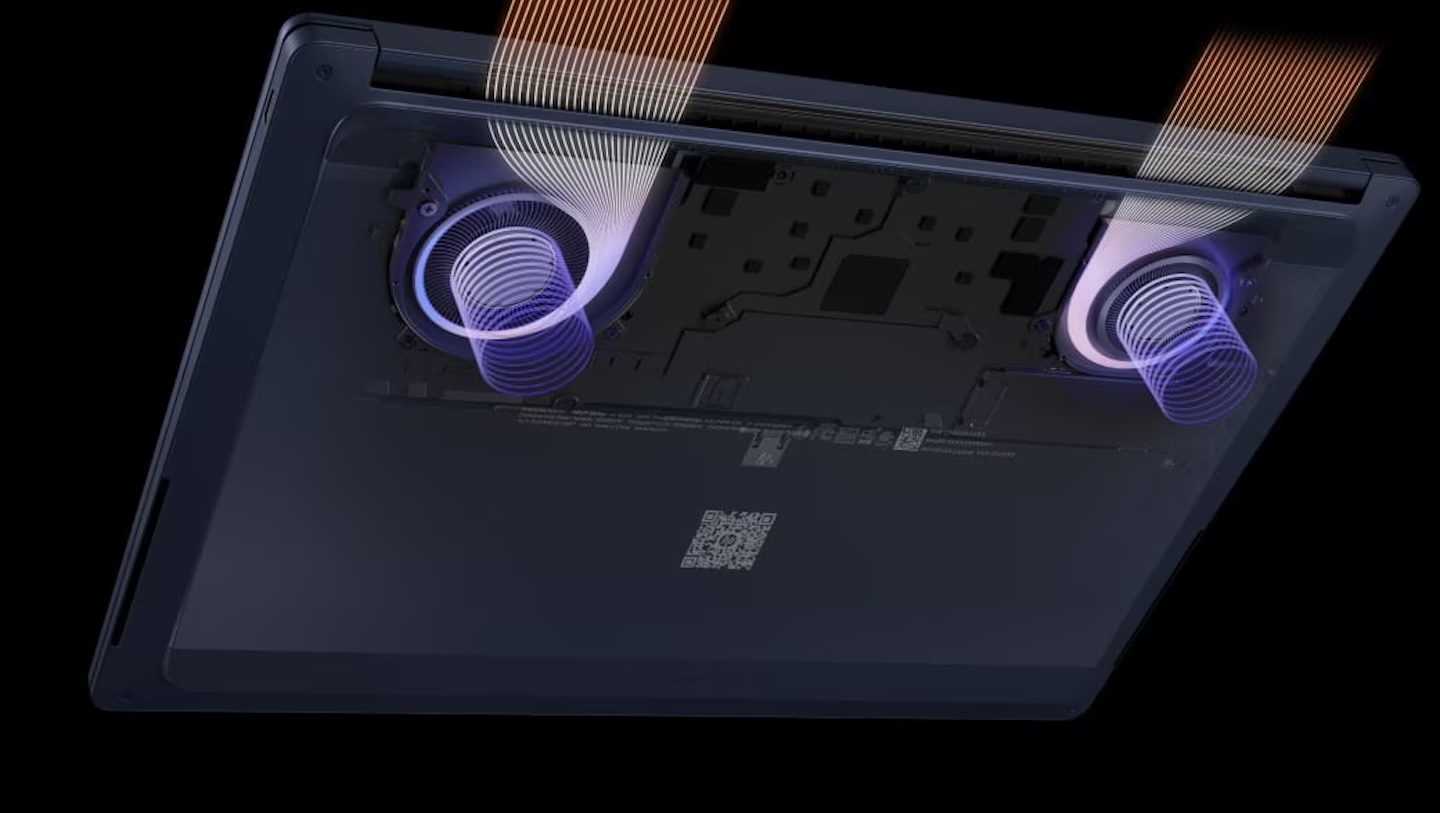
HP also lists a 10.91mm-thin design, vapor-chamber cooling, a 5MP infrared camera, quad speakers, and support for up to two UHD external displays. Those specifications make it worth a look for people who want more than a basic web-first laptop.
The OLED screen is a significant part of the appeal at this price. Google lists its featured 16GB/512GB configuration with a 2.8K OLED touchscreen, while HP says touch availability varies by configuration. HP also advertises a variable refresh rate of up to 120Hz. Its broader product page describes the line as offering “up to 3K” OLED, but 2.8K is the more precise figure for the configuration Google currently lists.
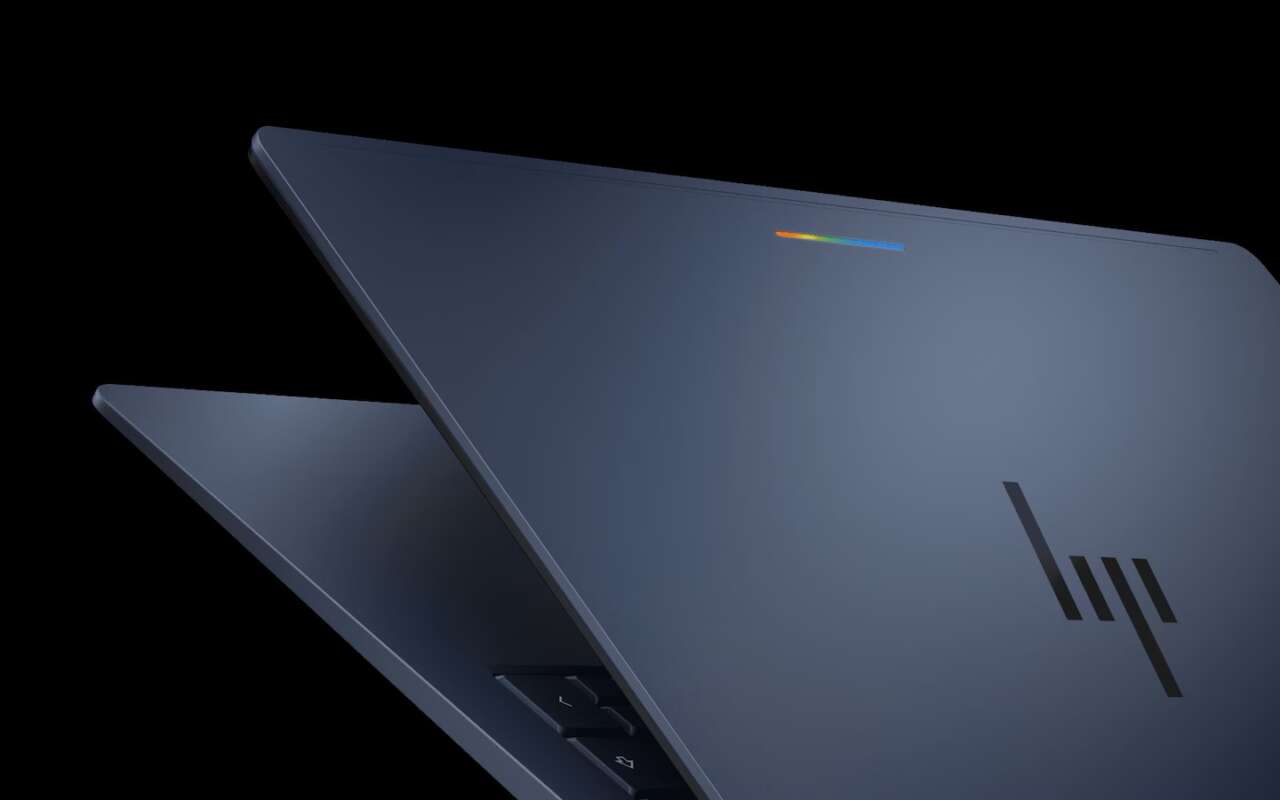
HP’s small Glowbar shows charging and battery status while the lid is closed. It will not transform anyone’s workflow, but it is a thoughtful detail on a laptop that is clearly aiming for a premium feel.
Battery and AI claims need context
HP and Google both advertise up to 19 hours of battery life, but their published test descriptions differ. HP cites controlled local-video playback; Google’s listing cites controlled web browsing. Neither figure predicts how long the laptop will last through a buyer’s mix of browser tabs, video calls, external displays, Android app streaming, and AI features.
Gemini is another major part of the pitch. Magic Pointer is designed to bring AI assistance to selected on-screen content, while Rambler aims to turn spoken thoughts into organized text. Proactive Suggestions can surface context-based next steps, and Spark is designed to work on eligible assigned tasks in the background. HP says Spark requires Google AI Pro, is available only in select regions, and should be supervised closely.
Those tools could be useful for drafting, planning, and summarizing. But availability varies by country and language, some features are restricted to users 18 or older, and internet access may be required. Buyers should also check AI-generated answers rather than assuming they are accurate.
That is not a weakness unique to HP. It is a practical consideration when buying a laptop whose identity is closely tied to AI services that may change over time.
The price picture is still confusing
HP’s September announcement says the Googlebook 14 is expected to start at $1,199.99 through HP and Best Buy. Google’s current U.S. listing shows the HP Googlebook 14 from $1,299 for a configuration with 16GB of RAM and 512GB of storage.
The listings do not clearly explain the difference. It could reflect a different configuration, a launch offer, or a listing change, but none of those explanations is confirmed. Buyers should verify the exact specifications and checkout price rather than assume that both figures refer to the same machine.
Eligible buyers also receive 12 months of Google AI Pro, including 5TB of cloud storage. The offer is limited to eligible users in Australia, Canada, France, Germany, Ireland, New Zealand, the UK, and the US. HP values it at $239.88 based on monthly renewal pricing; after the trial, it renews at $19.99 per month or the then-current rate unless canceled. It may add value for someone who will use it, but it is a temporary benefit, not a permanent part of the laptop.

Who should consider it?
The HP Googlebook 14 is most compelling for Android users who want a premium laptop and spend much of their day in Google services. Its OLED screen, light 1.22kg design, 5MP camera, external-display support, and Snapdragon hardware give it more to offer than phone integration alone.
It is harder to recommend without reservations to anyone who depends on software that is not available or fully supported on Googlebook, needs a particular Android app to work flawlessly on a laptop, or wants extensive independent battery and performance testing before spending roughly $1,200 to $1,300.
Price: From $1,199.99
Where to Buy: HP
For the Android-first buyer, this is one of the more interesting first-wave Googlebook models. Before ordering, confirm the configuration and final price, and make sure the phone features you care about support your devices.