Buying better Bluetooth headphones does not guarantee that your phone, tablet, or laptop can transmit the best codec they support. Sometimes the bottleneck is the source device, particularly when your headphones support LDAC or aptX Adaptive but your phone does not.
Price: From $89
Where to Buy: iFI
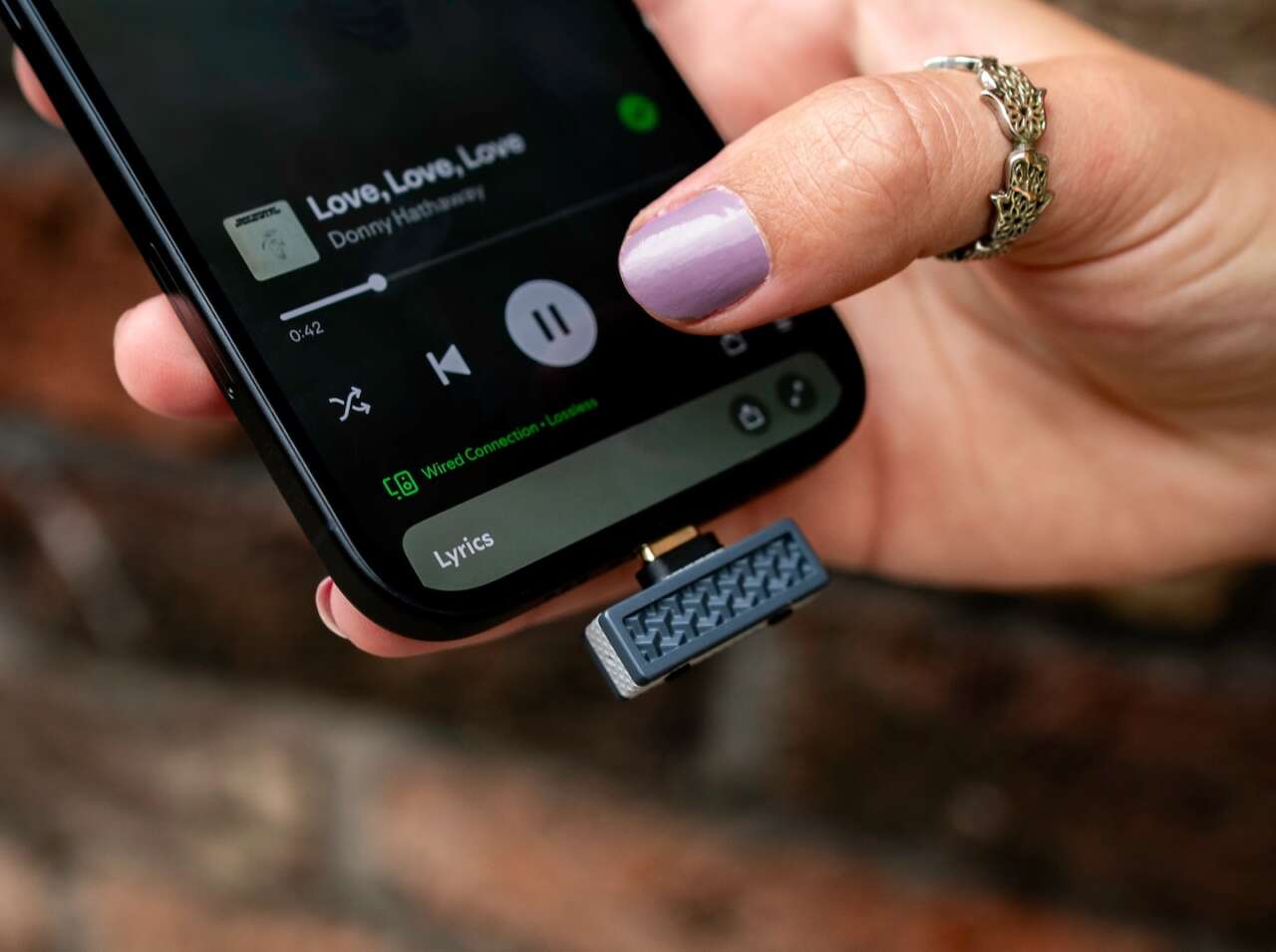
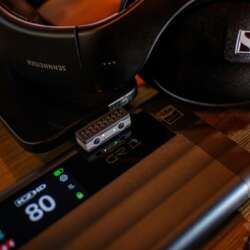
iFi Audio’s UP Play and UP Play Max are tiny USB-C Bluetooth transmitters designed to address that mismatch. Plug one into a compatible device, and the adapter handles the Bluetooth connection rather than relying on the device’s built-in codec support.
Both weigh just 3 grams and measure 27.6 × 20.8 × 8 mm. The standard UP Play supports a range of Bluetooth codecs, while UP Play Max adds aptX Lossless, Bluetooth 5.4, and planned Auracast support.
Why would you need one?
Bluetooth headphones and source devices must agree on a codec. If your headphones support LDAC but your phone cannot transmit it, the connection falls back to a codec both devices support.
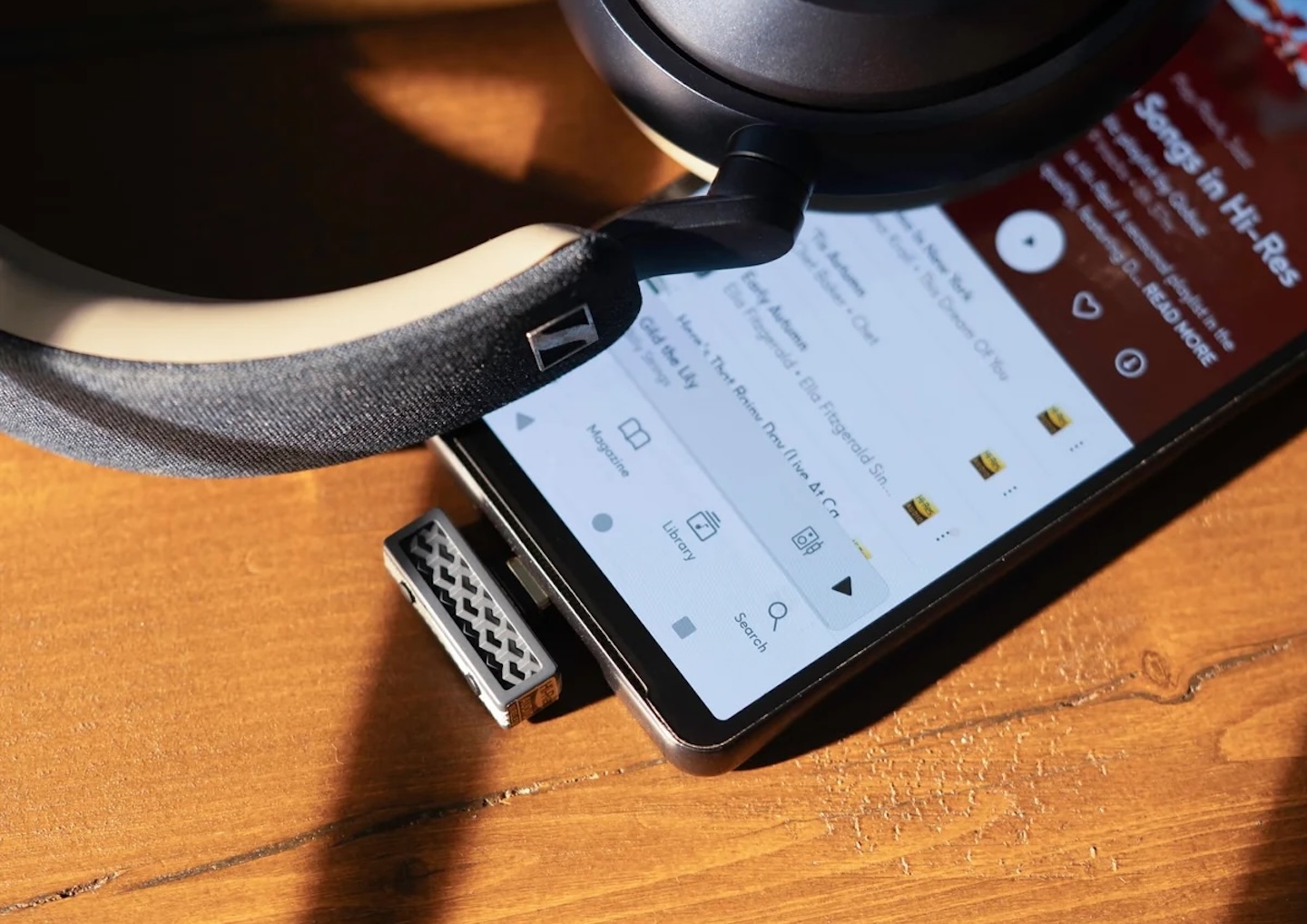 That is particularly relevant to iPhone owners. iPhones do not natively transmit LDAC or Qualcomm’s aptX codecs. A USB-C transmitter can offer those options without changing the headphones themselves.
The standard UP Play supports LDAC, aptX Adaptive, aptX Low Latency, aptX HD, aptX, AAC, and SBC over Bluetooth 5.2. iFi specifies a transmission range of at least 10 meters.
Connecting one does not automatically make every pair of headphones sound better. The headphones must support the same codec, and codec specifications alone cannot tell you whether you will hear a meaningful difference. The practical benefit is removing the phone’s codec selection as one possible bottleneck.
What does UP Play Max add?
UP Play Max is aimed primarily at listeners whose headphones or Bluetooth receivers support aptX Lossless. It uses Bluetooth 5.4 and adds a codec designed to deliver lossless CD-quality audio when the receiving hardware and connection conditions allow it.
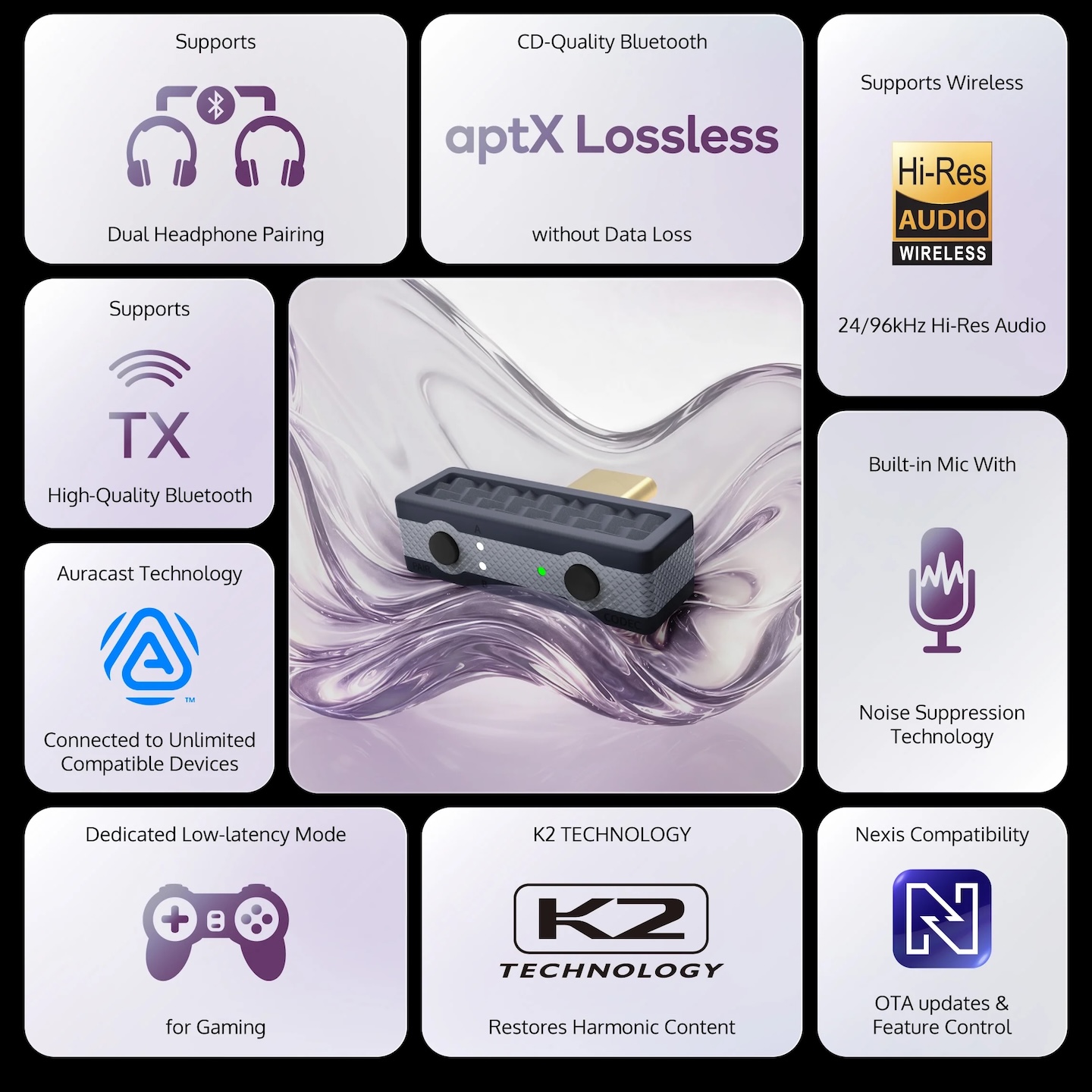 Those qualifications matter. UP Play Max cannot make ordinary Bluetooth headphones lossless, and the connection must remain good enough to sustain aptX Lossless. Its clearest use case is a pair of aptX Lossless-capable headphones connected to a phone that cannot otherwise transmit the codec.
iFi also plans to add Auracast through a future firmware update. That could eventually let the Max broadcast to compatible receiving devices, but the feature is not available at launch, and iFi has not announced an update date.
K2 processing is optional
Both models include JVCKENWOOD’s K2 Technology. iFi says it attempts to restore harmonic information lost during digitization to add depth and detail to digital audio. That is the company’s description, not a guarantee that everyone will prefer the result.
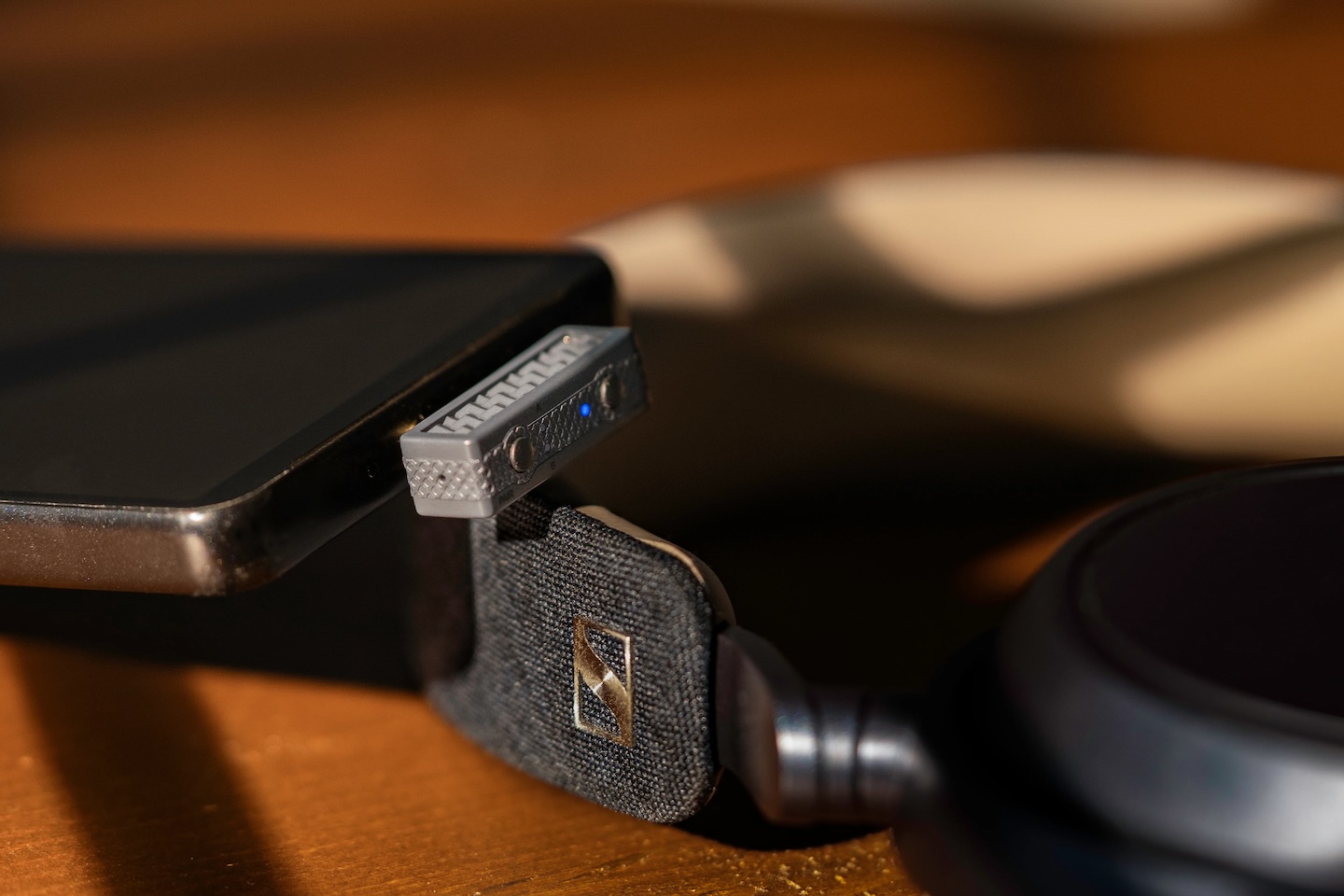 You can switch K2 on or off through the iFi Nexis app. iFi says the app also lets users manage paired devices and active codecs, control low-latency mode, and install firmware updates. K2 is therefore something you can try for yourself rather than a permanent part of your listening setup.
Sharing audio has a catch
Both UP Play and UP Play Max can connect to two pairs of Bluetooth headphones at once, a useful option for watching a movie together on a laptop, tablet, or handheld without sharing earbuds.
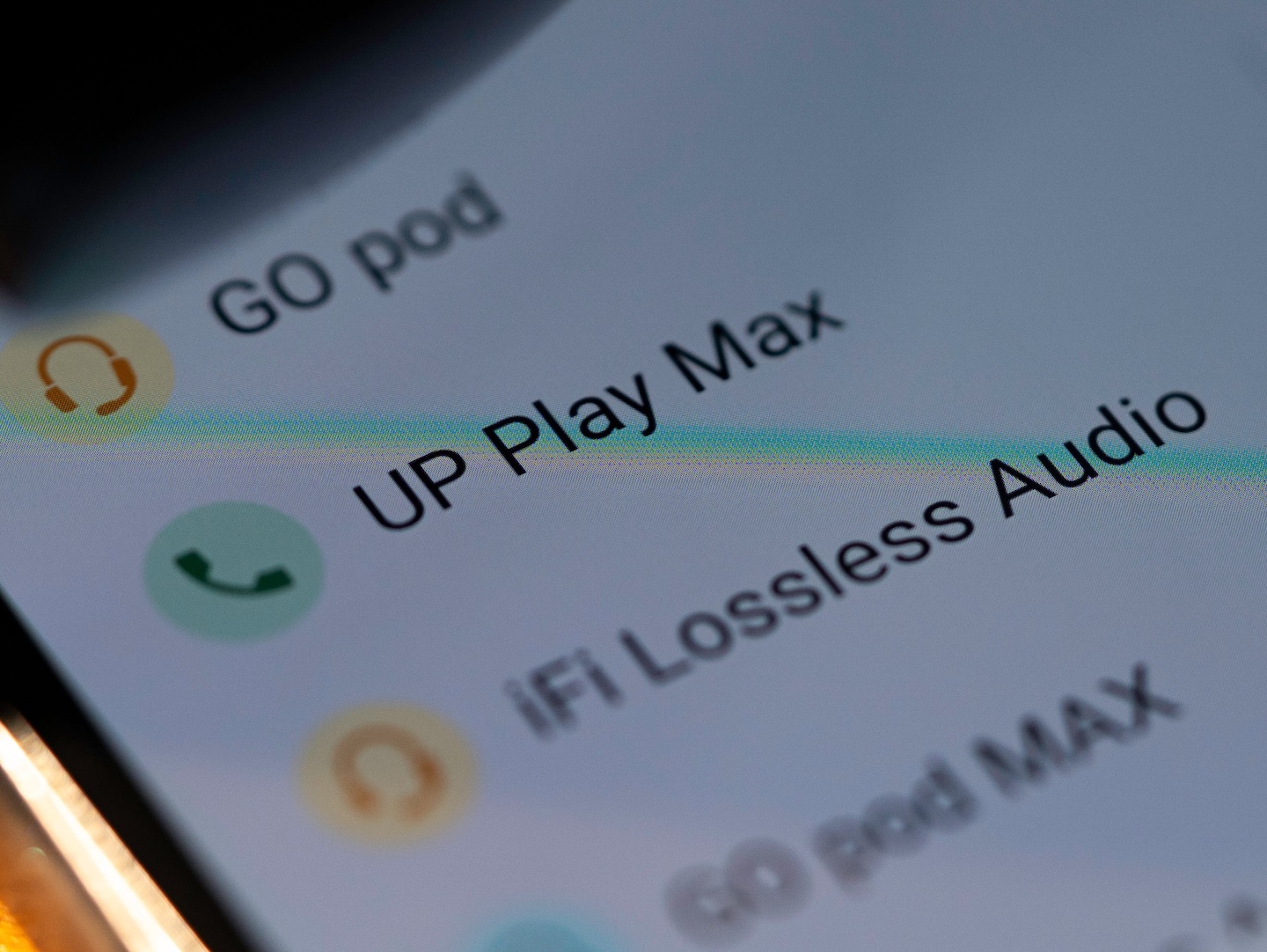 According to iFi, dual-headphone mode on either adapter uses SBC. The higher-end codec advantages are therefore unavailable while both pairs are connected. It is a practical feature for shared listening, but if LDAC or aptX Lossless is your reason for buying, expect to use one pair at a time.
Gaming and calls
Both adapters offer a low-latency mode controlled through Nexis. The standard UP Play also supports aptX Low Latency. Those features may appeal to people watching video or playing games, where audio arriving behind the picture can be distracting.
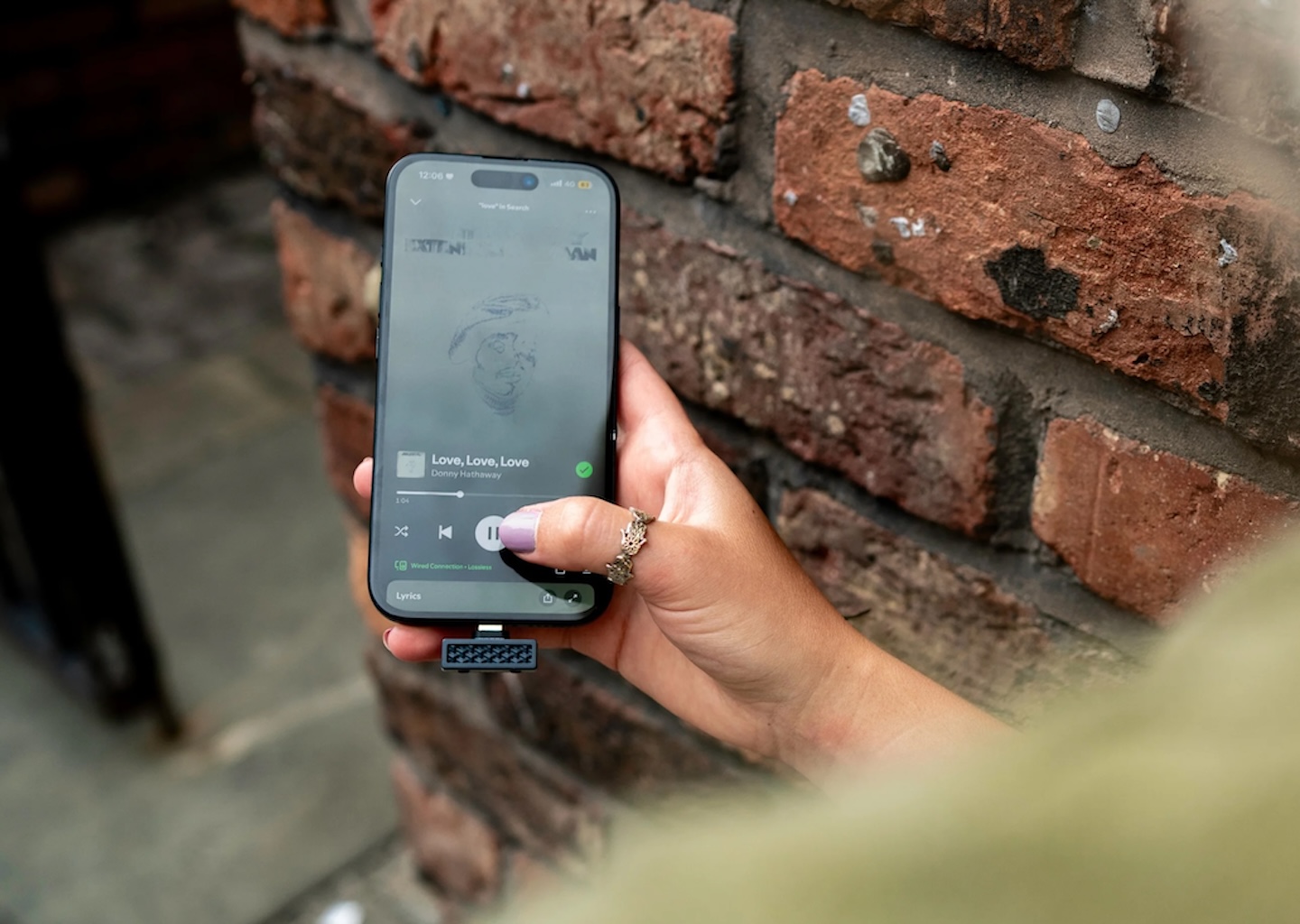 Actual latency depends on the entire Bluetooth connection, including the headphones. iFi has not published end-to-end measurements across different headphones and source devices, so “lag-free” should not be taken as a guaranteed result.
The adapters also have a built-in microphone. iFi says its noise and echo suppression are intended to improve voice clarity during calls and gaming chat, though real-world microphone performance, especially in wind or noisy surroundings, remains to be established.
Small size, occupied port
Both adapters draw power through USB-C, so there is no separate battery to charge. At 3 grams, either should add little bulk to a phone, tablet, laptop, or handheld.
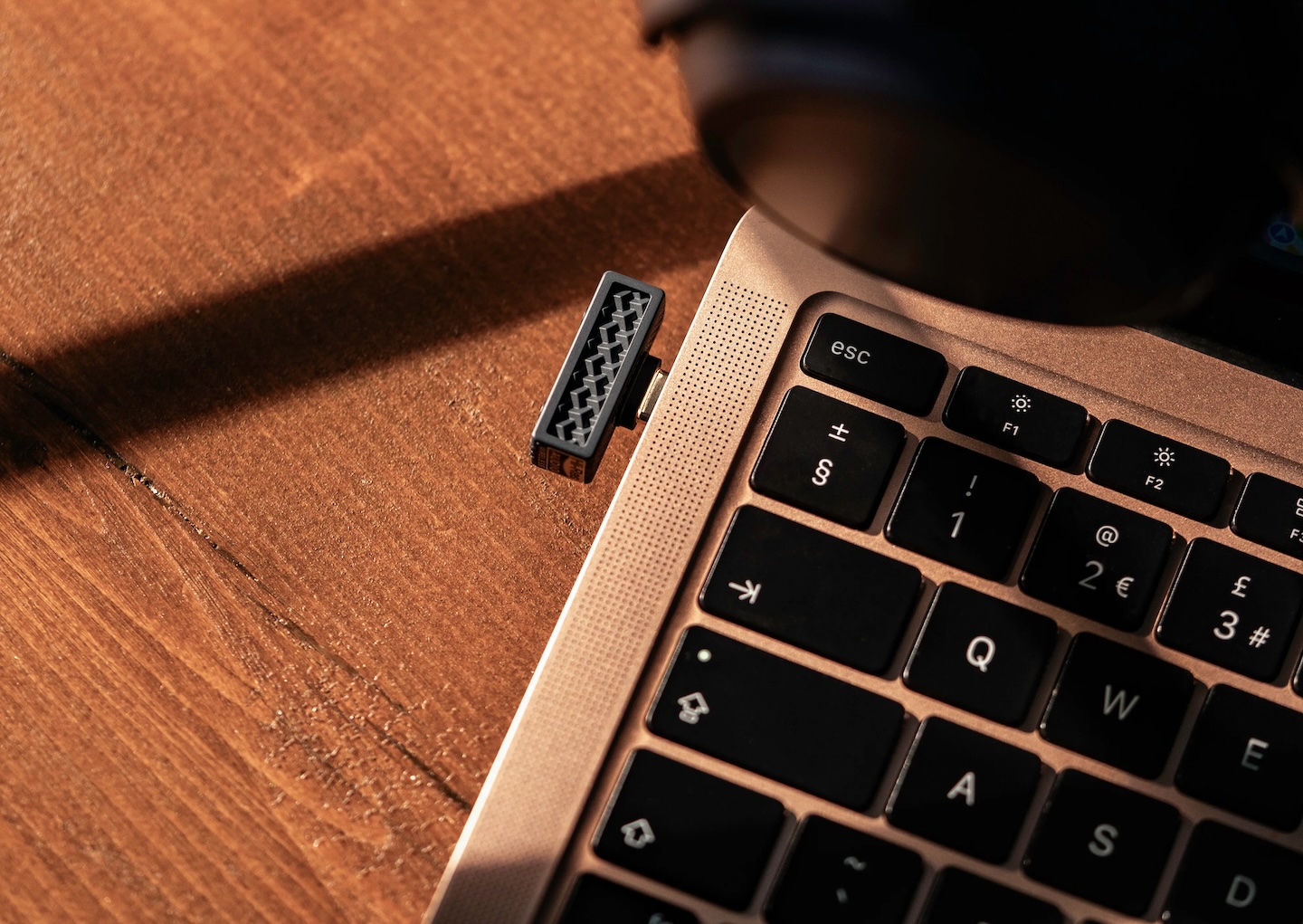 The trade-off is that the transmitter occupies the USB-C port. If your device has only one, charging while listening may require a suitable hub or adapter. That matters most on phones, where the appeal of such a small dongle is keeping the setup simple.
Which one should you buy?
At $59 in the US, the UP Play is the more sensible choice if your main goal is to add LDAC or supported aptX codecs to a source device that lacks them. It offers Bluetooth 5.2, K2 processing, app controls, a low-latency mode, and a built-in microphone.
The $89 UP Play Max is worth considering if your receiving hardware specifically supports aptX Lossless. Its planned Auracast update is a potential bonus, but because that feature is not available yet, it should not be the sole reason to spend the extra $30.
Price: From $89
Where to Buy: iFI
Neither adapter changes your headphones’ drivers or tuning. What these dongles can do is give compatible headphones access to a codec your source device could not otherwise transmit.