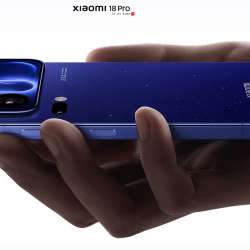
Choosing between a Pro phone and its larger Pro Max sibling often comes down to whether extra battery life and performance are worth a bigger device. Xiaomi’s new 18 Pro and 18 Pro Max make that choice more consequential: both pair large batteries, Leica-branded cameras, flagship Snapdragon hardware, and a secondary display on the back, but the Pro Max goes further on capacity and performance.
Price: 5,999 CNY (About $839)
Where to Buy: Xiaomi
The Xiaomi 18 Pro starts at 5,999 yuan in China, while the Xiaomi 18 Pro Max starts at 6,999 yuan. Both went on sale after their September 23 launch.
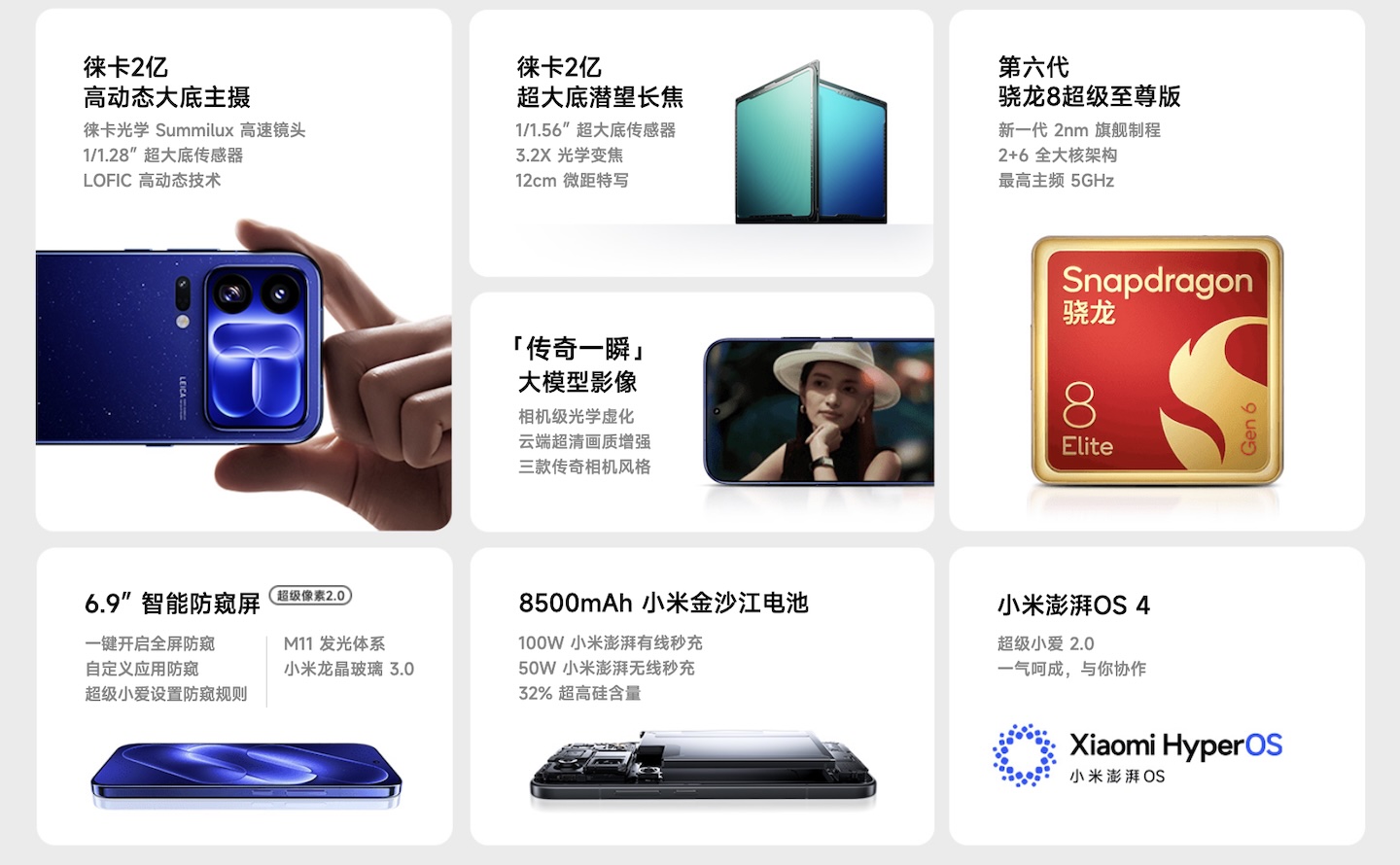
That extra 1,000 yuan buys meaningful hardware differences. The 18 Pro has a 7,000mAh battery and Qualcomm’s Snapdragon 8 Elite Gen 6, while the Pro Max raises capacity to 8,500mAh and uses the higher-tier Snapdragon 8 Elite Extreme Gen 6.
The Rear Display Gets More Useful
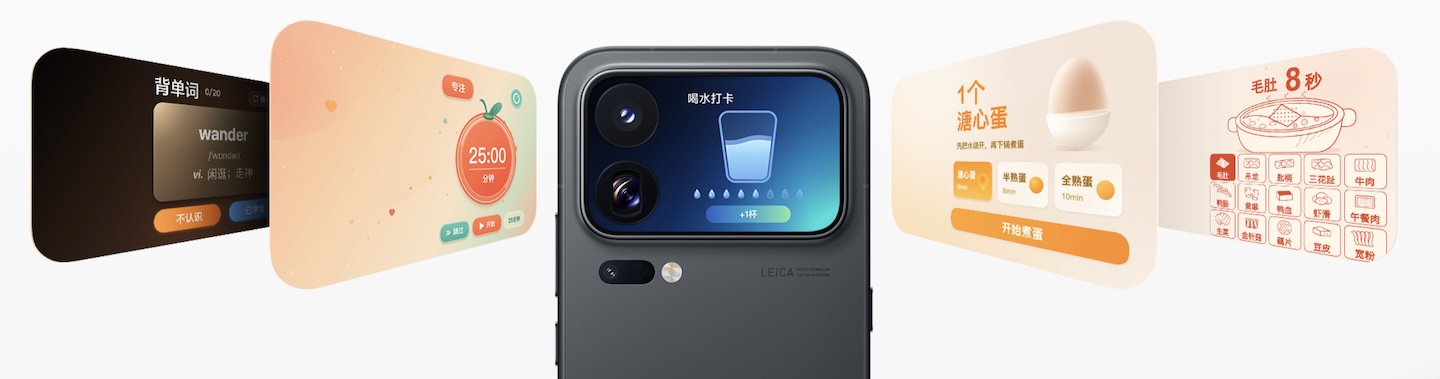
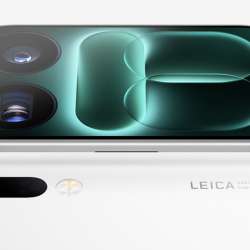
The feature that most clearly separates these phones from conventional flagships is Xiaomi’s secondary rear display, which sits alongside the camera hardware.
Xiaomi is expanding what the screen can do. More than 100 built-in app cards are available at launch, covering quick tools, notifications, timers, simple games, and other glanceable information. The company is also introducing AI-generated rear-screen cards, which could let users create functions beyond Xiaomi’s predefined options.
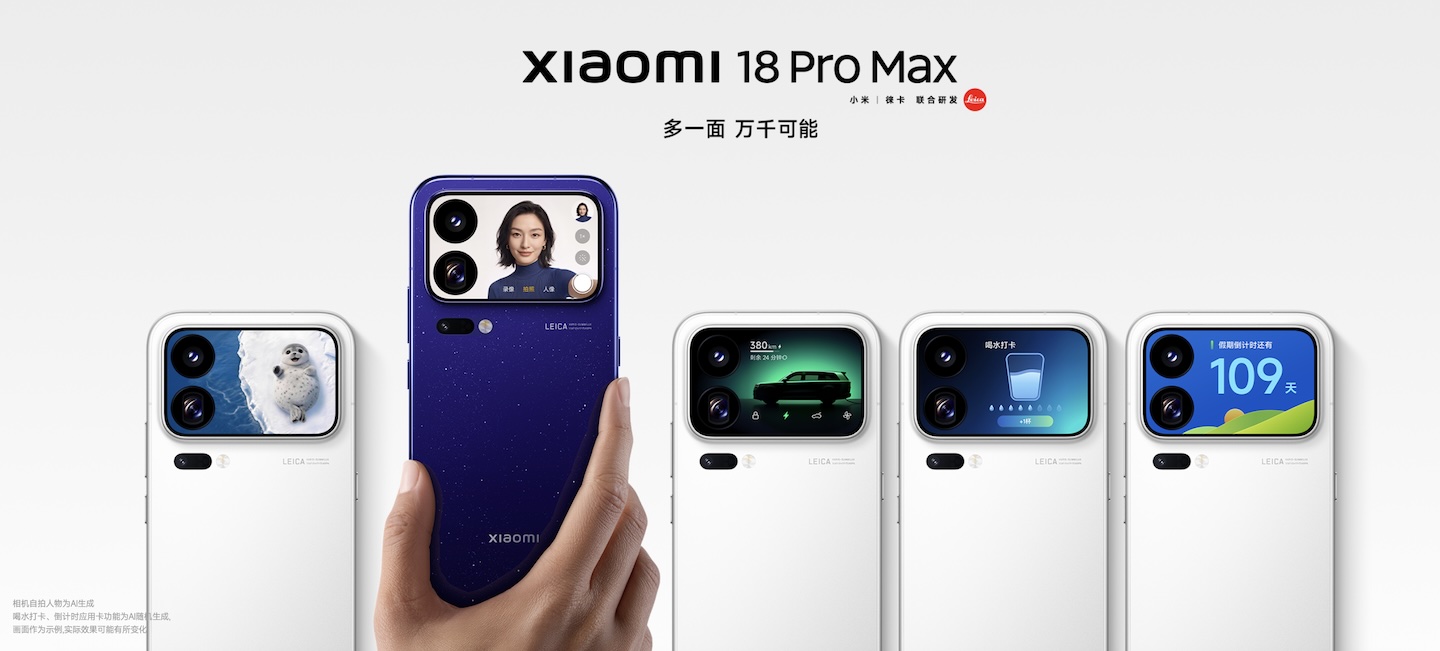 Xiaomi says the rear-screen idea has continued to find an audience after the novelty of the previous generation. The company says users interacted with rear-screen app cards more than 4 million times per day on the previous generation, while more than 3.5 million wallpapers were added to the display daily.
Those figures are Xiaomi’s own rather than independently audited data, and frequent use does not necessarily mean a second screen is essential. Still, the display has an obvious practical advantage for photography: it lets users frame selfies with the more capable rear camera system instead of relying on the front camera.
The Pro Max Goes Bigger on Battery
The Xiaomi 18 Pro has a 7,000mAh battery, which is already unusually large for a 6.4-inch flagship. Xiaomi says its latest Jinshajiang battery technology uses 32% silicon content.
The 18 Pro Max pushes capacity to 8,500mAh, a substantial 1,500mAh increase over the Pro.
 Capacity alone does not determine real-world battery life. Display size and brightness, processor efficiency, camera use, cellular conditions, gaming, and background activity all affect endurance. Independent testing will be needed before either phone can be called a battery-life leader.
On paper, though, the Pro Max has a clear advantage. Its larger battery could appeal to frequent travelers, mobile gamers, heavy camera users, and anyone who regularly spends a full day away from a charger.
Two Flagship Snapdragon Chips
The phones also split the lineup with two versions of Qualcomm’s latest flagship silicon.
The Xiaomi 18 Pro uses the Snapdragon 8 Elite Gen 6, while the 18 Pro Max gets the higher-tier Snapdragon 8 Elite Extreme Gen 6. Both use a 2nm manufacturing process and can reach CPU frequencies of up to 5GHz.
 The Extreme version uses an Offset PoP design that moves memory away from the SoC’s hottest areas, which could help heat reach the phone’s cooling system more efficiently.
Xiaomi pairs that chip with a new loop heat-pump cooling system in the Pro Max and claims it can sustain full-frame-rate gaming for an hour under the company’s test conditions.
That remains a manufacturer claim. Independent benchmarks will be needed to evaluate sustained performance, temperatures, power use, and whether the Extreme version produces a meaningful advantage in everyday use.
Dual 200MP Leica Cameras
The camera specifications are similarly ambitious. Both models use Leica-branded triple-camera systems built around two 200MP sensors.
The 18 Pro has a 200MP Light Fusion 960 main camera, a 200MP Samsung HP5 periscope telephoto camera, and a 50MP ultrawide. Its telephoto lens provides a 75mm-equivalent focal length and can focus as close as 12cm for telephoto macro shots.
 The Pro Max uses the Light Fusion 960L main camera and otherwise shares the 200MP periscope telephoto and 50MP ultrawide setup.
Xiaomi is adding AI-assisted photography tools, including location-aware shooting suggestions, composition guidance, filter recommendations, and a new Legendary Moment imaging mode.
Big sensor numbers and AI features do not automatically deliver better photos. Autofocus, stabilization, exposure, HDR processing, color science, and low-light performance will matter more when these phones are tested against competing flagships.
Bright Screens and Privacy Tech
The 18 Pro uses a 6.4-inch display with Xiaomi’s new M11 light-emitting system and 0.99mm bezels. The Pro Max increases the screen size to 6.9 inches. Both phones use LTPO panels with refresh rates up to 120Hz, BT.2020 color support, and a quoted peak brightness of up to 4,000 nits.
Both models also include hardware-level privacy-screen technology. Xiaomi says it can selectively narrow viewing angles for notifications, apps, multitasking windows, and other content.
As with Xiaomi’s camera and performance claims, real-world testing will be needed to judge the privacy system’s effectiveness and the displays’ everyday performance. Peak-brightness figures also should not be read as brightness that is continuously available across the full screen.
Which One Makes Sense?
The Xiaomi 18 Pro is the better fit for someone who wants the rear-screen experience, dual-200MP Leica-branded camera hardware, and flagship Snapdragon performance in a smaller 6.4-inch phone. Its 7,000mAh battery is already substantial, so choosing it does not mean compromising on endurance.
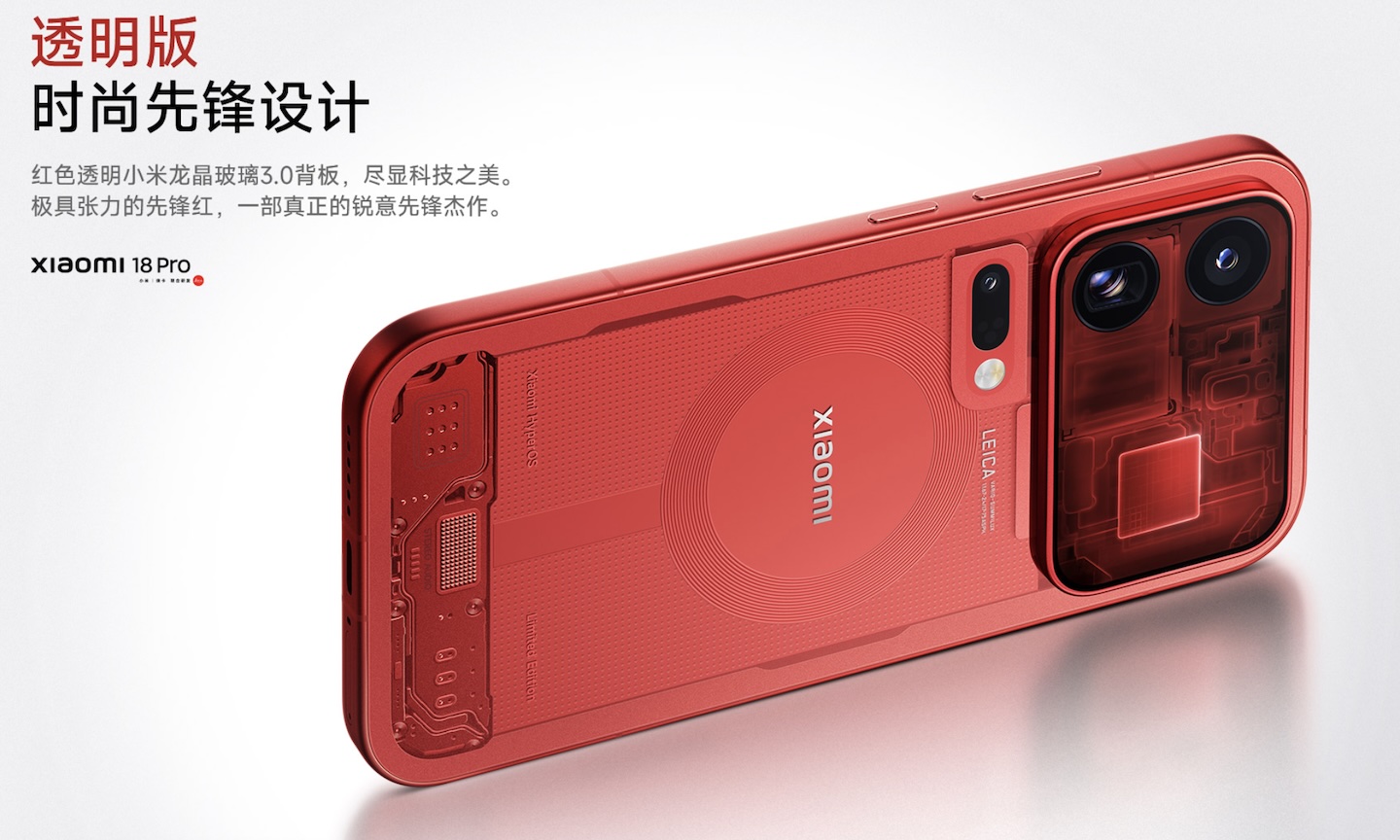 The 18 Pro Max is the more compelling option for buyers who prioritize maximum battery capacity and sustained performance. Its 8,500mAh battery, Snapdragon 8 Elite Extreme Gen 6, and upgraded cooling system give it meaningful advantages beyond a larger display and a “Max” name.
Buyers outside China may want to wait for more details. Xiaomi has confirmed an international launch later this year, but it has not yet announced international pricing, final configurations, or specific launch regions. Reports indicate that global versions may use smaller batteries, so the Chinese capacities listed above may not apply outside China.



Price: 5,999 CNY (About $839)
Where to Buy: Xiaomi
For now, the split is straightforward: the 18 Pro delivers most of Xiaomi’s new flagship ideas in a smaller package, while the 18 Pro Max is the choice for buyers willing to carry a larger phone in exchange for an extra 1,500mAh of battery capacity and Qualcomm’s higher-tier platform.