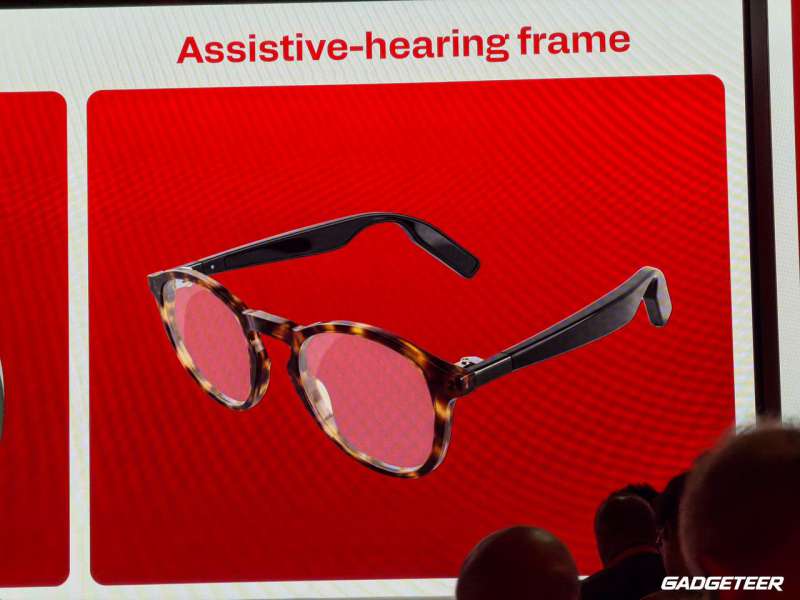
I can see the appeal of asking my glasses about something in front of me, then having an AI agent do the next bit of work while my phone stays in my pocket. That was the thread running through Meta Connect today. Meta wants its Muse agent to travel from your phone and Mac to your face, and it introduced new glasses to give that idea a few very different ways to work.
There was a lot more than one pair of frames. The $349 Ray-Ban Meta Audio puts open-ear sound and AI in a lighter design, the $449 Ray-Ban Meta Gen 3 improves the camera-equipped line, and existing Meta Ray-Ban Display glasses are getting new navigation and calling features. At the other end of the range, Meta VR Glasses promise a private cinema and workspace in glasses weighing about 100 grams. Those won’t arrive until spring 2027, at $1,299.99.
The question beneath all of this is whether Muse can make those devices feel connected without taking too much control. A voice request that finds information is useful. An agent that buys something, changes a calendar, or operates your Mac needs clear permission and a way to see what it did.
Muse wants to finish the job, even when you walk away
Muse itself launched earlier this month, so today’s news is about where it goes next. Meta showed a real-time voice mode that lets you keep talking while the agent works in the background. You’ll be able to describe the voice you want, including its pace or accent. Meta also introduced Muse Realtime Avatar, an expressive digital face for that voice. It’s an interesting way to make a long conversation feel more personal, though I’d rather judge it after talking with one than from a stage presentation.

The more useful move may be putting Muse on AI glasses in the coming months. You’ll be able to say your agent’s name and ask it to act on something you’re looking at, such as a product on a shelf or a flyer on a wall. Imagine seeing a concert poster, asking about tickets, and having the agent check the date against your calendar while you keep walking. Meta described shopping, workout guidance, meal logging, and appointment booking as other possibilities. How well it identifies the right object, which tasks run through the phone or cloud, and when it stops to ask before acting will decide whether that’s handy or exhausting.
Muse is also getting its own email address. On the Mac, Meta says computer use is available now: with your permission, the agent can operate apps and keep working on queued tasks after you leave. New shopping connections include Walmart, Best Buy, Sephora and others, with Shop Pay and PayPal for payments. Meta also named Notion, GitHub, Box and Granola for work, Instacart for groceries, and Expedia as a coming travel connection. A long partner list gives Muse places to act; it doesn’t tell us yet how reliably a purchase, reservation or file change will work across them. I’d want an easy approval step and a readable record of each action, especially when money or personal data is involved.
There was a small hardware tease, too. Muse Charm is a pocket-size device for talking to the agent through a real-time voice model. Meta gave no price, shipping date or complete specification, and said it would share more later this year. For now, Charm is an idea to watch, not another product to put on a shopping list.
The new glasses aren’t all trying to do the same thing
Ray-Ban Meta Audio is Meta’s answer for people who want sound and voice access in familiar-looking glasses. These are audio glasses rather than the new camera-equipped Gen 3 line. They weigh 43 grams, use open-ear speakers, and are rated for up to 12 hours on a charge, with up to another 48 hours from the case. Clubmaster and Burbank styles come in 23 color and lens combinations, and both support a range of prescriptions. Preorders open today at $349, with shipping set for October 13.

The distinction is practical. If I mainly want music, calls, and a way to ask Muse something without wearing earbuds, I don’t need to pay for a camera I won’t use. I’d still want to try the fit and hear how well open-ear audio works on a noisy street. Meta’s battery rating is a claim for the glasses, not a result from our testing.
Ray-Ban Meta Gen 3 is for people who do want to capture what they see. It starts at $449 and is available today in Wayfarer, Aviator and Zena styles. The glasses have a 12-megapixel camera, 3K video recording, a customizable action button, and a six-microphone array. Meta rates battery life at up to nine hours, one hour beyond Gen 2, and says the microphones cut more than 90 percent of background noise. The capture LED remains there to signal when photos or video are being taken. Dynamic Photo saves multiple frames so you can choose the one that worked best.
Meta is spreading the range outward as well. Its separate Meta Glasses collection gets Capri and Nova frame shapes, a Kylie Jenner Ivory color, two LISA designs starting at $399, a limited-edition Fury, and a $249 Adventurer with a plug-in case that goes on sale October 23. A Mix & Match program lets shoppers choose frames, lenses and case colors. Meta says it will offer more than 100 glasses options across Ray-Ban, Oakley and Meta Glasses by the end of the year. Choice of shape and prescription support is welcome; it also means shoppers should check which hardware and software features belong to the exact pair they’re considering. Meta expanded glasses sales to Singapore, South Korea, Mexico and the United Arab Emirates today, with additional markets planned.
The software updates may be the bigger everyday change
For current Meta Ray-Ban Display owners, cycling directions and live transit departures are due later this month in the US and Canada. Walking directions will use visible landmarks, such as a yellow house, instead of relying only on street names. A coming Explore app will collect experiences built for the display. Meta also outlined calendar controls for seeing attendees and joining meetings, selectable mirrored phone notifications, Threads community feeds, and photo editing in the glasses. Those are several separate rollouts, so owning Display glasses today doesn’t mean every feature is already there.

Hologram is the strangest and perhaps most useful calling idea. After a short self-capture in the Meta AI app, the person on the other end of a WhatsApp call would see a photorealistic version of your face while you wear Display glasses. The system infers expressions from your voice rather than filming your face during the call. Early Access is planned for US Display users later this fall. I can see why someone cooking or walking would prefer that to holding a phone at arm’s length. I’d also want a clear cue that the person I’m seeing is a generated representation, particularly if the expressions aren’t a direct record of their face.
Meta Ray-Ban Display also becomes easier to buy. Online ordering starts today in the US, where the glasses still start at $799. Sales begin today in Canada and the UK, while preorders begin rolling out in France, Italy and Germany ahead of October 13 availability. Meta lists starting prices of CA$1,149, £749 and €899 in those markets.
Another update deserves its own explanation: hearing enhancement. Meta describes it as FDA-cleared software for adults 18 and older with perceived mild to moderate hearing loss, coming to supported AI glasses in the US later this year. It can be set up at home and will cost $149.99 as an add-on or come with a Meta One subscription. This isn’t a feature that’s available on every pair today, and it isn’t a substitute for evaluating which hearing solution is right for someone. Still, bringing adjustable hearing support to glasses people already wear could be a meaningful change. Audio balance and mono audio controls are planned alongside it.
Meta also previewed guided running and cycling workouts, nutrition tracking, shopping help that can identify a product and compare prices, and Dolby Atmos spatial audio capture on supported camera glasses later this year. Private Processing is coming to AI glasses as well. Meta describes it as a way to handle certain AI requests without the company seeing the data. The useful question will be exactly which requests use that path and what a wearer can control.
VR Glasses trade a headset’s weight for a tether and a higher price
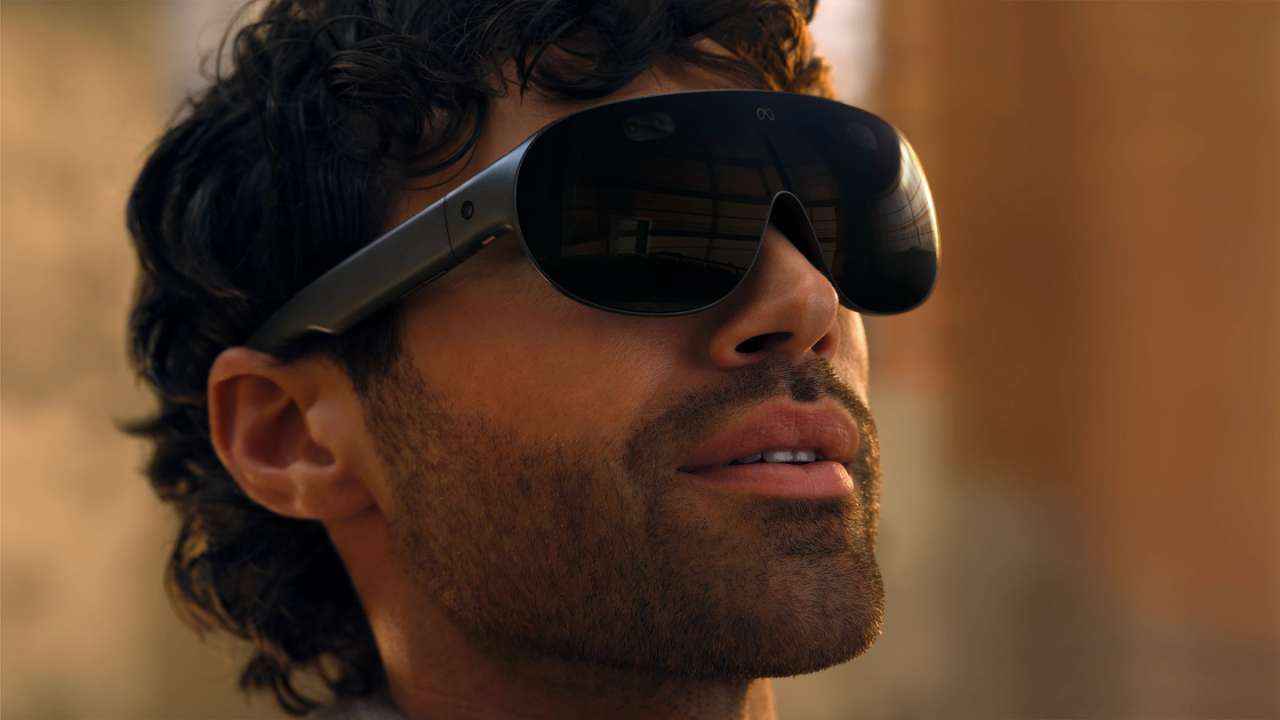
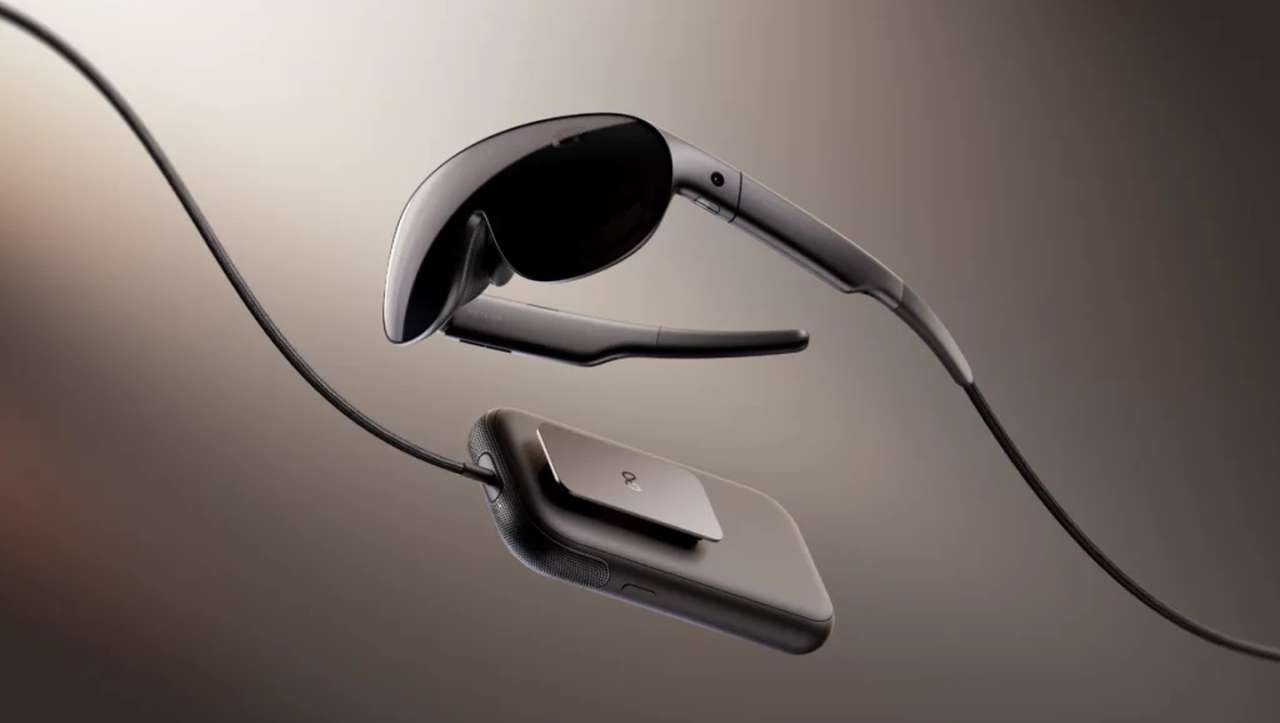
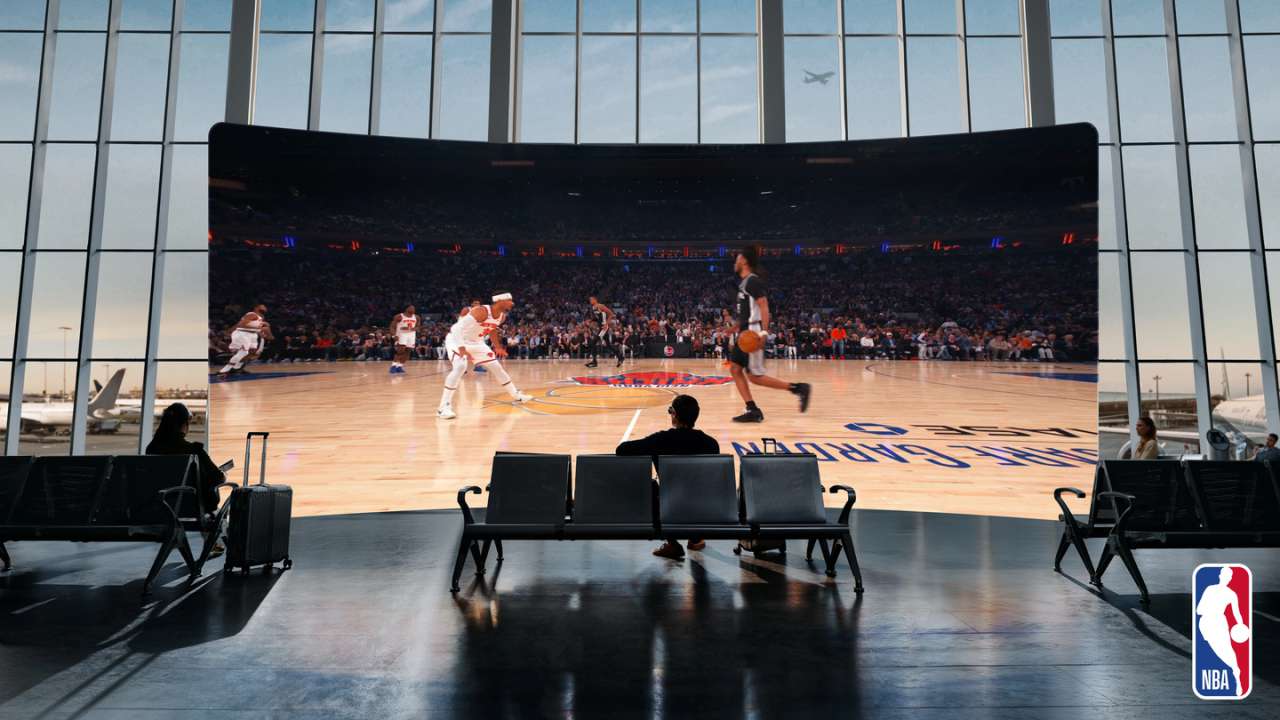
Meta VR Glasses are the event’s biggest hardware reveal. They look closer to thick glasses than a traditional strapped headset and weigh about 100 grams, roughly one-fifth of a Quest 3. That lighter face-worn part is possible because an optical cable leads to a puck clipped to a pocket or bag. The puck holds the processor, battery and storage, and its battery is rated for up to three hours of continuous high-resolution media playback with 45W charging. There is still hardware to carry, just less of it on your head.
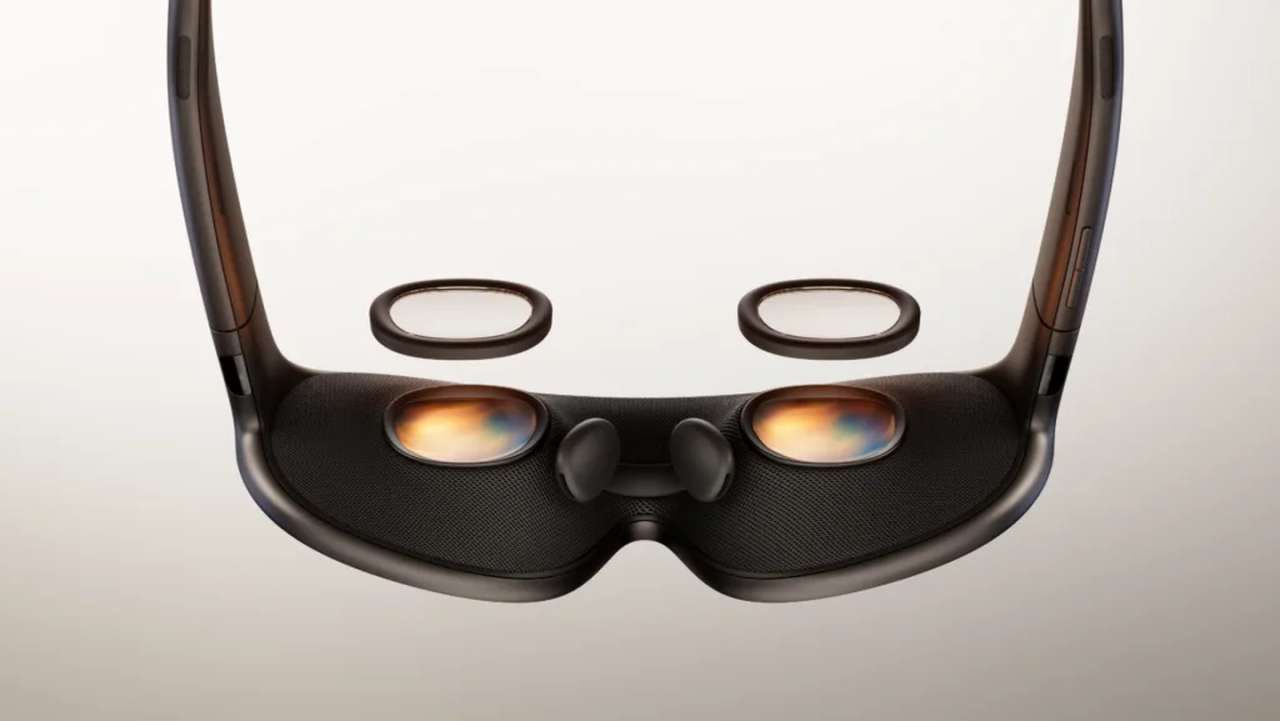
The glasses use micro-OLED panels for what Meta calls a 5K Infinite Display at 37 pixels per degree. The frame integrates Dolby Atmos audio, while open sides and a passthrough camera let you keep track of your surroundings. Qualcomm’s Snapdragon Reality Elite processor powers the system. Meta says you can control it with your eyes, hand gestures or voice, and turn a flat surface into a virtual keyboard and touchpad. I like the idea of opening several private screens on a plane without balancing a laptop on the tray table. Whether tapping an empty table is comfortable for a full work session needs a real test.
Meta is leaning hard into entertainment. The VR Glasses are the first IMAX Enhanced-certified VR device, and Disney+ plans 3D films in select countries starting in November. Meta also described immersive themed theaters, a new Disney Immersive Cinema by ILM app, and partnerships with Prime Video, YouTube, DIRECTV, AMC+, Crunchyroll, Plex, ESPN and others. For live sports, Meta is promising more than 100 immersive US events per year once the glasses launch, including partners such as MLB, TNT Sports and UFC. ESPN’s 180-degree college football coverage starts on Quest this year, ahead of more sports in 2027. A courtside view sounds great, but availability, subscriptions and the quality of each broadcast will be just as important as the glasses.
The VR Glasses will also support a hologram version of you for calls, with Meta describing it as usable across apps such as WhatsApp and Zoom. Unlike the Display glasses’ voice-driven version, Meta describes VR Glasses holograms as showing real-time expressions and reactions. That’s a meaningful distinction, and one we’ll need to see working before treating it like a normal video call.
Meta plans to sell VR Glasses in spring 2027 for $1,299.99. That’s a lot to spend on a promise of lighter VR. I want to see the fit, cable management, lens clarity, and how a long movie or work session feels before calling the weight reduction a win.
Games are being redesigned for hands, not just moved to smaller hardware
Meta says more than 75 games will be playable with hand gestures alone at the VR Glasses launch, and Xbox Cloud Gaming will add access to hundreds of streamed games. Existing Quest games can also run on VR Glasses with Touch Plus controllers. That last detail is useful: controller-free play is a direction for new games, not a claim that every game suddenly works without hardware in your hands.


Beat Saber is getting the clearest demonstration of that change. Its spring 2027 update adds Flux, a mode where tracked hands channel energy between your palms to cut notes. It launches with 35 songs and still supports controllers. The update also refreshes the campaign, interface and progression system, with earnable cosmetic rewards, and brings hand tracking to the rest of the game. I’d like to try it before deciding whether virtual sabers feel better without something physical to grip.
Meta’s game slate goes beyond Beat Saber. Dragon Grove turns hand tracking into a gentle plant-and-puzzle game with dragons. Phoenix Wright Ace Attorney: Dual Destinies VR uses hands to present evidence and voice to object in court. Tetris Effect: Mixed Realities lets you place pieces into a room-scale scene. Supernatural is returning to the Meta Horizon Store this fall and is planned as a day-one VR Glasses title. The wider list includes Cardmada, Dice Throne Digital, Two Point Hospital, Story of Seasons: Your Wonderful Life, PAYDAY: Aces High, and Hot Dogs, Horseshoes, and Hand Grenades 2. Their dates and supported devices vary, so this is a lineup, not a bundle included with the glasses.


Meta Connect’s big idea is easy to understand: an agent that can keep working while you move between a phone, a computer, audio glasses and a virtual workspace. The hardware now spans $249 frames to $1,299.99 VR Glasses. The harder part is making the handoffs, permissions and everyday fit feel effortless. Some of the pieces are for sale today. The most ambitious ones still need to prove themselves outside the keynote.