Qualcomm covered my trip to Maui for Snapdragon Summit.
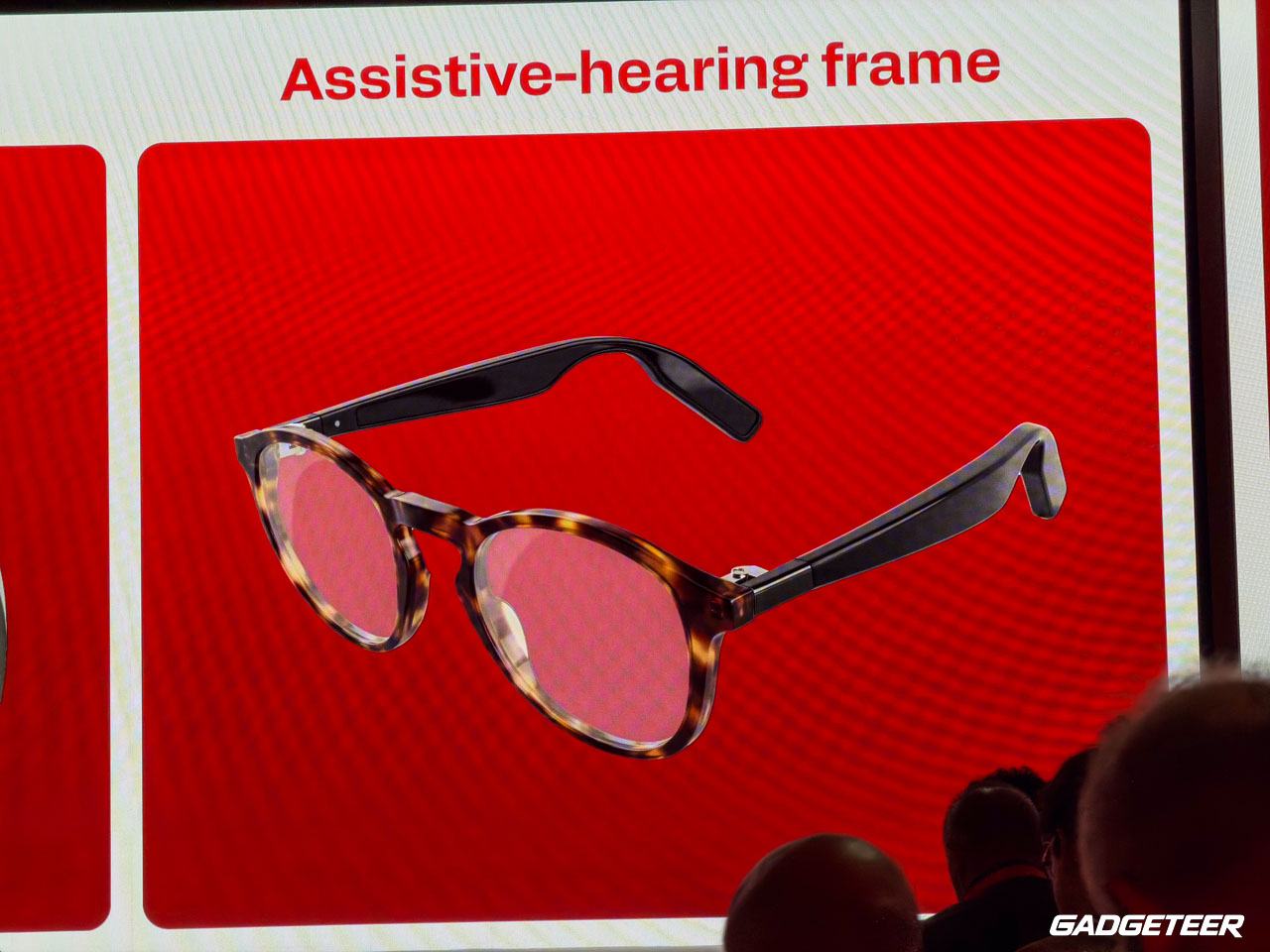
A pair of prescription glasses that also helps you hear is the part of Inspecs’ smart-glasses reveal I can’t stop thinking about. At the Snapdragon Summit day-two keynote, the eyewear maker showed a three-part family built with Qualcomm. One frame is for hazardous workplaces. Another is an everyday pair without a camera. The third combines prescription lenses with hearing support in the same frame. Inspecs spoke about hearing aids as the category it wants to bring into eyewear people already choose to wear.
That last idea has a more immediate human appeal than another voice command on a new gadget. Lots of us already put on glasses every morning. If hearing support can live in the frame you would wear anyway, getting help could feel less like adding another device. The keynote showed the direction, but it didn’t establish what level of hearing loss the product can serve, how the sound is tuned, or whether it has regulatory clearance as a hearing aid.
The hearing frame is the boldest of the three
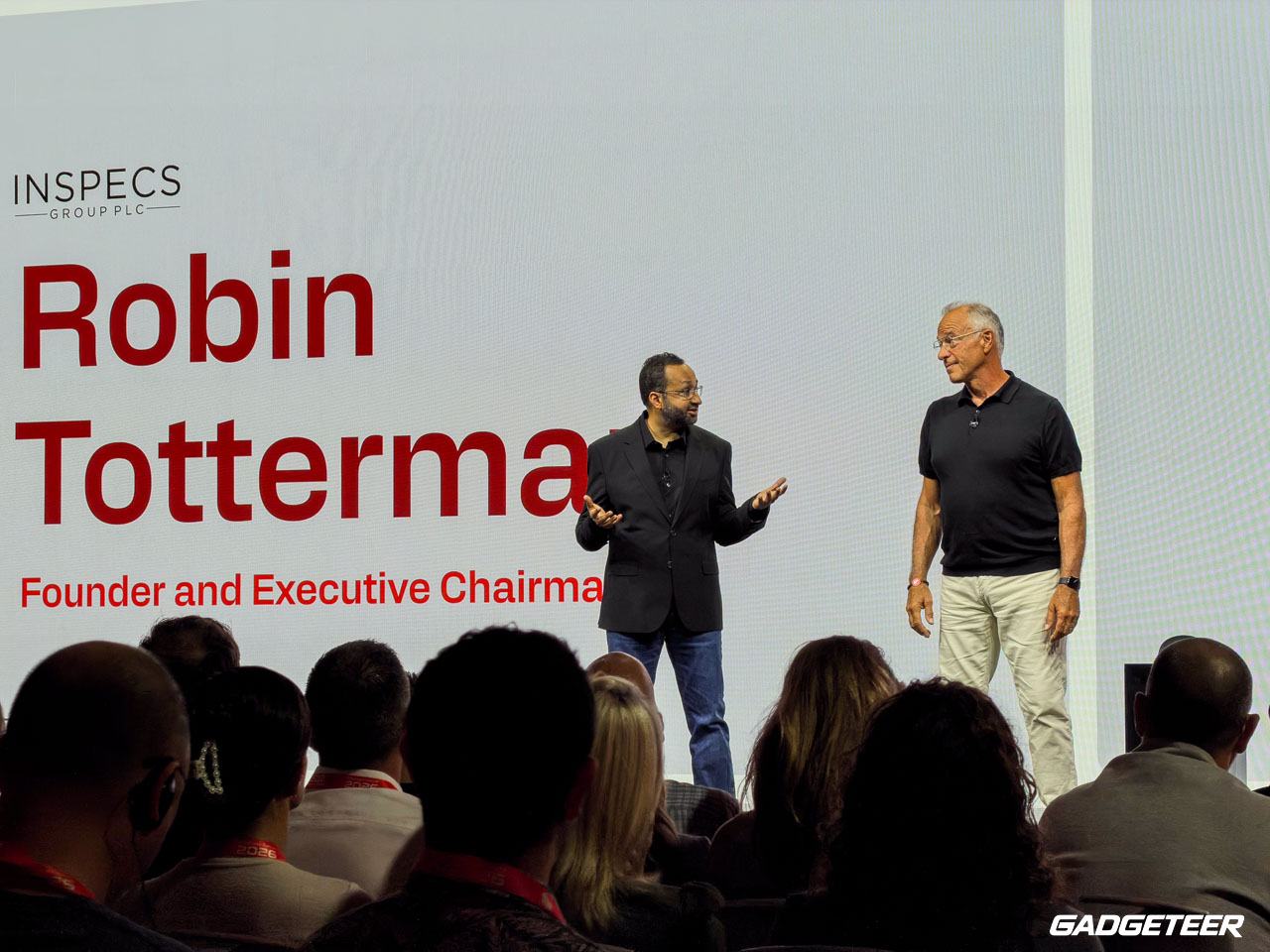
Inspecs founder and executive chairman Robin Totterman made a point about how gradually hearing loss can arrive. A noisy restaurant can become harder to follow long before someone decides to wear a separate hearing device. His pitch was to put prescription lenses and hearing support together, with the technology built into a familiar-looking frame.
You can see the appeal. Glasses already sit close to your ears, and someone who needs prescription lenses may wear them all day. But turning up the volume isn’t the same as fitting a hearing aid for a particular person. Inspecs has not yet supplied the hearing specifications, fitting process, battery life, price, launch date, or regulatory details in this keynote segment. Those are the questions that will decide who can actually use this pair and whether it can replace a dedicated hearing device.
Then there’s the part you only discover after wearing them: what happens when you take the glasses off? Someone might have separate distance and reading pairs, or wear contacts part of the day. The hearing function would need to work with how that person already lives, not just look elegant in a presentation. That is a real-world test for a finished product, not something I can settle from the stage.
Work glasses with a clear job for the camera
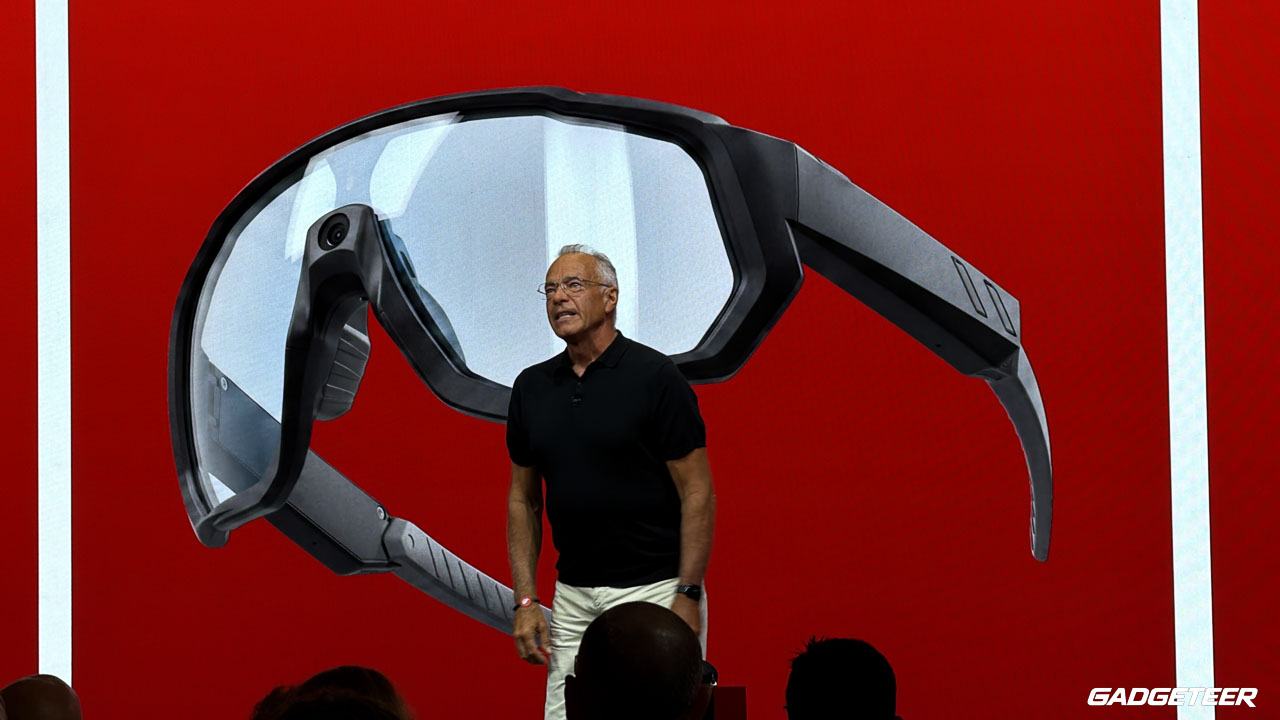
The enterprise frame has a different purpose. Totterman described safety eyewear for a factory floor, oil rig, or lab, where a worker may need to document an inspection while keeping both hands on the task. A remote specialist could see the same view and talk the worker through a repair. In that setting, the camera is there to solve a specific problem rather than to make an ordinary pair of glasses feel more futuristic.
Inspecs showed a frame with impact protection, a camera, microphones, speakers, voice and touch controls, and a built-in battery. Totterman said it meets the expectations for safety eyewear. The keynote did not identify the exact protection certification or publish independent test results, so any buyer would need to check the marking against the rules of their own workplace before treating it as protective equipment.
Comfort also takes on a different meaning when the shift lasts eight hours. Inspecs makes eyewear at scale, which gives it experience with fit and manufacturing. Totterman argued that Qualcomm’s hardware module and software shortened the path from design to a working device. We still need a finished frame in hand to judge weight, balance, heat, battery life, and how well those controls work with gloves or other protective gear.
An everyday pair leaves the camera out
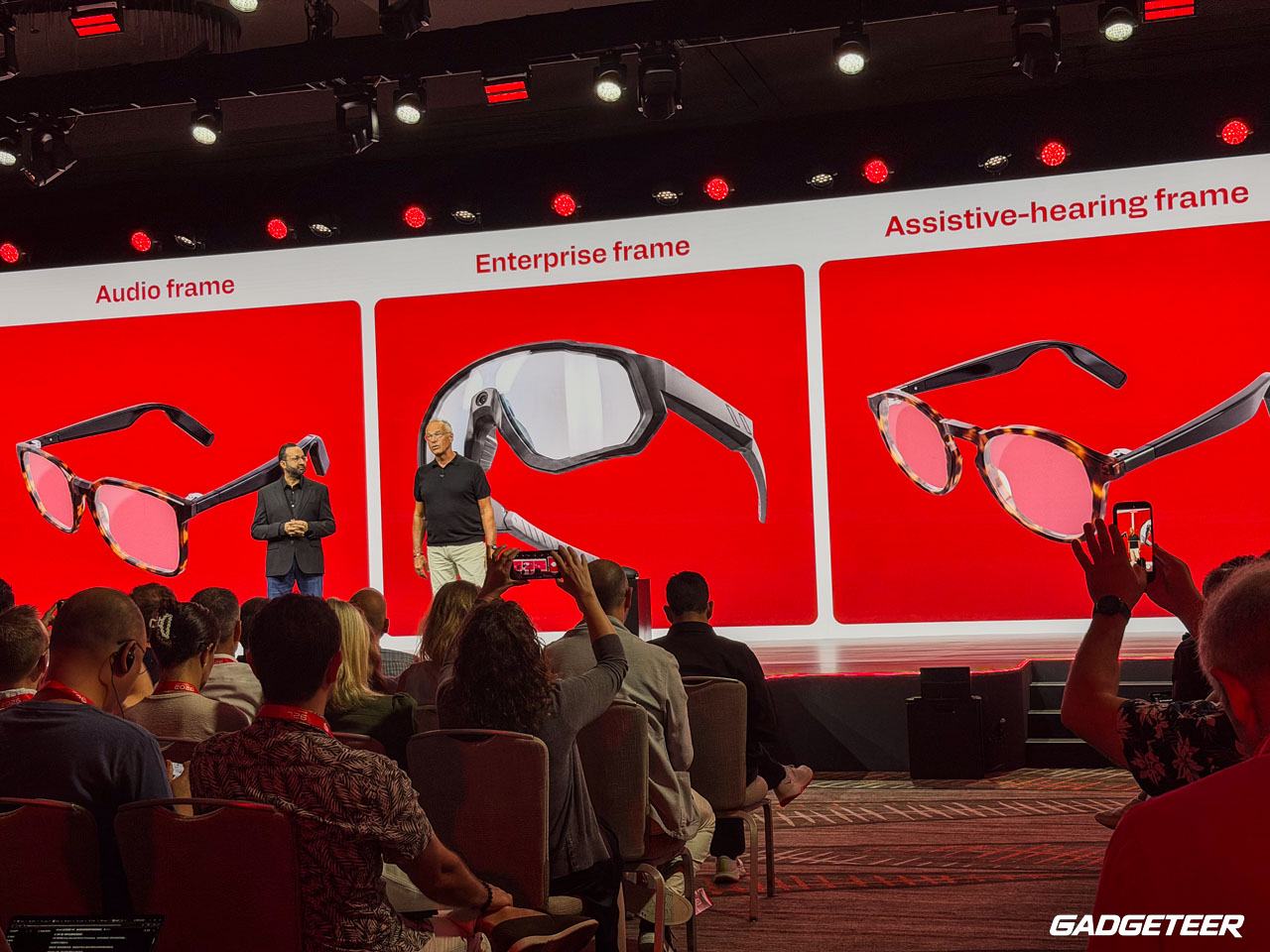
Inspecs also showed an everyday frame without a camera. That is a useful choice, especially for anyone who likes the idea of spoken AI-agent help but doesn’t want a camera facing the people around them. The keynote did not spell out its complete feature set, pricing, or availability. It is one more sign that the company isn’t treating every pair of smart glasses as the same product.
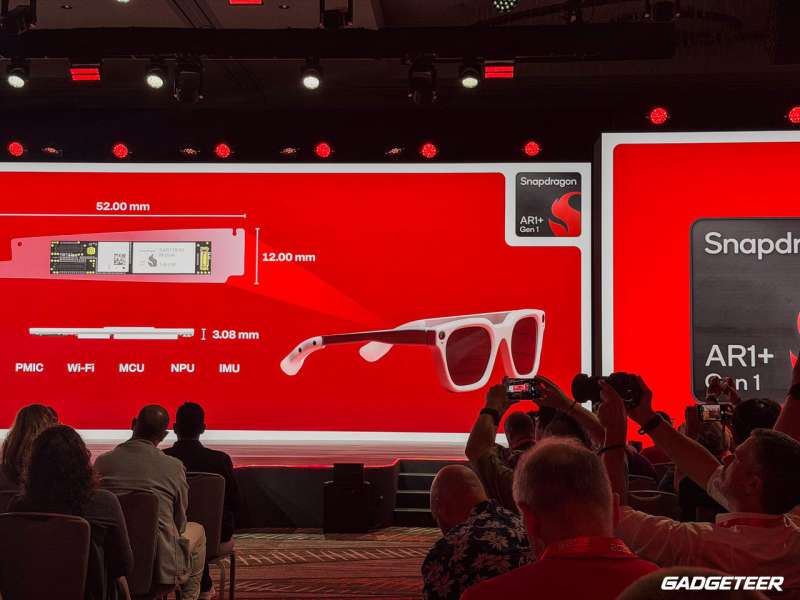
Qualcomm’s Snapdragon START program supplies the common foundation behind the family: a compact module based on Snapdragon AR1+, software on the glasses, a companion phone app, and cloud services. Brands can shape different experiences on top of that stack. Inspecs is the first eyewear partner Qualcomm identified for the program. The partnership was announced in June; the day-two keynote put actual frame concepts and their intended uses in front of us.
Qualcomm can help run AI in a small frame and connect an agent to apps. Inspecs has the harder, more personal job of making glasses people actually want to wear. For the hearing pair, I’d start with three questions: Who fits the hearing function? Can the wearer adjust it? And what happens to that help when the glasses come off? Those answers will tell us far more than the frame’s appearance onstage.