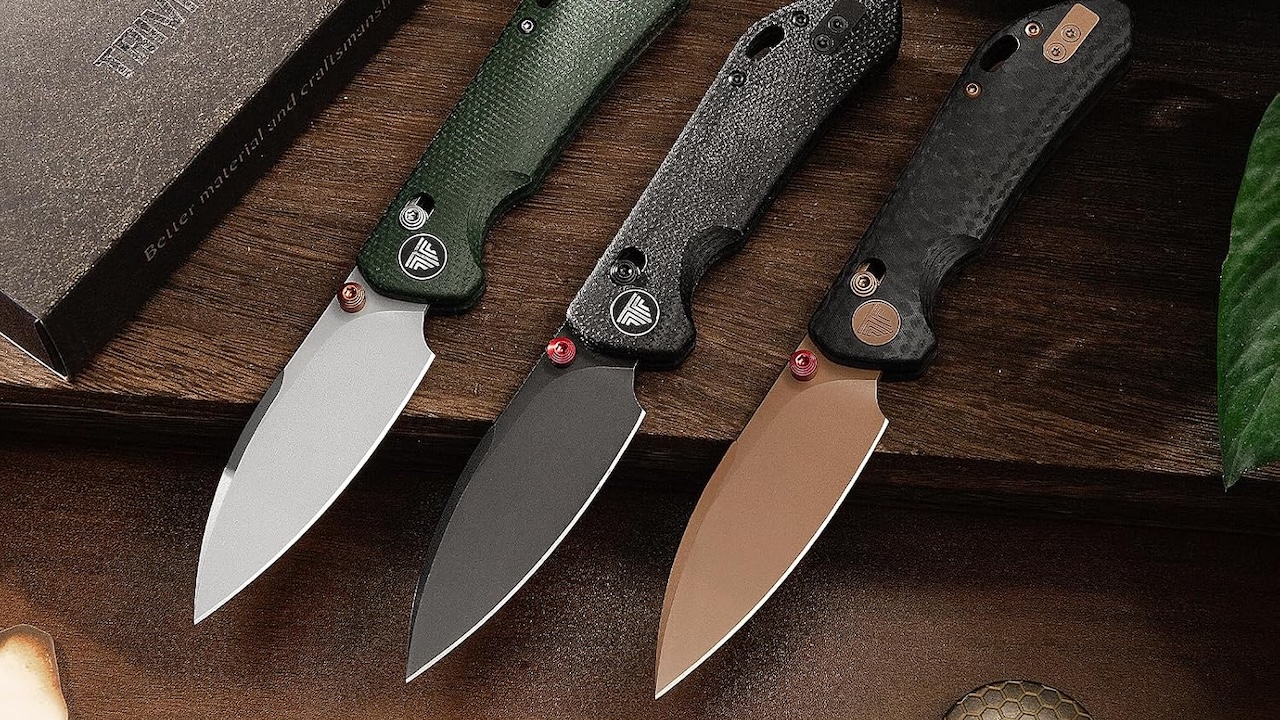
A pocket knife can look compact in product photos and still turn out to be more knife than you want to carry every day. For routine jobs such as opening packages, cutting tape, trimming cord, and breaking down cardboard, extra blade length can add bulk without necessarily adding much practical value.
Price: $63.99
Where to Buy: Amazon
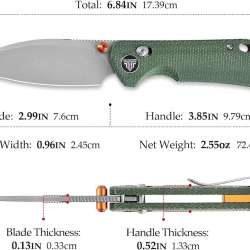
That is where the TRIVISA Otter-CG makes its case. TRIVISA lists a 2.99-inch 14C28N drop-point blade, a crossbar lock, and a carbon-fiber G10 handle, placing it firmly in compact EDC territory. Rather than trying to compete by giving you the longest blade possible, the Otter-CG aims for a size that should be easier to live with for ordinary daily cutting.
The 2.99-inch figure is not automatically better than 3.2 or 3.5 inches. It simply tells you what kind of knife this is trying to be: a compact folder rather than a large utility knife.
A 2.99-Inch Blade Is Enough for Everyday Work
Most common pocket-knife jobs do not require a long cutting edge. Packages, plastic strapping, twine, envelopes, and smaller cardboard boxes are more dependent on a sharp edge and useful blade geometry than sheer length.
That gives the Otter-CG a sensible starting point. A blade just under 3 inches provides enough edge for routine cutting while keeping the overall concept focused on everyday carry.
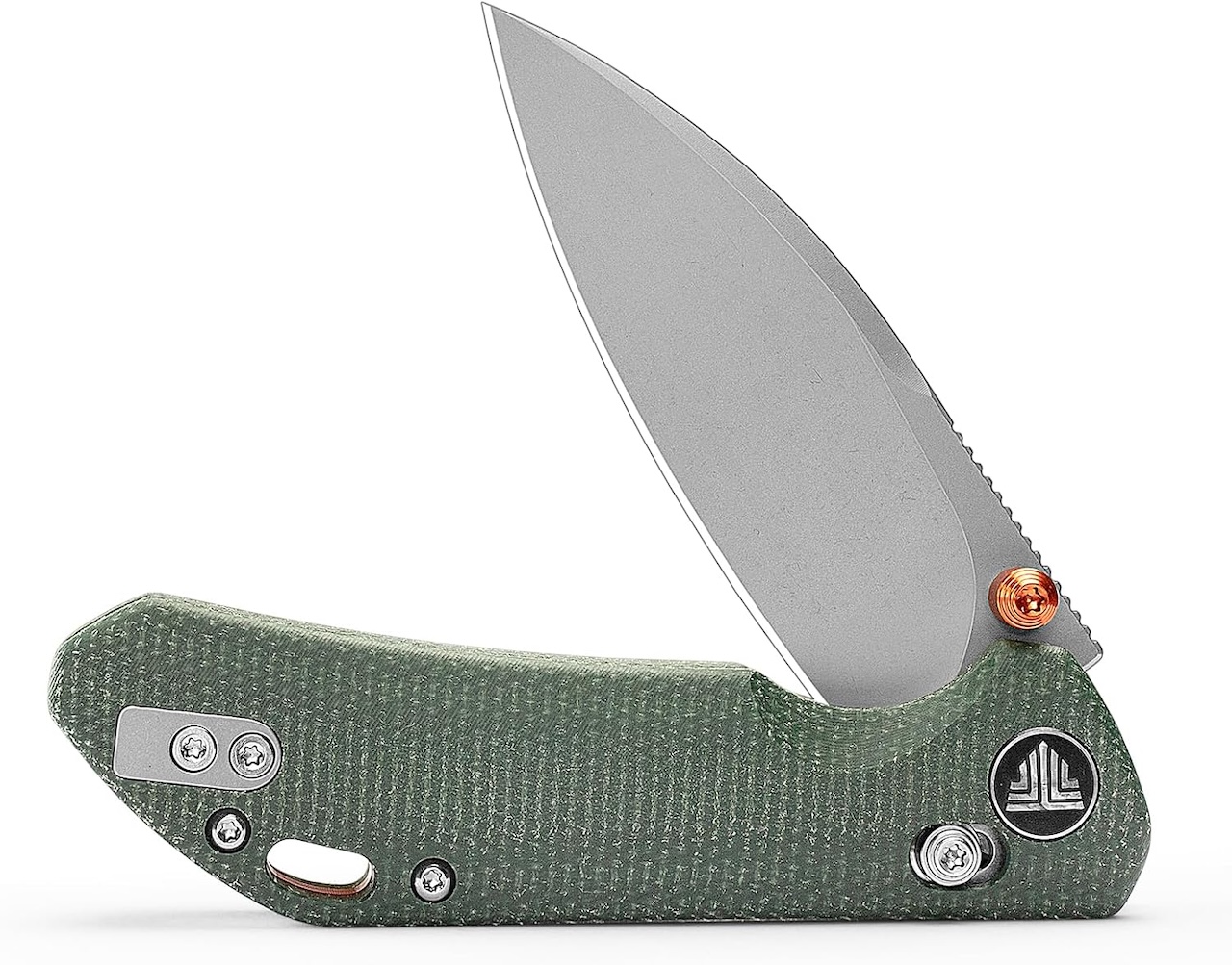
The tradeoff is obvious. A compact blade gives you less edge for long slicing jobs, and buyers who regularly process large amounts of cardboard or prefer a larger gripping area may be better served by a full-size folder.
For someone who mostly needs a knife for short, controlled cuts, however, carrying less blade can make more sense than choosing extra size simply because it is available.
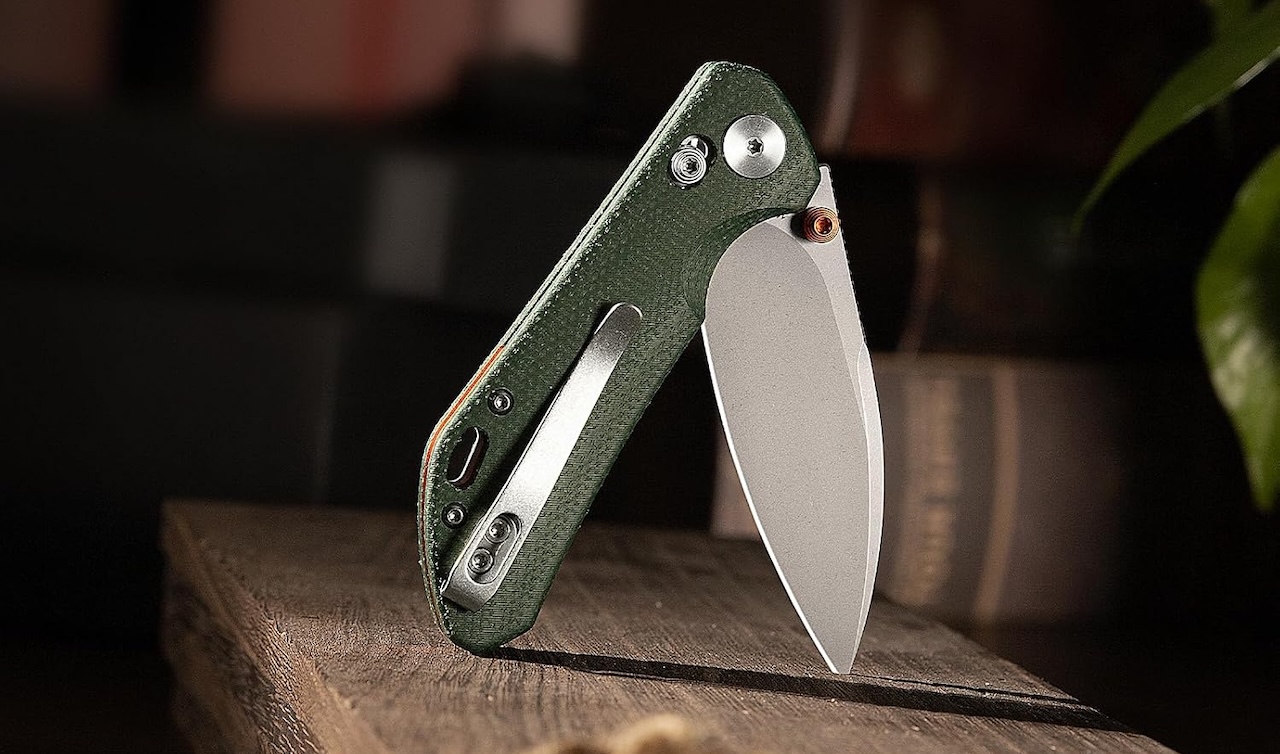
14C28N Is Useful Information, Not a Performance Guarantee
TRIVISA lists the Otter-CG with 14C28N stainless steel. It is a familiar blade steel in budget and midrange folders, but the steel name alone does not tell you exactly how the Otter-CG will cut or how long its edge will last.
Heat treatment, blade thickness, grind, and edge geometry all contribute to real-world performance. There is some useful context elsewhere in TRIVISA’s lineup. An independent review of the smaller TRIVISA Batwing tested another 2.99-inch 14C28N blade on rope, twine, and paracord and reported strong cutting performance. Importantly, the reviewer credited the Batwing’s thin geometry and high flat grind as major reasons it cut well, rather than treating 14C28N itself as the full explanation.
 That is encouraging brand context, but it does not prove that the Otter-CG has the same geometry, heat treatment, or cutting performance. Until this exact model receives comparable testing, its documented steel should be treated as a specification rather than a test result.
TRIVISA Quality Can Vary by Model
The same independent Batwing review is useful for another reason. The reviewer had previously handled a TRIVISA Lynx that he described as disappointing, with poor lockup and mediocre fit and finish, while the later Batwing performed substantially better.
Owner discussions show a similar pattern. Some buyers report smooth action, sharp factory edges, good centering, and strong value from individual TRIVISA models, while others have been less impressed. Those reports apply to the knives those owners actually handled, not automatically to every knife with TRIVISA on the blade.
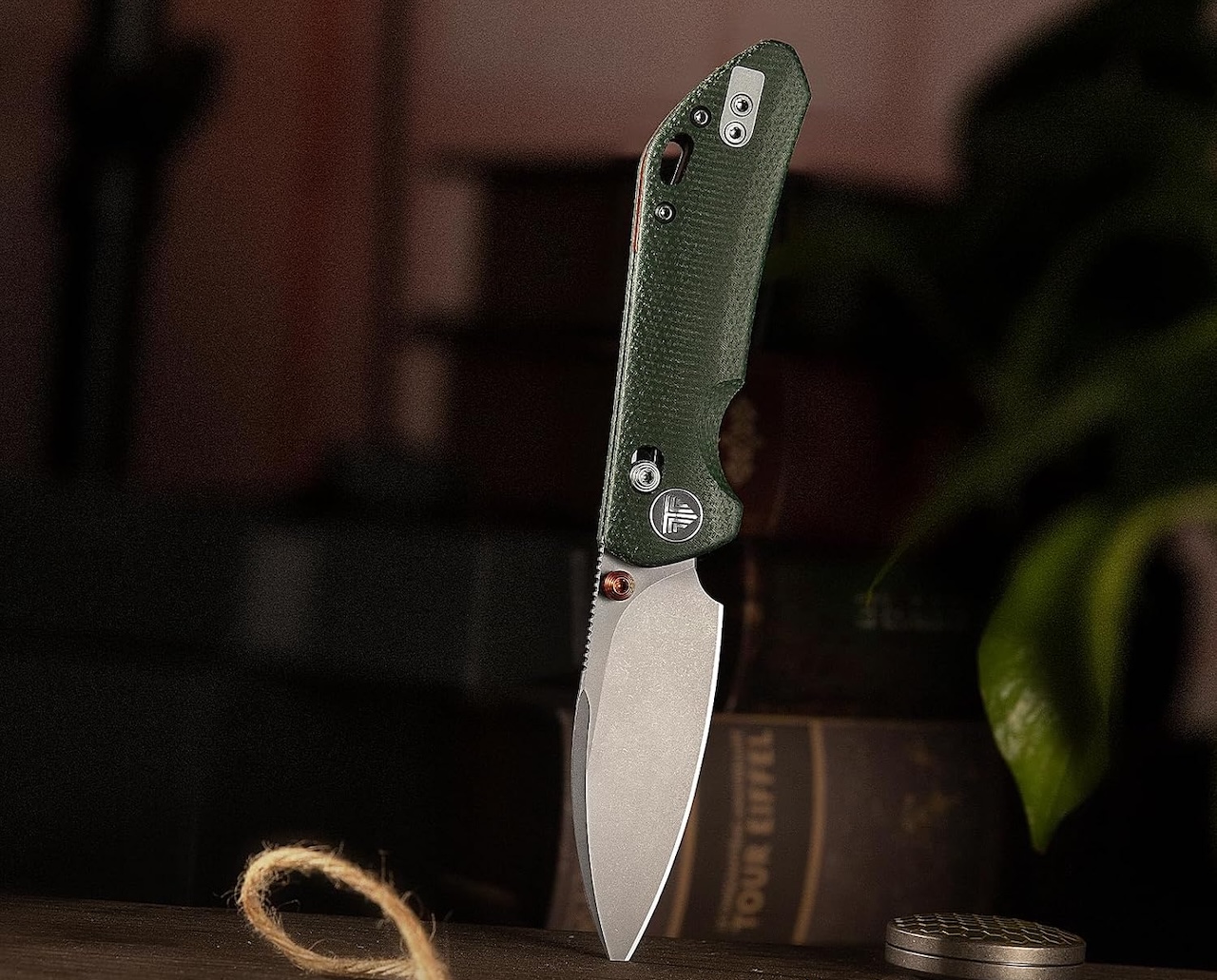
For the Otter-CG buyer, that means the individual example matters. Check the blade centering, lock engagement, edge consistency, pivot play, and overall assembly when it arrives. Those are sensible checks for any production folder rather than evidence of known problems with this model.
Compact Size Still Comes With an Ergonomic Tradeoff
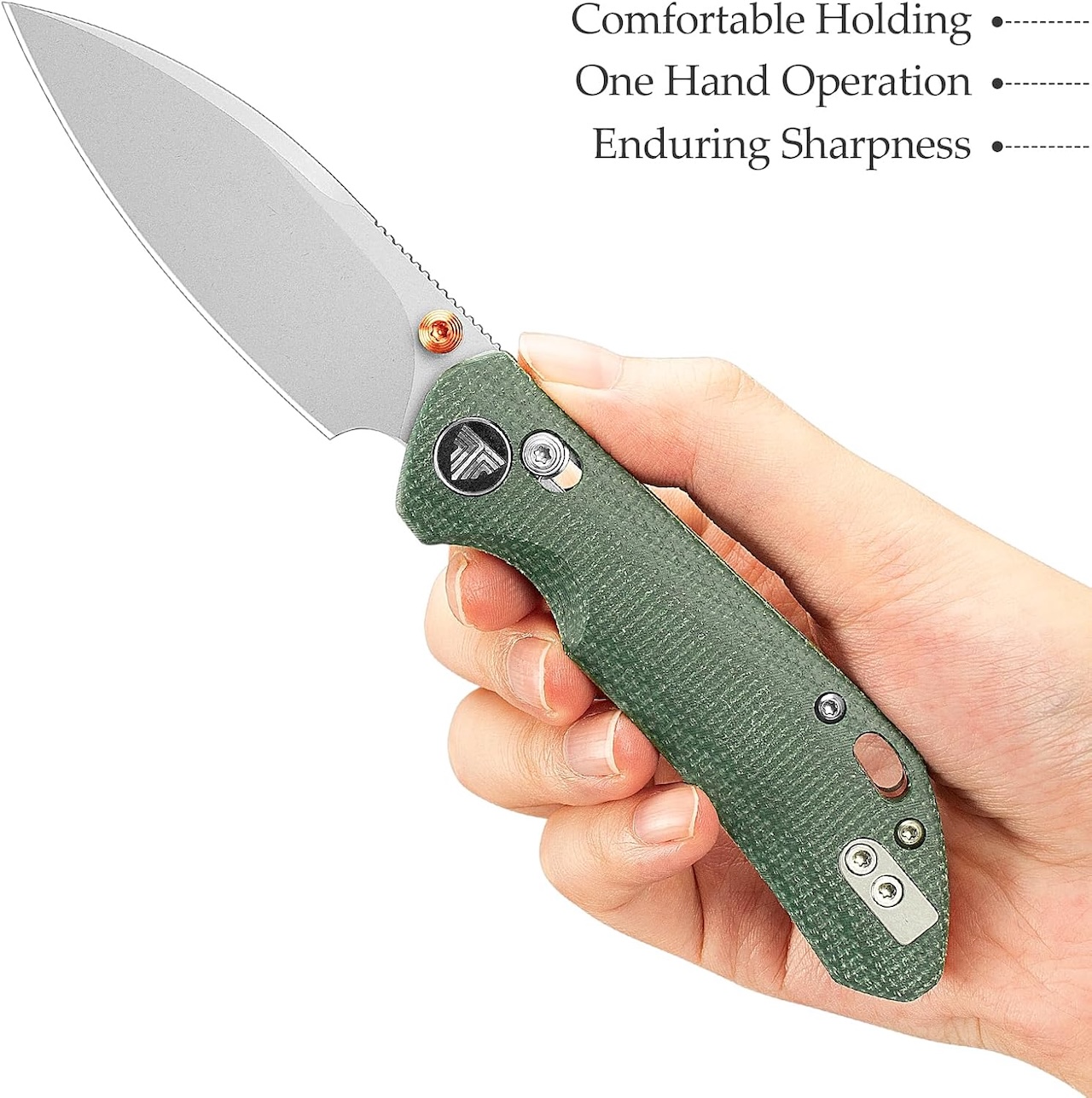
Smaller knives are usually easier to carry, but reducing dimensions can also reduce gripping room. Someone with smaller hands may find a compact folder easier to control, while someone with larger hands may prefer the extra handle space of a bigger knife.
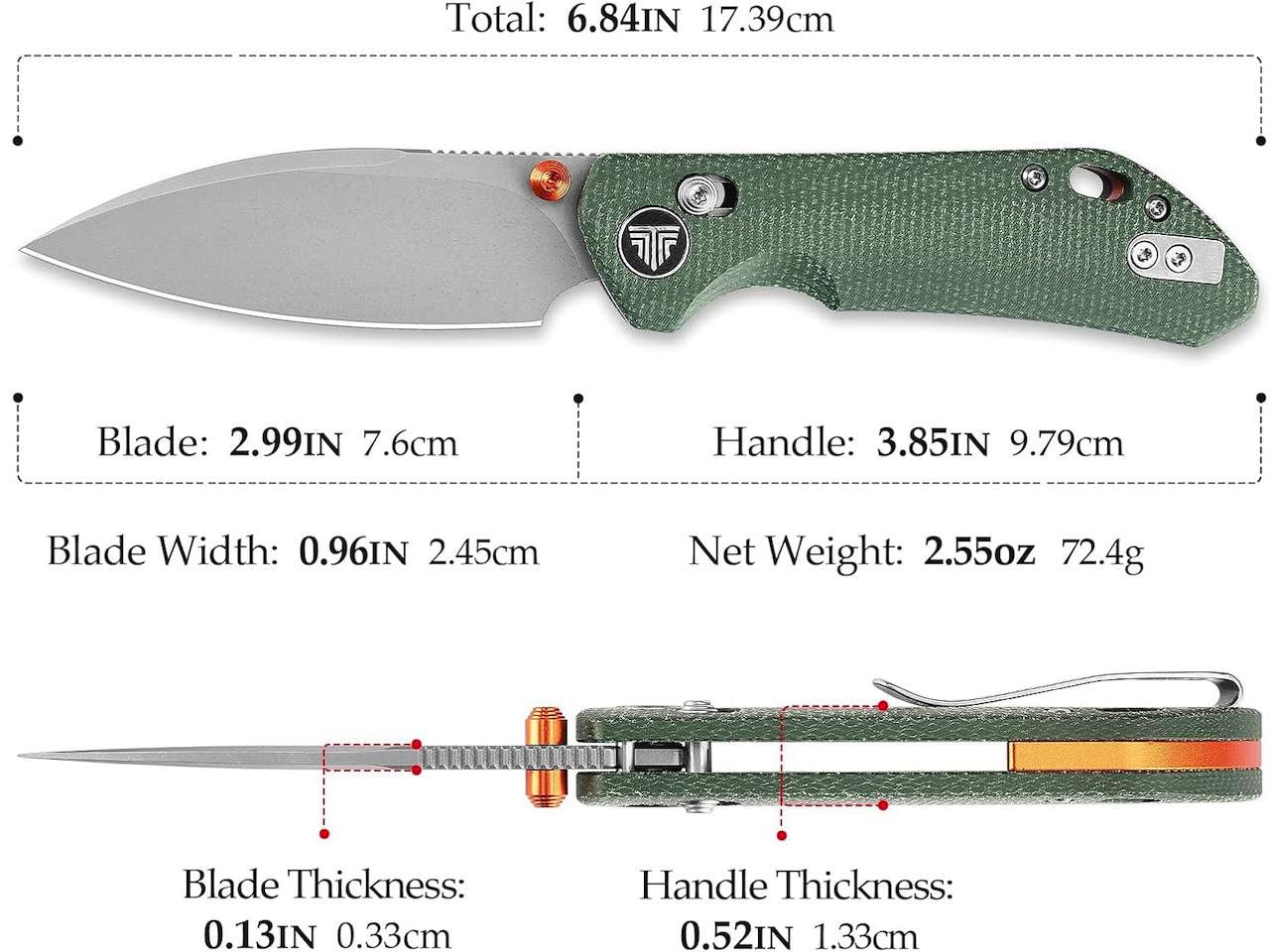
That is one area where a specification sheet can only tell you so much. Handle shape, thickness, contouring, clip placement, and finger position all affect comfort.
Without broad hands-on testing of the Otter-CG, it would be premature to claim that its ergonomics are particularly good or bad. The practical question is whether you value compact carry enough to accept the possibility of less gripping area.
Who Should Buy the TRIVISA Otter-CG?
The Otter-CG makes the most sense for someone who wants a compact EDC folder and considers a roughly 3-inch blade sufficient for the jobs they actually perform.
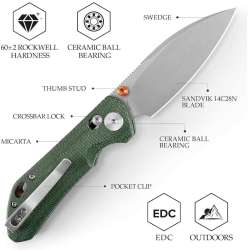
Its documented 2.99-inch 14C28N drop-point blade, crossbar lock, and carbon-fiber G10 handle give it a credible foundation for package opening, cord, cardboard, and other light utility work without requiring a larger folder in your pocket.
It is less compelling for buyers who want extensive model-specific testing, maximum cutting-edge length, or a long-established record of owner feedback before buying.
Price: $63.99
Where to Buy: Amazon
The Otter-CG’s strongest argument is its restraint. It combines a familiar stainless blade steel with a compact, under-3-inch format aimed squarely at everyday cutting rather than oversized capability. If most of your knife use involves quick utility jobs, that may be exactly the point.