Mini PCs have become powerful enough that most buyers no longer need a tower for everyday computing. Browsing, office work, coding, media playback, and lighter creative tasks are easy territory for many compact desktops. The limitations appear when software depends on a dedicated professional GPU, large amounts of graphics memory, or sustained CPU performance.
Price: $1,999
Where to Buy: AceMagic
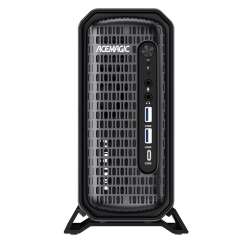
That is the gap the Acemagic G3A Mini PC is built to fill. Instead of competing with inexpensive mini PCs, it combines a desktop Intel Core i9-13900F with an Nvidia RTX 2000 Ada professional GPU and 16GB of dedicated graphics memory. Acemagic lists the 32GB RAM/1TB SSD configuration at $1,999, with a $100 promotional discount currently shown in its U.S. store.
The price immediately removes it from normal mini-PC territory, but it also makes the G3A easier to understand. This is not a small computer for someone who simply wants a clean desk. It is built for workloads that usually push buyers toward much larger systems.
The CPU is meant for jobs that keep all the cores busy
The Core i9-13900F is a 24-core, 32-thread desktop processor with a maximum turbo frequency of 5.6GHz. It is an older-generation processor, but it still offers substantially more multithreaded capability than the mobile processors used in many compact desktops.
 That matters for rendering, compiling, simulation, and other tasks that can keep many CPU cores occupied for long stretches. Independent benchmark coverage shows that the 13900F remains competitive with some newer desktop processors in multithreaded workloads, which helps explain why Acemagic chose it instead of a lower-power mobile chip.
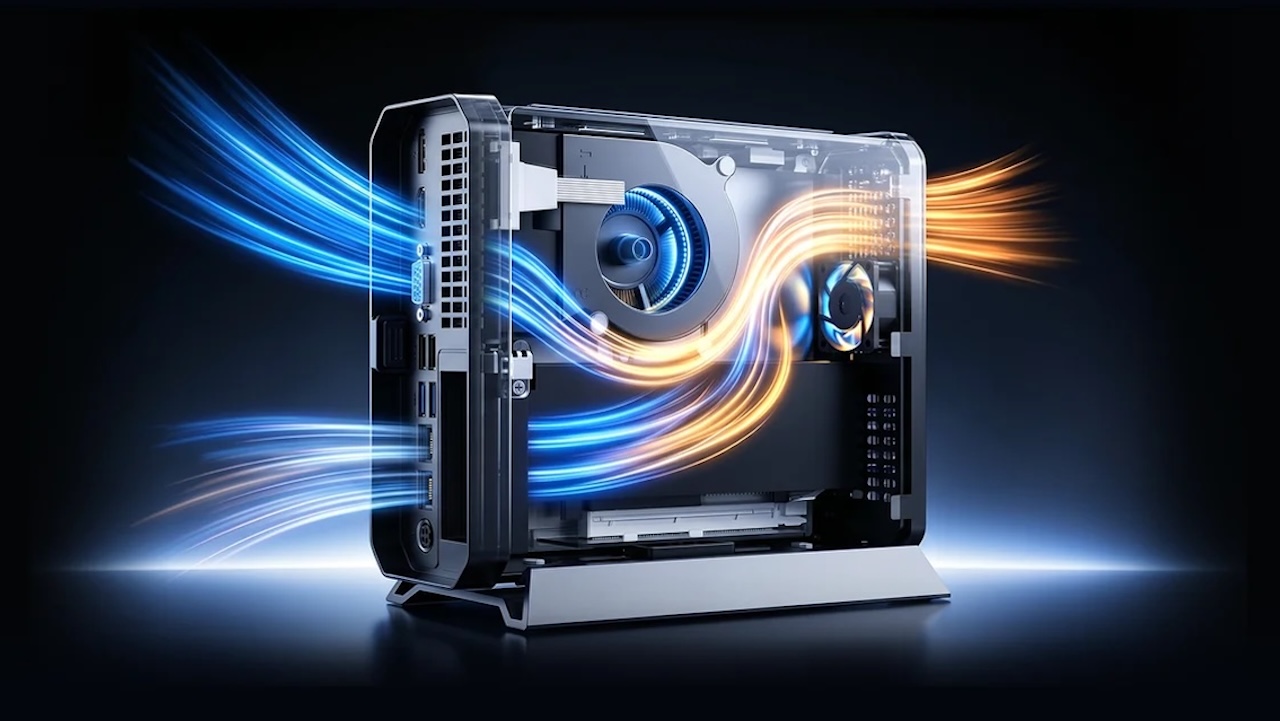
The processor specification alone does not tell the whole story, though. In a small enclosure, cooling and configured power limits affect how much performance the system can sustain during extended workloads. Acemagic provides the headline CPU figures, but those numbers should not be treated as proof of full desktop-tower performance in every scenario.
The RTX 2000 Ada separates it from a normal mini PC
The Nvidia RTX 2000 Ada is the defining component of the G3A. It comes with 16GB of GDDR6 VRAM and belongs to Nvidia’s professional graphics family rather than the GeForce gaming lineup.
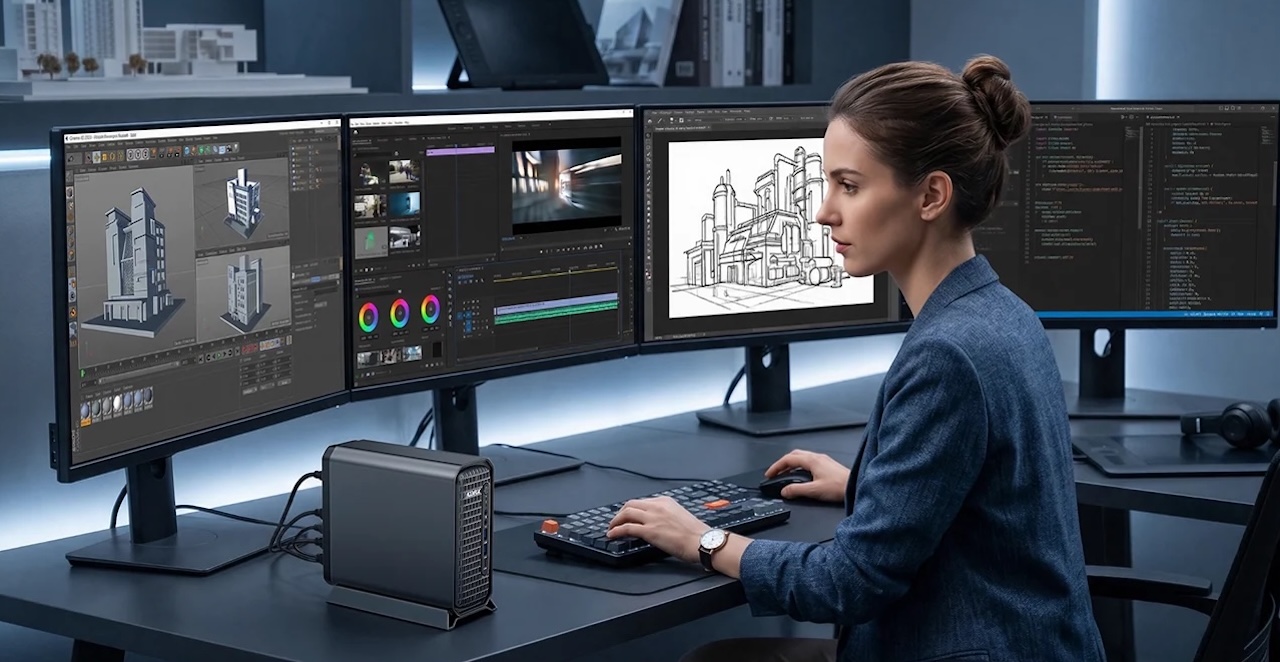
For the intended buyer, that distinction matters because professional GPUs are designed around workstation drivers and support for specialized software. That can be relevant for workflows built around CAD, 3D design, visualization, rendering, engineering, and other GPU-accelerated professional applications.
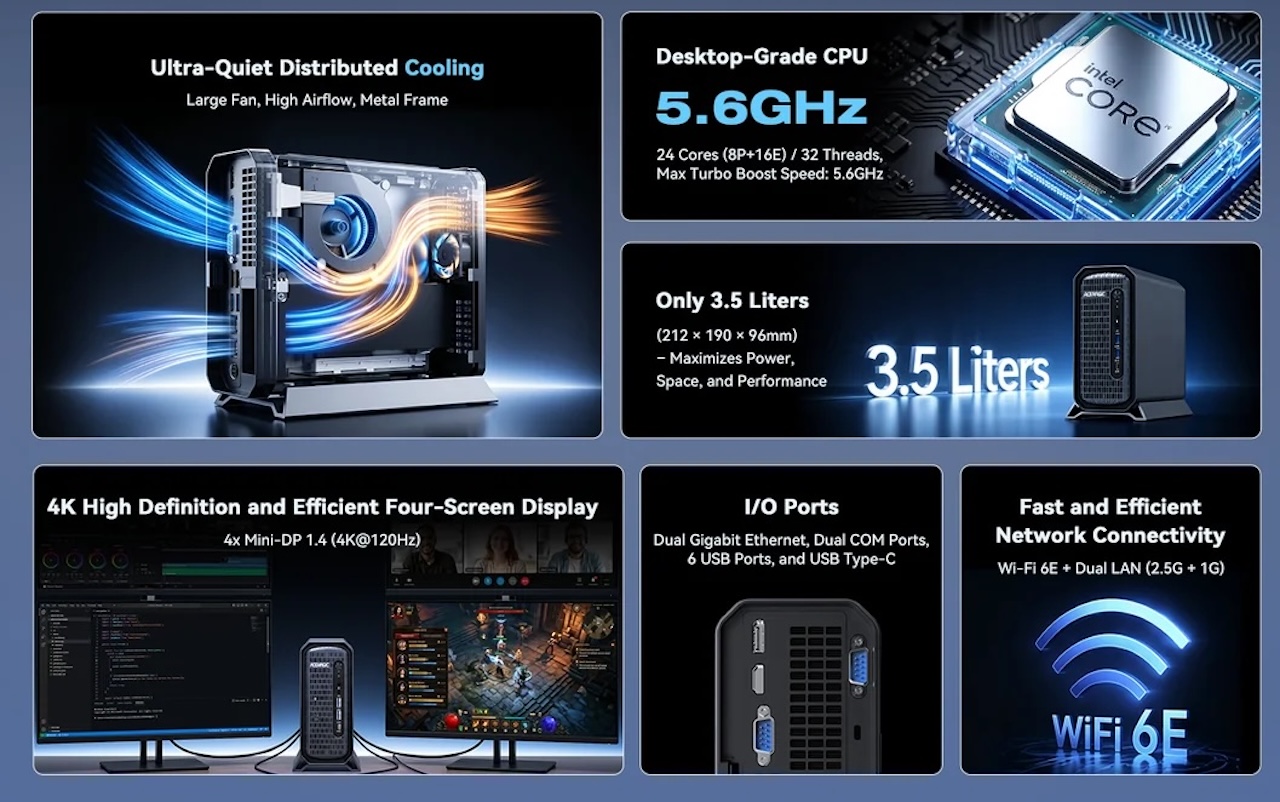 The practical advantage is not simply raw graphics speed. Workloads involving CAD models, 3D scenes, visualization, rendering, and some local AI tasks can benefit from dedicated graphics memory and professional-driver support in ways that integrated graphics cannot match.
That makes the G3A less interesting as a gaming machine than as an alternative to a conventional workstation for people whose software has specific GPU requirements.
Memory and storage can grow with the workload
Acemagic ships the G3A with 32GB of DDR5-5600 memory across two SO-DIMM slots. The current retail specification lists support for up to 96GB, giving users room to expand if larger projects start consuming more memory.
 The included 1TB PCIe 4.0 NVMe SSD occupies one of two M.2 2280 slots. Acemagic also includes a separate 2.5-inch SATA bay, giving the system more storage flexibility than many smaller mini PCs.
That matters because professional workloads tend to grow. High-resolution video, 3D assets, virtual machines, datasets, and local AI models can make a 1TB drive feel restrictive quickly. Being able to add internal storage is more useful here than shaving another centimeter from the chassis.
Its connectivity is geared toward workstation use
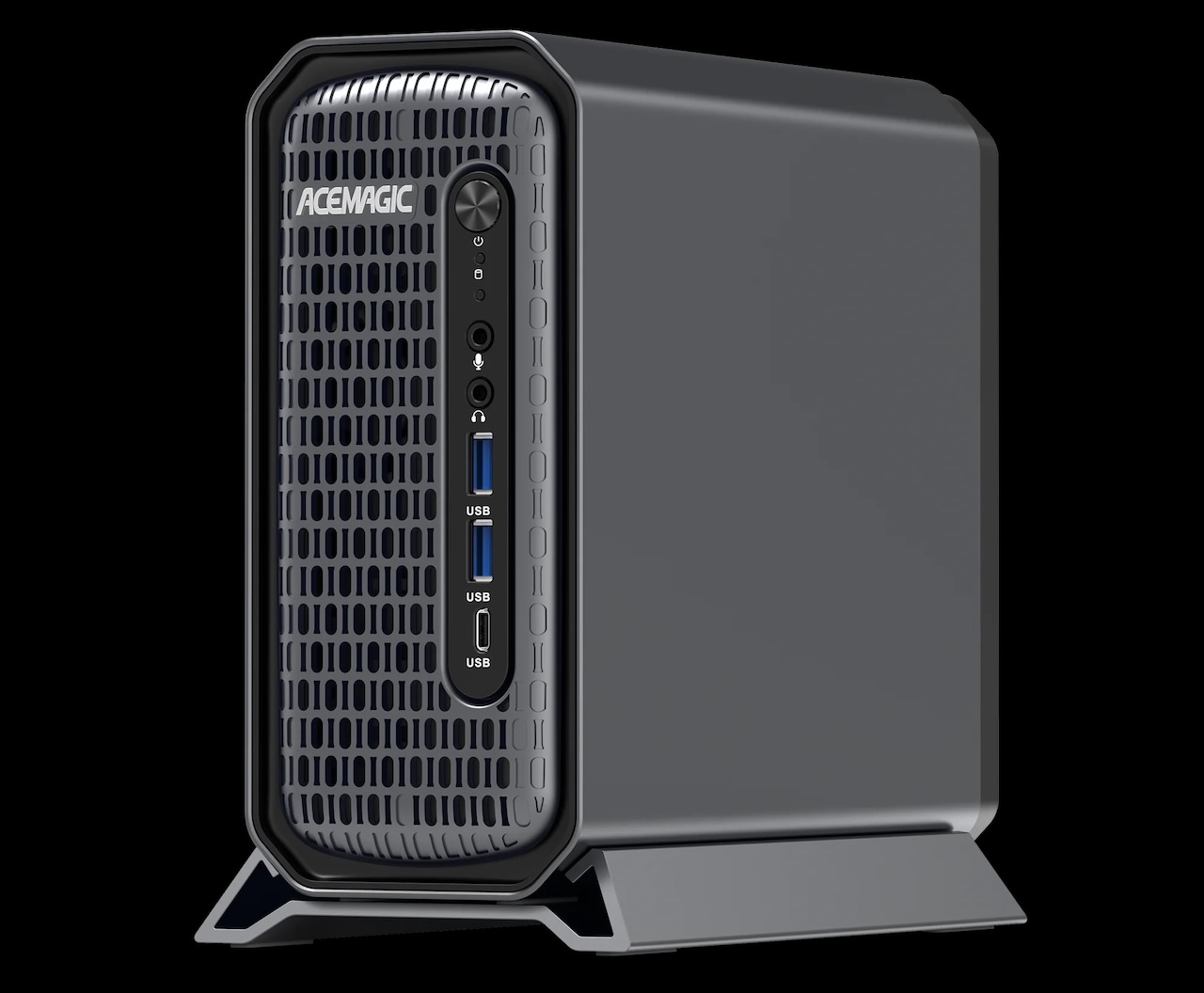
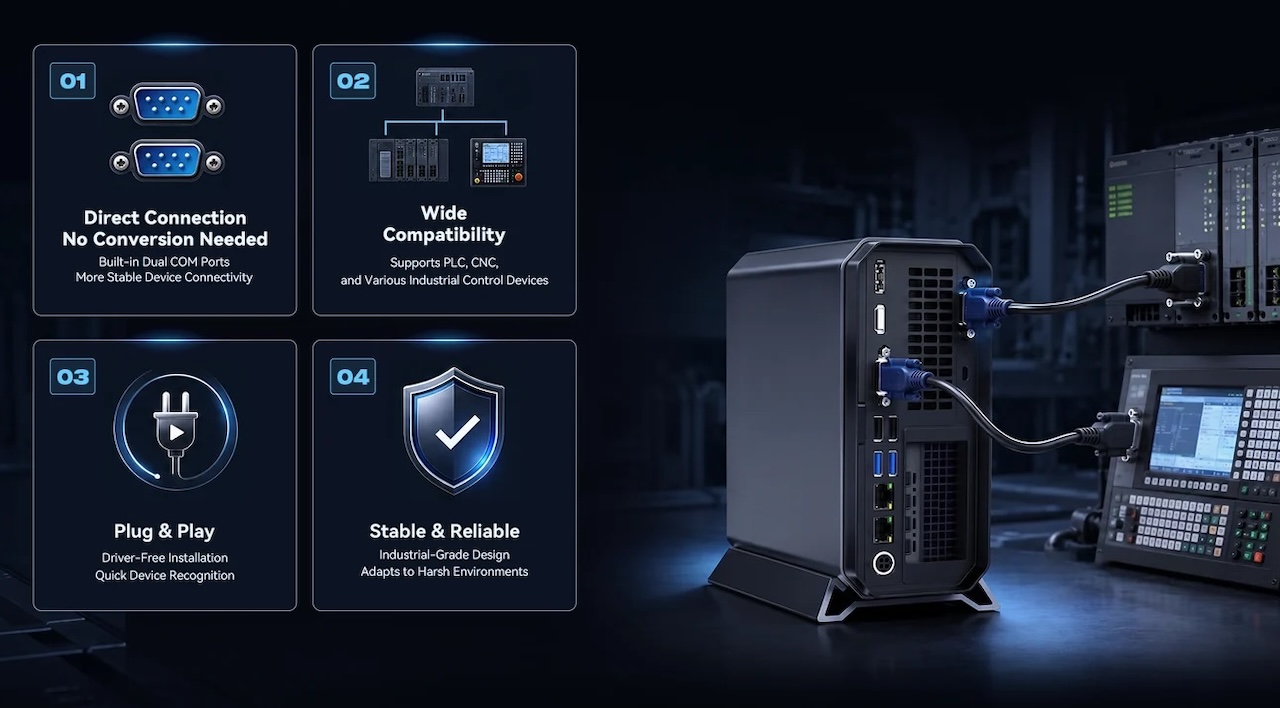
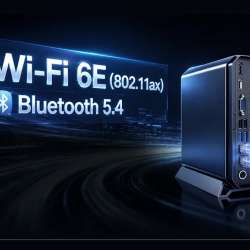
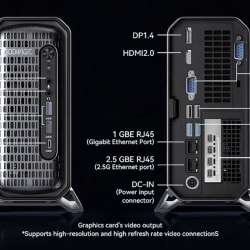
The G3A includes 2.5Gb Ethernet and 1Gb Ethernet, Wi-Fi 6E, Bluetooth 5.2, multiple USB-A ports, a 10Gbps USB-C port, and two COM ports. Those serial connections are unusual on consumer mini PCs but can still matter for industrial hardware and specialized equipment.
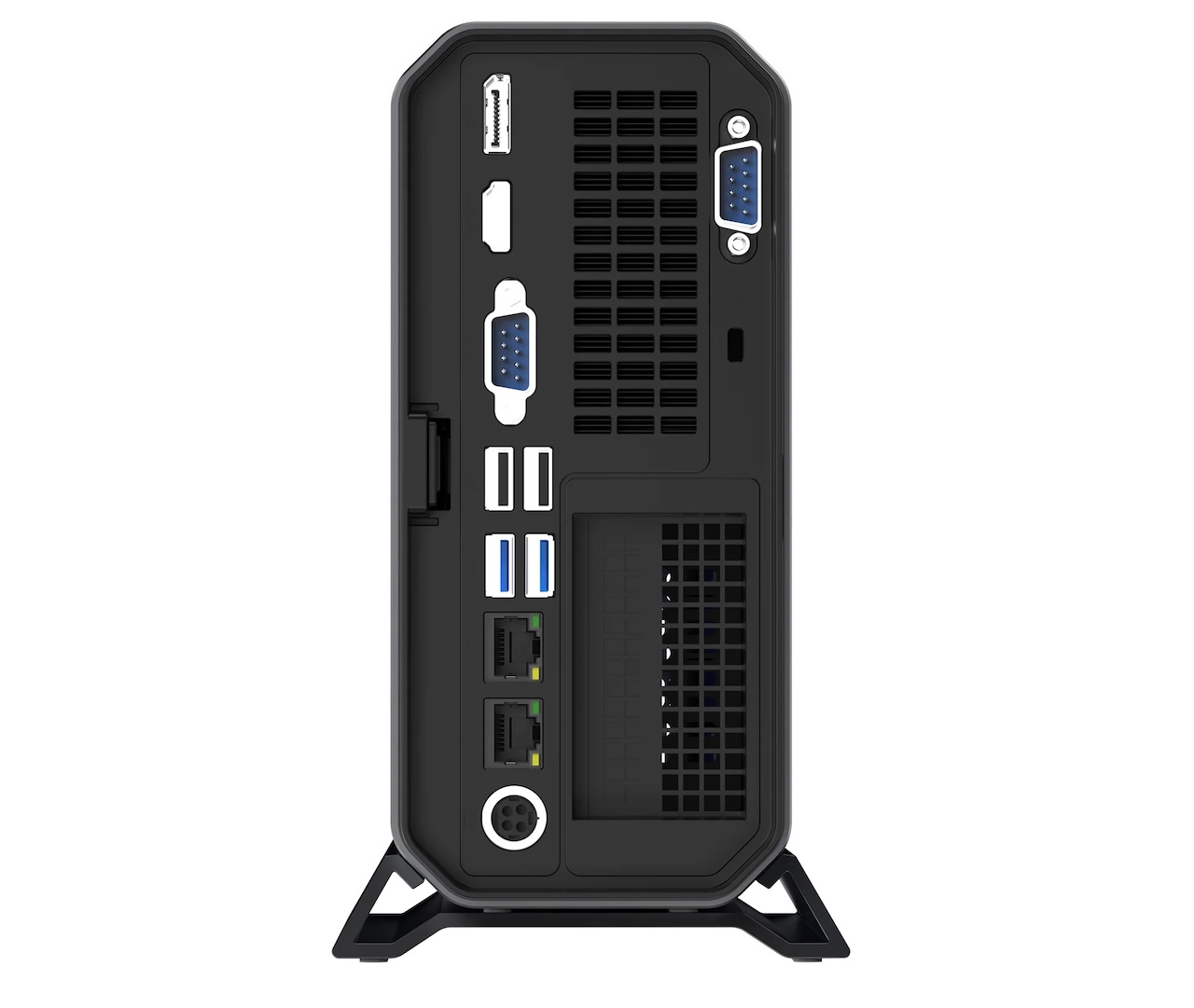 The RTX 2000 Ada supplies four Mini DisplayPort 1.4a outputs, giving the system a clear path to multi-monitor setups. Acemagic’s European documentation also clarifies an easy-to-miss limitation: the listed HDMI and full-size DisplayPort connections depend on integrated graphics.
The Core i9-13900F has no integrated graphics. Buyers should therefore plan around the four Mini DisplayPort outputs on the Nvidia card rather than assuming every video connector on the chassis will function with this configuration. That is an important consideration for anyone building a workstation around existing HDMI displays.
Who is the Acemagic G3A for?
The G3A makes the most sense for engineers, CAD users, 3D artists, developers, and other professionals who have outgrown integrated graphics but do not want a full-size workstation tower.
For ordinary office work, media, web use, or casual gaming, the price is difficult to justify. Plenty of smaller and cheaper systems can handle those jobs without a professional Nvidia GPU.
Price: $1,999
Where to Buy: AceMagic
The Acemagic G3A Mini PC makes sense when your software, not general computing, dictates the hardware you need. Its value is not simply that it is a powerful mini PC; it is that Acemagic has built a compact desktop around the CPU, GPU, memory, storage, and display requirements that usually push professional users toward much larger machines.