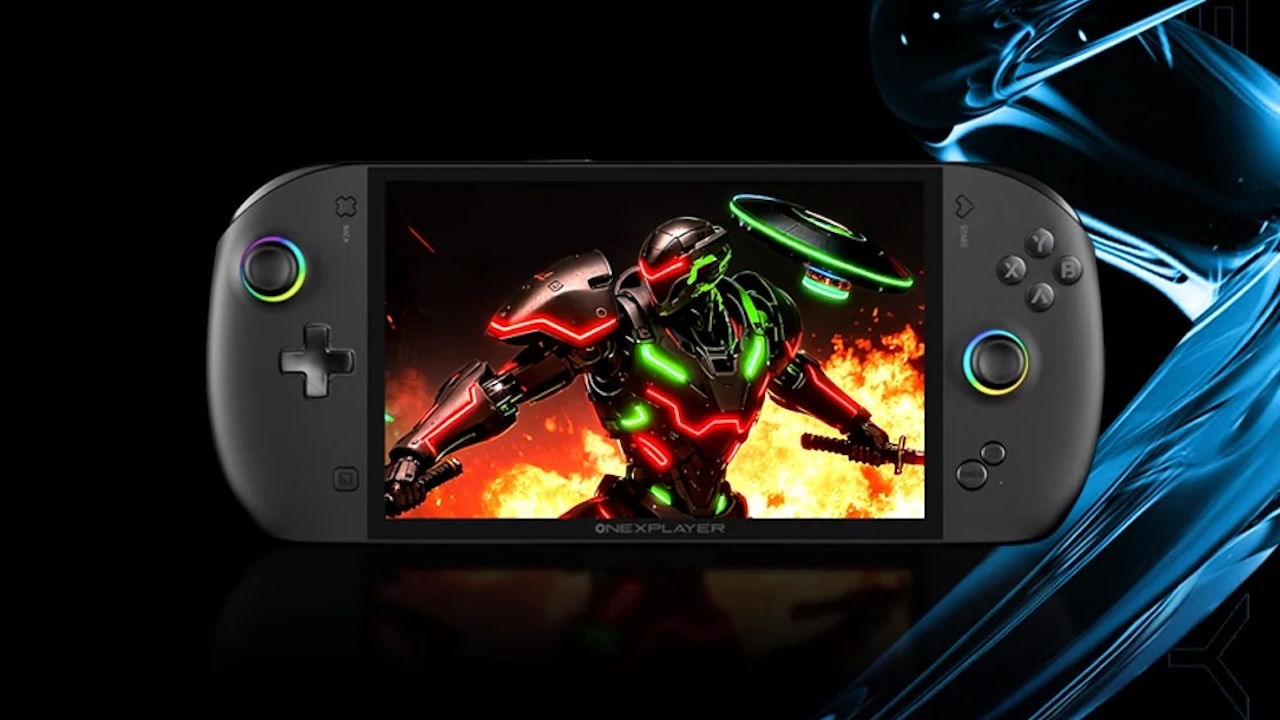
The appeal of a gaming handheld is simple: your PC library can leave the desk. The problem is that every step toward more performance creates another compromise.
Price: From $2,399
Where to Buy: OneXPlayer
More power can mean more heat. A bigger battery adds weight. A larger screen makes games easier to see but harder to carry. Push far enough and a handheld PC starts to feel like a compact gaming laptop with controls attached.
The OneXPlayer Apex Air sits near that boundary.
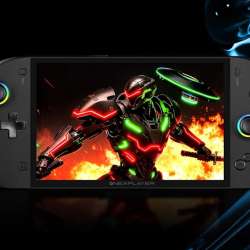
It combines Intel’s new Arc G3 Extreme hardware with an 8-inch 120Hz display, 32GB of memory, a 1TB SSD, expandable storage, configurable controls, and a removable 85Wh battery. At the time of writing, OneXPlayer lists this configuration for $1,839.
That is a serious spec sheet and a serious price. The question is not just whether the Apex Air is powerful. It is whether the hardware improves portable PC gaming enough to justify the size, heat, battery, and cost tradeoffs.
Intel Arc G3 Extreme Is the Headline
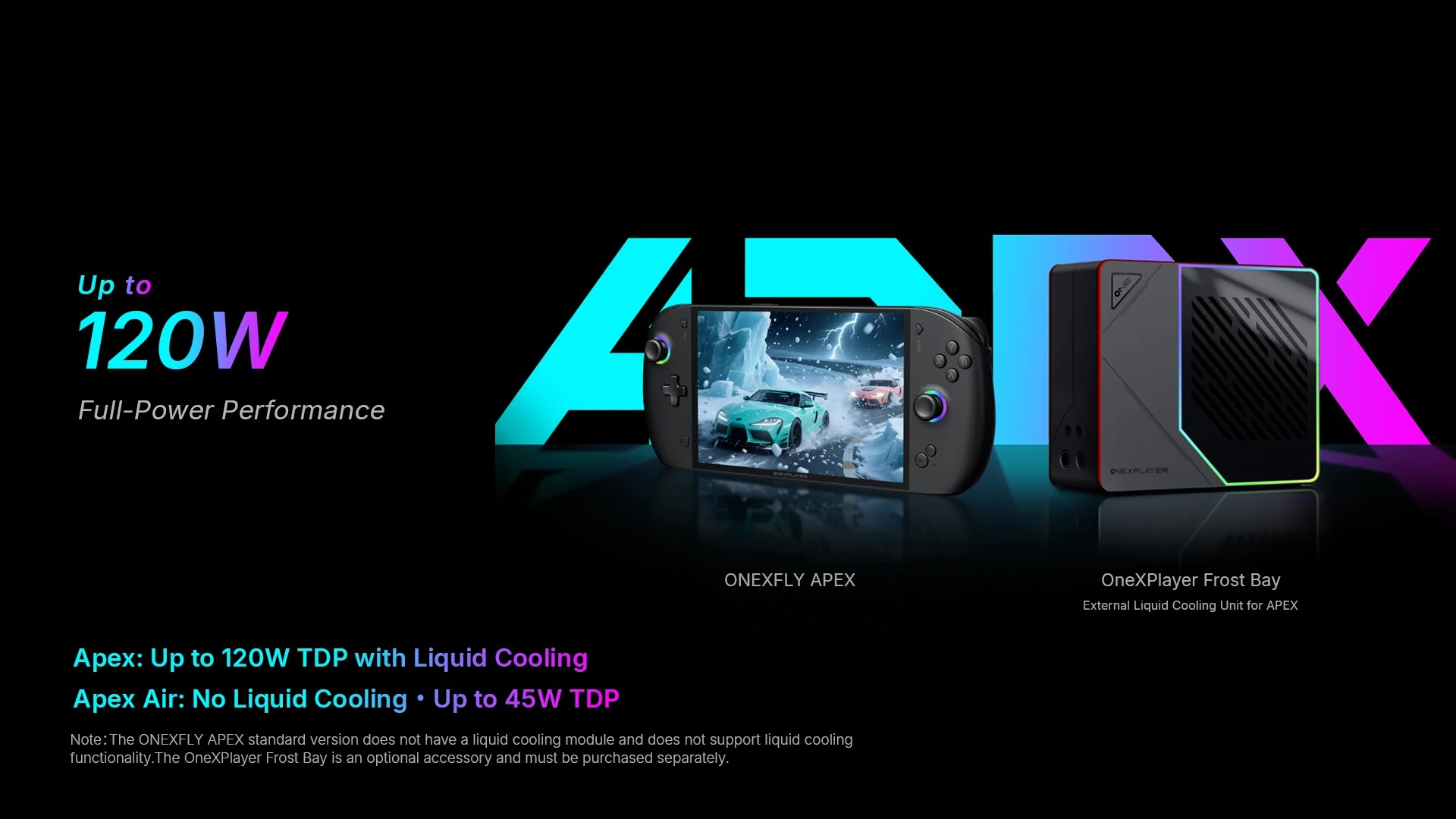
OneXPlayer’s own product page can be confusing because the Apex and Apex Air appear together. The regular Apex configurations shown there use AMD Ryzen AI Max+ 388 hardware, while the Apex Air pairs Intel Arc G3 Extreme with 32GB of memory and a 1TB SSD.
That distinction matters. Specs from one Apex version should not automatically be applied to another.
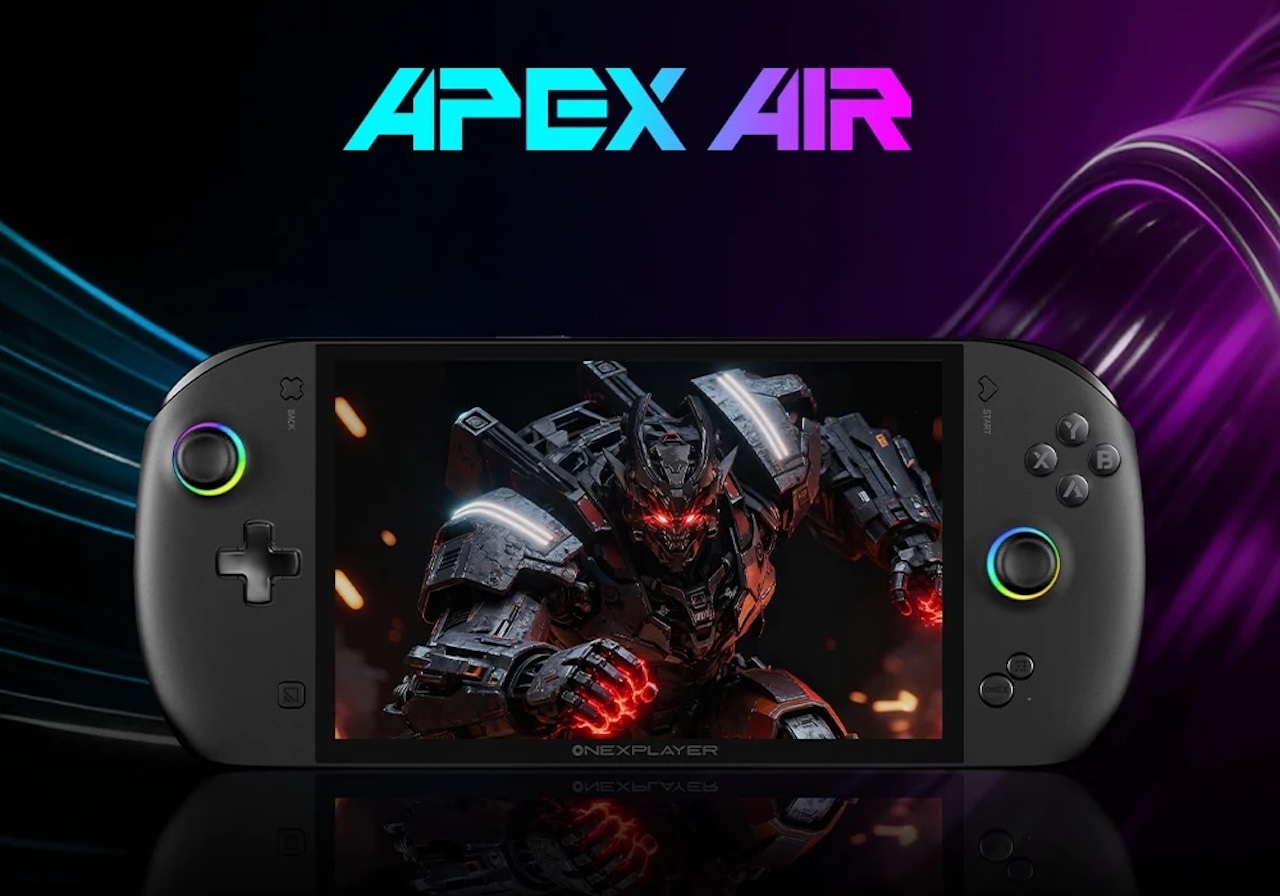 Intel’s Arc G3 Extreme platform includes Arc B390 graphics based on the Xe3 architecture, which is the main reason enthusiasts will notice this model. OneXPlayer also calls the Apex family the “World’s Most Powerful 8-inch Gaming Handheld.” That is the company’s marketing claim, not our conclusion.
The deciding factors will be sustained performance, temperatures, fan noise, battery life, and driver behavior. Until more real-world data is available, the chip is the headline, not the verdict.
The 8-Inch 120Hz Screen Raises the Stakes
The Apex Air uses an 8-inch IPS display with 1920 x 1200 resolution and a 120Hz refresh rate. Current specs also list variable-refresh support, 100 percent sRGB coverage, 500-nit claimed brightness, and DC dimming.
That sounds strong for a handheld. The larger panel gives PC games more room, and 120Hz allows smoother motion when the hardware can reach higher frame rates.
But the screen also increases the workload. Rendering at 1920 x 1200 is demanding, and a 120Hz panel does not turn a 50fps game into a 120fps game. Variable refresh can smooth uneven frame rates, but it cannot create performance that is not there.
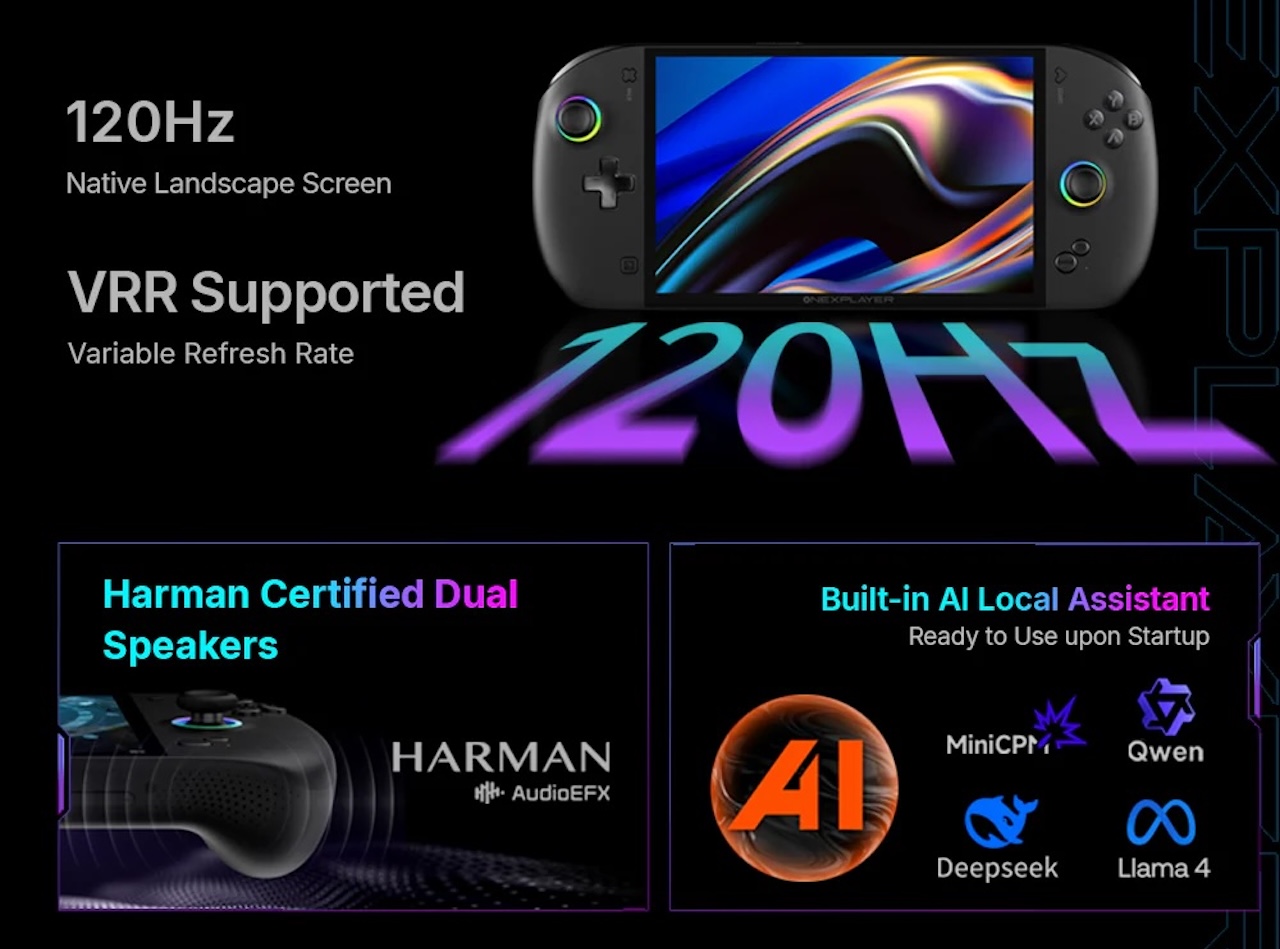 For many games, the best Apex Air experience may involve lowering resolution, capping frame rates, or reducing power draw. On a handheld, balance matters more than a benchmark number.
The 85Wh Battery Is Both Strength and Burden
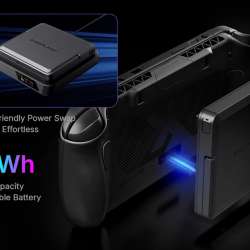
The Apex Air’s removable 85Wh battery is one of its most interesting features. It gives the design two potential advantages: carrying a spare pack for travel and replacing a degraded battery later in the device’s life.
Those are meaningful benefits, especially in a category where batteries are often sealed inside.
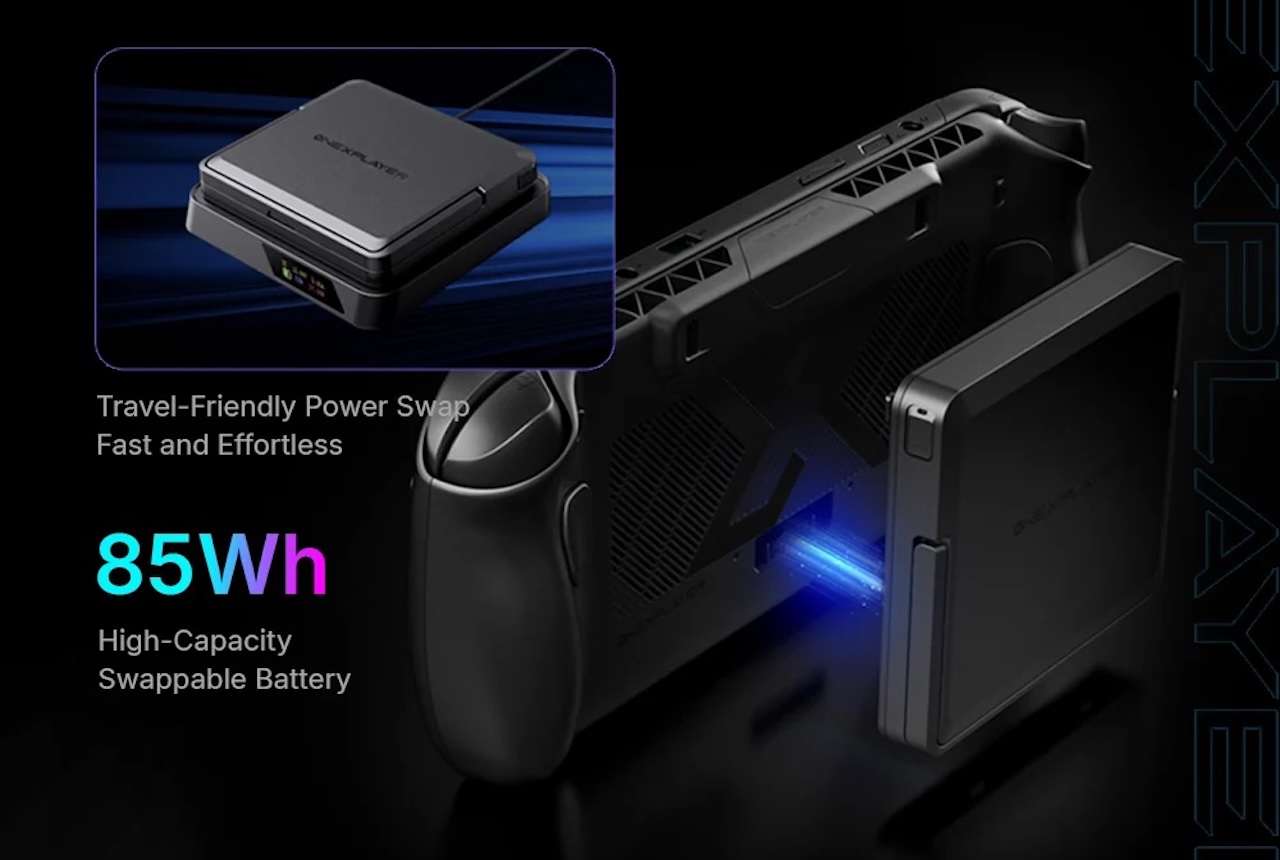 Still, 85Wh is a lot of battery to build into something meant to be held. Capacity also is not the same as runtime. Reports put the Apex Air’s handheld power setting at up to 45W, though Intel lists Arc G3 Extreme with an 8W-to-35W configurable TDP range. Actual battery life will depend on the game, brightness, refresh rate, wireless use, and performance settings.
An 85Wh label tells us how much energy is stored. It does not tell us how long demanding games will run comfortably.
Controls and Storage Look Enthusiast-Friendly
OneXPlayer has not focused only on raw performance. The Apex design includes triggers with adjustable travel, using Hall-based sensing and a physical switch. Longer travel can help with analog control in racing games, while shorter travel can suit quick inputs.
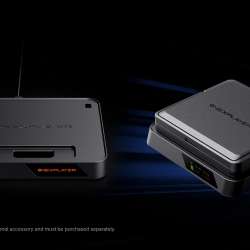
Current Apex Air information also lists capacitive joysticks, adjustable vibration motors, two configurable rear controls, and micro-switch shoulder buttons. Those are the right kinds of features for players who want to tune controls by game.
Storage is similarly flexible. The Apex Air includes a 1TB SSD, plus Mini SSD expansion and microSD. MicroSD is familiar and easy to buy. Mini SSD is more unusual and potentially faster, but buyers should check compatible drive availability before treating it like a universal format.

Who Should Buy the OneXPlayer Apex Air?
The Apex Air makes the most sense for someone who finds mainstream handhelds too conservative.
You get an 8-inch 120Hz display, 32GB of memory, Intel Arc G3 Extreme hardware, expandable storage, enthusiast controls, and a removable 85Wh battery. On paper, there is a lot to like.
What remains unclear is how well OneXPlayer has balanced everything. Long-session performance, battery runtime, temperatures, fan noise, ergonomics, and driver stability will decide whether this is an exceptional handheld or simply an exceptionally ambitious one.
Price: From $2,399
Where to Buy: OneXPlayer
Buyer fit: Consider the OneXPlayer Apex Air if you want a premium Windows handheld, are comfortable paying enthusiast-level prices, and value performance potential, a large high-refresh display, expandable storage, and a removable battery. If you care more about low weight, proven battery endurance, affordability, or a simple console-like experience, wait for more real-world performance and battery data before spending $1,839.