Buying a gaming monitor has become a specification maze. Bigger screens promise immersion, OLED promises deep contrast, and extreme refresh rates promise a competitive edge. But those benefits do not automatically belong in the same setup. A 49-inch ultrawide can be spectacular for racing games and multitasking, yet impractical for a cramped desk. A 1,100 Hz monitor sounds extraordinary, but only matters if your PC and games can deliver enough frames to use it.
Price: TBD
Where to Buy: Samsung
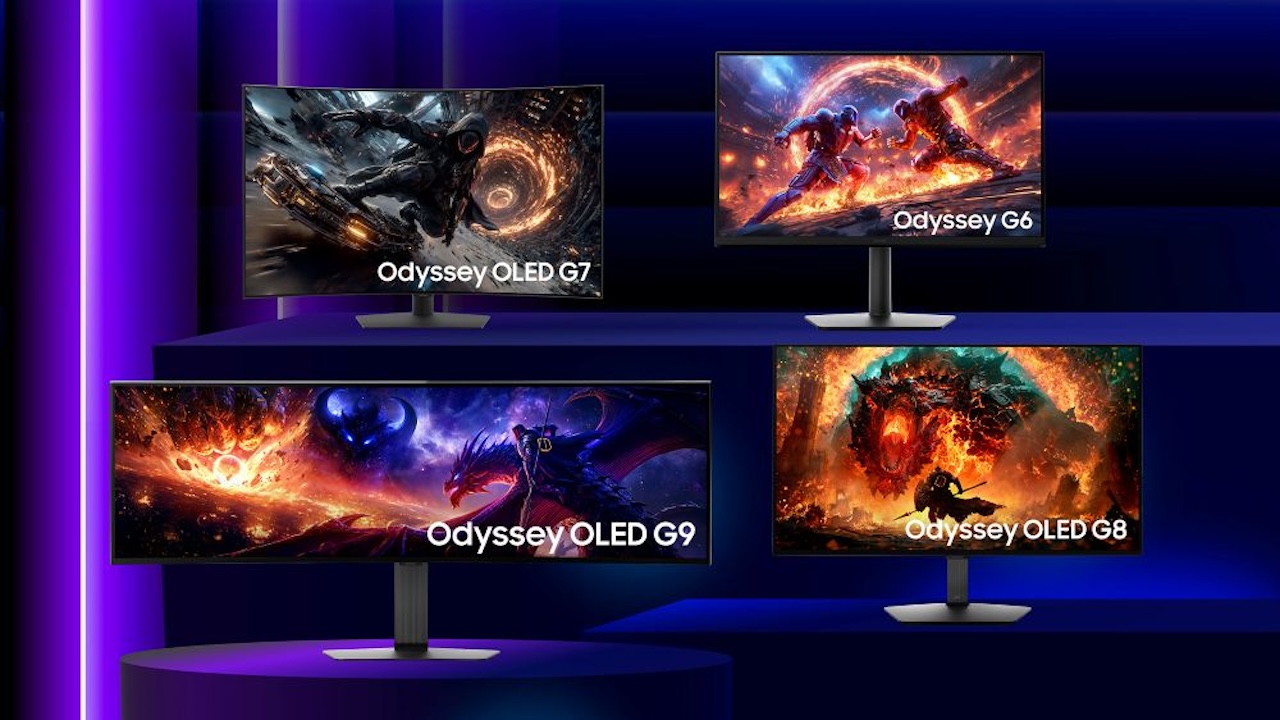
Samsung’s 2027 Odyssey lineup, announced at Gamescom 2026, addresses that choice with four very different screens: the 49-inch Odyssey OLED G9, 42-inch curved OLED G7, 32-inch OLED G8, and 27-inch Odyssey G6. Each prioritizes a different version of fast-paced gaming, from cinematic ultrawide play to esports-focused motion clarity.
The key distinction is between announced specifications and performance buyers can verify once retail models arrive. Samsung has provided ambitious figures, but broad availability, final pricing, and some certifications are still pending. This is a promising lineup to watch, not a reason to pre-order blindly.
The practical problem is matching a monitor to how you actually play
Gamers often buy a display based on one headline number, then discover that the rest of the setup does not match it. A higher resolution requires more graphics horsepower. An ultrawide format can demand more desk space and may not suit every game’s interface. Ultra-high refresh rates also depend on the game, graphics card, CPU, and connection all keeping up.
Samsung’s new Odyssey family is useful because it does not pretend one monitor serves everyone equally well. The OLED G9 is about width and speed. The OLED G8 is about high-resolution flexibility. The OLED G7 aims for a large, curved 4K OLED experience. The G6 prioritizes raw refresh rate for competitive players. The practical benefit is having to choose the right kind of fast.
Odyssey OLED G9 is for ultrawide players who also want speed
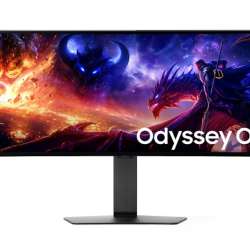
Samsung says the Odyssey OLED G9 is a 49-inch Dual QHD monitor with a 5120 x 1440 resolution, a 360 Hz refresh rate, and a 0.03 ms gray-to-gray response time. It can also switch through Dual Mode to Dual HD, or 2560 x 720, at up to 720 Hz.
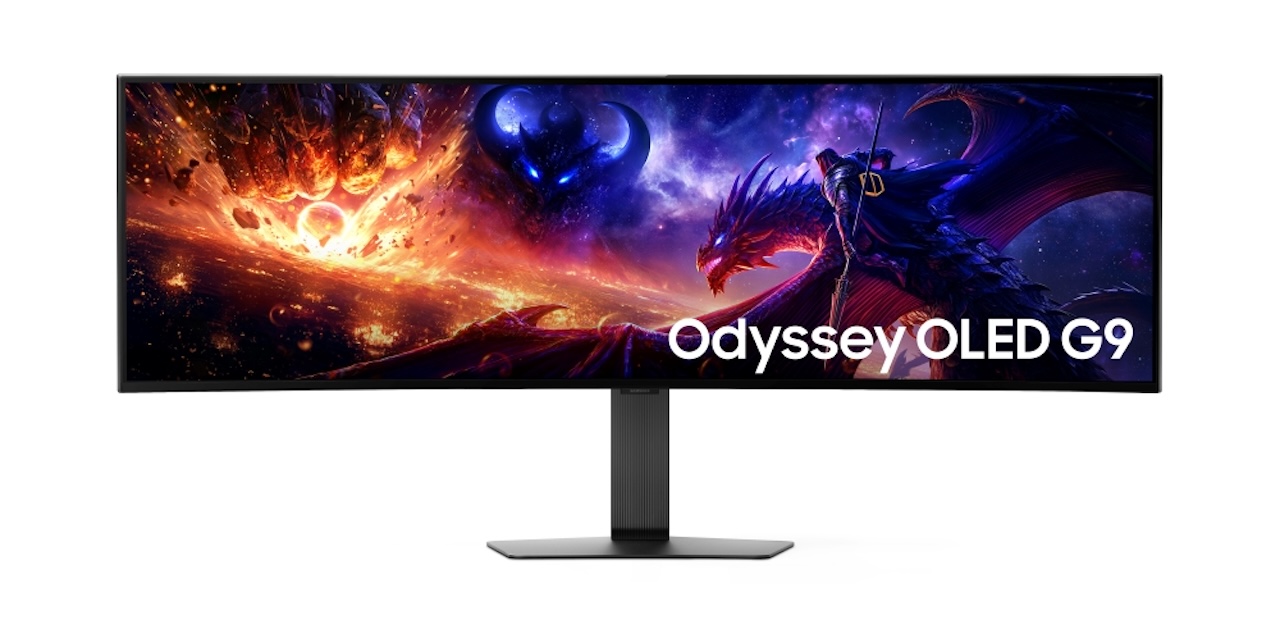
At native resolution, the G9 should appeal to sim racers, flight-sim fans, and PC players who want an expansive field of view without giving up a high refresh rate. The lower-resolution mode is aimed at players who would rather trade sharpness for speed.
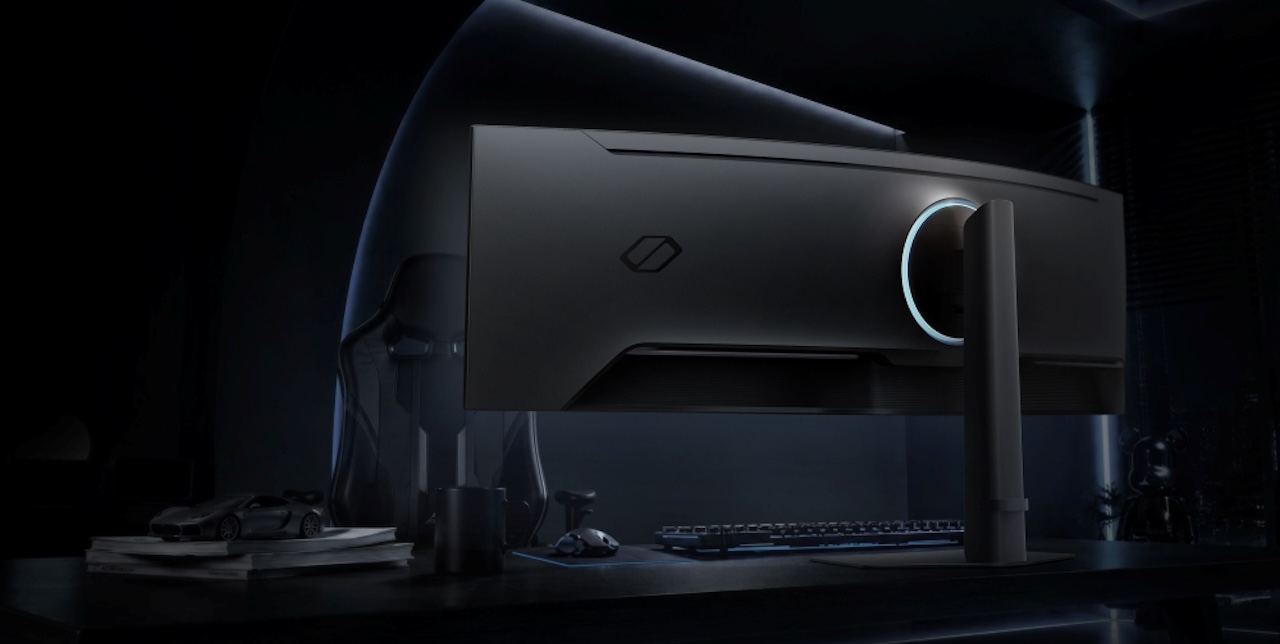
Samsung calls it the world’s first 49-inch DQHD monitor with a 360 Hz refresh rate. That is Samsung’s claim, not an independent industry finding. Its peak brightness claim of up to 1,300 nits also applies to a 3% window at 4K resolution, so buyers should not read it as full-screen brightness.
Odyssey OLED G8 offers the clearest all-rounder pitch
The 32-inch OLED G8 may be the most flexible model in the announcement. Samsung says it can run at 4K and 360 Hz, QHD and 520 Hz, or Full HD and 680 Hz. This Triple Mode approach gives players a practical way to match the screen to the game instead of owning separate monitors for competitive shooters and visually demanding single-player titles.
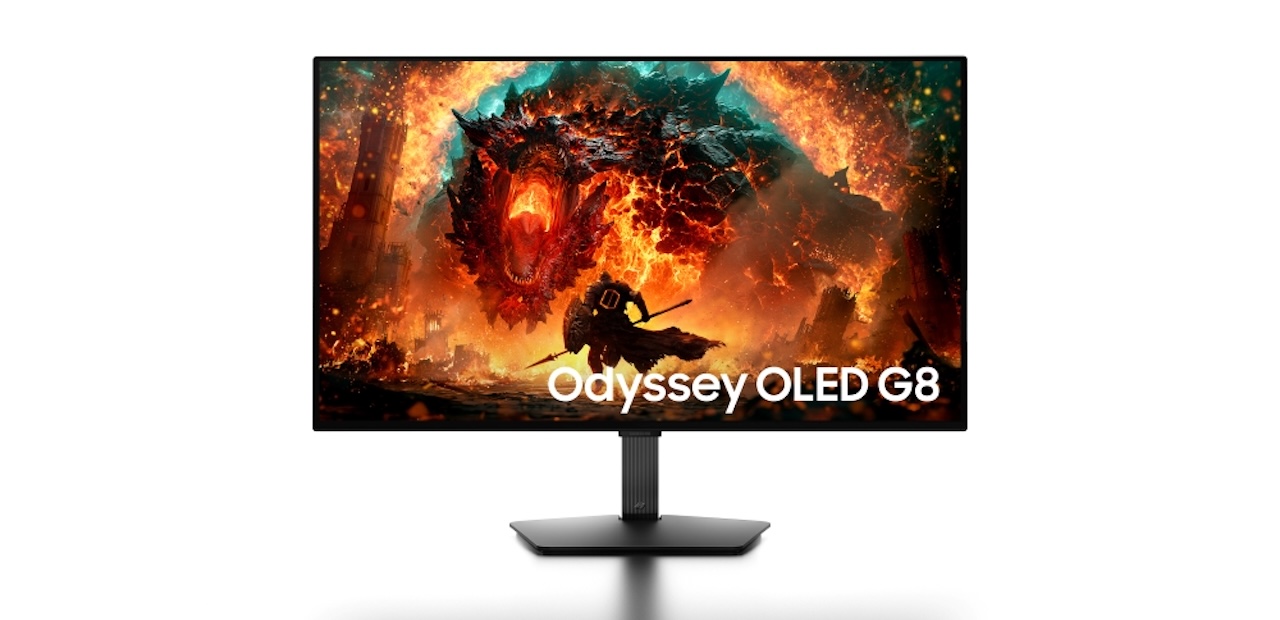 Samsung also lists DisplayPort 2.1 UHBR20, two HDMI ports, USB-C with 98 W Power Delivery, a two-port USB hub, and KVM support. For someone who uses the same desk for a gaming PC, laptop, or work device, those connections could matter as much as the panel.
There is one caveat. Samsung lists VESA DisplayHDR TrueBlack 600, AMD FreeSync Premium Pro, and NVIDIA G-SYNC Compatible support, but says the related certifications are to be completed at launch. Treat them as expected features until the retail model is available.
Odyssey OLED G7 goes big without becoming ultrawide
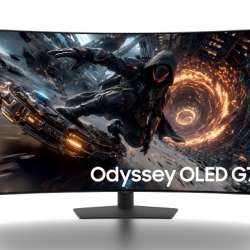
Samsung says the OLED G7 is a 42-inch, 16:9 curved OLED monitor with 4K resolution, a 165 Hz refresh rate, a 0.03 ms gray-to-gray response time, and a pronounced 1000R curve. Samsung calls it the world’s first 42-inch 16:9 curved OLED gaming monitor.
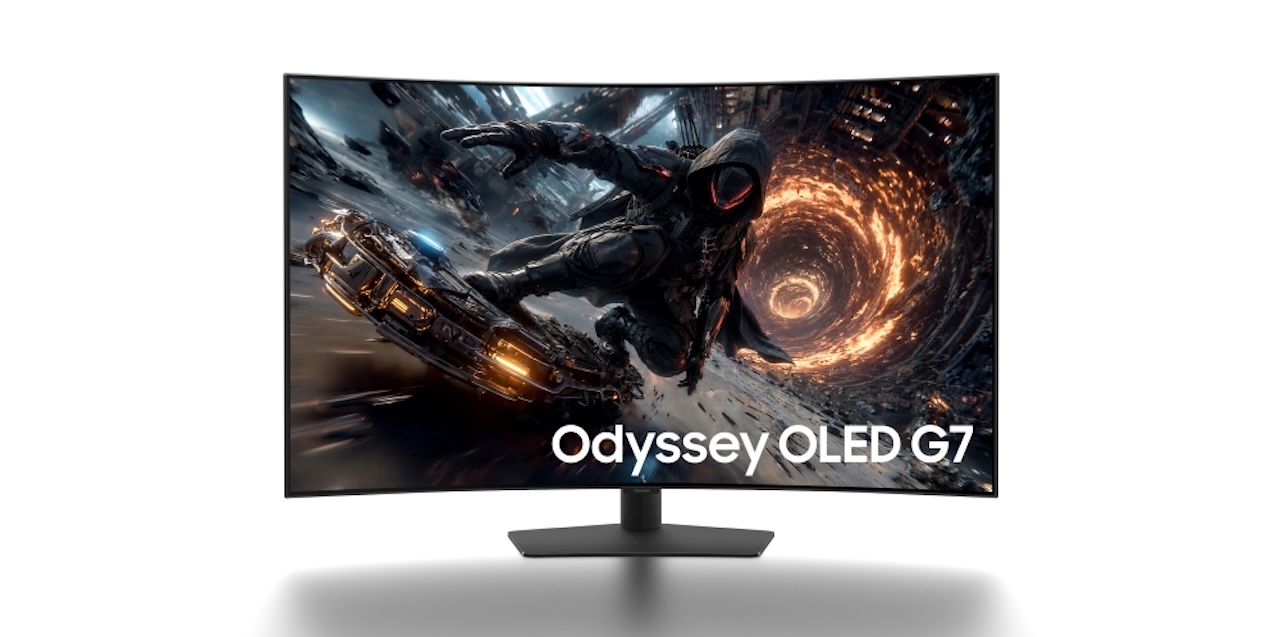 The appeal is clear: it gives single-player games, RPGs, and open-world titles a much larger canvas while retaining the familiar 16:9 format used by consoles, streaming video, and many games. Samsung says the screen area is about 72% larger than a 32-inch model.
But 42 inches is not automatically better. It requires a deep desk or a wall-mounted setup with enough viewing distance. On a shallow desk, it may feel overwhelming rather than immersive.
Odyssey G6 is for players who can actually use 1,100 Hz
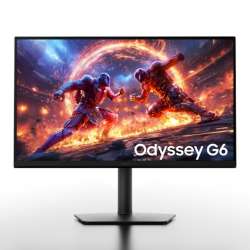
The 27-inch Odyssey G6 is the competitive specialist. Samsung says the Fast IPS monitor can run at up to 1,100 Hz in HD or up to 600 Hz in QHD through Dual Mode, with a 1 ms response time.
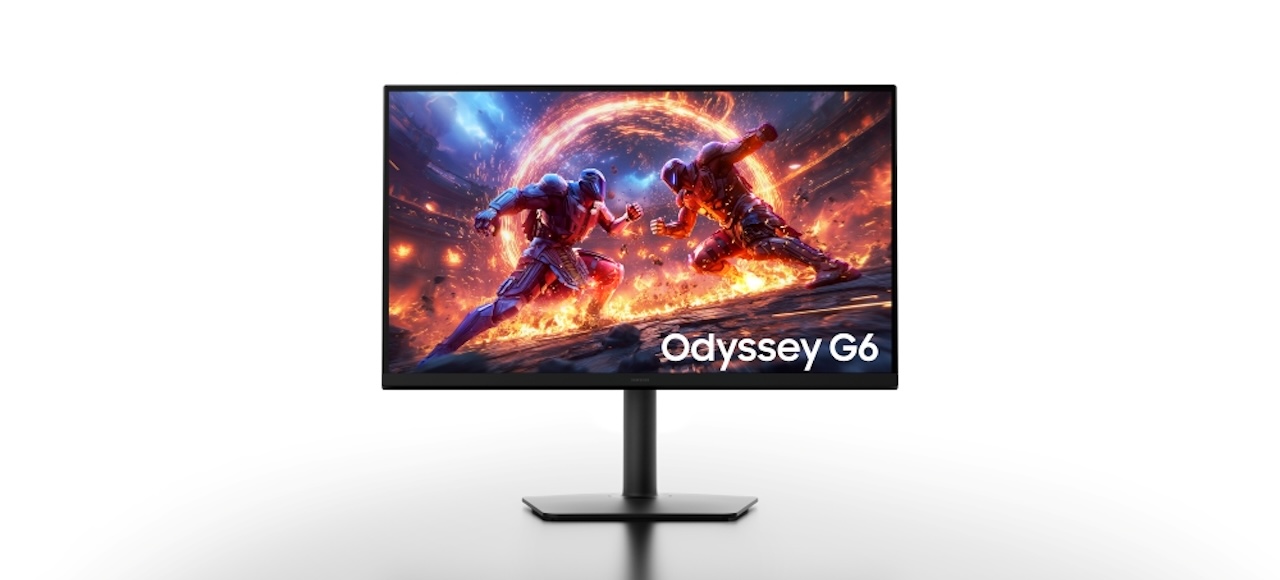
Those specifications are impressive, but their value is narrow. You will need hardware and games capable of producing extremely high frame rates, and the biggest gains will likely be in esports titles where visual speed matters more than cinematic detail. Samsung says the G6 will be available globally in the second half of 2026, while pricing remains unannounced.
Buyer fit
Choose the OLED G9 if you want a fast ultrawide monitor for simulations, multitasking, and immersive PC play. Choose the OLED G8 if you want the most versatile option for a desk that handles work, competitive games, and 4K single-player titles. Choose the OLED G7 if a large, curved 16:9 OLED screen suits your room and your favorite games. Choose the G6 only if competitive shooters are your priority and your PC can realistically feed a very high refresh-rate display.
Price: TBD
Where to Buy: Samsung
For everyone else, wait for regional prices, hands-on reviews, and final certification details. Samsung’s lineup is exciting on paper, but the best Odyssey will be the one that fits your desk, games, and graphics hardware, not simply the one with the biggest refresh-rate number.