Apple households have an awkward smart-home problem. An iPhone can control lights, locks, cameras, and thermostats, but it is not always the right place to run a home. When someone is cooking, carrying groceries, or trying to get kids out the door, opening the Home app is one more small task.
There is a fresh reason to revisit those Apple Smart Home plans. Bloomberg has reported that Apple is preparing a broader smart-home push, and MacRumors says Apple retail stores are being readied for new Home products this fall. Apple has not announced a smart display, a new HomePod mini, or a new Apple TV, so this is not launch confirmation, but it is a more specific reported timing signal than the usual cycle of concept renders and recycled leaks.
The practical goal is simple: make Apple Home less like an app you visit and more like a visible control point in the room. The hard part is separating what Apple already supports from what credible reporting says may be coming.
What Apple has already built
Apple’s smart-home system is not starting from zero. A HomePod or compatible Apple TV can serve as a home hub, enabling remote access to compatible accessories and supporting automations. Apple’s own guidance isn’t fully consistent here: its consumer support documentation says you must set up a home hub to add Matter accessories to the Home app, while its developer compatibility language notes that for non-Thread accessories, an iPhone or iPad on iOS 18 or later can pair and locally control them without a hub, reserving automations, notifications, and remote access for a home hub.
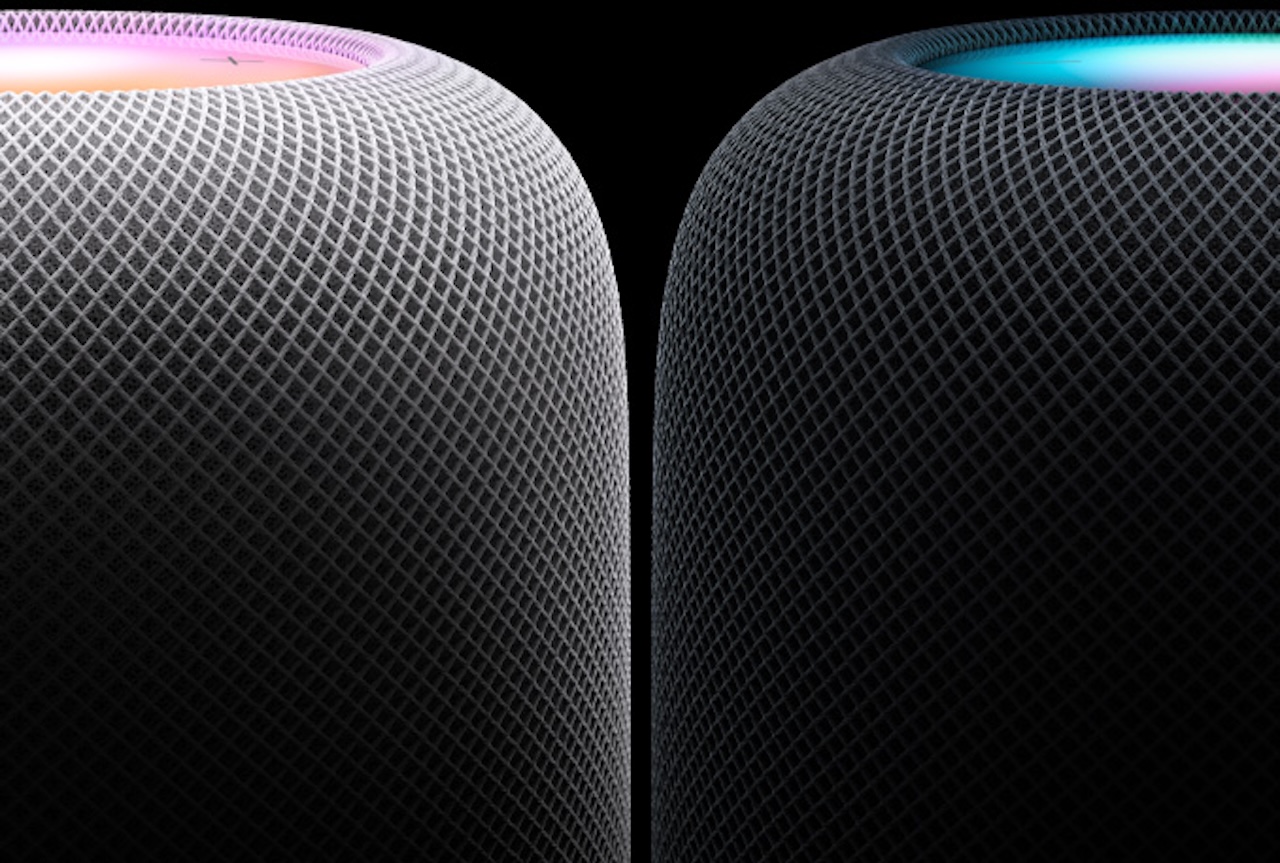
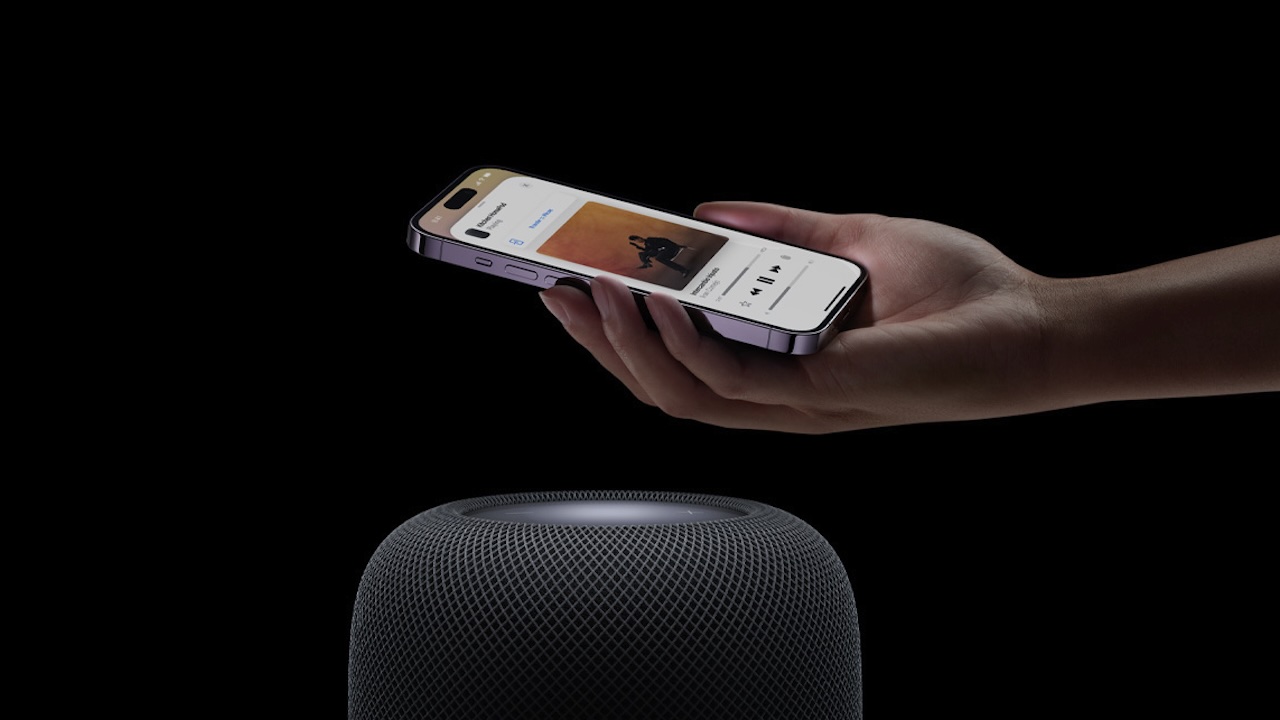
Thread-based Matter accessories require a Thread-enabled home hub, such as HomePod mini, second-generation HomePod, or a supported Apple TV 4K configuration. Apple also supports Matter, the cross-platform smart-home standard meant to improve interoperability.
What voice control lacks is a persistent visual view. Speaking a command is useful, but it is not always the easiest way to check camera feeds, see who is at the door, or manage devices around the house. A dedicated display could make those tasks faster, especially in a kitchen or entryway.
The rumored smart display
The central rumor is a compact smart-home display, often unofficially called a “HomePod with a display” or “HomePad.” Bloomberg reporting has described a hub reportedly built around Siri AI, while other reports point to a roughly seven-inch screen.
Treat every hardware detail carefully. Apple has not confirmed the screen size, speaker design, camera, wall-mount option, operating system, price, or release date. Images circulating online are concept renders, not Apple product photos.
The reported role matters more than any one leaked feature: an Apple Home screen for controls, widgets, music, communication, and possibly personalized household information, putting Apple in a category where Amazon and Google have offered smart displays for years.
A screen is not useful simply because it sits on a counter. Apple would need to make routine actions faster than using an iPhone, not simply duplicate the Home app on a smaller display. Quick camera access, clear guest controls, useful household alerts, and sensible privacy controls would matter more than a decorative interface.
Siri is the real issue
The reported hardware push appears closely tied to bringing Siri AI into Apple’s home products. That connection makes sense, but Apple’s official Siri AI announcement covers software availability and supported existing-device platforms, not new home hardware. A home hub becomes more useful if it understands follow-up requests and context without turning every command into a retry.
 It also creates the biggest uncertainty. Apple previously delayed some personalized Siri features, and reporting has suggested their readiness affected the smart-display timeline. That does not prove another delay, but it is a reason to stay cautious about rumored launch windows.
Do not buy a current HomePod or Apple TV based on promised future AI features. Buy current hardware for what it does now: audio, Apple Home control, home-hub capability, and access to the Apple ecosystem. Any device-specific Siri AI benefit is only a potential bonus until Apple confirms hardware and software support.
A refreshed HomePod mini and Apple TV may come first
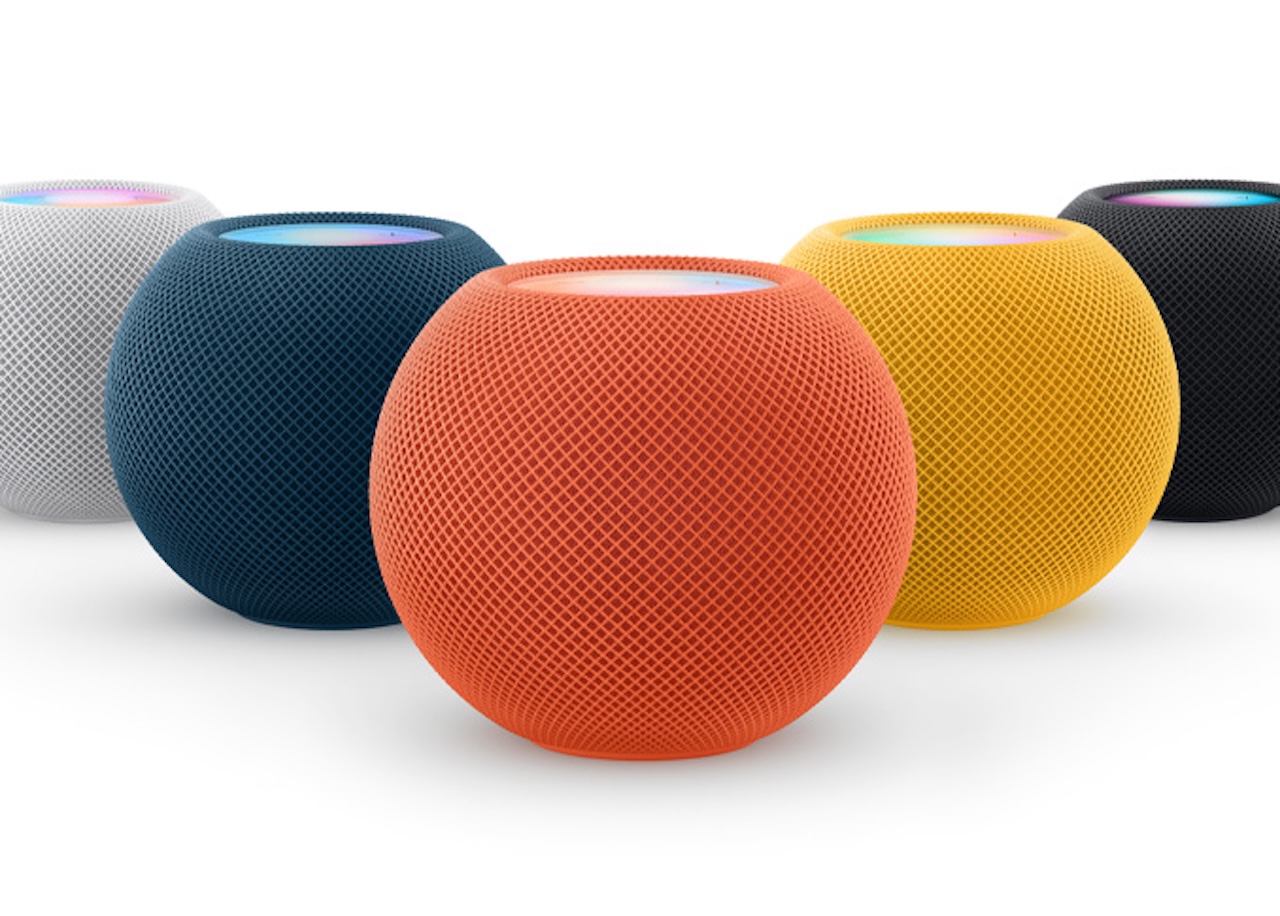
Bloomberg has also reported that Apple is preparing a new Apple TV set-top box and a refreshed HomePod mini, with faster chips to support newer Siri features, though a major industrial redesign is not expected.

That is still reporting, not an Apple commitment. A current HomePod mini or compatible Apple TV is the better choice if you need a home hub now. Waiting makes sense only if you are not in a hurry and care most about possible Siri AI features, updated wireless hardware, or new colors.
Apple TV remains one of Apple’s most practical smart-home hubs. It lives near the television, supports Thread on certain configurations, and avoids putting all home-control responsibility on a single speaker.
What not to assume
Do not assume Apple’s revamp will fix every compatibility problem. Matter improves interoperability, but accessory support still varies by manufacturer, device type, and platform. Check for Matter support or the Works with Apple Home badge before buying accessories.
Also, do not assume a rumored Apple hub will replace an iPad, security system, or existing HomePod. It may complement those devices. There is no confirmed pricing, so it is too early to call it a budget alternative to an Echo Show or Google Nest Hub.
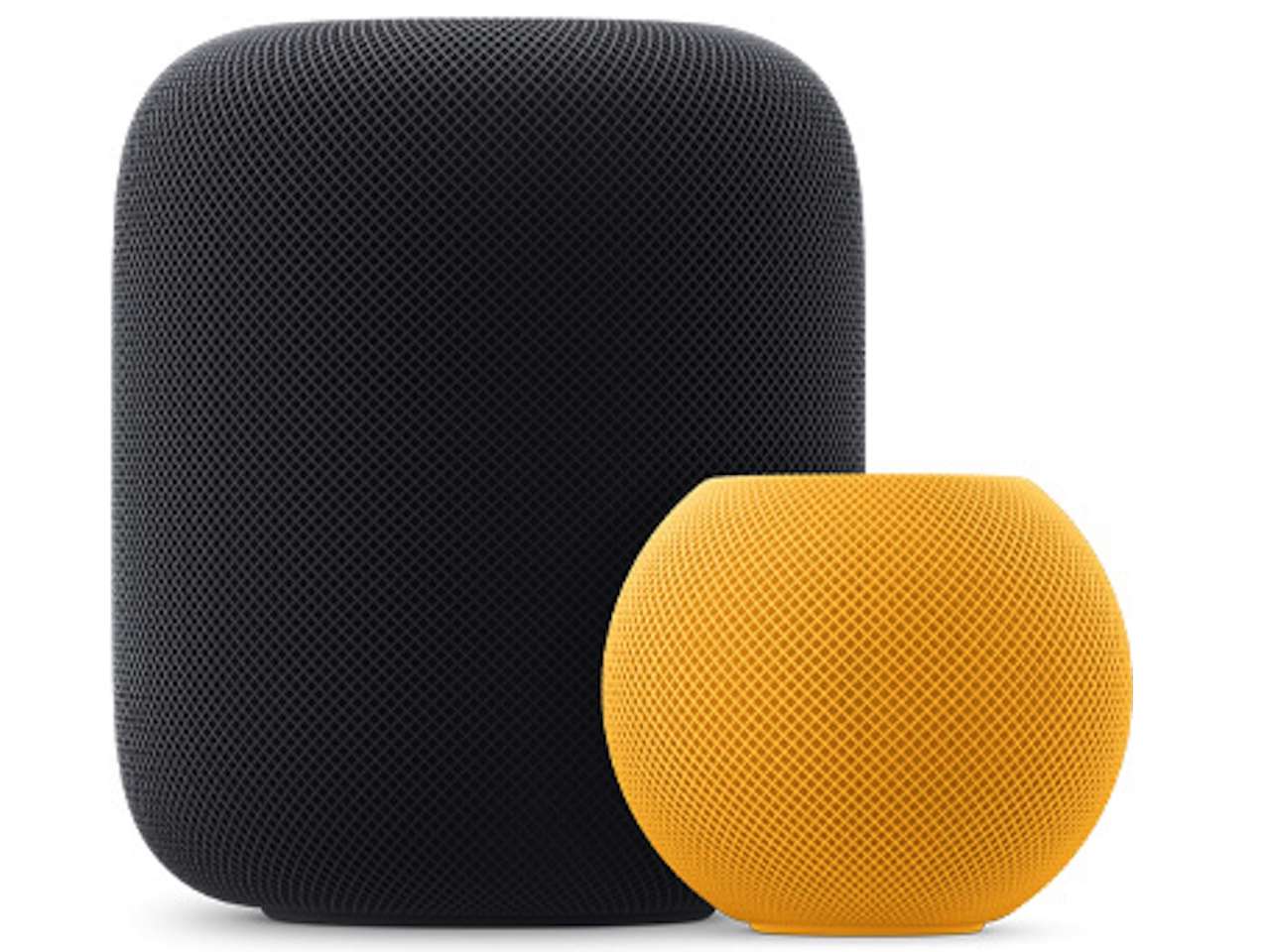
Price: $139.99
Where to Buy: Amazon
Buyer fit
Wait for Apple’s announcements if your home already works, you want a visual Apple Home control center, and you would rather buy once than upgrade a HomePod mini shortly afterward.
Buy a current HomePod mini or compatible Apple TV if you need a home hub today and are satisfied with current Apple Home controls. They solve a real infrastructure problem now, without requiring faith in unreleased hardware.
The strongest case for Apple’s revamp is not a new screen. It is a simpler, more reliable way for an Apple household to see and control the home together. Until Apple makes that promise itself, treat the next HomePod chapter as promising, not purchased.