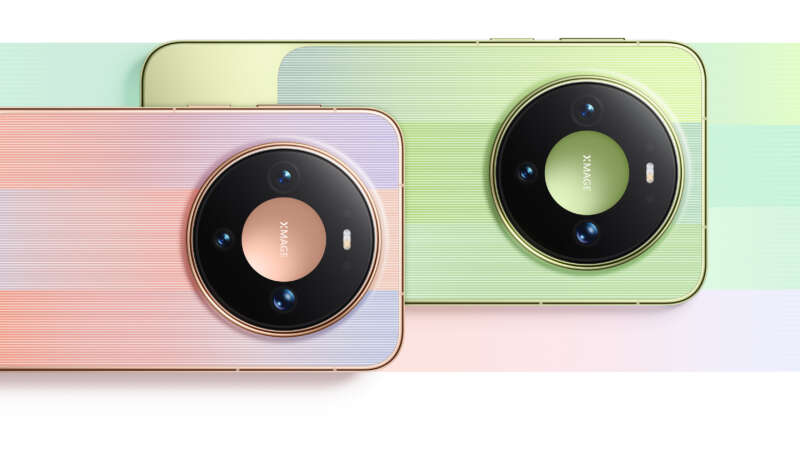
If you’re shopping at the affordable end of the smartphone market, battery capacity can matter more than another camera sensor or a benchmark score. Phones used heavily for messaging, video, navigation and calls put plenty of pressure on the battery, particularly when a charger isn’t nearby.
Price: 1199 yuan (About $178)
Where to Buy: JD.com
That’s the problem the Honor Play 11T is designed to address. The new Play-series phone pairs a 7,500mAh battery with a dedicated AI button, putting the emphasis on battery capacity and quick access to frequently used features.
A 7,500mAh battery changes the equation
At 7,500mAh, the Play 11T carries considerably more battery capacity than the 5,000mAh figure that has become common across smartphones.
For the buyer, the extra capacity means more energy is available for navigation, messaging, calls, video and hotspot use before the battery is depleted. That makes the specification particularly relevant to people who spend long periods away from a charger.
Battery capacity and battery life aren’t the same thing, however. Runtime also depends on the display, processor, cellular connection, software and how the phone is being used. A 7,500mAh specification establishes that Honor has fitted a large battery; it doesn’t by itself establish how many hours or days the phone will operate between charges.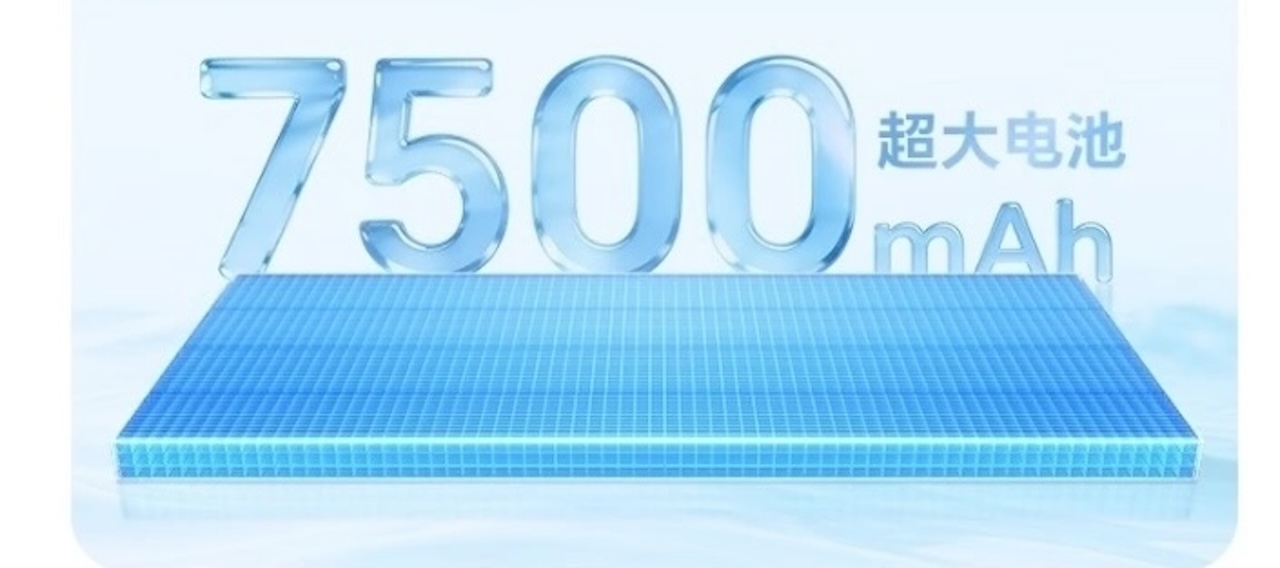
The Play 11T also supports 45W wired charging, an important companion specification when dealing with a battery this large. Faster charging doesn’t change the battery’s capacity, but it affects how long owners need to stay connected to a charger when replenishing it.
The AI button is a shortcut, not just a label
Honor is also giving the Play 11T a dedicated AI button on the side of the phone.
A physical shortcut can reduce the steps required to reach frequently used features, and Honor says the button supports different actions depending on how it is pressed.
The practical story here isn’t simply that the phone has “AI.” It’s that Honor has provided a hardware shortcut for accessing selected functions rather than requiring everything to start from an app or on-screen menu.
Honor is promoting AI functionality as part of the Play 11T’s feature set, but those software features and the physical button are worth treating separately. The button is a concrete hardware addition; the usefulness of the services attached to it will depend on which functions individual owners actually need.
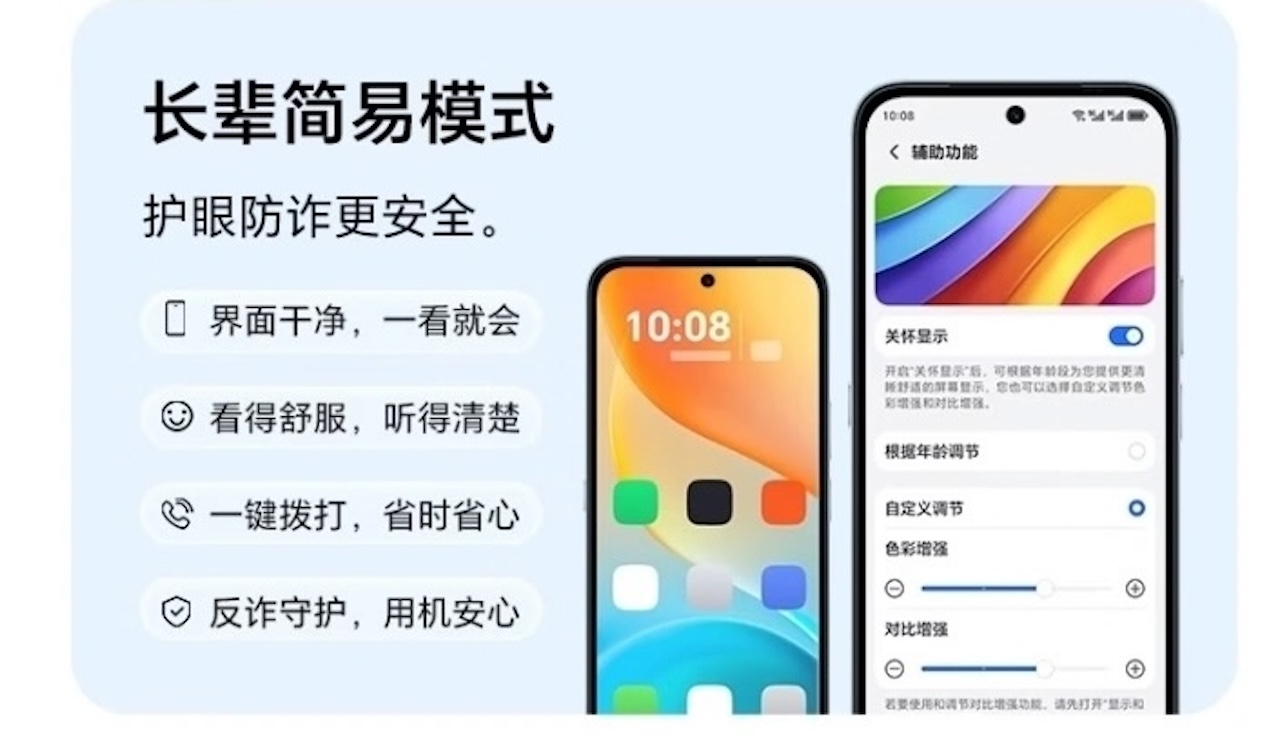 The display prioritizes size and refresh rate
The Play 11T uses a 6.61-inch TFT LCD with a 1604 x 720 pixels resolution and 120Hz refresh rate.
That combination reveals another of the phone’s priorities. The large panel provides plenty of screen area for video, social media and general use, while 120Hz allows compatible interface elements and content to update more frequently than on a conventional 60Hz display.
The tradeoff is resolution. HD+ across a 6.61-inch panel isn’t aimed at competing with the sharper Full HD+ and higher-resolution OLED displays found further up the smartphone market.
That’s less a criticism than a useful indication of where Honor has allocated the hardware budget. The Play 11T emphasizes battery capacity and refresh rate rather than premium display technology.
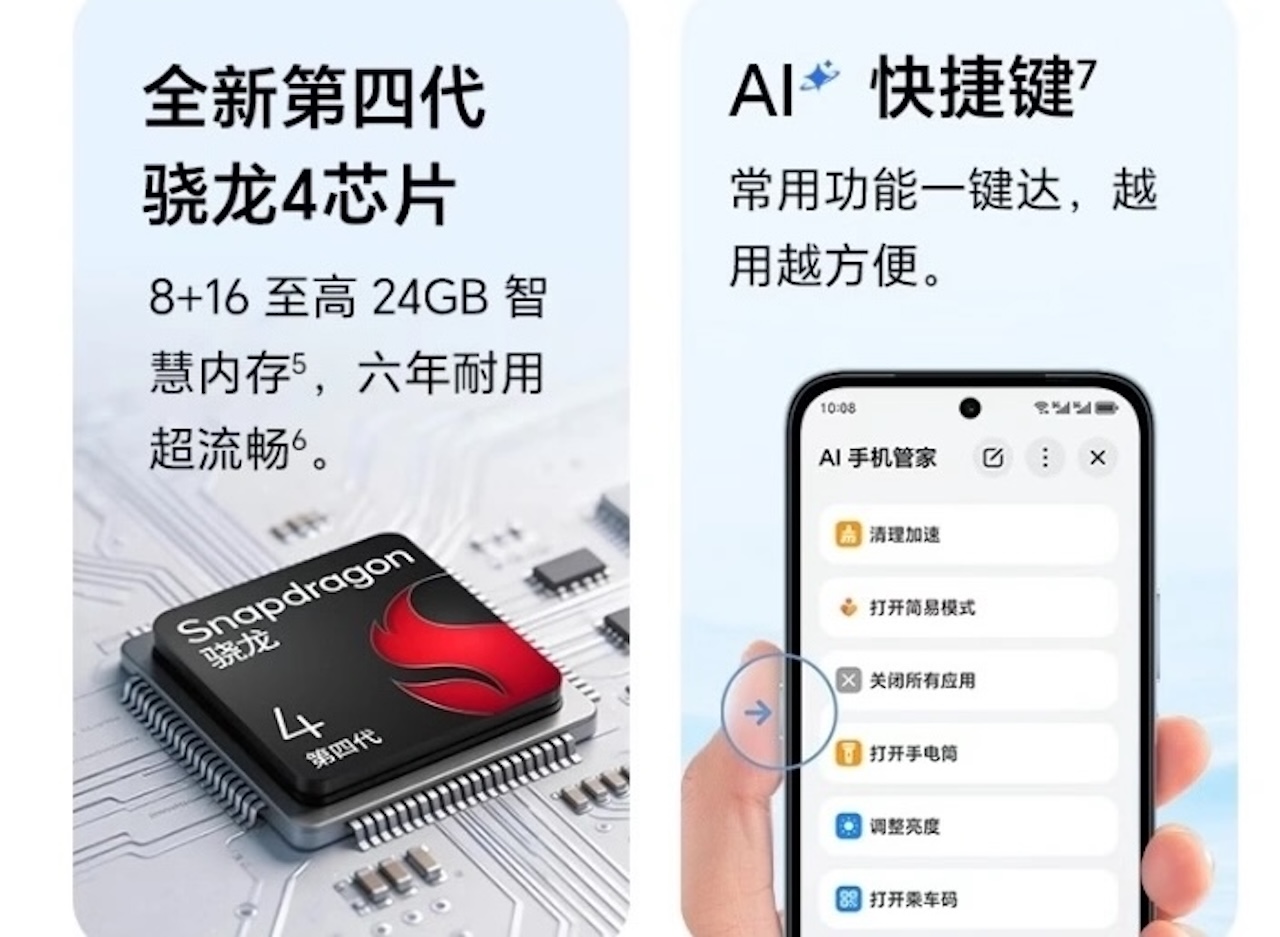 Snapdragon 4 Gen 4 handles the processing
Inside, the Honor Play 11T uses Qualcomm’s Snapdragon 4 Gen 4, a budget-focused mobile platform with 5G connectivity.
That distinction matters because the Play 10T used the Snapdragon 6s Gen 3, making it easy to carry the previous model’s specification forward by mistake. The Play 11T instead moves to Qualcomm’s newer Snapdragon 4-series platform.
The phone is offered with multiple memory and storage configurations, including versions with up to 8GB RAM paired with 256GB storage.
Those specifications position the Play 11T as an affordable everyday smartphone rather than a performance-focused gaming handset. The Play branding may suggest gaming to people familiar with earlier Honor devices, but the current Play family covers a much broader part of the company’s lower-priced lineup.
For buyers, the distinction matters. A large battery provides more capacity for extended use, but it doesn’t establish gaming performance. The chipset, graphics hardware and software optimization remain separate considerations.
Honor keeps the cameras straightforward
The Play 11T has a single 13MP rear camera, accompanied by a secondary sensor, while a 5-megapixel camera handles selfies and video calls at the front.
The 50-megapixel number is the headline specification, but sensor resolution alone doesn’t establish image quality. Sensor size, optics, processing and lighting conditions all contribute to the final photograph.



For a phone positioned around affordability and battery capacity, the camera system follows the same hardware priorities as the rest of the device: provide the expected everyday functions without making photography the central selling point.
The phone also includes features such as a side-mounted fingerprint reader and 5G connectivity.
Who is the Honor Play 11T for?
The Honor Play 11T is aimed at buyers who put battery capacity, a large display and everyday functionality ahead of premium materials or flagship-level hardware.
The 7,500mAh battery is the clearest differentiator, particularly for commuters, students, field workers and anyone who regularly spends long periods away from a charger. The 44W charging support addresses the practical issue of replenishing that unusually large battery, while the AI button provides quicker access to selected functions.
The 6.77-inch 120Hz LCD also makes the phone relevant to buyers who want a large, smoother-refreshing screen but don’t necessarily need an OLED panel or higher resolution.
The Play 11T makes less sense for someone whose priorities start with premium display technology, high-end gaming hardware or a more ambitious camera system.
Price: 1199 yuan (About $178)
Where to Buy: JD.com
The bottom line
Honor isn’t trying to disguise the Play 11T as a flagship. Its proposition is much simpler: combine a 7,500mAh battery, 44W charging, a 120Hz display and a dedicated AI shortcut in an affordable 5G phone. Those are established features; real-world battery endurance and the usefulness of the AI functions require testing rather than conclusions drawn from a launch announcement.