Losing keys, a backpack, or checked luggage is a small problem with an outsized effect on a day. You may know the item is somewhere in the house, in the car, or at the airport, but that is not the same as knowing where to look next. The Google Pixel Tag is built for that gap. Attach it to an item or place it in a bag, then use Google’s Find Hub system to help locate it when it is nearby or far away.
Price: From $29.99
Where to Buy: Google
How Find Hub Locates an Item
The premise is familiar. A tracker cannot prevent you from setting down your keys in an odd place or leaving a backpack under an airline seat. What it can do is give you a more useful next step than retracing every movement you made that day. The Pixel Tag is designed to connect that item to Google’s Find Hub system, which works through Android phones and other participating devices.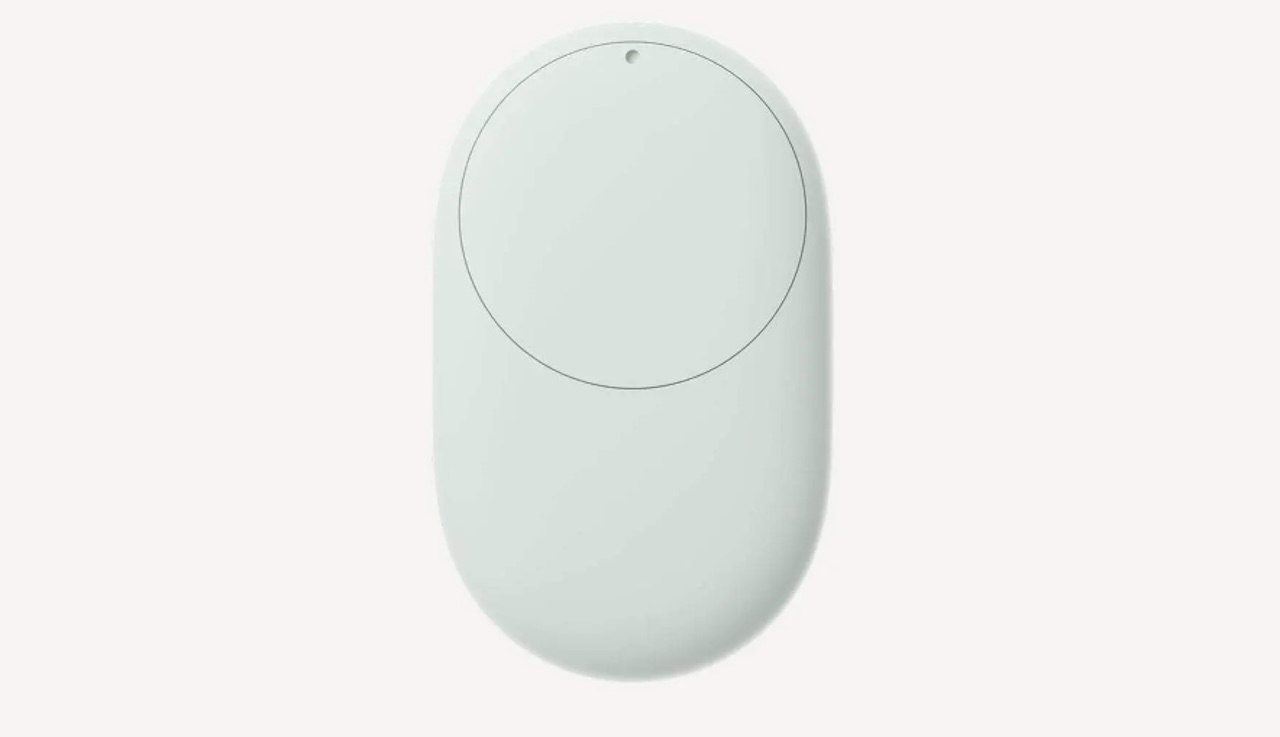
Google says Find Hub uses a global network of more than one billion Android devices. If a participating Android device passes near a lost Pixel Tag, the network can help report the item’s location. That makes the Tag useful for objects that routinely leave home: luggage, bike bags, camera cases, backpacks, laptop sleeves, or a set of keys that has made its way into a car, office, or hotel room.
What the Pixel Tag Is, and Is Not
The Pixel Tag is not presented as a live cellular or GPS tracker. It does not independently broadcast a constantly updating location in the way a cellular-enabled asset tracker might. Instead, it relies on Bluetooth and the Find Hub network to help locate an item.
The usefulness of that network can vary by location, the number of nearby participating Android devices, and whether those devices can connect to the internet. In a crowded airport or city, a lost Tag may have more opportunities to be detected than one left in a remote area.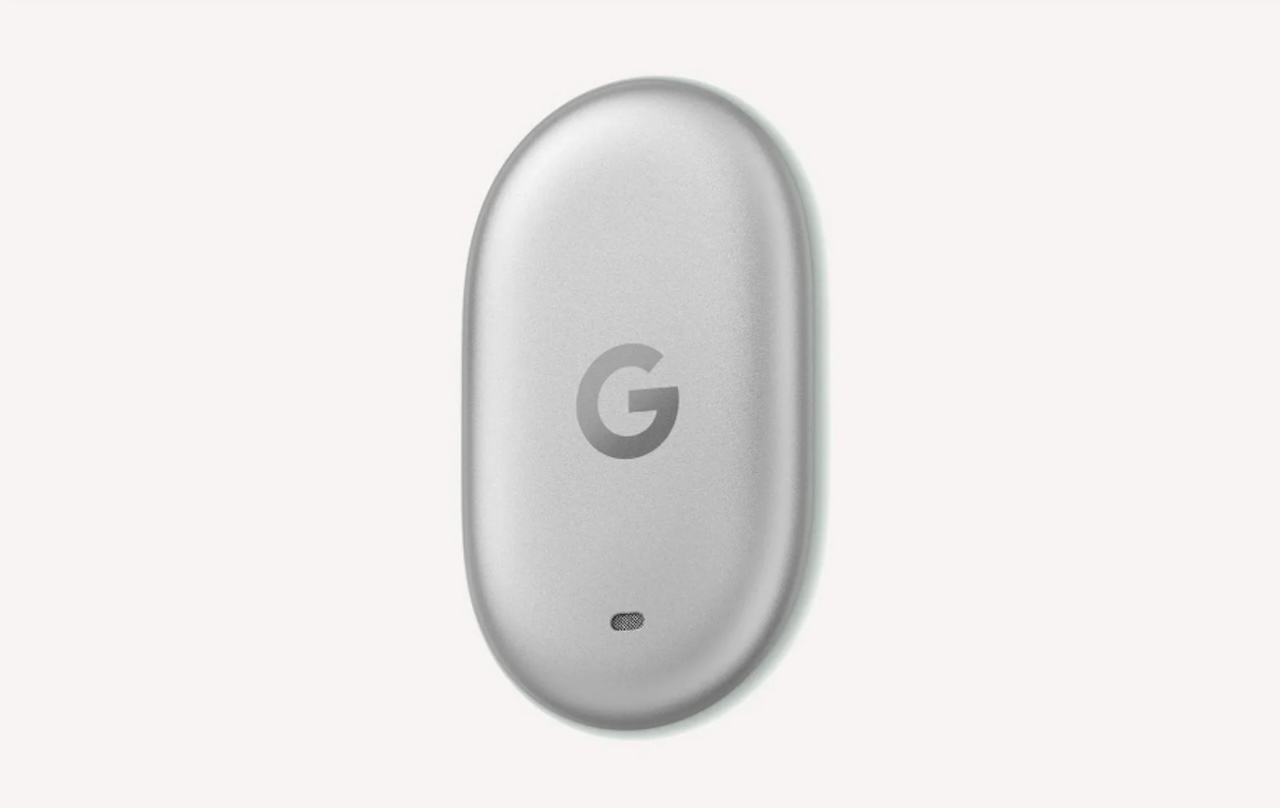
Finding Items Nearby
When the item is nearby, the Pixel Tag adds tools intended to make the final search less frustrating. Google says Find Hub can provide directional guidance to help locate an item and can trigger the Tag’s built-in speaker. Rather than stopping at a map pin that tells you your keys are somewhere in a room, the system can help narrow the search to a drawer, sofa cushion, bag pocket, or coat.
That nearby guidance depends on the phone in your hand. The Pixel Tag supports Ultra Wideband for Precision Finding, which requires a compatible Android phone with Ultra Wideband support. Google also lists Bluetooth Channel Sounding, a newer Bluetooth-based location feature that requires a compatible device running Android 16 or later with Bluetooth 6.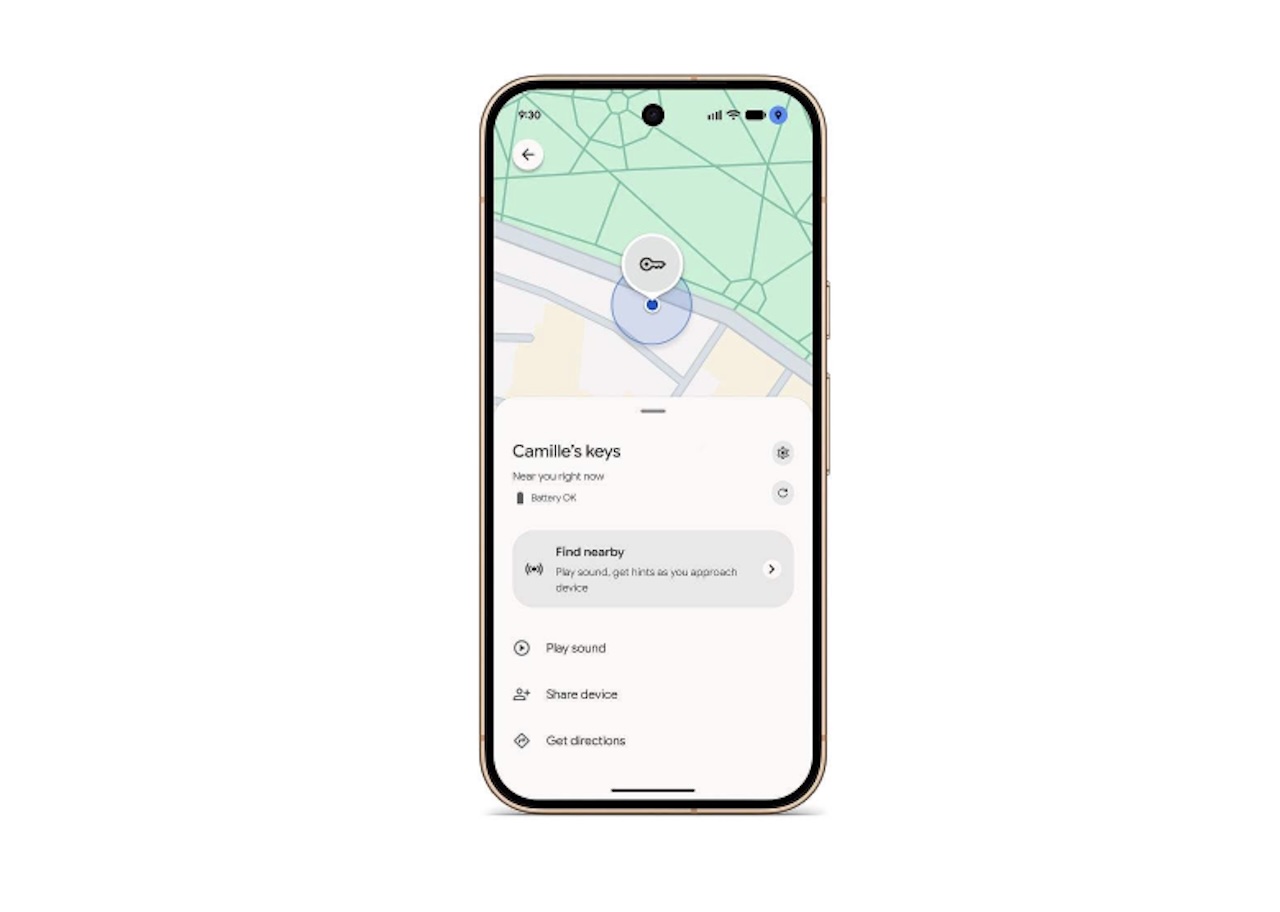
Compatibility Requirements
Basic use requires an Android phone running Android 9 or later and Bluetooth 6. Those requirements are worth checking before purchase, especially for Android users with older phones or models that do not include Ultra Wideband hardware.
Precision Finding requires a compatible Android phone with Ultra Wideband support. Bluetooth Channel Sounding requires Android 16 or later and Bluetooth 6. A buyer who only needs to see an item on a map may not need every advanced feature, but anyone expecting directional guidance should confirm phone compatibility first.
Size, Materials, and Durability
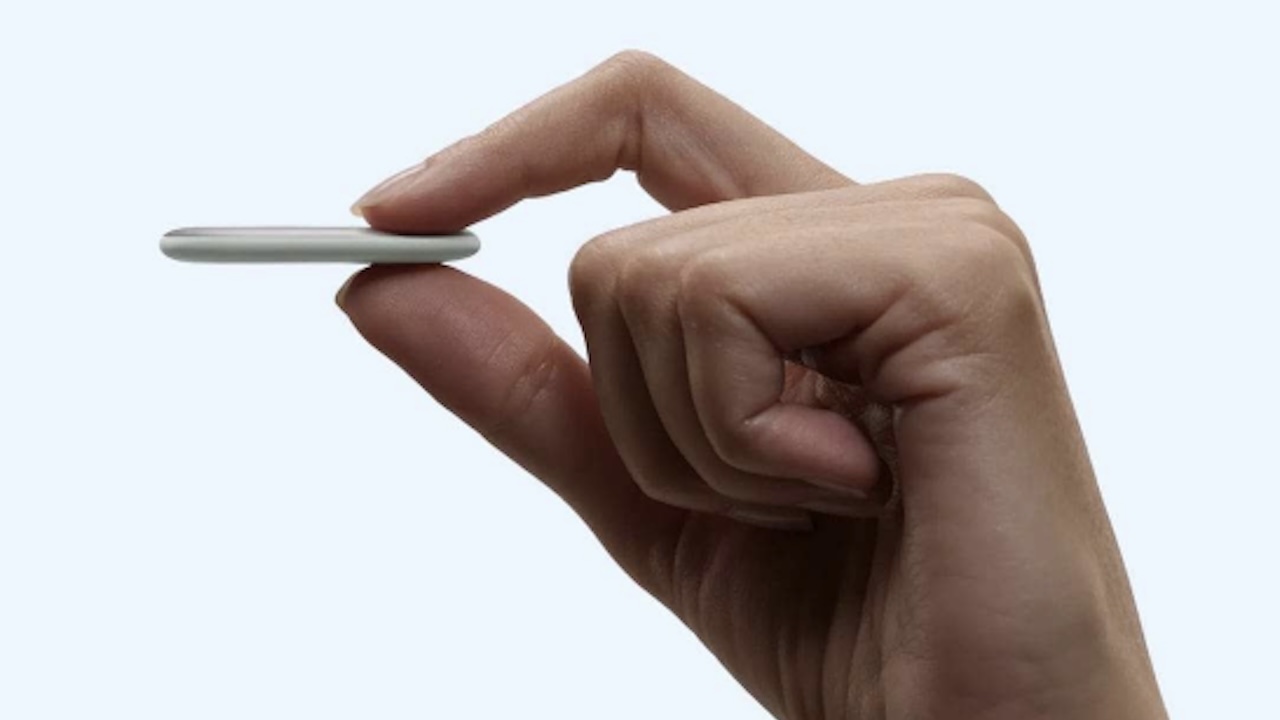
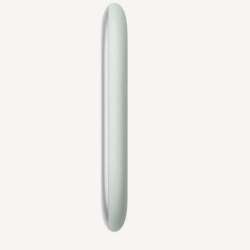
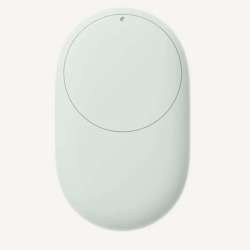
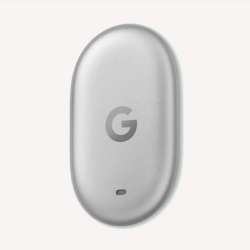
Google lists the Pixel Tag as 1.8 inches tall, 1.1 inches wide, and 0.2 inches deep. It weighs 0.4 ounces with its battery and is designed with a thin profile that can fit in a wallet without the bulk of a round tracker. The company lists one color, Fog, and describes the materials as polycarbonate and metal.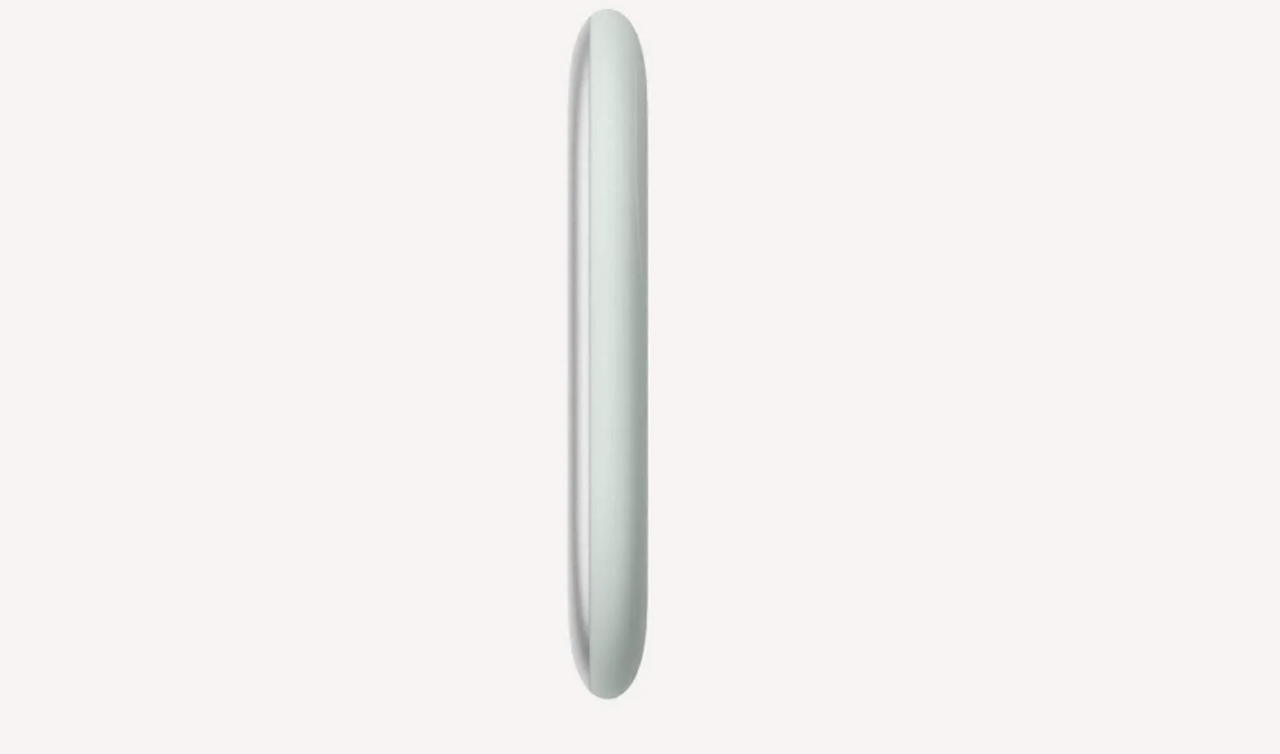
For a device intended to spend time in bags, pockets, and luggage, durability matters as much as location technology. Google rates the Pixel Tag at IP67 for dust and water resistance, meaning it is designed to withstand immersion in up to one meter of water for 30 minutes under the relevant testing standard. That is useful protection against rain, a spilled drink, or a bag left on a wet surface.
It does not make the Tag permanently waterproof or immune to damage from drops, wear, or repairs. Google notes that water and dust resistance can diminish over time.
Battery and Maintenance
The Tag uses a user-replaceable CR2032 coin-cell battery. Google says the battery can last for more than one year, though actual battery life will vary with use, environmental conditions, and the replacement battery used.
A replaceable battery is a practical choice for an item tracker because it avoids turning a small accessory into e-waste simply because its original battery has reached the end of its life.
Privacy and Location Data
Privacy is part of the product’s purpose, not an afterthought. Google says Pixel Tag location data is encrypted and not stored on the Find Hub network. Google’s Find Hub support documentation also says the network uses end-to-end encrypted location information to help people locate lost devices and compatible accessories.
That does not mean a Tag provides location updates in every situation. A Tag still depends on Bluetooth, nearby participating Android devices, and connectivity for Find Hub to help locate it. It also does not make an item impossible to lose or protect a bag from theft. The Pixel Tag’s role is narrower: it is a tool for finding an item after it has been misplaced.
Buyer Fit
The Pixel Tag is for Android users who want a first-party way to locate everyday carry items through Google’s Find Hub network. It makes the most sense for people who regularly carry keys, a backpack, luggage, or a wallet and who own a compatible Android phone, particularly one with Ultra Wideband support for Precision Finding.
It is not a replacement for a live GPS tracker with cellular connectivity, and buyers who need real-time asset monitoring should consider a different category of product. Buyers should also verify their phone’s Android version, Bluetooth support, and Ultra Wideband capability before purchasing.
Price: From $29.99
Where to Buy: Google
Price and Availability
The Google Pixel Tag is $29.99 for one or $99.99 for four, with availability beginning in November 2026. It is Google’s first first-party tracker for the Android ecosystem, arriving after years in which Android users have relied on third-party Find Hub-compatible options from companies such as Chipolo, Pebblebee, and Motorola.
At $29.99 for one or $99.99 for four, the Pixel Tag matches Apple’s current AirTag pricing. For Android users who have wanted a tracker integrated directly into Google’s ecosystem, the Pixel Tag gives Find Hub a more direct role in the everyday search for the things that tend to disappear at exactly the wrong time.