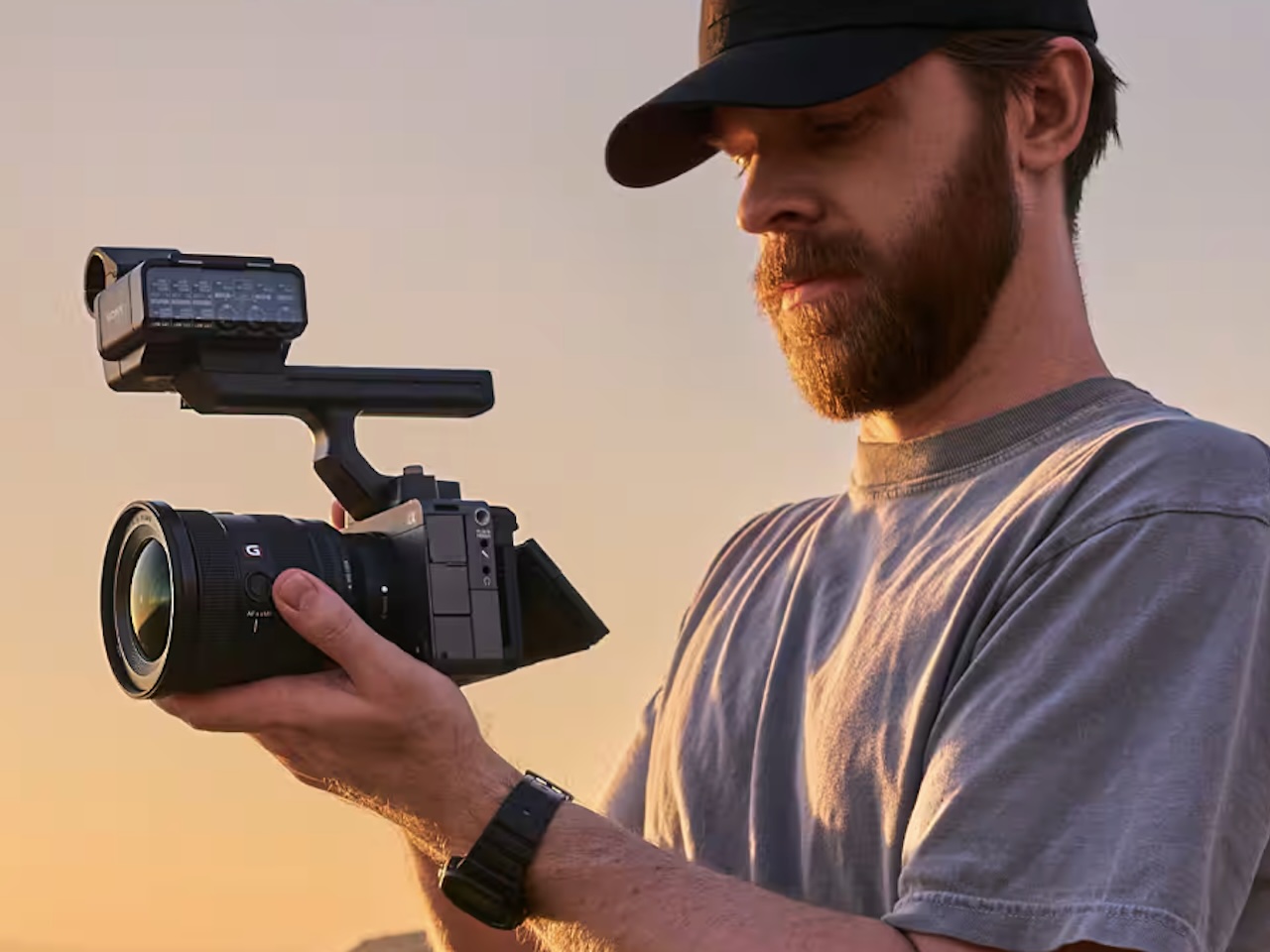
For years, FX3 shooters wanted two things Sony kept locked inside its pricier cinema cameras: internal RAW and open gate. On July 22, Sony finally handed both over. The new FX5 is a full-frame Cinema Line camera that sits above the FX3 and below the FX6, and it does something no FX body has done before. It records Sony’s 16-bit X-OCN RAW straight to the card, with no external recorder bolted on. That puts VENICE-style capture in a body small enough to live in your backpack. Pre-orders are open now, and it ships in mid-August.
💰 Sony FX5 (ILME-FX5B) body: $4,899.99 | With the XLR-H2 handle unit (ILME-FX5): $5,499.99.
Where to Buy: Sony | B&H Photo (Ships mid-August 2026)
What Actually Changed From the FX3
Sony is clear about one thing: this isn’t an FX3 Mark II. The FX5 is a brand-new model. It uses a new full-frame, fully stacked Exmor RS CMOS sensor and the next-generation BIONZ XR2 processor. That chip now has a built-in AI unit that used to sit on a separate chip. CineD says the sensor is 16.6 megapixels. That gives you native 5K across the full sensor width. It also keeps the FX3’s focus on light sensitivity instead of chasing more resolution.
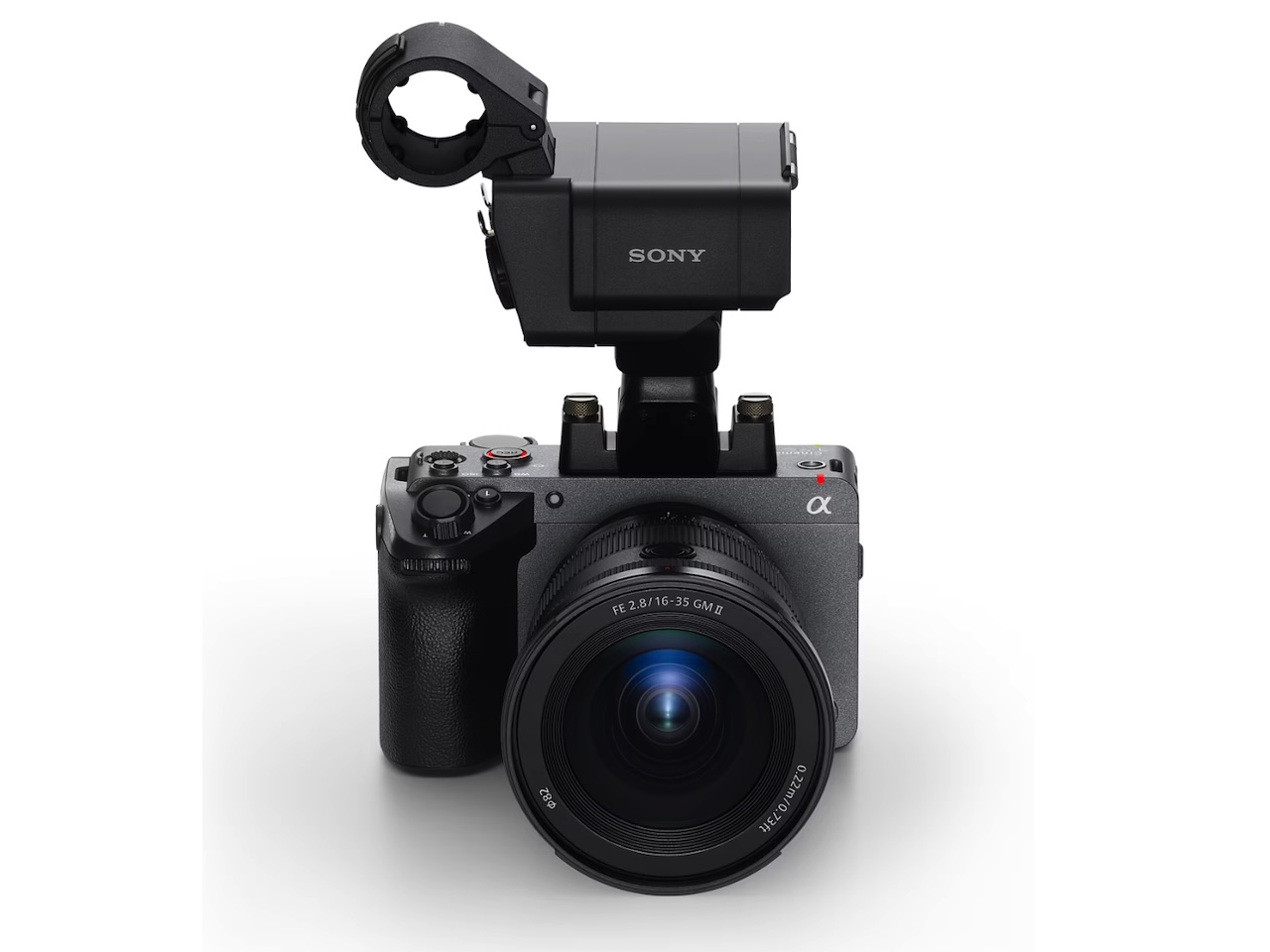 The stacked design is the real story. The FX3’s sensor wasn’t stacked, so the FX5 should read the sensor faster and show less rolling shutter. Sony didn’t give exact readout numbers at the briefing.
Internal RAW Is the Headline
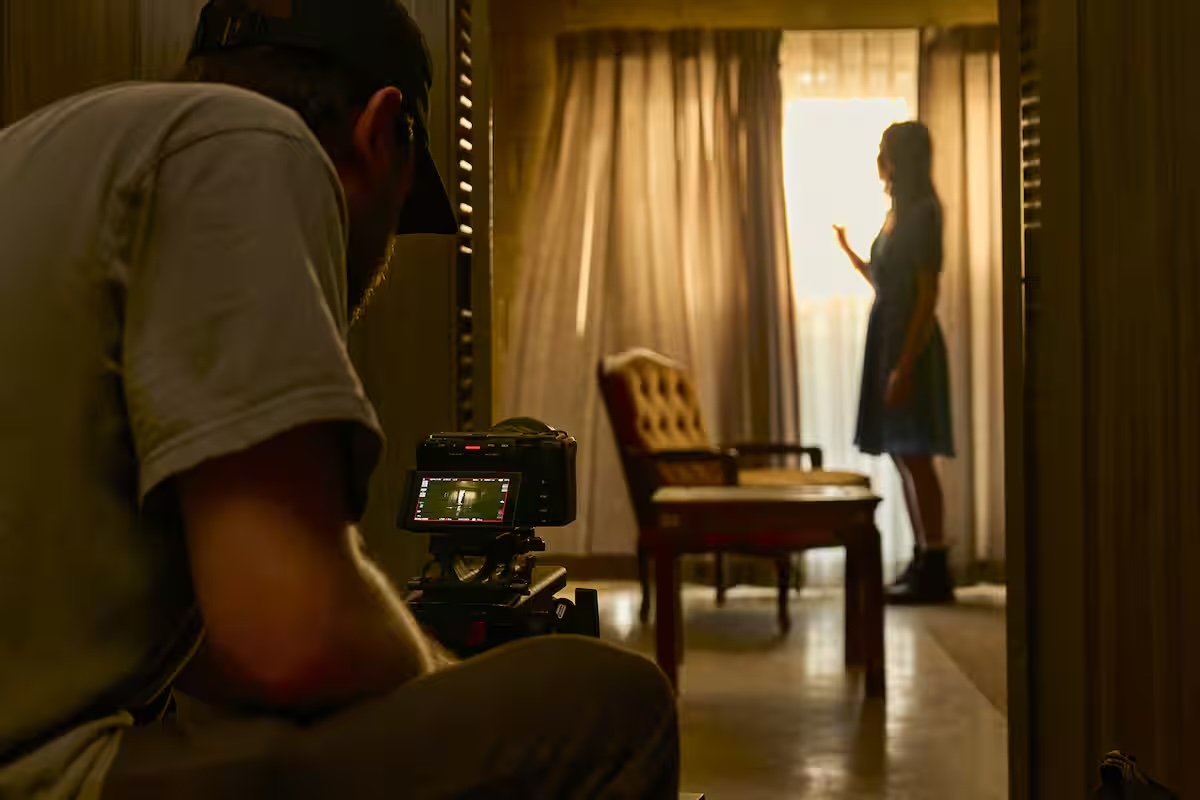
For the first time in the FX line, the camera records X-OCN straight to the card. This is Sony’s 16-bit RAW format. Until now, it only lived on the VENICE 2 and BURANO, so shooting RAW on an FX3 meant bolting on a separate recorder. The FX5 keeps the rig small.
 Along with the older X-OCN LT, Sony added two smaller file options, X-OCN C1 and X-OCN C2. The C stands for Compact. In Sony’s own comparison at 4K 24p, LT runs near 389 Mbps, C1 near 289 Mbps, and C2 near 232 Mbps. That’s actually lower than the FX3’s XAVC S-I.
The camera records to two card slots that take CFexpress Type A or SDXC (UHS-II) cards. Sony only promises that X-OCN will work on its newest VPG400 CFexpress cards. One catch for early buyers: most editing apps don’t support C1 and C2 yet. Sony is adding playback and handling for the new formats through Catalyst Prepare 3.0, which starts rolling out in August 2026.
Three Base ISOs and Dual Gain
The FX5 has three base ISOs: 800, 4,000, and 12,800. Sony calls these three separate base settings, not a marketing “triple base ISO.” The real win is the new middle setting of 4,000. It shines in mixed light, giving you more speed than 800 without the extra grain of 12,800. Sony says the camera reaches more than 15 stops of dynamic range in S-Log3.
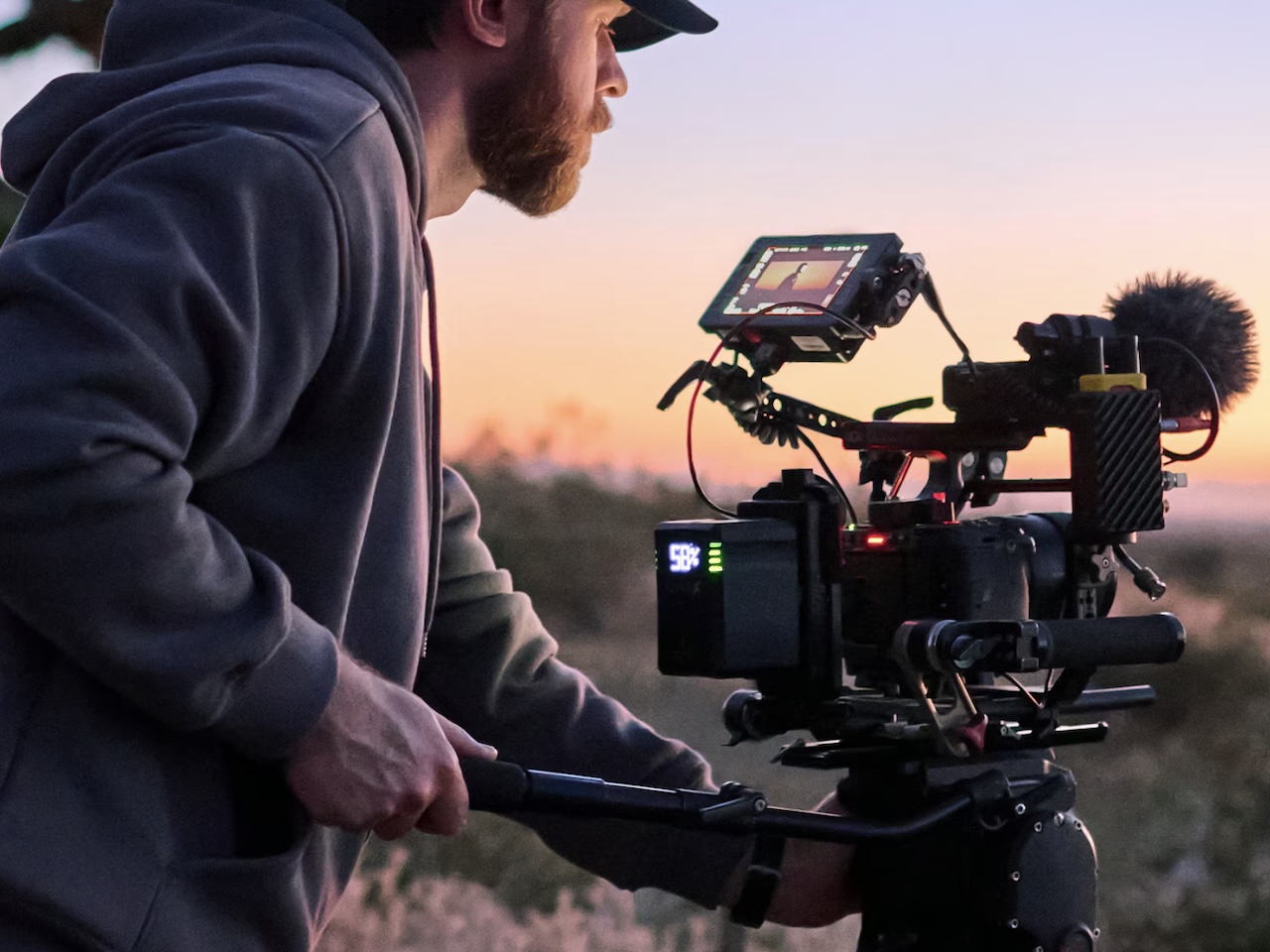 It also borrows Dual Gain Shooting from the VENICE 2 and BURANO. This reads the sensor twice and blends the two reads to cut random noise, so shadows look cleaner.
It does have limits. In Log, the base ISO is locked at 800. And with Dual Gain on, the top frame rate is 30p in 5K open gate and 60p in other modes. Keep in mind that these dynamic range and noise numbers are Sony’s own claims. We would want independent lab tests before calling them final.
Open Gate, Slow Motion, and the Firmware Catch
Open gate is new to a camera this size. The FX5 reads the full 3:2 sensor area in 5K. That’s exactly what you want for anamorphic lenses and for vertical or reframed crops in post, with no loss of resolution. It can also record in 17:9, 16:9, and Super 35.
At launch, it shoots 5K up to 60 fps, 4K up to 120 fps, and FHD up to 240 fps. The flashier modes come later: 5K open gate at 120p, full-frame 5K RAW up to 120p, and 4K at 240 fps. Those arrive with the Firmware 2.0 update, which Sony has set for 2027. If you’re buying mainly for 240p slow motion, plan for that wait.
 The Body and the Accessories
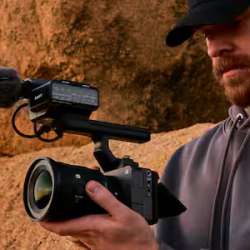
The FX5 barely changes the FX3’s shape, so at a glance the two are easy to mix up. CineD lists the body at 132.3 by 79.0 by 86.95 mm and about 750 grams with a battery and card. That’s only a few millimeters bigger than the FX3.
The screen is a 3.5-type, 2.76-million-dot touchscreen. It’s bigger than the FX3’s and sits on a 4-axis arm that tilts 98 degrees up, 40 degrees down, and swings 180 degrees to the side. The 5-axis in-body stabilization improves on the FX3’s system, and a new Dynamic Active Mode helps with rougher handheld shots. Inside, an active cooling fan helps with long takes. The new NP-SA100 battery holds about 1.3 times as much as the older NP-FZ100.
Two optional add-ons launch with the camera: the DVF-EL1 OLED viewfinder and the XLR-H2 handle. The handle is what unlocks 4-channel, 96 kHz, 32-bit float audio.


Who Should Care, and Who Can Skip
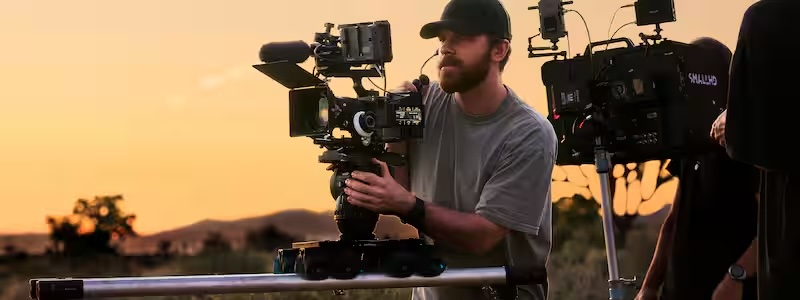
If you shoot documentary, commercial, indie, or high-end social video, and you have been stuck on the FX3 wanting internal RAW and open gate, this is the upgrade you waited for. As a B-cam next to a VENICE or an FX6, it matches the look without the bulk. Claudio Miranda, ASC, the cinematographer behind “Top Gun: Maverick” and “F1: The Movie,” ran a test shoot with the camera and said it “combines high quality image expression and mobility in a compact body, enabling people to use it across a wide range of shooting environments.”
If you already own an FX6 with its built-in ND and bigger grip, or you rarely shoot RAW, there’s less here to pull you away. And if you want it mainly for 240p slow motion, remember that mode doesn’t arrive until the 2027 firmware.
Where Things Stand
Pre-orders are open now. The body is $4,899.99 and the XLR kit is $5,499.99, and both ship in mid-August.
💰 Sony FX5 (ILME-FX5B) body: $4,899.99 | With the XLR-H2 handle unit (ILME-FX5): $5,499.99.
Where to Buy: Sony | B&H Photo (Ships mid-August 2026)
The big question is whether internal 16-bit RAW at these bitrates finally makes a RAW workflow practical for solo shooters and small studios. On paper, it looks like it does. The real answer waits on production units and lab tests.