
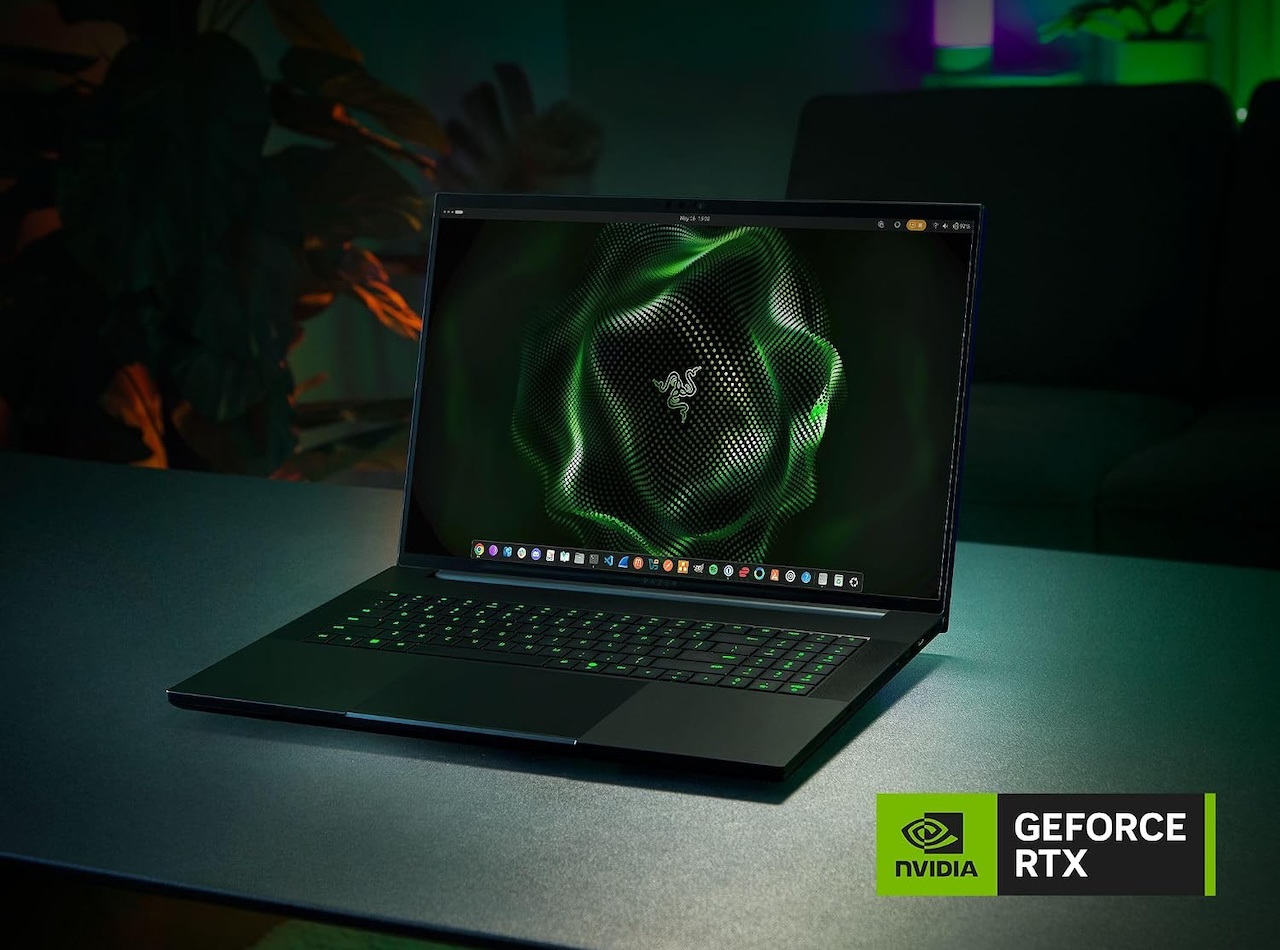
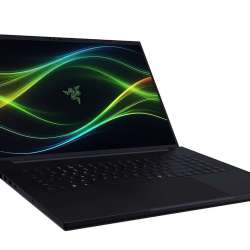
Two buyers, one laptop. Razer’s 2026 Blade 18 courts gamers chasing maximum frames and developers running local large language model inference on their own hardware, all on the same machine. The hardware behind that promise runs loud: up to an Intel Core Ultra 9 290HX Plus, up to an NVIDIA GeForce RTX 5090 Laptop GPU, and the dual-mode display that set last year’s model apart. Here’s what Razer sells, and what it asks you to pay.
Price: From $3,499.99
Where to Buy: Amazon
What Razer Changed This Year
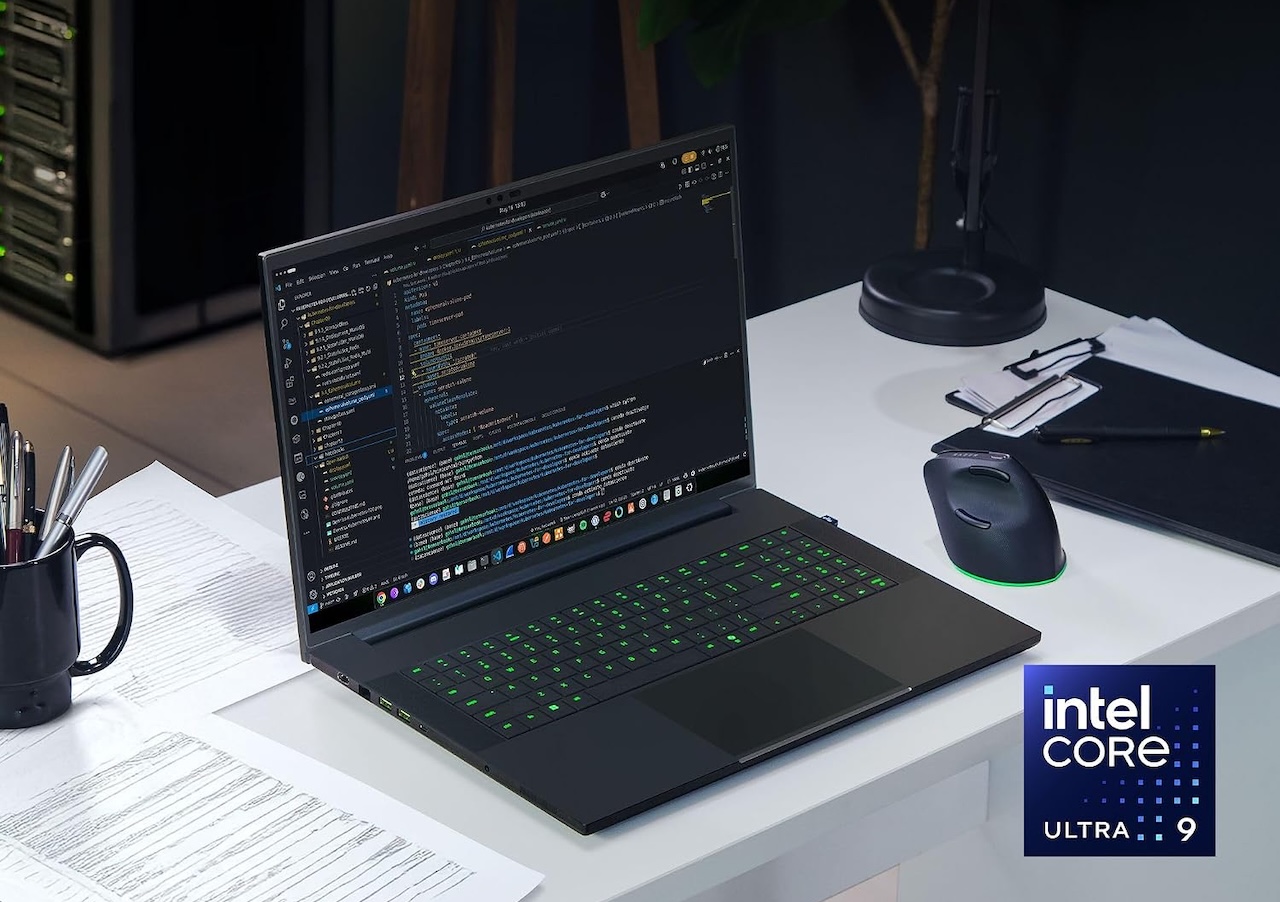
Start with the processor. The CPU climbs to the Intel Core Ultra 9 290HX Plus, a 24-core chip that boosts up to 5.5 GHz and folds in an integrated NPU it rates at up to 13 TOPS.
The GPU ceiling holds at the RTX 5090 Laptop GPU, 175W TGP, 24GB of VRAM, and a figure Razer pegs at 1824 AI TOPS. Entry builds open with the Core Ultra 9 275HX and an RTX 5070 Ti.
 Memory is where the ambition shows. DDR5 scales to 128GB, and the two M.2 slots each swallow up to an 8TB SSD, so a bloated game library and a local model can share the drive without a fight. Storage won’t be your bottleneck.
The 18-Inch Dual-Mode Display
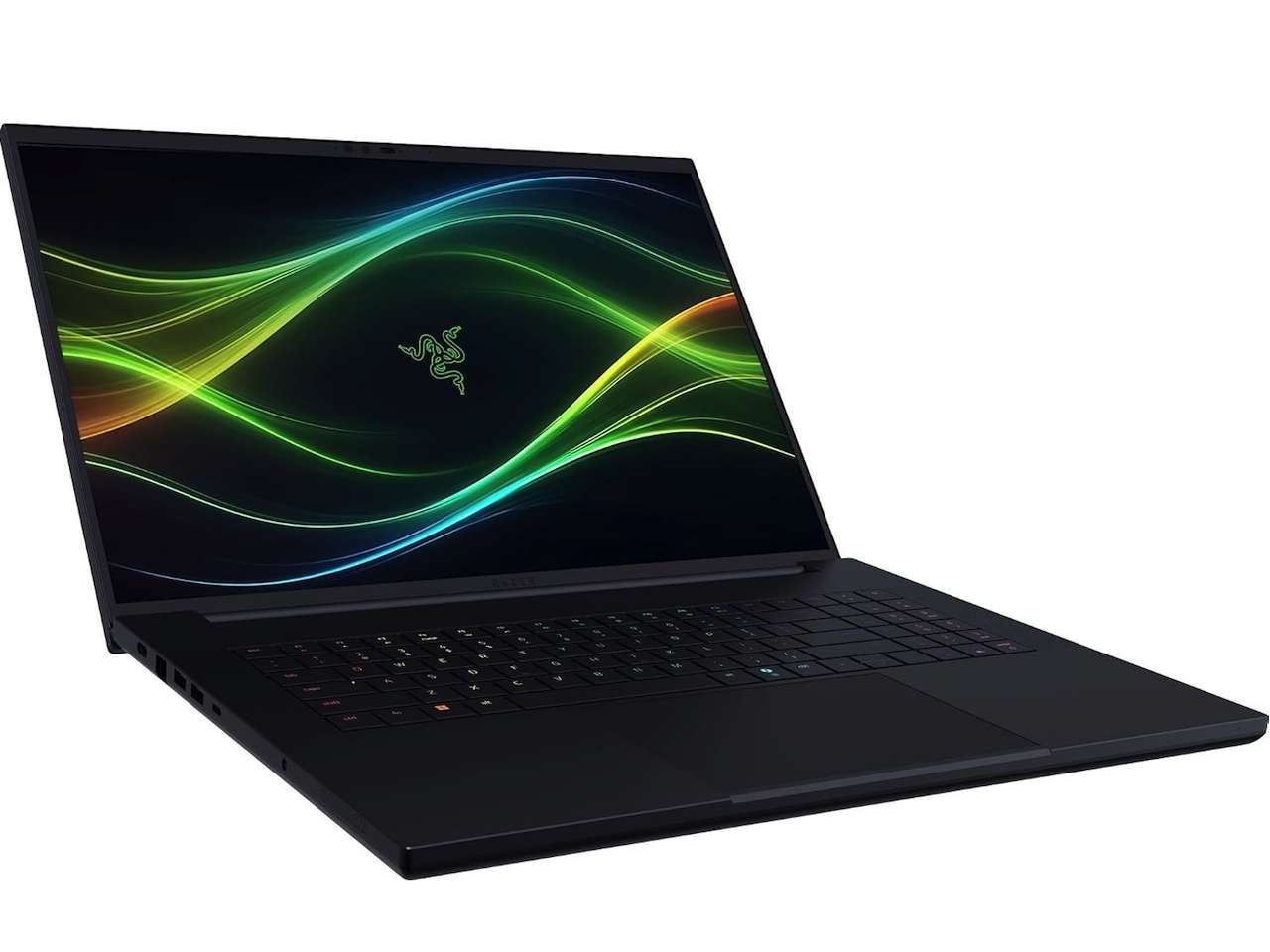
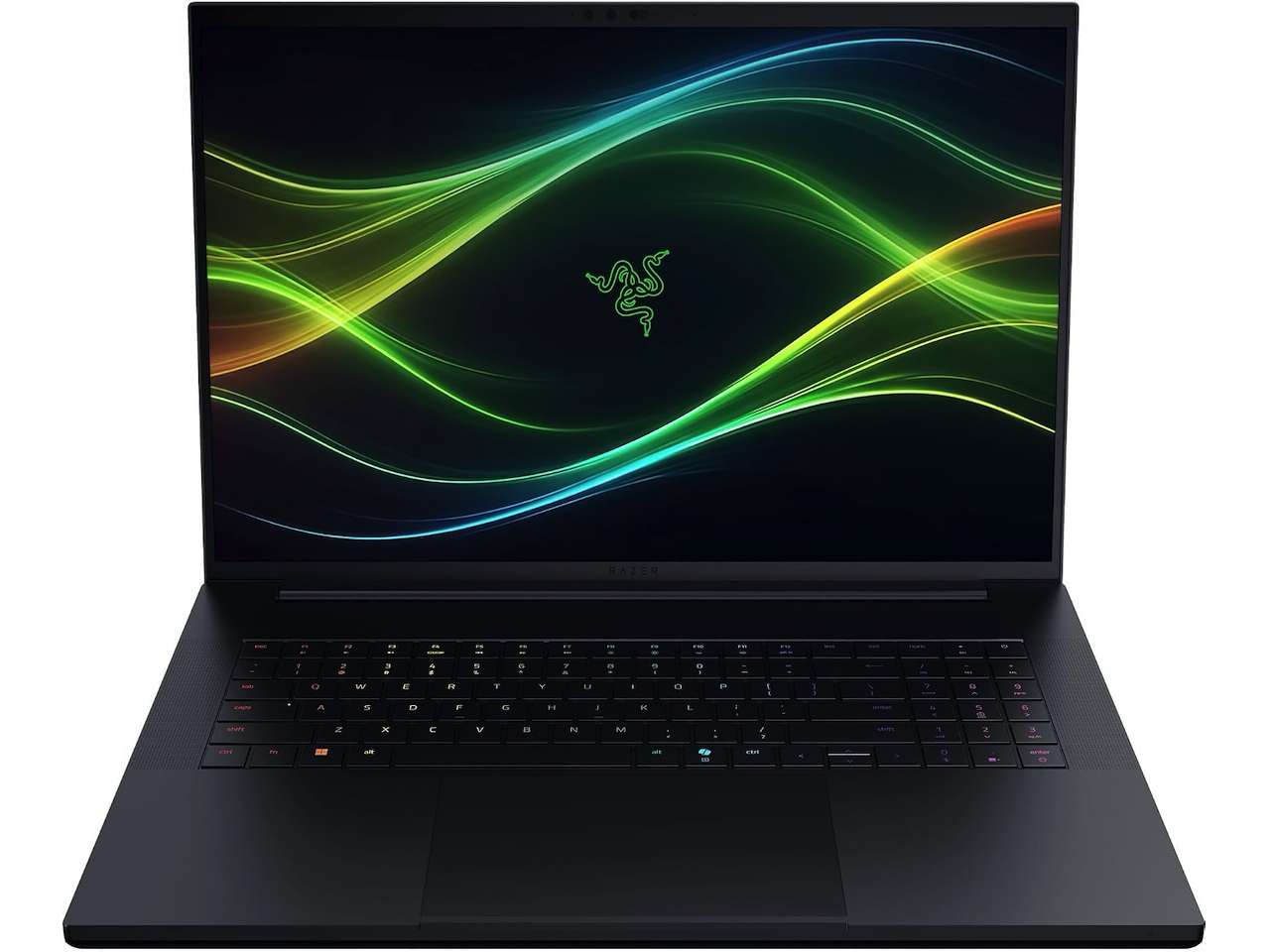
Dual mode is still the headline act. One panel runs two native modes: UHD+ at 3840 x 2400 and 240Hz when you want detail, or FHD+ at 1920 x 1200 and 440Hz when you want raw speed in a competitive match.
Razer tags it the world’s only 18-inch dual-mode display, and the spec sheet backs the label: up to 100% DCI-P3, Calman Verified calibration, a 3ms response, a 600-nit peak, and a panel rated 20% brighter. That 16:10 shape also hands you extra vertical room for code and spreadsheets once the games close.
Built for Gaming and Local AI
Local inference is the new sales angle. Razer’s pitch is that the heavy jobs stay on your desk rather than in a cloud queue, so you can hold a model in VRAM, push a large build or a video export, and still jump into a match on the same chassis. The numbers that decide whether a model fits are the ones this laptop leans on: a 24-core CPU, 24GB of VRAM, and up to 128GB of memory, not the frame counter. The catch sits in the thermals, since a long inference run punishes a laptop differently than a two-hour gaming session.
Cooling and Connectivity
Sustained performance lives or dies on cooling. The heat plan leans on a vapor chamber paired with a multi-fan layout, built to hold clocks steady when a render or an inference run stretches past the first hour.
Connectivity is every bit as aggressive: Thunderbolt 5 and Wi-Fi 7 for fast peripherals and wireless, 2.5 Gb Ethernet for when hotel signal betrays you, plus a 5MP IR webcam with a Windows Hello login and a privacy shutter. THX Spatial Audio+ delivers 7.1.4 virtual surround with height channels over headphones and virtual 7.1 through its six speakers, which is a lot of sound to pack around a keyboard.
What It Costs
Now for the sticker. Razer set the new Blade 18’s launch price at $3,999.99 for the Core Ultra 9 275HX and RTX 5070 Ti entry build, though its own store now lists that config at $3,499.99. From there, a loaded RTX 5090 configuration with 128GB of RAM climbs to $6,999.99. Configure it high and you reach a number where a desktop plus a cheap travel laptop starts to look smart.
Who Should Buy It, and Who Should Skip
Buy it if you want one machine that games hard and doubles as a local AI and creation workstation, and the dual-mode display earns its price for your eyes. The 128GB ceiling and dual 8TB slots make it a credible desktop replacement for heavy work. That buyer is narrow on purpose.
Skip it if you mostly game and don’t need the AI or creator headroom, since a 16-inch Blade or a cheaper 18-inch rival gets you most of the frames for less, and our roundup of the best RTX 50 gaming laptops of 2026 is the place to price-check those alternatives. Portability seekers should skip too. An 18-inch, high-wattage laptop is a transportable desktop, not an all-day ultraportable.


Price: From $3,499.99
Where to Buy: Amazon
Where Things Stand
So where does the Blade 18 land? Not a reinvention, more a sharpening: a faster Intel chip, the same RTX 5090 ceiling, a brighter dual-mode panel, and a louder push toward local AI. The open questions are sustained thermals under AI load and whether the price jump buys enough real gain to matter. For the thinner sibling, our coverage of the Razer Blade 16 (2026) is the natural next read.
Frequently Asked Questions
When can you buy the Razer Blade 18?
Razer lists the 2026 Blade 18 as available now through its own store and Amazon, with configurations shipping across the RTX 5070 Ti to RTX 5090 range.
Is the RTX 5090 in the Blade 18 the same as a desktop RTX 5090?
No. This is the RTX 5090 Laptop GPU, a mobile version built to a 175W power budget, so read its performance as laptop-class rather than a match for a full desktop card.
