
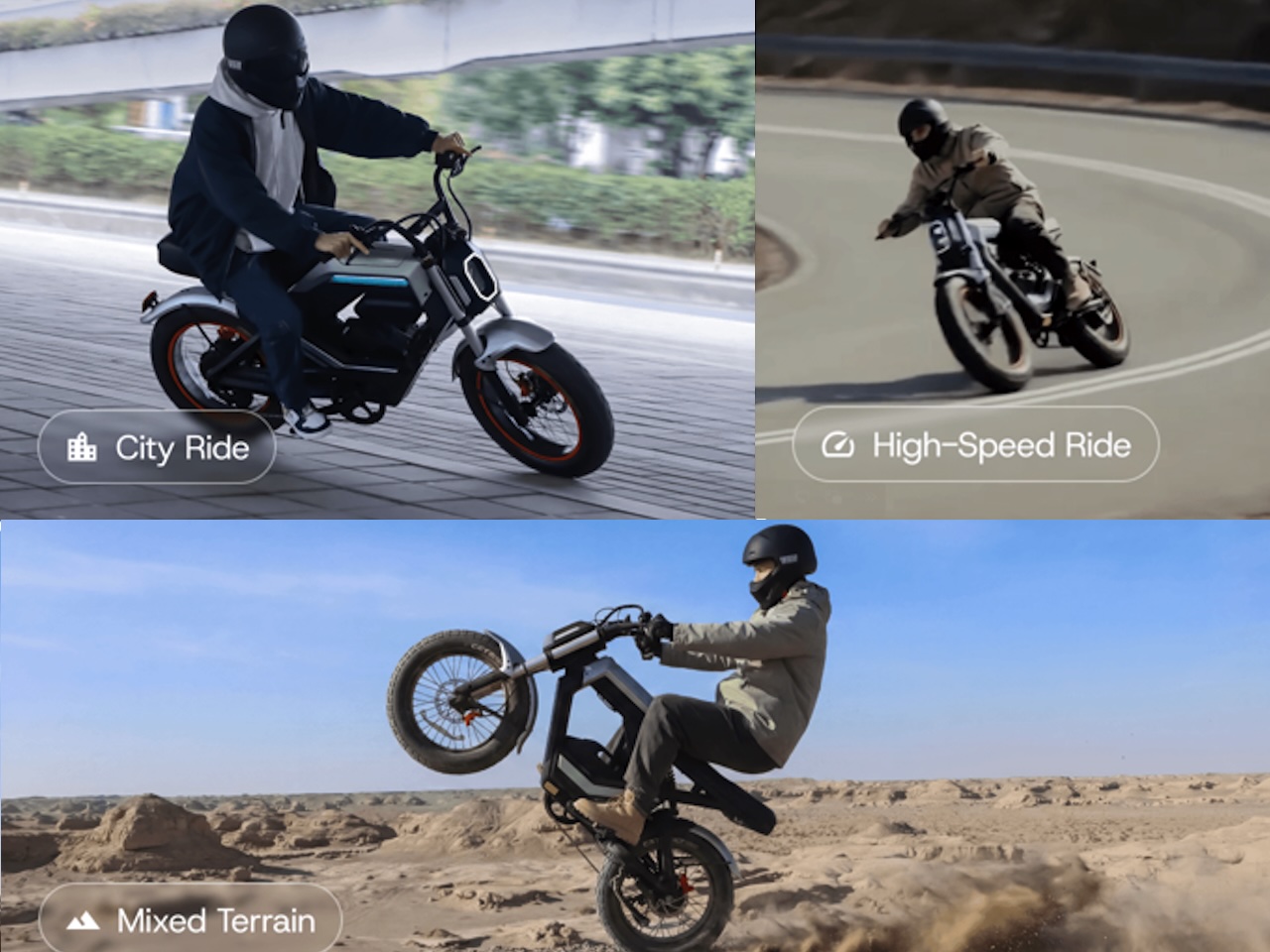
The electric bike market isn’t just growing anymore. It’s splitting into distinct lanes, each one moving fast enough to make last year’s picks feel dated. Commuters want torque sensors and integrated smart systems. Adventure riders want fat tires and full suspension. And a growing segment of buyers wants something that doesn’t look or ride like a bicycle at all.
What’s changed most in 2026 isn’t any single feature. It’s the floor. The baseline for what a sub-$2,000 e-bike can deliver has jumped so far that the category barely resembles where it was three years ago. Hydraulic disc brakes, app connectivity, torque-sensing pedal assist, and UL-certified batteries aren’t premium anymore. They’re table stakes.
These six e-bikes represent the range of what’s available right now, from a $999 folding commuter to a wheelie-capable electric moto that just hit Kickstarter. Each one occupies a different spot in the market, and together they paint a clear picture of where electric riding is actually going.
At a glance
- AOTOS Flux X26: electric moto style pick, Kickstarter watch
- Lectric XP4: folding commuter value, under $1,300
- Ride1Up Portola: folding fat tire, more muscle
- Lectric XPedition 2.0: budget electric cargo hauler
- Ride1Up Vorsa: one bike commuter plus errands utility
- Velotric Discover 2: comfort commuter with safety focus
AOTOS Flux X26
Kickstarter starts at $1,199, and the vibe is closer to electric moto than commuter bike. AOTOS lists a Class 2 baseline at 20 mph, plus a Pro mode that can reach 28 mph where regulations allow. If you want something built for wheelies and style as much as transport, this is the one, but it’s still early and some numbers may shift with the final production spec.
Most e-bikes want to blend in. The Flux X26 wants to pop a wheelie. AOTOS built a one-click wheelie function into this thing, using electronic torque management to deliver a controlled front-wheel lift they call BOOST Mode. For a company that made its name building rideable electric suitcases, this is either a bold pivot or a sharp break from its roots.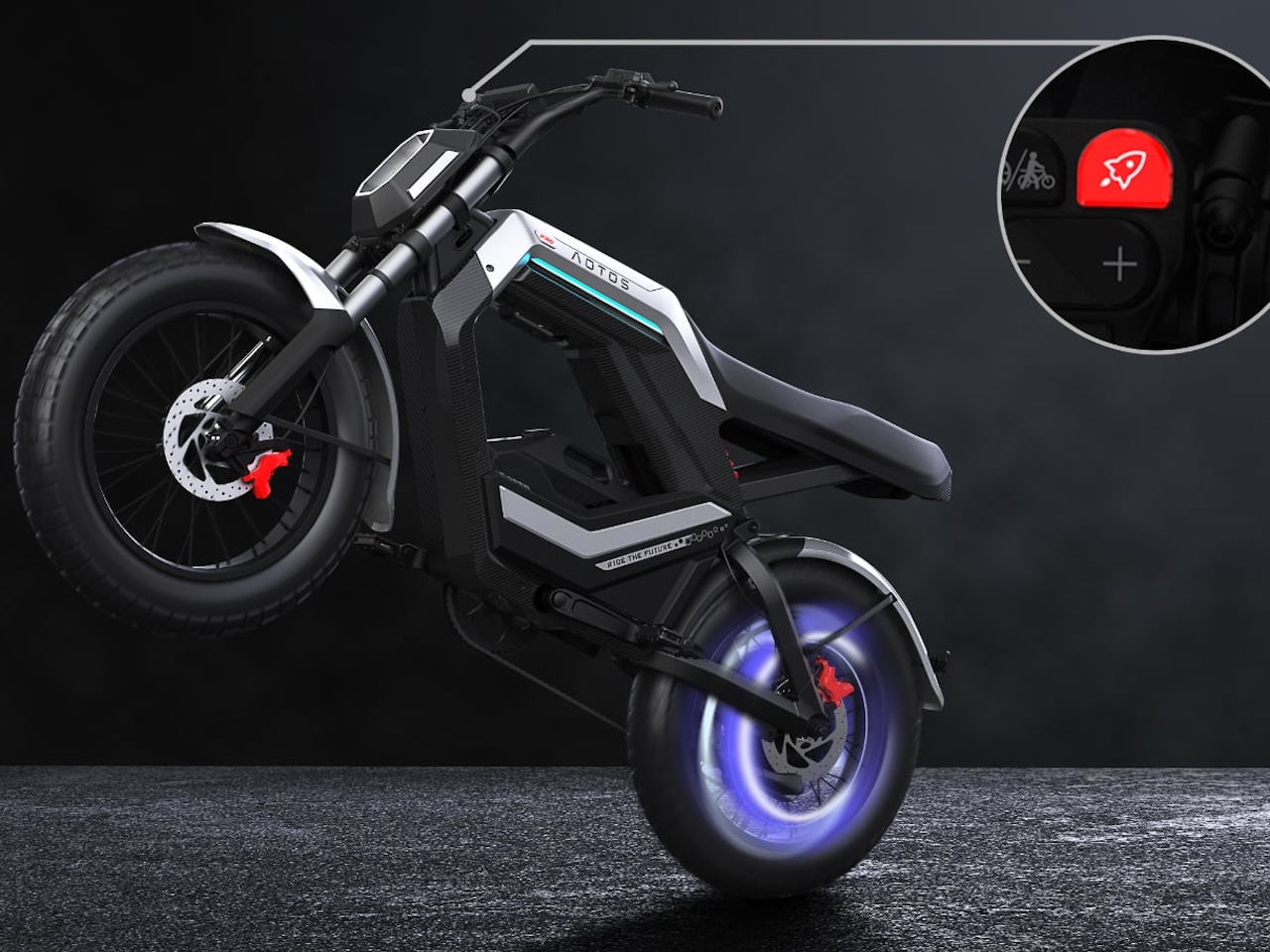
The specs lean closer to electric moto than bicycle. A 750W motor runs at its street-legal Class 2 baseline (20 mph) and climbs to 2000W peak output in Pro mode, pushing speeds up to 28 mph where regulations allow. AOTOS lists torque at 100 Nm in its primary documentation, though some materials list 110 Nm. The frame is 6061-T6 aluminum built around what AOTOS calls a keel design, borrowing a term from naval architecture, and the geometry follows suit: a 23-degree head tube angle paired with 126 mm of trail puts it firmly in moto territory. An inverted fork with 80 mm of travel handles the front, while 20 by 4.0-inch fat tires with turtle-back tread provide grip across pavement and packed dirt.
The tech stack is where things get interesting. FLUX OS, a proprietary software platform, supports over-the-air updates across the battery, display, and control systems. The Pro model adds 4G and GPRS for real-time GPS tracking and app-based anti-theft. A 48V 21Ah battery (1,008Wh) claims up to 70 miles of range and offers 25W of external USB output, enough to charge a phone or camera at a trailhead. Kickstarter pricing starts at $1,199 for the Super Early Bird tier, with MSRP expected between $1,699 and $2,299 after the campaign ends. First units are slated for May 2026.
Super Early Bird: $1,199 (only 100 available)
Where to buy: Kickstarter
Lectric XP4
Start at $999 for a folding commuter that can run up to 28 mph and comes in 500W or 750W versions. Battery options are 48V 10.4Ah or 48V 17.5Ah, and it stands out for specs that punch above its price. If you want a compact bike that still feels fast, this is the cleanest pick.
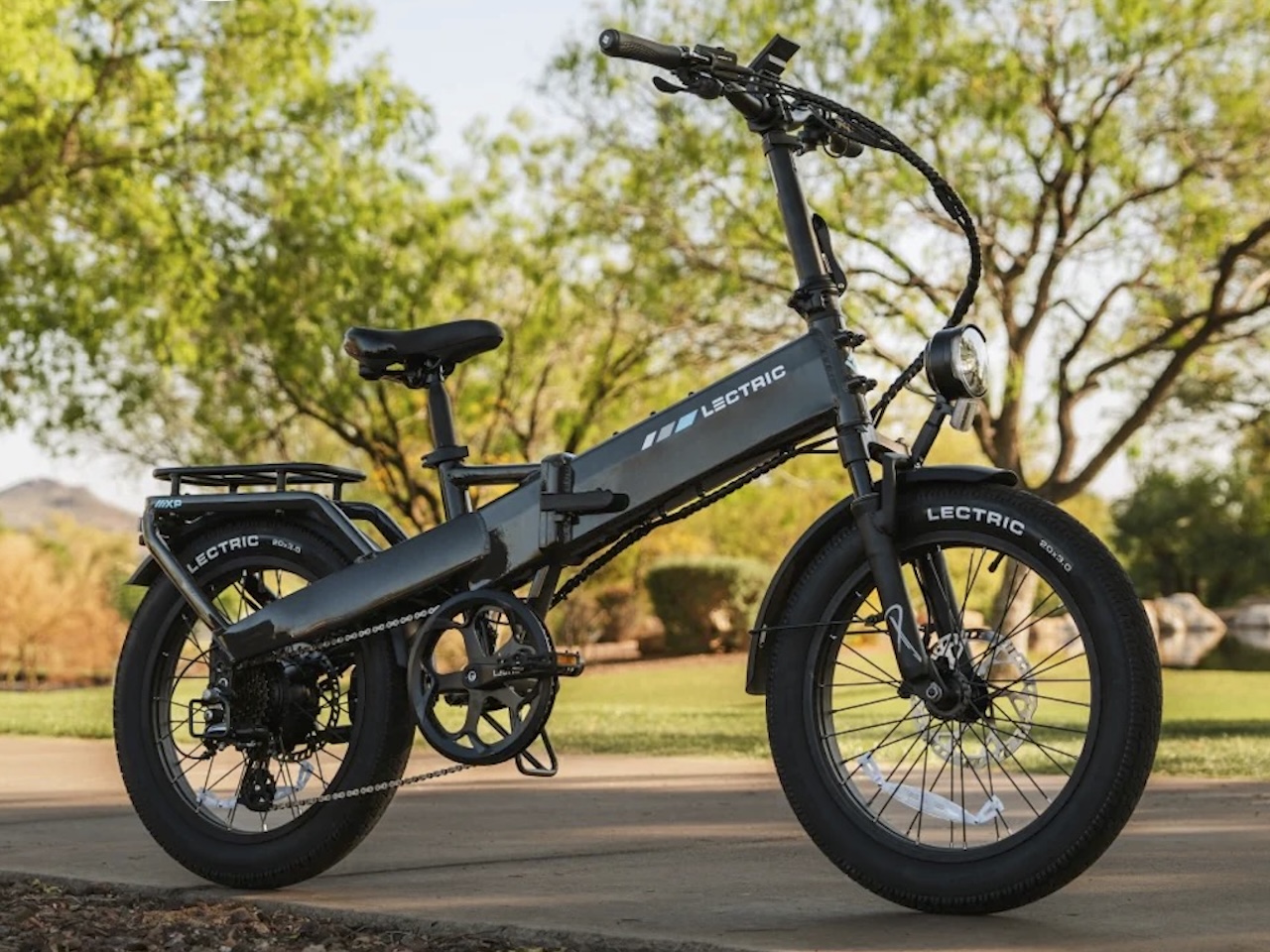
The base model starts at $999 with a 500W motor and 48V 10.4Ah battery. Stepping up to $1,299 gets you a 750W motor and a significantly larger 17.5Ah pack, pushing the claimed range up to 85 miles on pedal assist. Both versions top out at 28 mph, run hydraulic disc brakes, and feature a torque sensor that makes the pedal assist feel natural rather than jerky.
An 8-speed Shimano transmission, upgraded tire tread that handles both pavement and light trails, and a color TFT display round out a package that delivers more value per dollar than anything else in the market right now. It folds, too. That matters for apartment dwellers and commuters who need to stash a bike under a desk or in a car trunk. At this price point, the XP4 isn’t competing with other budget e-bikes. It’s making mid-range models justify their existence.
Price: $999
Where to Buy: Lectric, Amazon (Other models)
Ride1Up Portola
At $1,095, the Portola is a folding fat tire e-bike for riders who want compact storage but a steadier ride than skinny tire folders. It pairs a 750W motor with 48V 10.4Ah or 48V 13.4Ah battery options, and it can hit 28 mph on pedal assist. If your commute includes rough pavement or park paths, this one makes sense fast.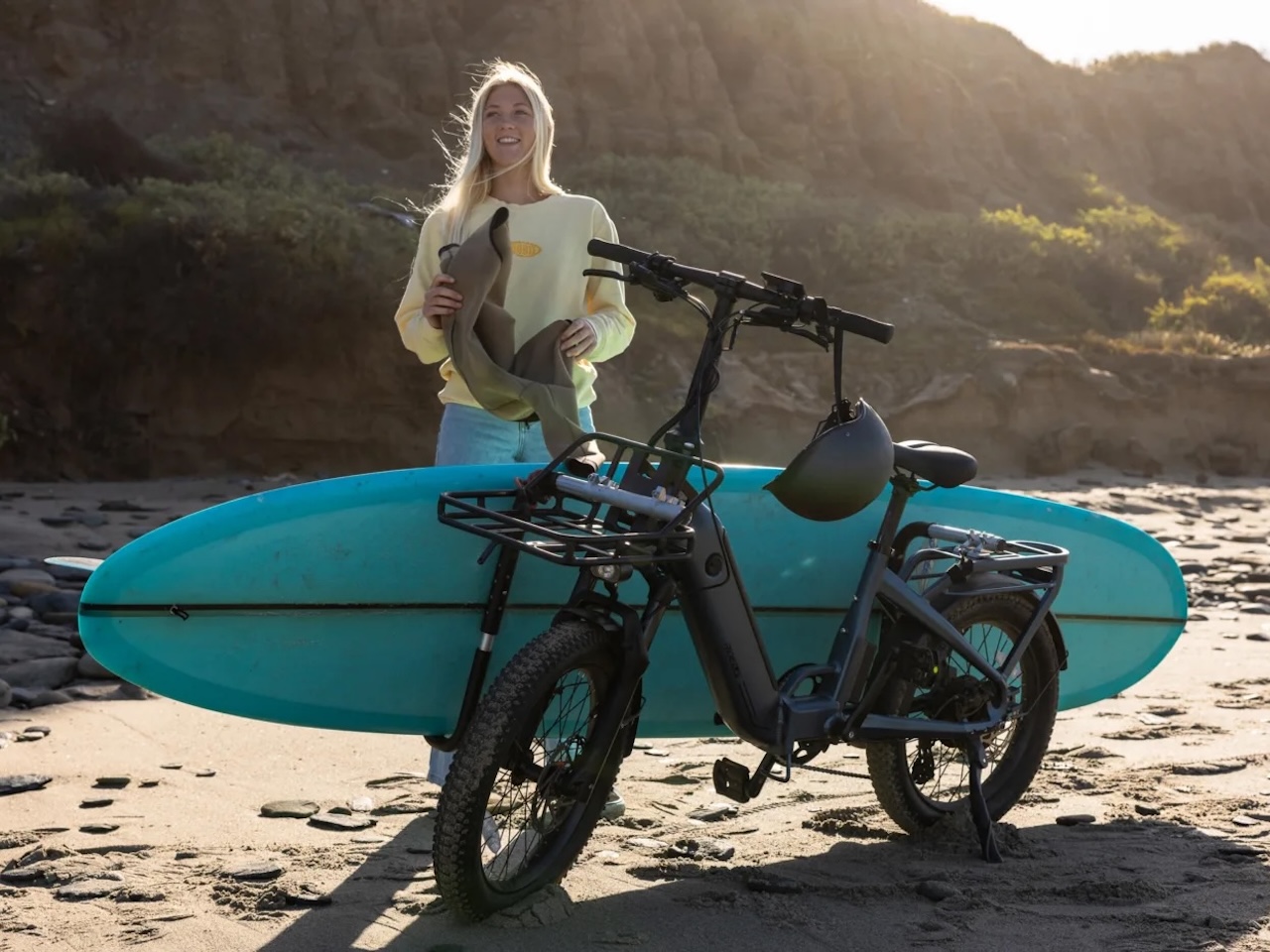
Two battery options keep the pricing flexible. The base 48V 10.4Ah pack handles daily commutes without issue, and upgrading to the 13.4Ah version costs only an extra $100. Top speed sits at 28 mph on pedal assist, matching Class 3 standards. The frame design is where the Portola pulls ahead of most competitors in this range. It’s a genuinely good-looking folding fat-tire e-bike, which isn’t something you can say about most of them. The 20-inch wheels and wide rubber give it a planted, confident feel on pavement and packed dirt alike.
For riders who want the folding convenience of a compact e-bike but don’t want to sacrifice the stability that comes with fat tires, the Portola threads that needle well.
Price: From $995
Where to Buy: Ride1Up
Lectric XPedition 2.0
At $1,399, the XPedition 2.0 is the budget electric cargo bike in this lineup. It uses a 750W rear hub motor with a 48V 14Ah battery, plus an option for a second pack. If you’re hauling groceries, kids, or gear and you still want Class 3 speed, this is the practical choice.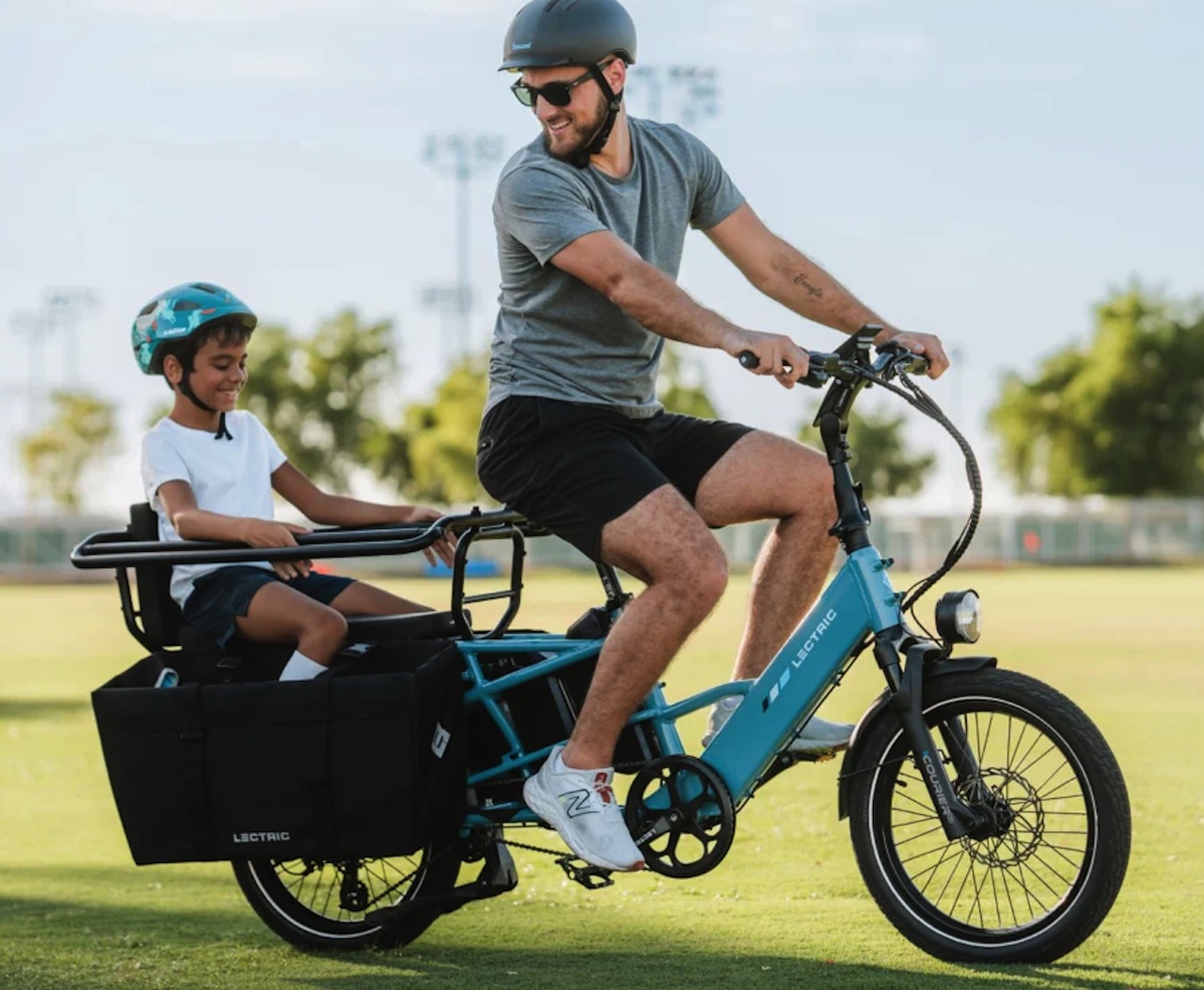
A 750W rear hub motor handles the propulsion, paired with a 48V 14Ah battery that supports an optional second pack for extended range. Claimed range tops out at 75 miles on a single battery. Hydraulic disc brakes and a torque sensor come standard, and the frame is built to handle real cargo loads.
It has a way of making far pricier cargo bikes look a little awkward. For families running school drop-offs or anyone replacing short car trips with two wheels, the math here is hard to argue with.
Price: From $1,799
Where to Buy: Lectric
Ride1Up Vorsa
At $1,695, the Vorsa is the do it all utility commuter. It pairs a 750W rear hub motor with 95 Nm of torque, plus pedal assist up to 28 mph and a 20 mph throttle cap. If you want one bike that can commute and still carry a real load, this is the one built for that life.
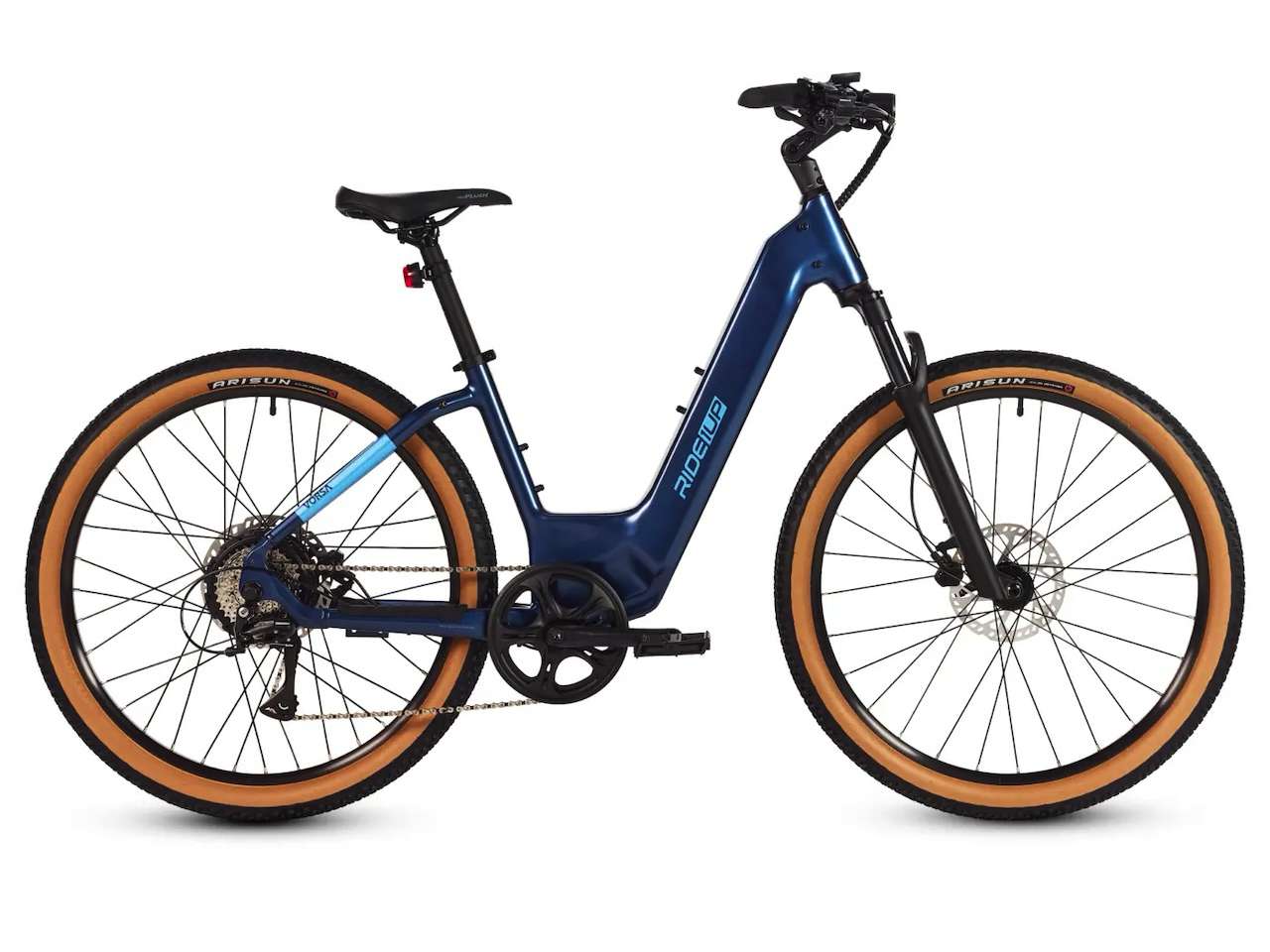
The powertrain punches hard for the price. A 750W rear hub motor produces 95 Nm of torque and peaks over 1,400W in real-world tests. Class 3 pedal assist hits 28 mph, while throttle tops out at 20 mph. It also adds Apple FindMy integration, a modular rear rack, and a total payload rating of 440 pounds.
The Vorsa doesn’t try to be the fastest or the lightest or the most powerful. It tries to be the one bike that handles everything, and for riders who only want to buy one e-bike, that’s a compelling pitch.
Price: From $1,495
Where to Buy: Ride1Up
Velotric Discover 2
At $1,899, the Discover 2 is the comfort commuter pick with the strongest safety story in this mix. It pairs a 1,100W peak rear hub motor with torque sensor pedal assist, plus a claimed up to 75 miles from a removable 48V 14.7Ah battery. If you want a more premium feel without jumping to a pricier class, this is the fit.
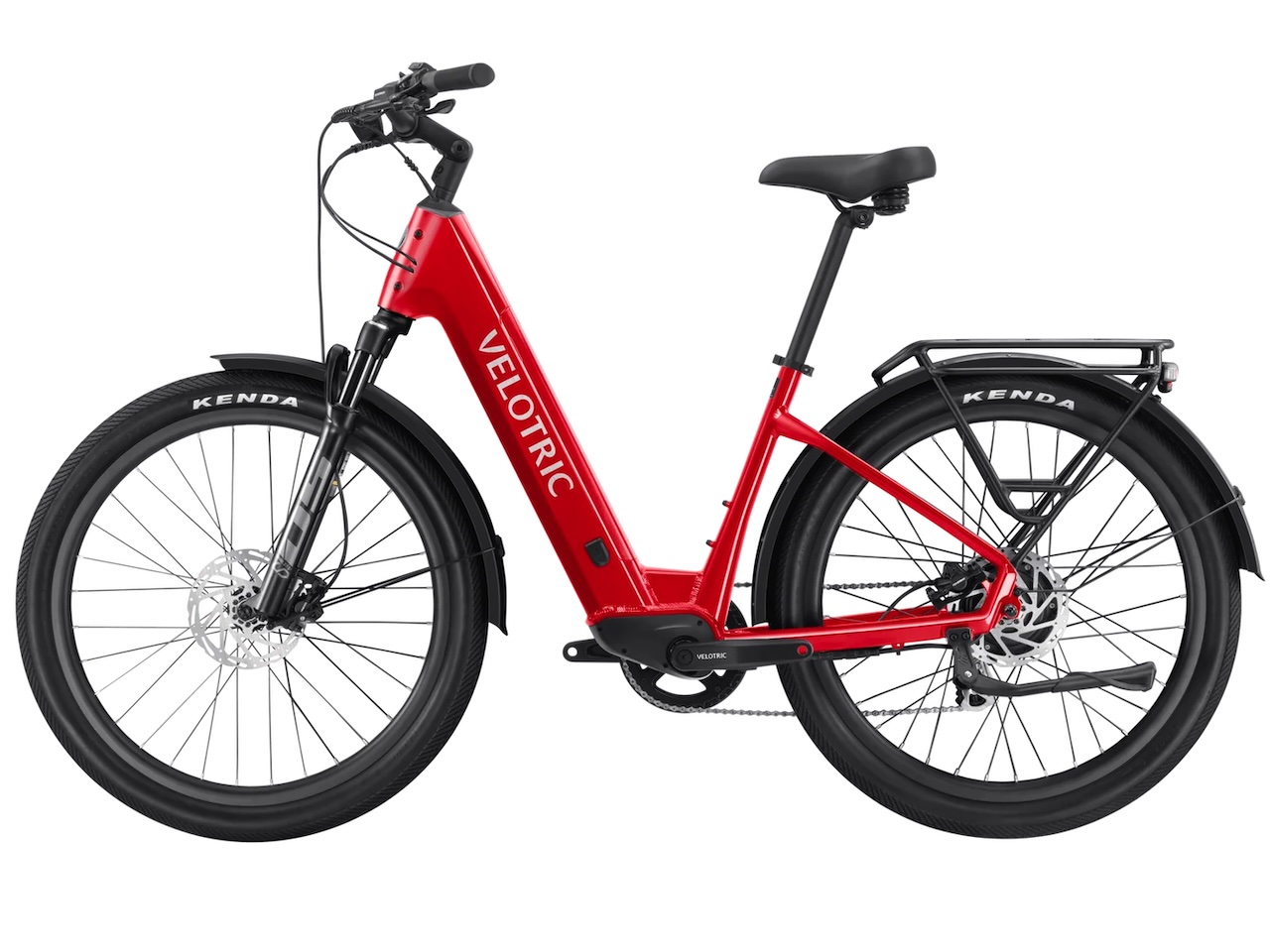
Velotric went deep on safety and durability certifications. The battery carries an IPX7 waterproof rating, meaning it can handle full submersion, and the entire e-bike system is UL-certified. Range extends up to 75 miles on pedal assist from a 48V 14.7Ah frame-integrated battery that’s removable for charging. Hydraulic disc brakes, 15 pedal assist settings, and built-in lighting round out a package that feels unusually complete for the money.
Price: From $1,999
Where to Buy: Velotric
What Ties Them Together
The thread running through all six of these bikes isn’t price or category. It’s that each one delivers more capability per dollar than its predecessors did even 12 months ago. Torque sensors have moved downstream from premium models into the sub-$1,000 range. App connectivity and smart features are becoming standard rather than optional. And the definition of what an “e-bike” even is keeps expanding, from folding commuters to cargo haulers to moto-style machines with wheelie modes.
The market is still growing, and the competition is only getting sharper. For riders shopping in 2026, the hardest part isn’t finding a good e-bike. It’s picking just one.

KAMRUI Pinova P1 Mini PC Computer, AMD Ryzen 4300U (Beats i3-10110U/3500U), 16GB RAM 256GB SSD, Mini Desktop Computer Support Triple 4K, USB-C, WiFi, Bluetooth, Ethernet for Business, Education, Home
(as of March 26, 2026 14:46 GMT -05:00 - More infoProduct prices and availability are accurate as of the date/time indicated and are subject to change. Any price and availability information displayed on [relevant Amazon Site(s), as applicable] at the time of purchase will apply to the purchase of this product.)
