
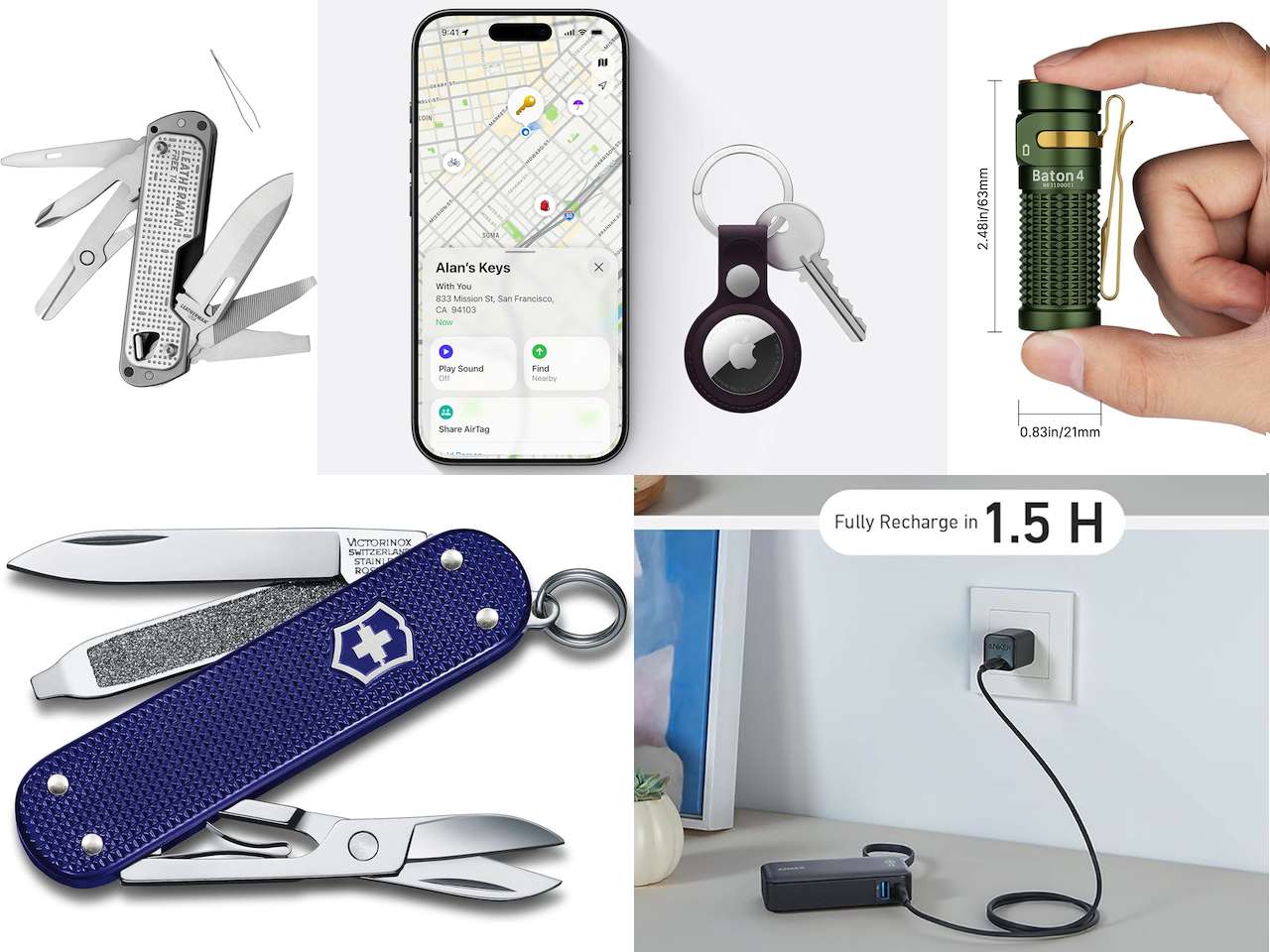
Every household runs on shared gear that nobody deliberately chose. Dead flashlight in the kitchen drawer, dusty multitool next to the tape, tangled cables pooled in a bowl on the counter. Most of that gear arrived one piece at a time, bought for whoever needed it that day, then absorbed into the house. Nobody audited the drawer afterward. It’s not a lack of equipment; it’s that nothing was picked for a group with different hand sizes, comfort levels, and ideas about what counts as “easy to use.” Gear reviews skip the real test: whether an EDC tool holds up when the entire household reaches for the same one. The whole category orbits individual carry, and that’s exactly where it goes wrong.
Price: Varies
Where to Buy: Amazon
The five picks here each had to work for adults and teenagers without tutorials, modification, or grip strength prerequisites. So the real question is: what holds up when four different people with four different grip strengths reach for the same drawer?
If you caught our recent Valentine’s EDC roundup, this list takes a different cut: household rotation instead of one person’s pocket. The timing matters because brands like Leatherman and Olight have only recently started designing for accessibility over enthusiast credibility, which means family-friendly options that don’t feel dumbed down actually exist now. A tool the whole house can operate without instructions is the only one the whole house will actually use.
Victorinox Classic SD Alox
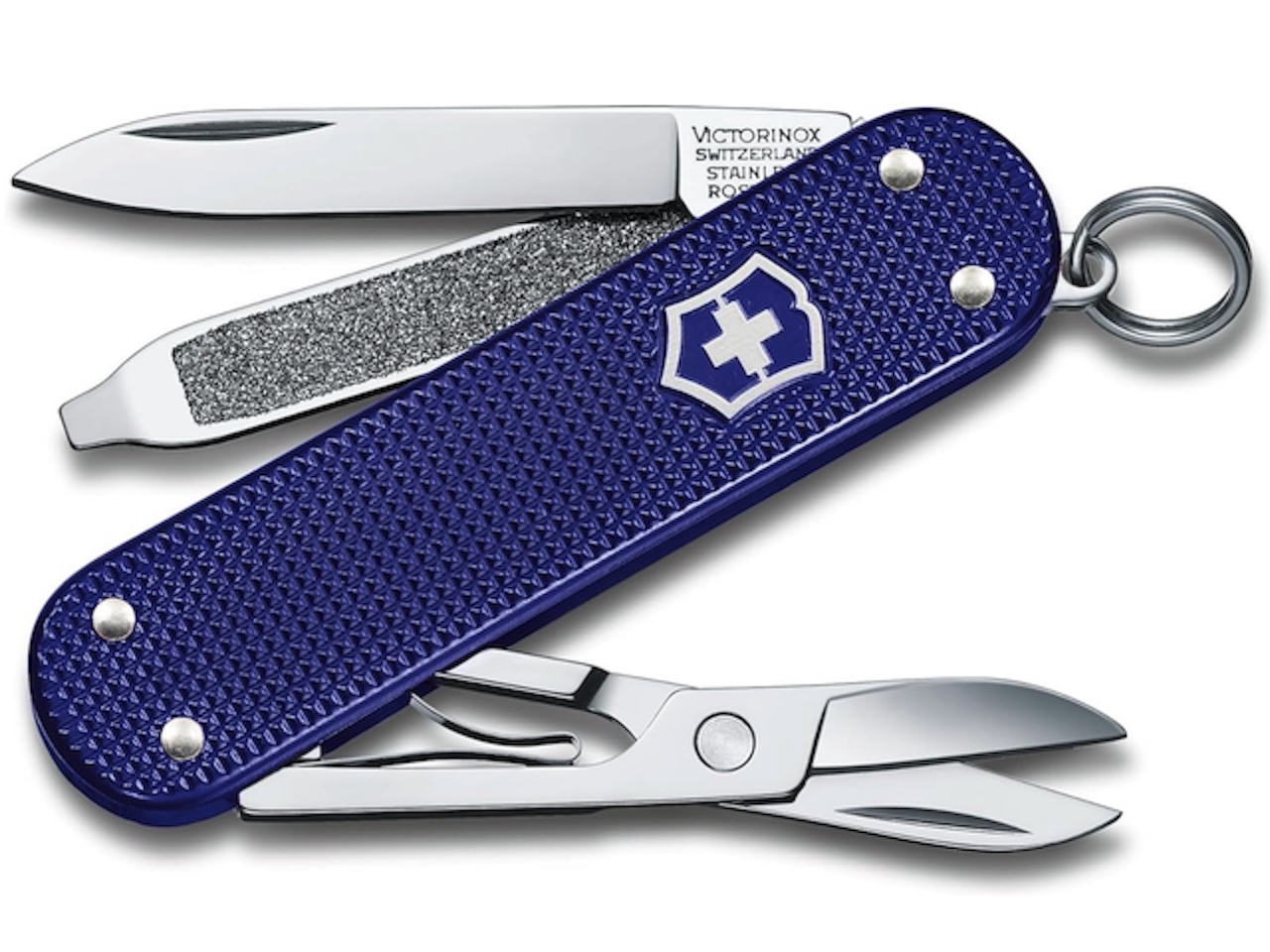
At 58mm and roughly 21 grams, the Victorinox Classic SD Alox sits closer to a house key than a pocket knife. That scale is what makes it work as family gear. It clips to a keychain by the front door, tucks into a teenager’s backpack, or slides into a coin pocket without adding bulk. The aluminum Alox handles feel cool and smooth under your fingertips, reading more like jewelry than tactical gear. Scissors pull more daily weight than any other tool here. Loose threads on new shirts, rigid blister packaging, milk carton seals, zip ties on deliveries nobody asked for: these micro-tasks cycle through a household constantly. The SD handles all of them without intimidating anyone who isn’t used to carrying a blade.
Victorinox releases annual color editions, which solves the shared-tool tracking problem most families deal with. Give each person a shade and the “who moved it” argument disappears. At $34 per knife, tripling up costs less than a single kitchen gadget. You notice the household dynamic shift within the first week.
Opening force is where the Classic SD earns its family credentials. A 12-year-old can deploy every tool without prying, fighting springs, or asking for help. That accessibility sounds minor on paper. Pick up a mid-range folding knife with a stiff thumb stud and you’ll feel the difference in about two seconds. The SD opens like it was designed for the smallest hands in the room, because it was. In practice, low opening force removes the single biggest reason shared EDC fails: when someone can’t physically operate a tool, they stop reaching for it permanently.
A knife that locks out half your family isn’t shared gear; it’s one person’s knife in a shared drawer. The blade handles tape and letters while the nail file’s screwdriver tip tightens loose screws on eyeglasses and drawer pulls throughout the house. Smart move keeping the tool count minimal.
Price: $34
Where to Buy: Amazon
Olight Baton 4
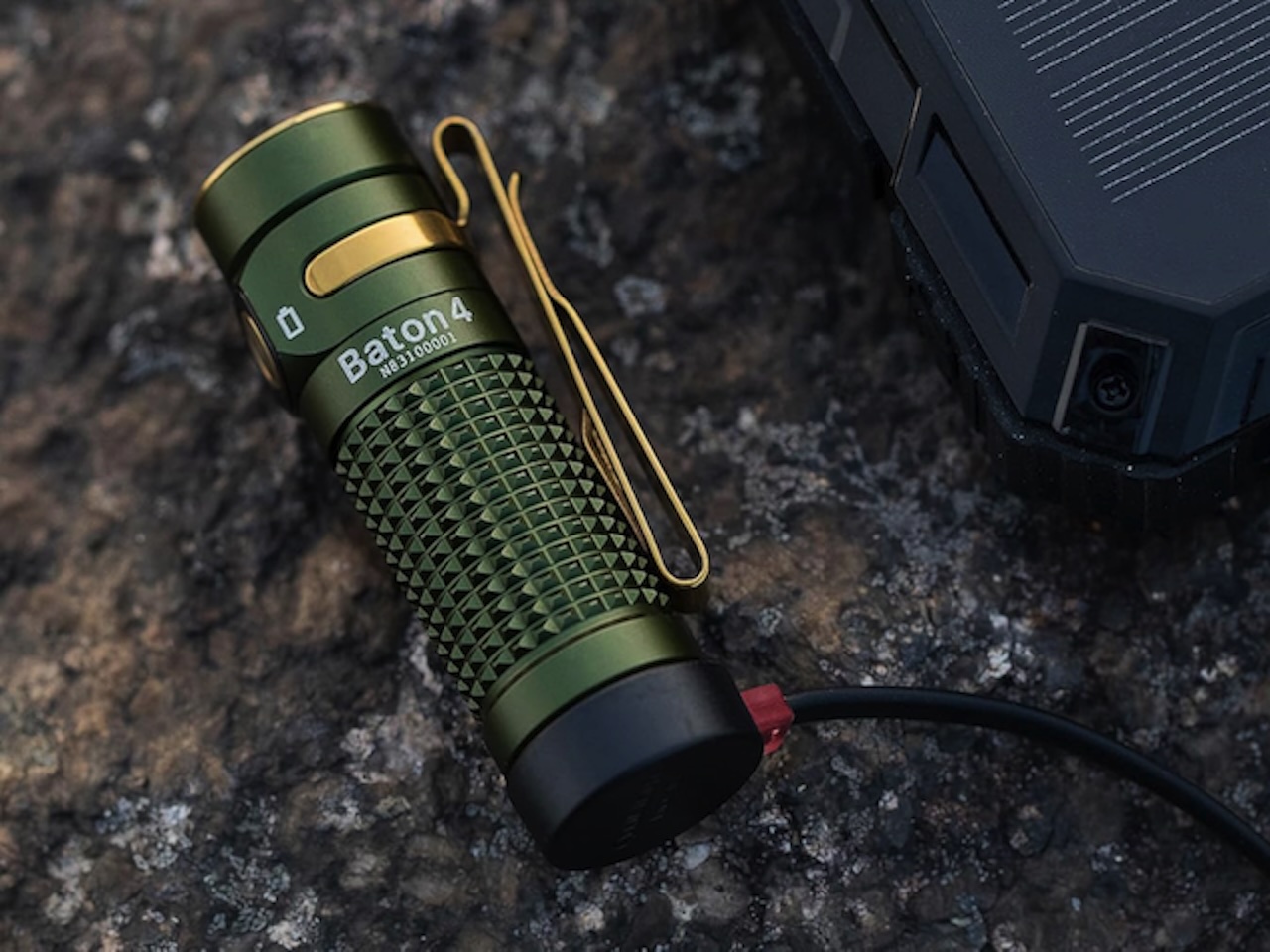
Every family shares a flashlight whether they’ve planned for it or not, and the Baton 4 is the first one worth planning around. At 2.48 inches and 1.85 ounces, it fills the household flashlight role, but USB-C magnetic charging changes the equation: the battery stays topped off on a small puck without a designated charger, creating a grab-use-return cycle that keeps this light alive while others die in drawers.
That puck lives on a nightstand or countertop, and the light magnetically snaps back onto it without any alignment fuss. You stop thinking about battery levels entirely. Its anodized aluminum shell looks like it belongs next to a phone and a wallet, not stuffed into an emergency kit. The moonlight mode at 0.5 lumens activates by pressing and holding from off, producing exactly enough light to check on a sleeping child or navigate a power outage without waking the house.
Five brightness levels run through a single side switch, topping at 1,300 lumens for genuine blackouts. The magnetic tailcap sticks to refrigerators and metal shelving, converting the Baton 4 into a hands-free work lamp during household projects where one person holds the light while another wields the screwdriver.
There’s a weighted quality to the smooth aluminum body, a solid feel in the palm that reads as personal accessory rather than emergency kit, and that distinction matters because intimidating flashlights don’t get picked up by everyone in the family. If you’ve handed a kid a flashlight and watched the ceiling explode at full output, you understand why sensible defaults matter more than peak specs.
Our EDC flashlight roundup covers the broader category for dedicated pocket carry, but as a single household light, the Olight Baton 4 keeps earning its spot. Olight made the right call keeping the interface flat. No hidden modes, no memorizing tap sequences, no accidental strobe at midnight. Shared gear that needs a manual won’t stay shared.
Two tools in and a pattern emerges: the features that matter most for shared gear aren’t the ones on spec sheets. Grip force, interface complexity, charging friction: these invisible barriers determine whether a tool gets used by everyone or quietly claimed by one person. The remaining picks push that same filter further, into categories where the gap between one person’s gadget and the whole household’s gear gets even wider.
Price: $43.99
Where to Buy: Amazon
Leatherman Free T4
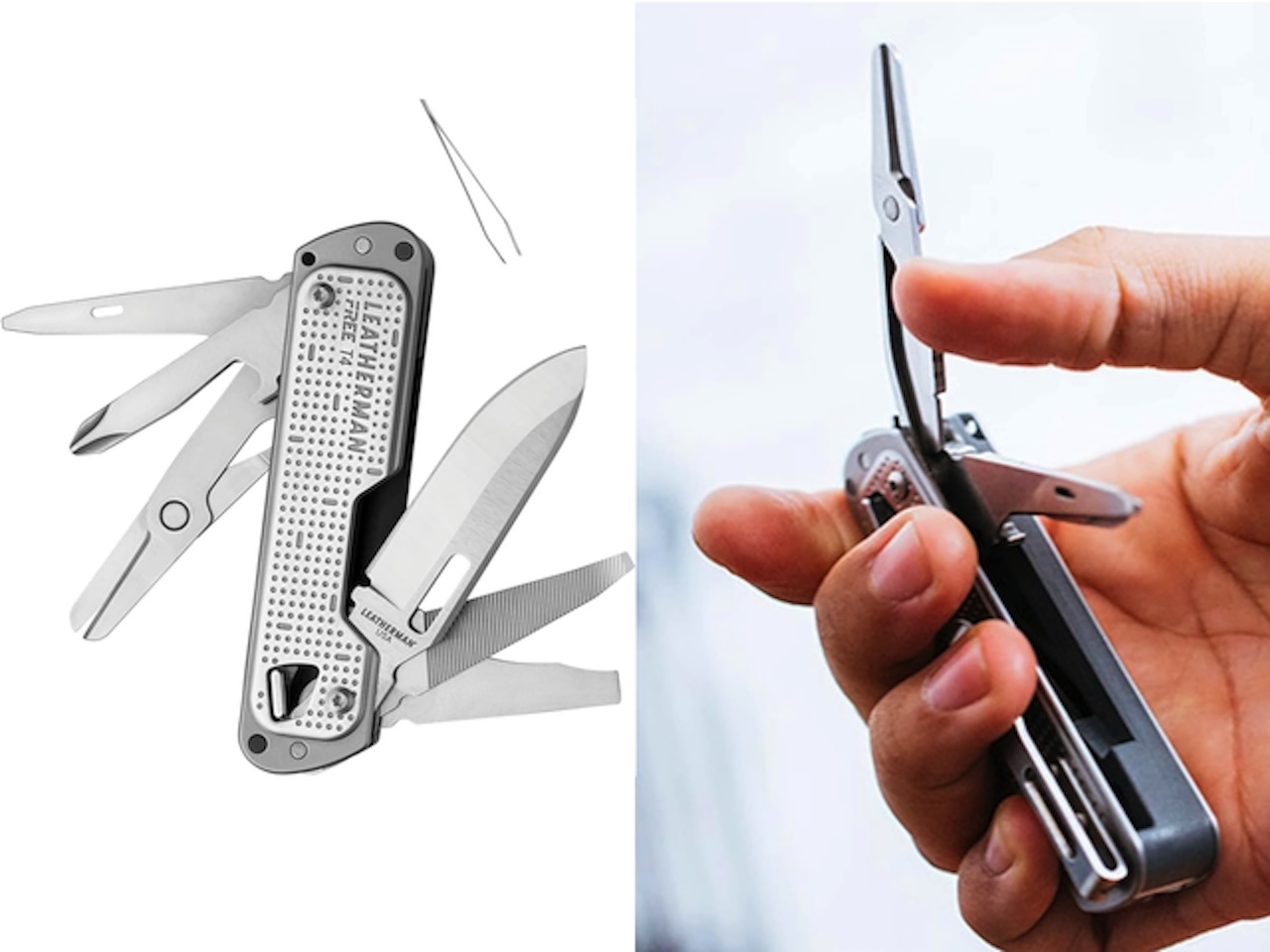
Traditional multitools fail the family test before anyone opens a blade. Stiff mechanisms and springs that demand adult grip strength lock out half the household. The Free T4 replaced all of that with magnetic architecture: every tool deploys with a single thumb push. A teenager opens the scissors as easily as an adult opens the bottle opener. That’s the whole point when you’re picking gear for people who didn’t grow up with EDC conventions.
At 3.6 inches closed and 4.3 ounces, it disappears into a kitchen drawer or go-bag without adding meaningful bulk. The 12-tool spread maps to weekly household tasks. Package scissors handle the constant cardboard from online orders. Screwdrivers tighten cabinet hardware that loosens over time. The bottle opener earns its keep at weekend cookouts. Tweezers cover splinter removal after backyard projects. If you watch which tools a family actually reaches for across a month, this kit covers about 80 percent of the list. Good restraint by Leatherman’s design team keeping everything accessible without creating something bulky nobody wants to store. You start reaching for it instead of the junk drawer scissors within the first week.
A precise click accompanies each tool locking into position, a tactile snap you feel through your thumb. That feedback builds confidence faster than any spec sheet, especially for someone who needs physical confirmation that a tool is locked before applying pressure. Smooth handles glide from pockets without catching. Reversible clip handles left or right carry without fuss.
Leatherman backs the Free T4 with a 25-year warranty regardless of which family member is doing the using, the dropping, or the leaving-it-out-in-the-rain. You look at the $64.95 price and see a single purchase. What you’re actually buying is two decades of household problem-solving. The Free T4 is the first family multitool that doesn’t require an adult intermediary to operate. Nobody has to ask for help opening it. That single design victory changes how often it gets pulled from the drawer, and at $64.95, the math looks different once you stop thinking of it as one person’s tool.
Price: $69.55
Where to Buy: Amazon
Apple AirTag (4-pack)
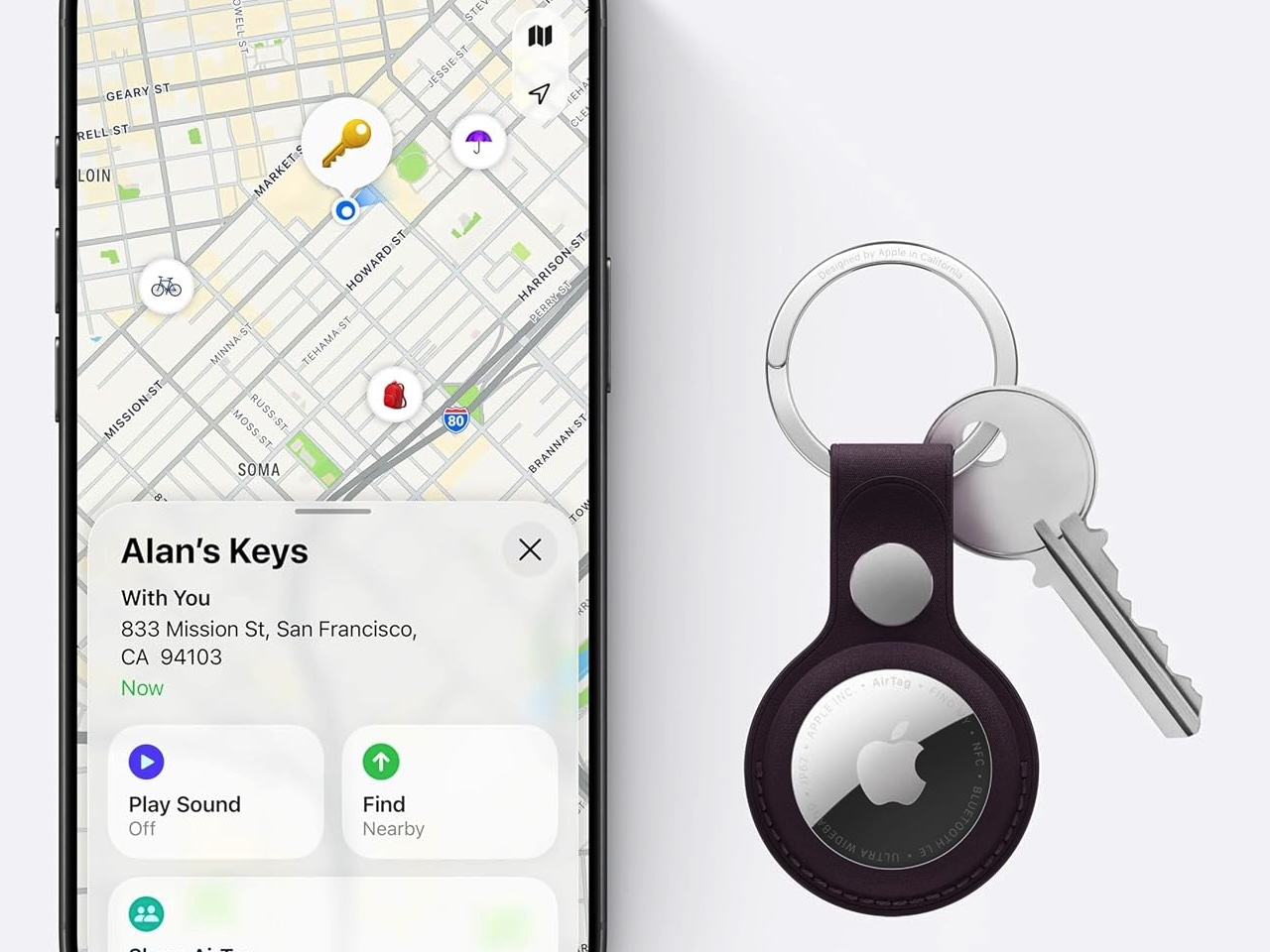
The 4-pack was practically engineered for families: one for the car keys that rotate between drivers, one for the travel bag, one inside a kid’s backpack, one for whatever vanishes most often in your particular household. That distribution addresses household chaos management rather than personal item tracking, and the second-generation AirTag backs it up with a louder speaker genuinely audible through couch cushions plus precision finding that works through walls and between floors. Apple’s Find My network treats shared items as a family utility, so every iPhone in the house sees every tagged object’s location in real time.
Setup takes seconds: hold near an iPhone, tap to pair, name the tag, done. A kid old enough for an iPhone can configure a tag without parental help. The morning “has anyone seen my keys” loop can finally stop.
Design restraint is where Apple made the smartest call for household adoption. The polished steel disc hides inside holders with no branding, no gendered colors, no aesthetic statement that might make a teenager refuse to carry it. CR2032 batteries last roughly a year before a 30-second swap costing under three dollars. Skip this entirely if your family runs Android: Samsung SmartTags or Tile trackers cover the same ground with broader compatibility. The invisibility is the feature, not a limitation.
Price: $29
Where to Buy: Amazon
Anker Nano Power Bank (10,000mAh)
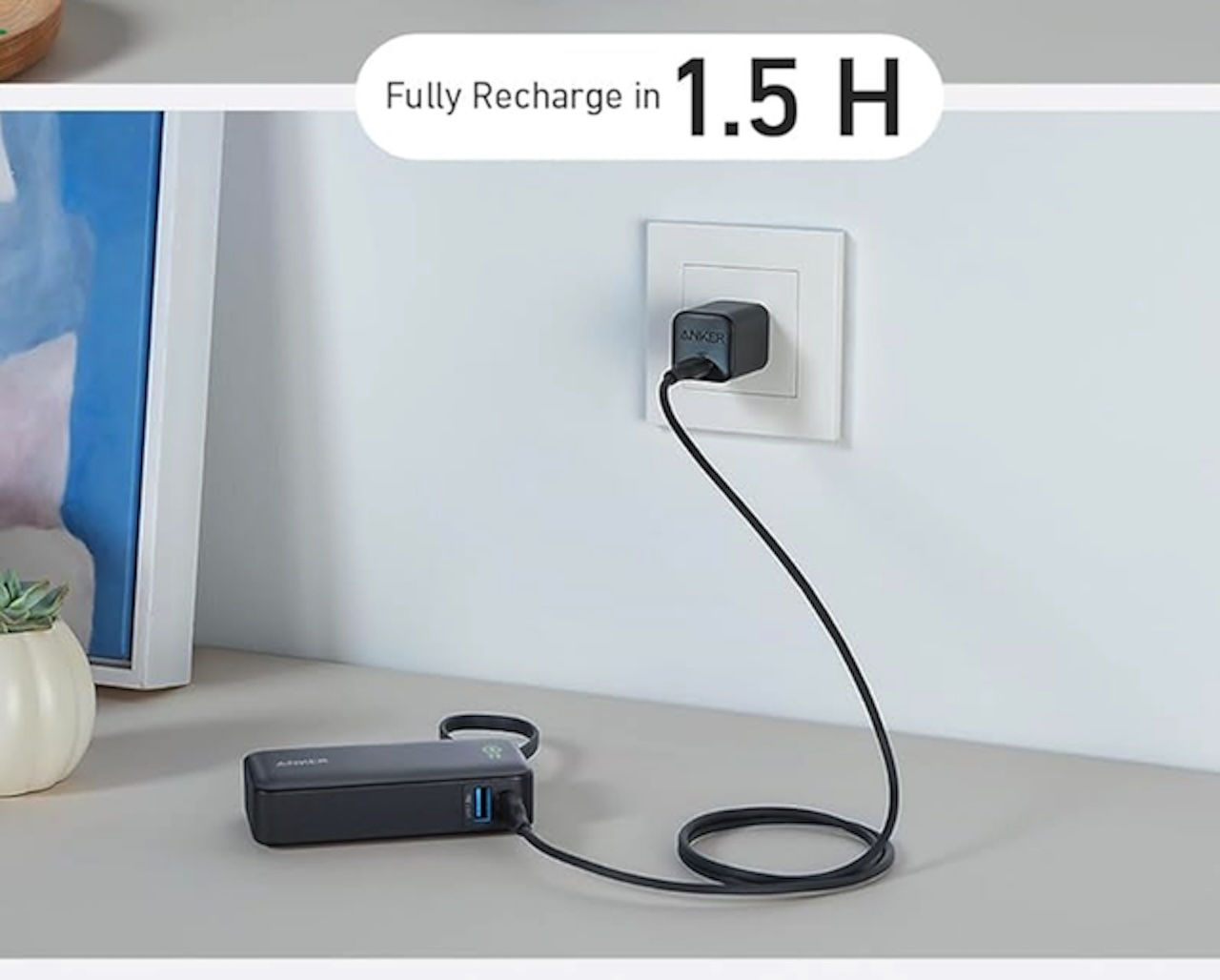
A dead phone in a family doesn’t stay one person’s problem for long. When the driver’s device dies on a road trip, navigation stops for everyone in the car. A teenager’s phone going dark at a school event turns pickup coordination into guesswork. The Anker Nano weighs 7.58 ounces and charges two devices simultaneously through USB-C and a built-in cable. Thirty watts of output gets most phones to 50 percent in roughly half an hour.
Family charging windows are always compressed. Twenty minutes at a restaurant table. Fifteen minutes waiting for a rideshare. Halftime at a school game. You don’t schedule around the charge; it fits whatever the family is already doing. The built-in display shows remaining power as an exact percentage instead of vague LED dots, and when three people need a turn, that precision changes the sharing dynamic completely. The matte casing grips surfaces instead of sliding off car seats, and rounded edges sit in pockets without pressure points.
At $35.99, it’s the cheapest item on this list and probably the one logging the most daily use by year’s end. Power banks are already the most shared tech in any household, and the Anker Nano formalizes that habit into a package actually worth grabbing on the way out. Families with younger kids who don’t carry phones yet still pull value from this pick too: tablets drain during car rides, game consoles die mid-level on flights, wireless headphones quit 40 minutes into a road trip. Having one reliable power source in the family bag shifts device management from reactive scrambling to quiet confidence.
The build quality feels intentional in your hand. There’s a density to the Nano that cheap power banks never have, a heft that registers as reliability the moment you pick it up. Anker didn’t cut corners on something this affordable, and you can feel that decision in the weight and the way the USB-C cable tucks neatly into a recessed channel. At $35.99, you’re paying less than most families spend on a Friday takeout order. That price point removes the anxiety around lending it out or tossing it into a bag without a case. The Nano is the kind of purchase that quietly proves its worth before anyone in the house thinks to question the cost.
Price: $35.99
Where to Buy: Amazon
Who Should Skip This
Pass on this list if everyone in your household already carries a personal kit and has strong opinions about which brands belong in their pockets. Dedicated EDC collectors won’t find anything here they don’t already own, and the whole point of these picks is accessibility over specialization. Solo carry with no sharing is a different problem entirely.
Android families should swap the AirTag for Samsung SmartTags or Tile trackers, which cover the same ground with broader device compatibility. The rest of the list still applies regardless of phone platform. If your household already solved the dead flashlight and dead phone problems with gear that works, there’s no reason to replace what isn’t broken. Families where one person handles all the tools and everyone else prefers it that way don’t need this list either. Not every house needs shared EDC; some run fine with a single designated fixer. Honest assessment of how your household actually operates matters more than any product list.
The Bottom Line
For everyone else, total cost sits under $265 for all five. The lowest-friction entry point is the Olight and the Anker together, which cost less than a pizza dinner and solve the two problems that surface most often: dead flashlights and dead phones. Once those two prove the approach works in your house, the rest builds naturally. These five tools don’t fight the sharing pattern; they’re built around it.
Families share EDC whether anyone plans for it. Flashlights migrate to whoever needs light first. Saturday projects pull the multitool out of the drawer before anyone thinks to ask. Your phone hits 5 percent and the power bank appears from whoever had it last. Tracker tags drift toward whatever item vanishes most that week. That’s not chaos; it’s a system waiting for the right gear. Matching tools to that existing circulation instead of fighting it changes how smoothly a household runs.
Price: Varies
Where to Buy: Amazon
It’s the money you spend once and use for years, instead of the disposable tools you replace every few months that nobody in the house was happy with anyway. If you’ve watched a teenager give up on a stiff multitool, or dug through a drawer for a dead flashlight, or missed a turn because the driver’s phone went dark, the case isn’t abstract anymore. These five edc tools for families work, and that’s the only test that matters.
(as of April 1, 2026 20:30 GMT -05:00 - More infoProduct prices and availability are accurate as of the date/time indicated and are subject to change. Any price and availability information displayed on [relevant Amazon Site(s), as applicable] at the time of purchase will apply to the purchase of this product.)

