
CES 2026 NEWS – Robot Vacuums Aren’t Home Robots, but the LG CLOiD might be. We have been calling robot vacuums “home robots” for over a decade. The label stuck because it sounded futuristic, even though these machines do exactly one thing: clean floors. They can’t fold laundry, load a dishwasher, or hand you a glass of water. The gap between what we call a home robot and what one actually does has been enormous. That gap is about to get a lot smaller.
CES 2026 arrives at a turning point for domestic robotics. For years, the show floor has featured humanoid robots that lived exclusively in research labs or factory settings. Consumer-facing robots remained stuck in the single-task category: vacuums, mops, lawn mowers. This year, LG is bringing something different to booth #15004.
This is not LG’s first attempt at home robotics beyond vacuums. Last year the company revealed a two-wheeled home companion with a handle on its head. CLOiD is a different machine entirely.
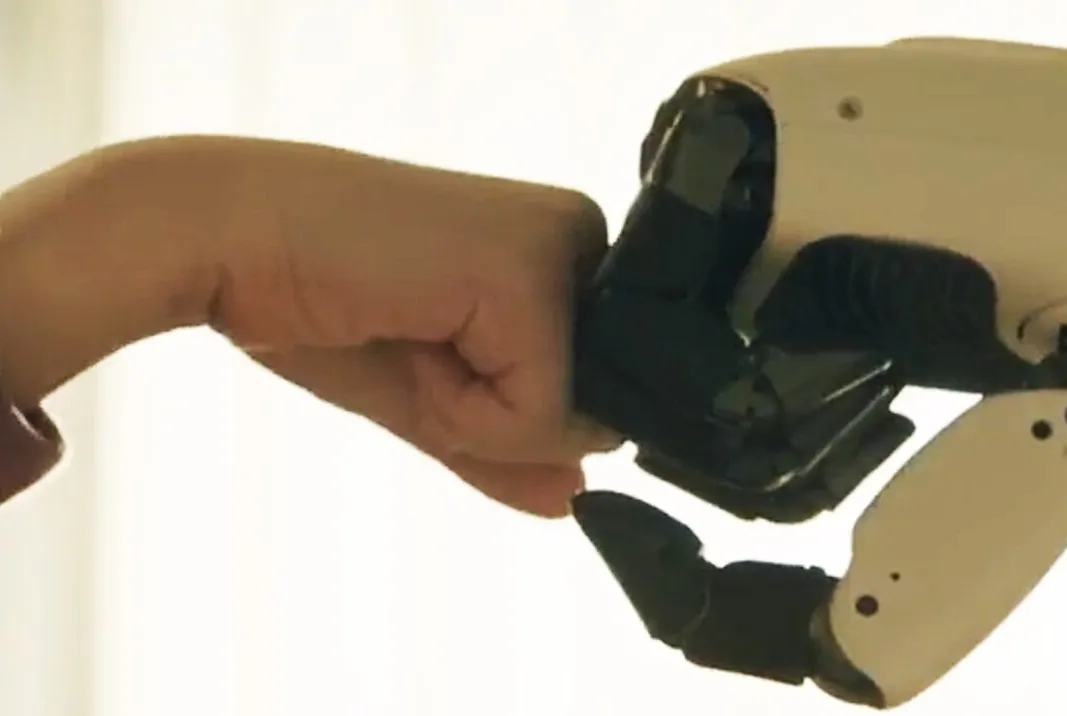
LG is unveiling CLOiD, a home robot with two fully articulated arms, ten individually controlled fingers, and the stated goal of handling actual household chores. Not just one chore. Multiple chores. The kind that require reaching, gripping, and moving through a living space the way a person would.
Add The Gadgeteer as a preferred source to see more of our coverage on Google.
Why This Exists
LG has been building toward this moment through years of incremental robotics work. The company already sells robot vacuums, but those products sit in a fundamentally different category. CLOiD represents a philosophical pivot: instead of automating a single task, LG wants to reduce what it calls “labor time” across the entire home. The internal framing is “Zero Labor Home, Makes Quality Time,” which sounds like marketing language until you consider what it actually requires. A robot that LG claims can perform multiple household tasks needs arms that move like arms, hands that grip like hands, and a processing system capable of understanding varied environments. LG built the HS Robotics Lab within its Home Appliance Solution Company specifically to chase this goal. The company is also pursuing partnerships with robotics firms in Korea and internationally, signaling that CLOiD is not a side project.
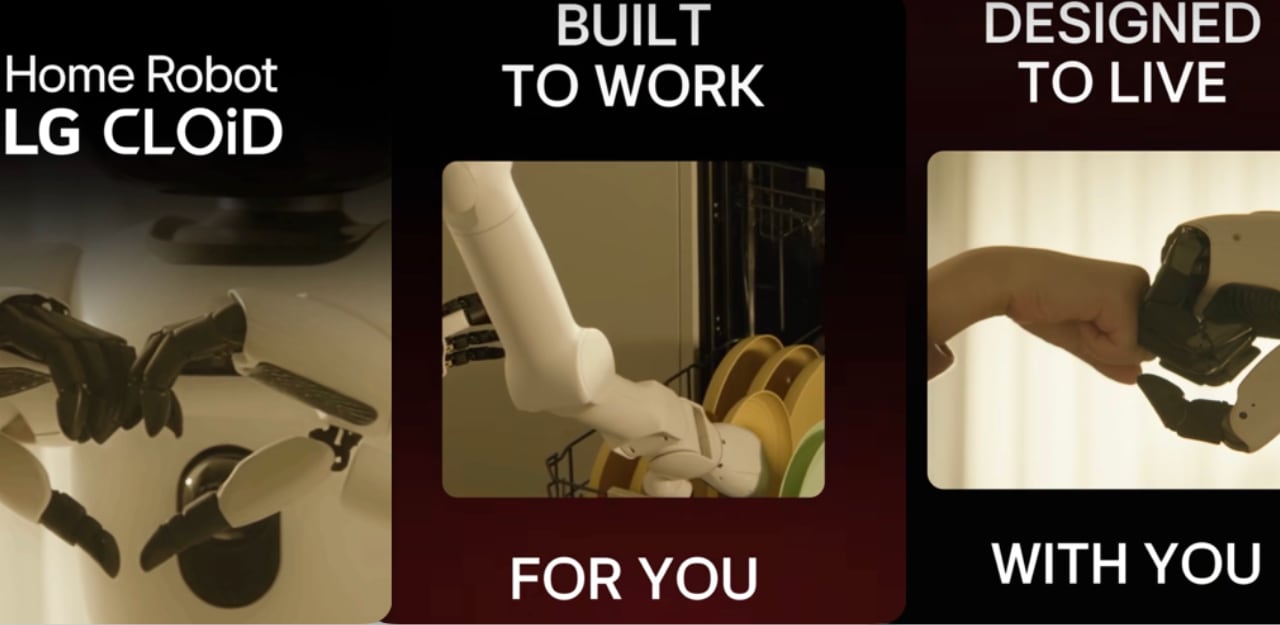
The technical foundation looks serious. Each arm delivers seven degrees of freedom, which suggests a more humanlike range of motion: more joints and angles means the arm can reach around objects instead of only moving like a crane. Five actuated fingers per hand allow for what LG describes as “delicate and precise tasks,” though LG has not yet demonstrated exactly which tasks CLOiD can perform. The brain sits in the head: a chipset paired with cameras, sensors, a display, and a speaker. LG’s Affectionate Intelligence platform powers the interaction layer, designed to refine responses over time through repeated interactions. Whether that refinement translates to meaningful personalization is something only real-world use will reveal.
What This Signals
The timing matters more than the specs. We have covered home robotics for years, and the pattern has been consistent: ambitious demos at CES, followed by years of silence or quiet cancellations. What makes CLOiD different is context. LG is not a robotics startup chasing funding. LG manufactures appliances at massive scale and already has distribution channels into millions of homes. If CLOiD works even partially as described, LG has the infrastructure to actually sell it.
The form factor also suggests intent. CLOiD is sized for residential spaces, not warehouses. The arms are designed for household tasks, not industrial lifting. LG is clearly targeting the gap between what robot vacuums do and what people wish home robots could do. Whether CLOiD fills that gap remains unproven, but LG is betting heavily that 2026 is the year consumers start expecting more from home robotics than a clean floor.
What We Do Not Know Yet
LG hasn’t shown CLOiD performing specific tasks in uncontrolled environments. The press materials describe capability, not demonstration. We do not know how CLOiD handles obstacles, irregular objects, or the thousand small variables that make household chores difficult for machines: laundry piles, cluttered counters, a cat that refuses to move. Pricing and availability remain unannounced. The “Affectionate Intelligence” branding sounds warm, but whether the robot actually learns meaningfully from interaction is something only real-world testing will reveal. CES demos are controlled environments. Real kitchens are not.
Who Should Skip This
If you need a home robot that works reliably today, CLOiD isn’t it. This is a first look at a product category that barely exists yet. Anyone expecting a finished, purchasable solution will be waiting. Similarly, if you are skeptical of CES announcements that never ship, your skepticism is earned. Home robotics has a long history of impressive demos followed by market silence. CLOiD could be different. It could also follow the pattern.
For everyone else, this is worth watching. LG is one of the first major appliance manufacturers to put serious resources behind a multi-task home robot aimed at consumers. If this works, it changes what “home robot” means entirely. If it does not, we will keep calling our vacuums robots for another decade. Either way, CES 2026 is where the answer starts to take shape. Booth #15004. We will be there.
📡 CES 2026 Coverage
Want more from the show floor?
We’re covering the biggest announcements, wildest concepts, and gear that actually matters from CES 2026.

INIU Mini Portable Charger, Small 45W PD Power Bank, 10000mAh USB C in&Out Fast Charging Pocket Size Battery Pack, Travel Essentials Powerbank for iPhone 17 16 15 14 Pro Air, Xiaomi, Samsung S24 etc
(as of March 26, 2026 18:35 GMT -05:00 - More infoProduct prices and availability are accurate as of the date/time indicated and are subject to change. Any price and availability information displayed on [relevant Amazon Site(s), as applicable] at the time of purchase will apply to the purchase of this product.)
