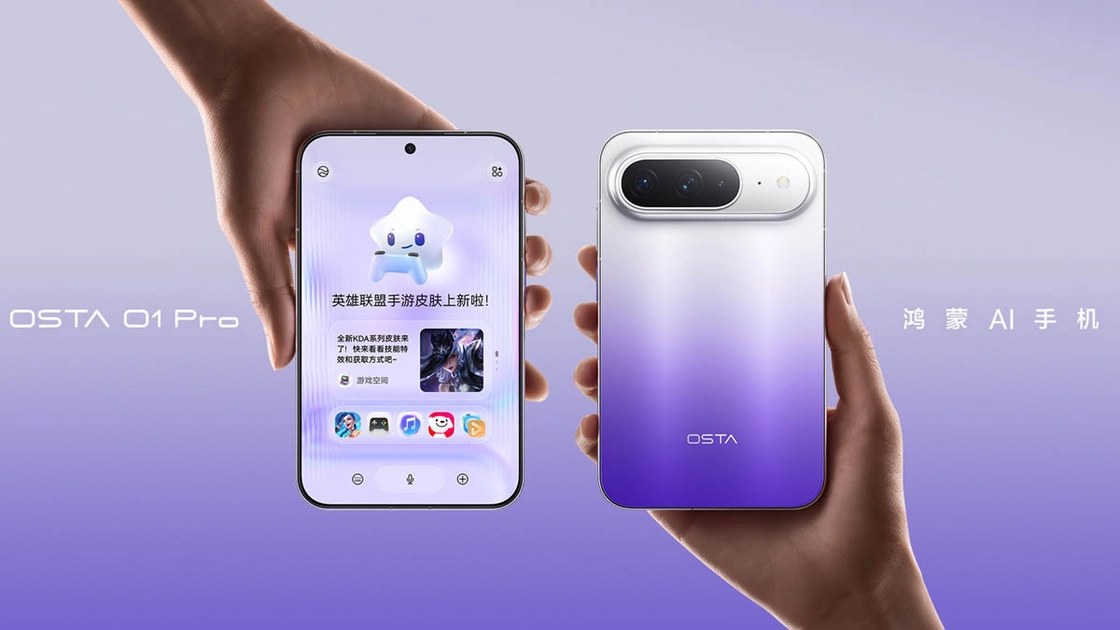
OSTA is a new Huawei phone brand, built around AI software and aimed at younger buyers, with a wide-screen first phone called the O1 Pro. In China it’s called Xingmang, starlight, and its back carries the OSTA name instead of a Huawei logo.
Huawei has taken the wide-screen shape from its Pura X View, wrapped it in AI-first software, and spun it into a separate brand that can chase a lower price without discounting the Pura name. Reservations are open in China now. The launch lands on Thursday, November 20, and no US release has been announced.
Price: $1,549.99 at Amazon for the Samsung Galaxy Z Fold8 (256GB, Graphite), the wide-screen phone US buyers can order today
Where to buy: Buy on Amazon
That Samsung is the stand-in because the O1 Pro is China-only for now, and everything below explains what OSTA is, what its first phone does, and what has to happen before any of it reaches a US store shelf.
What’s OSTA, exactly?
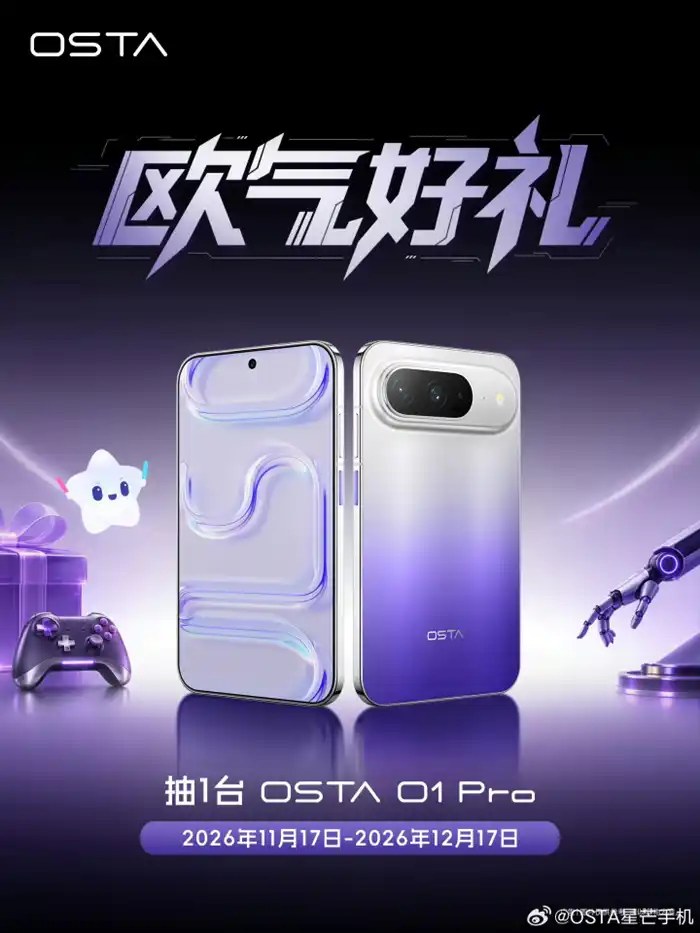
OSTA is a sub-brand, the same play Huawei ran with Honor before it sold that brand in 2020, and it’s the first new phone brand Huawei has launched since the sale. Richard Yu confirmed the OSTA name and the November 20 debut earlier this month, and Huawei’s own posters bill the phones as HarmonyOS AI phones.
The star in the name is literal. Xingmang means starlight, the software mascot is a small star character, and the presentation leans young at every turn, from game skins and bright icons to a cartoon AI companion that greets you on the first screen. Huawei hasn’t published a strategy statement for the brand, so whether OSTA settles in as a gaming line or an AI line is still an open question in its own material.
The hardware direction is the confirmed part. OSTA opens with a wide-screen phone, and a cheaper model called the O1 is rumored to follow it, though that phone hasn’t appeared in Huawei’s store yet.
Why does Huawei need another brand?
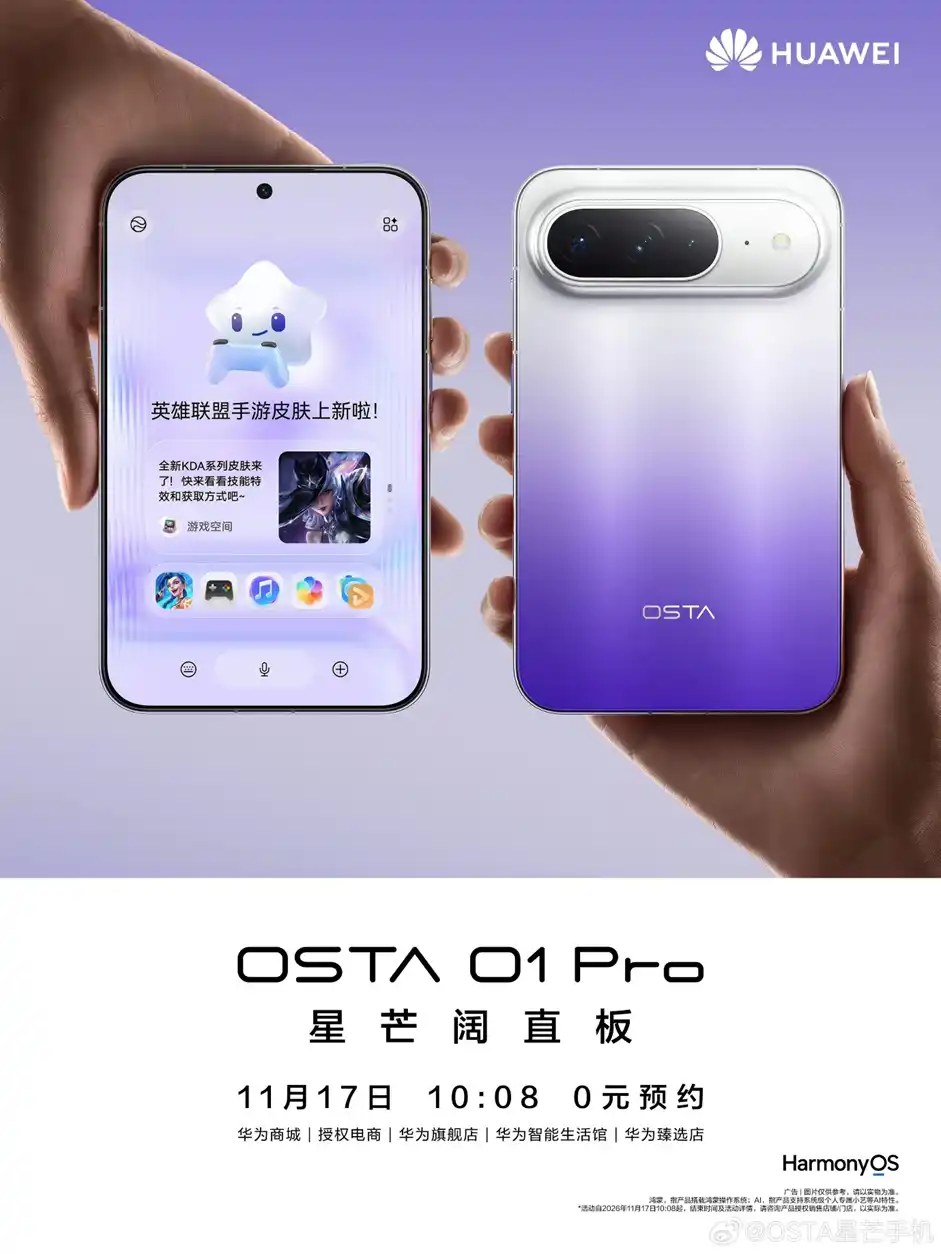
A sub-brand lets Huawei sell a cheaper phone without putting a flagship name on a discount. The O1 Pro shares its wide shape with the Pura X View, which starts at about $900 in China, and the reported spec list gives it the same chip and the same headline cameras. An OSTA badge can price that hardware lower and aim it at younger buyers while the Pura line keeps its premium shelf.
It also gives Huawei a safer place to experiment. The O1 Pro opens on an AI screen instead of your apps, a bigger software swing than Huawei usually takes on its main line. A swing that misses on a youth brand costs far less than one that misses on a flagship.
Read it the way you’d read a carmaker splitting a youth badge from a luxury badge. Same bones, different buyer, different price ceiling.
What’s the O1 Pro?
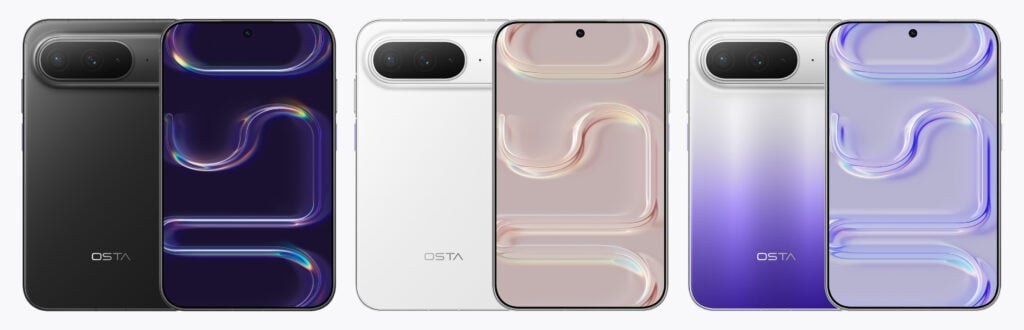
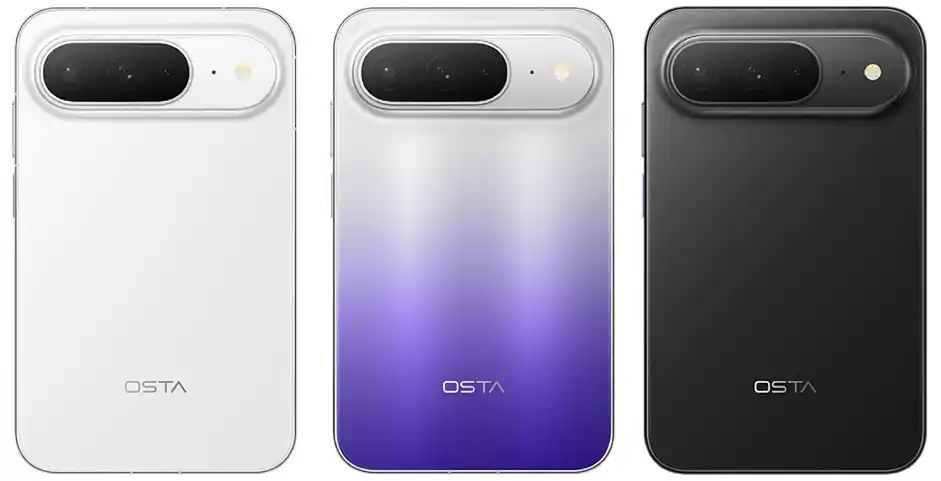
The O1 Pro is a flat, wide phone with a punch-hole front camera, very thin bezels, and a pill-shaped camera bar across the back that carries two lenses and a small color sensor. It comes in Starry Black, Nebula White and Starburst Purple, and the purple finish fades from white at the top to a deep violet at the bottom.
Memory splits by color, and the split is worth knowing before you pick a favorite. Black and white come with 12GB of RAM and a choice of 256GB or 512GB of storage. The 16GB versions, at 512GB and 1TB, are reserved for the purple model, so wanting the biggest configuration means buying the gradient.
The software is the bigger story. The first screen is an AI screen run by Xiaoyi, Huawei’s AI assistant, where the star companion takes tasks from a dialogue box and, on Huawei’s own claims, schedules workouts and meetings and helps inside games. A swipe up gets you to the normal home screen, and the interface wears a transparent, glass-like theme with new rounded icons, themes and ringtones.
Which specs are confirmed, and which are still rumor?
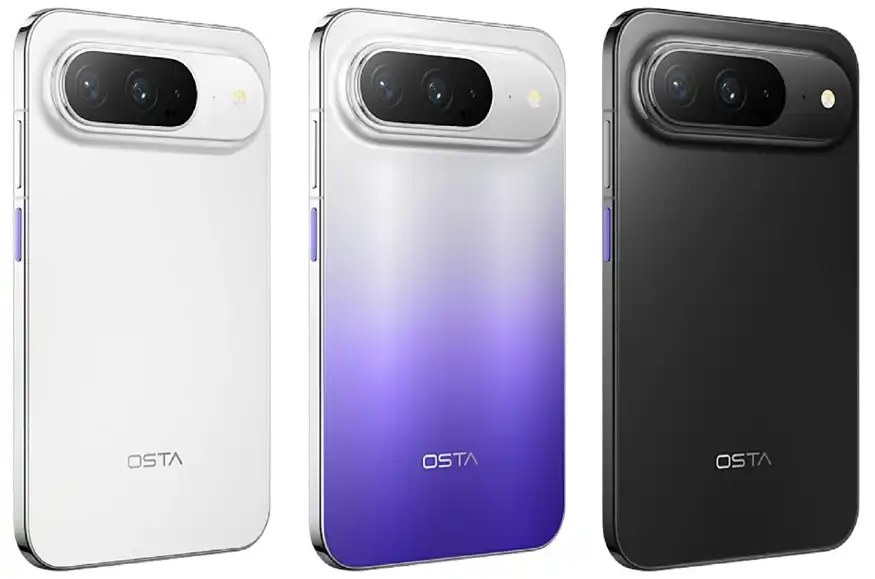
Huawei has published no spec sheet, so every hardware number in this section comes from the reported list circulating out of China, most of it tied to tipster Digital Chat Station, and it stays reported until Thursday’s launch. Treat it as a strong outline rather than a contract.
The list describes a 6.39-inch 1.5K flat display in a 16:9.5 shape with 1.05mm bezels, Huawei’s own Kirin 9030S chip, and a body 6.68mm thick at about 200 grams. The battery is listed at 7,000mAh with 66W wired charging, wireless charging on top, and a fingerprint sensor built into the side button.
Cameras are where the O1 Pro reportedly gives something back. The list keeps the Pura X View’s 200MP main camera and 50MP 3.7x periscope zoom, along with the Red Maple color sensor, and drops the ultra-wide camera entirely. Group photos and tight-room shots that live at 0.5x are where that cut lands. Review units in China also arrived with a cable, a clear case and a SIM tool, with no charger in the box.
Two numbers in the weaker lists floating around, an IP68 or IP69 rating and a 120Hz screen, have no solid source behind them. Wait for Thursday before repeating either one.
How much does it cost, and where can you buy it?
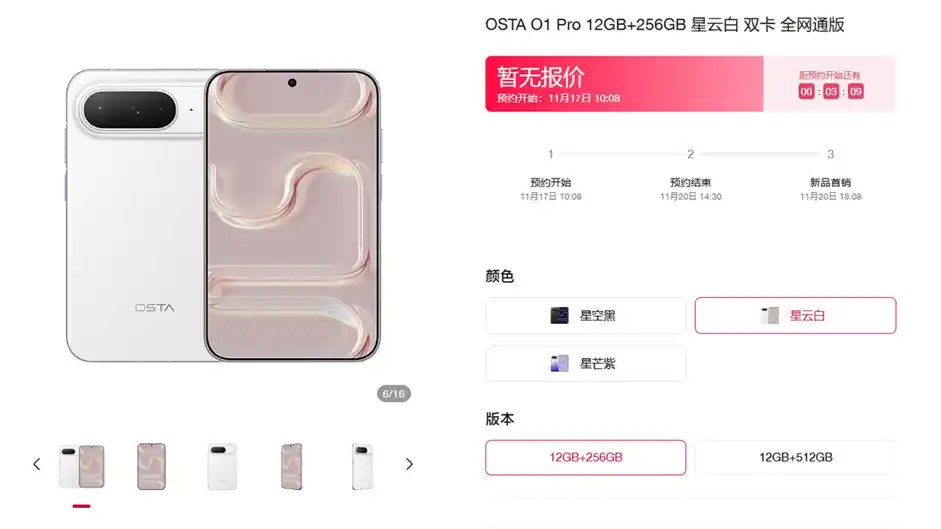
There’s no price yet, and that’s the official state of things. The Vmall listing shows a no-price banner, reservations cost nothing, and Huawei reveals the number at the launch event on November 20, which starts at 2:30 PM China time, with first sales following at 6:08 PM. The listing’s early perks include priority delivery, a year of interest-free installments and trade-in discounts worth up to about $140.
Chinese store staff have guessed at a range equal to roughly $560 to $840, and guesses are all those are. The only firm comparison on the shelf today is the Pura X View at about $900, which is exactly the gap OSTA exists to undercut.
For US readers the answer is simpler and shorter. Huawei has announced no US retailer, carrier or date, so an O1 Pro here means a grey import with no local warranty and uncertain network support. It runs HarmonyOS without Google apps or the Play Store, the same wall Huawei phones have faced for years.
What should you watch for?
Thursday settles the three open questions: the price, the full spec sheet, and whether the ultra-wide camera really is gone. The price decides what the brand is. At the low end of the guessed range, OSTA is Huawei undercutting its own Pura line with the same wide screen, and near the top of it, OSTA is a badge exercise with nicer posters.
Watch the charger, too. The retail box may follow the review units and skip the charger, which adds one more purchase to the cost of the phone. Huawei’s own 66W brick is the one that unlocks the full charging speed on the reported list, and it’s sold separately.
For readers here, OSTA is a brand to track, not a phone to buy this week. The wide-screen idea is genuinely interesting, and we covered its foldable cousin, the Pura X Max, this morning. A China-only launch, no Google services and no US support make the O1 Pro a window into where Huawei is heading instead of a recommendation. If the brand travels in 2027, that call gets rewritten.