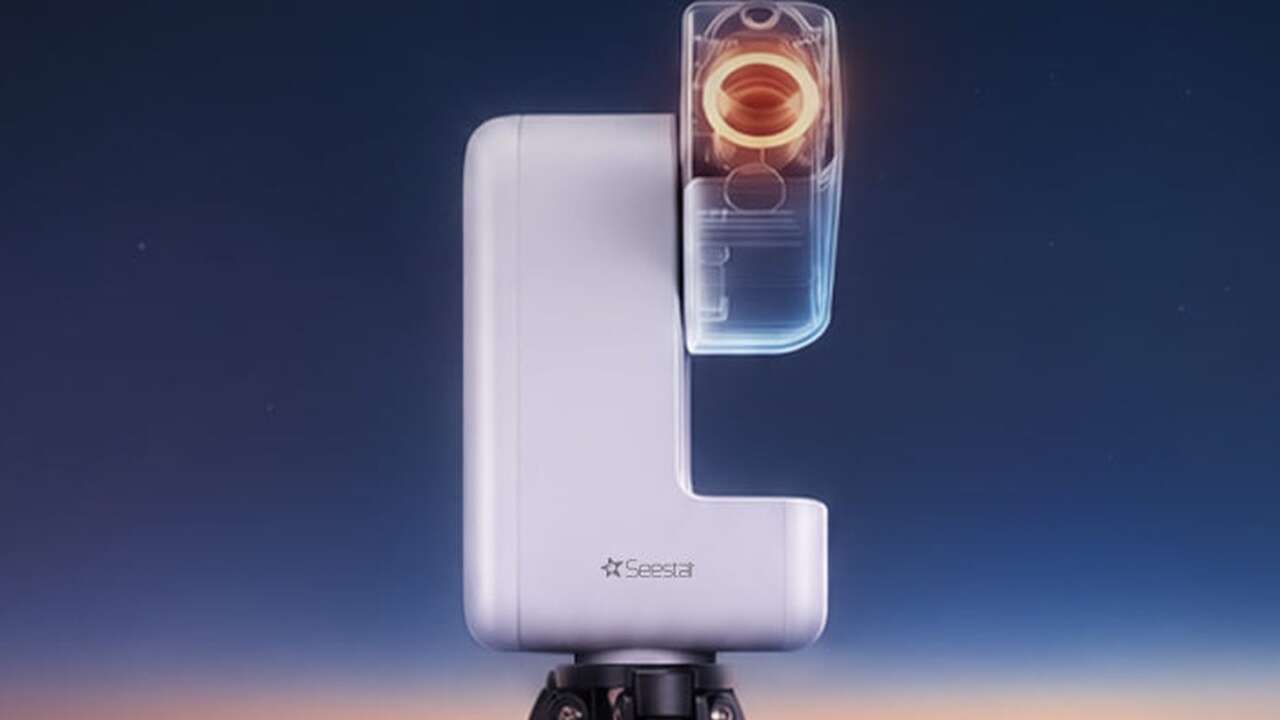
The Seestar S30 Plus packs a telescope, a mount and two cameras into a white box that stands 210 millimeters tall. The unit weighs 1.65 kilograms. It finds its own targets, stacks its own frames and sends the picture to a phone.
ZWO positions the Plus as the step up from the S30, with larger sensors and a wider view. A talent for the Milky Way joins the list, at a price inside a telescope budget.
ZWO Seestar S30 Plus Smart Telescope
2K dual-lens imaging · 160mm telephoto at 3 degrees · Four-element apochromatic lens · Built-in dual narrowband light pollution filter · NFC tap connection · App-controlled GOTO tracking · Aluminum tripod and case included
Price: $499
Where to buy: Buy on Amazon
Two lenses inside one small box
The telephoto camera pairs a 1/1.8-inch sensor with a 30mm aperture and a 160mm focal length. It records 2K frames at 1440 by 2560, a clear step past the 1080p ceiling the S30 worked under. A four-element apochromatic lens sits in front of that sensor, up from three elements on the model, and the folded path is how a 160mm focal length fits inside a body this short.
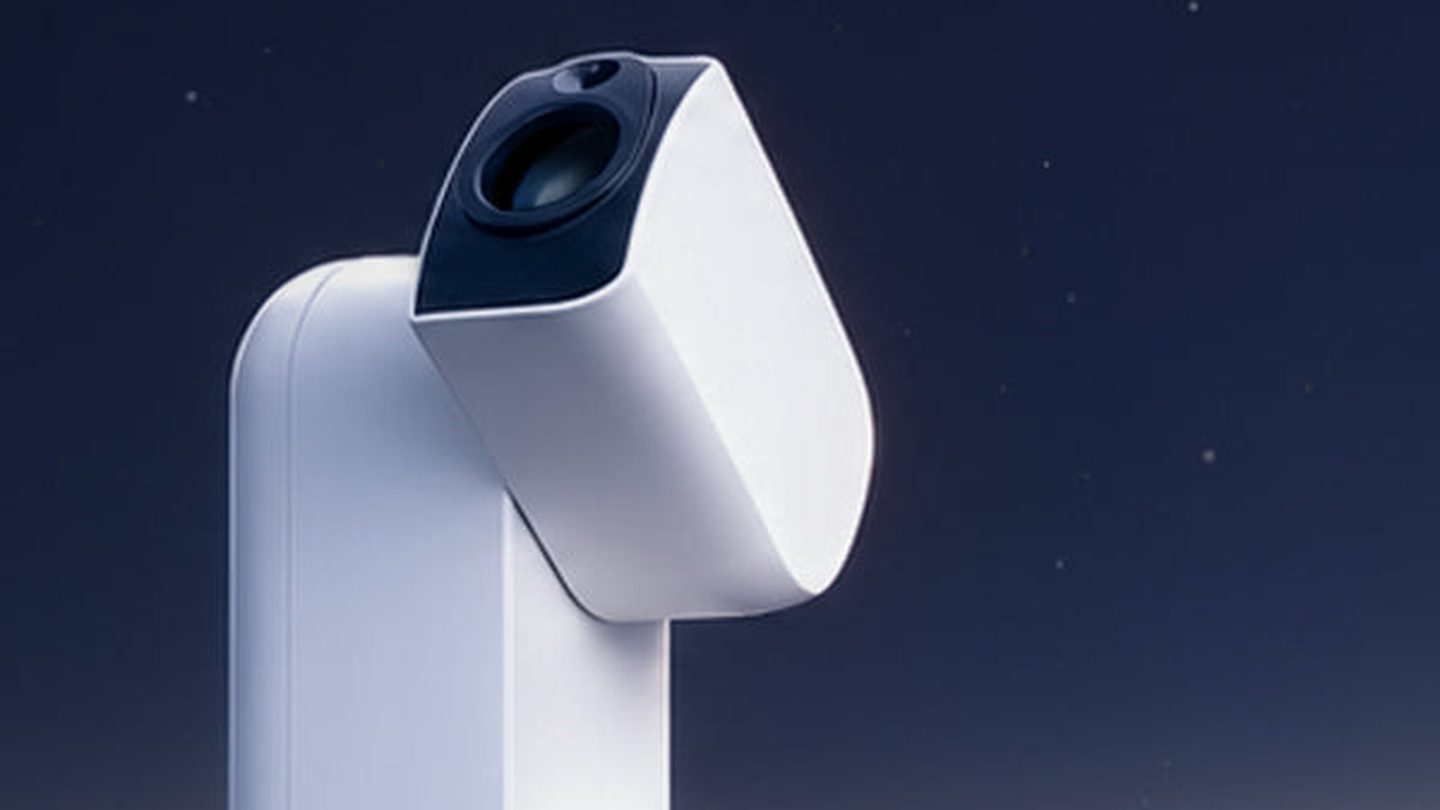
Three degrees changes the framing.
Deep-sky targets fill the frame at that width instead of floating in a corner of it, and clusters sit centered.
The second camera handles the wide work through a 1/2-inch sensor turned to portrait orientation. That layout fits more of the Milky Way band into a single frame than the landscape layout on the S30 could manage. Star trails and meteors join the target list through that lens, and both reward a dark site, a patient long night and an open clear horizon.
One-tap processing handles the work afterwards, with enhancement, star removal, star reduction and noise reduction built into the app, plus brightness, contrast, saturation, cropping and flipping for anyone who wants a hand in the result. The captures land on 64GB of storage, and about 45GB of that space stays free for a season of nights once the system takes its share.
Built to ride in a case and work from a balcony
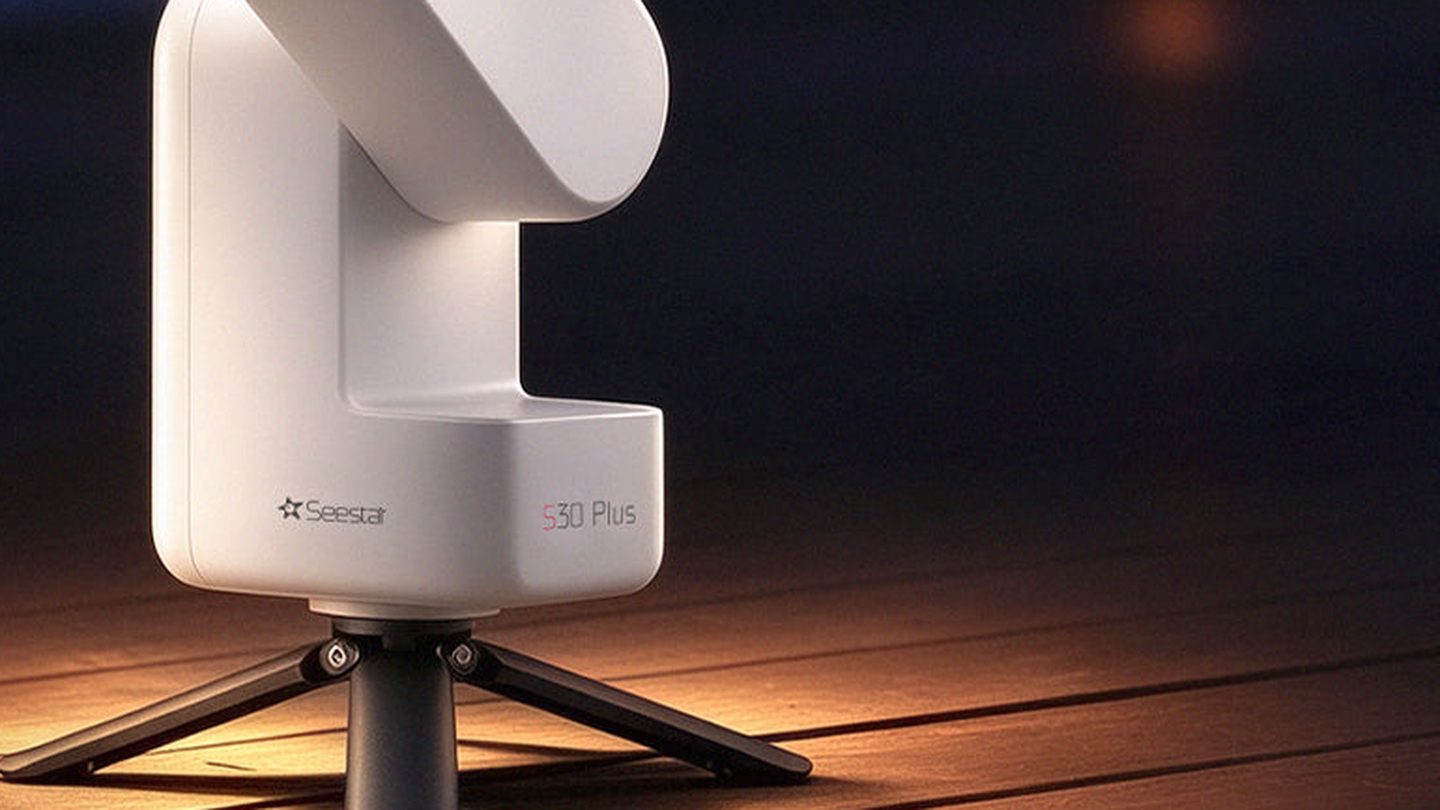
Closed, the S30 Plus measures 210 by 140 by 80 millimeters, and the kit ships neatly with a protective carrying case on a shoulder strap. The telescope, its magnetic solar filter and an aluminum alloy tripod all ride inside that one case, with nothing loose in a bag. Astronomy stickers, a USB-C cable, a quick guide and a safety guide complete the kit, so the box on the shelf holds the whole starter hobby.

Battery life runs about six hours a charge. A full night of imaging fits inside that window for most sessions, and the magnetic solar filter covers Sun work on the days between trips.
Connection starts with a tap.
NFC pairing links a compatible phone without a manual hunt through settings menus, and outdoors the telescope talks straight to the phone over its Wi-Fi when no local network exists at the site. Active Anti-Dew control keeps the optics clear through long, damp sessions, the kind that fog lesser glass by midnight on cold grass.
City light gets a direct answer in the built-in dual narrowband light pollution filter. The filter passes the OIII and H-alpha bands that nebulae emit, while the LED glow around them gets turned away. Stacking builds the picture frame by frame as the minutes pass, so a target gains shape on screen instead of staying invisible until morning.
The app does the finding and the stacking
Pick a target in the Seestar app and the S30 Plus slews to it, tracks it and starts imaging, with focus, alignment and tracking running on the device’s own routines. The catalog behind that single tap holds more than 80,000 objects, from nebulae and clusters to galaxies far past naked-eye reach. Solar System Mode handles the Sun, the Moon and the planets the same way, one selection in the app and the device takes over the hunt.
Plan Mode queues a list of targets and works through it across the night. The house sleeps through the whole run.
Equatorial Mode compensates for Earth’s rotation during tracking, and that steadiness supports the longer exposures deep-sky work rewards. Mosaic stitching captures overlapping frames across a chosen wide target and joins them into one larger image on the device itself, past a single pointing, all at once.
Constellation recognition labels the patterns in the frame for anyone learning the sky. The app runs a Seestar under darker skies somewhere else, and Freeze the Ground locks a landscape foreground while the stars track above it.
ZWO Seestar S30 Plus Smart Telescope
App-controlled GOTO tracking · Plan Mode for overnight runs · 64GB storage · NFC tap connection · Equatorial Mode · Mosaic stitching · Solar filter included
Price: $499
Where to buy: Buy on Amazon
Buy the S30 Plus if a first telescope needs to succeed on its first clear night, at $499 on Amazon or $474 direct from ZWO’s store during its current sale this week. The automation removes the setup failures that end most beginner astronomy before it starts, and the wide lens gives the Milky Way a place in the results from week one.
Skip it if the goal is any serious planetary detail or a traditional large-aperture visual scope on a stand in the backyard.
A 30mm aperture sets a hard ceiling this design never pretends to cross. ZWO’s own S30 Pro sits about $100 higher at regular prices with a larger 1/1.2-inch sensor, 8.3 megapixels and 4K output for buyers already certain the hobby will stick. The Plus opens the door wider. Choose on that line.