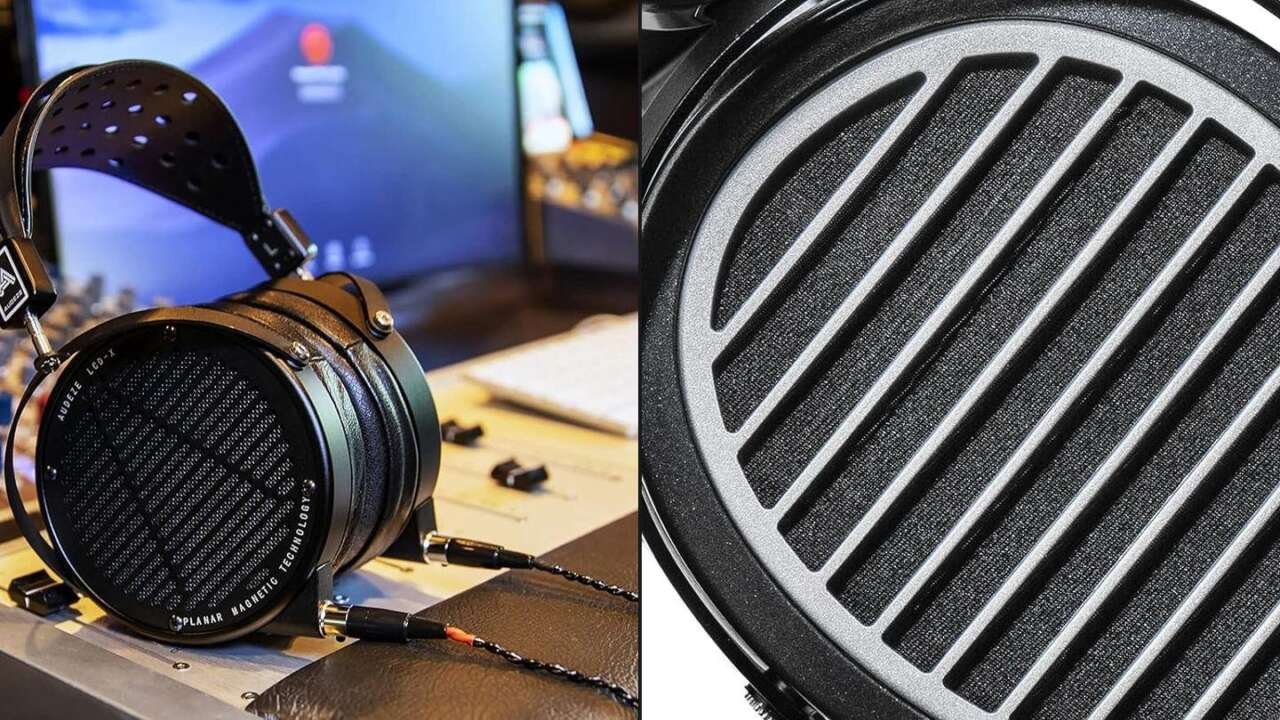
Open-back planar magnetic headphones promise one thing above all, a soundstage that feels wider than the cups sitting on your ears. Two of them sit at opposite ends of the money. One is a $1,199 studio reference that engineers mix records on. The other sells for $209, and it runs the same basic trick, a thin diaphragm driven across its whole surface by a magnet array.
So what does the extra $990 buy? The expensive headphone’s answer is build, unit-to-unit consistency, and a reference tuning that studios treat as a known quantity. The cheap one’s answer is that it borrowed its driver ideas from models far above it, kept the open planar layout, and dropped from a $499 regular price to $209. Both answers are real. They aren’t equal.
Five times the money. Nowhere near five times the headphone.
The expensive one is a studio tool first
Audeze introduced the LCD-X in 2013 and aimed it at work, not weekends. It’s engineered and handcrafted in the company’s Southern California facility, and every unit is tested and calibrated before it leaves. That last part is the unglamorous core of the price. A mixing engineer buying a reference headphone is buying the certainty that this pair measures like the last pair.
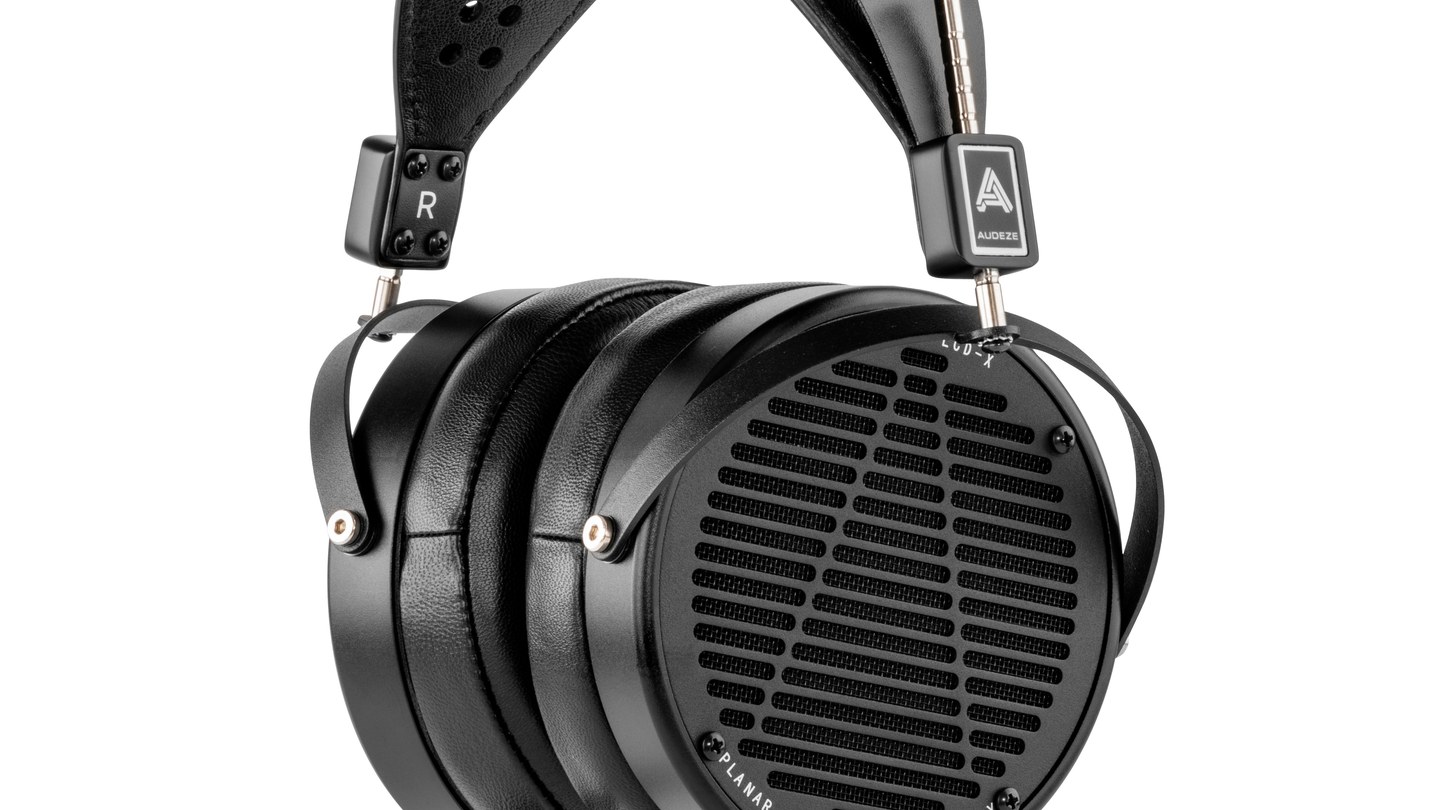
The driver is a 106mm planar magnetic unit with an ultra-thin Uniforce diaphragm and neodymium N50 magnets in a double-sided array. Fazor waveguide elements sit over the diaphragm and smooth the wavefront as it leaves the driver, which is how Audeze chases down the phase smear that big planar drivers can produce. The published response runs 10Hz to 50kHz, with distortion under 0.1% at 100 dB.
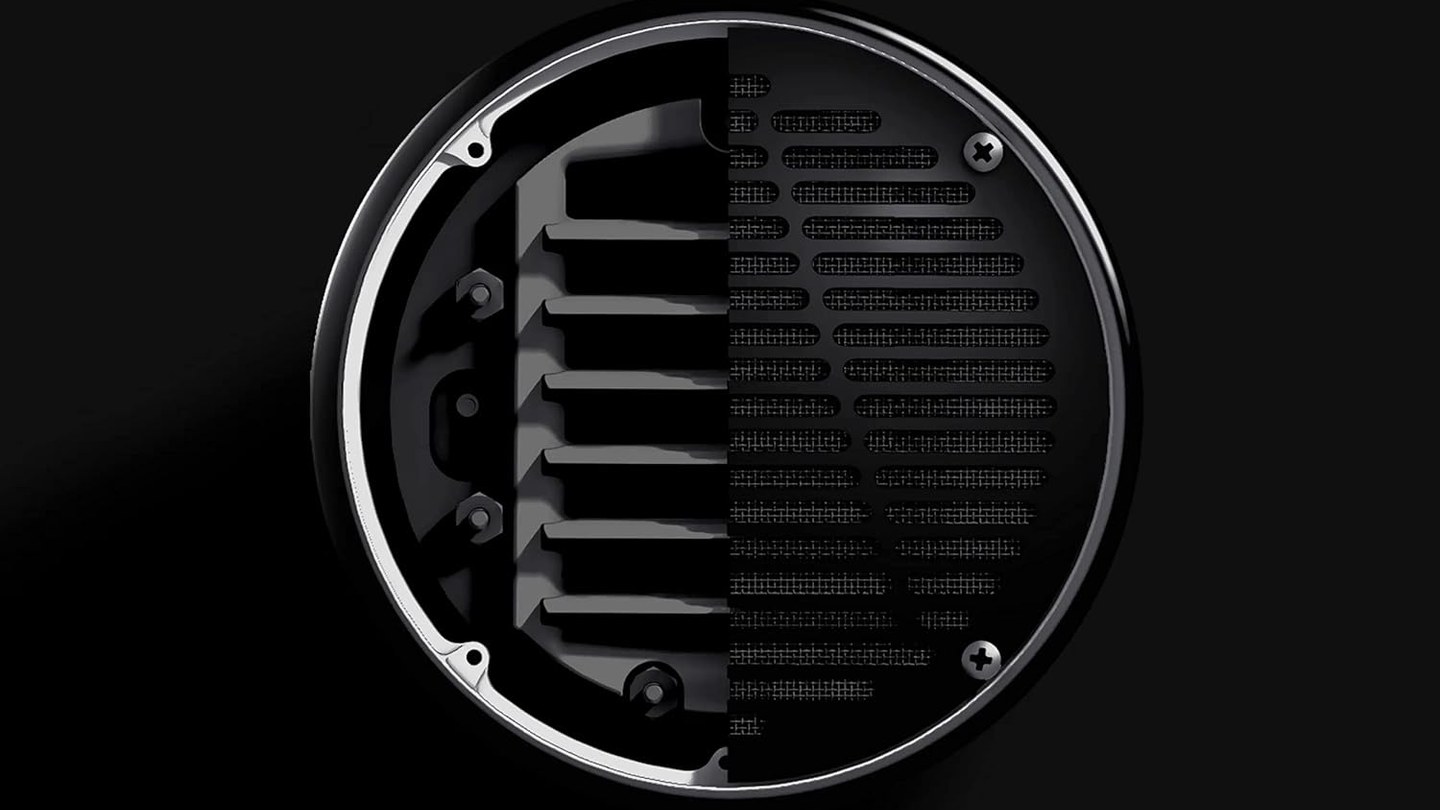
It’s also an easy load. Sensitivity is 103 dB from a single milliwatt at 20 ohms, so an audio interface, a console headphone jack, or a decent dongle drives it without drama. Audeze rates power handling at 5 watts, which is headroom no sane listener will ever use.
The weight tells the other half of the story. At 612 grams this is a desk headphone, built like one.
Audeze LCD-X Creator Package
106mm planar driver with Fazor elements · 20 ohms, 103 dB/1mW · Braided XLR combo cable and travel case in the box
Price: $1,199
Where to buy: Buy on Amazon
The Creator Package is the standard buy, and it’s a complete one. The box carries the braided OCC copper cable and the standard travel case, and the pads come in leather or a leather-free build at the same $1,199. There’s no cheaper configuration hiding underneath it.
The cheap one borrowed the flagship driver ideas
HiFiMAN built the Edition XS as an upgrade of its Edition X, and the spec sheet reads like a flagship’s hand-me-downs. Stealth Magnets are shaped so the sound waves pass through the magnet structure without the interference a conventional magnet array creates. The NEO supernano diaphragm is 75% thinner than the company’s previous designs, which buys speed and detail on paper.
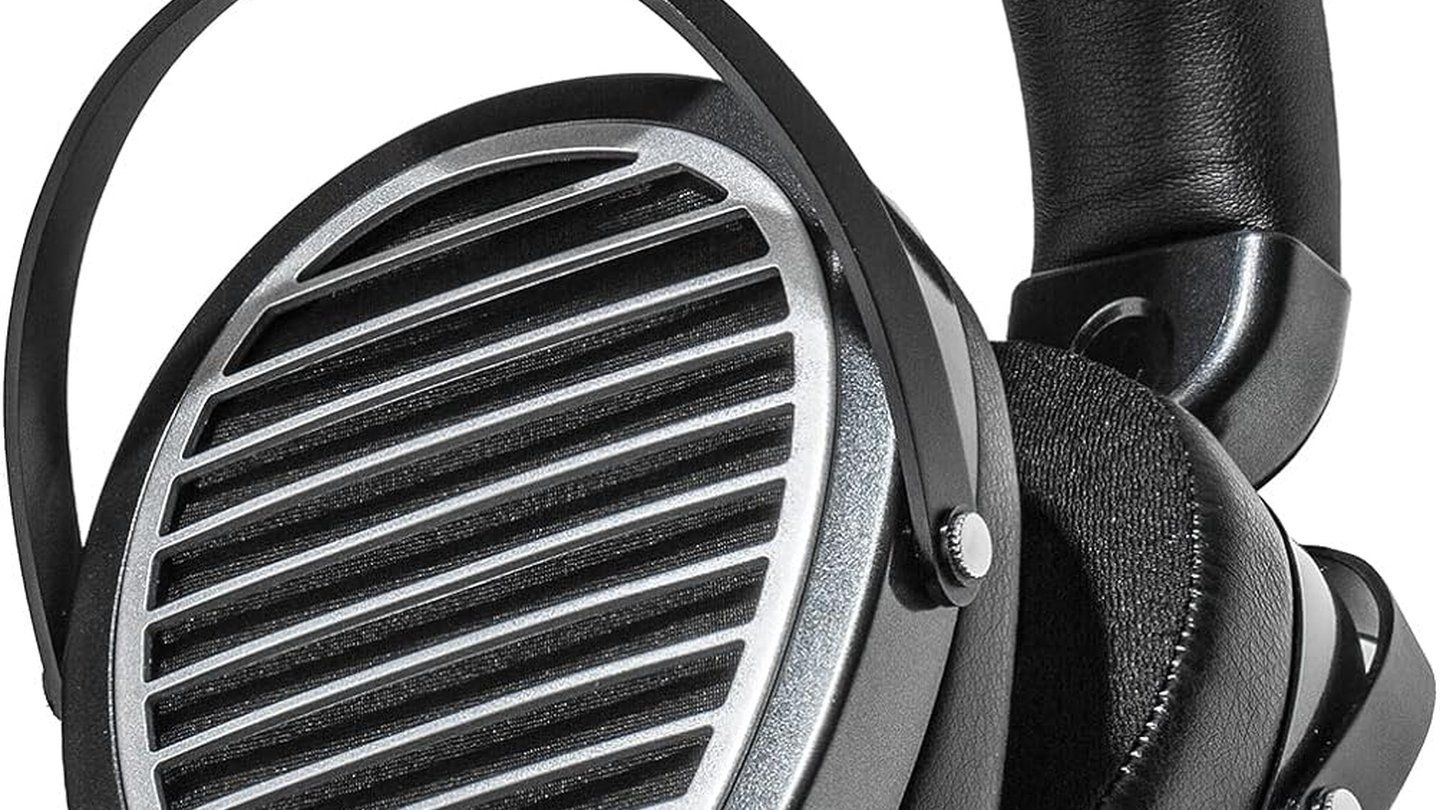
The numbers run 8Hz to 50kHz, 18 ohms, and 92 dB of sensitivity. That last figure is the one gap the spec sheet can’t hide. The XS needs real power behind it where the LCD-X coasts, so a phone’s headphone jack is not the pairing HiFiMAN had in mind. A desktop amp or a strong dongle is part of the true price.
Comfort flips the comparison. The XS weighs 405 grams, a full 207 grams less, carried on a padded headband with memory foam inside a matte black shell. Long sessions favor the cheap headphone, and it is not close.
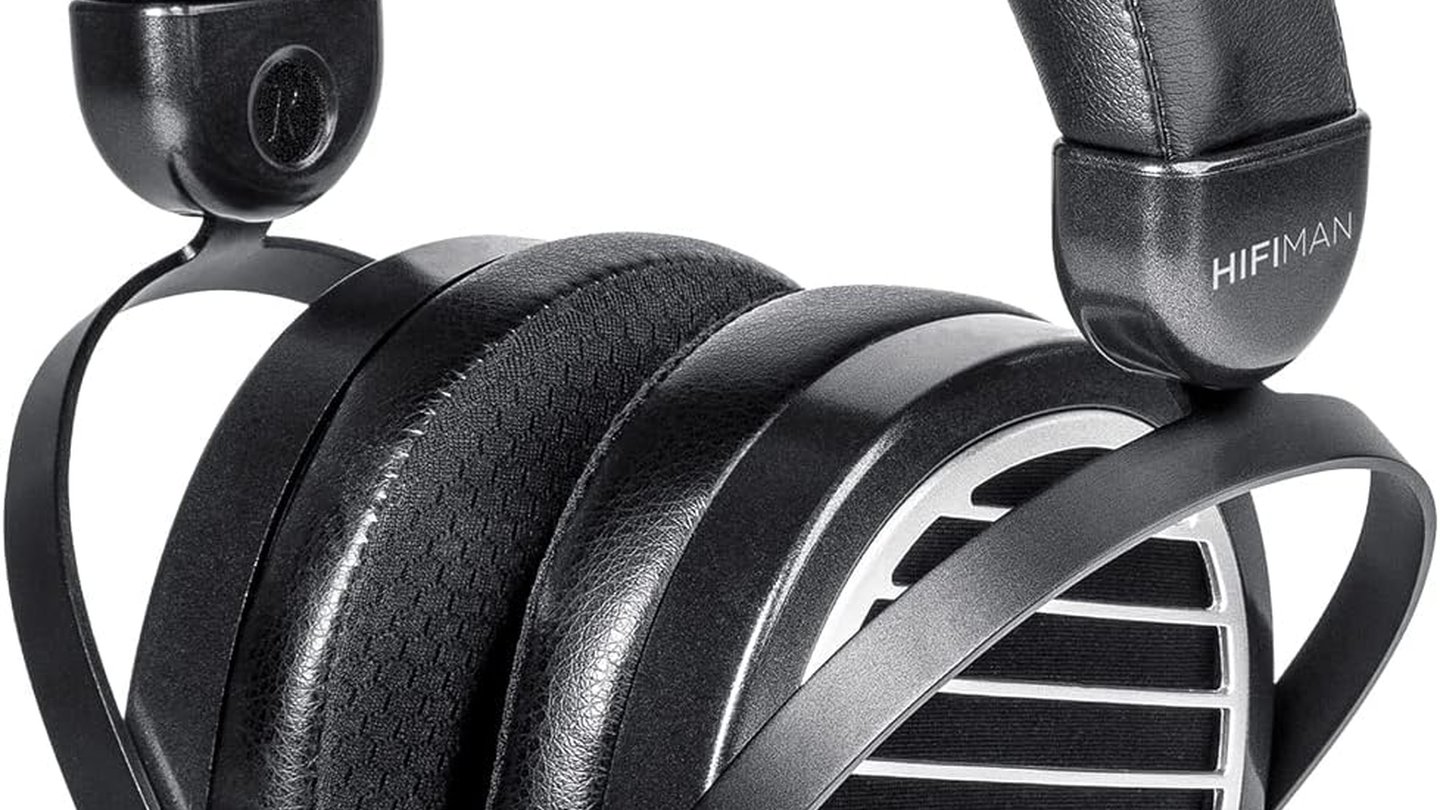
Nothing about the frame feels like $1,199 hardware. It isn’t supposed to.
HiFiMAN Edition XS
Stealth Magnet planar driver · NEO supernano diaphragm · 405 grams
Price: $209 $499 (save $290, 58% off)
Where to buy: Buy on Amazon
Ownership runs simple in the other direction. The supplied cable is a standard 1.5m 3.5mm lead, user-changeable through the same sockets most audio gear uses, so a replacement costs pocket money and ships from anywhere. Pads and cables are wear items on every headphone ever made. On this one they’re cheap wear items.
Where the gap shows, and where it closes
| LCD-X | Edition XS | |
|---|---|---|
| Driver | 106mm planar magnetic, Uniforce diaphragm, Fazor elements | Planar magnetic, NEO supernano diaphragm, Stealth Magnets |
| Frequency response | 10Hz – 50kHz | 8Hz – 50kHz |
| Impedance | 20 ohms | 18 ohms |
| Sensitivity | 103 dB/1mW | 92 dB |
| Weight | 612 grams | 405 grams |
| Cable | Braided OCC 4-pin XLR combo with 1/4-inch adapter | 1.5m 3.5mm, detachable |
| Price | $1,199 | $209 |
Read down the table and the XS gives up remarkably little. It reaches lower on paper, matches the top end, and weighs a third less. What it doesn’t carry is the calibration record, the California build, or the decade of studio history that turned the Audeze into a reference other work gets judged against. Those are ownership qualities. They don’t show up in a frequency response chart.
The gap shows in the frame, the finish, and the support behind the product. It closes every time the music starts, because both headphones are doing the same fundamental thing with the same driver physics, and the cheaper one borrowed its magnet and diaphragm ideas from the top of its own maker’s line. That borrowing is why this pairing exists at all, and why the cheap headphone lands so far past its price.
Budget the pairing, too. The Audeze asks almost nothing of the source, so the interface already sitting on the desk finishes the system. The XS wants an amplifier with real output behind that 92 dB figure, and the amp is a second purchase the expensive headphone never asks for. The true gap narrows a little. It stays a gap.
The money buys certainty. The XS buys the experience itself.
So buy by job. If mixes, masters, or client work ride on the headphone, the LCD-X at $1,199 is the tool, and its price is a business cost. If the job is listening, the Edition XS at $209 is the pick, and the $990 left over covers the amp it wants plus a stack of records to feed it.
Five to one is a real gap. It just isn’t a five-to-one gap in what reaches your ears.