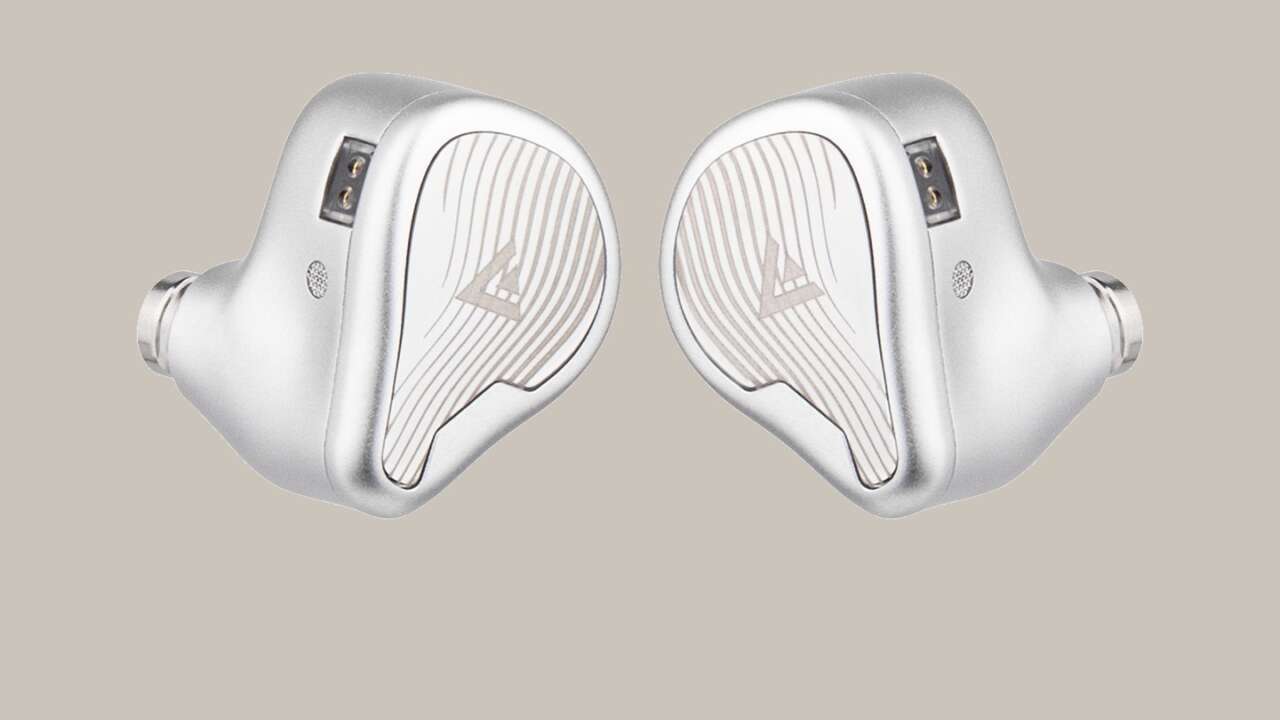
Six drivers in one earpiece sounds like a spec war. The Linsoul Avant splits the work instead. Two dynamic drivers do nothing but sub-bass, three balanced armatures split the mids and treble between them, and a MEMS driver, a speaker etched out of silicon, rides on top.
Each technology takes the slice of the spectrum it’s quickest or strongest at, then stays out of the rest.
The dynamic pair never touches a vocal line, and the armatures never wrestle a kick drum. The silicon chip only has to be fast at the very top, where ordinary drivers run out of speed and start to smear. That’s the tribrid bet, and the Avant is the first flagship to carry Linsoul’s own name.
Linsoul Avant
Six drivers per side: two dynamic subwoofers, three balanced armatures, one MEMS chip · 12Ω and 104dB, runs loud off a phone dongle · Modular cable with swappable 3.5mm and 4.4mm plugs
Price: $369.00
Where to buy: Buy on Amazon
Why the store put its own name on this one
Linsoul has run the West’s Chi-Fi storefront since 2016. ThieAudio, Kiwi Ears and ZiiGaat all reached American ears through its shop, and the catalogue now runs to hundreds of models.
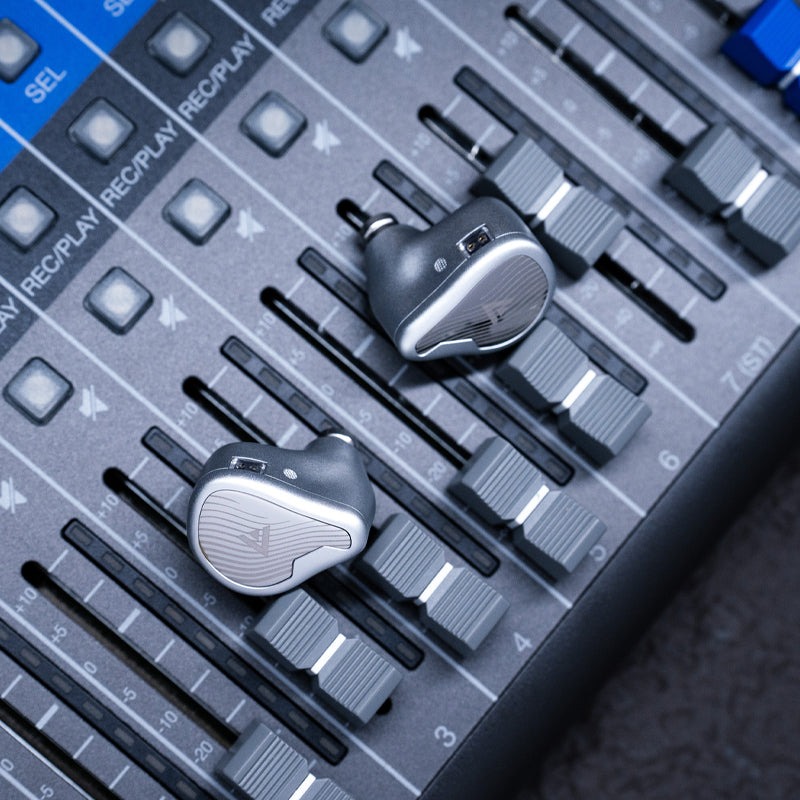
Almost none of them said Linsoul on the shell.
The Avant does, in an etched wave pattern across an aluminium-alloy faceplate, and the company calls it its flagship. A store that has watched a decade of returns, reviews and rival launches knows exactly where the gaps in its own catalogue sit. This is the earphone it built to fill one.
Two woofers, assigned to the bottom and nothing else
The low end comes from two custom 10mm dynamic drivers with PET diaphragms, facing each other in what Linsoul calls a dome-to-dome constant-pressure configuration. Speaker builders know it as isobaric: two drivers share one chamber and move air as a pair, buying deep extension from less space than a single driver needs.
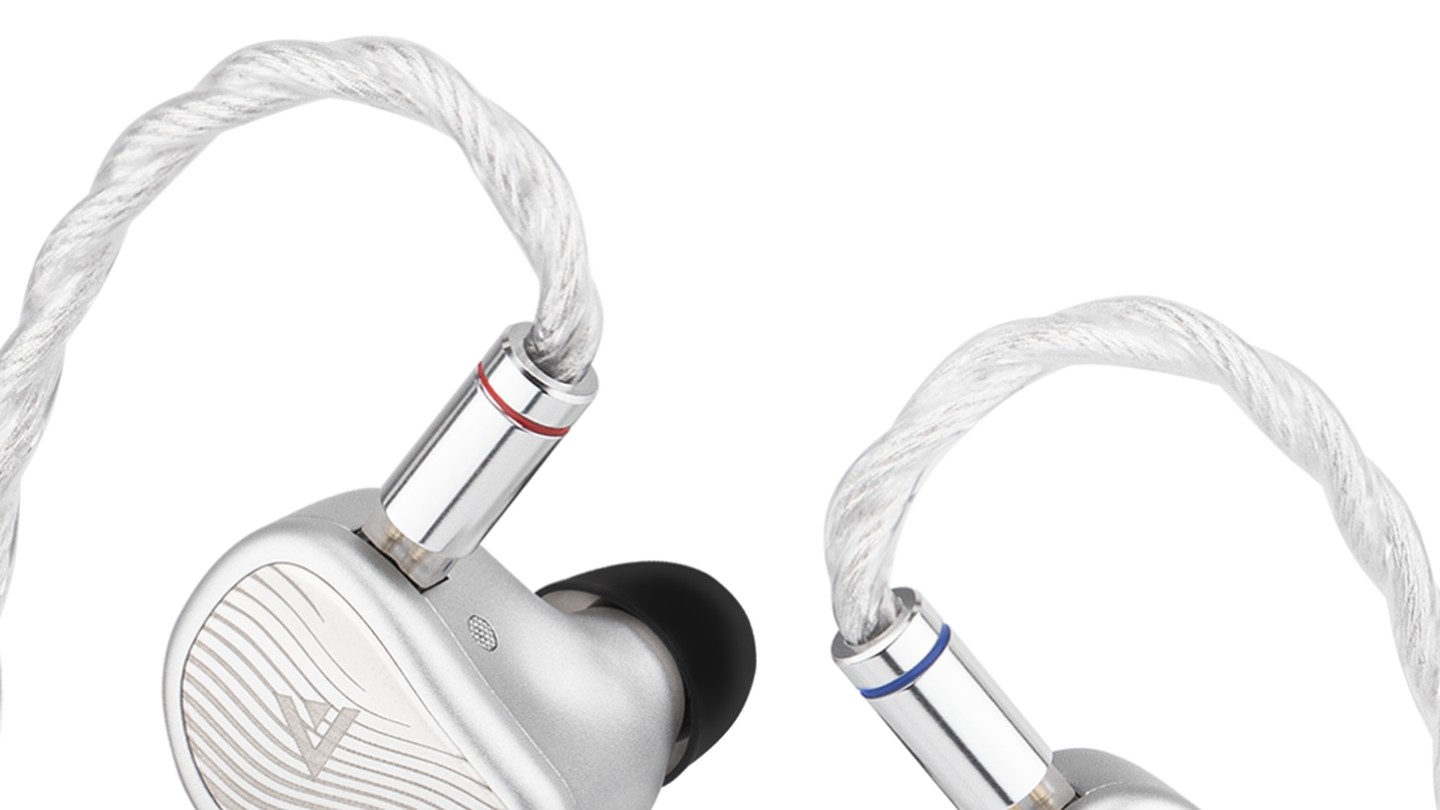
Linsoul gives the pair one job. They’re tuned as subwoofers, carrying a claimed 9dB shelf focused between 20Hz and 200Hz, and above 200Hz they’re done.
Dynamic drivers move real air, which is why bass from a good one lands with weight a balanced armature can’t match. Keeping them off everything above the bass also keeps them off the vocals.
A speaker etched out of silicon
MEMS stands for micro-electro-mechanical systems. Instead of a coil, a magnet and a diaphragm assembled by hand, a MEMS driver is fabricated the way chips are, solid-state on silicon. It responds almost instantly, and every unit comes off the line nearly identical.
Early MEMS earphones carried a catch. The drivers wanted a dedicated bias supply, an extra amplifier stage in the chain between your phone and your ears. Linsoul’s version runs at the same standard voltages as the five drivers beside it, so it sits in a normal crossover, on a normal cable, with no extra box. That difference decides whether a MEMS earphone works with the phones and dongles people own, or asks them to buy a new chain.
Its assignment is the top octave, where it extends the treble past the point a conventional tweeter gives up.
Three armatures hold the middle
The mids belong to two full-sized custom armatures, Linsoul’s 653011 pair, voiced for vocal presence without a hard edge. Linsoul kept the band between 200Hz and 1kHz within a 1dB delta, which is a flat line where voices and most instruments actually live. A deliberate peak sits at 3kHz, the region that decides whether a singer feels present or buried.
Above them, a Knowles 33518 armature handles the treble with the MEMS driver extending the range above it. Linsoul tuned that top end smooth, with a gradual decay rather than a sparkle spike, aiming for air without fatigue.
| Configuration | Tribrid, six drivers per side (2DD + 3BA + 1MEMS) |
| Dynamic drivers | Two custom 10mm PET, dome-to-dome constant-pressure pair, sub-bass duty only |
| Balanced armatures | Two custom 653011 for the mids, one Knowles 33518 for the treble |
| MEMS driver | Solid-state silicon, standard-voltage drive, covers the top octave |
| Impedance | 12Ω @ 1kHz |
| Sensitivity | 104dB @ 1kHz |
| THD | ≤0.5% |
| Cable | Detachable 2-pin 0.78mm, modular 3.5mm and 4.4mm plugs |
What the first review heard
We haven’t heard the Avant, and this piece won’t pretend otherwise. Headfonics ran the first full review and scored it 8.5 out of 10, with sound at 8.6. In that review’s listening, the sub-bass runs deep and stays controlled, authoritative without masking the mids, and the midrange keeps a natural timbre.
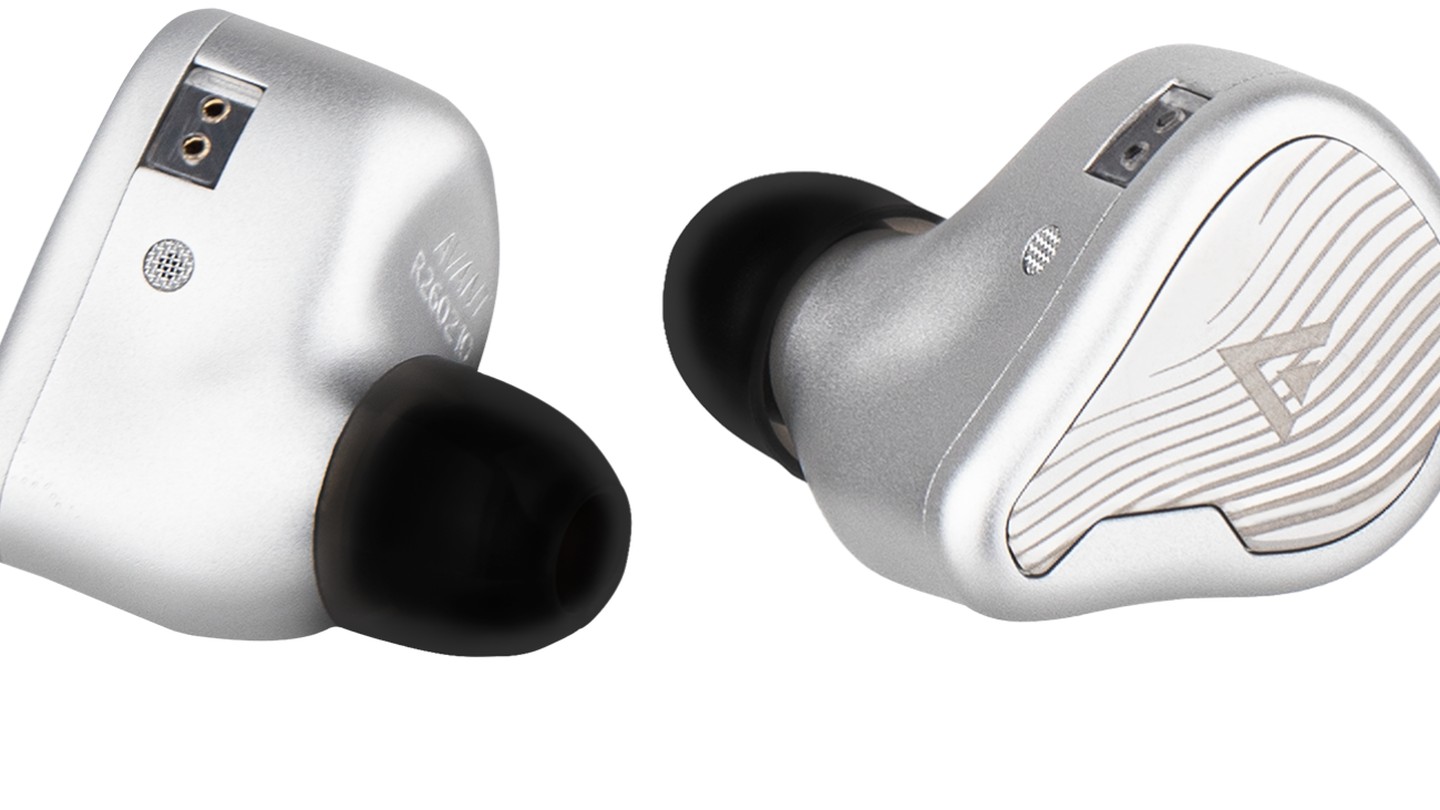
The treble read airy, with a lift around 10kHz and no sibilance on the tracks tested. The stage came across wide and tall for an in-ear, with layering that let backing parts sit behind the lead instead of crowding it. Comfort and isolation scored 8.3.
The debits are specific. The shells are big, small protrusions can touch the outer ear, and the long nozzle bothered the reviewer during longer sessions.
There’s no tuning switch anywhere on the shells, so the seven tip pairs in the box are the whole tuning kit, and the review found the sound changes a lot with the tip you pick.
Against the sets it has to beat
The awkward rival is in-house. Kiwi Ears is a Linsoul house brand, and its Astral costs $299; per the Headfonics comparisons, the Avant runs warmer and heavier than the Astral. Against the Binary EP321 at $429, the Avant gives up some technical edge. Against the AFUL Performer 8S at $279, it’s the richer listen.
That spread tells you the Avant’s lane.
It isn’t chasing the last gram of detail at the top of the $300s, and it isn’t a neutral studio tool. It’s the warm one with the subwoofer.
Easy to drive, picky about what drives it
At 12 ohms and 104dB of sensitivity, the Avant gets loud off almost anything, a phone dongle included. Sensitivity cuts both ways, though. An earphone this efficient will show you the hiss floor of a noisy laptop jack or a cheap adapter, where a harder-to-drive set would hide it.
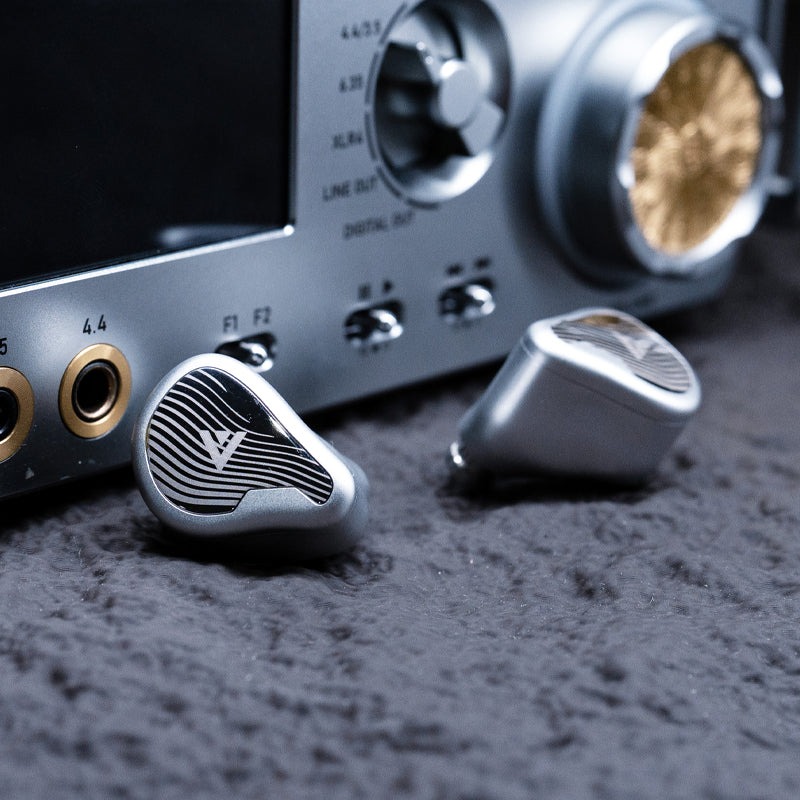
Budget for a clean source. It doesn’t need power, it needs quiet.
In the box
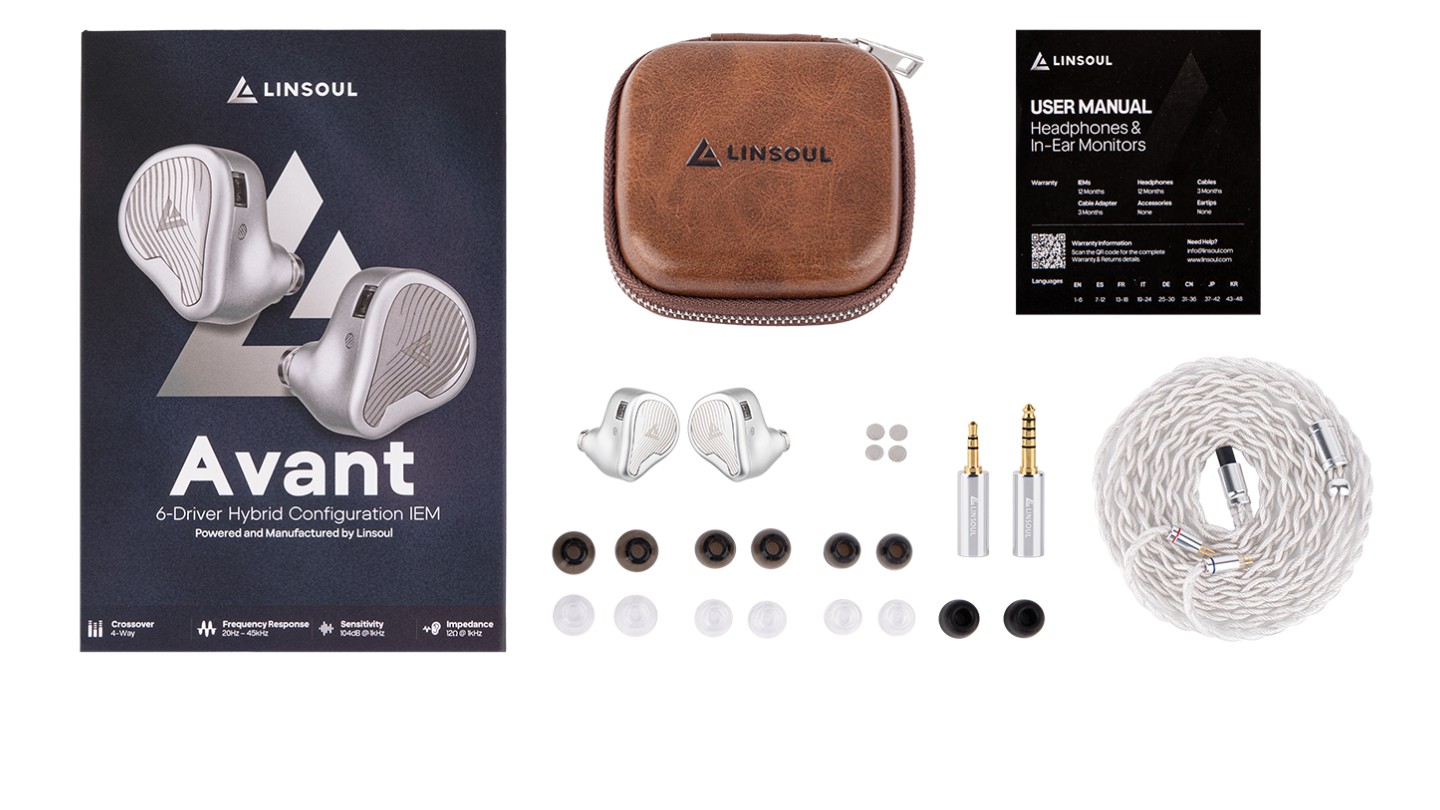
The box carries a leather carrying case, seven pairs of ear tips in two styles, two spare nozzle grills and a manual.
The cable is a four-core copper design on a detachable 0.78mm two-pin connection, and its plug swaps between 3.5mm and 4.4mm ends. Headfonics rated the stock cable below the standard of the shells themselves, so treat an upgrade cable as a likely second purchase.
Who it’s for, and who should pass
The Avant makes sense if you want warmth with real sub-bass underneath it, and if you’ll spend an evening tip-rolling to dial the fit. Pass if your ears run small, since the review’s comfort notes all trace back to shell size and that long nozzle. Pass, too, if you want tuning switches to fiddle with. There aren’t any.
Linsoul Avant
Six drivers per side: two dynamic subwoofers, three balanced armatures, one MEMS chip · 12Ω and 104dB, runs loud off a phone dongle · Modular cable with swappable 3.5mm and 4.4mm plugs
Price: $369.00
Where to buy: Buy on Amazon
At $369 on Amazon it isn’t cheap, and Linsoul’s own store is running it at $313.65 under an anniversary promotion while that lasts. Either way, the interesting part isn’t the discount. A retailer spent ten years learning what sells, what breaks and what comes back, then built its answer with six drivers and a chip for a tweeter. The first review says the answer mostly works.