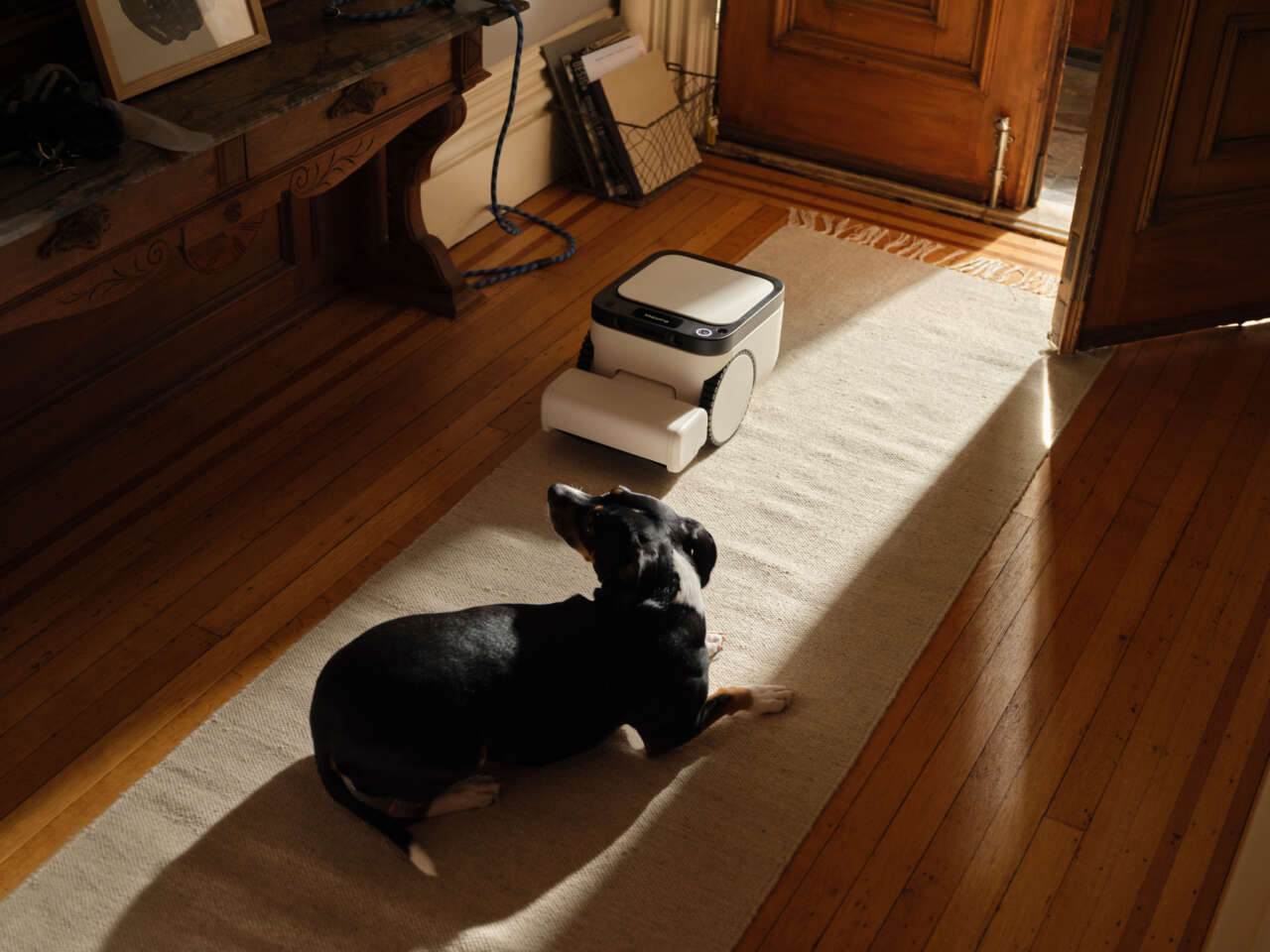
Matic’s robot vacuum has a clearer path through the FCC’s new restrictions. In an October 2 public notice, the agency announced a conditional exemption for Matic’s Robotic Floor Cleaner Model 4MA0001 and Charging Dock Model 4DK0008.
That’s welcome news for shoppers who want to keep their options open. It also shows the exemption process working for a home-cleaning robot after the FCC added foreign-produced advanced robotic devices to its Covered List in July.
The quick version
- Two named Matic models are covered.
- It has no scheduled expiration, but Matic must continue meeting its conditions.
- Previously authorized robot vacuums can still be imported, sold and used under the July action.
- This decision doesn’t automatically clear other brands or every future model from the company.
Matic’s submission went to the Department of War, which granted conditional approval. Then the FCC excluded the named equipment from its Covered List, removing that obstacle to equipment authorization.
Approval can remain effective indefinitely if the company follows the onshoring plan in its application and its products undergo updated vetting. Failure to follow the plan, or a false statement or misrepresentation in the application, could cause the exemption to be withdrawn.
The list of conditionally approved robotic devices included with the October 2 notice also names specific Husqvarna and ANSCER platforms. Its entry names one floor cleaner and one dock. No extension to unnamed Matic models appears in the notice.
Why US assembly doesn’t settle the question
Matic says it designs and assembles its robot in Mountain View, California, using components sourced around the world.
Foreign-produced, in the FCC’s definition, looks beyond a company’s headquarters or final assembly location. According to its robotics FAQ, the domestic-product test requires US manufacture and domestic components costing more than 65% of the component total for products delivered from 2024 through 2028.
US assembly alone therefore doesn’t settle a robot’s status. Matic’s public product page doesn’t give its domestic-component percentage, and the new notice doesn’t disclose the details of its onshoring plan.
The hardware named in the notice
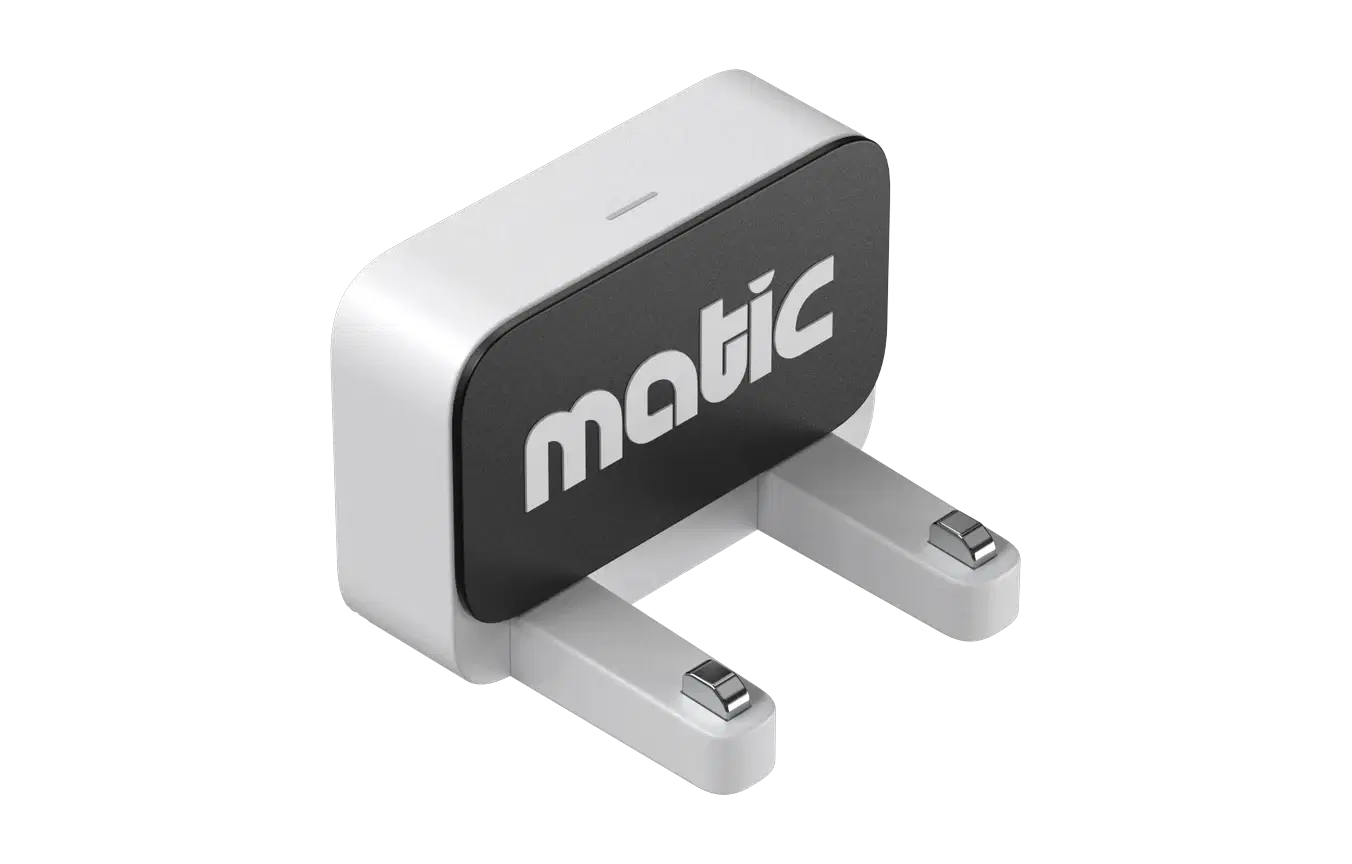
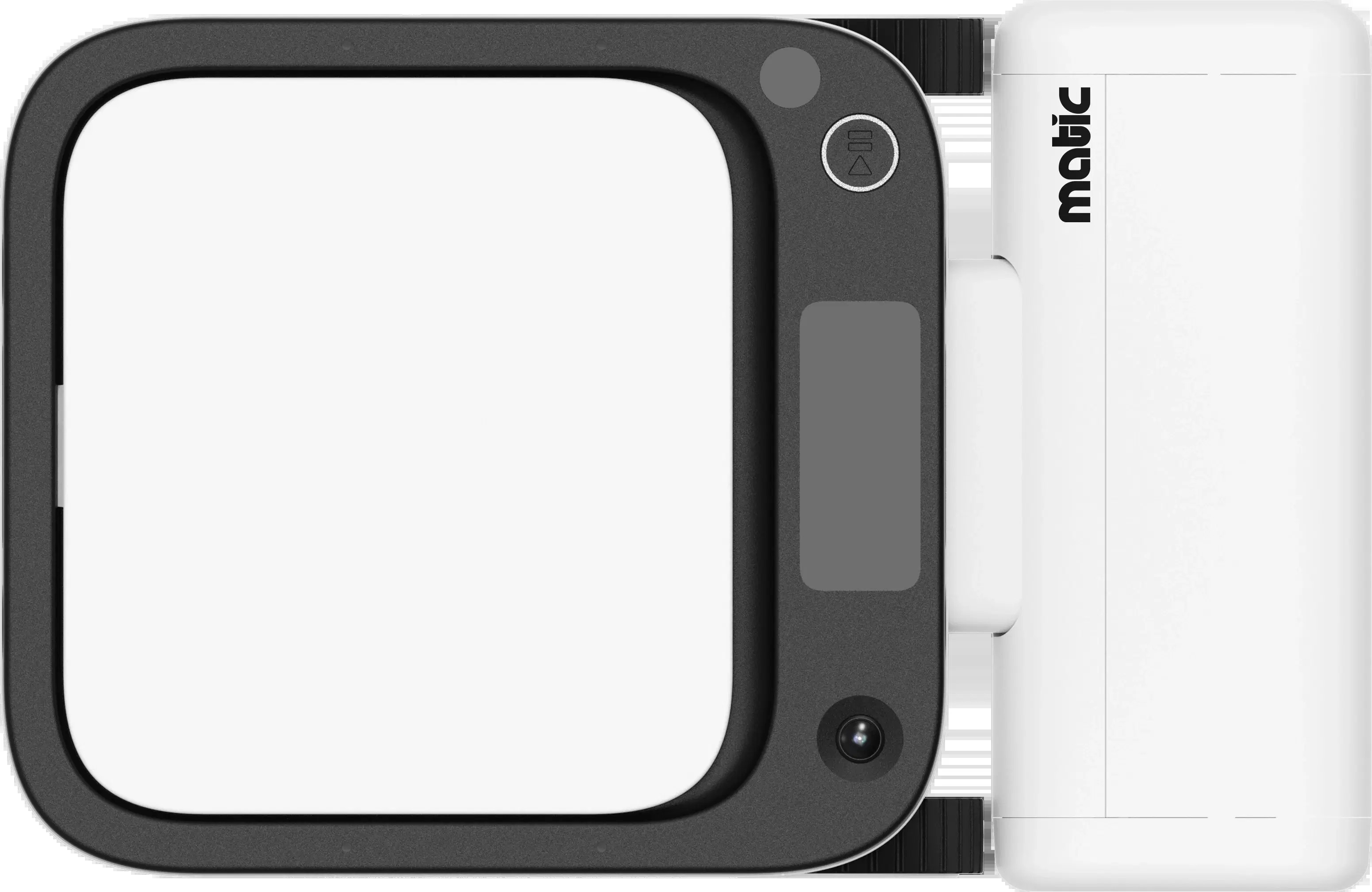
Model 4MA0001 is the company’s floor-cleaning robot, and 4DK0008 is its charging dock. Five RGB-IR cameras handle navigation instead of a LiDAR turret, and an onboard Nvidia processor builds the map on the robot itself. Maps and camera feeds stay on the device by default, with nothing uploaded to a cloud server. One unit vacuums and mops, and the mop roll wrings itself out as it goes. Maker figures put runtime at up to 2.5 hours vacuuming and 3 hours mopping, at about 55 dB. Dimensions run 11 inches long, 9.4 wide and 7.8 tall, with a separate low cleaning head that reaches under furniture.
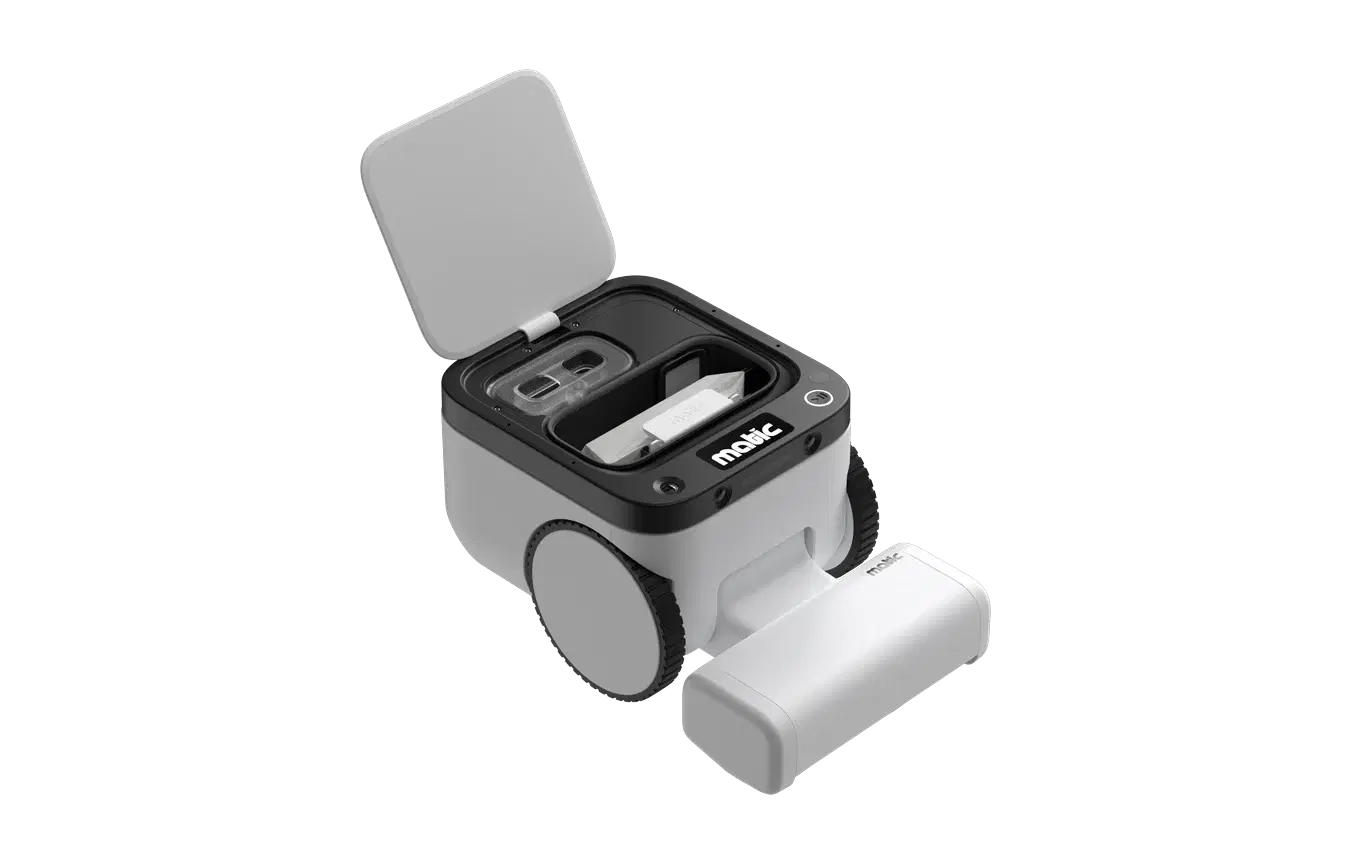
Founders Navneet Dalal and Mehul Nariyawala came out of Google and Nest camera work before starting the company. Pricing sits at $1,495 direct, US shipping only for now. On-device processing sits at the center of the filing too. A robot that keeps its maps at home still had to clear the Covered List because component origin, not final assembly, drives the FCC’s test, and conditional approval holds only while the onshoring plan and the vetting stay in place.
What this means for the vacuum you own
You can keep using a lawfully purchased, previously authorized robot vacuum. July’s Covered List action also allows continued importation, marketing and sale of existing models that already have equipment authorization, according to the FCC.
Primarily, the restriction affects new covered models seeking the authorization needed to enter the US market. Our earlier look at the FCC’s robot-vacuum rules explains how the authorization process affects new models.
For shoppers, the useful check is the exact model’s US authorization. A familiar brand name, a US headquarters or an overseas listing won’t answer that question by itself. An FCC ID is what the FCC points buyers to, or, where applicable, the supplier’s declaration-of-conformity information.
Matic’s exemption is a positive development because it shows a route through the restrictions for a household robot. Broader rules remain in place, but the October 2 decision gives these two models a specific, conditional way forward.