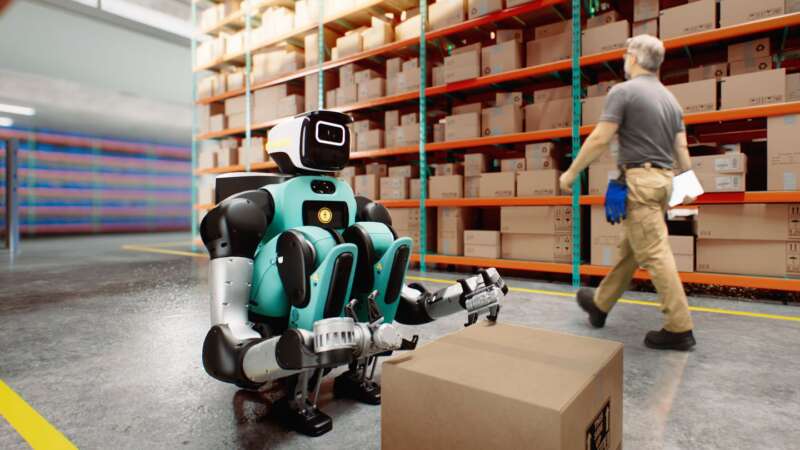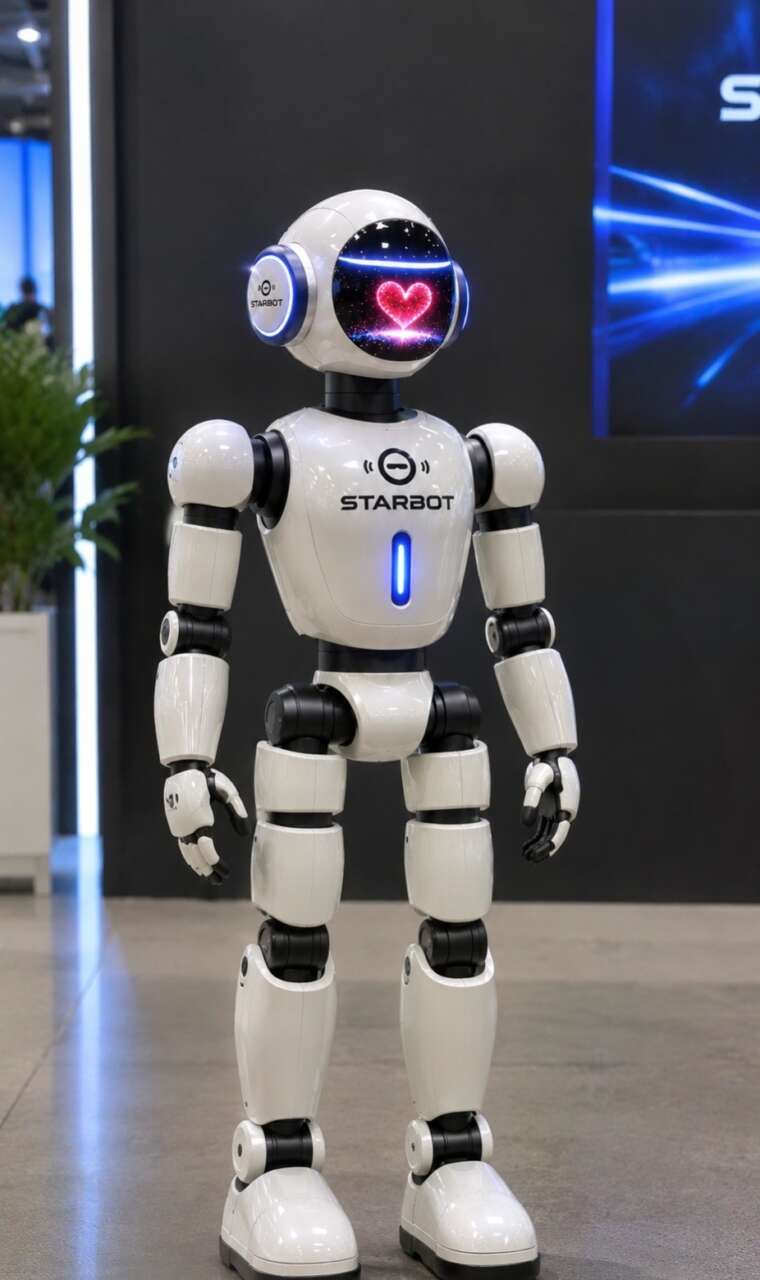
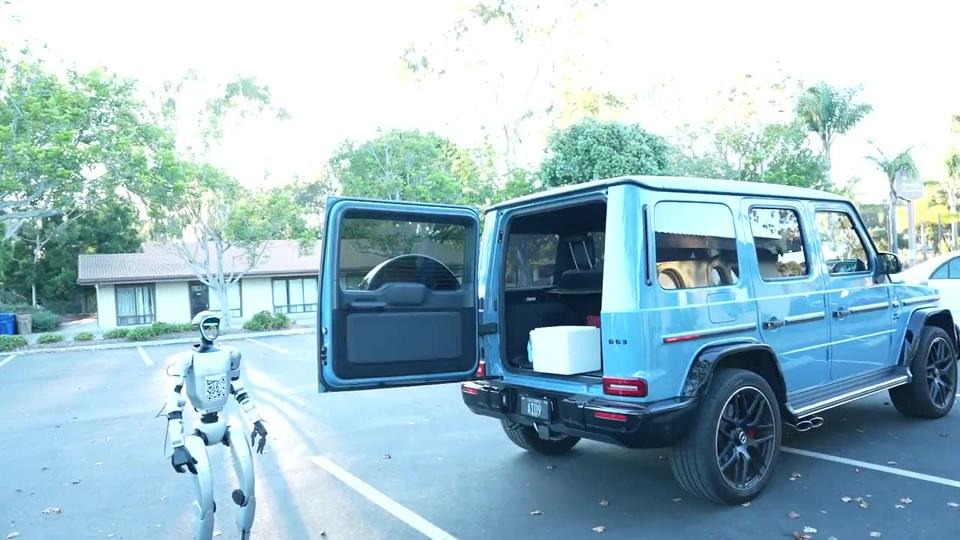
Spark is a humanoid robot that stands about three feet tall, weighs 35 pounds, and moves on 22 degrees of freedom, and it comes from StarBot Robotics in Santa Barbara, California. It’s built for classrooms, school robotics programs, and developers who want a real bipedal platform in front of them instead of a simulation on a screen.
Humanoid robots have been research-lab hardware at research-lab prices, and Spark is StarBot’s attempt to put one inside a school budget or a serious hobbyist’s reach. The standard price starts at $7,999, and the first 100 confirmed orders start at $5,999.
Price: From $7,999 (reserve with a $200 deposit)
Where to buy: StarBot
Built for classrooms and first projects
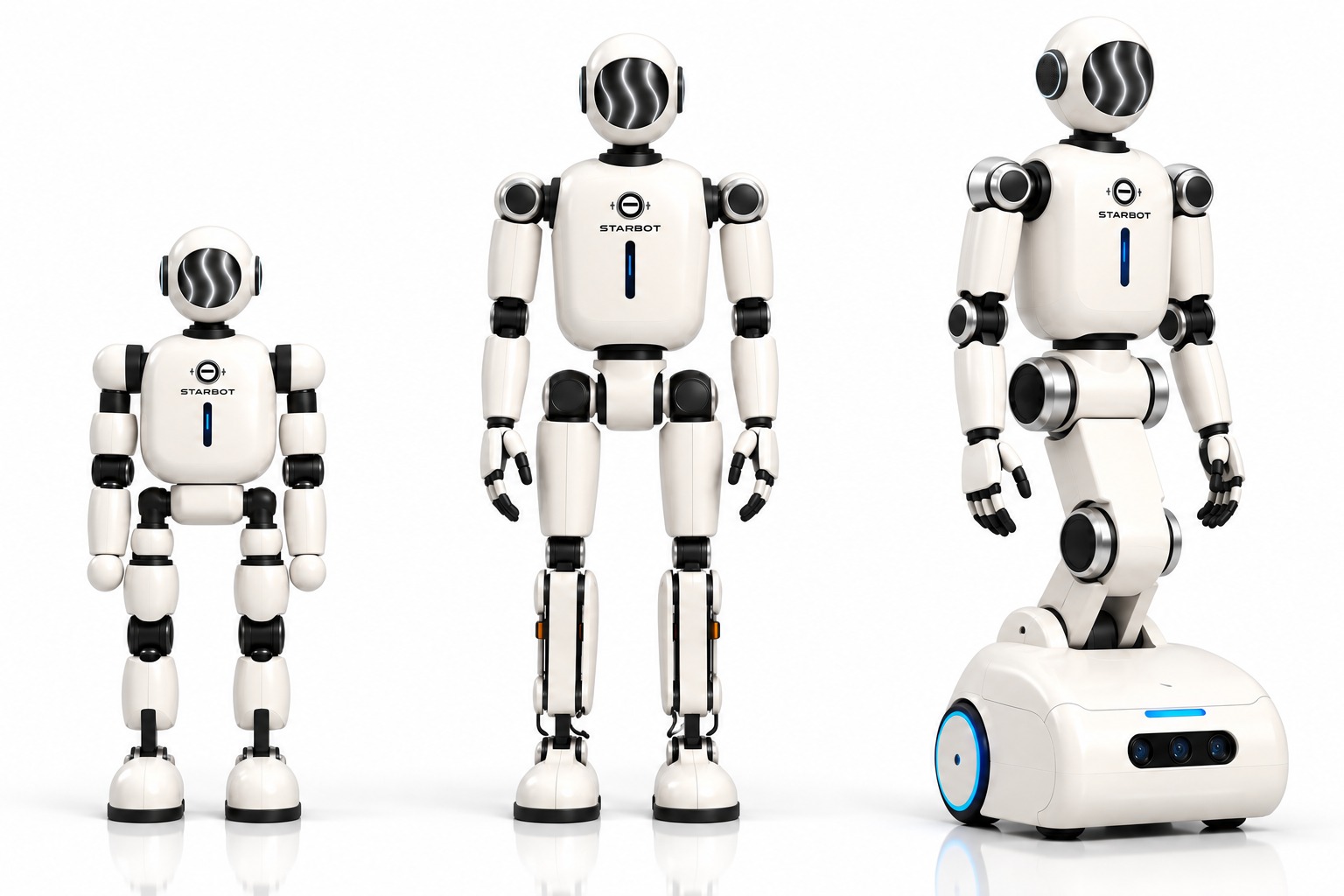
StarBot positions Spark as a teaching and development platform. Its own product page lists robotics education, programming practice, AI projects, and supervised research exploration, and the sizing fits the job: tall enough to read as a real humanoid, light enough at 35 pounds for a teacher to carry into a classroom and set down where students can work around it.
The company’s launch material widens the audience to families, talking about child companionship alongside youth robotics education. The developer angle is the strongest one, though. StarBot calls Spark an open-development platform, a machine meant to be programmed and extended rather than treated as a sealed appliance. Multiple colors are on the list, which says the company expects these robots to live in visible places, on classroom floors and family room corners, not in locked labs.
The hardware StarBot has actually published
The published specifications are short and plainly stated. About three feet tall, 35 pounds, 22 degrees of freedom across the full body, and a 24-volt battery rated for up to three hours of runtime, with a recharge of roughly 40 minutes. Over-the-air updates are part of the platform, so what Spark can do is supposed to grow after it arrives, through software rather than new hardware.
What StarBot hasn’t published yet is the layer developers will ask about first: the computer inside, the camera and sensor suite, and the software kit that ties into them. The detailed specification sheet on the company’s site describes its Nova service robot, not Spark, and it never gets borrowed here. Spark buyers deserve Spark numbers, and until those land, the development story rests on the company’s word and its track record.
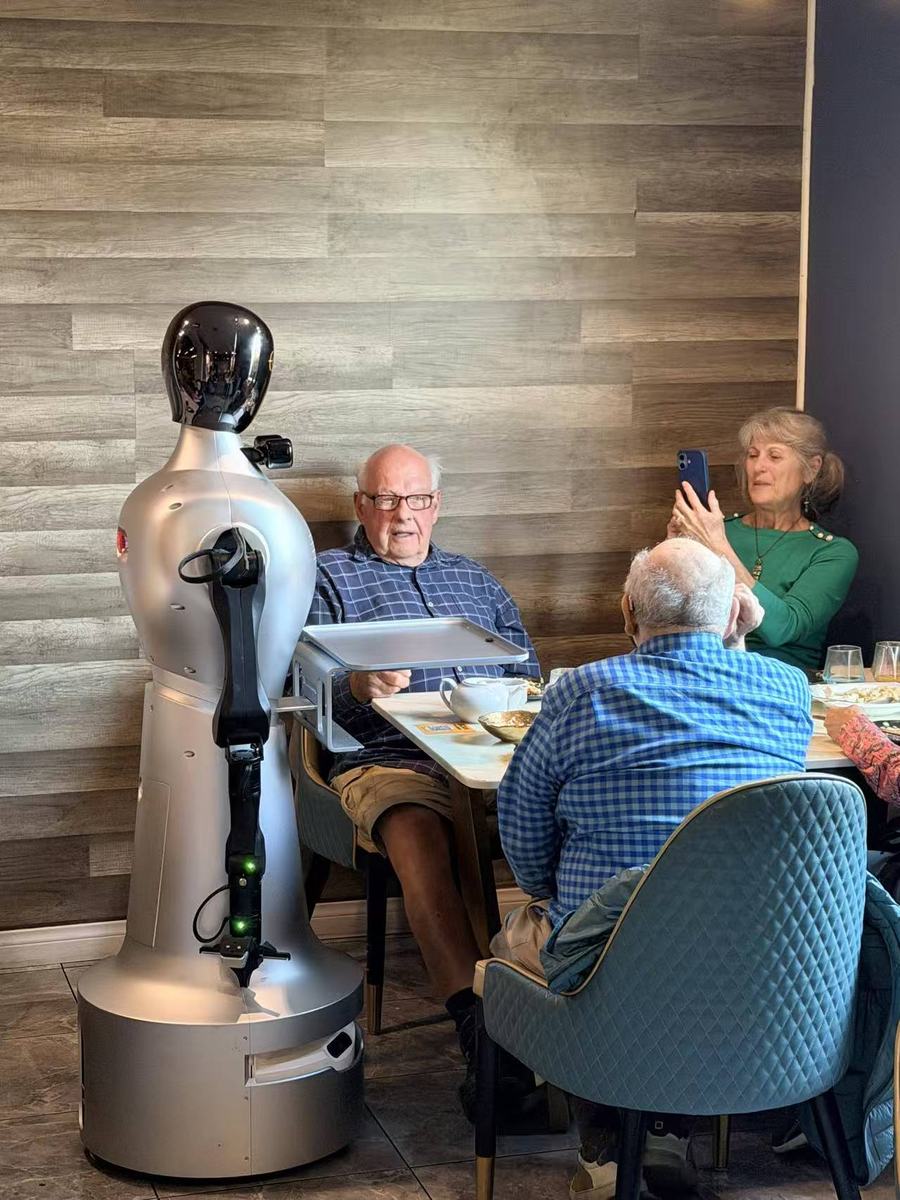
That track record is short but real. StarBot’s first robot, Nova, is a wheeled service machine that greets guests, takes orders, serves food, and handles checkout in restaurants, work the company says has put it in front of more than 20,000 people. Spark follows the same idea at a different scale: take a robot category that lives behind institutional budgets and rebuild it at a price and size an ordinary buyer can act on.
How the $7,999 price actually works
Nobody pays $7,999 today. Reservations are open at $200 per unit, and that deposit counts toward the final purchase price. StarBot confirms the configuration, the included capabilities, taxes, shipping, and the remaining balance before any order is finalized, and schools, universities, and research programs can request a project quotation instead of reserving unit by unit.
One gap deserves plain words: there’s no delivery date. StarBot’s own reservation terms describe its launch timing as planned rather than guaranteed, and the company publishes no ship window for Spark. A reservation buys a place in line and, for the first 100 confirmed orders, the $5,999 introductory price. It doesn’t buy a robot on a schedule, and anyone reserving should price that uncertainty in.
Where Spark lands against the field
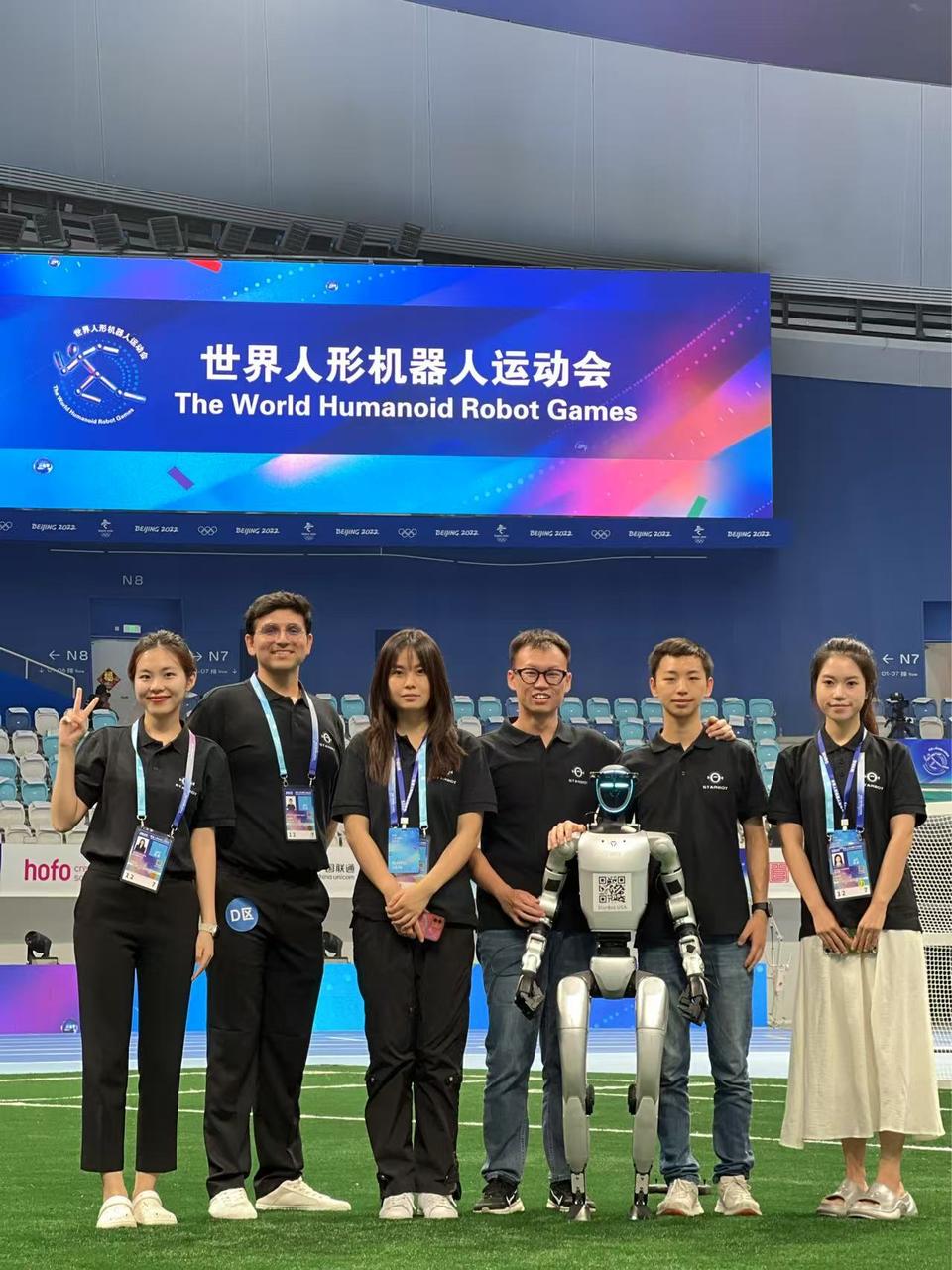
The obvious rival is Unitree. Its G1 humanoid starts at $13,500, so Spark undercuts it by more than $5,000 at the standard price and by far more at the introductory one. There’s a neat bit of history inside that comparison: StarBot’s own timeline says the company started its humanoid work in early 2025 on a Unitree G1 it bought as its research platform, then built its own machine for the buyers the G1 prices out.
StarBot also claims a first. The company says Spark is 100 percent manufactured in the United States, and it calls Spark North America’s first US-made developer humanoid robot in its size and price category. That’s StarBot’s claim, stated in its own launch material, and it’s the sharpest line between Spark and the Chinese-built machines it competes with. Buyers who care where a robot is built now have a domestic option to weigh.
Inside StarBot’s own line, the step up is Astra, a five-foot research humanoid with 23 degrees of freedom starting at $9,999, aimed at universities and R&D teams. Spark is the smaller, cheaper on-ramp to the same idea, built for learning and first projects rather than lab-grade research.
The reservation call
The trade is plain. For $200, a robotics program, a teacher, or a developer working on physical hardware gets a place in line for a US-built humanoid at $5,999 or $7,999, on a young platform whose deeper specifications are still being published. What that money doesn’t buy is a date: nothing in StarBot’s reservation terms promises when a Spark arrives, and nothing about the offer suits a buyer who wants a finished home companion.
Price: From $7,999 (reserve with a $200 deposit)
Where to buy: StarBot
If you need a research humanoid that ships on a known schedule today, the Unitree G1 at $13,500 is the safer buy at nearly twice the price. Spark is the cheaper machine, built in the US, for buyers who can afford to wait for it to arrive.