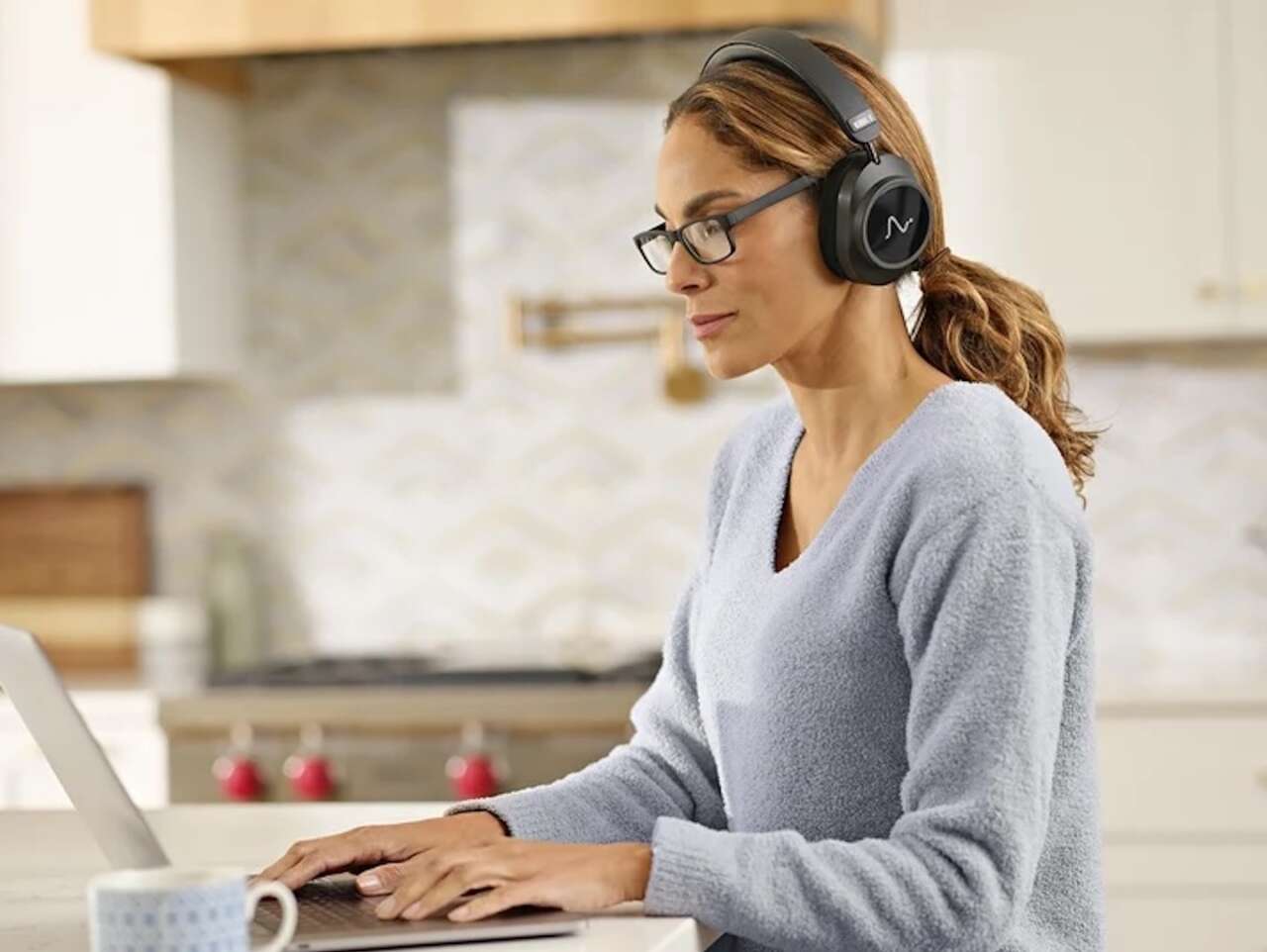
You can track your heart rate, sleep, steps, and workouts with everyday wearables, but knowing when your concentration is slipping still usually depends on noticing it yourself. Neurable thinks headphones can add another layer by measuring electrical brain activity while you work, study, or listen.
Price: $499.99
Where to Buy: Neurable
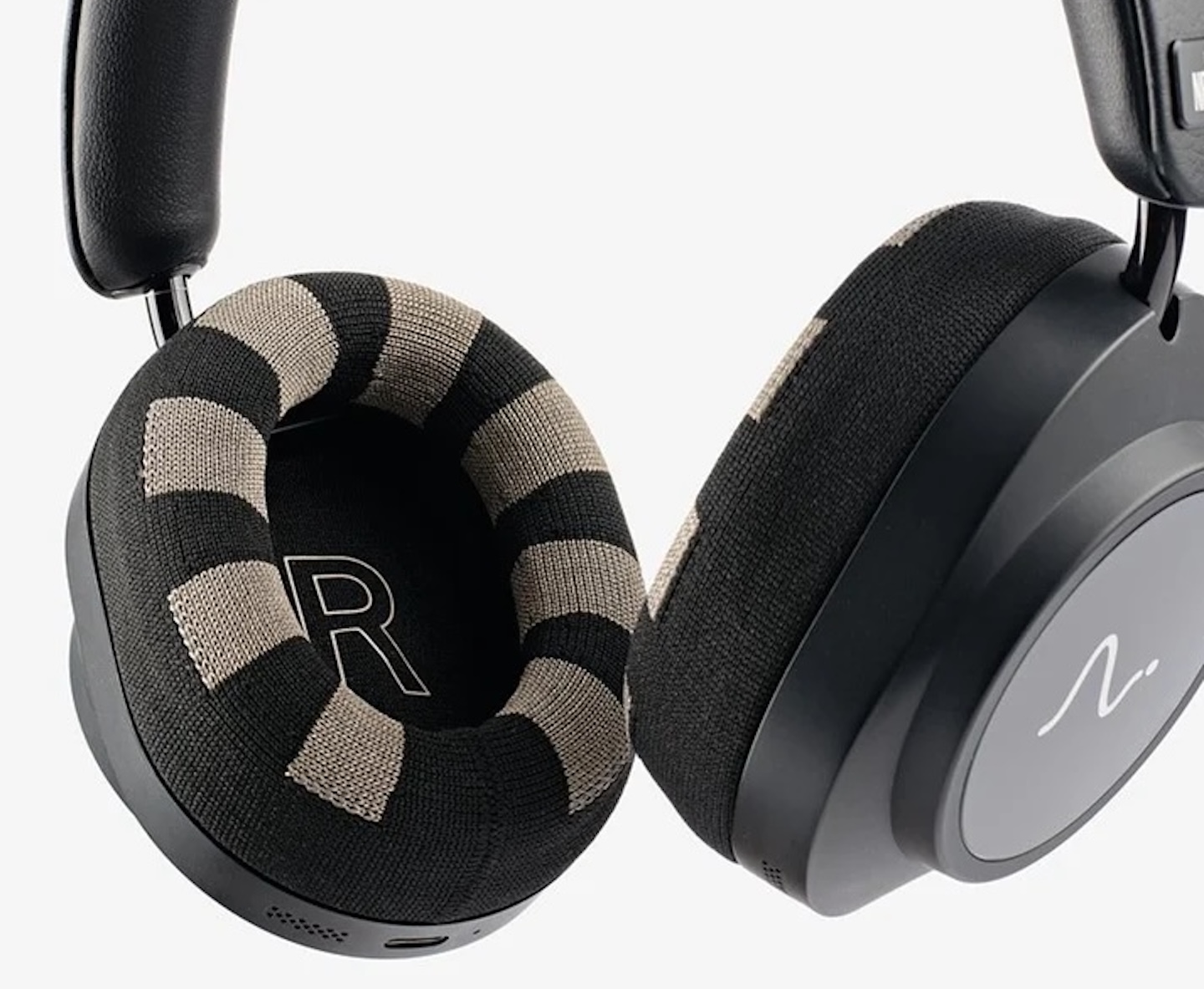
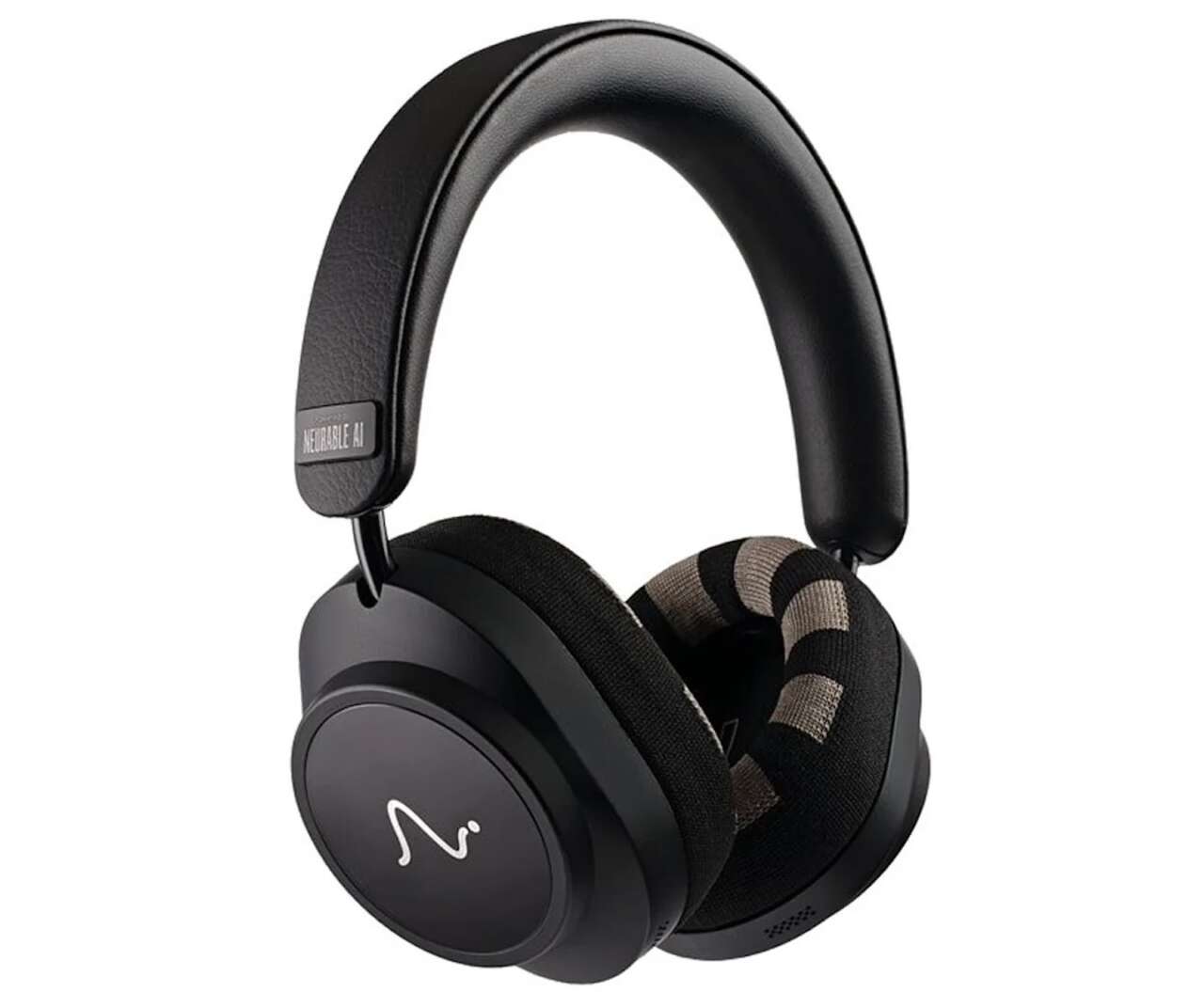
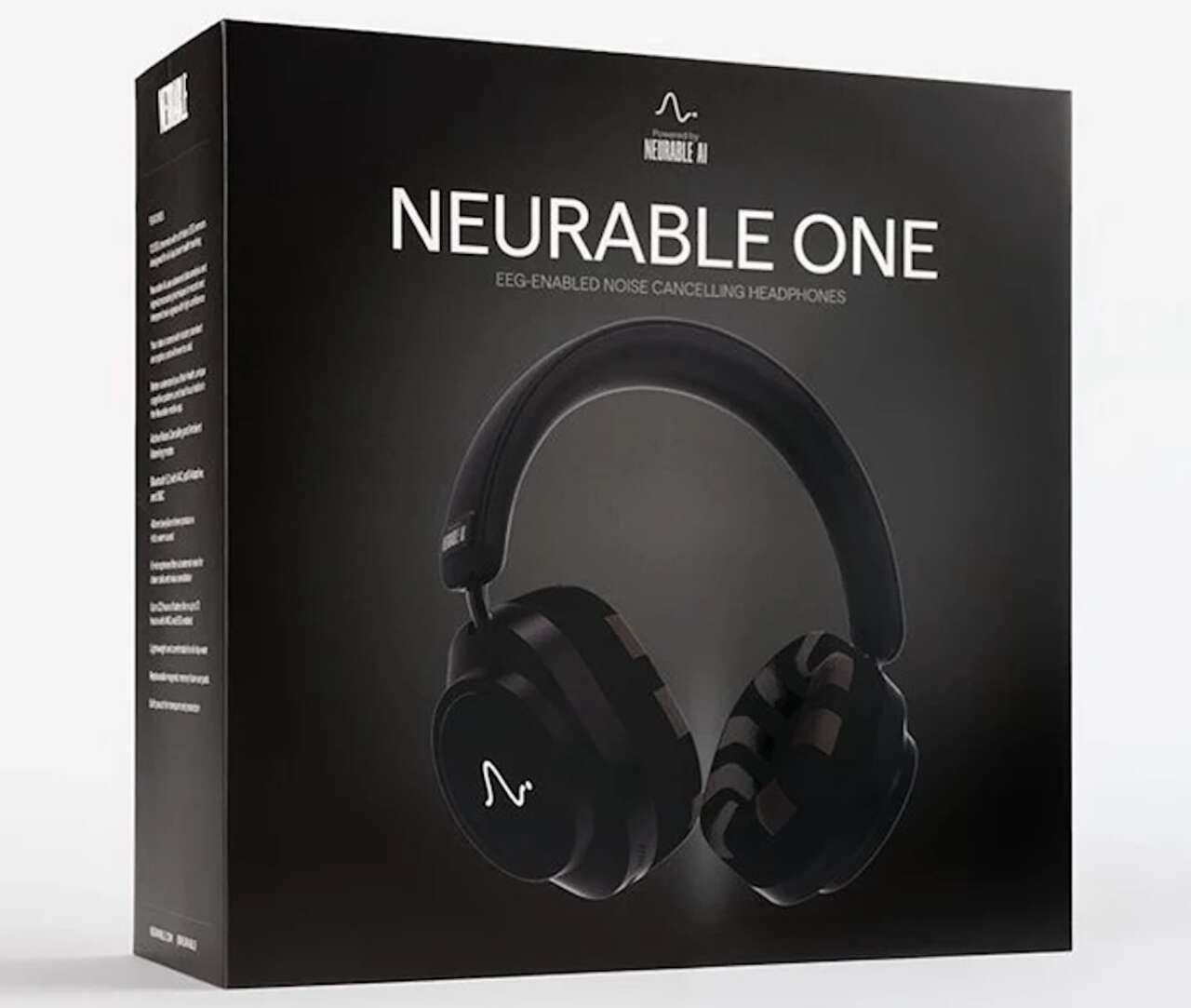
The new Neurable One looks like a pair of premium wireless headphones, but its earpads contain 12 EEG sensors designed to monitor brain activity. Neurable’s software turns those signals into cognitive and wellness metrics covering areas such as focus, mental load, sleepiness, stress, and what the company calls your Brain Battery.
The Neurable One costs $499 and is available to order in the US, but Neurable’s published shipping estimates differ; check the product page for the latest delivery window. The question is whether putting EEG sensing into something you might already wear for hours makes the extra cost worthwhile.
The EEG hardware disappears into the earpads
Traditional EEG testing often involves electrodes placed around the scalp, sometimes with conductive gel and dedicated lab equipment. Neurable is trying to make that process far less intrusive.
The Neurable One uses 12 EEG sensors woven into the nylon earpads. The patterned areas on the cushions contain the sensing hardware, allowing the headphones to collect electrical signals without requiring a conventional EEG cap.
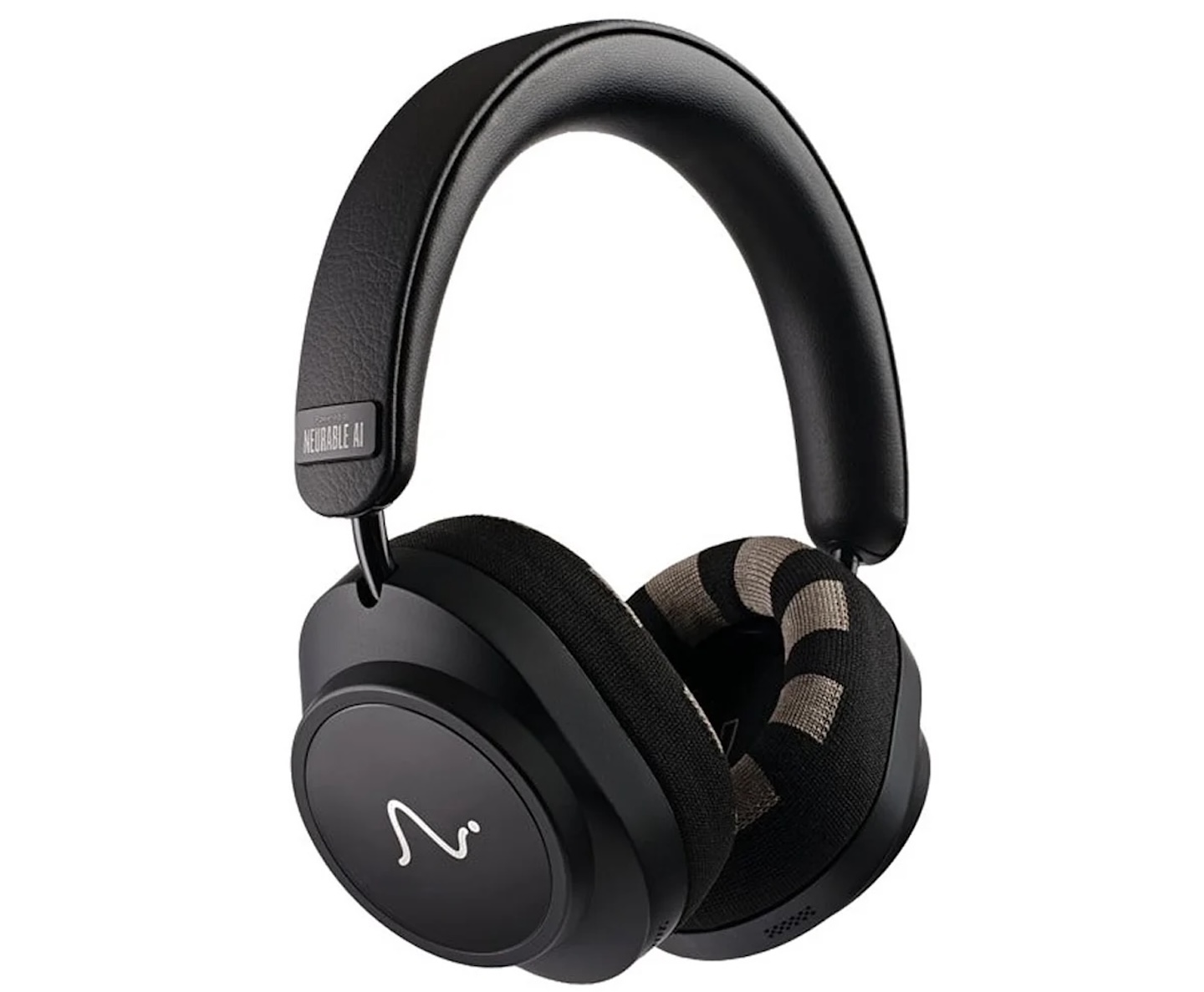
The practical advantage is passive measurement. Instead of putting on separate brain-sensing equipment whenever you want data, the sensors are already inside headphones you may be wearing for work or music.
Neurable says the One is the first headphone product it has launched under its own brand. Earlier consumer products using Neurable technology were developed with hardware partners. WIRED reports that an unnamed audio brand helped with the non-brain-scanning parts of the hardware, but Neurable says owning the product gives it direct control over the sensors and software.
The app tries to show when your focus is changing
Collecting EEG signals is only part of the product. Neurable’s software tries to turn that activity into information someone can use.
WIRED reports that the One starts monitoring brain activity as soon as you put the headphones on, without requiring you to start a session in the app.
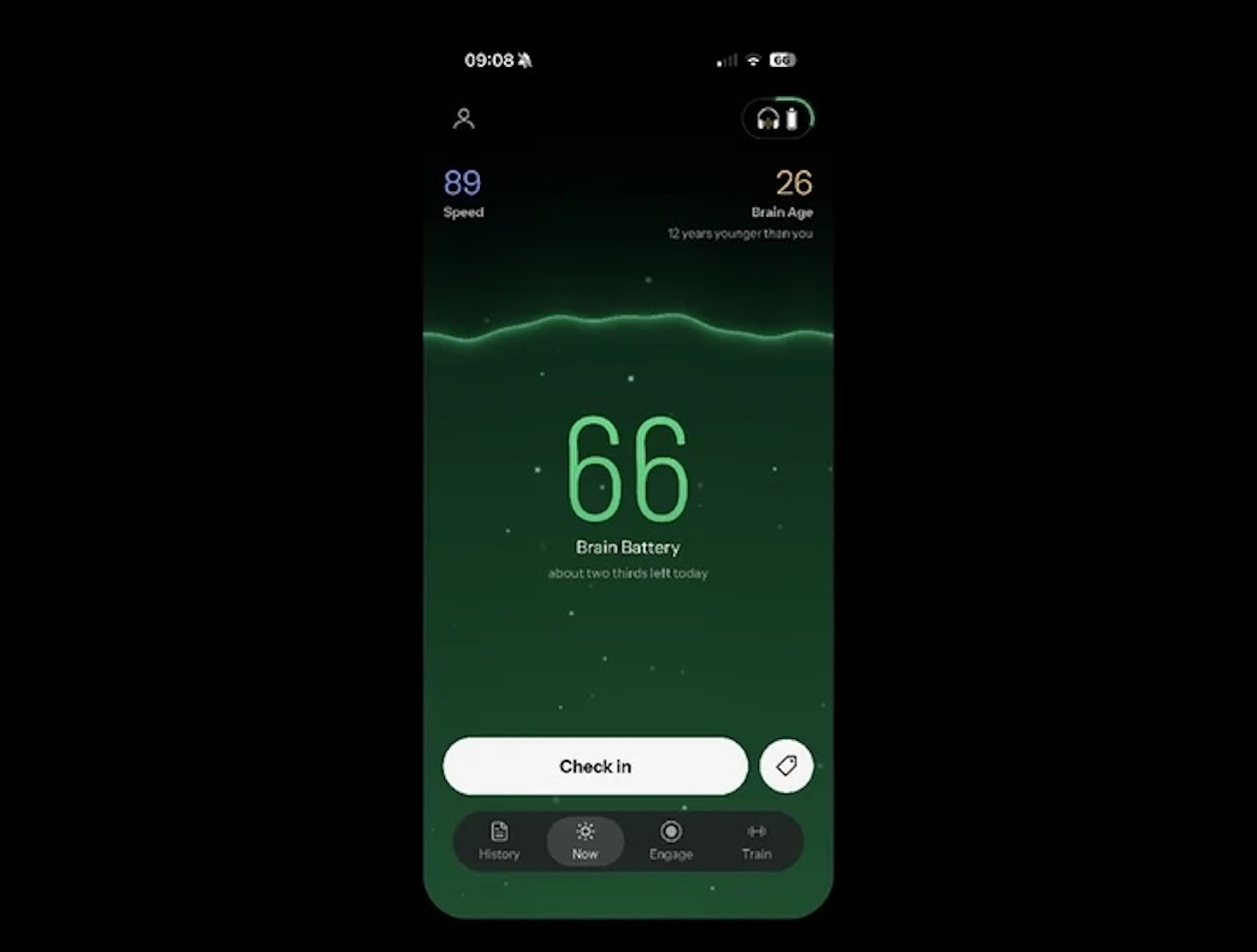
The app can track focus sessions and provide feedback when its algorithms detect changes in attention or signs that a break may be useful. Neurable also presents metrics including Focus, Load, Speed, Stress, Sleepiness, Alpha Peak Frequency, Brain Age, and Brain Battery.
Those labels need careful interpretation. Brain Battery is not a literal measurement of stored energy in your brain; it is a software-generated estimate based on patterns Neurable associates with cognitive state. Likewise, Brain Age should not be interpreted as a medical judgment about neurological health.
Neurable says some metrics require time to stabilize. Brain Age and Alpha Peak Frequency can display values from the first day, but the company recommends allowing around a month of data before treating longer-term trends as meaningful. Neurable’s own estimates vary: IEEE Spectrum reports the company saying longer-term metrics take about a week to calibrate.
These headphones do not read your thoughts
The phrase “brain-reading headphones” can make the Neurable One sound far more capable than it is.
Neurable explicitly says the system does not read thoughts, words, images, or mood. It measures patterns in electrical brain activity associated with things such as attention, fatigue, and effort, then compares those signals with earlier readings from the same user.
The company also says Neurable One is a consumer wellness product rather than a medical device. It is not intended to diagnose, treat, or monitor a medical condition. Metrics such as Focus, Stress, Brain Age, and Brain Battery may offer trends to explore, but they should not be treated as clinical assessments.
Independent evidence specific to the One is still limited. WIRED reports that Neurable has not shared new research demonstrating the effectiveness of this exact model, although the company points to earlier research and validation work involving its broader EEG technology.
The headphones still have to be good headphones
Brain sensing only matters if you want to keep the headphones on.
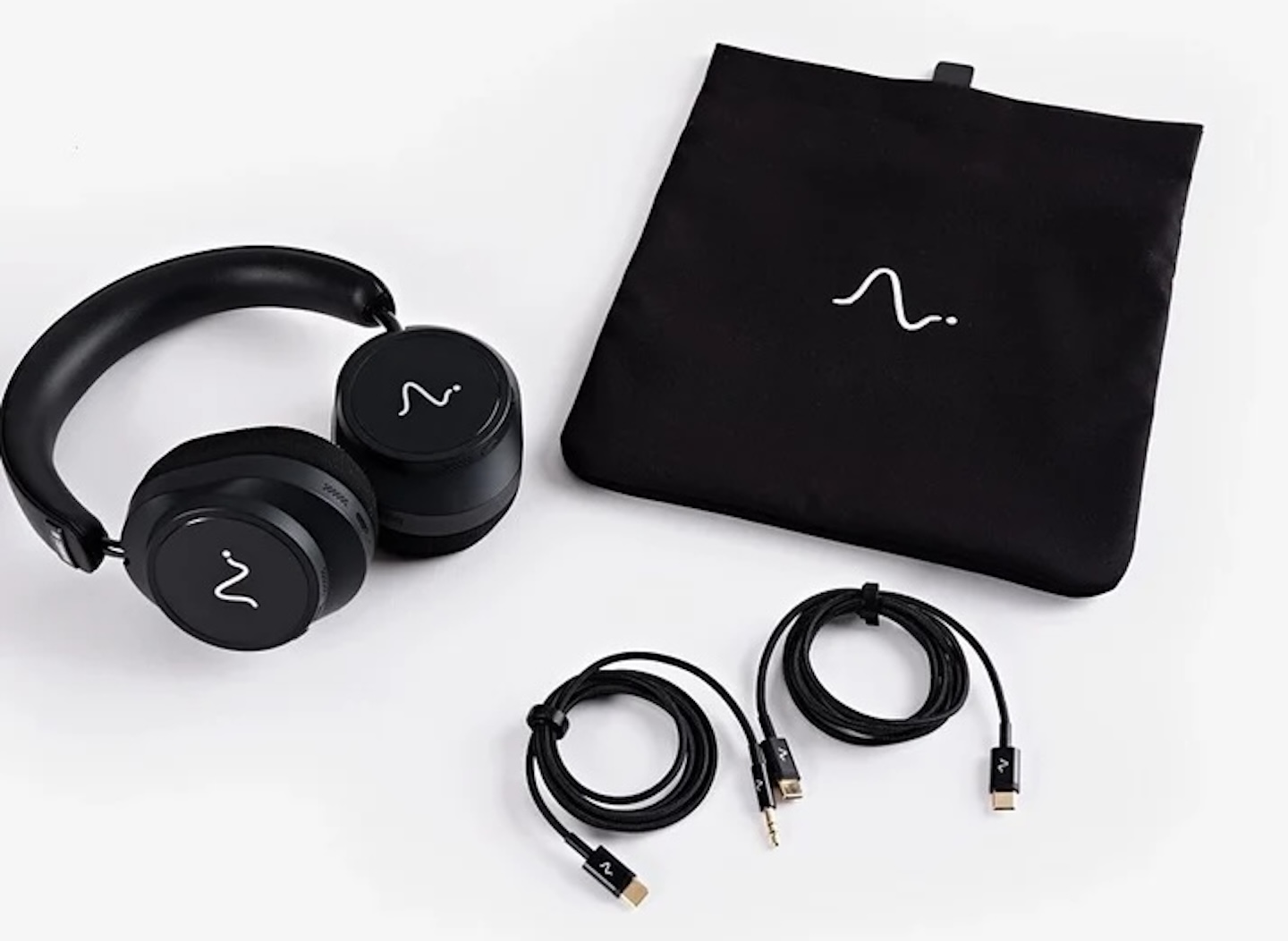
Neurable equips the One with 40mm beryllium drivers, active noise cancellation, an ambient mode, and six microphones. The company rates battery life at up to 22 hours for regular audio use, dropping to around 12 hours when EEG monitoring is active.
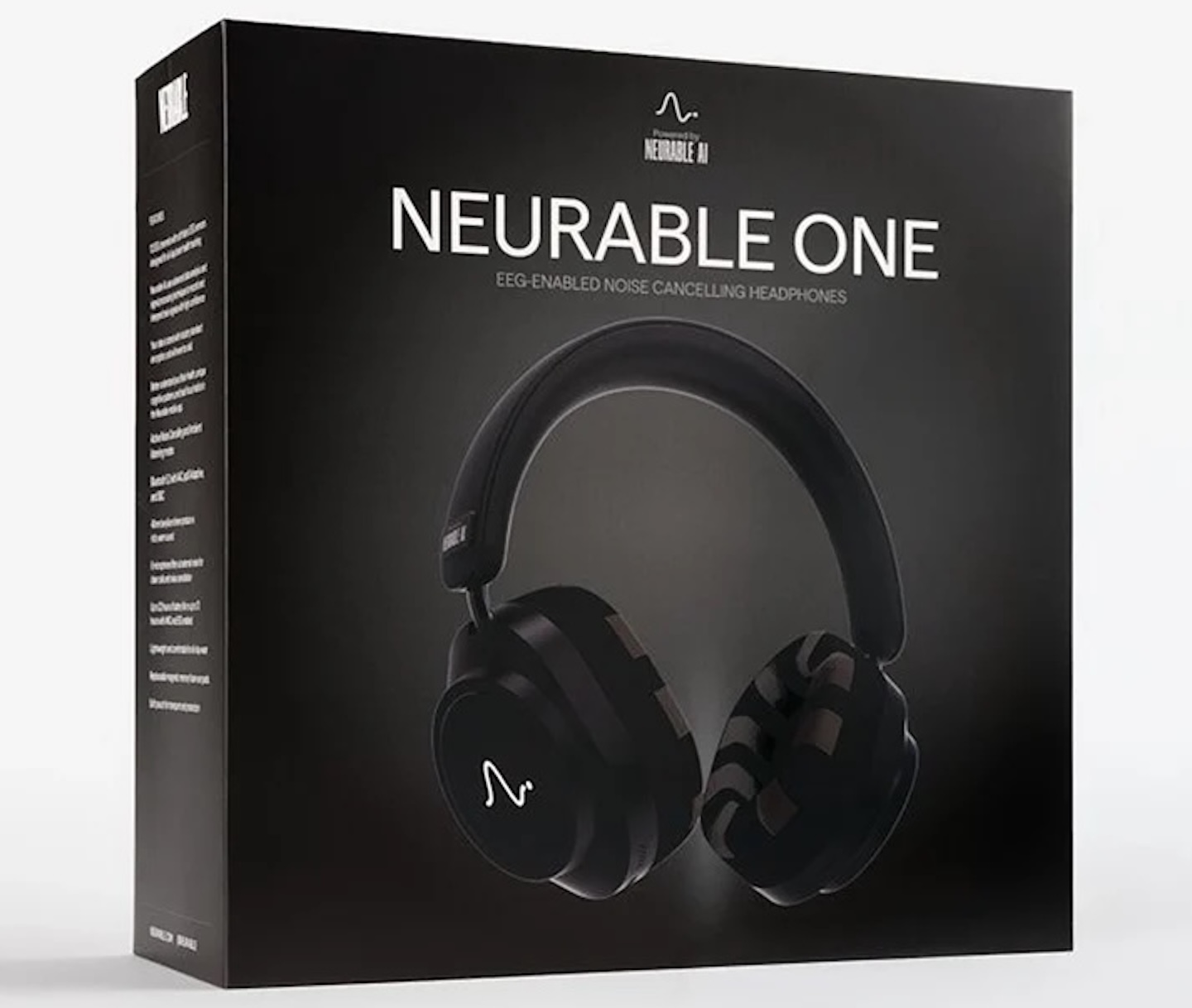
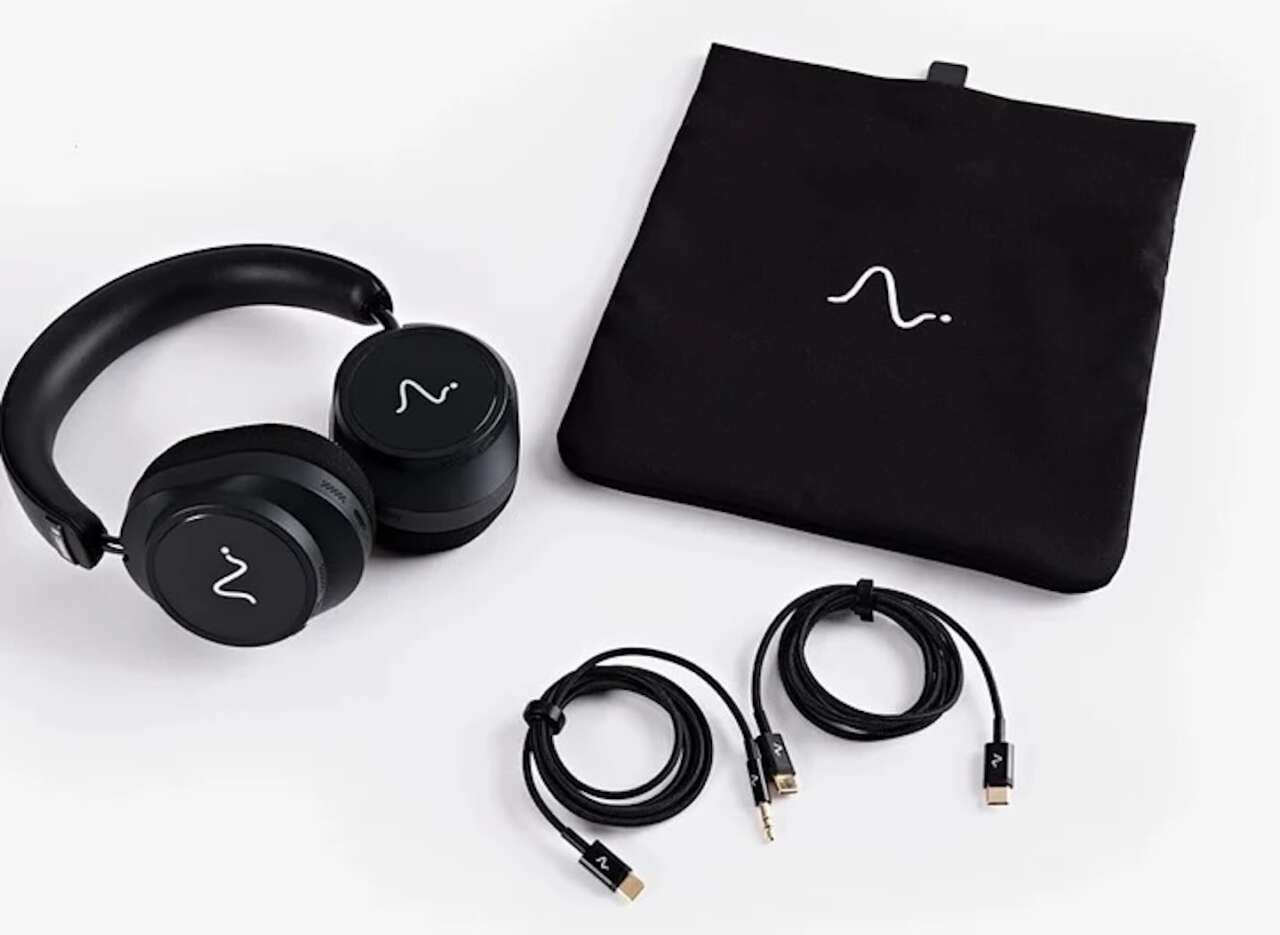
The headphones support Bluetooth 5.2, along with AAC and aptX according to WIRED. They charge over USB-C, and Neurable says a 15-minute charge provides roughly two hours of use.
On paper, the One has the features expected of an everyday wireless headset. Its sound quality, comfort, and noise cancellation still need independent testing before anyone can say how well it compares with similarly priced headphones.
The 12-hour EEG battery figure also matters if brain tracking is your main reason for buying the One. It may cover a workday, but it is considerably shorter than the maximum audio-only runtime.
Privacy matters more when the data comes from your brain
EEG data feels more sensitive than ordinary headphone telemetry, so privacy deserves more than a passing mention.
Neurable says it does not sell brain data or use it for advertising. Its consumer health privacy policy states that raw EEG data is collected only if the user opts in. The company may still collect and process derived information, such as focus data, device interaction data, session history, and generated insights, to provide and improve the service.
That distinction is important. “Raw EEG is opt-in” does not mean the product collects no brain-related information unless you opt in. Derived brain metrics are central to how the service works.
Neurable’s general neuroethics guidance says on-device processing reduces the raw neural data that leaves a device and that the company minimizes personally identifiable information. The One’s own product page adds that recordings are processed and stored on Neurable’s servers while your metrics live on your device, and that you can ask Neurable to delete your data. Anyone buying a brain-sensing wearable should still read the current privacy terms rather than treating it like an ordinary pair of Bluetooth headphones.
Who should buy the Neurable One?
The $499 Neurable One makes the most sense for early adopters who already track sleep, exercise, recovery, or productivity and want to experiment with another layer of personal data.
Its appeal is not simply ANC, 40mm drivers, or wireless audio. Conventional headphones offer those features for less money. What you are paying extra for is the 12-sensor EEG system and Neurable’s software interpretation of the signals it collects.
That makes the One a better fit for productivity enthusiasts and quantified-self users who want to experiment with focus and fatigue tracking. It is a weaker fit if you primarily want the best possible sound or noise cancellation for $499: independent testing has not yet established how it performs against premium headphone rivals.
Price: $499.99
Where to Buy: Neurable
Neurable One won’t read your thoughts or diagnose a condition. Its more interesting proposition is simpler: making brain-signal tracking something you can try during an ordinary workday.