

Buying a foldable phone means weighing a premium price against thickness, weight, durability, and the value of a larger display. Apple’s iPhone Duo gave buyers another major option, and Samsung may have benefited from the comparison.
Price: From $1,849.99
Where to Buy: Amazon
Galaxy Z Fold8 sales in South Korea reportedly rose about 10% week over week in the seven days after Apple announced the iPhone Duo. Industry sources said some shoppers who had delayed a foldable purchase until Apple revealed its model chose Samsung’s device instead.
The sales increase is the reported figure; the reason behind it remains an industry interpretation, not a conclusion supported by published consumer survey data.
The Korean Price Difference Is Substantial
Put the two phones beside each other on price, and one difference becomes difficult to overlook. Samsung launched the 256GB Galaxy Z Fold8 at ₩2,278,100 in South Korea. Apple’s 256GB iPhone Duo costs ₩3,290,000, putting roughly ₩1.01 million between their starting prices before carrier offers, trade-ins, or other promotions.
Storage pushes Apple’s pricing higher. The 512GB iPhone Duo costs ₩3,590,000, the 1TB configuration reaches ₩4,190,000, and the 2TB version costs ₩5,090,000.
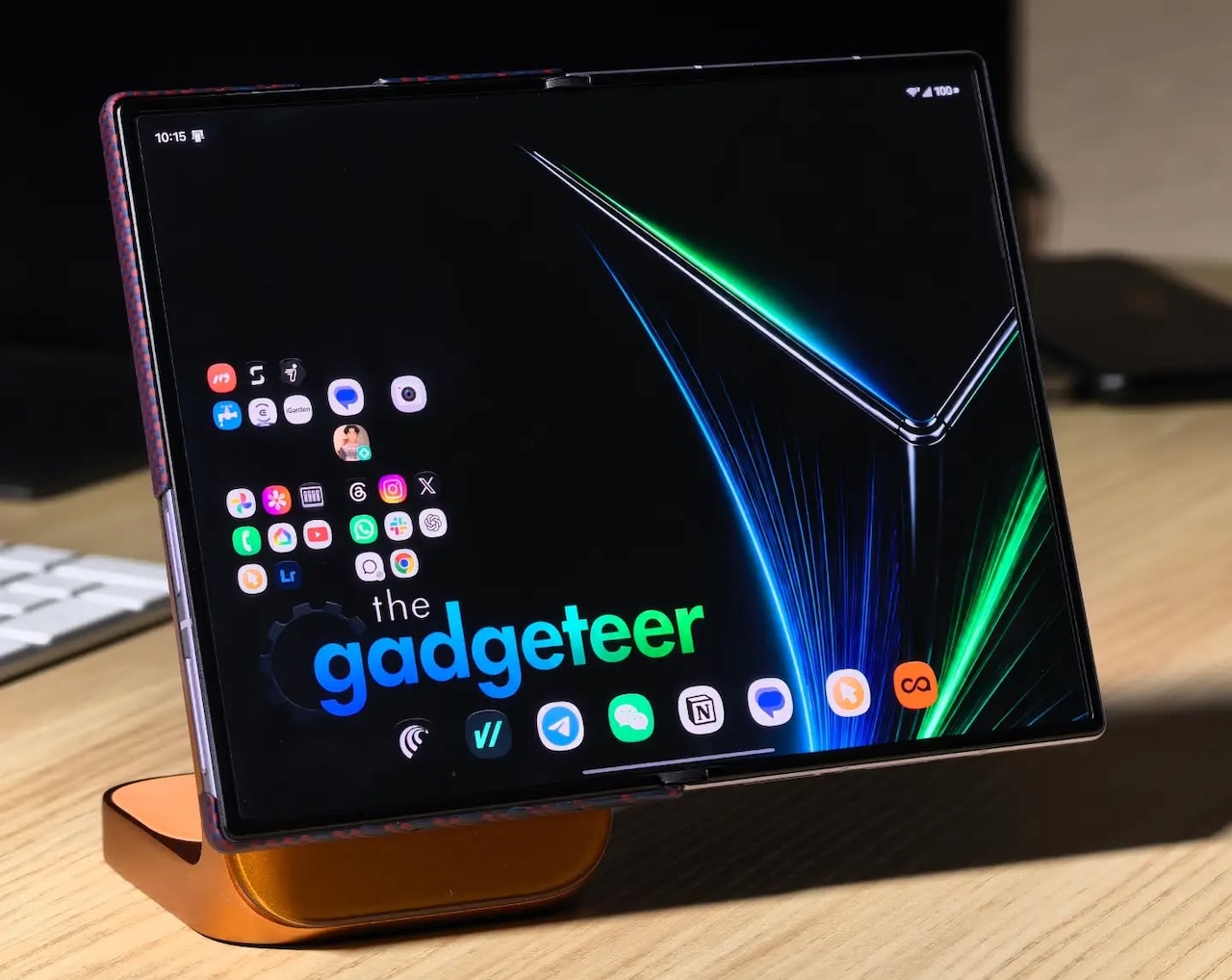 Neither device is inexpensive, so this is not a budget-versus-premium comparison. Instead, someone who deliberately waited to compare Apple’s first foldable against Samsung’s eighth-generation Fold now has to decide whether the iPhone experience and Apple’s approach to the category justify the additional cost.
Korean industry sources have identified pricing as one possible contributor to Samsung’s recent sales movement. That makes the price gap useful context, but it does not prove that every new Fold8 buyer passed on the Duo because it costs more.
Samsung Carries Less Weight
The physical specifications create another meaningful difference. Apple’s iPhone Duo weighs 254g, while Samsung lists the Galaxy Z Fold8 at 201g. The resulting 53g gap is large enough to matter for a phone you may carry all day and regularly use one-handed.
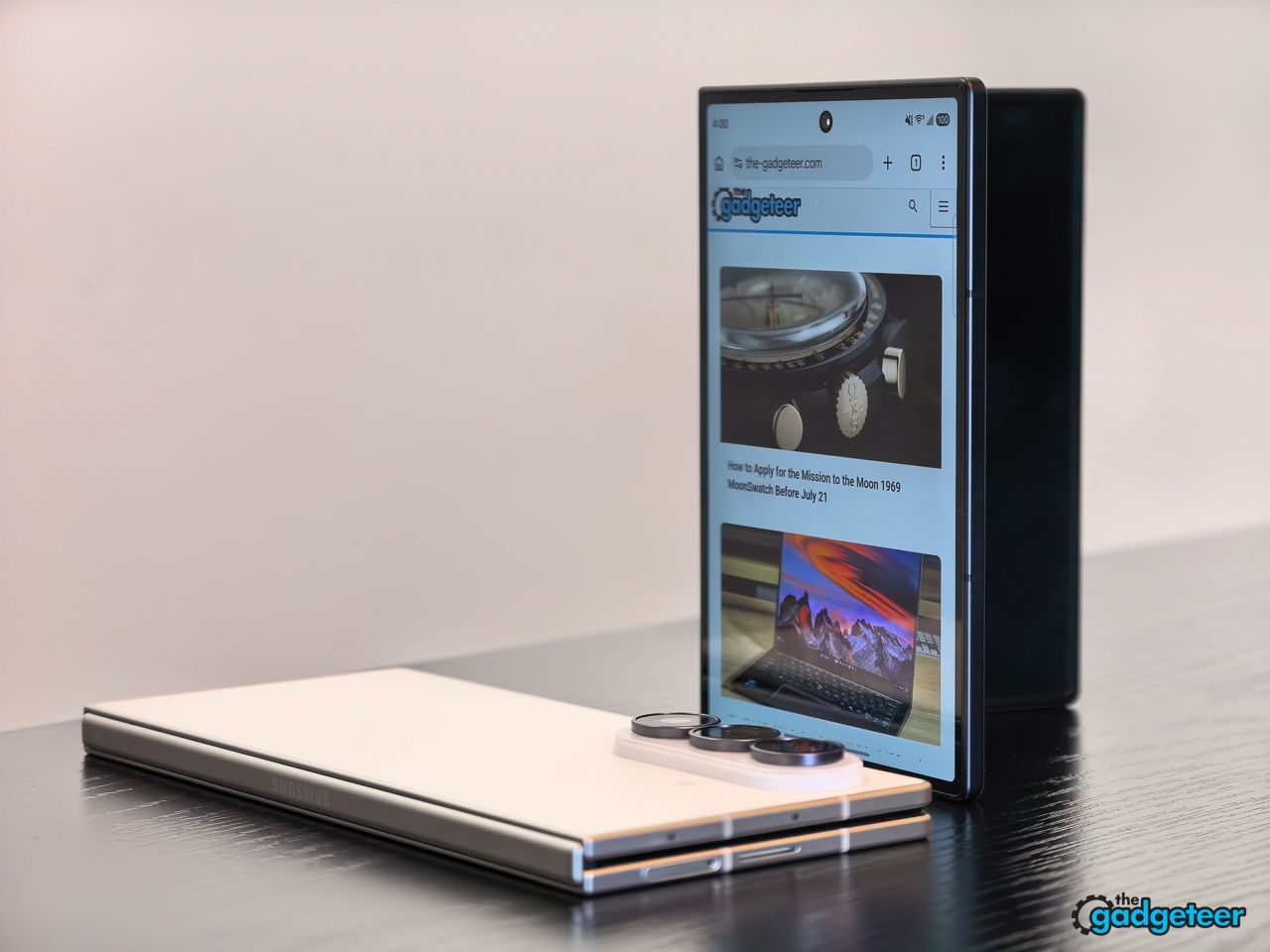 Samsung’s Fold8 is also thinner when closed. Apple’s Duo measures 11.3mm folded, while Samsung’s official specification puts the Fold8 at 9.7mm, creating a 1.6mm difference. Some published Korean reports cite a smaller thickness gap, but Samsung’s official specifications are the better authority for the Fold8’s dimensions.
Numbers alone cannot determine which phone feels better to hold. Hinge shape, materials, balance, and weight distribution all influence ergonomics. The specifications do support a simpler takeaway: the Fold8 is lighter and thinner when folded.
Availability Changes the Decision
There is also a practical advantage that will eventually disappear but matters to buyers right now: Samsung’s phone is already available. The Galaxy Z Fold8 went on sale in South Korea in August. Apple announced the iPhone Duo on September 9, but preorders do not begin until October 16, followed by availability on October 23.
That creates an unusual decision for shoppers who have already spent months postponing a foldable purchase to see what Apple would produce. They can buy Samsung’s phone now or wait several more weeks for the Duo.
Korean industry reports have cited the delayed availability alongside price and hardware differences when discussing the Fold8’s recent sales movement. It is reasonable to consider availability part of the buying equation, but the available figures do not reveal exactly how many customers chose Samsung specifically because they did not want to wait.
 Seven Days Cannot Decide It
The timing makes the 10% increase noteworthy, but a single week of South Korean sales should not be stretched into a verdict on Apple and Samsung’s broader foldable competition. The iPhone Duo has not reached customers yet, so there is no comparable period of retail availability, owner feedback, or longer-term sales data to show how consumers will respond once both phones are on store shelves.
Apple still offers clear reasons for existing iPhone owners to wait, including iOS, integration with the wider Apple ecosystem, Apple Pencil USB-C support arriving later this year, and a 7.6-inch inner display. Samsung comes into the comparison from a different position: the Fold8 is part of the eighth generation of Samsung’s large folding-phone family, giving the company years to refine both the hardware and software around the format.
Who Benefits From the Comparison?
For someone in South Korea who wants a foldable today, the Fold8 has several measurable advantages. At 256GB, it starts roughly ₩1.01 million below the iPhone Duo, weighs 53g less, is thinner when folded according to Samsung’s official specifications, and is already available.
The Duo has a different buyer fit. Someone committed to iOS and Apple’s ecosystem may decide those advantages justify both the additional cost and the wait until October.
Price: From $1,849.99
Where to Buy: Amazon
That is what makes the reported Samsung sales increase interesting without making it conclusive. Apple’s announcement finally gave people who had been postponing their decision enough information to compare the two approaches. During the following week, reported Korean Fold8 sales rose by roughly 10%. Whether that was a short burst of delayed demand or the beginning of a longer trend will become clearer only after the iPhone Duo reaches stores.
