

Foldable phones are not new anymore. Samsung is several generations into the Galaxy Z Fold, while Honor and Huawei already offer thin book-style designs, large inner displays, multitasking, and increasingly serious durability ratings.
That gives Apple’s $1,999 iPhone Duo a difficult job. Simply making an iPhone that folds is not enough when Android manufacturers have spent years refining the category.
Apple does not win every specification battle. Samsung’s Galaxy Z Fold8 is much lighter, Honor already supports pen input across both displays, and competing foldables have their own advantages in charging, cameras, and multitasking.
What makes the Duo interesting is how Apple combines unusual hardware choices with software designed specifically around two displays and a hinge.
An important distinction: not everything below is an industry first. These features either remain unusual among today’s major foldables or help distinguish the Duo from current Samsung and Honor models.
We also have not completed our own testing, so Apple’s claims about crease visibility and AI-assisted photography still need independent verification.
1. The inner screen has a nano-texture finish
The Duo’s folding OLED has a nano-texture finish designed to reduce glare and reflections.
Apple also says the surface helps minimize crease visibility. Its launch material describes a multilayer display construction that includes glass reinforcement, specialized adhesives, and a titanium support plate.
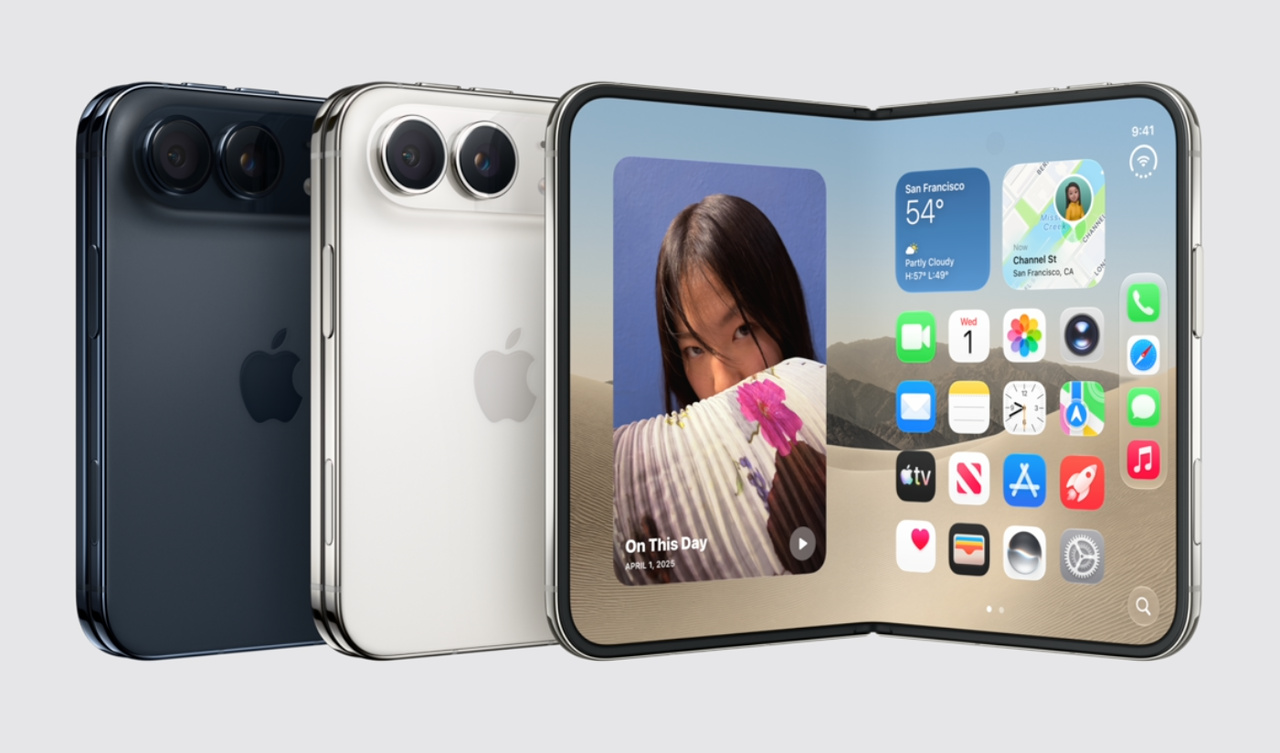 The wording matters: Apple says the design minimizes the crease, not that the crease has disappeared.
Apple positions the Duo’s nano-texture inner display as a distinguishing feature. For anyone bothered by reflections on glossy foldable screens, this could be one of the Duo’s most practical differences. Whether it makes the crease meaningfully less noticeable will need to be judged under different lighting conditions.
2. IP68 gives it unusually strong dust protection
Apple rates the iPhone Duo IP68 under IEC 60529, including water resistance to a maximum depth of six meters for up to 30 minutes under specified laboratory conditions. The first number is especially noteworthy.
Samsung rates the Galaxy Z Fold8 IP48, while Honor rates the Magic V5 IP58 and IP59. The Duo’s IP6X classification represents a higher official level of dust-ingress protection than those models.
 Water resistance is more complicated. IP59 covers a different high-pressure and high-temperature water-jet test, so it would not be accurate to simply call the Duo more waterproof than every IP59 rival.
The better takeaway is that Apple has achieved an unusually high dust-resistance rating for a book-style foldable. For a device with a hinge and other moving parts, that is a meaningful specification.
3. StandBy works without charging
On a conventional iPhone, StandBy is closely associated with charging. The Duo changes that relationship.
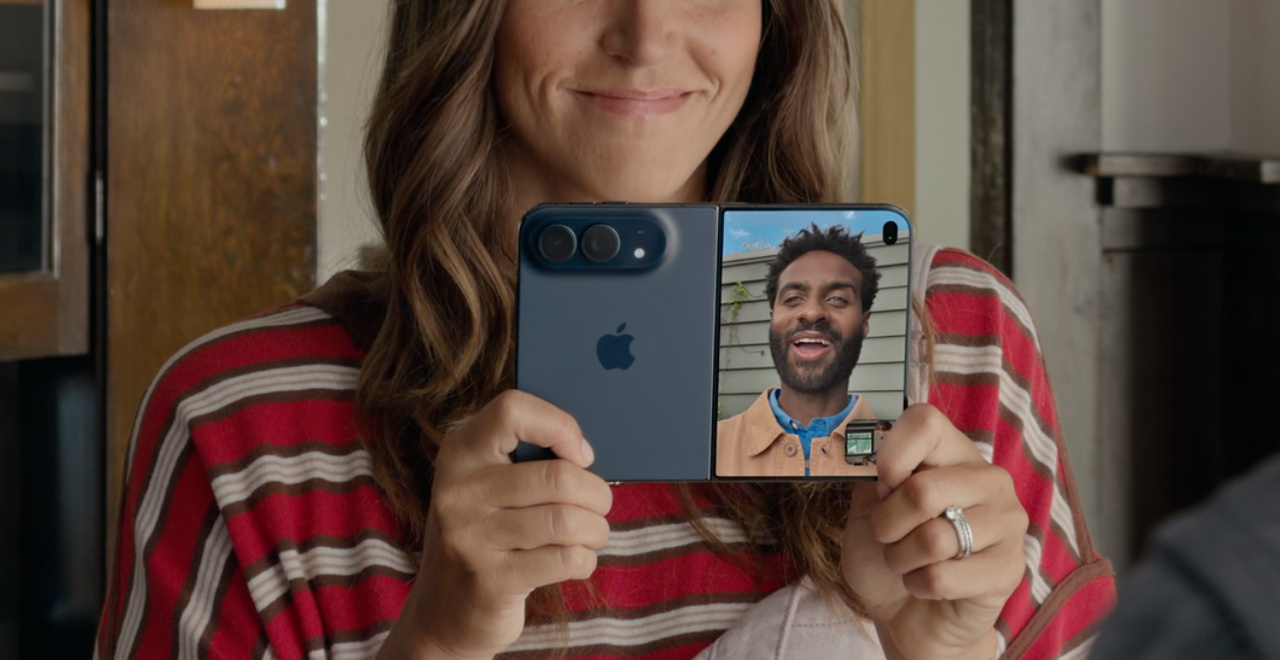
Set the phone down partially folded and StandBy can operate on either the inner or outer display even when the Duo is not connected to power. Apple also adds Calendar and Weather faces alongside its other StandBy layouts. That takes advantage of one of the simplest benefits of a folding phone: it can support itself.
On a nightstand, desk, kitchen counter, or airplane tray, the Duo can become a small clock, calendar, photo display, weather screen, or widget hub without requiring a separate stand.
Other foldables have their own always-on and tabletop features, so the broader concept is not unique. What is interesting is how Apple has adapted an existing iPhone feature around the Duo’s physical design.
4. Kid Cue gives the outside screen a clever job
Using a foldable’s outer display as a camera preview is not new. Several competing foldables already let the person being photographed see themselves while the main cameras take the picture.
Apple’s Kid Cue takes that idea in a more specific direction. When you are photographing children, the Duo can show playful animations on its outer display to encourage them to look toward the camera. Apple demonstrates the feature using Peanuts characters.
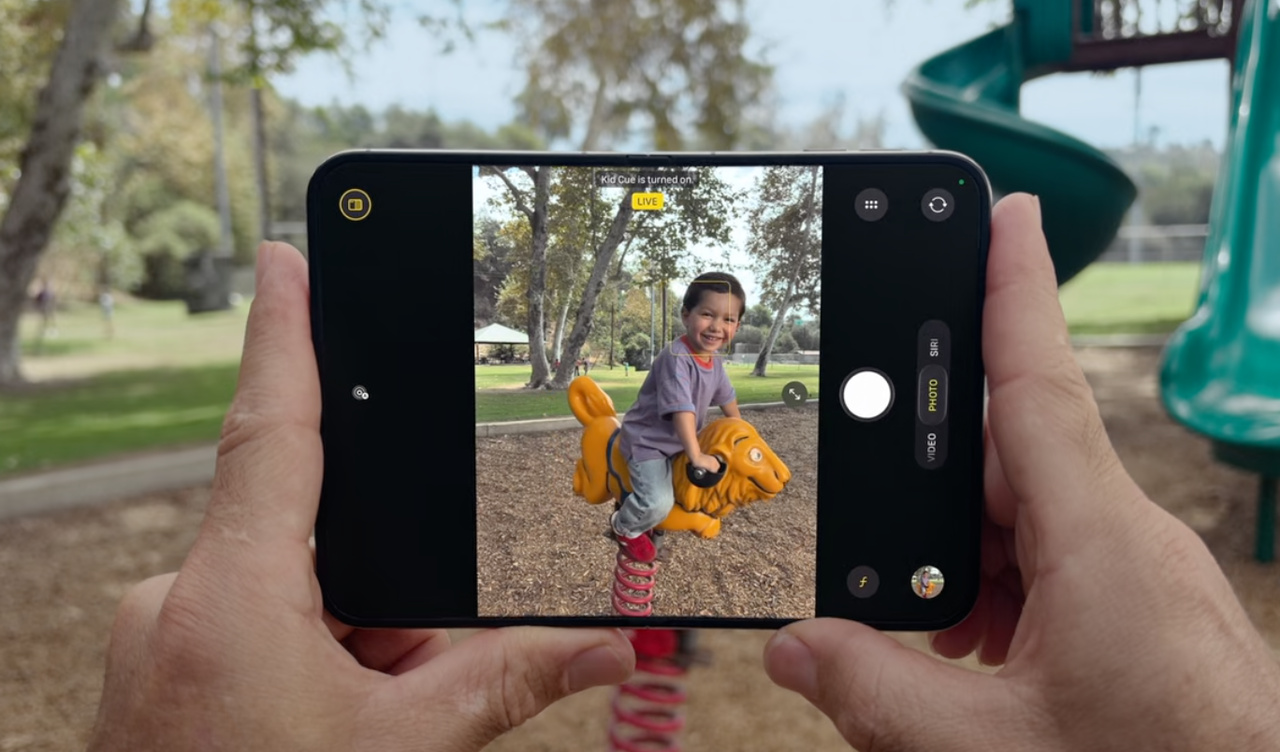 It will not improve the camera sensor or guarantee a cooperative child. But anyone who has tried taking a family photo while a toddler looks everywhere except at the phone will understand the problem immediately.
Instead of using the second display simply as another viewfinder, Kid Cue gives it a specific job that could make family photography easier.
5. Smart Take can wait until everyone looks ready
Timers help the photographer get into a group shot, but everyone still have to be ready when the countdown reaches zero.
Apple’s Smart Take is designed to remove that timing problem. According to Apple, on-device AI running on the A20 Pro analyzes the scene in real time and automatically captures photos when the people in front of the camera appear to be posing.
The folding design makes the feature more practical because the Duo can support itself on a surface. You can set down the phone, join the group, and let Smart Take handle the shutter instead of racing against a timer.
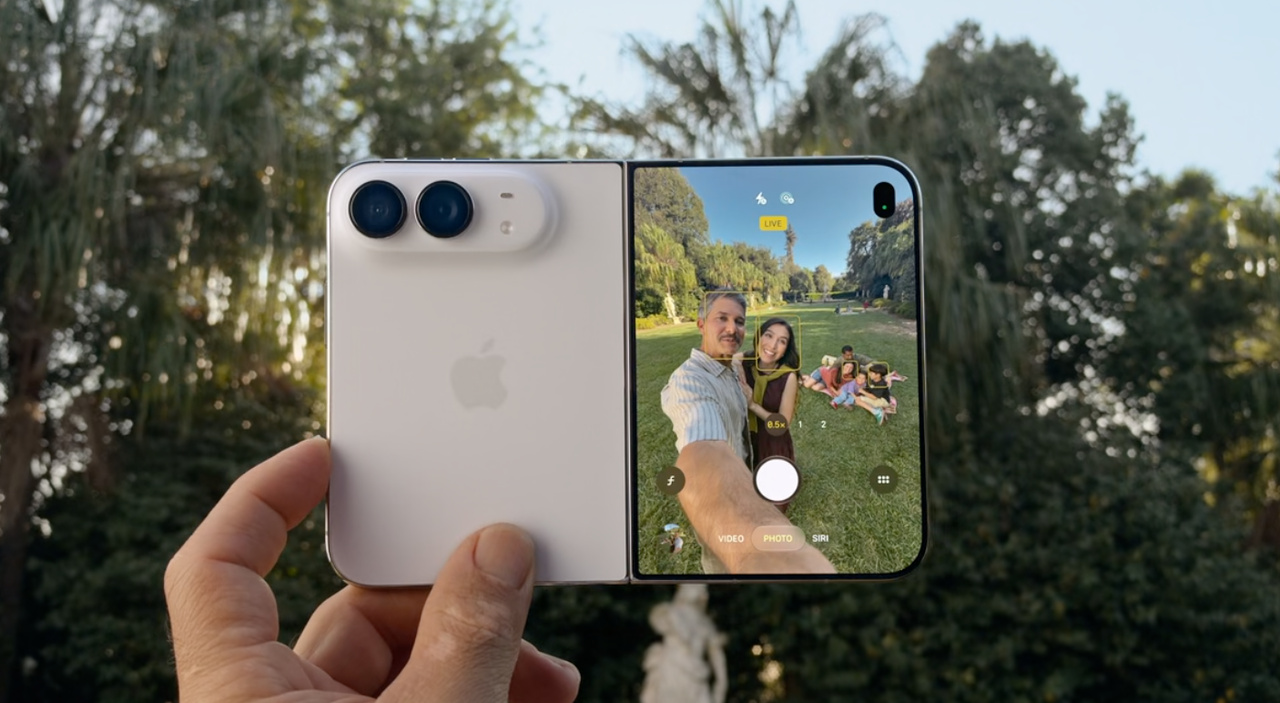 That is Apple’s description of how the feature works, not proof that it always chooses the right moment. Real-world testing will reveal how well it handles blinking subjects, moving children, and larger groups.
If it works consistently, Smart Take could be one of those AI features that solves an everyday problem rather than existing mainly for a demonstration.
6. Duo FaceTime puts both screens to work
Apple also gives the exterior display another purpose during video calls.
With Duo FaceTime, someone physically with you can participate in a FaceTime call using the outer display while you use the inner screen.
 That means two people do not necessarily have to squeeze together in front of the same display. Apple also supports Dual Capture in FaceTime, allowing front and rear camera feeds to be shared simultaneously.
Other foldables already use their multiple displays for camera previews and dual-screen experiences, so using both screens is not an Apple invention.
The distinction is how Apple has integrated the idea into FaceTime. For households that already rely heavily on Apple’s video-calling service, it could turn the two sides of the Duo into genuinely useful separate viewing surfaces.
7. You can configure it with 2TB of storage
The iPhone Duo comes in 256GB, 512GB, 1TB, and 2TB capacities. That is an unusually high ceiling among major book-style foldables. Samsung’s Galaxy Z Fold8 tops out at 1TB, while Honor also offers the Magic V5 with up to 1TB in supported markets.
Most people do not need 2TB on a phone, and paying for storage you will not use makes little sense.
The option becomes more interesting for people recording large video files, downloading big games, keeping extensive offline media libraries, or trying to replace some tablet duties with the Duo.
For those buyers, 2TB makes the Duo feel less like an ordinary smartphone and more like a pocket-size computing device.
8. Apple Pencil support is coming to an iPhone
This feature needs an important qualification: Apple did not invent stylus support for foldables. Honor already advertises pen input across both displays of the Magic V5, while Samsung does not offer S Pen support on the Galaxy Z Fold8.
What is new is Apple Pencil support on an iPhone.
Apple lists support for Apple Pencil (USB-C), giving the Duo stylus support across its two displays.
That opens up workflows conventional iPhones have not offered. You could quickly mark up a document while the Duo is closed, then open it for a larger writing or sketching area.
For people who already use an Apple Pencil with an iPad, the bigger attraction may be continuity. The Duo could give them a much smaller device for notes, annotations, and sketches without learning another stylus system.
It is not an industry first, but it is a significant first for the iPhone.
Who is the iPhone Duo actually for?
The iPhone Duo does not make established Android foldables obsolete. Samsung’s 201-gram Galaxy Z Fold8 is 53 grams lighter than the 254-gram Duo, while Honor already supports pen input on both Magic V5 displays. Samsung also has years of Fold experience, while Huawei remains a significant foldable competitor.
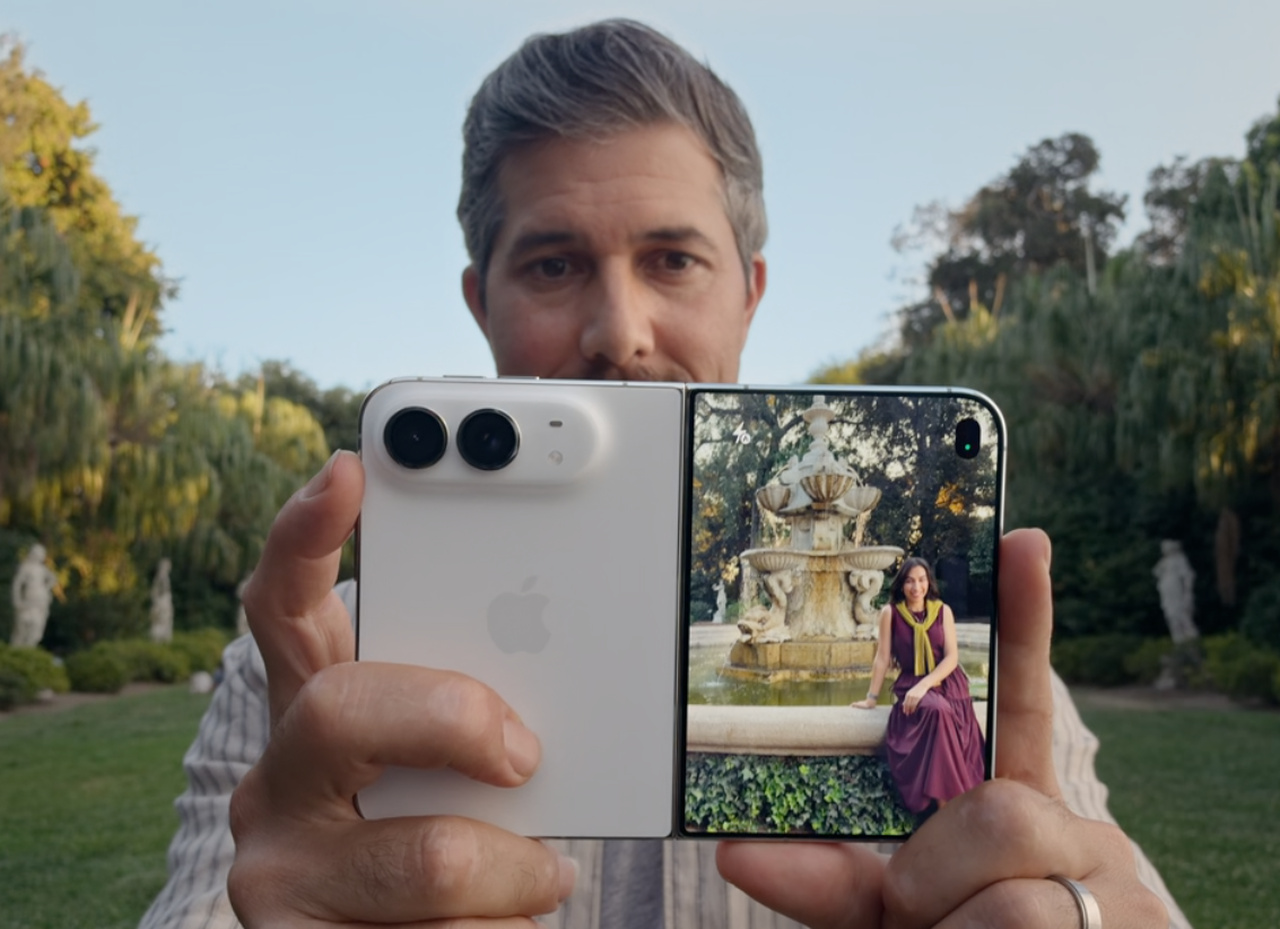 Apple’s case is different. The Duo combines a nano-texture folding display, IP68 dust resistance, untethered StandBy, Kid Cue, Smart Take, Duo FaceTime, up to 2TB of storage, and Apple Pencil support in a package built around Apple’s ecosystem.
Not every feature is an industry first, but together they give Apple’s first foldable a distinct purpose beyond putting a hinge on an iPhone. It is best suited to Apple users who want a larger, more flexible screen without leaving the ecosystem.
Buyers who prioritize lower weight, faster charging, camera flexibility, or an established foldable platform may be better served elsewhere. But for users who value StandBy, Smart Take, Duo FaceTime, Apple Pencil, and Apple’s broader device integration, the Duo makes its second screen feel useful rather than novel.
Auto Amazon Links: No products found.
