
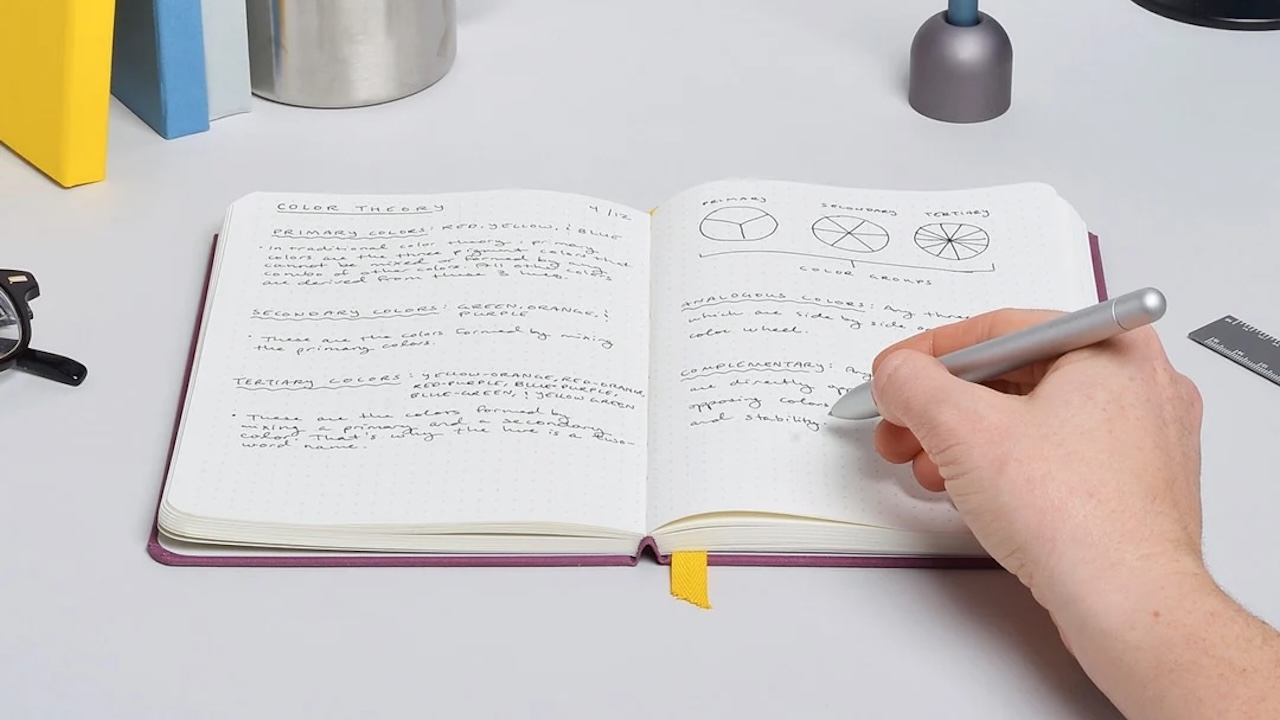
Back-to-school shopping means new laptops, tablets, backpacks, and apps, but not every note needs another screen. Students need a fast way to capture lectures and assignments, teachers need somewhere for lesson plans and classroom notes, and parents have schedules, meetings, pickup times, and school reminders to keep straight. Sometimes a notebook and pen are still the quickest tools for the job.
Moleskine is an obvious upgrade from a basic school notebook, but it is not automatically the best one. Depending on how you write, numbered pages might help organize an entire semester, different paper might work better with your favorite pens, a flat-opening binding could make long note-taking sessions easier, or a larger page might give diagrams and study notes more room.
These five notebook alternatives to Moleskine solve those problems in different ways, whether you are taking notes in class, preparing lessons, or trying to keep the school year organized at home.
1. Leuchtturm1917 A5 Hardcover: For People Who Need to Find Their Notes Again
A notebook can capture a semester’s worth of lectures, assignments, and ideas—but finding a specific note later is another matter.
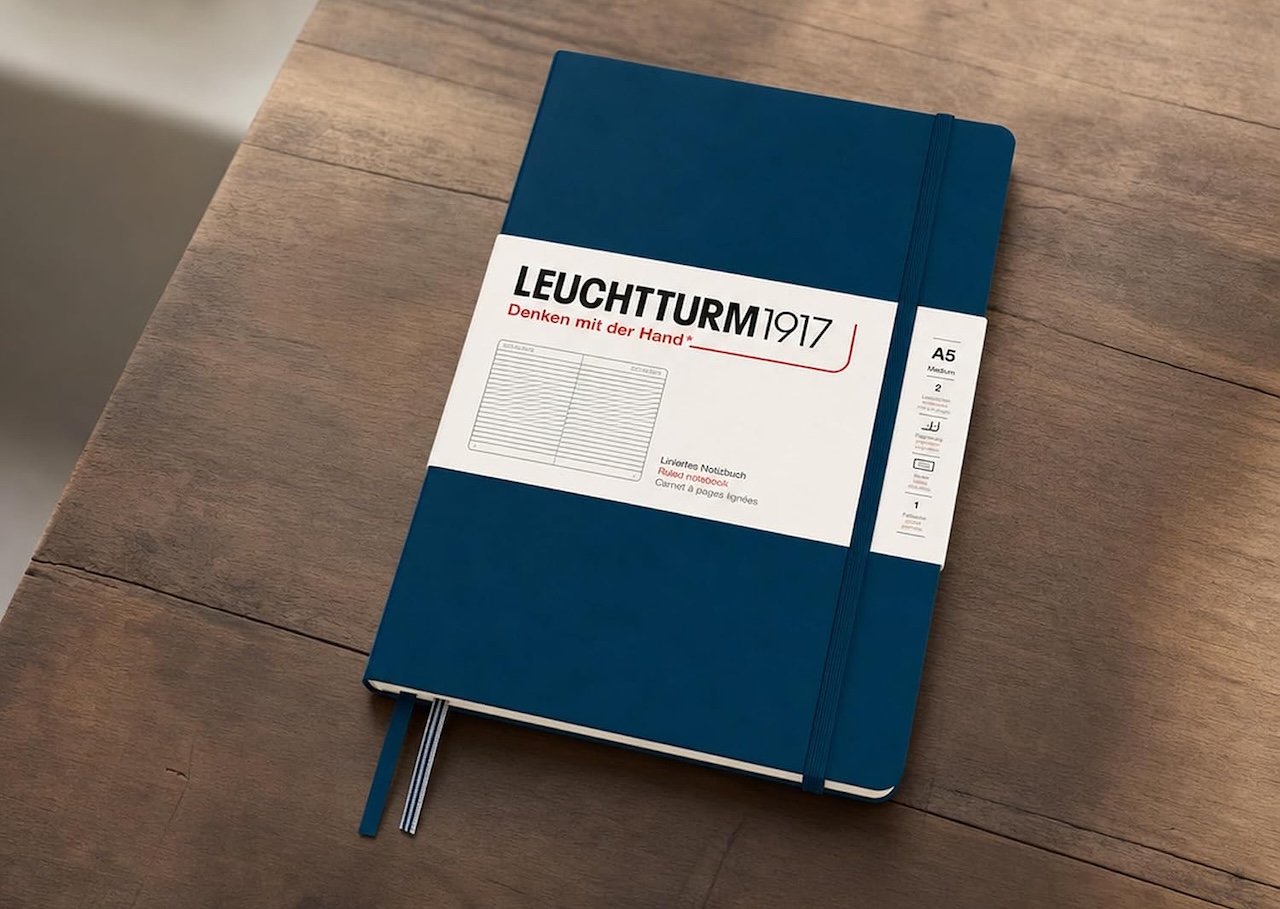
The Leuchtturm1917 Medium A5 Hardcover builds in useful organization: 251 numbered pages, a blank table of contents, two page markers, a rear pocket, elastic closure, and eight perforated sheets. Its thread-bound design also opens flat.
Price: $25.95
Where to Buy: Amazon
The standard A5 model measures about 5.7 by 8.3 inches and uses 80 gsm FSC-certified paper, available in ruled, squared, dotted, or blank formats. For heavier paper, Leuchtturm1917 also offers a 120 gsm A5 version with fewer pages.
Add an entry such as “Biology Exam Notes, pages 64–72” to the contents page, and you can locate it later without flipping through the entire notebook.
Buyer fit: Pick the standard Leuchtturm1917 if your notebook doubles as an archive. It is particularly useful for students juggling several subjects, teachers keeping semester-long notes, and anyone who regularly needs to retrieve something weeks after writing it down.
2. Rhodia Webnotebook: For Writers Who Put Paper First
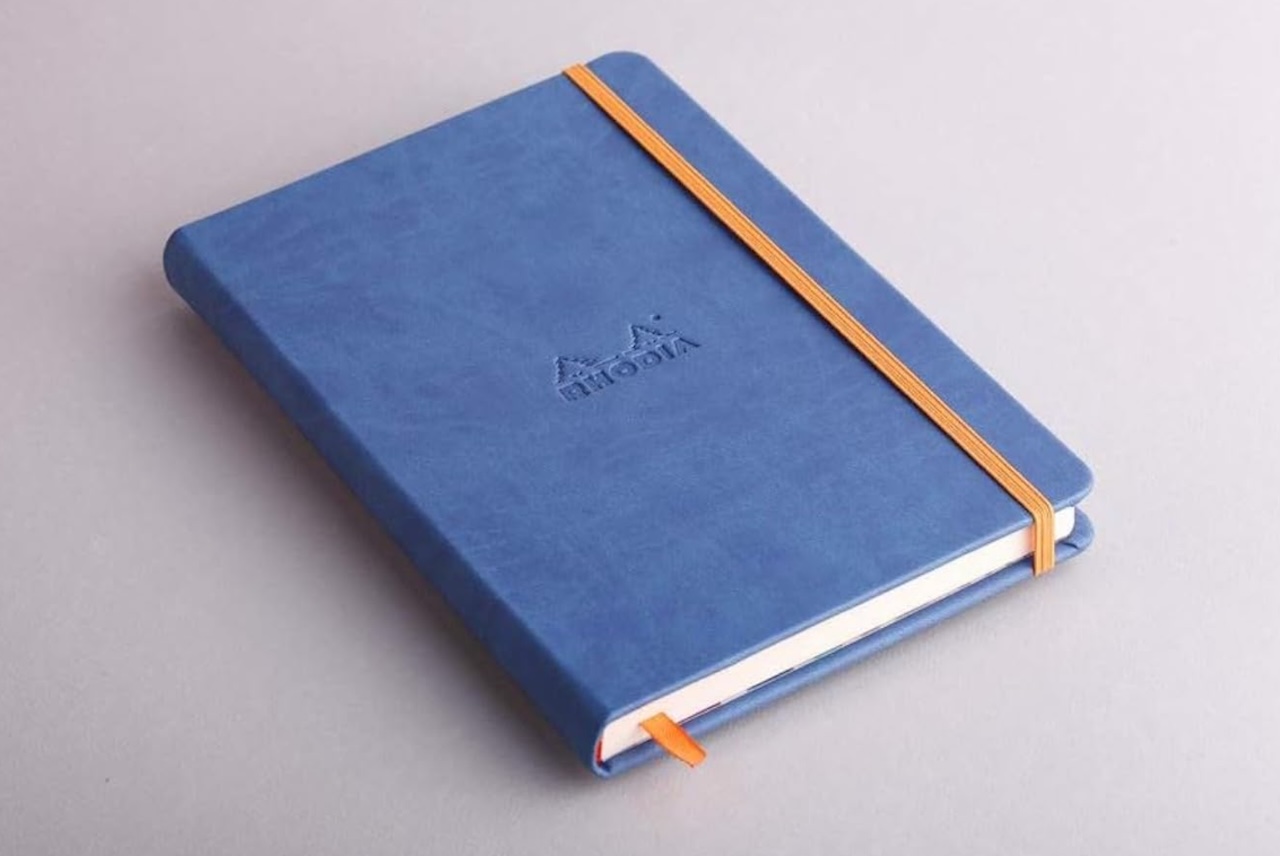
A long school day can mean page after page of handwriting, which makes the writing surface more important than it initially seems. The Rhodia Webnotebook, commonly called the Webbie, uses 90 gsm ivory paper that Rhodia describes as smooth, acid-free, and pH neutral.
The A5 version contains 96 sheets, or 192 pages, inside a faux-leather hardcover with rounded corners, an elastic closure, ribbon marker, and inner pocket. You do not get Leuchtturm1917’s numbered pages and indexing system. Rhodia instead puts more emphasis on the paper itself.
Price: $29.99
Where to Buy: Amazon
That can matter if your favorite pen lays down plenty of ink. Paper influences feathering, bleed-through, show-through, drying, and how a pen feels moving across the page. Results still vary with the pen, nib, and ink, so neither a 90 gsm specification nor a manufacturer’s description can guarantee perfect performance with every fountain pen.
Buyer fit: Choose Rhodia if you will spend hours writing during classes, meetings, or lesson planning and care more about the pen-and-paper experience than organizational extras. It is also worth considering if fountain pens are already part of your everyday carry.
3. MD Notebook A5: For Writers Who Want Simplicity
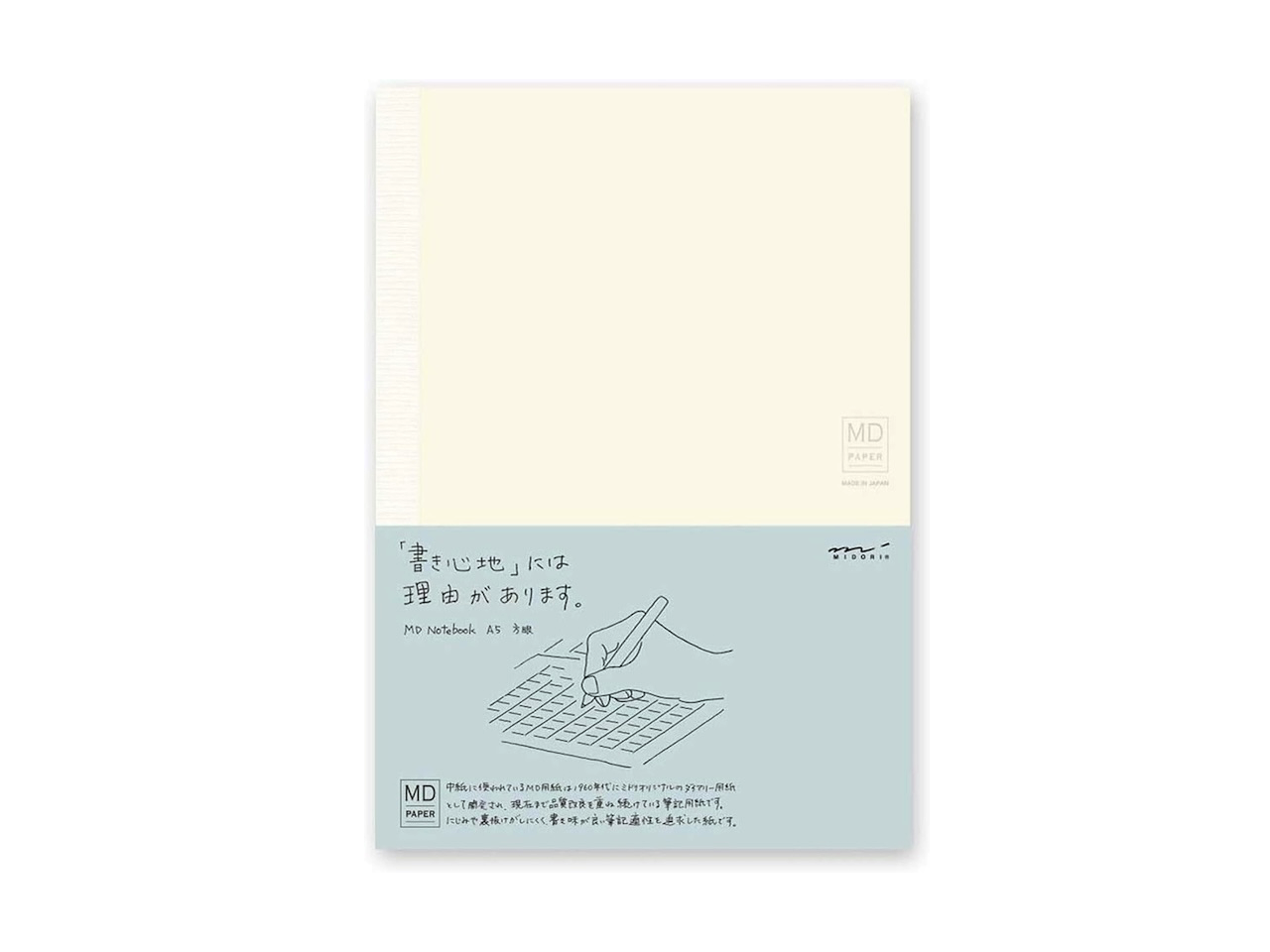
When you are trying to keep up with a lecture or get an idea onto paper, sometimes the best notebook is the one that stays out of your way. The MD Notebook A5 takes that approach with a deliberately minimal design built around its paper and thread-stitched binding.
The standard A5 notebook measures 210 by 148 mm and contains 176 pages. Current stationery retailers list the paper at 80 gsm, with blank, lined, grid, and dot grid versions available. The binding allows the notebook to lie flat, which becomes particularly useful when you are writing toward the center of the book or spreading diagrams across two pages.
Price: $12.99
Where to Buy: Amazon
Unlike a Moleskine or Leuchtturm1917, there is not a conventional hardcover protecting it. The basic notebook uses a minimalist paper cover and glassine wrapper, with additional covers available separately.
That is also part of the attraction. There is not much between you and the page, and there are fewer organizational features dictating how you should use it.
Buyer fit: Buy the MD Notebook if you want something simple for long stretches of handwriting. It is particularly attractive for class notes, journaling, fountain pens, and students or teachers who do not need pockets, elastic straps, and other organizational extras.
4. Baronfig Confidant: For People Who Want Something Different
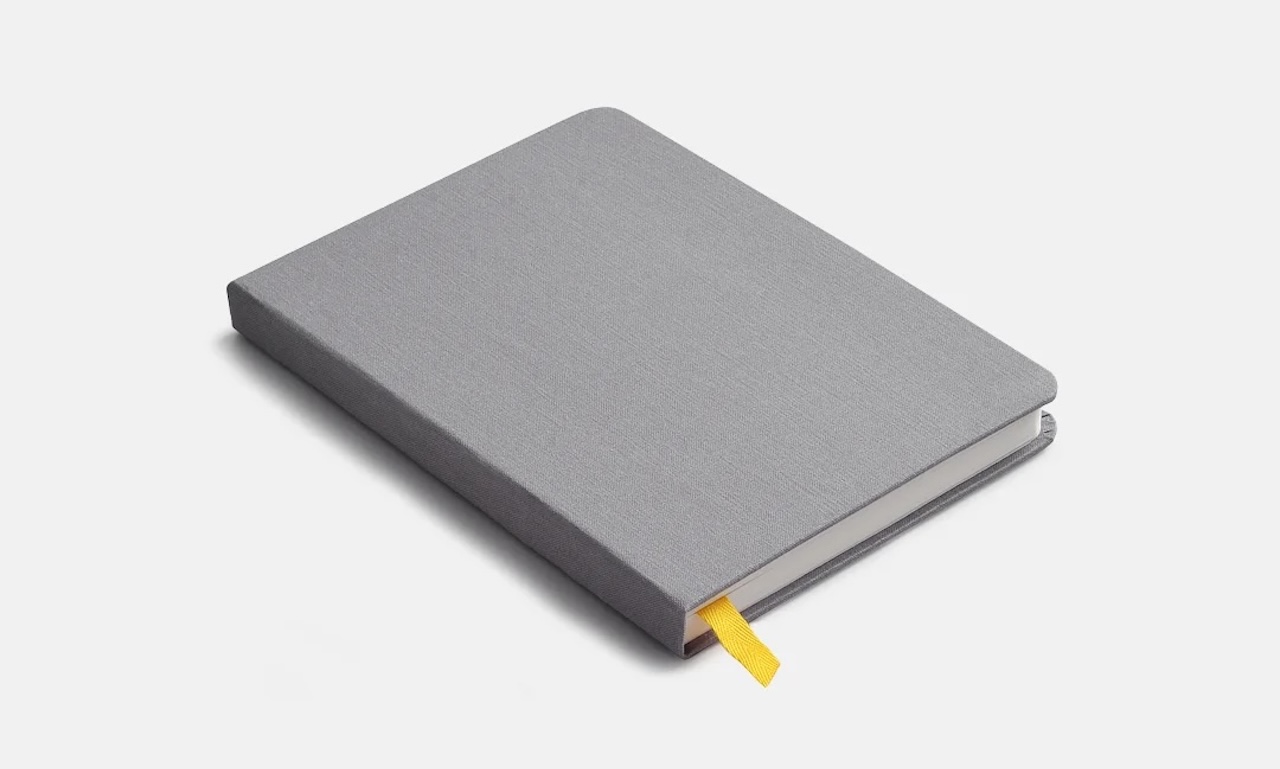
A school notebook only helps if it is actually with you when you need it. The Baronfig Confidant addresses that practical consideration with a Flagship size that is slightly smaller than A5, while its clothbound hardcover gives it a different feel from the familiar smooth black journal.
The Flagship measures 5.4 by 7.7 inches, contains 192 pages, and uses acid-free 90 gsm fine-grain paper. It is thread-bound to open flat and comes with blank, ruled, or 5 mm dot-grid pages. You also get 12 perforated pages and a cloth bookmark.
Price: $28
Where to Buy: Baronfig
Its smaller dimensions can make it easier to slip into a bag alongside a laptop, textbooks, chargers, and everything else you are already carrying. If you need more writing space, the 7-by-10-inch Confidant Plus increases capacity to 208 pages and provides more room for diagrams and planning.
The choice highlights an overlooked part of notebook shopping. Go too small and notes become cramped. Go too large and the notebook that is supposed to follow you everywhere stays on your desk.
Buyer fit: Pick the Confidant if portability and physical feel matter. The Flagship makes particular sense for someone already carrying a packed school or work bag who still wants a substantial everyday notebook.
5. Dingbats Wildlife A5+: For Notetakers Who Need More Room
Not every school subject fits neatly into lines of text. Math, science, design, and project planning can quickly turn notes into diagrams, tables, mind maps, and sketches. The Dingbats Wildlife A5+ provides more room for that kind of work without becoming a large desk notebook.
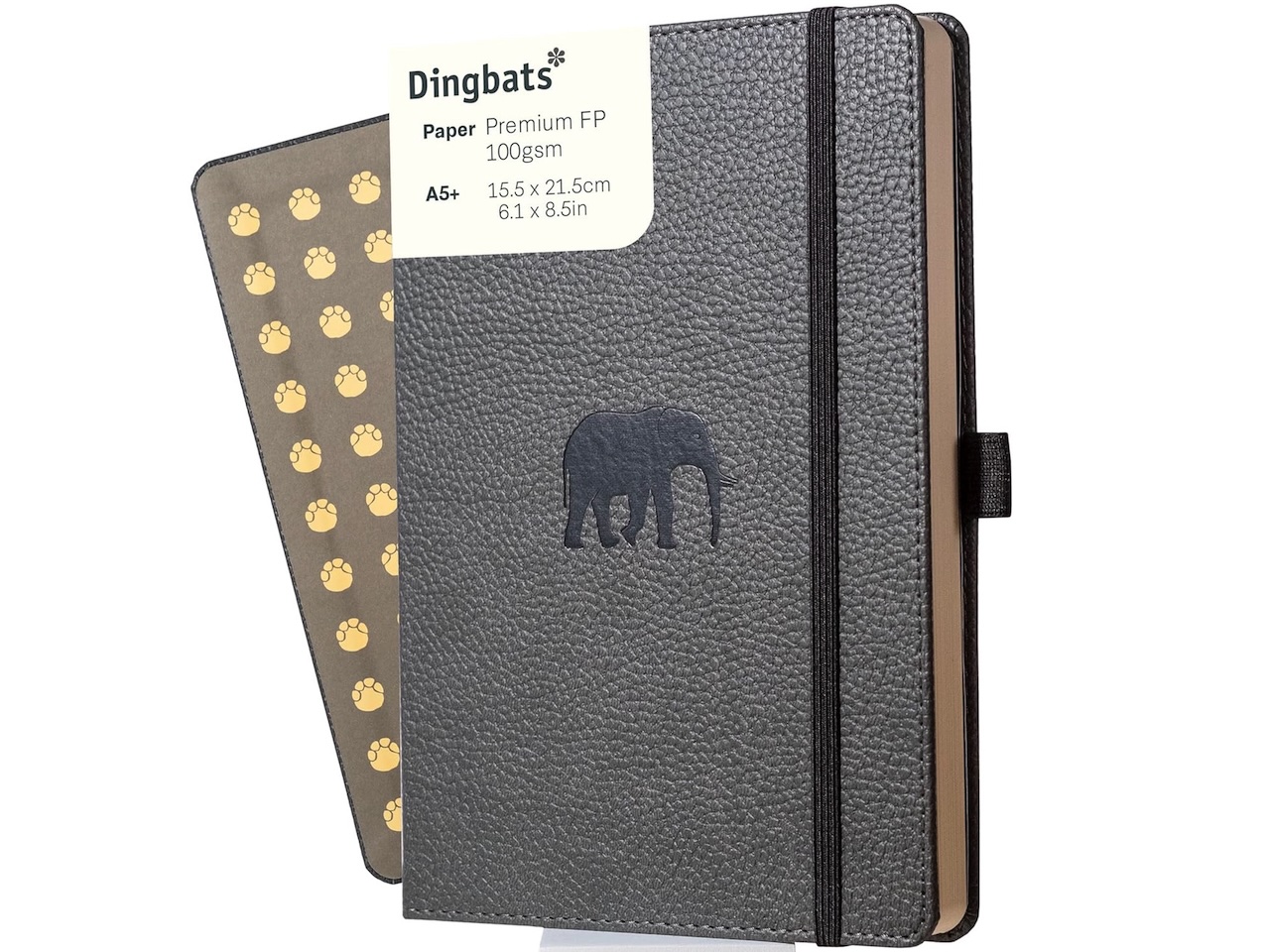
The A5+ format measures 15.5 by 21.5 cm and contains 192 pages of 100 gsm cream-coated, acid-free paper. Dingbats offers lined, dotted, grid, and plain versions, while the pages are micro-perforated if you occasionally need to remove one cleanly.
Price: $9.99
Where to Buy: Amazon
The extra width is not enormous, but that is the point. Students drawing diagrams or teachers mapping out lessons get additional working space while keeping the notebook practical to carry.
Dingbats also includes a pen holder, bookmark, elastic closure, and expandable pocket. The company emphasizes sustainability as part of the Wildlife range, including FSC-certified paper and animal-friendly materials. Those are manufacturer-backed product attributes rather than proof that producing a physical notebook has no environmental impact.
Buyer fit: Choose Dingbats Wildlife if your school or work notes regularly mix handwriting with sketches, diagrams, and planning. Its larger page, heavier paper, and built-in accessories also make it the most feature-packed option here.
Which Moleskine Alternative Should You Buy for Back to School?
Do not turn back-to-school notebook shopping into a specification contest. Higher gsm is not automatically better, more pages are not always useful, and extra accessories do not matter if you never use them.
Choose Leuchtturm1917 if you need to organize and retrieve a semester’s worth of notes; Rhodia or MD Notebook if you will spend hours writing by hand; Baronfig if your bag is already crowded; and Dingbats Wildlife if your subjects or lesson plans demand more space. The best Moleskine alternative is the one that fits the work you will actually do from the first week of school through the last.



Gadgeteer Comment Policy - Please read before commenting
Tiefossi journals on Amazon are superior quality with 160 GSM paper, come in lined/dotted/etc, A5 and other sizes, and cost the same or less than some of the ones on the list, with beautiful designs in multiple colors. They are perfect for Journaling.