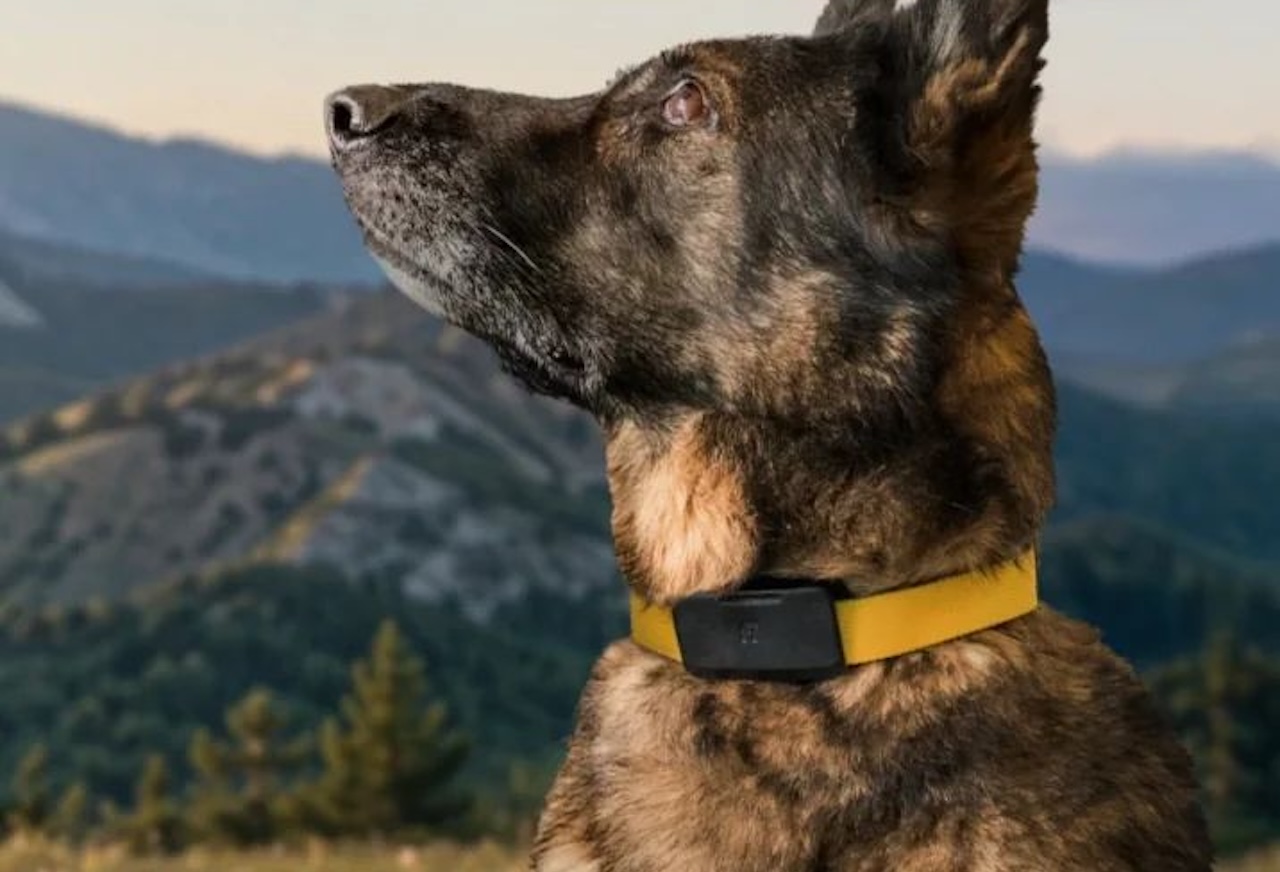
A lost dog doesn’t care whether the map arrives by LTE or satellite. The person searching for one does. I’m not going to call Fi Ultra a breakthrough for every dog owner, because its $408 first-year cost buys a very particular kind of reassurance: a GPS tracker built for places where ordinary cellular coverage fades and T-Satellite service is available.
Price: From $199
Where to Buy: Fi
Fi calls the Ultra its remote-explorer tracker. Its own support documentation describes LTE, Wi-Fi, Bluetooth, and T-Satellite with Starlink, then draws a firm boundary: satellite coverage doesn’t turn an off-leash dog into an off-grid one. That distinction gives this new tracker its real story.
The technology is real, but the boundary is tighter than the pitch
Fi’s support page says Ultra can use T-Satellite with Starlink in areas without standard cellular coverage, alongside LTE, Wi-Fi, Bluetooth, and GPS. That does not make it an always-connected solution: satellite availability depends on location, terrain, sky visibility, network conditions, and service rules. An owner also still needs a working data connection to receive and view location updates in the Fi app.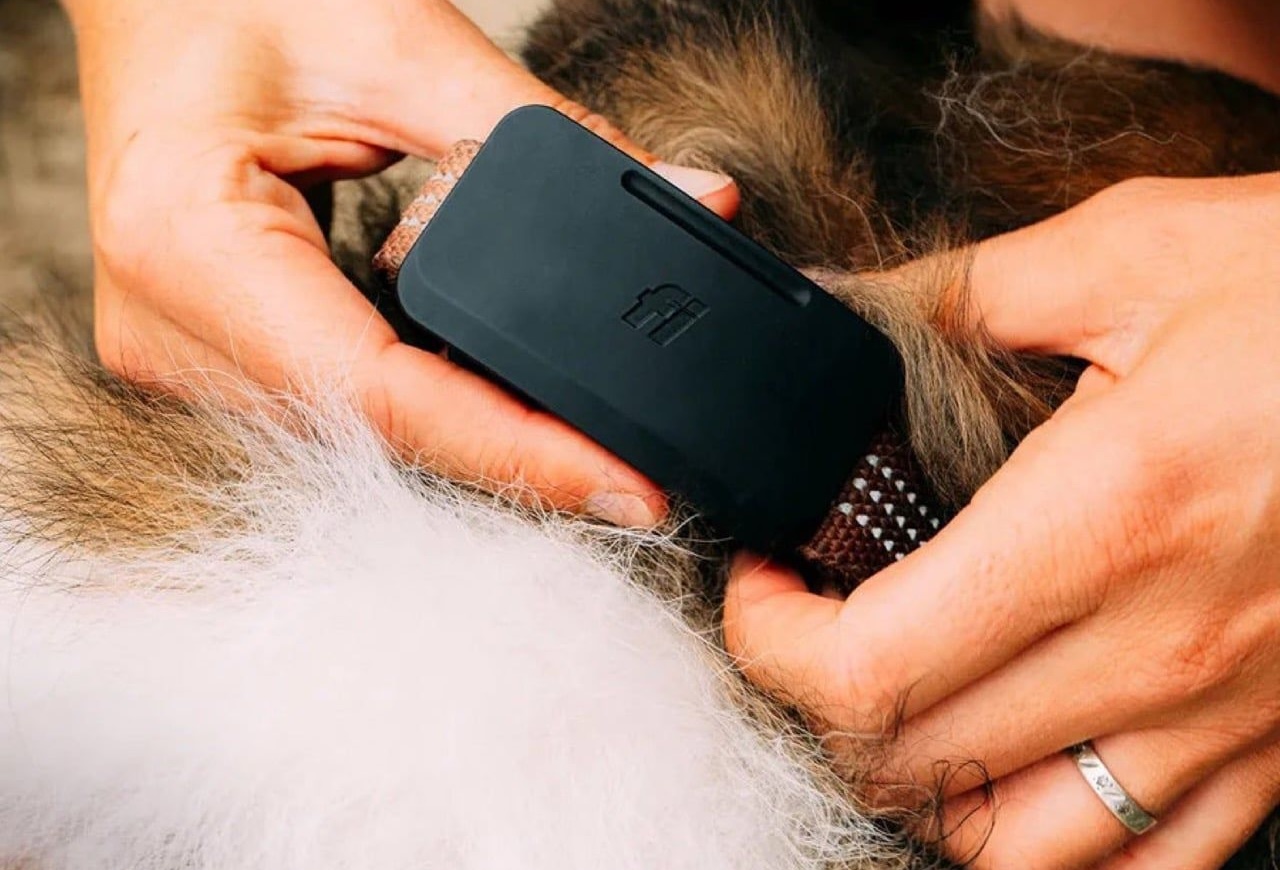
It’s still a meaningful shift for a dog that spends weekends on a trail, around a rural property, or far from the nearest reliable tower. The Gadgeteer has covered GPS trackers before, but Fi positions Ultra around a different job: keeping a location tool available across LTE and satellite coverage.
The price tells you who this is for
The hardware fee is $199 for a new Fi customer, followed by a $20 activation fee and a prepaid one-year membership that Fi lists at $189. That brings the first purchase to $408. Existing Fi members can add Ultra as a secondary tracker for a $299 hardware fee while keeping an existing membership.
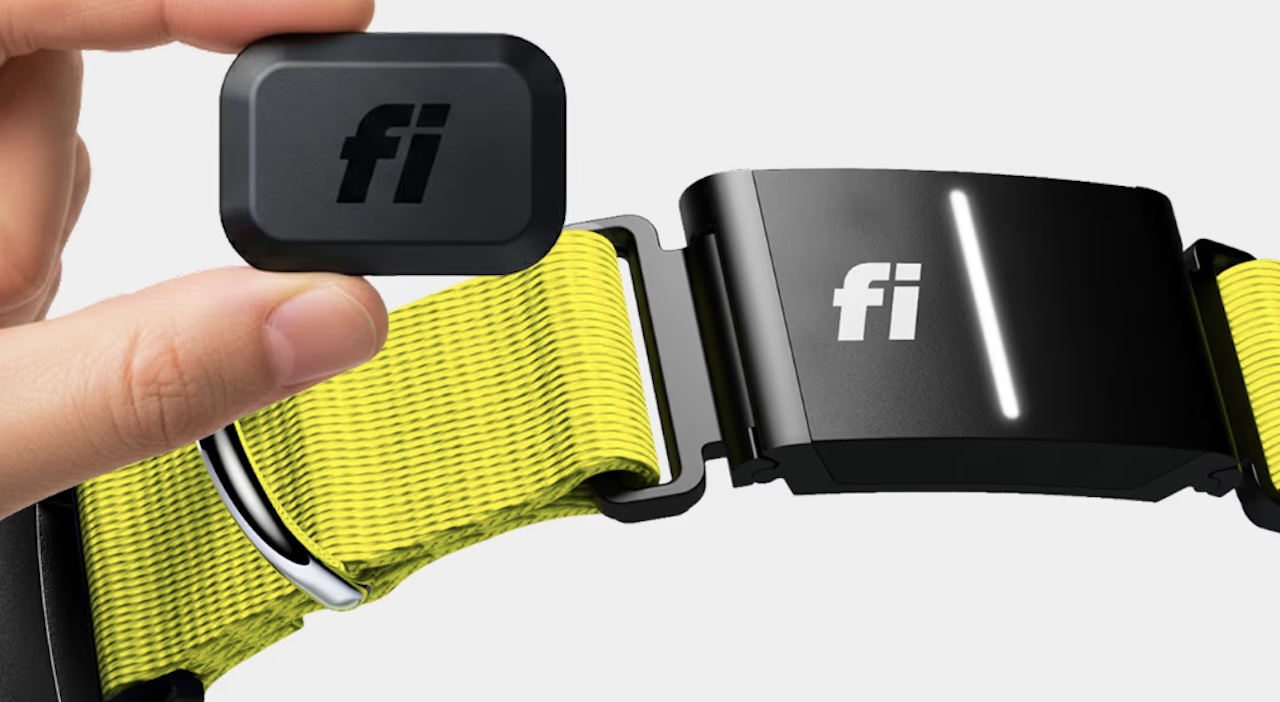
That’s a sharp divide from a basic tag or a tracker bought for a neighborhood escape artist. Fi’s product lineup illustrates the tradeoff: Ultra is a 68-gram, clip-on tracker built around expanded connectivity, while Fi’s collar-style products emphasize a different mix of fit, battery life, and everyday tracking. The right question is not whether satellite sounds impressive; it is whether your dog’s normal territory creates a location problem that LTE alone cannot cover.
The membership should be part of the decision
Fi’s first-year total is easy to miss if the purchase is framed as a $199 tracker. The support page spells out the extra activation fee and prepaid membership. That recurring cost belongs in the same decision as satellite coverage, because the hardware doesn’t deliver its full tracking service as a one-time purchase.
That doesn’t make the fee unreasonable. A dog that spends real time beyond routine cellular coverage creates a more expensive problem than a dog that stays near home. It means a buyer should decide before checkout whether remote coverage is a rare emergency tool or a feature they’ll use often enough to justify a continuing service.
The simplest test is geographic. If your regular routes already have solid signal, spend less and keep the tracker charged. If your dog regularly crosses the point where your phone loses service, Fi Ultra offers a specific new layer of coverage, with clear limits and a price that deserves the same scrutiny as the satellite technology.
Battery life exposes the tradeoff
Fi rates Ultra for two to three days of battery life under normal use and advises charging it every one to two days. That is Fi’s stated expectation rather than an independent endurance result, and real runtime will vary with use, signal conditions, and location-update frequency. Power Saving Mode reduces location check-ins to conserve power, though actual runtime will vary with signal conditions, activity, and how frequently the tracker reports its location.
The device charges through USB-C and does not use a Fi Base. It measures 75 by 40 by 25 millimeters, weighs 68 grams, and carries an IP68 rating. Those details make its mission clear: Ultra is a rugged clip-on tracker designed for collars, harnesses, and working-dog vests rather than a lightweight everyday collar accessory.
Right tool for a remote dog, wrong tool for the rest
The right buyer owns an active dog that gets beyond dependable cellular coverage and already accepts the work of charging a GPS tracker. A ranch, a cabin, a hunting trip, or a regular trail route can turn satellite fallback from a talking point into a useful insurance policy.
The wrong buyer lives in a city or suburb with dependable service and wants a low-cost backup for an occasional gate escape. An AirTag can still be useful for a different kind of location task, but it doesn’t solve a remote GPS coverage gap. Fi Ultra’s satellite connection is an answer, but it isn’t a universal one.
What satellite changes for ordinary gear
Fi Ultra’s more interesting than a new pet accessory because it puts satellite infrastructure inside a small consumer object with a narrow job. The tracker doesn’t need to transform every dog walk. It only needs to make one hard search less blind when the usual network disappears.
Price: From $199
Where to Buy: Fi
That’s a more useful way to judge satellite gadgets. Skip the spectacle. Ask whether the connection changes the consequence when your normal connection fails. For remote dog owners, Fi Ultra has a clear answer. For everyone else, a less ambitious tracker can still be the smarter purchase.