
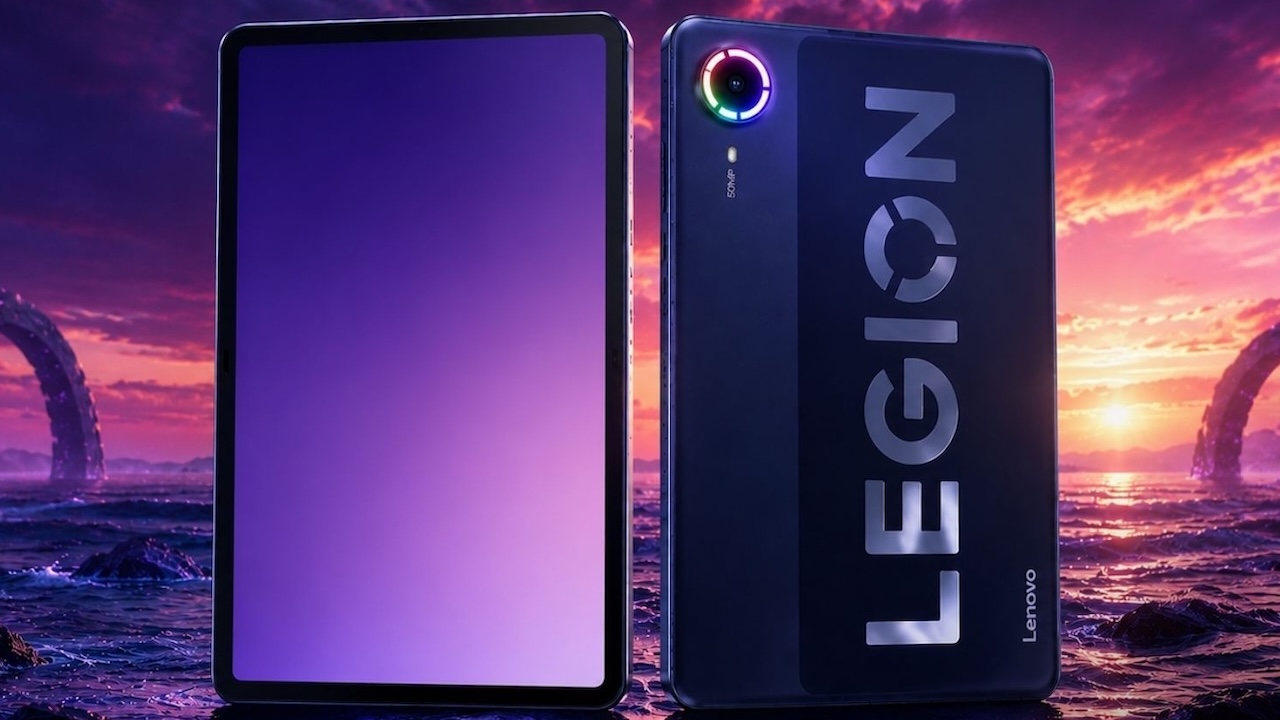
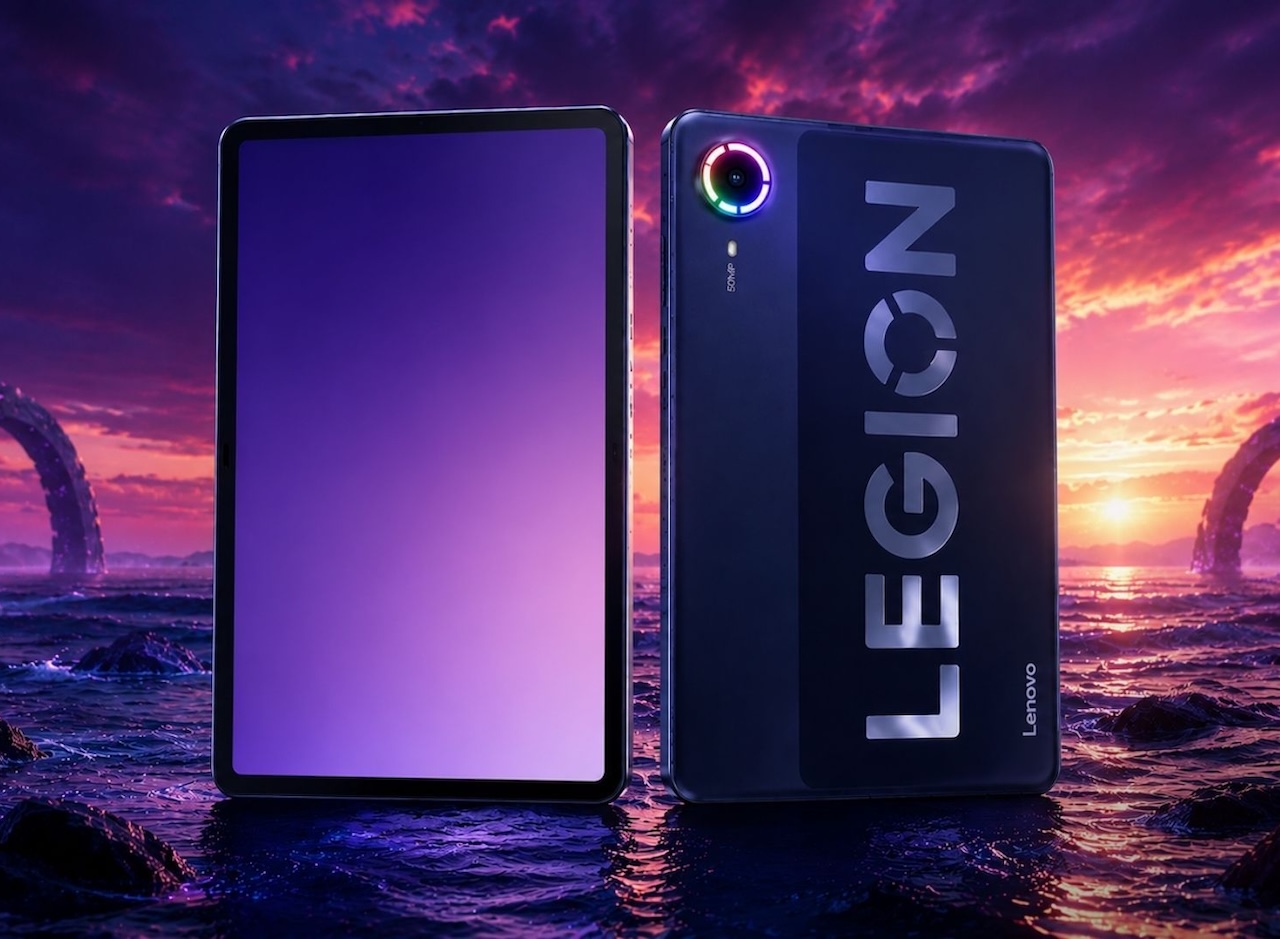
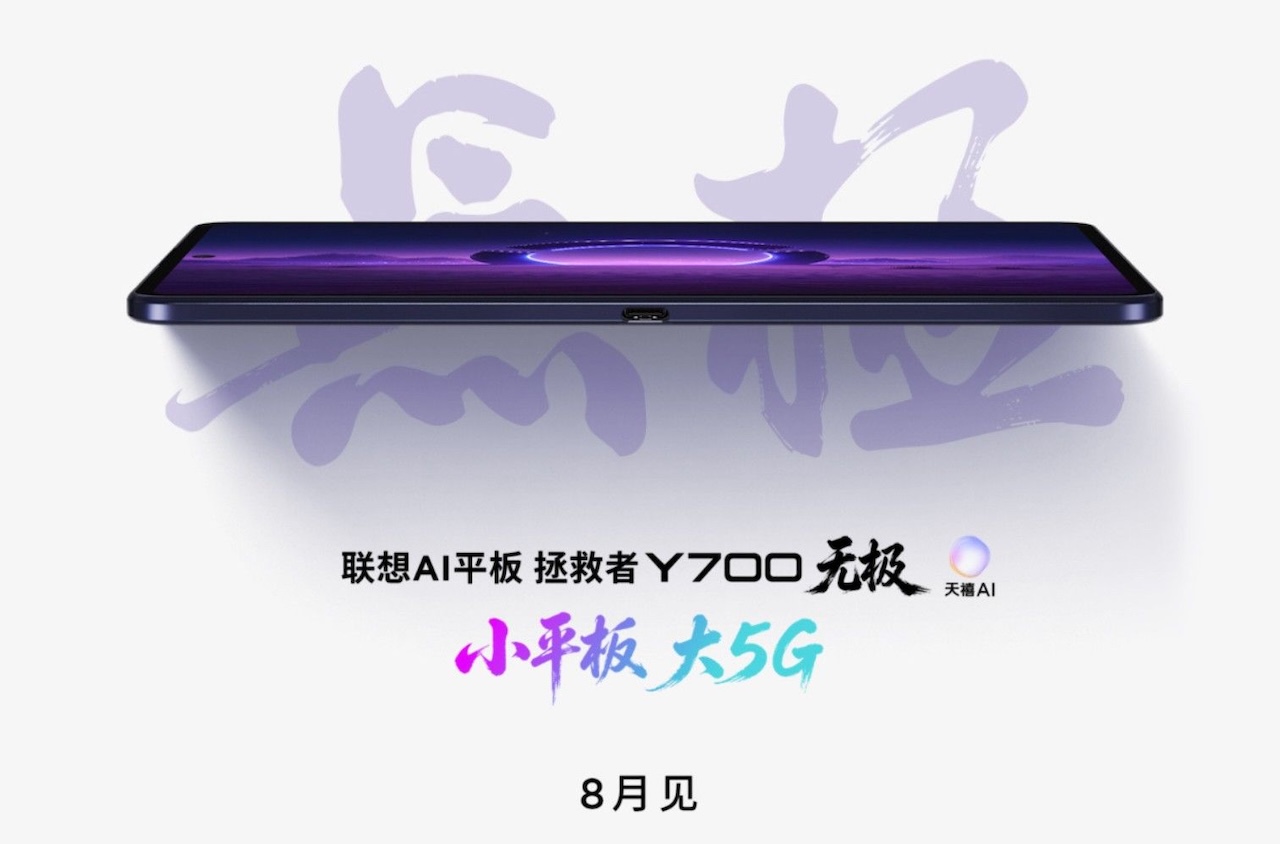
A compact gaming tablet can replace a handheld PC for the right player, but not for everyone. The Lenovo Legion Y700 Infinite makes the case more interesting with a reported 8.4-inch OLED display, 165Hz refresh rate, 5G connectivity, and an overclocked Snapdragon 8 Elite Gen 5. It remains a China-first product ahead of its August 25 launch.
Price: TBD
Where to Buy: Lenovo
Before anyone treats the Y700 Infinite as a travel upgrade, Lenovo still needs to answer the questions that matter most outside China: price, international availability, supported 5G bands, warranty coverage, and independent battery and performance testing. Lenovo has not announced a global version.
Start with your gaming
Choose the tablet path if you want a larger display than a phone, Android games, touch controls, streaming, and the option to stay connected without using your phone as a hotspot. Choose a handheld PC if you want built-in controls, access to a PC gaming library, and a device designed to be held with both hands for long sessions.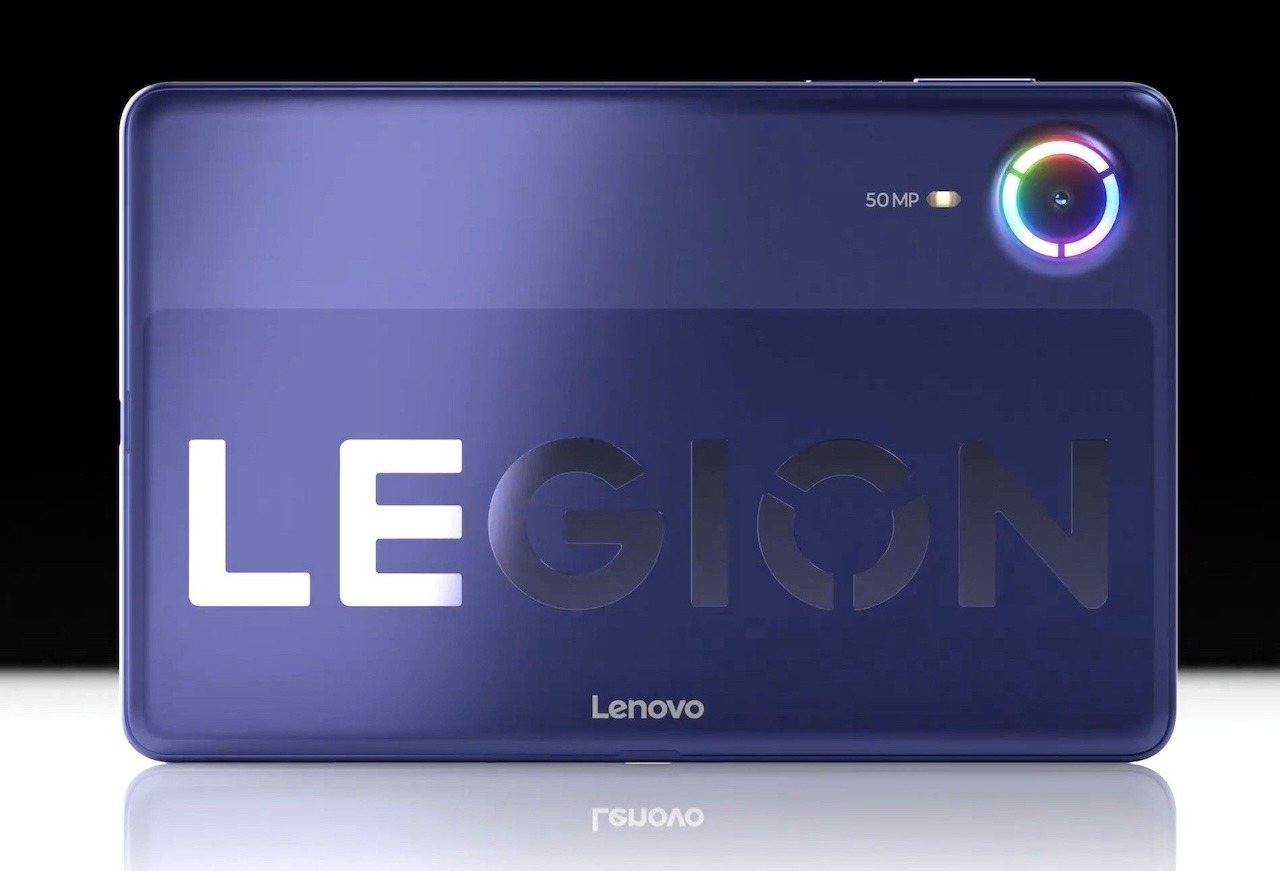
These devices overlap, but they solve different problems. A tablet prioritizes screen space and mobile flexibility; a handheld PC prioritizes physical controls and native PC gaming.
The Y700 Infinite’s 5G connection could eliminate one of the most annoying tablet-gaming accessories: the phone hotspot. That convenience depends on whether Lenovo releases the tablet beyond China, whether its cellular bands work locally, and whether adding another data plan makes financial sense. Current reporting points to dual-SIM support, but international compatibility is not confirmed.
OLED changes the case
The Y700 Infinite’s OLED panel makes it more than a routine processor refresh. Lenovo has confirmed OLED and 5G for the China-bound model, while recent reporting points to an 8.4-inch display with a 165Hz refresh rate and an August 25 launch.
OLED can deliver deeper blacks, better per-pixel contrast, and faster pixel response than conventional LCD technology. Those benefits matter most in dark games, media playback, and indoor use, but they do not automatically make a tablet superior to a handheld PC.
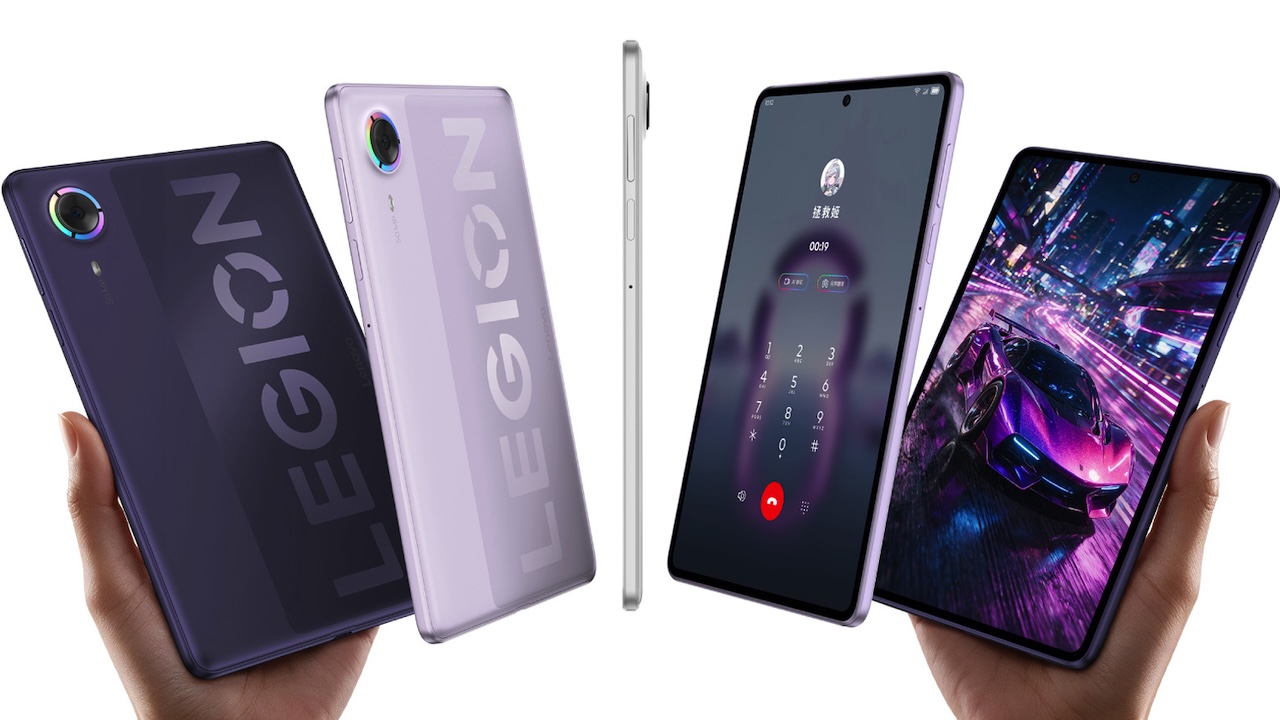 The unanswered question is endurance. A high-refresh OLED panel, 5G radio, and flagship-class processor can all increase power demand, so independent testing will matter more than a spec sheet. Until reviewers measure sustained performance, heat, charging behavior, and real-world battery life, the Y700 Infinite is a product to watch, not one to recommend unreservedly.
What the current Legion Tab already proves
Lenovo’s current Legion Tab Gen 5 shows how far this category has moved. It uses an 8.8-inch 3K, 165Hz display, a Snapdragon 8 Elite Gen 5 processor, up to 16GB of memory, and up to 512GB of UFS storage.
That makes the Infinite’s pitch more specific. It is not simply offering a compact Android tablet with high-end specifications; it adds OLED and cellular connectivity to a category already defined by fast displays, aggressive cooling, and flagship silicon.
 The older Legion Tab Gen 3 remains a useful reference for buyers shopping discounts. It pairs an 8.8-inch 165Hz display with Snapdragon 8 Gen 3, 12GB of LPDDR5X RAM, and 256GB of UFS 4.0 storage.
An 8.4-inch tablet occupies a useful middle ground. It gives games and streaming video more room than a phone, but it remains substantially easier to carry than a 12-inch tablet or laptop. For some travelers, that is enough to justify the extra device.
Where a handheld PC still wins
If built-in controls are your first requirement, a handheld PC starts with the right shape. The sticks, triggers, buttons, and grips stay attached to the device, so you don’t need to pack a controller, find a flat surface, or balance a tablet on your knees. The Gadgeteer’s 2026 handheld gaming analysis reaches the same practical divide from the PC side: handhelds win when the control layout and library come first. SteamOS and Windows handhelds provide direct access to PC game libraries.
The laptop comparison is less flattering
When gaming shares a bag with serious work, a laptop remains the more practical single-device choice. It gives you a keyboard, trackpad, desktop software, a larger work area, and fewer compromises for writing, research, editing, or multitasking.
The tablet earns its keep through a narrower combination: lighter travel than a laptop, more screen than a phone, and easier touch interaction than a handheld PC. Add 5G and it becomes a more self-contained mobile gaming station. Without cellular access, or if you need to carry a separate controller, its travel advantage becomes less clear.
That narrow fit is a strength, not a flaw. For frequent travelers, usefulness matters more than all-in-one ambitions: the tablet only has to earn the space it occupies. Its value comes down to whether it makes one recurring situation, such as a flight, train ride, or hotel stay, easier than the gear you already carry. For the Infinite, that routine could be hotel-room gaming, train travel, or online play away from Wi-Fi. Independent reviews will determine whether its battery life, thermals, and network performance fulfill that promise.
The unanswered questions that decide the purchase
Lenovo has confirmed an August 25 China launch for the Y700 Infinite, but pricing and international availability remain unknown. A high price could make the Legion Tab Gen 5, a discounted Gen 3, or a handheld PC the better buy.
Buyers should also verify local 5G-band and carrier support before importing. Battery life and sustained performance still need independent testing, especially with OLED, 165Hz, 5G, and flagship hardware. Finally, consider whether touch controls meet your needs or whether carrying a separate controller is an acceptable compromise.
Which device should you choose?
- Choose a compact gaming tablet if you want a larger touch display, Android games, media playback, optional mobile data, and more flexibility than a phone offers.
- Choose a handheld PC if built-in controls and access to PC games matter more than cellular connectivity or a larger screen.
- Choose a laptop if gaming travels alongside writing, work, desktop apps, editing, or serious multitasking.
- Keep your current device if your gaming is mostly at home, on Wi-Fi, or limited to games that already work comfortably on your phone or existing handheld.
Price: TBD
Where to Buy: Lenovo
The practical verdict
The Y700 Infinite is aimed at a specific buyer: someone who wants a premium Android gaming screen with cellular access, not a PC replacement. It cannot match a handheld PC’s built-in controls or direct PC-game access, but it offers more screen space and mobile flexibility. Wait for confirmed local pricing, availability, and independent testing before upgrading.


Gadgeteer Comment Policy - Please read before commenting
just what am looking for
this will be my next daily