
Phone cameras keep adding pixels, but pixels aren’t the real problem anymore. The harder job is keeping color, shadows, and detail clean when the light gets tricky.
That’s the idea behind the new Samsung 200MP ISOCELL HPC Sensor. It’s a 200MP phone camera sensor, but Samsung isn’t selling it on the pixel count. The pitch is DeepPix, a new pixel design meant to catch and hold more light.
Samsung Is Trying to Make 200MP Less Fragile
Samsung calls ISOCELL HPC a 200MP mobile image sensor built on its ISOCELL design. The resolution isn’t the interesting part here.
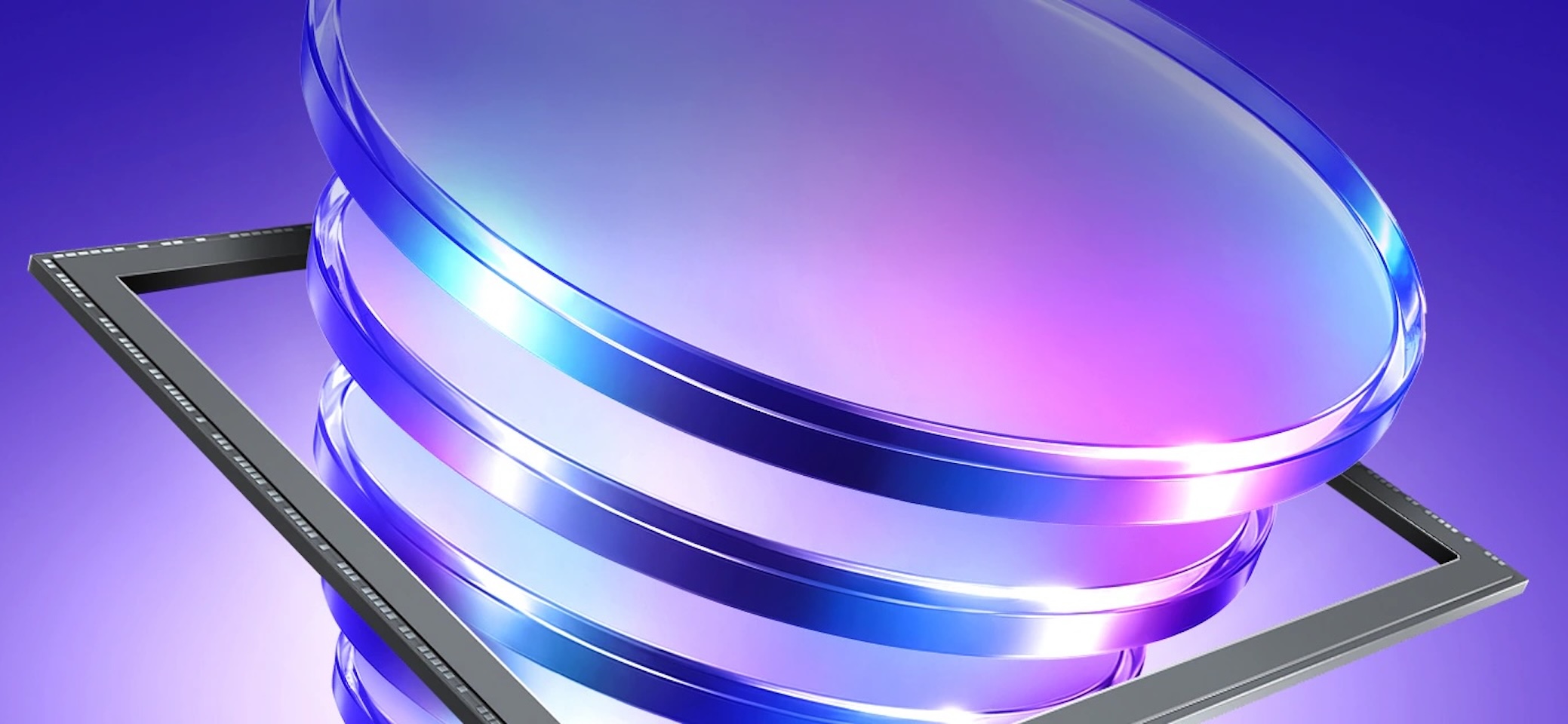
The real change is DeepPix. Samsung says it raises Full Well Capacity, which is how much light data a single pixel can hold before the image starts to fall apart.
That matters because tiny pixels struggle in hard light. They can blow out bright areas, add noise in shadows, and lose detail in scenes that have both. Samsung already ships 200MP main sensors in phones like the Galaxy Z Fold8 Ultra, so the question now is what those pixels can actually hold.
DeepPix Changes the Pixel Before the Software Gets Involved
Underneath DeepPix sits a structure Samsung calls Front Deep Trench Isolation. Samsung credits it with giving the photodiode and the shared floating diffusion more room to work, and says the payoff is a 60 percent jump in single-pixel Full Well Capacity over the last generation.
That’s Samsung’s own number, not something TG has tested. The simple version is this: each pixel gets more room to collect light, so the phone’s software has less mess to clean up later.
The HDR Pitch Is Bigger Than Photos
Color is where Samsung makes its boldest claim. The sensor handles single-frame 16-bit HDR, and by the company’s math, that stretches color expression as far as four times what a standard HDR shot delivers.
Video gets attention too. Samsung’s page lists 4K at up to 180 fps, with a note that all-pixel PDAF supports 4K at 120 fps. Samsung’s specification table also lists 8K at 30 fps and FHD at 360 fps without autofocus.
So this isn’t only a photo sensor on paper. If phone makers use it, the payoff could be cleaner HDR in fast motion, backlit shots, and slow motion, though lenses, processing, and tuning still shape the final result.
Zoom Is the Quietly Useful Part
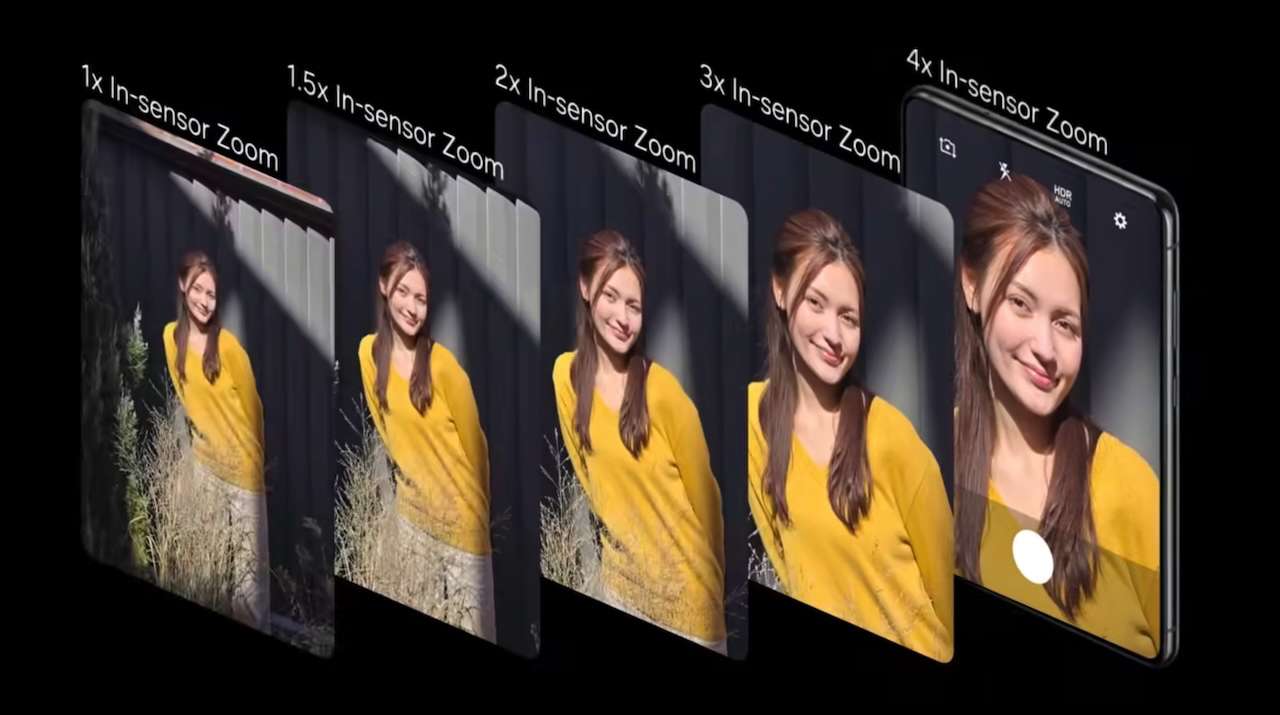
The Samsung 200MP ISOCELL HPC Sensor keeps single-frame HDR across 1x, 1.5x, 2x, 3x, and 4x in-sensor zoom. That’s useful, because zoom is usually where phone photos get worse.
Samsung says smart in-sensor downscaling helps hold that HDR quality across those zoom levels from one sensor. That doesn’t promise every phone using it will look the same, but it targets a problem you can actually see.
More Light Still Has to Reach the Photodiode
DeepPix isn’t the only light trick here. Sitting above the pixels is the High Precision Microlens, built from a high-refractive-index material that, per Samsung, bends incoming light down onto each photodiode instead of letting it scatter.
Samsung pairs that with High Transmittance ARL, a layer meant to cut reflection and scattering. The company says the two together improve quantum efficiency and give clearer photos with more natural color.
Those are still brand claims. Nobody can judge them until the sensor shows up in a real phone.

What We Still Do Not Know
Samsung’s page doesn’t name the first phone that will use ISOCELL HPC. There’s no launch date and no device partner listed either.
That leaves the main buyer question open. Sensor partners usually surface at a phone launch, the way hardware details did across Samsung’s 2026 Unpacked announcements. This could become a flagship camera sensor, or it could land in a smaller set of phones where software tuning does most of the work.
The Bottom Line
ISOCELL HPC isn’t interesting because of 200 megapixels. It’s interesting because Samsung is trying to make those pixels less dependent on perfect light.
If DeepPix works the way Samsung says, phones using it could hold HDR, color, and detail more evenly across zoom and video. For now it’s a promising announcement, and the next step is simple: wait for the first phone that proves it.
[Note: None of the smartphones featured in this post use Samsung’s new 200MP ISOCELL sensor.]
