
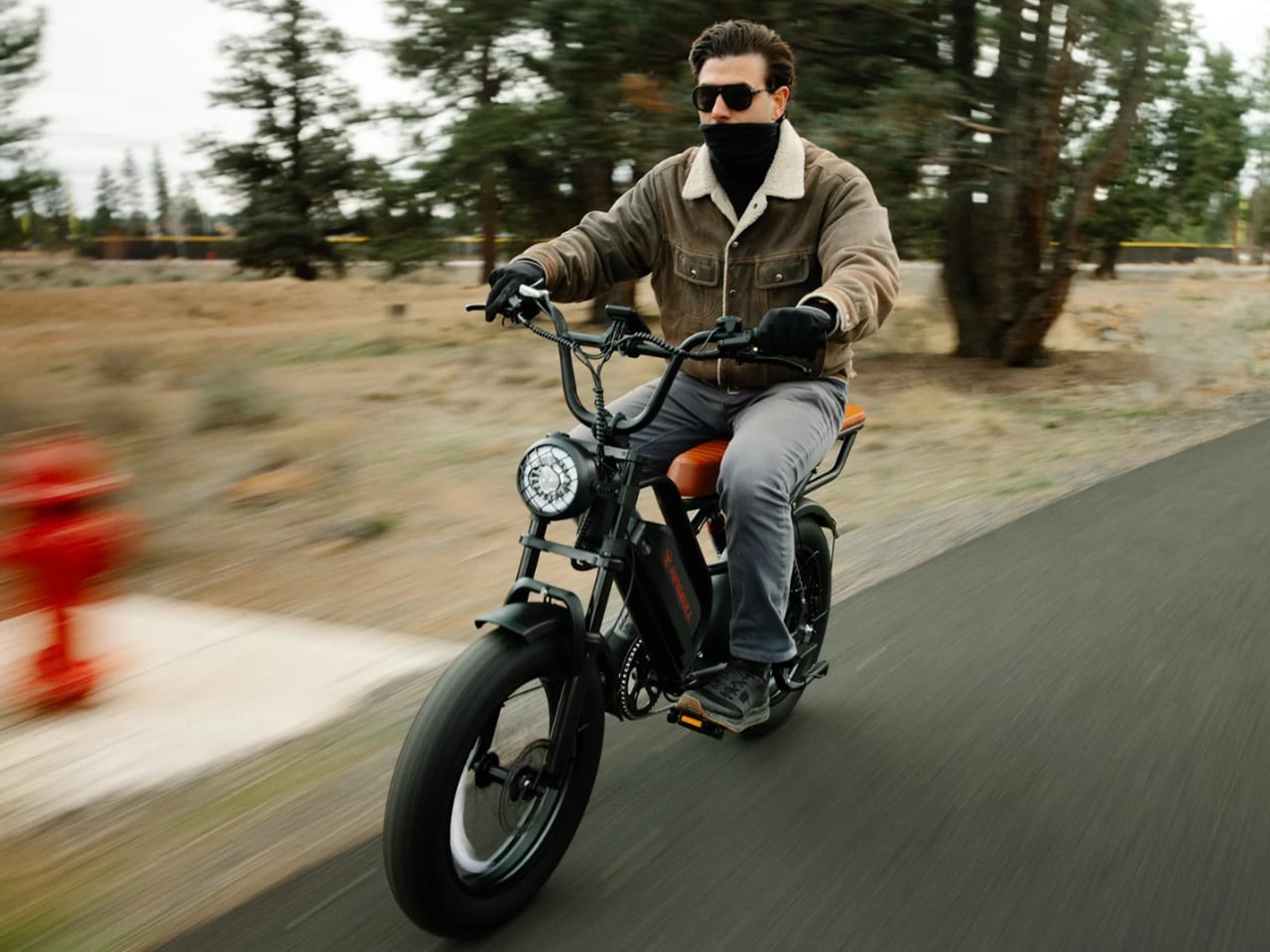
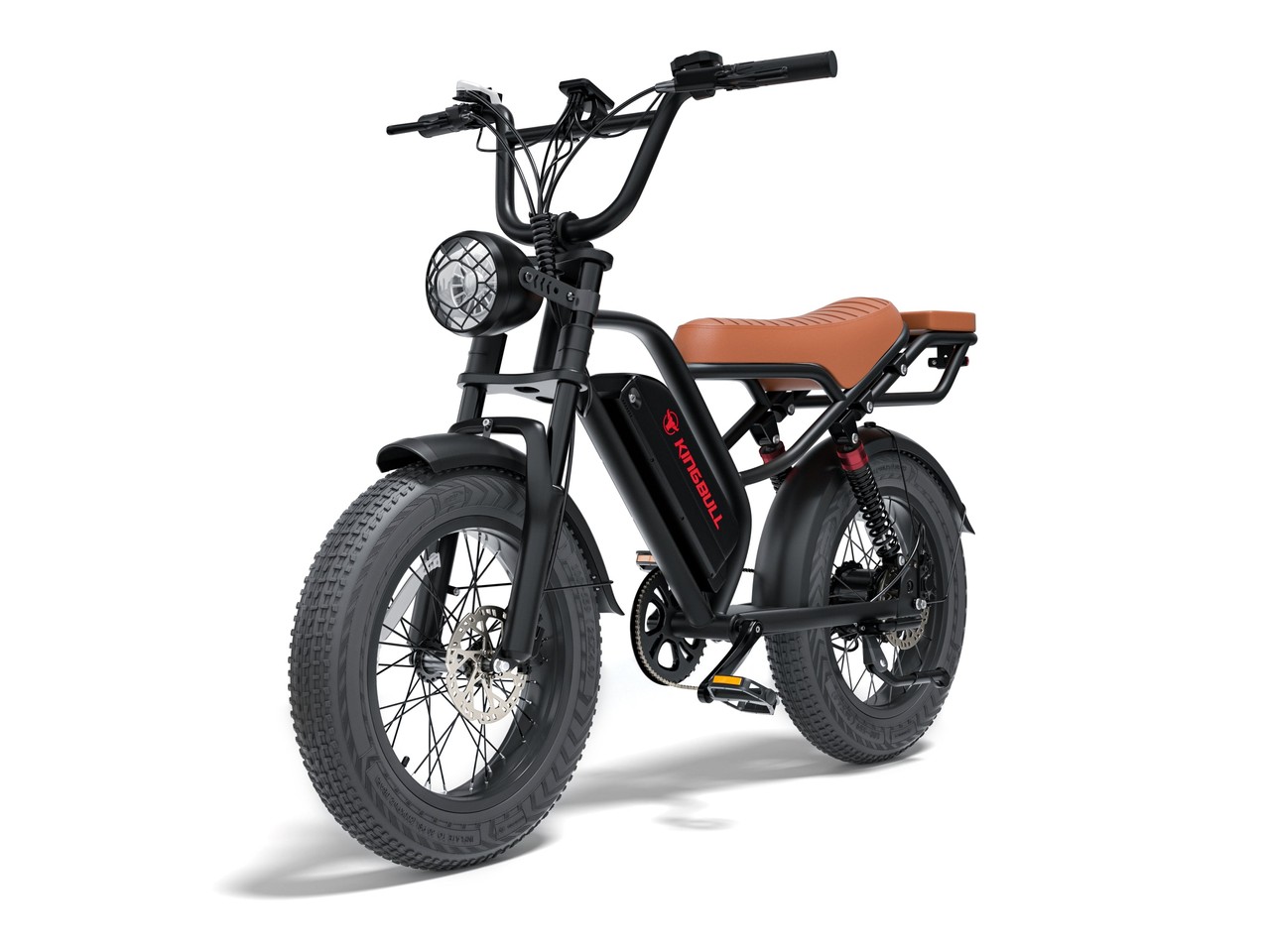
There’s a category of e-bike that borrows its silhouette from vintage mopeds: long bench seat, round headlight, fat tires, low stance. The Ranger sits squarely in that group. At $799, it packs a 750W motor and an 864Wh removable battery into a steel frame that weighs 88 pounds. That’s a lot of hardware for the money, and it’s also a bike that asks you to accept some real compromises before you click buy.
Ranger Vintage Off-Road Electric Bike
Live offer: $799 for the bike-only version at Kingbull.
What you get: 864Wh removable battery, 750W rear-hub motor, hydraulic brakes, front and rear suspension, integrated lighting, signals, and horn.
Where to Buy: Kingbull
What 88 pounds actually means
Eighty-eight pounds changes everything about owning an e-bike. It’s the difference between lifting a bike onto a hitch rack solo and needing help. Between carrying it up one flight of apartment stairs and storing it somewhere at ground level. Between fixing a flat on the roadside and calling for a ride.
The Ranger’s weight is partly the trade for its steel frame, its 864Wh battery, and its moped-inspired bodywork. None of that is free. If you have a garage, a shed, or a ground-floor space with a nearby outlet, the weight becomes manageable. If you live on a third-floor walkup, this isn’t your bike.
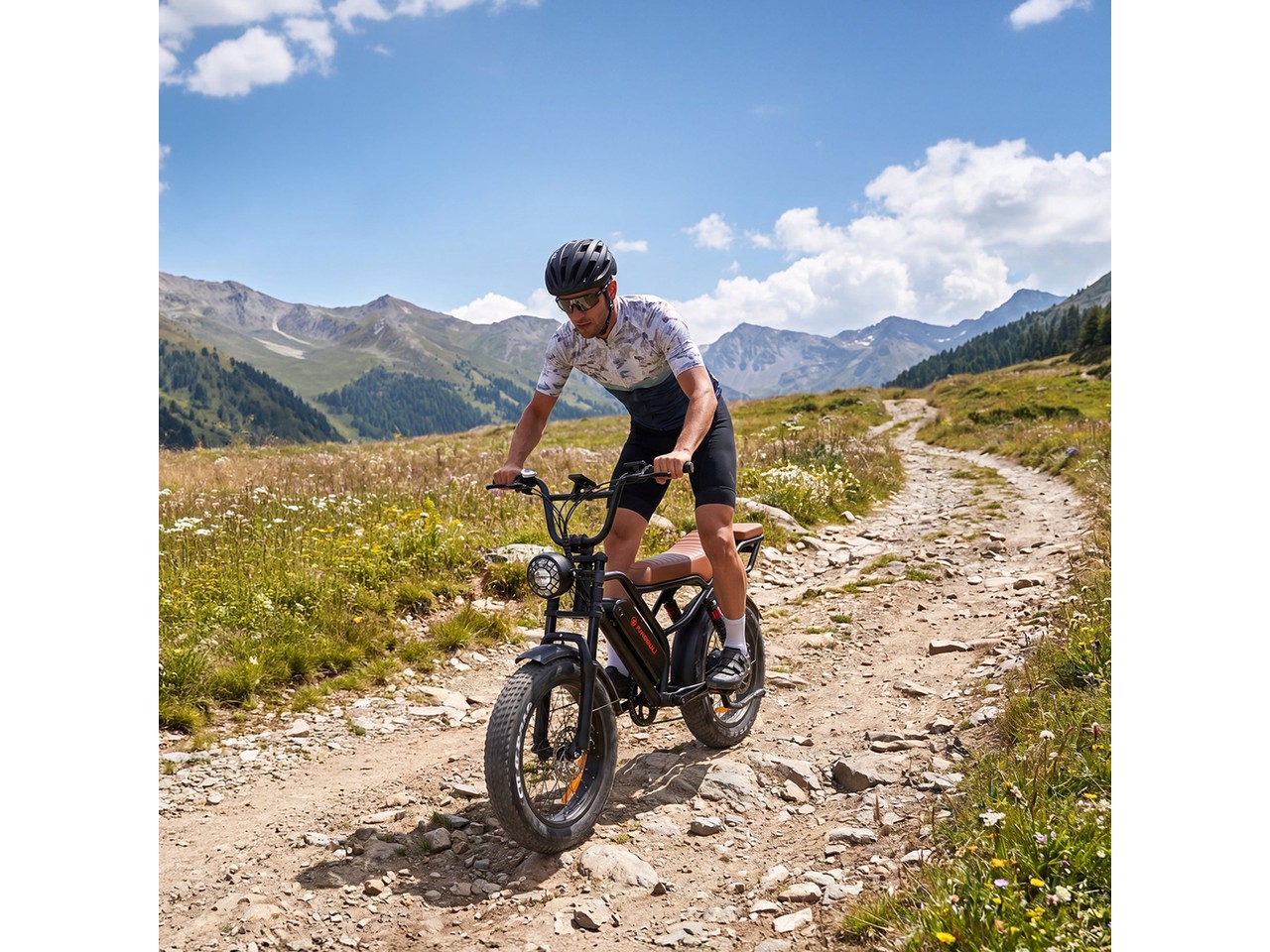
Removing the battery helps, though the listing doesn’t specify how much the pack weighs on its own. Either way, you’re not tossing this thing over your shoulder. Ground-level storage with direct access to a door or gate is the realistic setup.
That long saddle isn’t adjustable
The bench seat is one of the Ranger’s defining visual features, and it’s bolted in place at 33.5 inches. The listed rider-height range runs from 5 feet to 6 feet 3 inches, but a single fixed position can’t feel equally good at both ends of that spread.
Shorter riders should think about whether they can plant a foot securely at stops while managing 88 pounds. Taller riders should consider knee angle and reach over longer rides. There’s no sliding it forward, no dropping it an inch, no swapping in a different post. What the product photos show is what you get.
The cadence-based pedal assist fits this bike’s personality. A cadence sensor detects that the cranks are turning and delivers preset levels of help. It doesn’t respond to how hard you’re pushing, the way a torque sensor does. For relaxed cruising and throttle use, that’s a natural match. For anyone who wants assist that tracks pedal effort closely, a torque-sensor bike will feel more connected to the ride.
Motor and battery: the strongest argument at this price
The Ranger ships with a 750W brushless rear hub motor, 1,300W peak, 85 Nm of torque, and a 48V 22A controller. The battery is 48V, 18Ah , that’s 864 watt-hours, removable, and genuinely large for a bike at $799. It’s the spec that makes the whole package hard to ignore.
The listing claims up to 80 miles of range under ideal conditions. As with every e-bike range claim, assume less. Higher assist levels, 28 mph riding, repeated throttle starts, cargo, hills, wind, cold weather, low tire pressure, and battery age all pull that number down. Think of 80 miles as a best-case ceiling on flat ground at low assist with a light rider on a warm day. Your actual range will almost certainly be lower.
A few things the product page doesn’t spell out: battery-cell supplier, cycle-life rating, replacement-battery price, and charge time. Those answers matter before you treat a future battery swap as routine. Ask and get them in writing.
Where you can and can’t ride it
The Ranger is listed as Class 3 by default, adjustable to Class 2. Class 2 generally means throttle assist up to 20 mph. Class 3 typically means pedal assist up to 28 mph. These classifications aren’t universal permission slips , state law, city ordinances, trail rules, campus policies, and property managers all get a say.
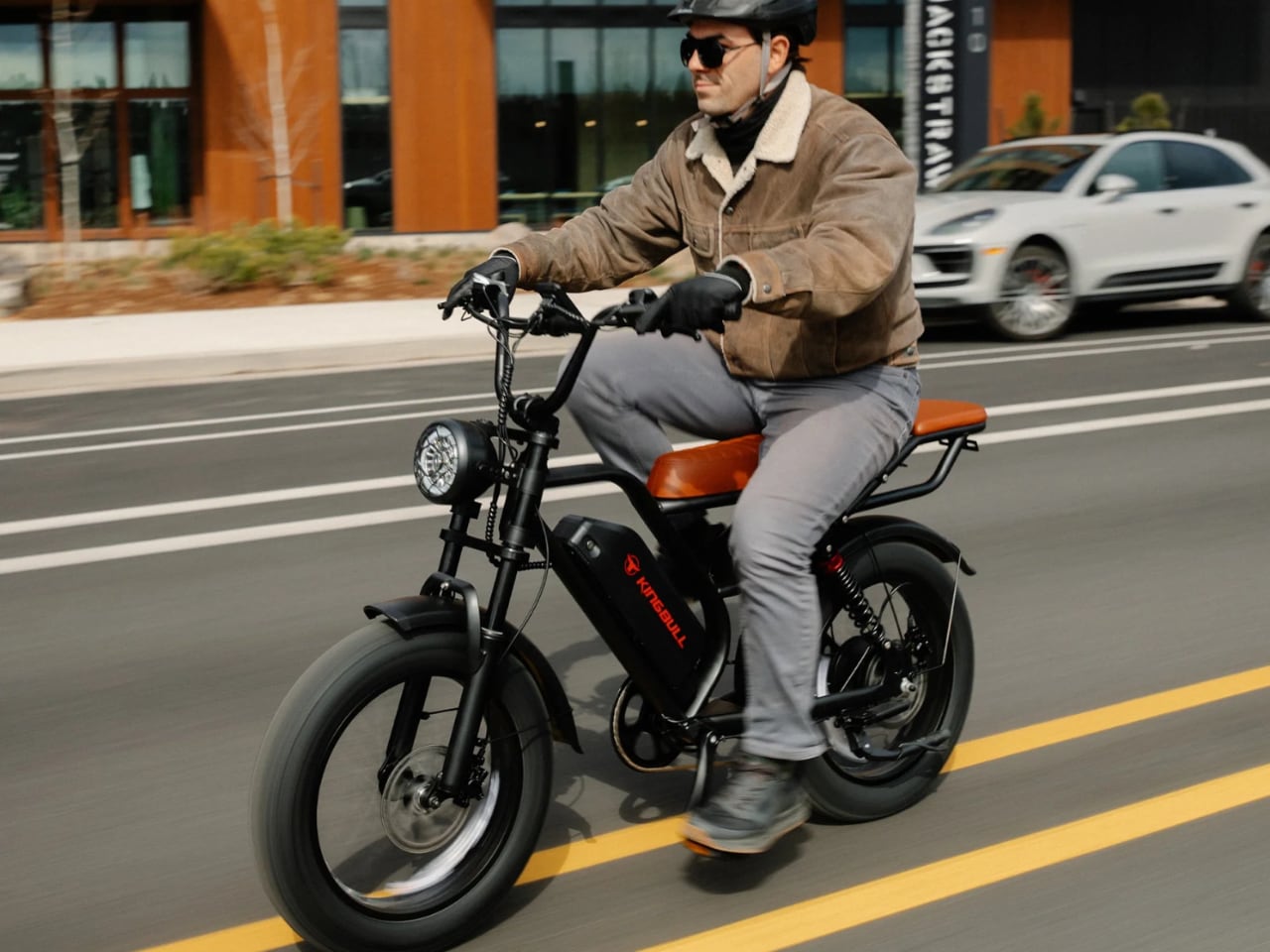
A Class 3 e-bike may be allowed on roads and some bike lanes but restricted from multiuse paths, trails, parks, and sidewalks. The Ranger’s moped-style appearance can invite extra attention, especially when you’re on the throttle or moving near the top of its speed range. If your regular route includes paths that ban Class 3 bikes, switch it to Class 2 and confirm that setting satisfies local rules.
Brakes, suspension, and the stuff you can see
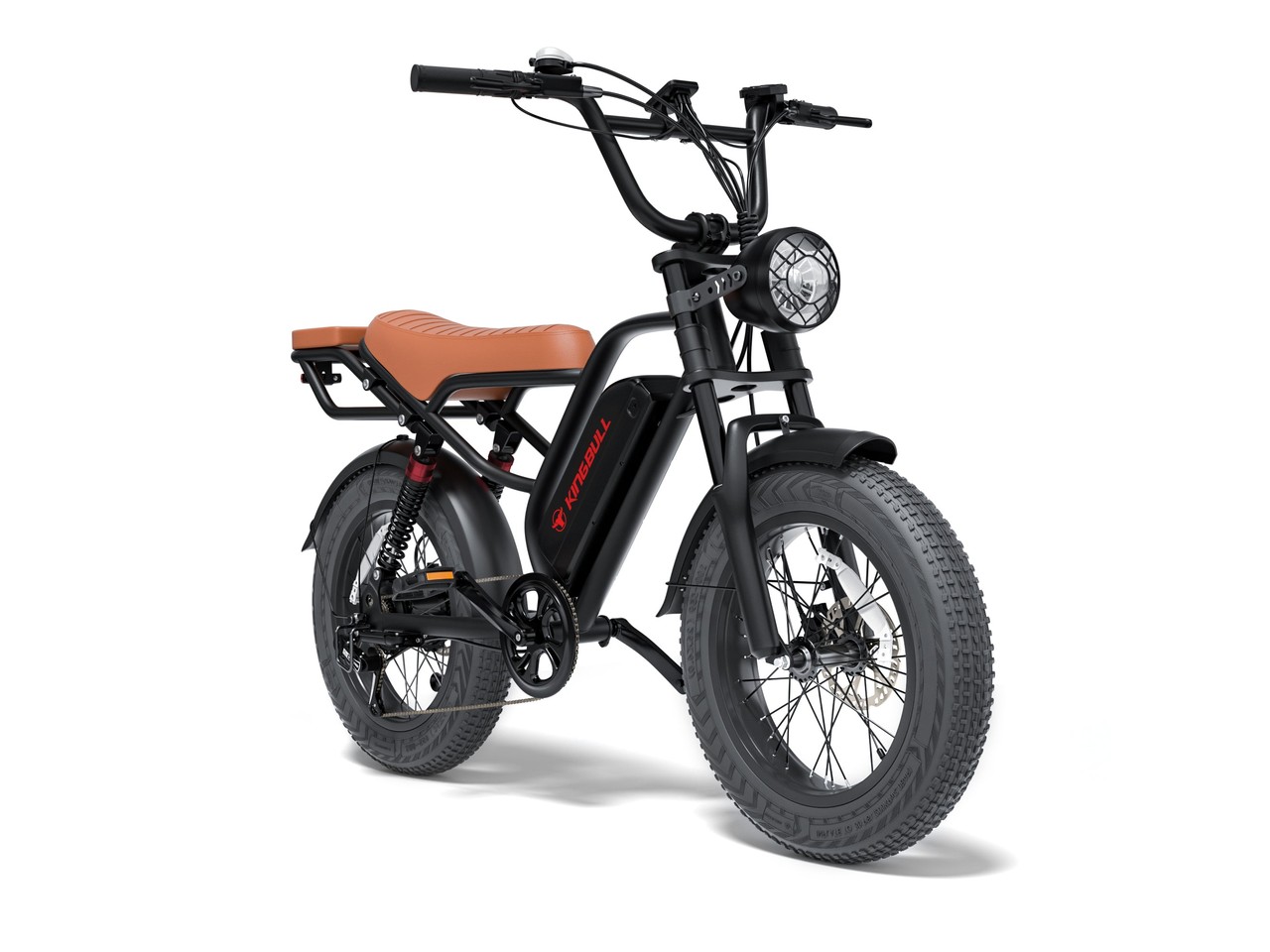
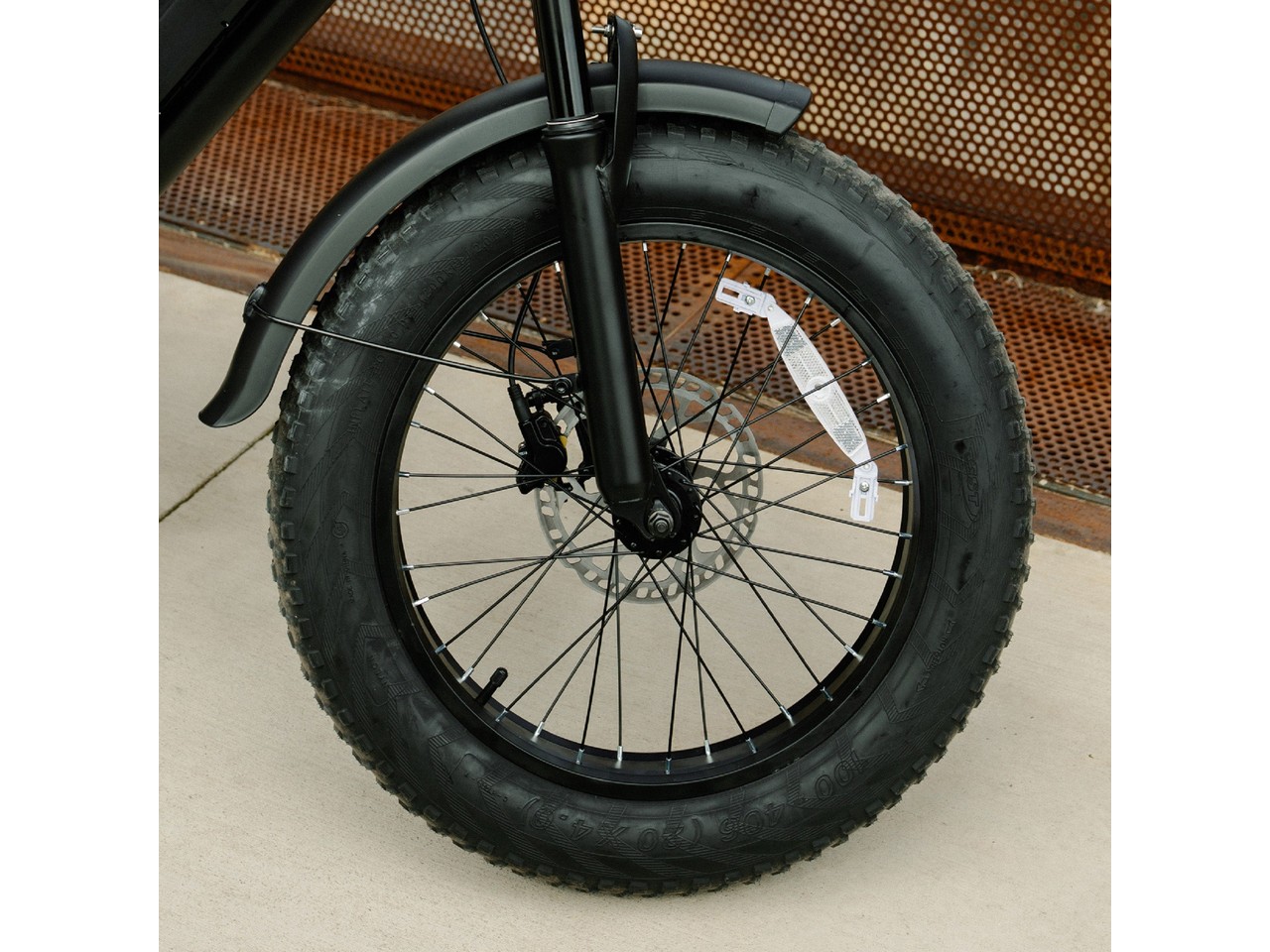
The Ranger runs hydraulic disc brakes with motor cutoffs on both levers. The spec sheet names 20 x 4-inch tires on what appear to be cast wheels. Up front there’s a lockable dual-crown hydraulic-spring fork with 80mm of travel. The product images also show rear shocks, though the technical table only details the front fork. Assume full suspension is present but incompletely specified.
The parts list that isn’t published matters as much as what is: no named brake manufacturer, no piston count, no rotor size, no pad type. On an 88-pound bike that can carry up to 350 pounds total and reach 28 mph, those details are worth knowing before you buy.
Integrated lighting is a real plus: 48V headlight, rear brake light, left and right turn signals, and a 12V dual-tone horn. Those aren’t decorations. They make you more visible and give you signaling capability that most bikes at this price skip entirely.
The rear section: what it is and isn’t
The long seat, rear rack rated for 150 pounds, included foot pegs, and the two-up styling make it tempting to treat the Ranger as a passenger bike. The marketing leans into this: dual comfort, tandem journeys, pairs. But the technical specifications don’t include a separate passenger weight rating, minimum passenger age, or instructions for safely carrying a second person.
A rack rating is not a passenger rating. Adding a person changes stopping distance, handling, tire loading, and the legal classification some jurisdictions apply. Until the manufacturer publishes clear occupant guidance, treat the rear section as cargo space. If you need to carry a child, partner, or regular passenger, choose a cargo or utility e-bike that explicitly states its passenger capacity.
Assembly and what happens when something breaks
The bike ships roughly 85% assembled with basic tools included. If you’re comfortable with bicycle setup, that’s workable. If you’re not, budget for a shop to check torque on the axles, bed in the brakes, and confirm everything is secure before your first ride. The first few miles are when loose fasteners show themselves.
Kingbull lists a two-year warranty on the motor, battery, controller, sensors, wiring, and frame. Shorter terms apply to the display, fork, hub, charger, brakes, and tires. Shipping from a U.S. warehouse is free, and in-stock orders to the lower 48 typically go out within two business days. Returns are a 15-day window, and non-defect returns can carry a 10% handling fee plus $150 return shipping.
The product page mentions IPX6 water resistance, but that’s not permission to pressure-wash electrical connections or charge a wet battery. Common sense applies.
The value equation
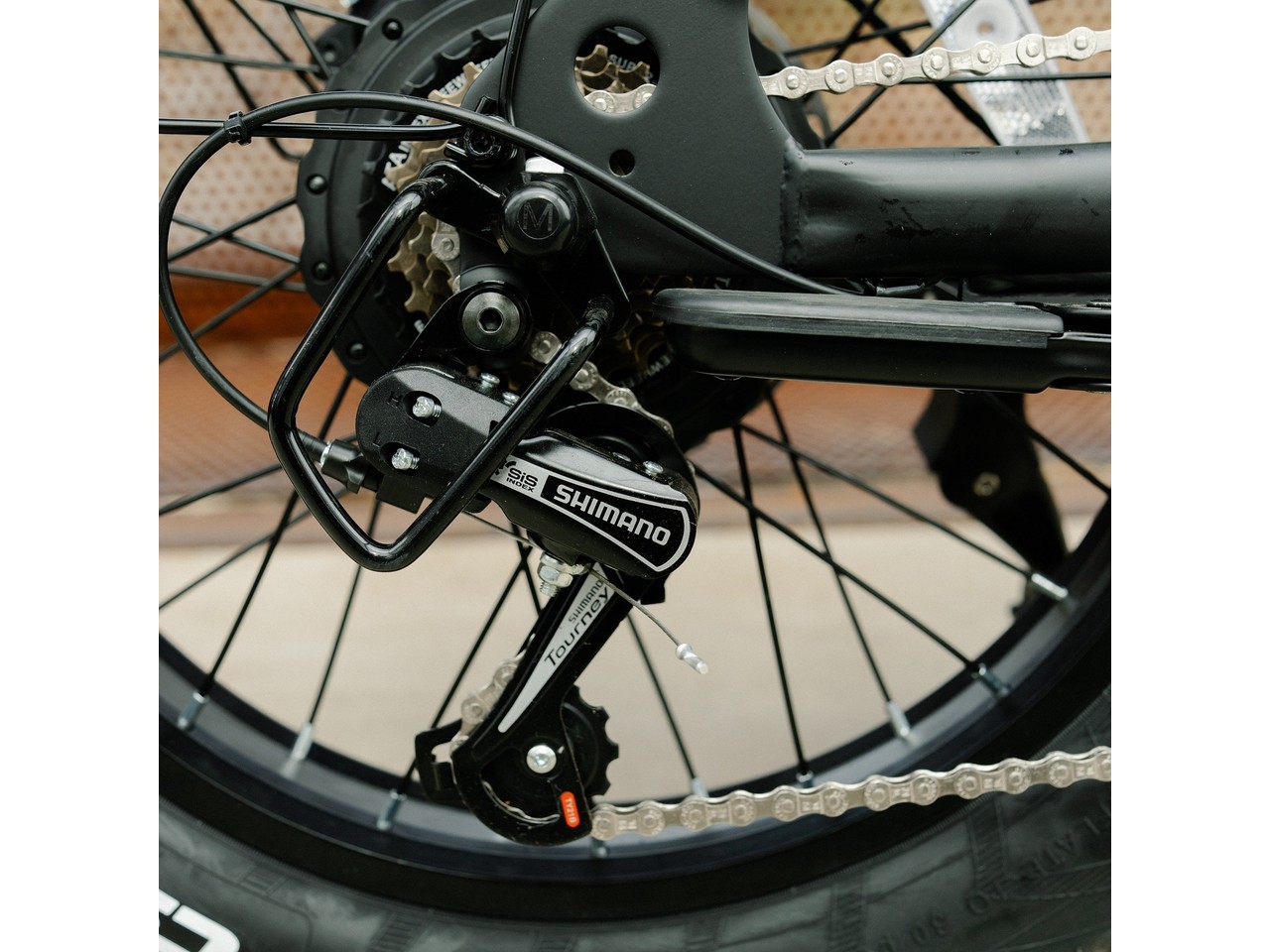
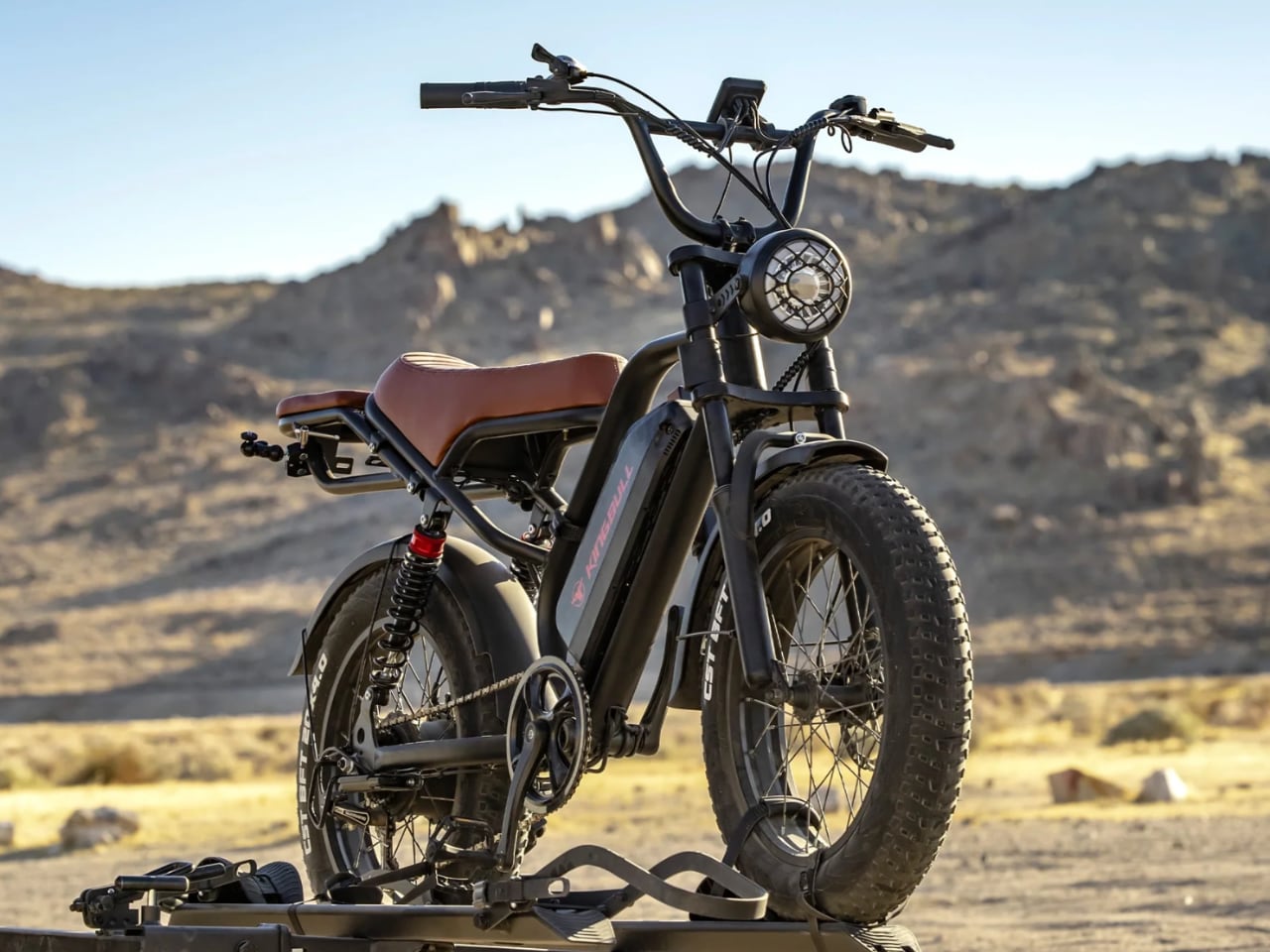
At $799, the hardware list is hard to match: 864Wh battery, 750W motor, hydraulic brakes, front and rear suspension, integrated lights, signals, horn, fenders, and a long saddle. The budget decisions show up in the steel frame, the 88-pound weight, the fixed seat, the cadence sensor, the entry-level seven-speed drivetrain, and the 2A charger. That’s not a criticism , it’s just where the money went and didn’t go.
If you want a moped-style e-bike and $799 is your number, the Ranger makes a strong case. If you want something lighter, with an adjustable saddle and torque-sensing assist, bikes from Ride1Up’s Revv family, Super73, or Macfox are worth comparing. Just make sure you’re comparing configured prices, not base-price headlines.
Who this bike is for
The Ranger fits a rider who wants a distinctive-looking local e-bike, has ground-level storage, can manage its weight, is comfortable with a fixed seat height, and values a big battery and integrated equipment more than a traditional bicycle feel. It’s a strong pick for neighborhood loops, beach-community trips, RV parks, and short suburban errands. It’s the wrong tool for transit connections, daily stair hauling, or anyone who needs to lift a bike onto a rack regularly.
The bike can make a grocery run or a ride to a nearby coffee shop feel less utilitarian, as long as the cargo fits within the 350-pound payload and the route permits the e-bike class you’ve selected.
Safety note
Wear a properly fitted helmet, follow local e-bike class and path rules, stay within the 350-pound total payload, check brakes and tires before rides, and charge only with the supplied charger on a dry, nonflammable surface. The product page references an SGS document but doesn’t clearly identify a UL 2849 or UL 2271 certification scope in its visible specifications. If your building or insurer requires a specific certification, get the certificate and confirm the standard before ordering.
The bottom line
The Ranger gives you more battery, more motor, and more road equipment than $799 normally buys. It also asks you to accept 88 pounds, a fixed saddle, cadence-based assist, and some unspecified component details. Match those tradeoffs to your storage situation, your local routes, and your willingness to manage the weight, and the value is easy to see. If the weight or the fixed fit clash with how you actually live, a lighter commuter with an adjustable post is the smarter buy.
Ranger Vintage Off-Road Electric Bike
Best fit: Riders who want moped styling, a large removable battery, and integrated road equipment at a budget price.
Current bike-only price: $799.
Where to Buy: Kingbull

Gadgeteer Comment Policy - Please read before commenting
where can I buy one in canada and I would like a price taxes included ?