Every affordable version of a flagship phone ships with an unspoken warning: whatever made the expensive model good, expect less of it here. Smaller battery, slower charging, a camera bar that quietly drops a lens, a screen that looks fine only until you put it next to the version that costs more. Samsung’s new Galaxy Z Fold8 doesn’t read like that kind of compromise.
Samsung Galaxy Z Fold8
Price: From $1,899.99
Current offer: Free storage upgrade, up to $1,200 in instant trade-in credit, or up to $1,900 through eligible carrier deals
Offer ends: August 7, 2026, while supplies last and subject to eligibility
Where to Buy: Samsung
It’s the standard model sitting beneath the Fold8 Ultra, and it ships August 7 at $1,899.99.
Enough of what makes a foldable feel premium survived the price cut that the rest of the affordable foldable market now has something to catch up to.
Foldables under $2,000 have mostly meant older chips, smaller batteries, or a hinge that feels like an afterthought. The Fold8 breaks that pattern by keeping the same chipset, the same display technology, and most of the charging speed as its $200 pricier sibling. Our own Geekbench 7 testing on the standard Fold8confirmed it runs the same Snapdragon 8 Elite Gen 5 for Galaxy platform Samsung promised, though the initial multi-core score landed roughly in line with two early Fold6 submissions instead of showing a clean generational jump. It changes its own shape too, fixing a problem every book-style foldable has ignored.
1. The Cover Screen Finally Does a Phone’s Job
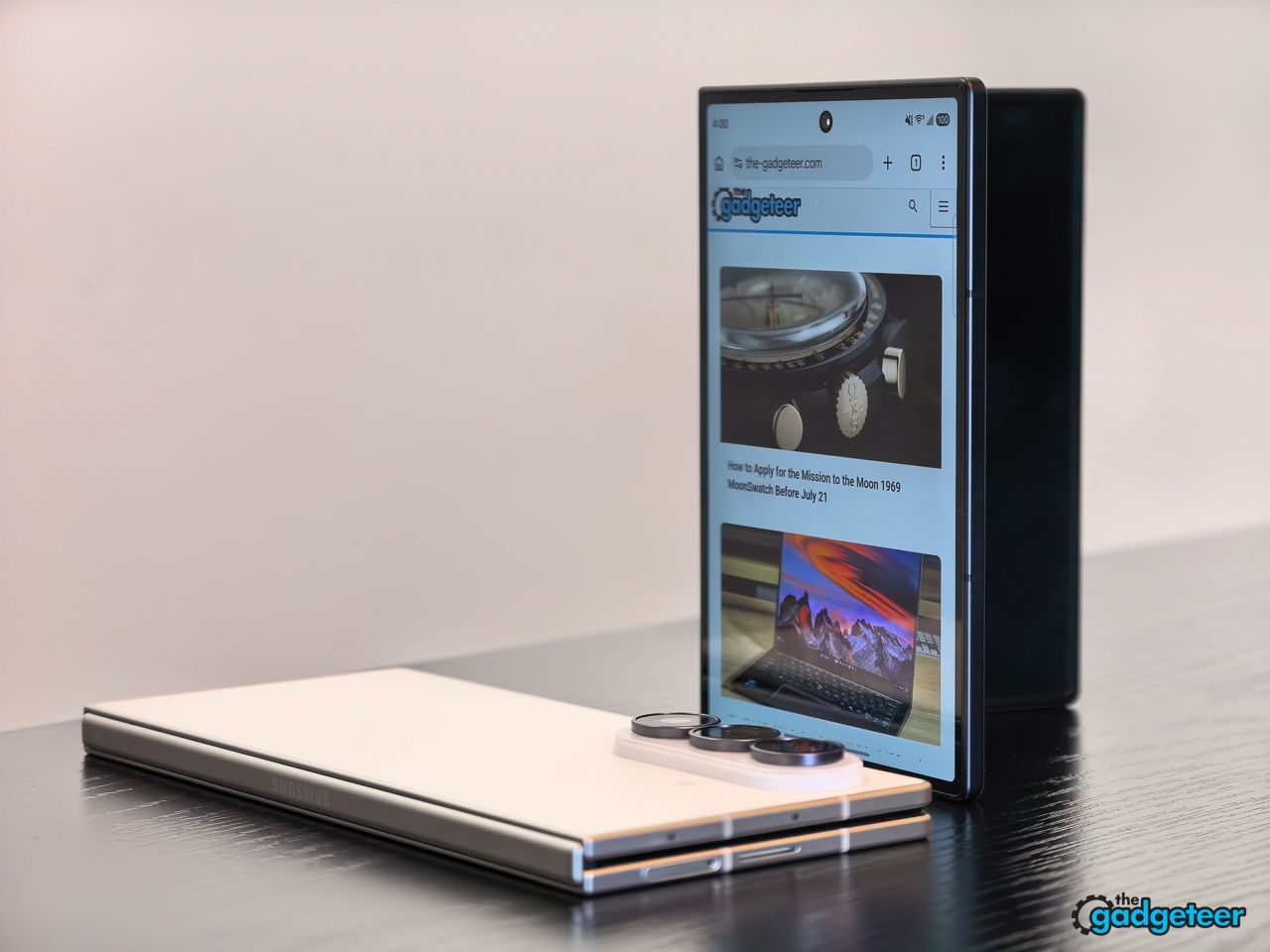
Samsung redesigned the Fold8’s cover display into a wider, shorter 10:16 shape instead of the tall, narrow strip every prior Fold used. Type a reply, skim an email, or open an app straight from that panel, and the phone never has to come open.
Every other foldable still treats its cover screen as a waiting room before you unfold the phone. Samsung just proved that screen can carry real work on its own. That’s a hard idea to un-see once a competitor’s phone puts you back in a narrow strip.
2. Foldables No Longer Have to Feel Like a Brick to Cost Less
At 201 grams and 4.5mm unfolded, the Fold8 undercuts its own pricier Ultra sibling by 14 grams, even at the cheaper tier.
That’s not a rounding error on a spec sheet. It’s the difference between a phone that disappears in your hand and one that reminds you it’s there. Weight used to be the price of admission to the foldable format, expensive or not.
Getting the lightest Fold yet at the lower price point removes one more reason to assume an affordable foldable has to be a thick one. Rivals chasing Samsung’s foldable lead don’t get to hide behind that excuse anymore.
3. The 4:3 Inner Screen Reframes What Unfolding Is For
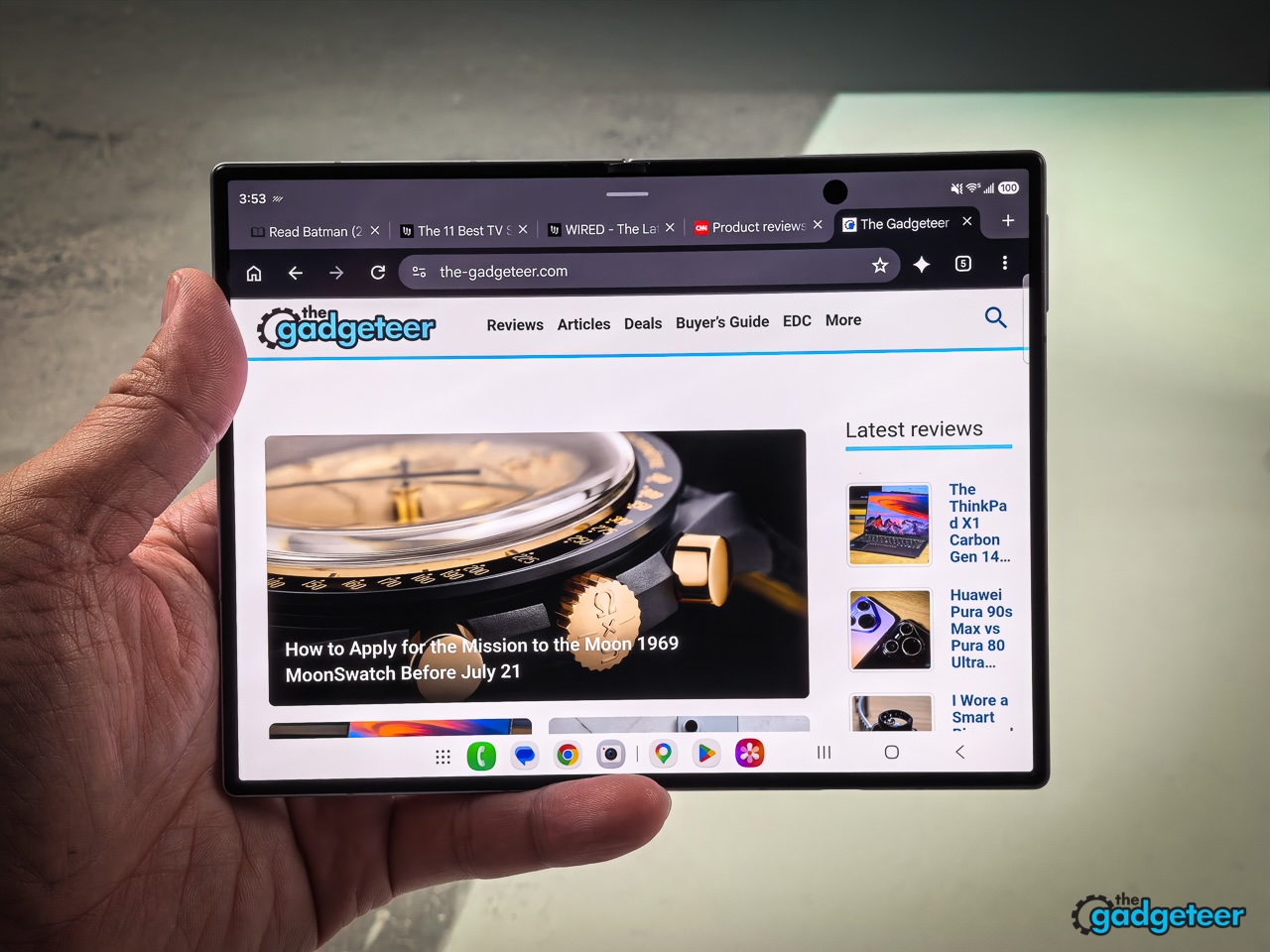
Open the Fold8 and the 7.6-inch display shifts to a 4:3 aspect ratio built around reading, websites, and side-by-side apps, rather than stretched video. Samsung demonstrated horizontal video, e-reading, and split-screen tools on that canvas during briefings, and the shape change is deliberate.
Most foldables sell the unfolded screen as a bigger version of the same phone. Framing it around reading and split-screen work instead gives every other maker a second use case to design toward, not just a bigger canvas to fill. The next foldable that only stretches video across that space is going to look behind, not premium.
4. Outdoor Visibility Isn’t Reserved for the Expensive Model Anymore
Samsung says the Fold8’s screen reaches a 3,000-nit peak brightness and adds an anti-reflective coating as part of its new Flex Titanium display stack, the same construction used on the pricier Fold8 Ultra.
That fix is not gated behind the Ultra badge this time. Once a glare fix stops being an Ultra-only feature, a washed-out screen on a rival’s affordable foldable stops reading as an industry limitation. It starts reading as that phone’s specific shortcut.
5. Battery Life Doesn’t Ask for the Ultra Premium
Samsung pushed the Fold8’s cell to 4,800mAh, up from the Fold7’s 4,400mAh, and rates it for close to 26 hours of video playback. A foldable running two screens punishes a small battery faster than an ordinary phone does, which is exactly why this number matters more here than on a slab flagship.
Foldables usually gate their best battery behind the priciest model in the lineup. Putting a noticeably bigger cell one tier down cuts the number of buyers who have to pay extra just to make it through a full day.
6. Fast Charging Stops Being an Ultra-Only Perk
Wired charging on the standard Fold8 climbs to 45W, nearly matching its pricier sibling and a real jump for a foldable at this price.
A fat battery matters less if you’re stuck near an outlet for two hours to fill it. Charging speed used to be one of the clearest ways foldable makers reminded you which model you didn’t buy. Handing 45W to the cheaper Fold makes that kind of gatekeeping harder to justify across the category.
7. A Two-Lens Camera That Skips the Usual Cheaper-Model Cut
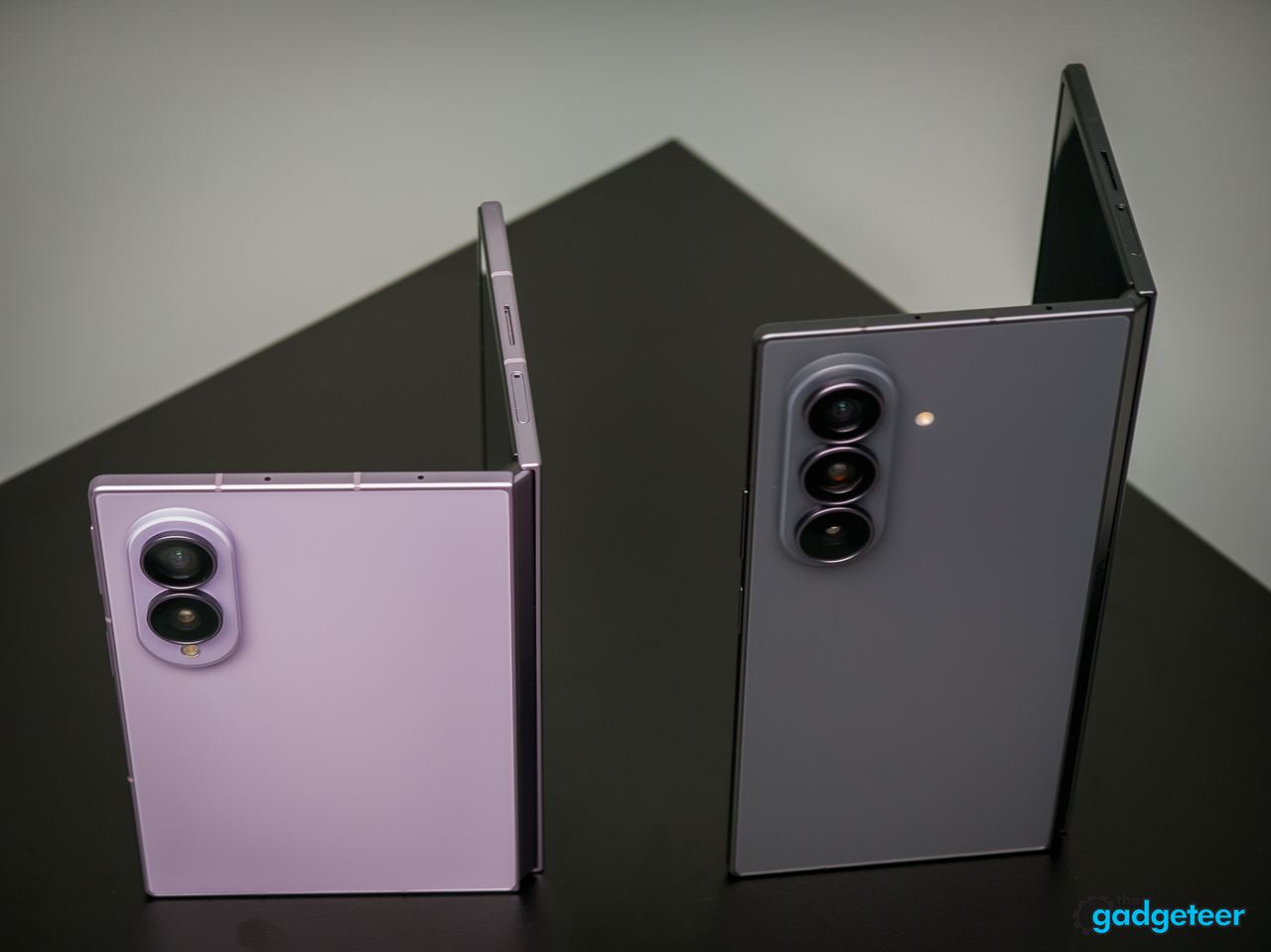
The Fold8 pairs a 50MP wide camera with a 50MP ultrawide, and its clearest compromise is a missing telephoto lens rather than a softer main sensor.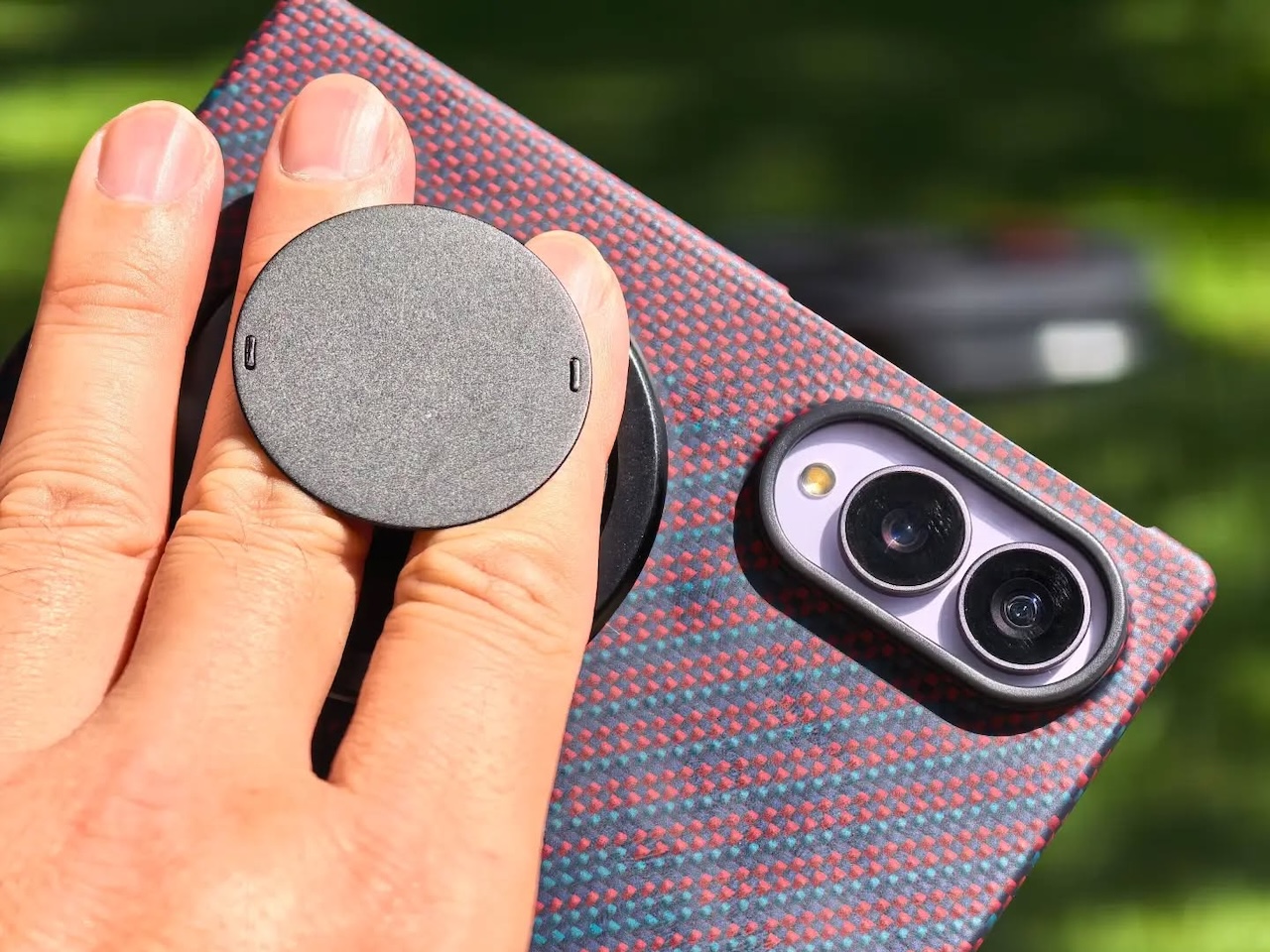
The two lenses it does have aren’t the downgraded versions a lower tier usually gets. The standard move for a cheaper foldable is a noticeably worse main camera, not just a shorter lens list. Keeping both lenses at 50MP means the honest tradeoff here is a missing zoom, not a camera that quietly looks worse in every photo.
8. Splitting One Fold Into Two Shapes Proves the Category Outgrew a Single Formula
Samsung isn’t selling the Fold8 as a stripped-down Fold8 Ultra. It’s shorter, wider, and built around everyday handling, while the Ultra stays tall and camera-focused, and both prices make sense for the phone they attach to. We already broke down what the pricier Fold8 Ultra improved on its own end, and the two devices barely read like the same product line.
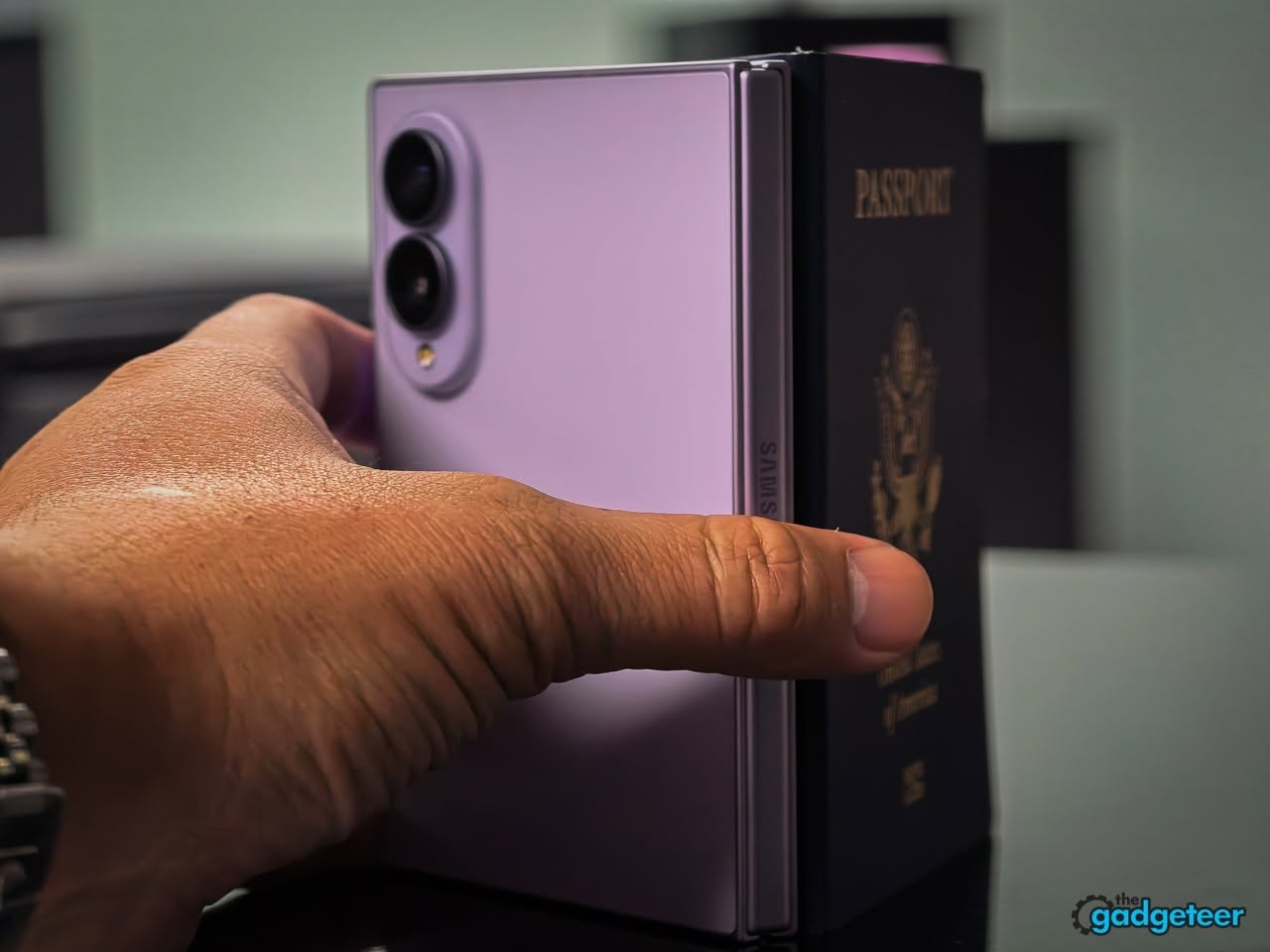 For years, a book-style foldable meant one tall shape with a price knob attached to it. Once a major maker sells two genuinely different shapes at two different prices and both hold up, competitors can no longer treat that single tall design as settled.
Who This Doesn’t Change Anything For
If you need the longest camera zoom or the single largest battery Samsung sells, this isn’t that phone. That’s what the Fold8 Ultra’s extra $200 is actually for, and no amount of cover-screen redesign changes that math.
If you’ve already decided book-style foldables are pointless regardless of shape or price, a lighter, cheaper one won’t be the thing that changes your mind. That objection was never really about the hinge.
The Bottom Line
None of this is about Samsung protecting Ultra sales. It’s about what a foldable under $1,900 should be able to do now.
If a cover screen you can actually type on, a battery that lasts a full day, and fast charging used to only show up on the expensive model, expect that pattern to stop holding across the board. If you’ve been holding off on a foldable because the affordable option always felt like the compromise version, the Fold8 is the first one that doesn’t feel like an unfinished flagship. If you specifically need the longest zoom or the biggest battery Samsung sells, the Ultra is still the one to buy.
Samsung Galaxy Z Fold8
Price: From $1,899.99
Current offer: Free storage upgrade, up to $1,200 in instant trade-in credit, or up to $1,900 through eligible carrier deals
Offer ends: August 7, 2026, while supplies last and subject to eligibility
Where to Buy: Samsung
It ships August 7 starting at $1,899.99 for 256GB. Track live pricing and trade-in offers on the Galaxy Z Fold8 Amazon listing.