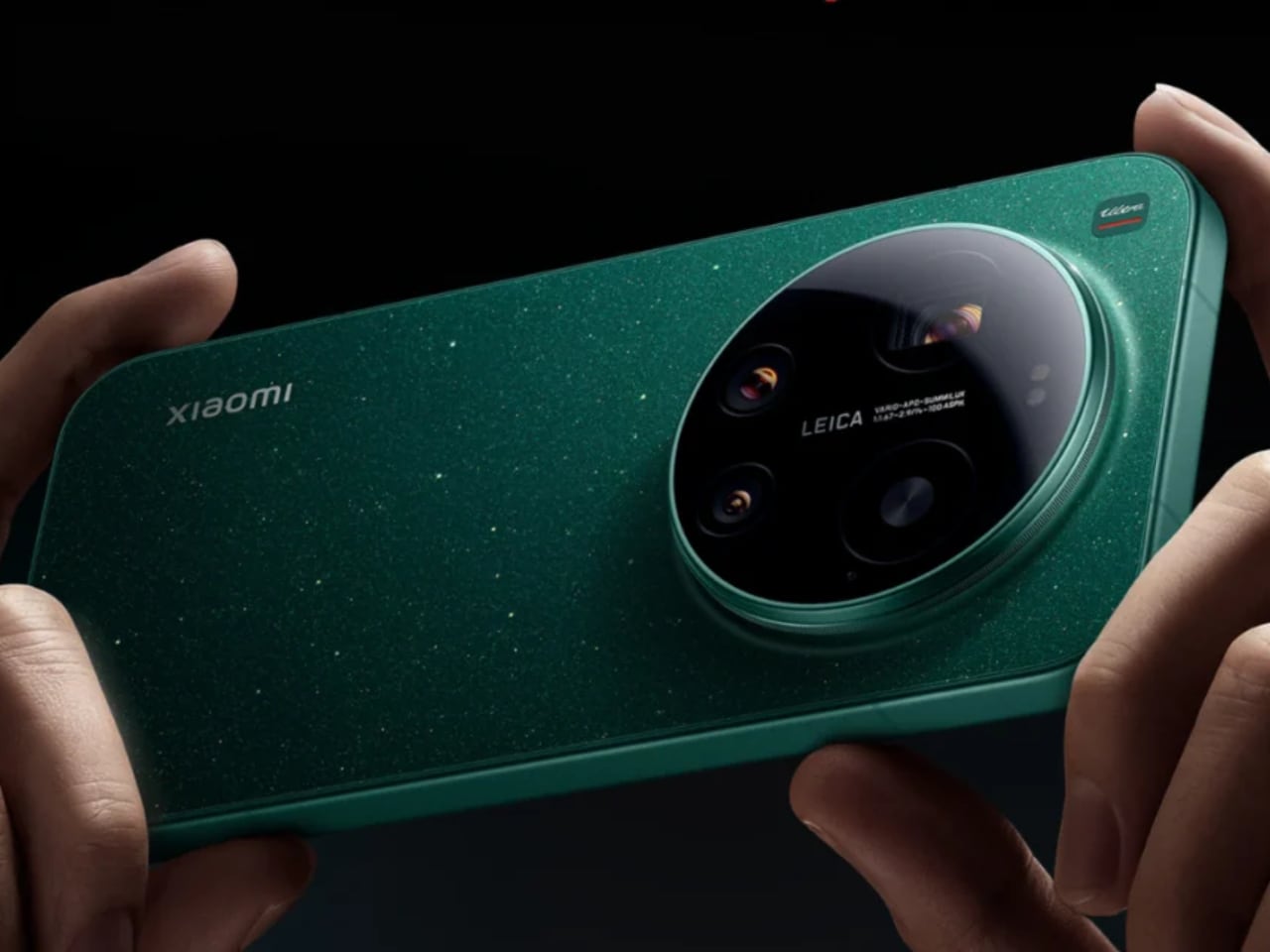
 NEWS – Most flagship phones pretend to compete on cameras while actually competing on the same sensors, the same software tricks, and the same marketing language. The Xiaomi 17 Ultra is the first phone in years that feels like it was designed by someone who actually shoots with their phone, not someone who approves spec sheets.
It’s a camera-first device built around a 1-inch Leica-tuned main sensor, a 200MP periscope with continuous optical zoom, a 6,800mAh battery to keep all that hardware fed, and, in the Leica Edition, a physical Master Zoom Ring wrapped around the camera module like it belongs on a real lens. The real question is whether all that Leica branding actually makes it feel like a camera.
Xiaomi launched the 17 Ultra in China on December 25, 2025, with sales starting December 27. A wider global launch is expected in early 2026, likely around Mobile World Congress, but for now this is very much a China-first flagship.
Why Xiaomi built a phone that looks more like a Leica than a slab
The last few years of smartphone cameras have been a game of spec sheet chicken. Everyone can ship 50MP sensors, multi-camera arrays, and night modes that look like daylight. If you’ve followed our coverage of camera-first phones like the Vivo X100 Ultra or the Sony Xperia PRO-I, you know the pattern: impressive specs, diminishing real-world returns.
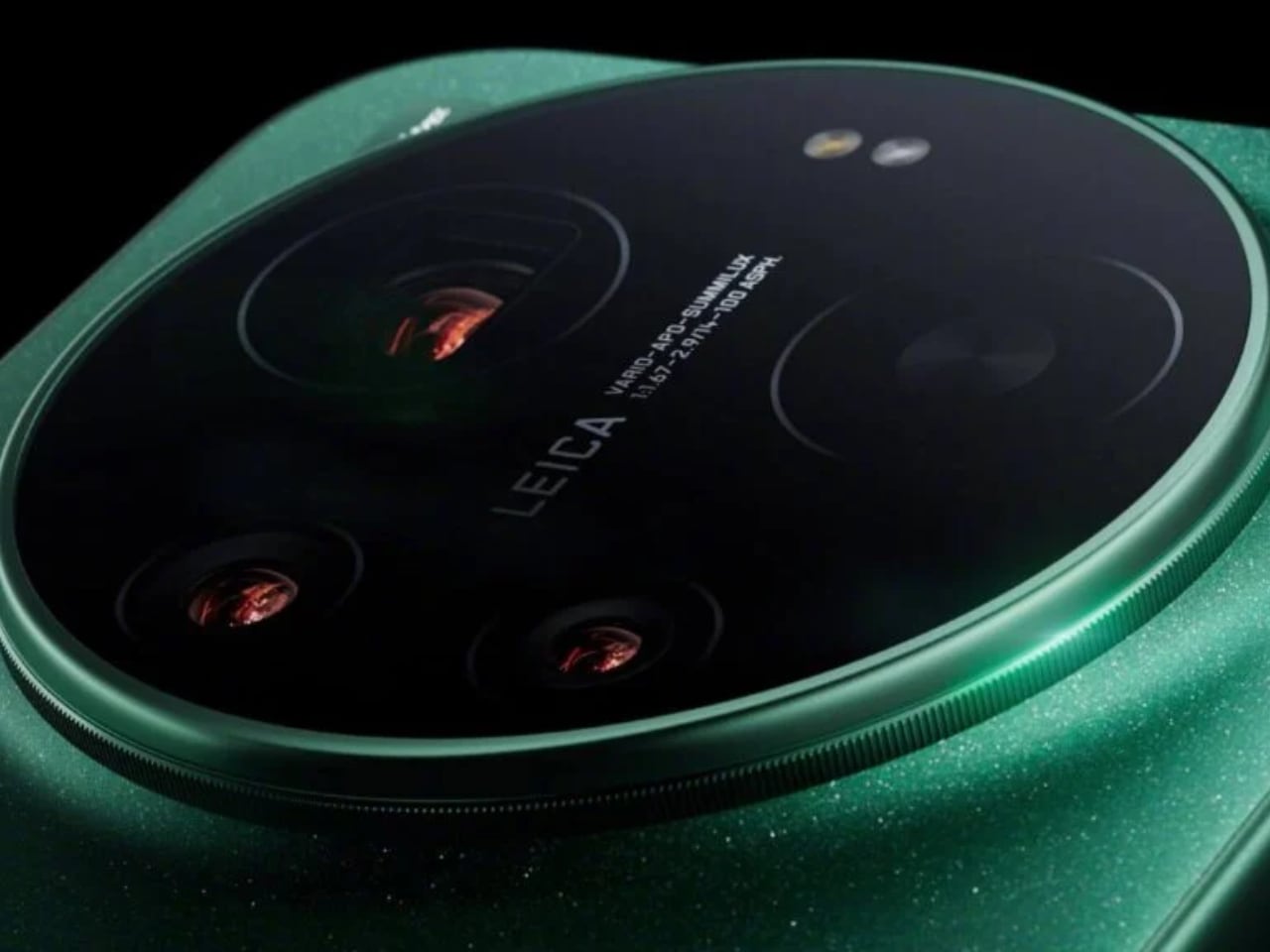
What’s different now is the convergence. A 1-inch sensor, continuous optical zoom, physical controls, and a battery large enough to power heavy camera use are arriving in a single device simultaneously. Even 18 months ago, that combination wasn’t possible at this scale.
That’s where the 17 Ultra comes in. Instead of just bumping megapixels, Xiaomi is:
- Moving to a 1-inch Light Hunter 1050L sensor for the main camera, tuned with Leica’s color science and LOFIC ultra-dynamic range tech for better HDR and low-light performance.
- Pairing it with a 200MP periscope telephoto that offers continuous optical zoom in the 75 to 100mm range instead of fixed steps.
- Adding a Leica Edition that literally gives you a rotary zoom ring around the camera module, so zoom and focus become tactile actions instead of tiny on-screen sliders.
It’s a very specific bet: if you already treat your phone as your main camera, Xiaomi wants the 17 Ultra to feel less like a phone that happens to take good pictures and more like a camera that happens to run Android.
Big screen, big battery, big numbers everywhere
You can’t bolt this much camera hardware onto a phone without scaling up the rest of the package, and the 17 Ultra doesn’t hold back.
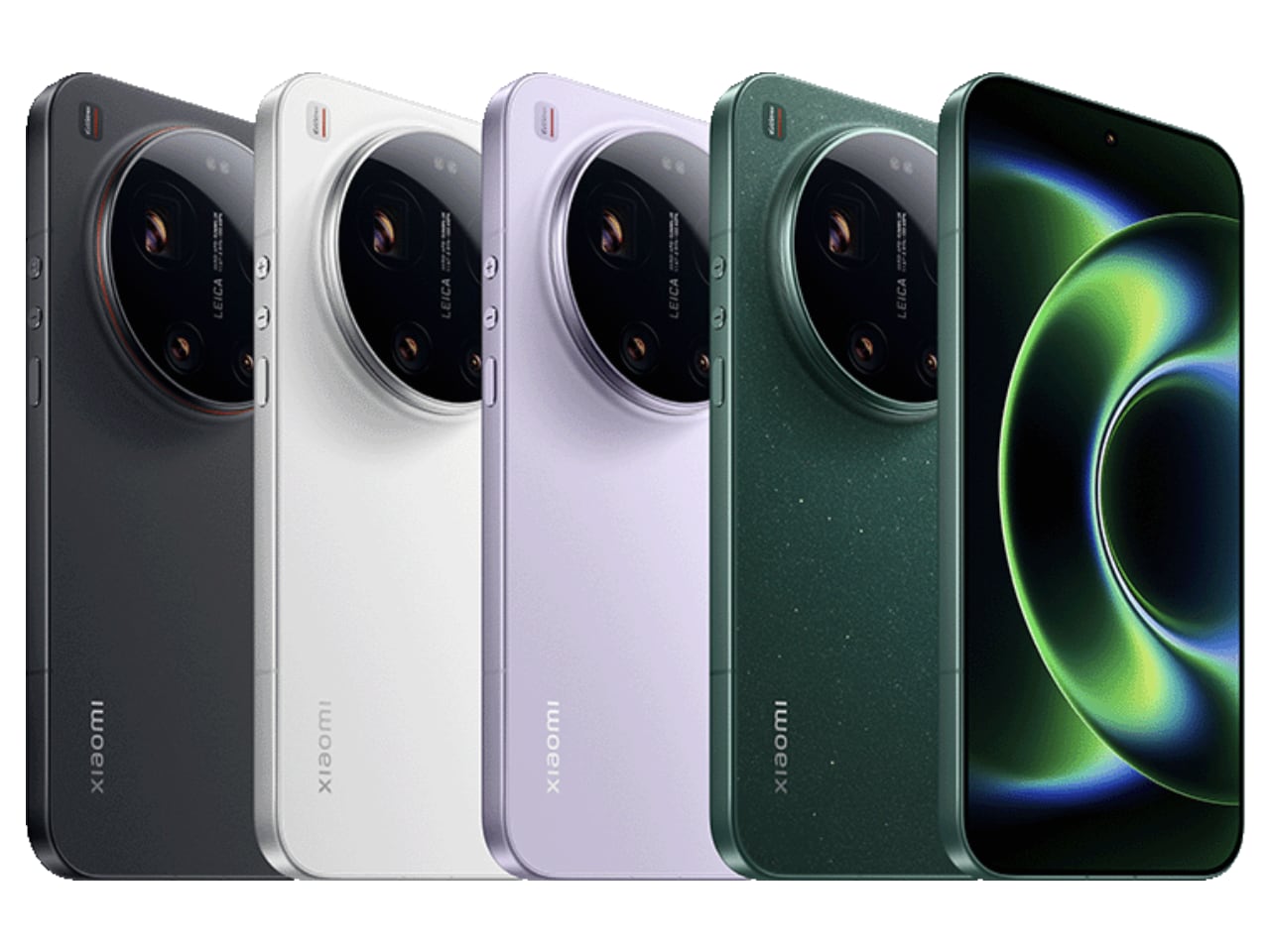
Display and processing:
- Display: a 6.9-inch LTPO OLED with a resolution of 2,608 by 1,200, 120Hz adaptive refresh, and peak brightness around 3,500 nits. It’s a flat panel rather than a curved waterfall, which should help with grip and accidental touches when you’re shooting.
- Chipset: Qualcomm’s Snapdragon 8 Elite Gen 5, built on a 3 nm process and tuned for flagship-level performance and AI workloads.
- Memory and storage: configurations up to 16GB of RAM and 1TB of UFS 4.1 storage, so you can actually keep those massive RAW files and 8K clips on-device for a while.
All of that would be wasted if the phone died halfway through a shoot, so Xiaomi went big on the battery too.
Power and software:
- Battery: a 6,800mAh pack, one of the largest in an Ultra-series Xiaomi phone. It supports 90W wired charging, 50W wireless charging, plus reverse wired and wireless charging for topping up accessories or another phone.
- Software: HyperOS 3.0 based on Android 16, with Xiaomi’s usual mix of customization and camera-centric features layered on top.
This is not a small or subtle device. Between the 6.9-inch display, the huge camera module, and that 6,800mAh battery, expect it to feel more like a pocketable camera than a dainty phone. That’s exactly the audience Xiaomi is chasing.
Inside the 1-inch Leica sensor and 200MP zoom that define the 17 Ultra
The camera stack is the whole reason this phone exists, and Xiaomi didn’t hold back on the numbers or the branding.
Light Hunter 1050L: Xiaomi’s 1-inch sensor play
The main camera is a 50MP 1-inch Light Hunter 1050L sensor tuned in partnership with Leica. That 1-inch size isn’t just a marketing line; it’s closer to what you’d find in high-end compact cameras than in typical phone sensors. The larger surface area lets in more light, which should translate into:
- Cleaner low-light shots with less noise.
- Better separation between subject and background without relying entirely on software blur.
- More flexibility when you’re pushing dynamic range in harsh lighting.
Xiaomi is also leaning on LOFIC ultra-dynamic range tech, which is designed to capture more highlight and shadow detail in a single frame. In theory, that should mean fewer blown-out skies and crushed shadows when you’re shooting high-contrast scenes.
200MP periscope with continuous optical zoom
The second headline sensor is a 200MP periscope telephoto with continuous optical zoom in roughly the 75 to 100mm equivalent range and Leica APO certification. Instead of jumping between fixed zoom steps, the lens can move through that range smoothly, which should:
- Give you more precise framing for portraits and detail shots.
- Reduce the need to crop digitally between common focal lengths.
- Make zoom feel more like using a real camera lens, especially on the Leica Edition with the physical ring.
We’ll need real-world testing to see how consistent image quality is across that zoom range, but on paper this is one of the most ambitious telephoto setups on any phone.
That telephoto is the star of the show, but Xiaomi didn’t neglect the rest of the camera stack.
Ultra-wide and selfie cameras round out the setup
The rest of the array is still serious hardware:
- A 50MP ultra-wide camera with macro support for tight close-ups and dramatic landscapes.
- A 50MP front-facing camera for high-resolution selfies and video calls.
All of it is wrapped in Xiaomi’s Leica-branded tuning, with familiar color profiles and shooting modes for people who like Leica’s look.
The Leica Edition’s Master Zoom Ring is the most camera-nerd thing we’ve seen on a phone
The standard 17 Ultra already looks like a camera strapped to a phone. The Leica Edition leans into that even harder.
But here’s where it gets interesting: all of this camera hardware is only as good as the software behind it. On paper, continuous optical zoom sounds transformative. In practice, it could still produce the same inconsistent results we’ve seen from stepped-zoom periscopes if Xiaomi’s processing pipeline isn’t tuned to match. The Master Zoom Ring on the Leica Edition is the clearest test of whether Xiaomi has actually solved the control problem or just added a fancy dial.
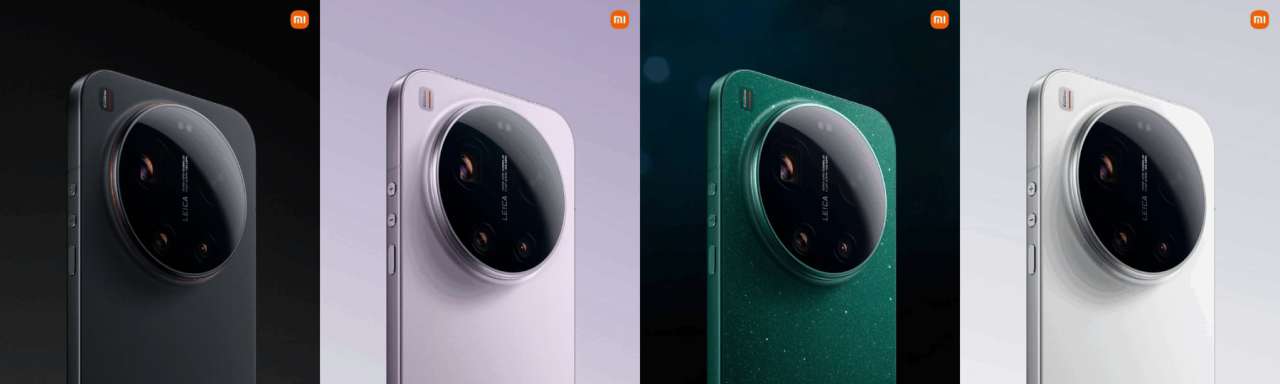
The star feature is the physical Master Zoom Ring that sits around the circular camera module. Instead of pinching on glass or dragging a tiny slider, you can:
- Twist the ring to zoom in and out across the periscope’s optical range.
- Use it for finer control over framing, especially at portrait and short-telephoto focal lengths.
- Potentially map it to focus or other camera functions in certain modes, depending on how Xiaomi exposes the controls.
Picture this: your kid is running through a cobblestone square in golden hour light. On most phones, you’d pinch-zoom to 3x, watch the image get soft, then pinch again to 5x and hope you don’t miss the moment. With continuous optical zoom and a physical ring, you twist until the framing feels right and fire. Whether that translates into better photos remains unproven, but the feeling of control is something no software slider has matched.
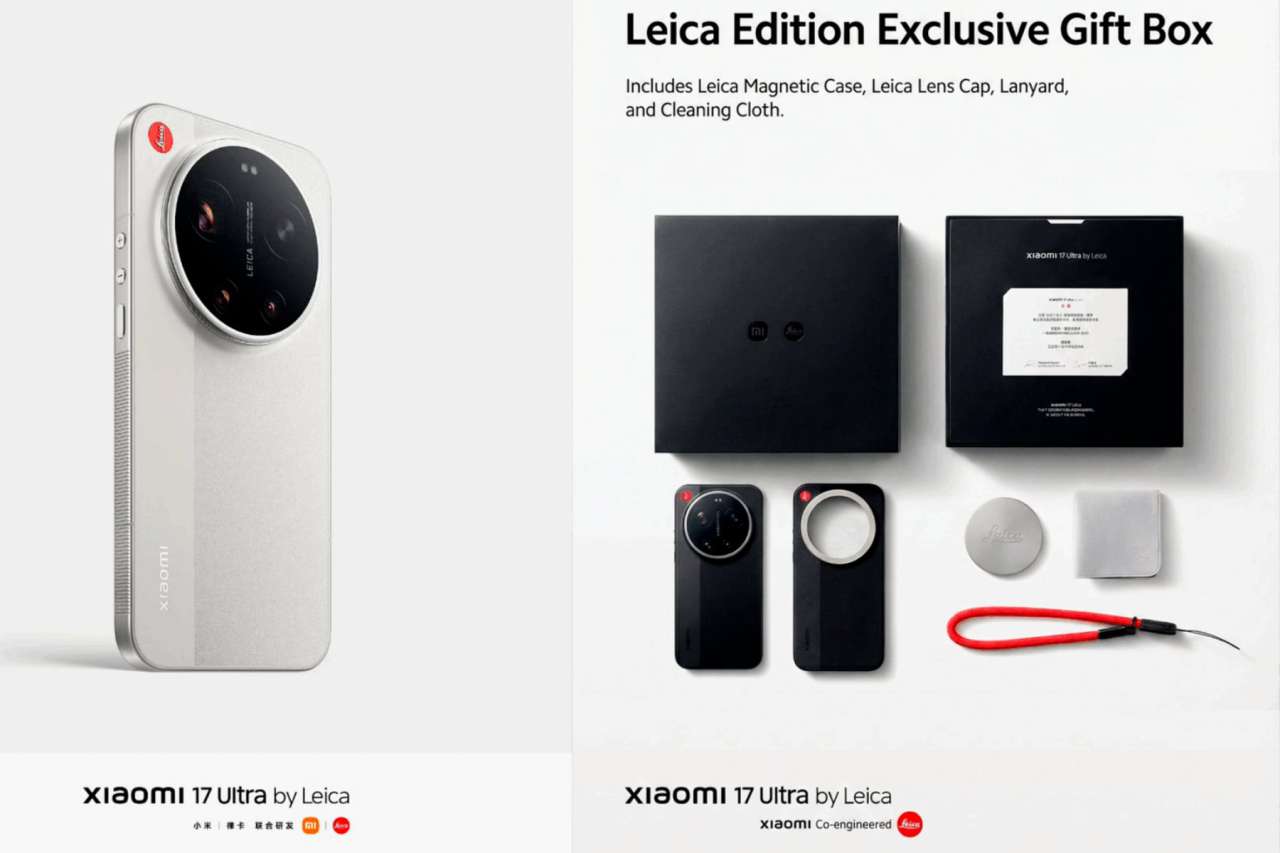
Alongside the ring, the Leica Edition adds:
- Exclusive Leica-inspired shooting modes and color profiles.
- A more camera-like design language, with textures and accents that echo classic Leica controls.
- A modest price premium over the standard 17 Ultra.
As a statement of intent, it’s hard to miss.
Connectivity and extras: all the modern boxes checked
Underneath the camera-first story, the 17 Ultra still behaves like a modern flagship:
- Wi-Fi 7 for high-bandwidth wireless.
- Bluetooth 6.0 for next-gen audio and accessory support.
- NFC for payments and quick pairing.
- Satellite communication support for emergency or off-grid scenarios in supported regions.
- Stereo speakers for media and gaming.
- An in-display ultrasonic fingerprint sensor for fast, reliable unlocking.
- Strong water and dust resistance ratings (IP rating varies by region, but Xiaomi is clearly targeting top-tier durability).
HyperOS 3.0 on Android 16 ties it all together, with Xiaomi’s usual mix of customization, AI features, and camera-centric tools.
Who should actually buy the Xiaomi 17 Ultra?
On paper, the 17 Ultra is among the most hardware-heavy camera designs we’ve seen. That doesn’t automatically make it the right choice for everyone.
You should seriously consider it if:
- You already treat your phone as your main camera for travel, family, or street photography.
- You care more about sensor size, zoom behavior, and control than shaving a few grams off the weight.
- You’re excited by the idea of a physical zoom ring and Leica-tuned shooting modes on a phone.
- You’re comfortable importing or buying in markets where Xiaomi phones are officially sold, and you’re not locked into another ecosystem.
You might want to skip it if:
- You mostly shoot casual snaps for social and don’t care about camera nuance.
- You prioritize software support, ecosystem integration, or compact size over camera hardware.
- You’re not interested in a large, heavy device with a very prominent camera bump.
- You’d rather wait to see if Xiaomi brings a toned-down version of this camera stack to a more mainstream model.
Pricing, availability, and what comes next
In China, the Xiaomi 17 Ultra starts at around CNY 6,999 (roughly $995) for the 12GB + 512GB base model. Higher-end configurations with 16GB of RAM and larger storage options climb into the mid four-figure range in yuan, and the Leica Edition commands a modest premium on top of that.
For now, the 17 Ultra is China-only, but a global launch is expected in early 2026, likely tied to Mobile World Congress. Until Xiaomi confirms dates and pricing, that’s still a strong expectation rather than a guarantee.
What’s clear already is the direction Xiaomi wants to push: away from spec-sheet sameness and toward phones that feel like purpose-built tools. Whether the 17 Ultra actually feels like a camera, or just another phone with impressive specs, will depend on how well Xiaomi’s software keeps up with the hardware. If it delivers, it could become the reference point for what a “camera phone” means in 2026. If not, it will still stand as one of the boldest attempts yet to turn your pocket computer into a Leica-style rig.
Either way, this is a phone built for people who care about the shot first and everything else second.