The Nintendo Switch 2 costs $499.99 in the US now, and the Steam Deck OLED costs $789 in its 512 GB form, so the gap between the two handhelds has tripled since launch season.
At launch, the Switch 2 sat $100 under the Deck OLED. Most comparisons treated the Nintendo machine as the budget pick that also happened to include a dock in the box. Both handhelds also raised prices in a year when memory and storage costs climbed across the industry, so the comparison has to be rerun at the prices sitting on the shelf today.
FYI. Done before scheduled. Replaced hero image, replaced and deleted some images in the body.The new math
Nintendo raised the US price on September 1, 2026, moving the console from $449.99 to $499.99 and the Mario Kart World bundle from $499.99 to $549.99 in the same step. The console itself didn’t change at all that morning.
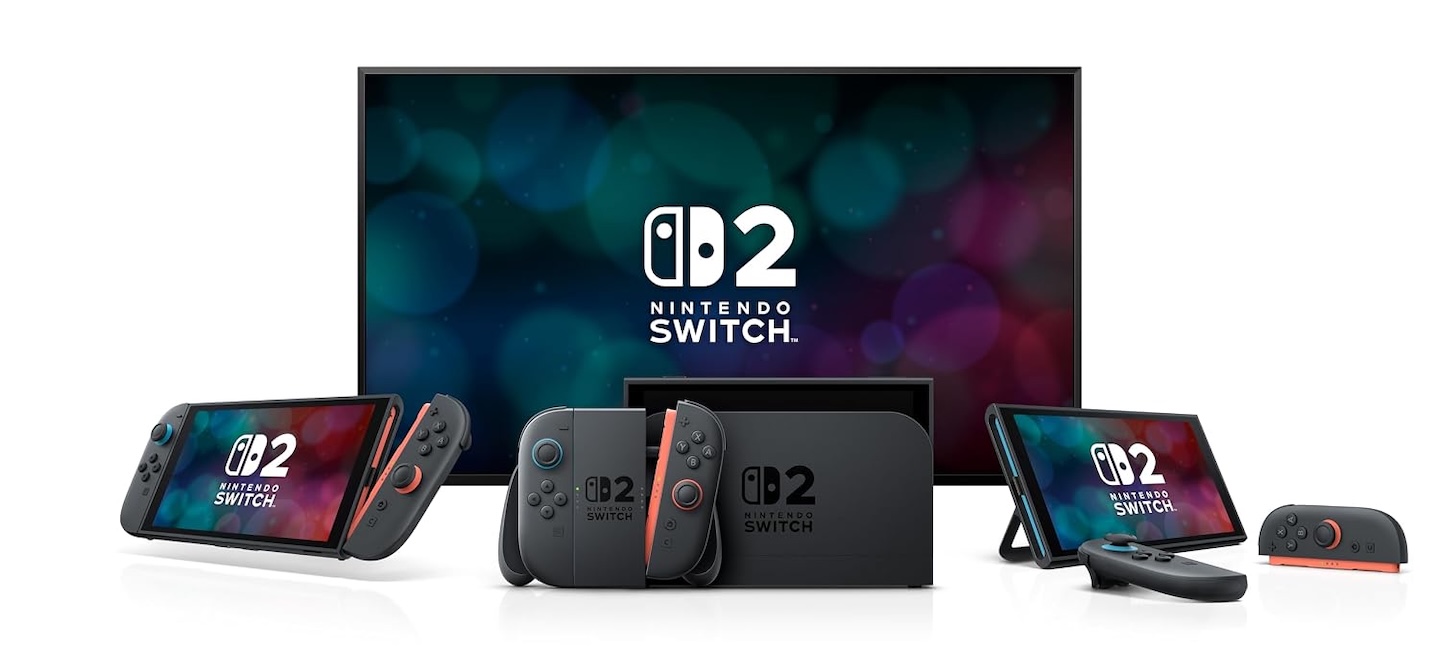
Amazon: Nintendo Switch 2 console
Price: $499.99
Where to buy: Buy on Amazon
Valve moved earlier, restocking the Deck OLED on May 27, 2026 at $789 for the 512 GB model and $949 for the 1 TB model, up from $549 and $649. The hardware didn’t change in either case.
Both companies pointed at component and logistics costs rather than new features, new bundles or new silicon inside the shell. Same machines, new math. The spread between the base models now runs $289.01 against $99.01 on Switch 2 launch day, and a spread that wide buys the games that used to excuse buying the cheaper machine first.
The bundle math counts too, since the Switch 2 with Mario Kart World costs $549.99 while a Deck OLED with its dock and one new full-price game lands near $928 at the register. The Nintendo route stays cheaper at every step.
Screens, power and storage
The OLED still wins at night. Nintendo fits a 7.9-inch LCD at 1920 by 1080 with HDR10 support and variable refresh up to 120 Hz, the largest and fastest panel Nintendo has ever shipped in a handheld.
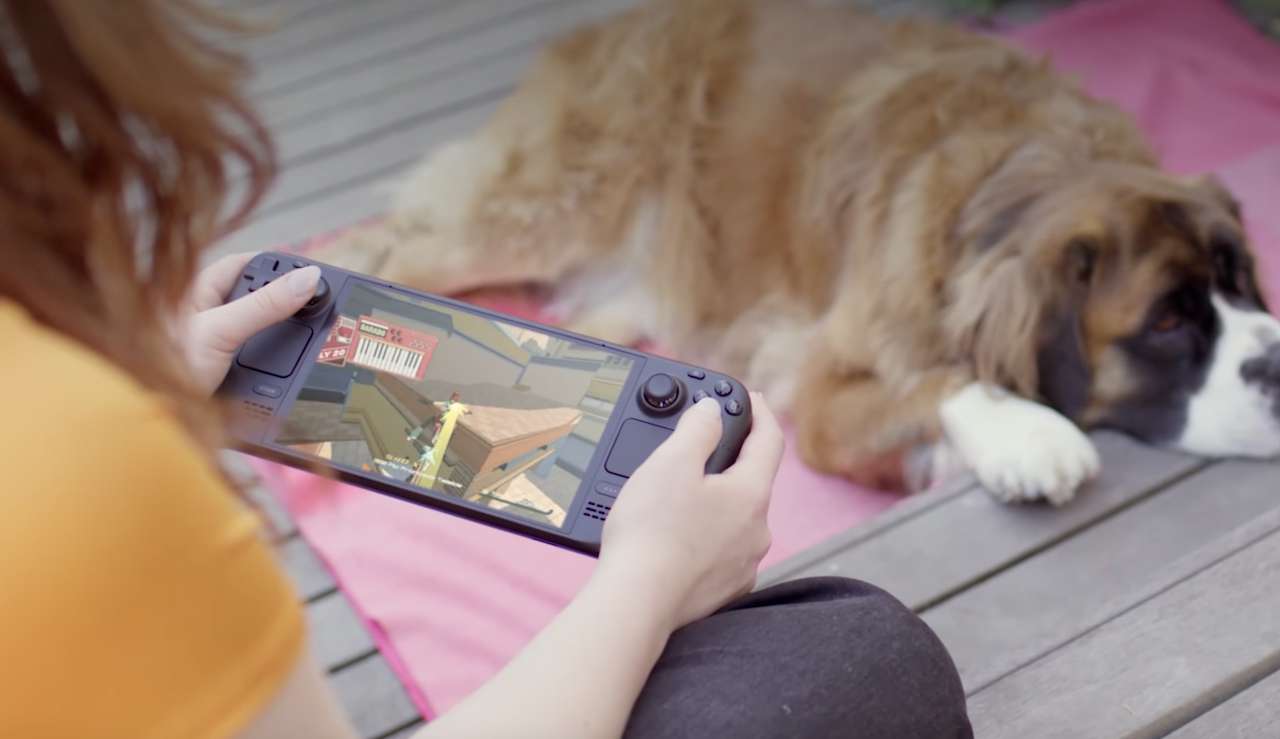
Steam: Steam Deck OLED 512 GB
Price: $789
Where to buy: Buy at Steam
Valve counters with a 7.4-inch HDR OLED at 1280 by 800 and up to 90 Hz, trading raw pixels for the contrast and black levels that an LCD can’t match at any refresh rate. In a dark room, the Deck screen simply looks richer.
Under the screens, Nintendo lists a custom NVIDIA processor, 256 GB of UFS storage and a 5,220 mAh battery rated at roughly 2 to 6.5 hours depending on the game. Battery ratings favor Valve on paper. Valve lists 16 GB of LPDDR5 memory, a 50 Whr battery rated at 3 to 12 hours, and NVMe storage at 512 GB or 1 TB before a single card goes in.
Both machines expand with cards, though the Switch 2 accepts microSD Express only, while the Deck reads standard microSD cards that cost far less per gigabyte. Carry weight splits the pair too, at 1.18 pounds for the Switch 2 with Joy-Con 2 attached against about 640 grams for the Deck. Charging takes about 3 hours on the Switch 2 in sleep mode, and Nintendo fits Wi-Fi 6 against the Deck’s Wi-Fi 6E.
The dock and the library
The Switch 2 ships with its dock in the box, and that dock outputs up to 4K at 60 fps to a TV, with HDR support when the game and the screen allow it. Nintendo wins the living room. It’s the only one of the two that treats the TV as home base.
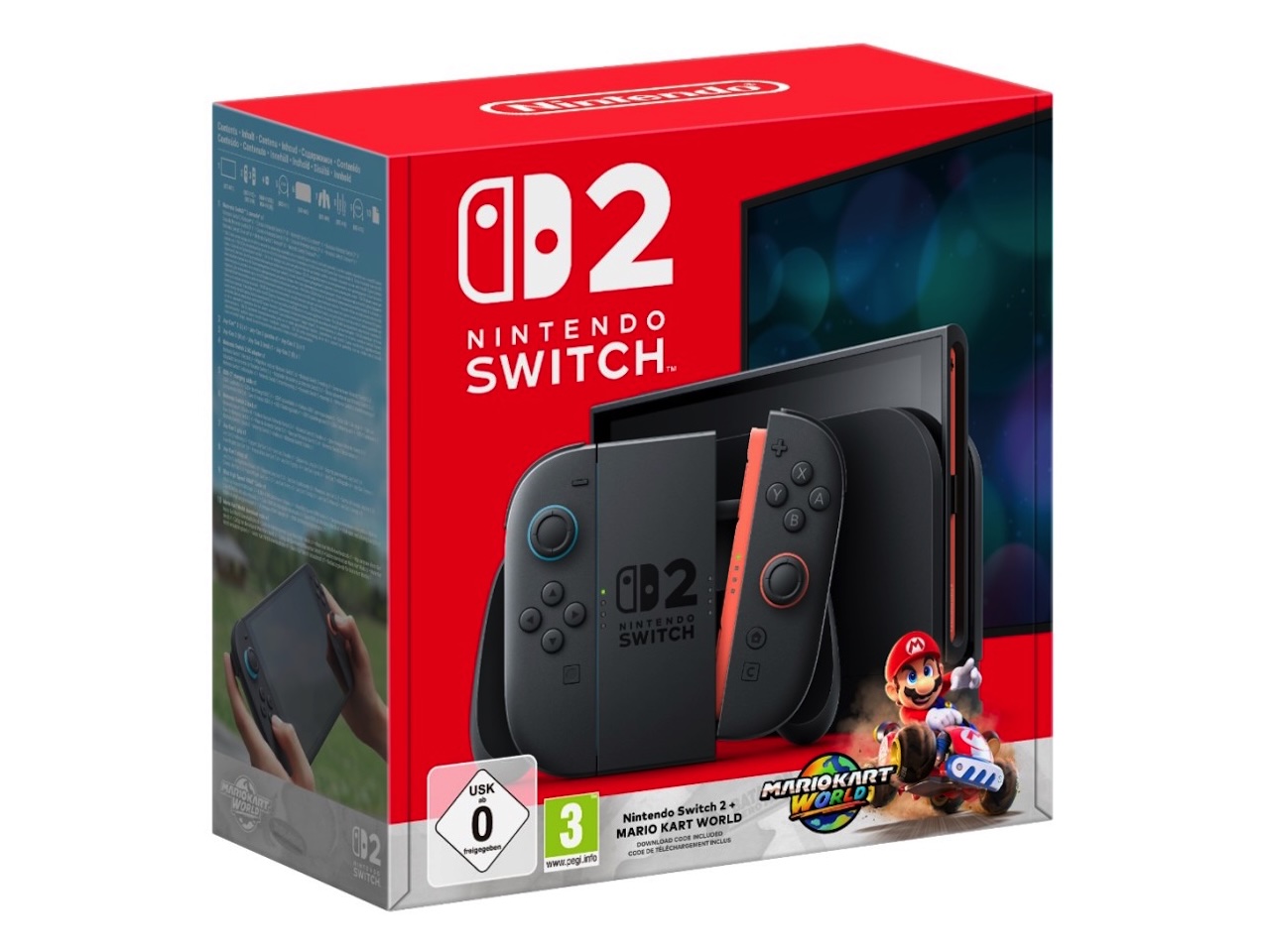
Valve sells its dock separately at $79, so a Deck buyer who wants the same couch setup pays $868 for hardware before a single new game enters the cart. The $79 dock is the quiet part of the comparison.
The Switch 2 also plays Nintendo’s exclusives alongside most Switch cartridges and downloads, a library built over eight years that no PC storefront can sell you at any price. The Deck plays the Steam library you already own, at sale prices you already know. Joy-Con 2 controllers add mouse controls and GameChat voice chat, while the Deck answers with trackpads, four back buttons and a full desktop mode. Your backlog already voted. A library you already own is worth more than any spec sheet in this fight.
Verdict
The tradeoff is one sentence long: the Deck gives you an open PC and the better screen, and the Switch 2 gives you Nintendo’s games and a dock in the box, and neither machine borrows the other’s half. Pick your half and pay once. The rest of this comparison just prices that choice out loud.
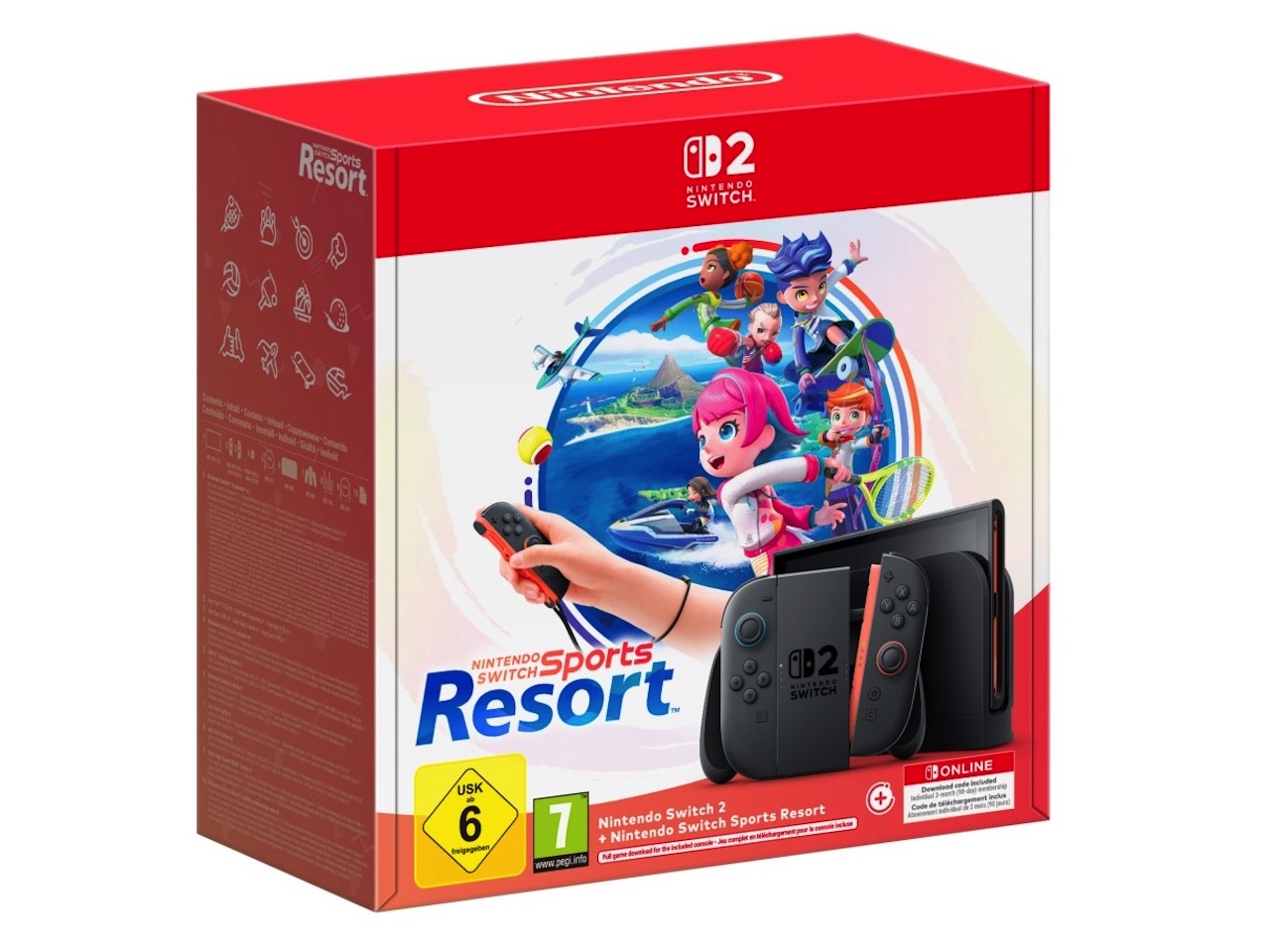
The Switch 2 at $499.99 is the better fit when Nintendo’s games are your reason, since the dock, the big 120 Hz screen and the exclusives arrive in one box with nothing else to add. It’s also the cheaper door into this generation, by $289.01. The dock is already in the box.
The Steam Deck OLED at $789 is the better fit when your Steam library is your reason, since the OLED panel, the 16 GB of memory and the open system reward players who already own their games. Both prices can wait when your current handheld still gets played every week, because neither rise bought new hardware and the same machines will still be here when holiday stock settles.