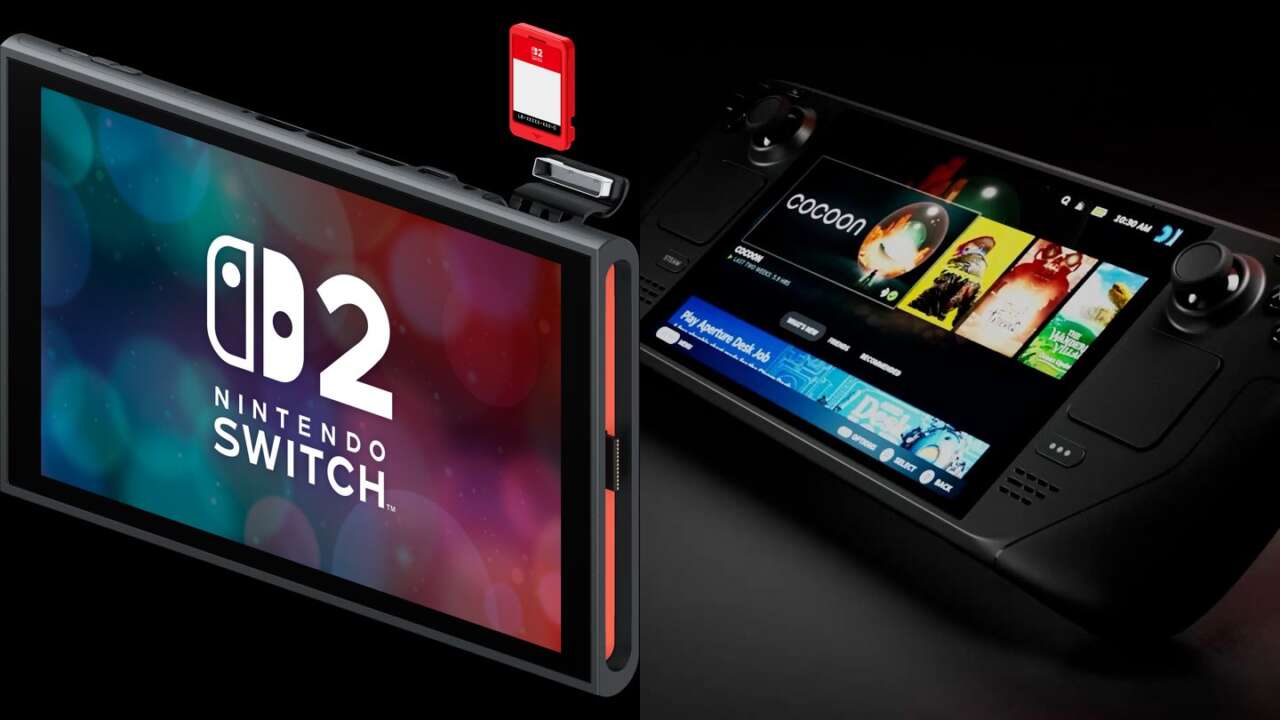
Both handhelds got more expensive this year, and the cheaper one pulled away while it happened, stretching a close matchup into a runaway for anyone shopping this holiday season. Nintendo’s machine rose $50 in September and Valve’s jumped $240 back in May.
At launch prices the two sat $99 apart, close enough that screen taste and game libraries settled most buying decisions. Today’s gap is $289. That kind of spread changes what each machine has to prove, so the old launch price comparisons don’t hold up. Here’s the matchup rebuilt on the prices you’ll actually pay this holiday, with the dock, storage and battery math run at the new numbers.
Nintendo Switch 2, 7.9-inch 120 Hz LCD, dock in the box, 256 GB storage
Price: $499.99
Where to buy: Buy on Amazon
Nintendo kept the dock in the box and the TV in the pitch
Nintendo’s screen is the bigger one here. You’re getting a 7.9-inch LCD at 1920×1080 with HDR10 support and variable refresh up to 120 Hz, and it’s a sharp, bright panel that flatters Nintendo’s own games. It isn’t OLED, so blacks stay dark gray in a dim room, and side by side with Valve’s panel you’ll see that difference fast, especially once a darker game loads.
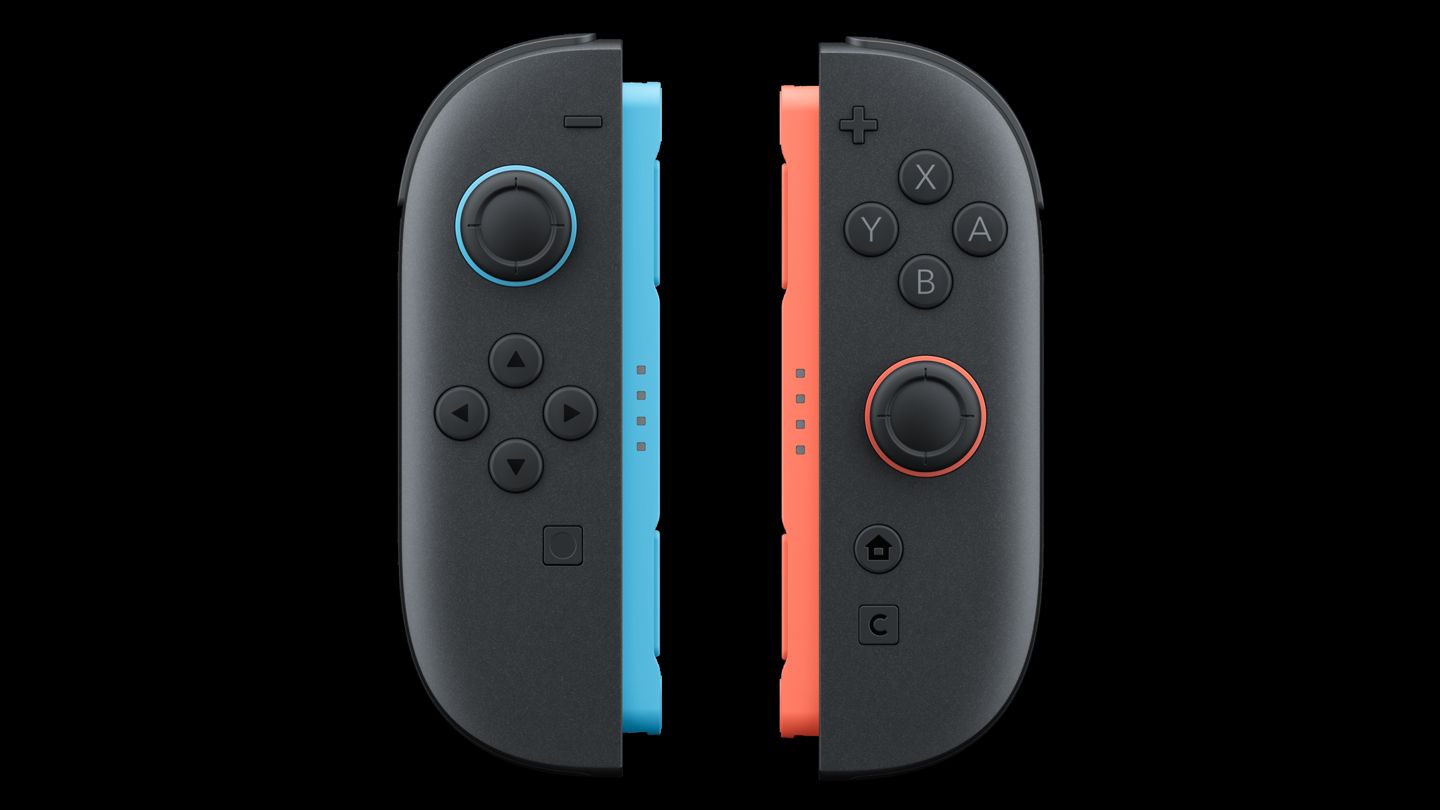
Detachable controllers still define how this machine gets used.
The Joy-Con 2 pair snaps off for tabletop play or two player sessions on one screen, and each controller carries a mouse sensor for supported games. It’s a flexible setup that keeps local multiplayer simple. The accelerometer and gyroscope live in the controllers too, not the tablet.
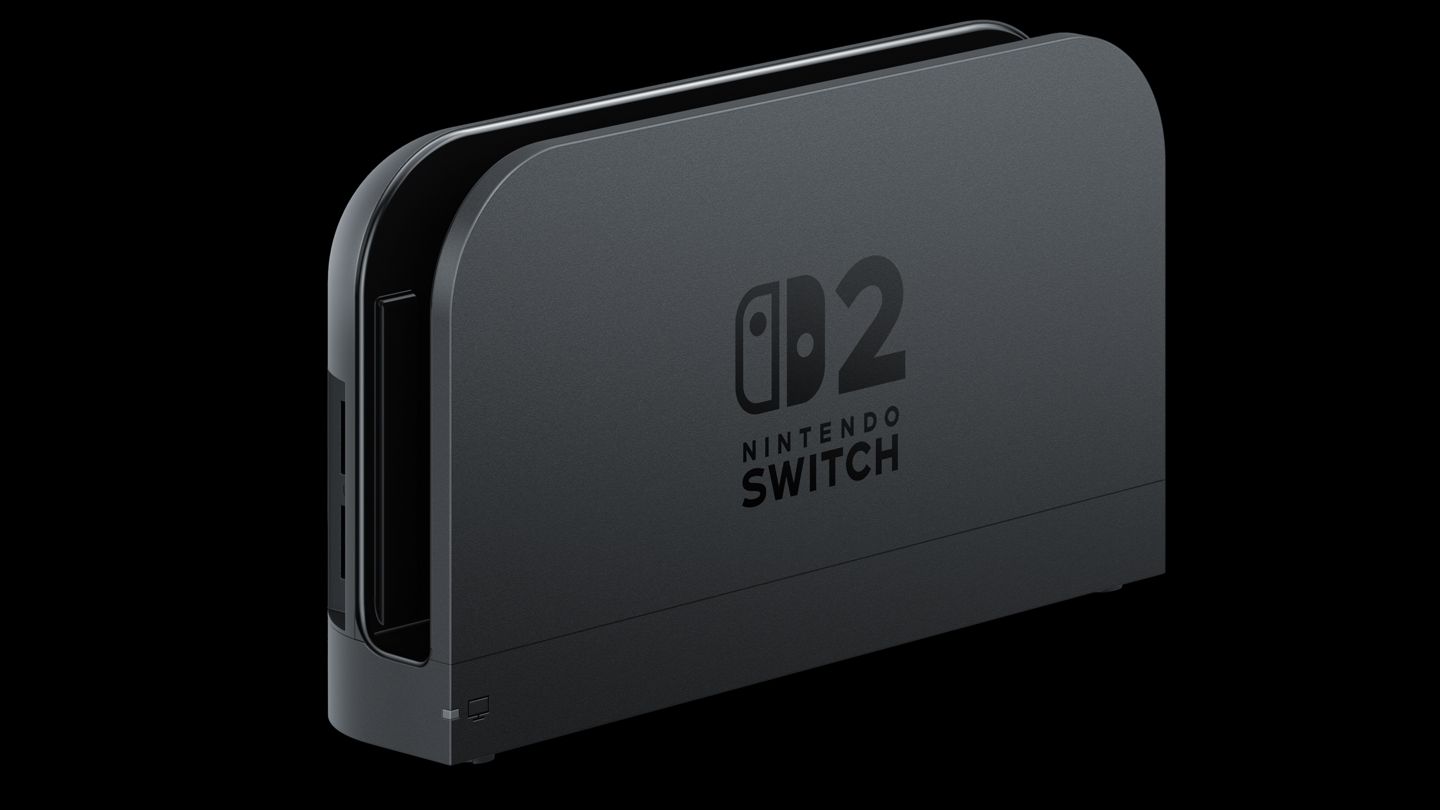
The dock’s the real separator, and it ships in the box with a wired LAN port, pushing up to 4K at 60 fps to your TV or 120 fps at 1080p and 1440p if your set supports it. Slide it in and you’re on the big screen.
Storage starts at 256 GB of UFS, and expansion runs through microSD Express cards only, up to 2 TB. Your old standard microSD cards won’t work for games here, so budget for a new card if your library’s large. Battery life runs about 2 to 6.5 hours from the 5,220 mAh cell, and the whole setup weighs 1.18 lb with the controllers attached, so it’s the lighter carry of the two.
Valve bet on the panel and the library you already own
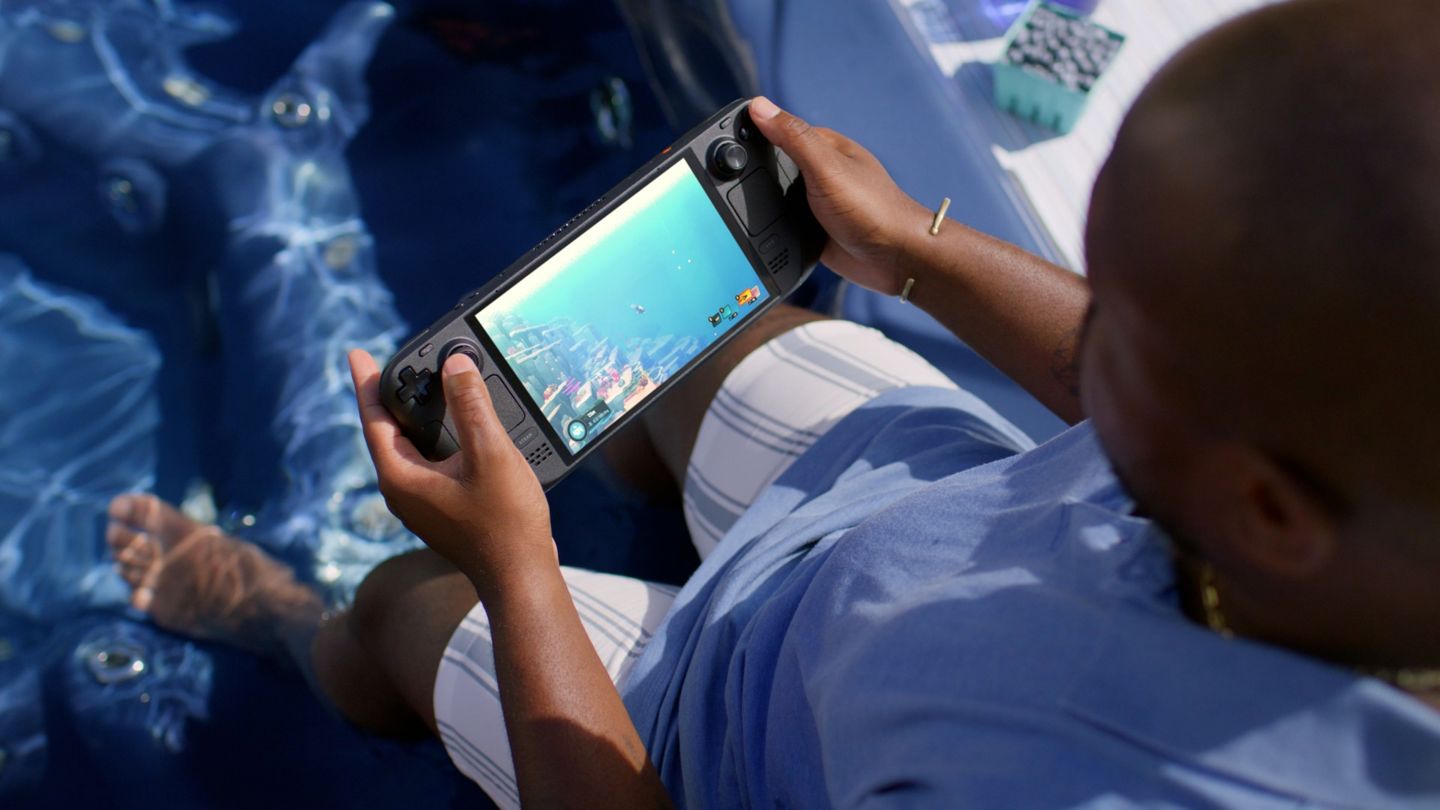
Valve’s 7.4-inch HDR OLED runs at 1280×800 and up to 90 Hz, and it’s the better looking screen of the pair in person. Colors pop harder, contrast runs deeper, and darker games look right in a way the LCD can’t match. You’re trading resolution for that panel quality, and on a screen this size most players won’t miss the extra pixels, and the difference is immediate.
Your existing Steam library loads right up on day one.
Inside, you’re getting 16 GB of LPDDR5 RAM and a 512 GB NVMe SSD on the entry model, with a 1 TB version sitting above it in the lineup and storage you won’t outgrow in a year. Wi-Fi 6E handles the downloads, and the 50 Whr battery stretches about 3 to 12 hours depending on how hard the game pushes. At roughly 640 g it’s the heavier machine, though the grips hide that weight well.
Steam Deck OLED, 7.4-inch HDR OLED screen, 512 GB NVMe SSD, 16 GB RAM, Wi-Fi 6E
Price: $789
Where to buy: Buy at Valve
Valve sells this one itself, through Steam, and that’s the route above, with no retail partner taking a cut or running sales of its own. There’s no dock in the box, so TV play means buying one separately or using a USB-C hub you already own.
That direct only model also shapes the buying experience. Stock comes and goes through Valve’s store alone, there’s no retailer shelf to check when the store page sells through, and your warranty conversation runs through Valve from day one. For most buyers that’s painless, and it means the price you see on Steam is the price, with no competing listings to shop against when you’re ready to buy.
Head to head on the numbers that settle it
| Spec | Nintendo Switch 2 | Steam Deck OLED |
| Price | $499.99 | $789 (512 GB), $949 (1 TB) |
| Screen | 7.9-inch LCD, 1920×1080, 120 Hz | 7.4-inch HDR OLED, 1280×800, 90 Hz |
| Storage | 256 GB, microSD Express to 2 TB | 512 GB or 1 TB NVMe SSD |
| Battery | About 2 to 6.5 hours | About 3 to 12 hours |
| Dock | Included, 4K at 60 fps output | Sold separately |
| Weight | 1.18 lb with controllers | About 640 g |
Read the table top to bottom and a pattern shows up fast, because each machine wins clear categories instead of trading small edges, and the split tells you exactly where your money goes. Nintendo wins the screen size, the resolution and the TV story, and it does all of that for $289 less. Valve wins the panel quality, the battery range and the internal storage, and it charges you a serious premium for those wins.
Neither machine got worse when the prices moved. The math around them did.
The history explains why this comparison needed a rewrite, because both launch prices are gone and every verdict written against them expired with them. Nintendo’s console launched at $449.99 and held until the September 1 rise to $499.99. Valve’s OLED launched at $549 for the 512 GB model, then jumped straight to $789 on May 27 in a single $240 step that landed overnight, with no smaller model left underneath it.
Your library already picked your handheld
If your gaming life runs through Nintendo’s exclusives, or your handheld spends half its time docked under the TV, buy Nintendo’s console at $499.99 and don’t overthink it. You get the bigger screen, the included dock, the lighter build and the family friendly controller setup. Your game shelf settles it. You also keep $289 in your pocket for games and a storage card.
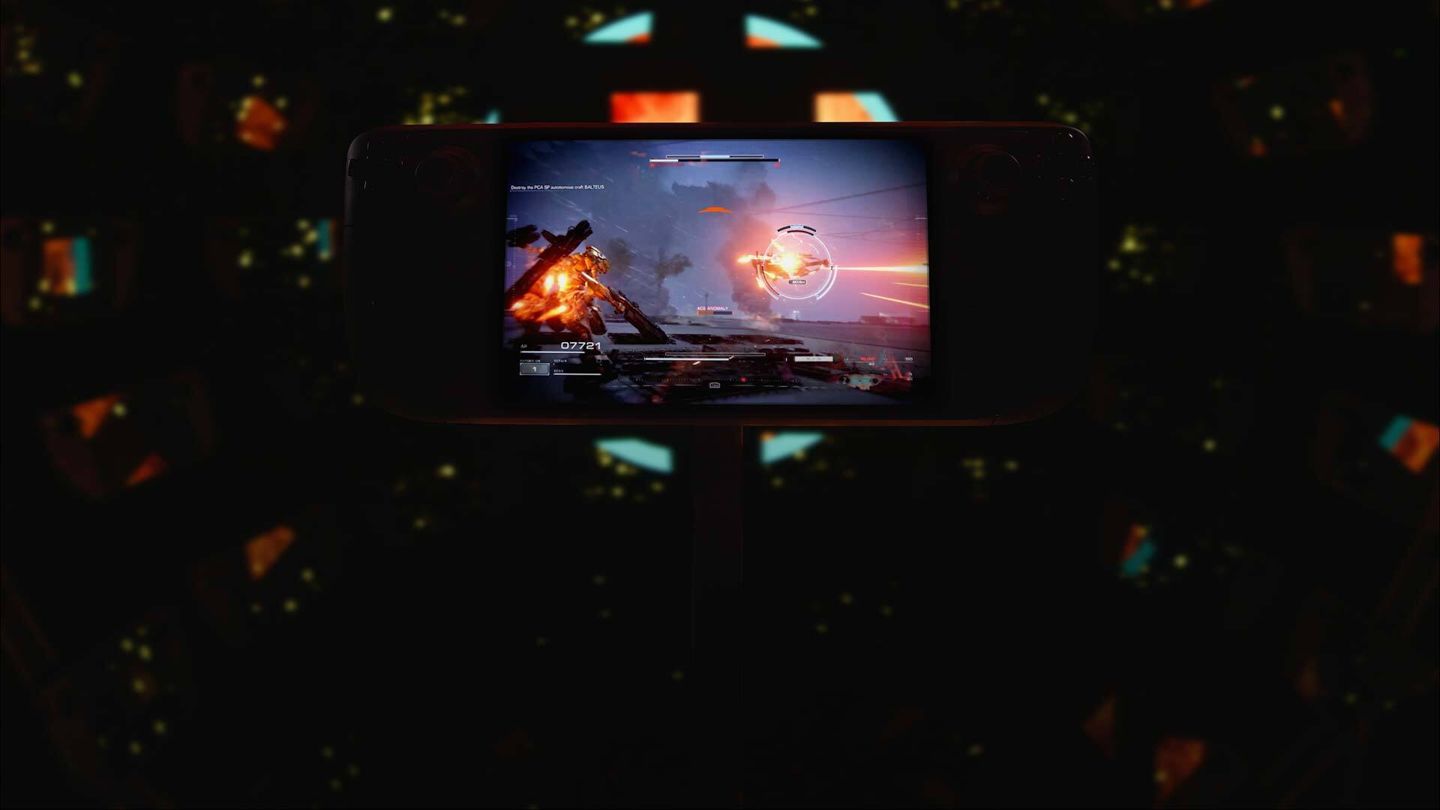
If you’ve built a Steam library over years, the Deck at $789 earns its price a different way. The OLED panel’s the best screen on any handheld near this money, the battery outlasts Nintendo’s in lighter games, and every sale you’ve ever grabbed on Steam is already sitting there waiting.
What’s changed since launch isn’t the hardware, and it isn’t the screens, the storage, the batteries or the docks either. At $789 the Deck has to be right for you in a way the Nintendo machine doesn’t, because $289 buys a lot of forgiveness.