Smart rings have settled into a routine: heart rate, blood oxygen, sleep, steps, all of it read from inside a band you forget you’re wearing. Rogbid’s VitalRing follows that routine and then adds the one reading the routine has been missing, an electrocardiogram you trigger on demand, from a ring that costs $129.99.
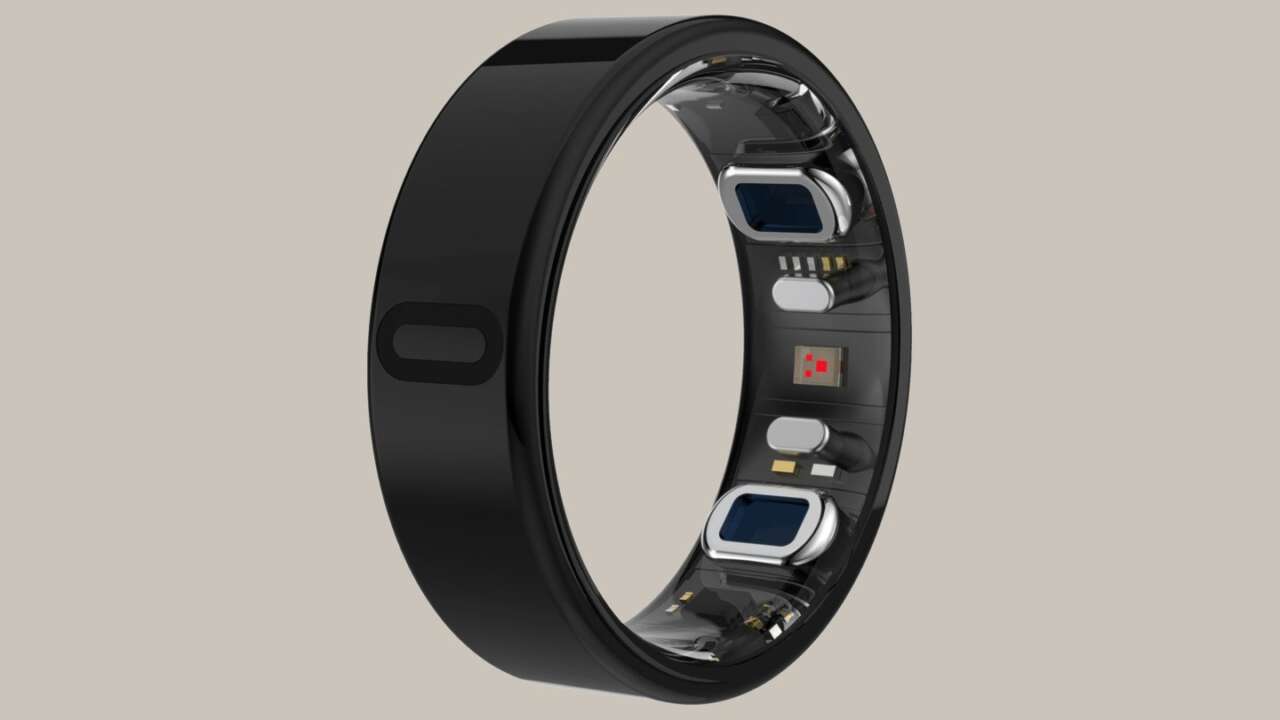
It does that trick with two touch contacts on the band. Rest a fingertip from your other hand on them and the circuit closes through your body, the same basic arrangement a watch uses, shrunk onto a ring.
Rogbid VitalRing
Titanium alloy shell at about five grams · On-demand ECG with SpO2, HRV and temperature tracking · 8 to 10 days per charge
Price: $129.99
Where to buy: Buy at Rogbid
Rogbid built its name on budget smartwatches, and its earlier rings chased the price floor. This one reaches the other way, toward the health end of the category, where Oura and Samsung set the prices, the feature lists and the expectations for the rest of the field.
The hardware behind the reading
Inside the band, a Nordic 54L15 chip runs the show and a TI4950 analog front-end handles the signals, processing PPG, ECG and SpO2 measurements. Around those two sit the sensors for everything else. Heart rate, blood oxygen, heart rate variability and body temperature all log continuously, no prompt needed.
Sleep gets its stages tracked. Stress gets scored daily.
Cycle tracking rounds out the health list, and the activity side covers steps, distance and calories across a set of sports modes, the standard ledger every tracker files whether you read it or not.
One bound, stated plainly. Rogbid publishes no medical clearance for the ECG and doesn’t present the feature as diagnosis. It’s a tracking tool. It hands you a waveform and a number, and what either one means is a conversation for someone with a medical degree.
It also makes the ECG a deliberate act. A watch reads one when you hold its crown; this ring reads one when you stop, sit and bridge its two contacts with the other hand. Nothing about that happens by accident, and nothing about it runs in the background while you sleep.
Everything else runs passively. The ECG is the one you ask for.
Five grams of titanium
The band itself is titanium alloy over an epoxy resin lining, 8mm wide and about five grams. Rogbid says titanium runs roughly 45% lighter than a stainless steel equivalent, and the 5ATM rating covers swimming, showers and hand washing without a second thought.
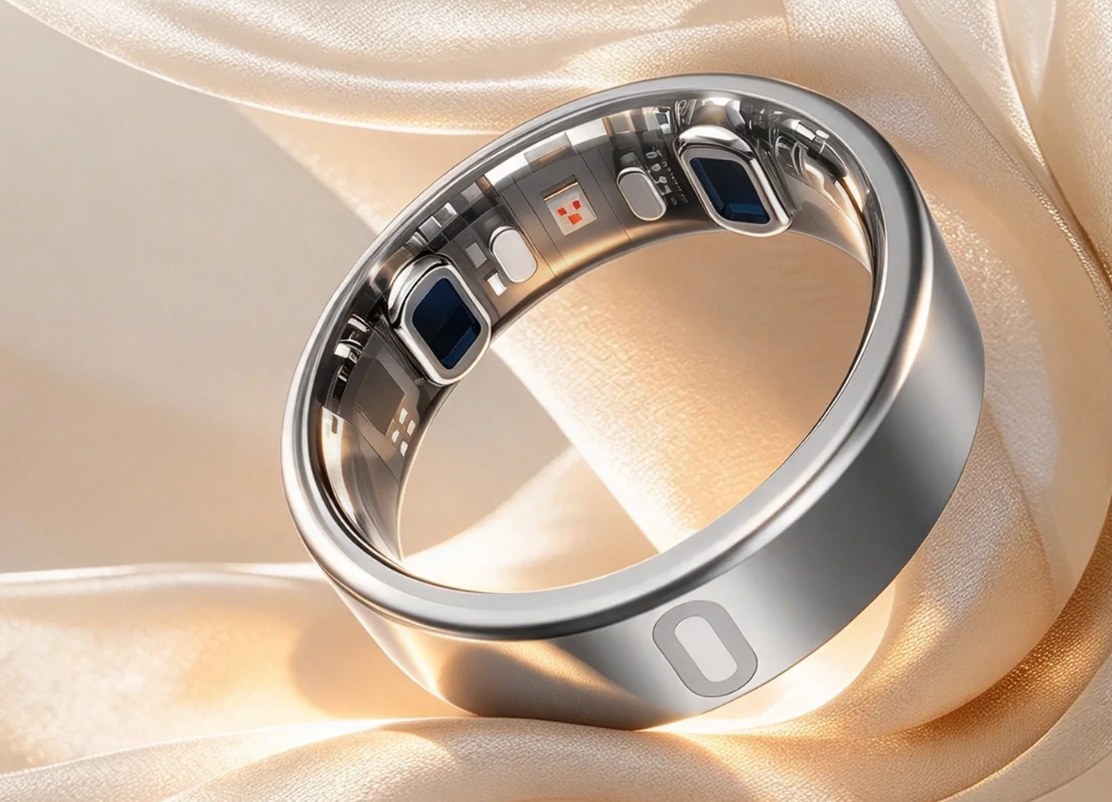
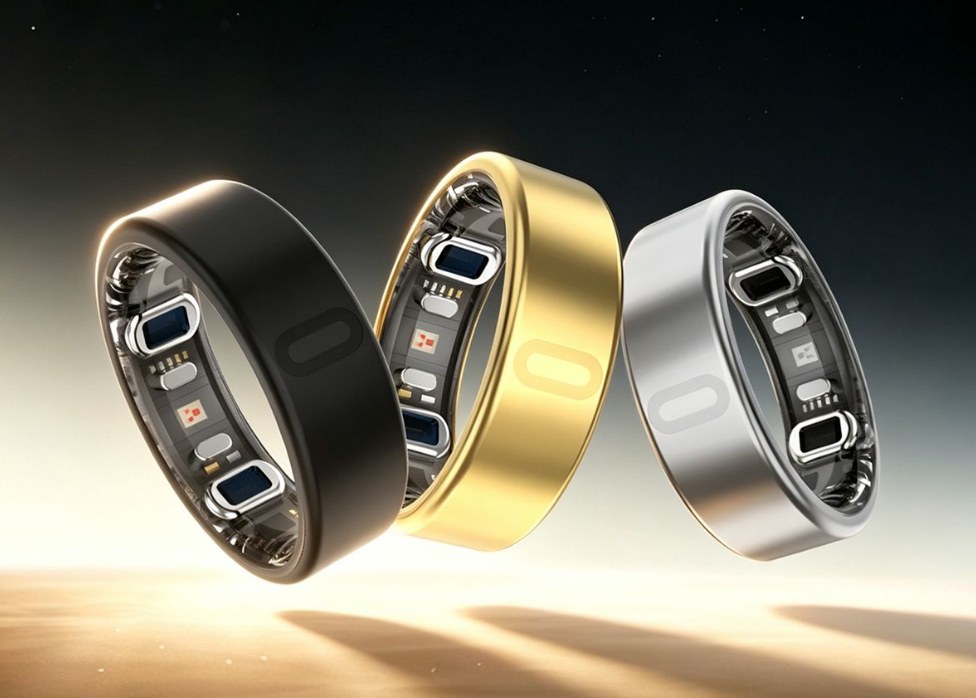
Three finishes: Aura Gold, Lunar Silver and Obsidian Black.
Sizing is where rings get sent back. A watch strap adjusts; a ring either fits or it doesn’t, and fingers swell between morning and evening. Six whole sizes, US 8 to 13, is the standard spread for the category, though it leaves the in-between fingers guessing.
The case does the long haul
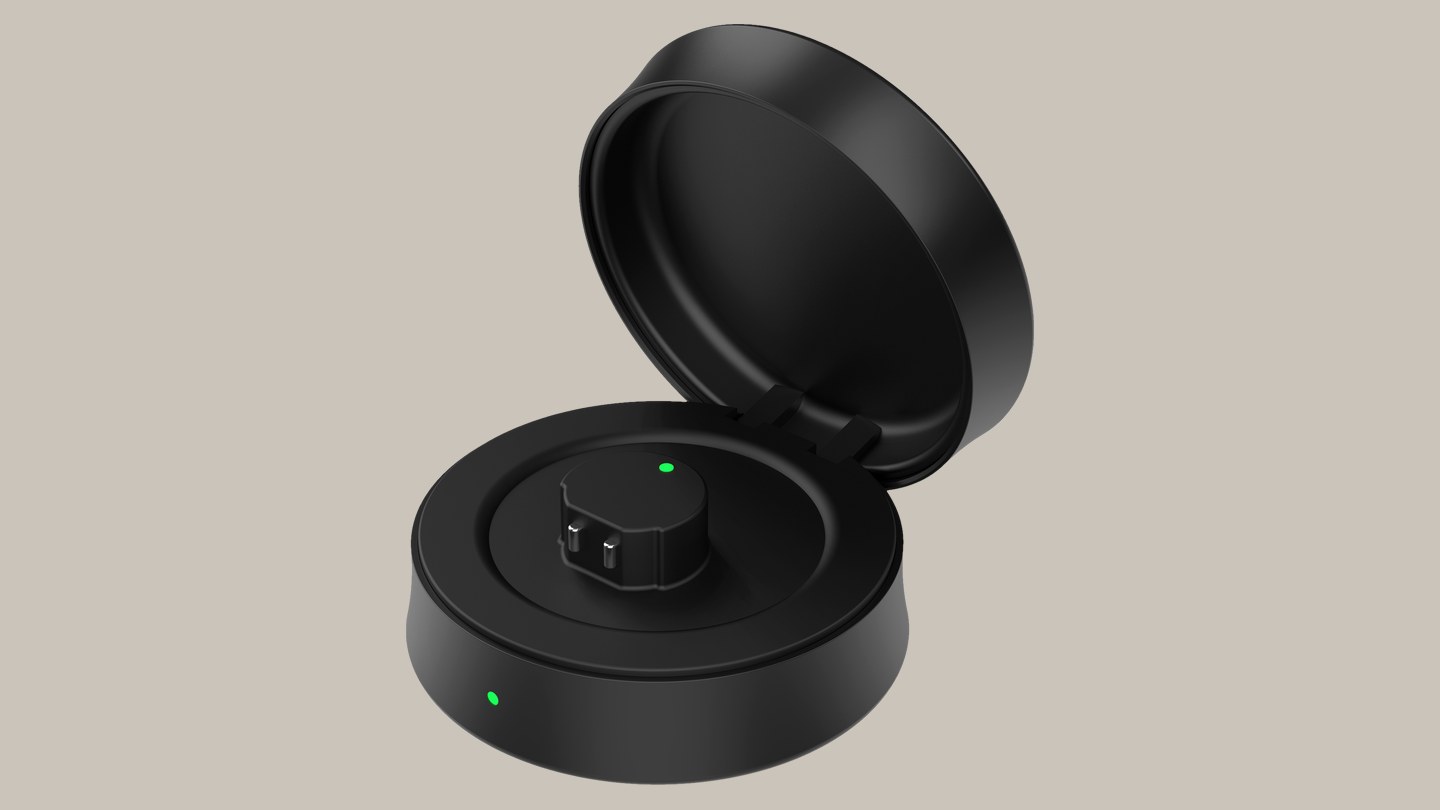
Battery life is the other number that stands out. Rogbid rates the ring at 8 to 10 days per charge, and the 400mAh magnetic charging case it ships with stretches the time between wall outlets well past that. The case refills the ring between wears, which turns charging into a weekly errand instead of a nightly one.
Two software extras worth naming
Remote care lets the ring’s data flow to family members you choose, the feature aimed at adult kids keeping an eye on a parent. Gesture control points the other way. A flick of the ring hand triggers your phone’s shutter from across the room.
The data that flows out is the set the ring collects: heart rate, oxygen, sleep, temperature. For the parent who’ll never open a health app, a daughter’s phone showing last night’s sleep is the whole product. For everyone else, it’s the feature to leave off until it’s needed.
Where $129.99 lands
The price is the argument. An Oura Ring 4 starts at $349 before its subscription, and Samsung’s Galaxy Ring runs $399.99. Our own look at the Qring Titan 2 Pro found a screen on a $99 band. This one skips the screen and spends its budget on the sensor stack instead, ECG included. Neither of the big two reads an ECG from a ring at any price, which is the whole gap this band walks into.
The sales event running now is Double 11, and the bundle tells its own story. Every ring ships with a mystery gift box holding either a smartwatch or a second ring, which is a generous toss-in at $129.99 and a fair hint at where the margin sits on a five-gram band.
That trade defines the buyer. If you want the cheapest credible route to an ECG on your finger and you can live with a young brand’s app and sensors nobody independent has validated yet, $129.99 is an easy experiment.
Rogbid VitalRing
Titanium alloy shell at about five grams · On-demand ECG with SpO2, HRV and temperature tracking · 8 to 10 days per charge
Price: $129.99
Where to buy: Buy at Rogbid
If the readings need to hold up in a doctor’s office, the money goes to Oura or Samsung. Everyone else is buying curiosity, and this is the cheapest curious ring with an ECG in it. At $129.99, the experiment costs less than the same mistake would cost at Oura or Samsung money. That’s the whole pitch, and at this price it’s more than enough of one to test.