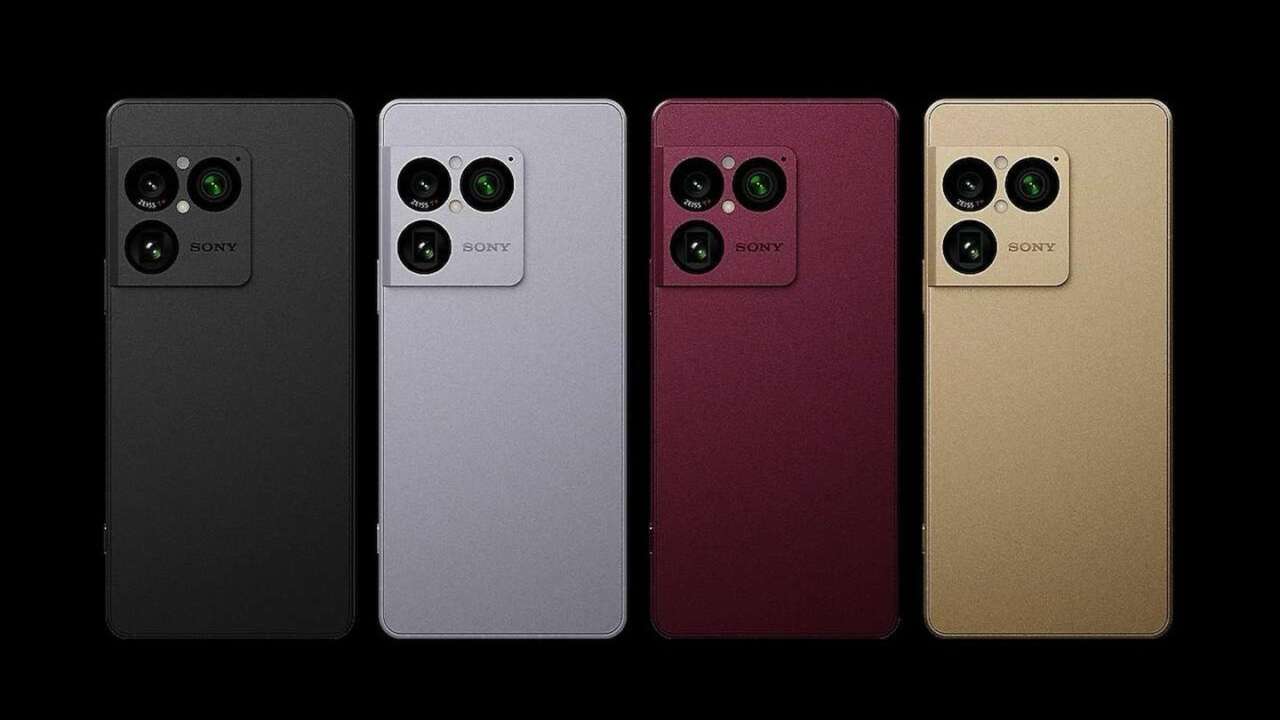
Sony’s UK store has the Xperia 1 VIII on pre-order with expected delivery from Tuesday, November 10, and Sony’s own spotlight this week is not the chip or the cameras. It is the glass on both faces of the phone.
The 256GB model runs about $1,875 at the current exchange rate, in Graphite Black, Garnet Red, or Iolite Silver. The 1TB model runs about $2,475 and comes only in Native Gold. Both figures are Sony UK prices converted to dollars. Sony does not sell this phone in the US, and no US price exists.
The glass on both sides
The front is Gorilla Glass Victus 2, and Sony points to two upgrades in it: a quarter of the glass is pre-consumer recycled content, and drop performance on rough surfaces is improved over the last generation. Drops onto concrete and asphalt are the failures that crack screens in the real world, so that second claim is the one that counts.
The back panel is frosted Gorilla Glass Victus, textured so it resists fingerprints instead of collecting them. The frame is rated IP65 and IP68 against dust and water.
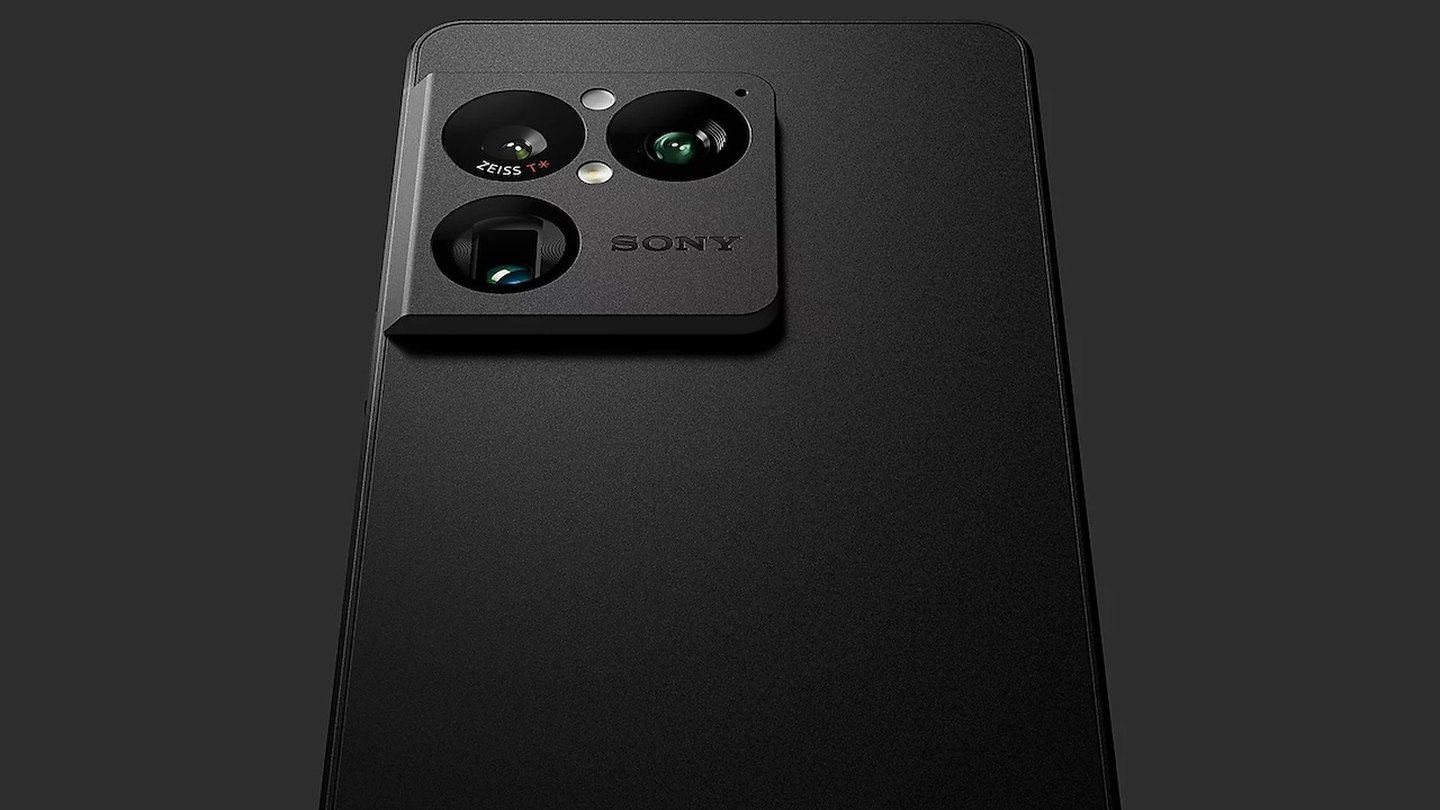
The shape under the glass is new, too. Sony calls the design language ORE, drawn from raw gemstones and natural textures, and it is the first real exterior rethink the Xperia 1 line has had in years. The camera plateau grew into a wide square to match. The frosted panels, the flat rails, and the squared corners all come out of that single idea, and the result looks cut from stone rather than molded from plastic.
The hardware underneath
Qualcomm’s Snapdragon 8 Elite Gen 5 runs the phone, with a 5,000mAh battery Sony rates for two days of use and a battery health guarantee that runs four years. Storage splits by model: 12GB of RAM with 256GB, or 16GB with 1TB, and a microSDXC slot takes cards up to 2TB either way.
Sony built a Processing Optimization mode that throttles power draw during heavy jobs like turn-by-turn navigation, which is how a 5,000mAh cell gets asked to cover two days in a phone this thin. The four-year health guarantee is the other half of that pitch: the battery is supposed to age slowly, not just start big.
The phone measures 162 by 74 by 8.3mm and weighs 200g, and it ships with Android 16, four OS upgrades, and six years of security updates.
The screen is a 6.5-inch FHD+ OLED at a 19.5:9 aspect ratio, running at 120Hz with HDR and BRAVIA processing doing the color work. It sits between real bezels, with Sony’s front-facing stereo speakers built into them.
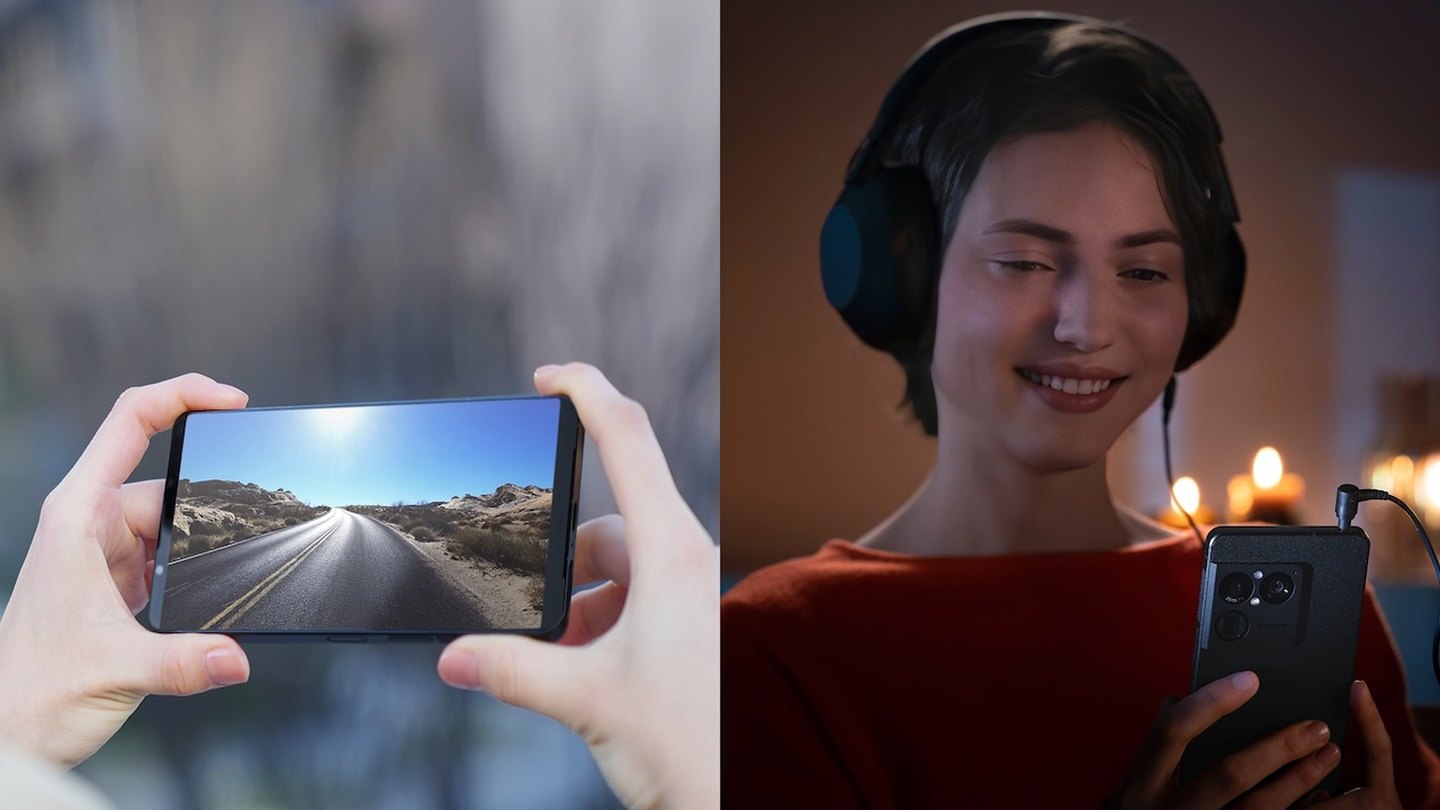
Three cameras, all 48 megapixels
Every rear camera resolves 48 megapixels: a 24mm main at F1.9, a 16mm ultrawide at F2.0, and a 70mm telephoto at F2.8 that also focuses close enough to work as a macro. The telephoto sensor is roughly four times the size of the one in last year’s phone, which is the real hardware upgrade in this camera system. A 12-megapixel camera handles selfies.
The main camera is the carryover. Its 1/1.35-inch Exmor T sensor and F1.9 lens match last year’s phone, so the generational jump sits in the telephoto and the software. Sony is spending its camera budget where zoom quality usually falls apart.
The AI Camera Assistant reads the subject and the scene, then offers four creative directions, each pairing a lens choice with its own color, exposure, and bokeh settings. You can take one as a starting point and tune from there. It is Sony’s Alpha team writing software for a phone, aimed at shooters who would rather start from a look than from auto.
A two-stage hardware shutter button stays on the frame, so a half-press still focuses the way it does on a camera.
The parts everyone else dropped
The headphone jack survives, with Walkman audio circuitry behind it, and the SIM tray opens without a tool. We ran the full Sony Xperia 1 VIII announcement in May, and followed it with the five features Sony kept that rivals dropped. This order window is the same phone, not a new model.
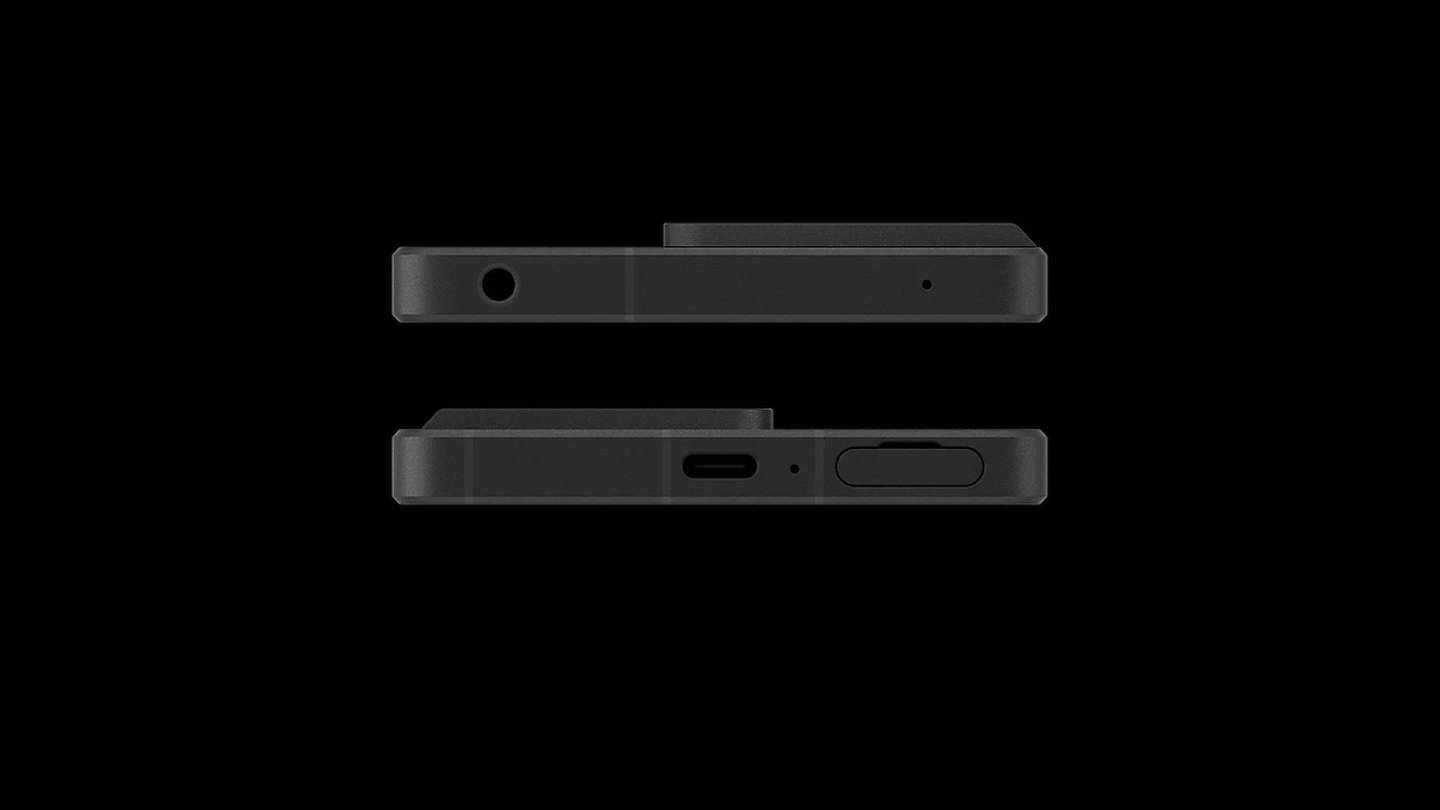
Dual eSIM runs beside the physical tray, and the front-facing speakers are Sony’s redesigned Full-stage stereo array.
The 1TB model is the new top tier for the line, a single-color configuration at a converted price that sits within sight of top-trim foldables. That is not company the Xperia line has kept before, and it frames the choice cleanly: this phone charges flagship money for hardware choices the rest of the industry deleted.
None of that softens the price. This is foldable money for a slab phone, and Sony’s buyers are paying it for three specific things: the jack, the card slot, the shutter button.
If those three are your list, Tuesday is your date. If they are not, the carrier stores are full of flagships that cost less and come with a US warranty.